The best traffic-free bike rides around Mayen
4.7
(1719)
7,719
riders
90
rides
No traffic touring cycling routes around Mayen are primarily found within the Eifel region of Germany, characterized by its volcanic origins and varied landscapes. The area features disused railway lines converted into cycle paths, offering largely flat and car-free experiences. Tranquil river valleys also provide almost gradient-free cycling, winding through green valleys and past small villages. The region's terrain includes both gentle sections and more challenging ascents for diverse cycling preferences.
Best no traffic touring cycling routes around Mayen
- The most popular no traffic touring cycling route is Maifeld Cycle Path – Tunnel Hausen-1 loop from Mayen West, a 28.5 miles (45.9 km) trail that takes 2 hours 53 minutes to complete. This route follows a disused railway line, featuring tunnels and a viaduct.
- Another top favourite among local touring cyclists is View from Lehnen Viaduct – Hausen-1 Tunnel loop from Mayen Ost, a moderate 10.2 miles (16.5 km) path. This trail offers views of the Nette valley and passes through the unique landscape of the Maifeld Cycle Route.
- Local touring cyclists also love the Tunnel Hausen-1 – Maifeld Cycle Path loop from Landkreis Mayen-Koblenz, a 15.5 miles (24.9 km) trail leading through the Eifel region, often completed in about 1 hour 32 minutes.
- Touring cycling around Mayen is defined by disused railway lines, volcanic landscapes, and river valleys. The network offers options for easy, moderate, and difficult routes, catering to various ability levels.
- The routes in Mayen are highly rated by the komoot community with an average score of 4.7 stars from over 1,400 reviews. More than 6,500 touring cyclists have used komoot to explore Mayen's varied terrain.
Last updated: July 24, 2026
4.5
(400)
1,042
riders
45.9km
02:52
430m
430m
Moderate bike ride. Good fitness required. Mostly paved surfaces. Suitable for all skill levels.
4.7
(64)
335
riders
27.2km
01:40
270m
270m
Moderate bike ride. Good fitness required. Mostly paved surfaces. Suitable for all skill levels.

Sign up for free
4.7
(90)
470
riders
59.7km
03:36
480m
480m
Hard bike ride. Very good fitness required. Mostly paved surfaces. Suitable for all skill levels.
4.7
(149)
666
riders
35.8km
02:12
320m
320m
Moderate bike ride. Good fitness required. Mostly paved surfaces. Suitable for all skill levels.
4.7
(15)
135
riders
15.6km
01:02
230m
230m
Moderate bike ride. Good fitness required. Mostly paved surfaces. Suitable for all skill levels.
Get access to more routes and recommendations from other explorers.
Sign up for free
Already have an account?
Our route recommendations are based on thousands of hikes, rides, and runs completed by other people on komoot.
Start today with a free account
Your next adventure awaits.
Login or Signup


Tips from the Community

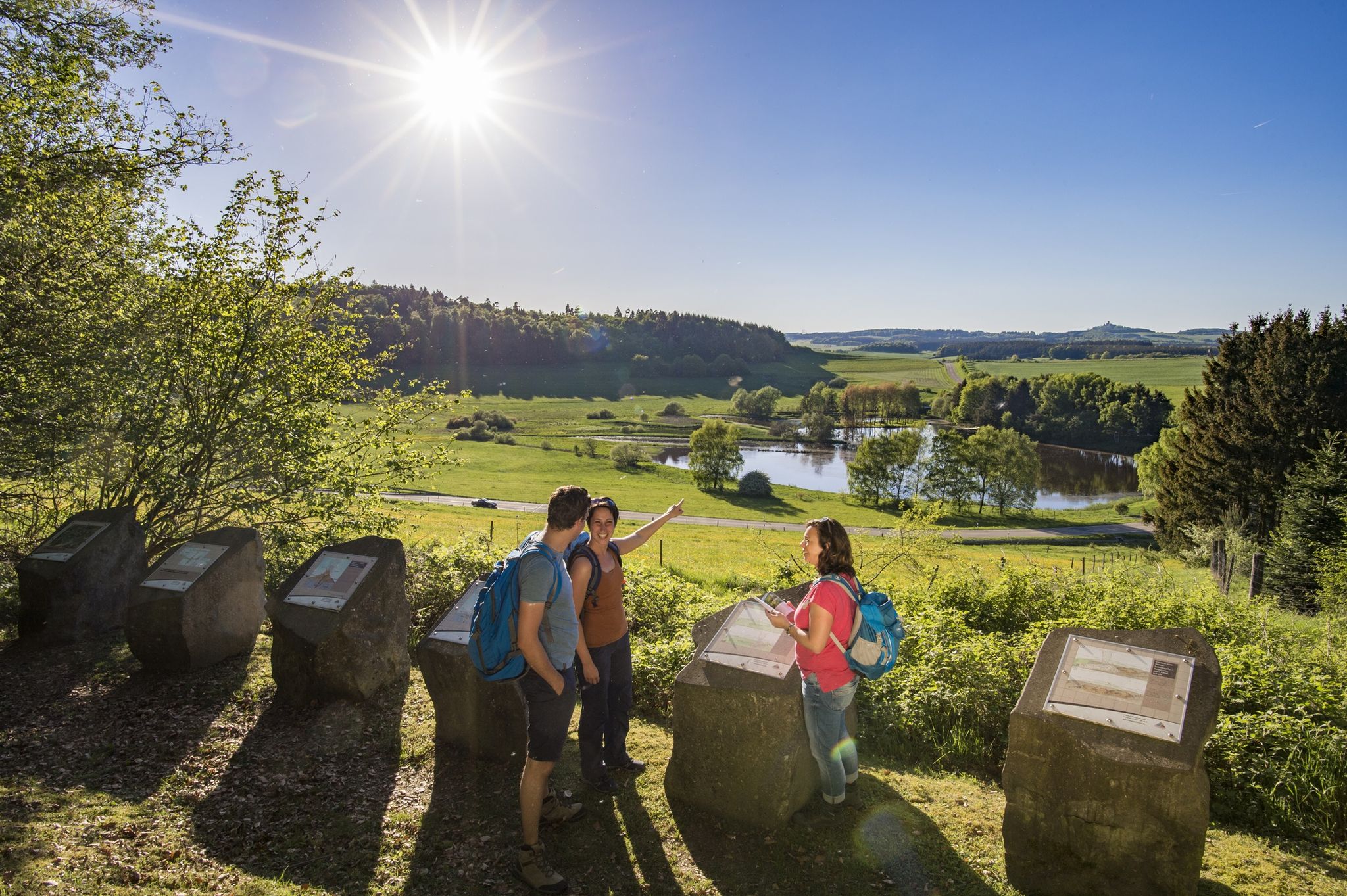
most lovely
1
0
historic railway facility
1
0


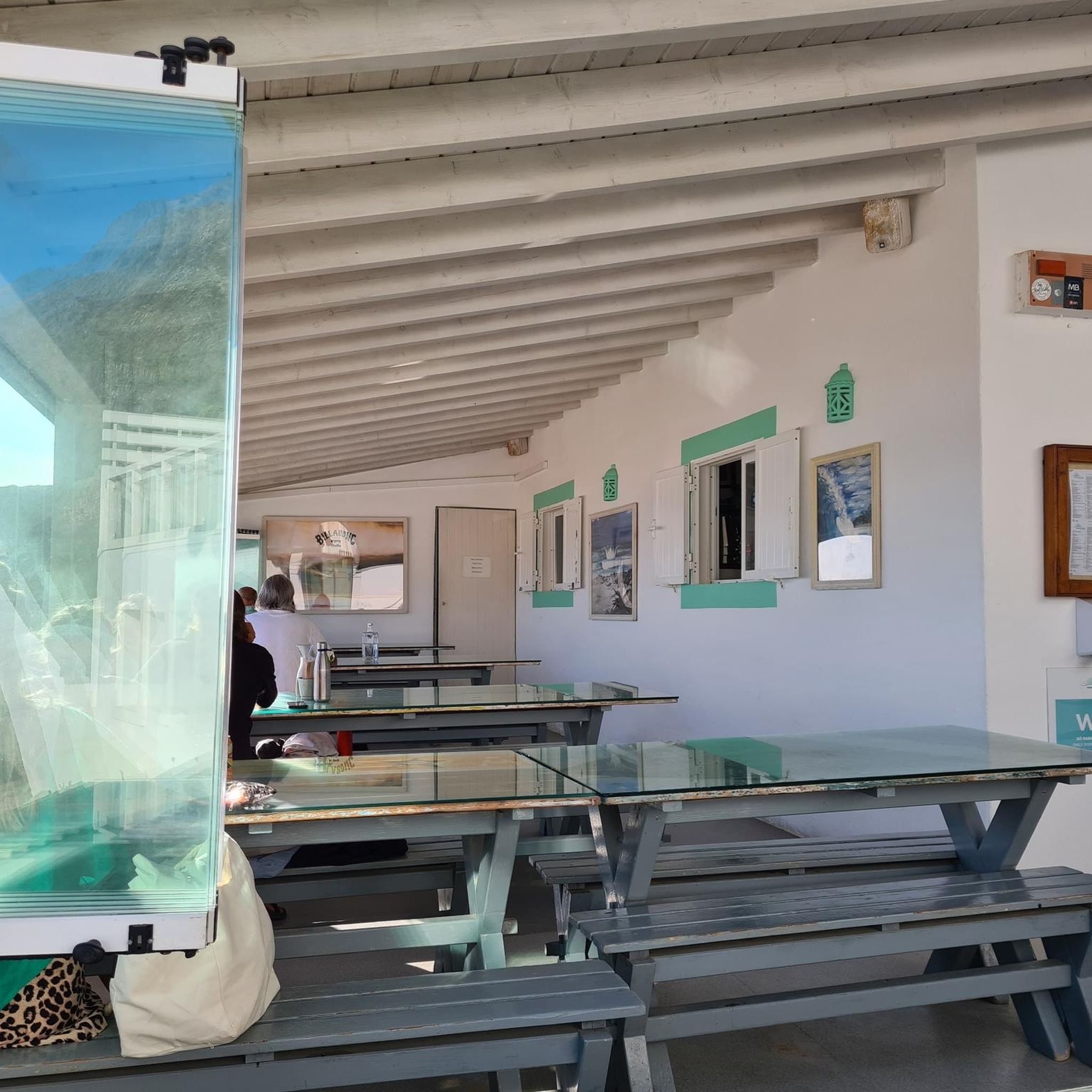
Nice place to take a break
1
0
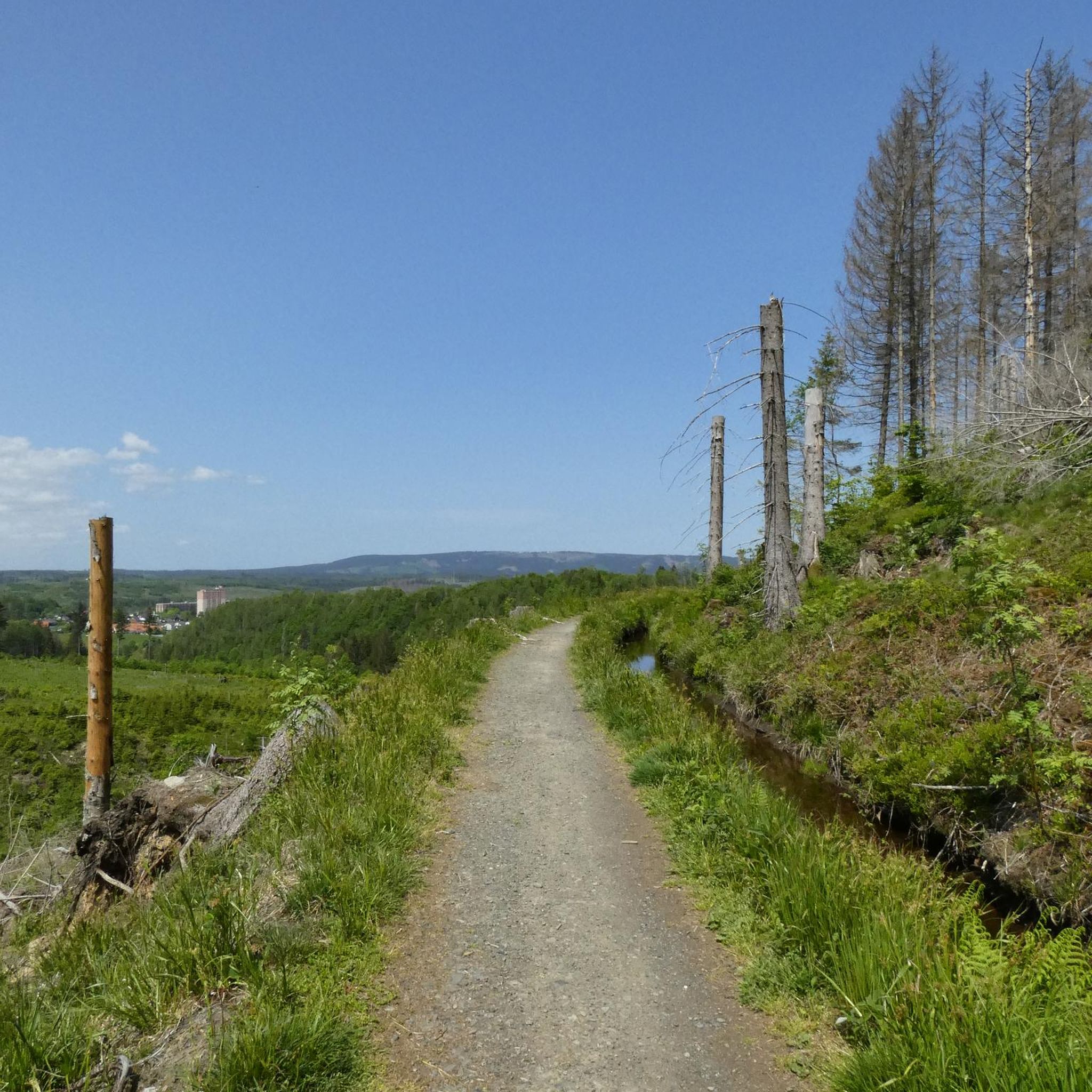
Great cycle path for relaxed cycling and exploring!
1
0

The late Gothic castle was besieged, destroyed, and rebuilt several times over the course of its eventful history. The current complex consists of the upper castle with the 34-meter-high Golo Tower and the slightly lower outer castle. The castle is protected from the city by a large castle gate, and on the other side by the keep and a moat complex. The former moat is now a ring road spanned by a 20-meter-long Gothic stone bridge. The Genovevaburg Castle houses two exhibitions of the Eifel Museum: EifelTotal and the German Slate Mine.
10
0
Frequently Asked Questions
What kind of no-traffic touring cycling routes can I expect around Mayen?
Mayen, situated in the Eifel region, offers a variety of no-traffic touring cycling routes, many of which are built on disused railway lines. These routes are typically asphalted, largely flat, and safely separated from road traffic, making them ideal for relaxed rides. You'll find paths winding through picturesque river valleys, past volcanic landscapes, and through charming villages.
How many no-traffic touring cycling routes are available in the Mayen area?
There are over 85 no-traffic touring cycling routes around Mayen documented on komoot, catering to various skill levels. This includes 11 easy routes, 40 moderate routes, and 34 more challenging options.
What is the most well-known no-traffic cycling route in the Mayen area?
The Maifeld Cycle Route is a significant highlight. It follows a disused railway line, offering an easy, asphalted path between Münstermaifeld, Polch, Ochtendung, and Mayen. It features a 40-meter-high natural stone viaduct and two tunnels, creating a unique cycling experience.
Are there any beginner-friendly or easy no-traffic routes for touring cyclists?
Yes, many of the routes built on former railway lines, like sections of the Maifeld Cycle Route, are largely flat and well-suited for beginners or families. For example, the View from Lehnen Viaduct – Hausen-1 Tunnel loop from Mayen Ost is a moderate route that offers a relatively gentle introduction to the area's car-free paths.
What attractions or landmarks can I see along these no-traffic routes?
Along the routes, especially the Maifeld Cycle Route, you can encounter various sculptures that form an open-air gallery. The region also boasts natural and historical landmarks. Notable attractions include the Laacher Lake, the historic Monreal Historic Old Town, and the impressive Nette Viaduct and Tunnel.
Are there any circular no-traffic touring routes around Mayen?
Yes, several routes offer circular options, allowing you to start and end in the same location without retracing your path. An example is the Maifeld Cycle Path – Tunnel Hausen-1 loop from Mayen West, which provides a comprehensive tour of the area's car-free paths.
What do other touring cyclists enjoy most about cycling in Mayen?
The area is highly rated by the komoot community, with an average score of 4.7 stars. Reviewers often praise the quiet, car-free nature of the routes, the scenic landscapes, and the well-maintained paths, particularly those built on former railway lines.
Is the Eifel National Park accessible by bike from Mayen, and are there car-free sections?
While not directly adjacent to Mayen, the Eifel National Park offers designated cycle paths, with 104 kilometers of its 240 kilometers of trails open to cyclists. These paths provide opportunities to cycle through a protected natural environment. For more detailed information on cycling within the park, you can visit the National Park Eifel website.
Are there options for public transport access to these no-traffic cycling routes?
The Eifel region generally has good infrastructure. While specific public transport connections to every trailhead can vary, many towns along major cycle routes, including Mayen, are served by regional buses or trains, which can often accommodate bicycles. It's advisable to check local transport schedules for specific routes and bike carriage policies.
Can I find cafes or restaurants along the no-traffic touring routes?
Yes, the Eifel region is well-equipped for cycling tourism, and routes like the Maifeld Cycle Route offer numerous opportunities for rest, with restaurants, cafes, and picnic spots along the way. You'll often find places for a traditional 'Kaffee & Kuchen' break in the villages you pass through.
What is the best season to enjoy no-traffic touring cycling around Mayen?
The spring and autumn months generally offer the most pleasant conditions for touring cycling in the Eifel, with milder temperatures and beautiful scenery. Summer can also be enjoyable, but it's wise to start earlier in the day to avoid the midday heat. Winter cycling is possible, but some services might be limited, and weather conditions can be more challenging.
Most popular routes around Mayen
Most popular attractions around Mayen

Get inspired with the komoot mobile app


Explore more
Browse the best Cycling routes in other regions.
