Attractions and Places To See around Oder-Neiße - Top 20
Best attractions and places to see around Oder-Neiße are defined by the Oder and Lusatian Neisse rivers, which form the modern border between Germany and Poland. This region offers a diverse range of attractions, blending historical significance, natural beauty, and cultural experiences. It is a destination for those interested in exploring cross-border heritage and outdoor activities, particularly cycling. The landscape features vast floodplains, river valleys, and historical towns.
Best attractions and places to see around Oder-Neiße
- The most popular attraction…
Last updated: September 26, 2026
Ratzdorf Gauge House
Highlight • Monument
Translated by Google •
Tip by

Neißewelle Bridge (Coschen–Zytowan)
Highlight • Bridge
Translated by Google •
Tip by
Sign up now to discover places like this
Get recommendations on the best single tracks, peaks, & plenty of other exciting outdoor places.
Path Along the Neisse River Near Guben
Highlight (Segment) • Cycleway
Translated by Google •
Tip by
View of the Ratzdorf gauge house and the Oder–Neisse confluence
Highlight • Viewpoint
Translated by Google •
Tip by

Oder–Neisse Cycle Route (D12)
Highlight • Cycleway
Translated by Google •
Tip by

Sign up for free to discover even more attractions around Oder-Neiße.
Already have an account?
Start today with a free account
Your next adventure awaits.
Tips from the Community

The Neisse Bridge near Coschen is a modern structure that has connected Poland and Germany since 2014. Rebuilt with EU funding, it is a symbol of European unity. Its futuristic design is a striking eye-catcher that leads not only pedestrians and cyclists, but also cars across the river. Despite its practical use, the bridge remains quiet, ideal for a break or a photo on the Neisse cycle path. For many Eisenhüttenstadt residents, it is a popular crossing to get cheap fuel or buy cigarettes in neighboring Poland, which sparked some discussion on the German side when it reopened
2
0

A long section paved with sidewalk stones.
0
0

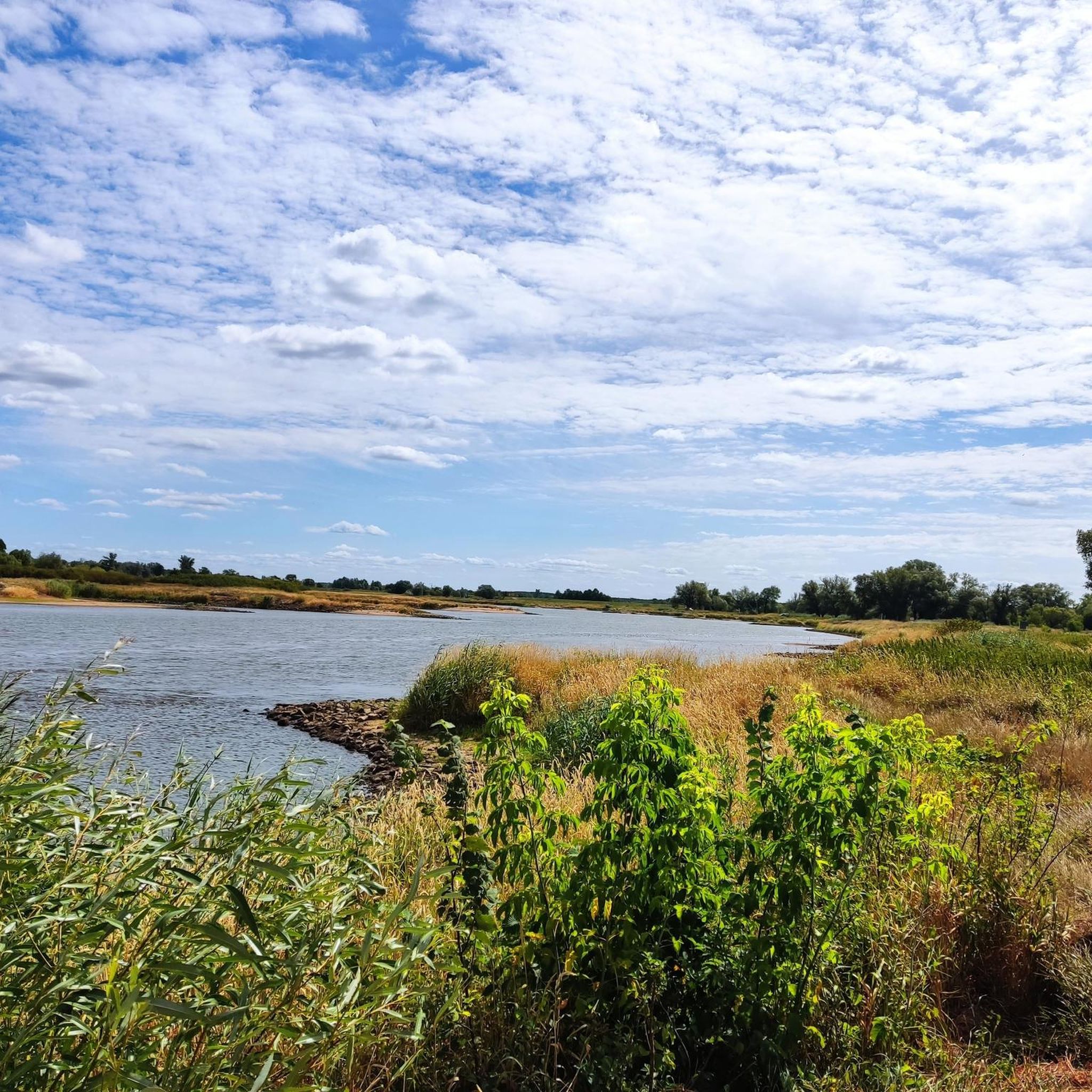
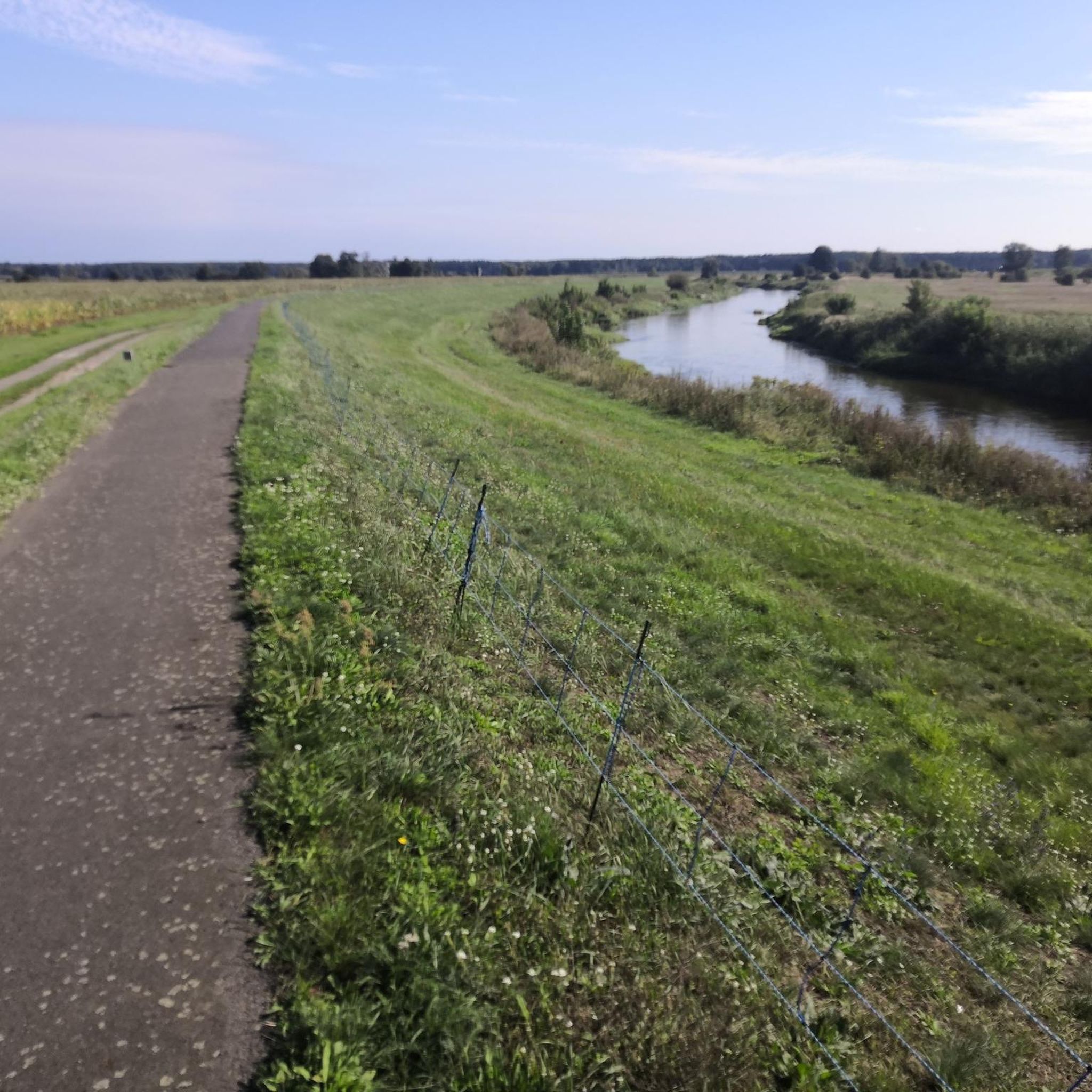
Cycle path parallel to the Neisse. Somewhat roughly paved
0
0

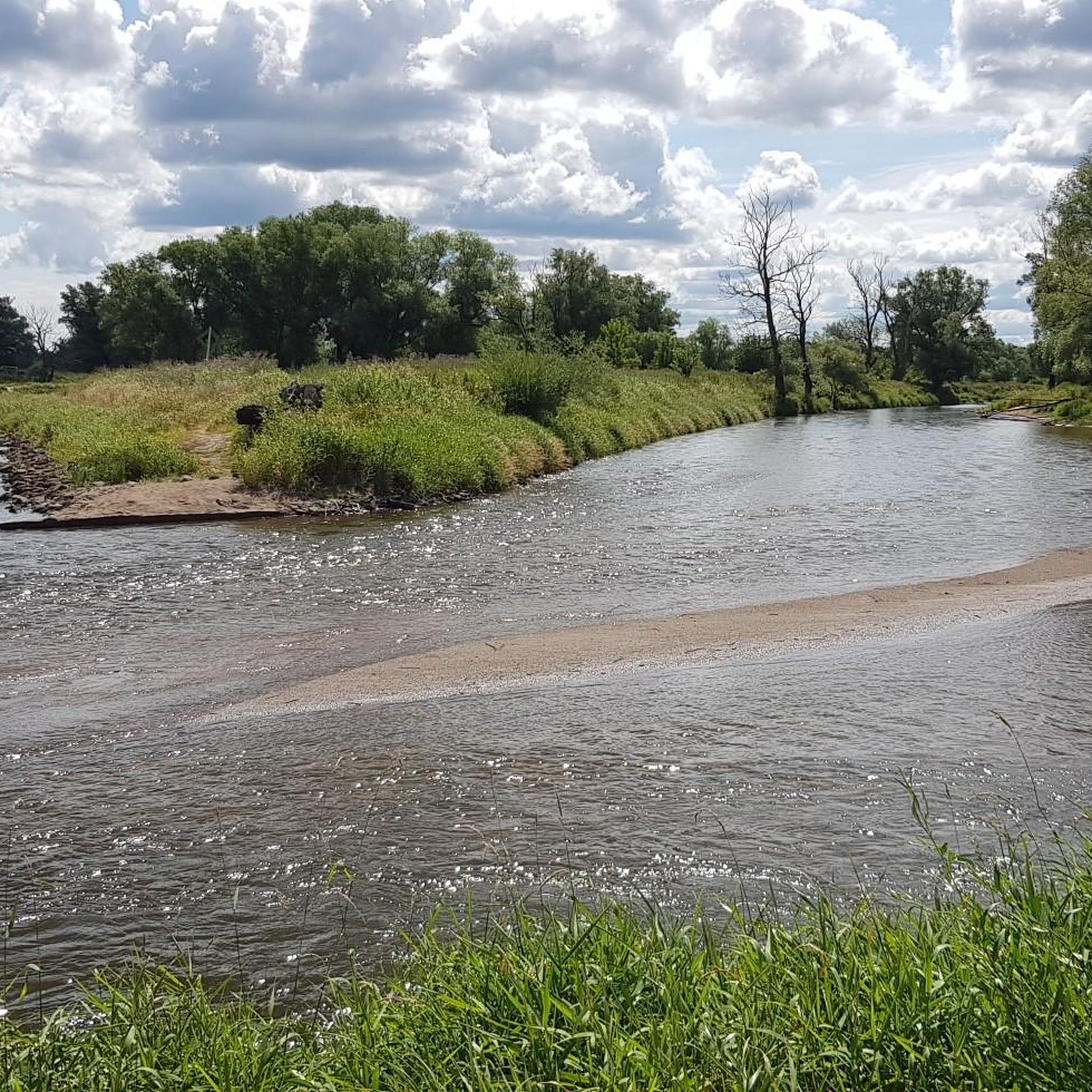
The path first goes over the island of Wyspa Teatralna, then continues several kilometres north through a floodplain landscape near the Neisse before it flows into a main road. The cycle path continues along the side of this road.
1
1

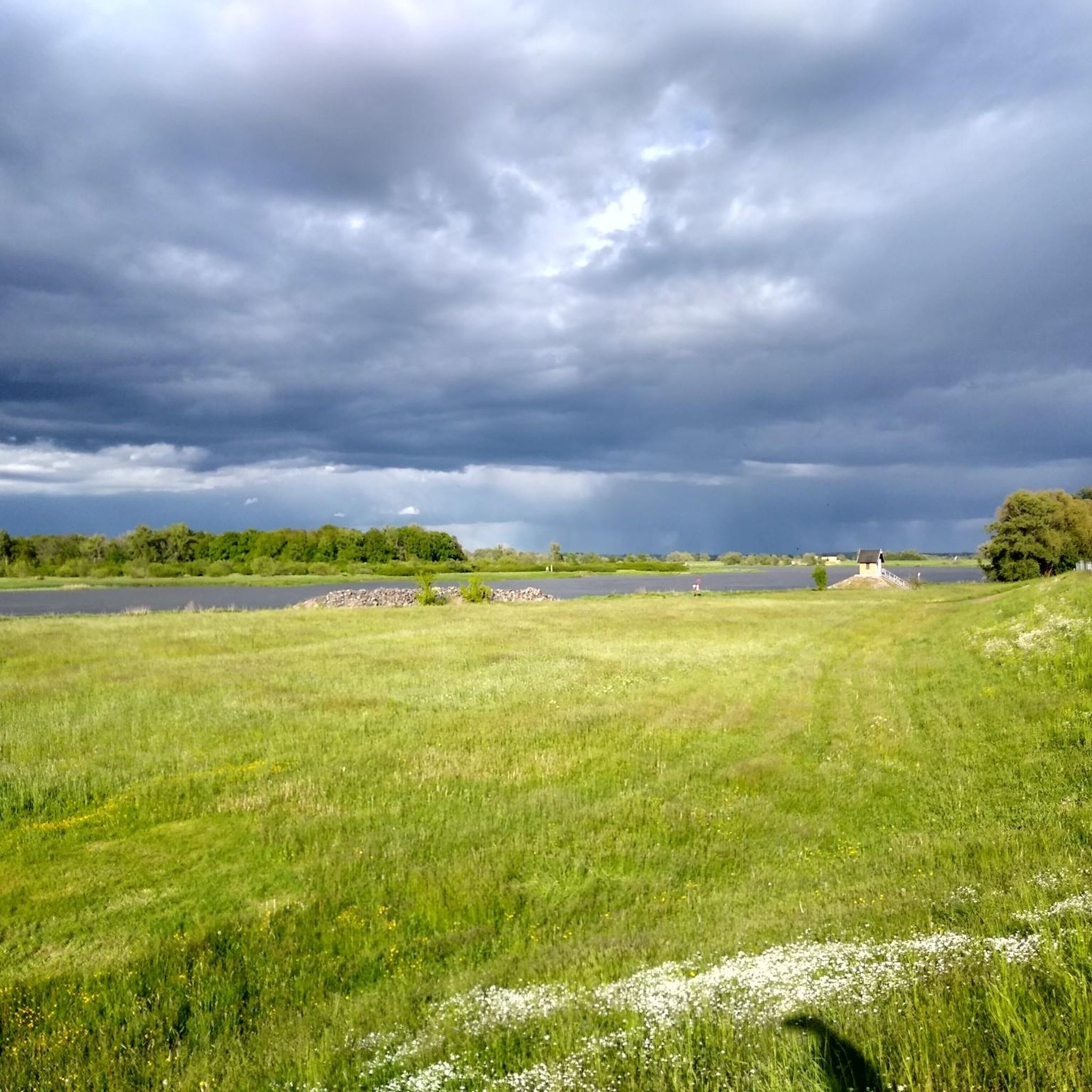
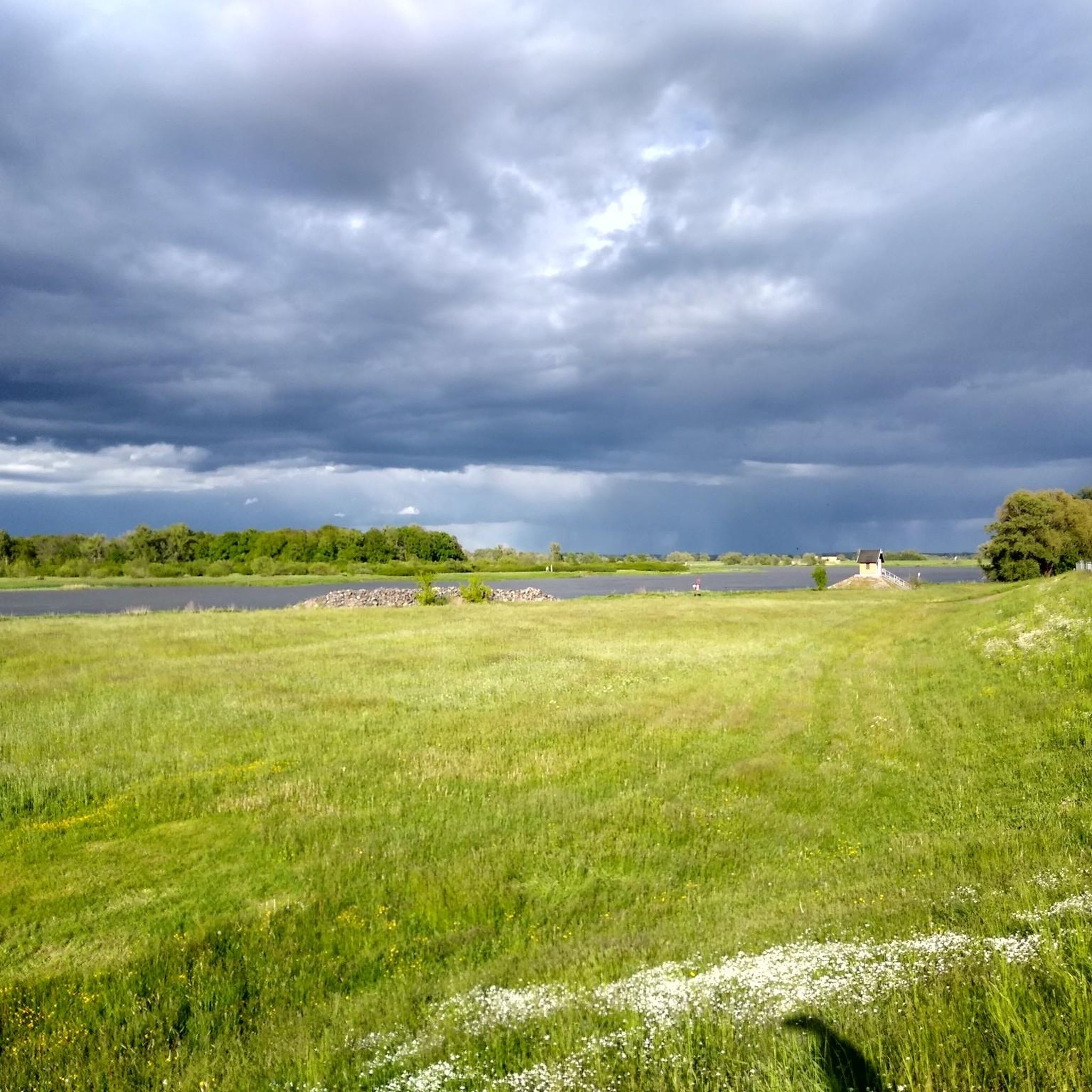
Beautiful place + a great opportunity to stop off in the cabin. It may also be possible to set up your tent for a night here. It's best to ask in advance.
1
1

To properly see the confluence of the Neisse and Oder, you have to follow the Oder on foot for about 300 meters from the gauge house (somewhat rough terrain).
5
0

A beautiful piece of earth.
1
0

Very easy route to drive, even for those with little experience and children.
0
0
Frequently Asked Questions
What natural landmarks can I explore in the Oder-Neiße region?
The region is rich in natural beauty. A significant natural landmark is the Confluence of the Neisse and the Oder, where the two rivers meet, forming part of the German-Polish border. You can also visit the View of the Ratzdorf gauge house and the Oder–Neisse confluence for a great perspective. The Lower Oder Valley National Park offers diverse ecosystems and opportunities for wildlife observation. Additionally, the Neißewelle Bridge (Coschen–Zytowan) provides good views of the Neisse River and surrounding fields.
Which historical cities are worth visiting in the Oder-Neiße region?
Görlitz is often considered one of Germany's most beautiful cities, boasting nearly 4,000 listed buildings across various architectural styles. Frankfurt (Oder) is another historic city on the Oder River with a rich architectural heritage, including its Old Town and St. Mary's Church. Zittau, near the Czech border, is known for its well-preserved old town. Eisenhüttenstadt offers a unique glimpse into socialist-era architecture and urban planning.
What cycling opportunities are available in the Oder-Neiße region?
The Oder–Neisse Cycle Route (D12) is a major highlight, stretching for approximately 577 to 640 kilometers along the two rivers. Its mostly flat terrain makes it suitable for all ages and skill levels. For specific routes, you can find easy cycling tours like the "Ratzdorf Gauge House – Oder–Neisse Cycle Route (D12) loop from Oder-Neiße" on the Cycling around Oder-Neiße guide.
Are there hiking trails suitable for different skill levels?
Yes, the region offers various hiking options. The Lower Oder Valley National Park provides opportunities for nature observation and hiking. For easier walks, you can explore routes like the "Michael Jackson Playground loop from Oder-Neiße" or the "Alte Brückenstraße Fürstenberg – Oder-Neiße embankment path loop from Fürstenberg (Oder)". More options are available in the Hiking around Oder-Neiße guide and the Easy hikes around Oder-Neiße guide.
Can I learn about local culture and heritage in the Oder-Neiße region?
Absolutely. The region is home to the Sorbs, a West Slavic minority group with vibrant cultural traditions. You can experience their customs through events like the "bird wedding," "Zampern," beautifully decorated Easter eggs, and traditional folk music. Additionally, the Erlichthof in Rietschen showcases traditional log house construction, and local museums like the Markersdorf Village Museum and the Weißwasser Glass Museum offer insights into the region's history and crafts.
Are there any unique parks or gardens to visit?
Yes, the region features two notable parks. Prince Pückler Park in Bad Muskau, a UNESCO World Heritage Site, is a magnificent "green oasis" that spans both sides of the Neisse River, connecting German and Polish sections. The Rhododendron Park in Kromlau is also famous for its picturesque Rakotz Bridge, a popular spot for photographers.
What is the significance of the border towns like Guben/Gubin and Görlitz/Zgorzelec?
These towns highlight the region's unique cross-border heritage. Guben and Gubin, once a single entity, were divided by the Neisse River after WWII, with the Neisse Bridge now linking them. Similarly, Görlitz, Germany's easternmost town, is situated directly opposite its Polish sister city Zgorzelec, with the Görlitz Old Town Bridge symbolizing their historical connection despite the post-WWII division.
Are there family-friendly attractions or activities in the Oder-Neiße region?
Yes, the region offers several family-friendly options. The Confluence of the Neisse and the Oder is a peaceful spot for all ages. The Oder–Neisse Cycle Route (D12) is largely flat and suitable for families. Ratzdorf also features a Michael Jackson Playground, established with a donation from the artist after a flood. Many easy hiking and cycling routes are also suitable for families, as detailed in the nearby routes guides.
What do visitors particularly enjoy about the Oder-Neiße region?
Visitors frequently appreciate the serene natural beauty, especially the Confluence of the Neisse and the Oder, described as a quiet and secluded spot ideal for peace. The Oder–Neisse Cycle Route (D12) is highly praised for its beautiful nature and scenery, being an easy route even for those with little experience and children. The unique architecture of cities like Görlitz and the cross-border experience are also highly valued.
What is the best time of year to visit the Oder-Neiße region?
The Oder-Neiße region is generally pleasant from spring to autumn. Spring (April-May) is ideal for seeing the Rhododendron Park in Kromlau in bloom and for cycling as temperatures are mild. Summer (June-August) is perfect for outdoor activities like cycling and hiking, though it can be warmer. Autumn (September-October) offers beautiful foliage and comfortable temperatures for exploration. Winter can be quiet, with opportunities for peaceful walks, but some attractions might have reduced hours.
Are there any wheelchair-accessible paths or attractions in the Oder-Neiße region?
Yes, the Neißewelle Bridge (Coschen–Zytowan) is noted as wheelchair accessible, offering views of the Neisse River. While specific information on all accessible paths is not readily available, the generally flat terrain of the Oder–Neisse Cycle Route (D12) suggests that sections of it may also be suitable for wheelchair users.
Most popular routes around Oder-Neiße
Most popular attractions around Oder-Neiße

Get inspired with the komoot mobile app


Explore more
Still not found the Highlight you’re looking for? See guides of the top attractions in other regions:
