The best traffic-free bike rides in Fort Stevens State Park
5.0
(28)
175
riders
11
rides
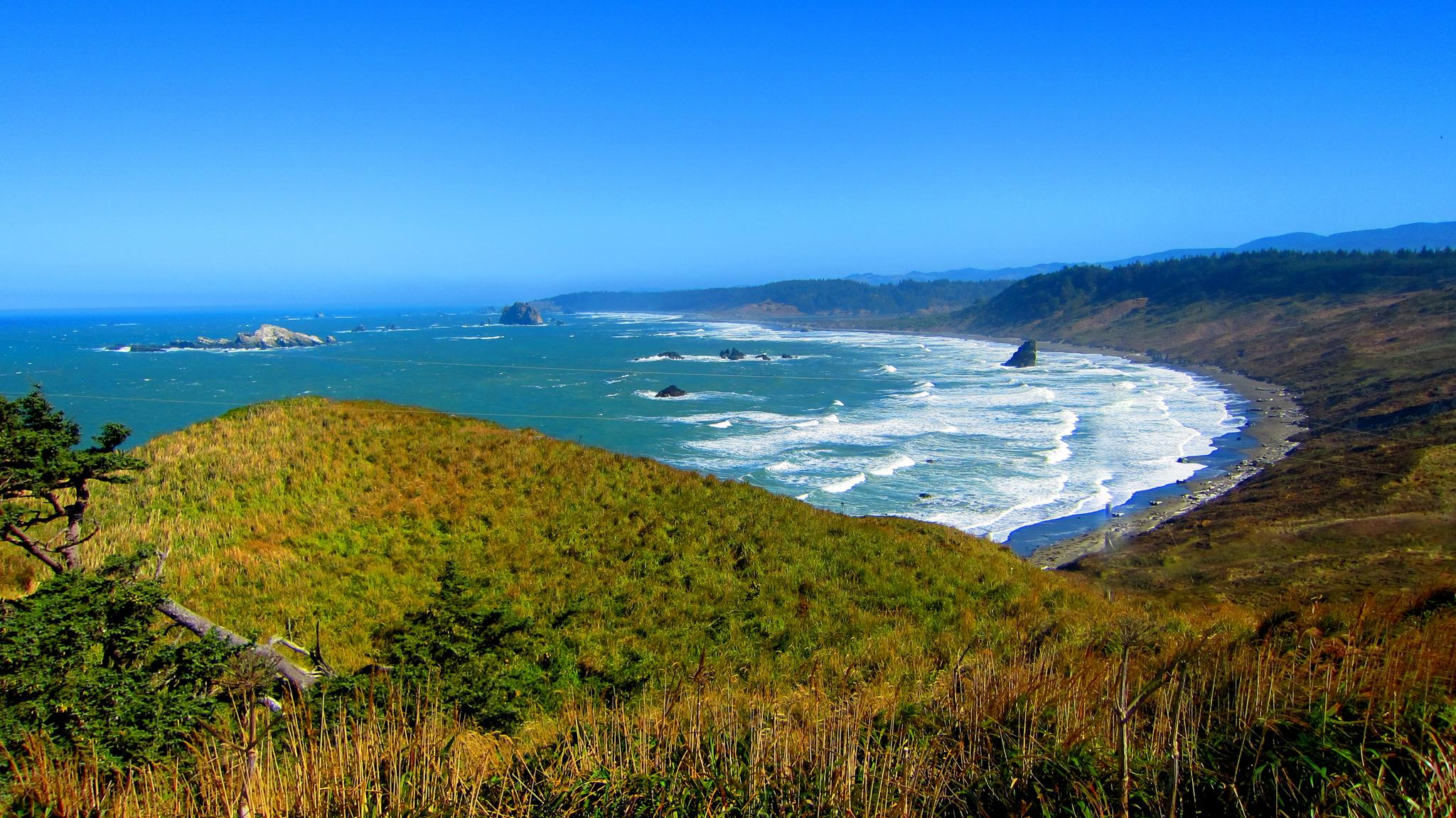
No traffic touring cycling routes in Fort Stevens State Park traverse a diverse landscape at the mouth of the Columbia River, where it meets the Pacific Ocean. The park features extensive coastal areas with ocean and river views, scenic dunes, wetlands, and lush coastal forests. The terrain is largely flat, offering accessible cycling paths through spruce and hemlock forests, shore pine areas, and around freshwater lakes. This region provides a blend of natural beauty and historical sites, making it suitable for various cycling experiences.
Best no traffic touring cycling routes in Fort Stevens State Park
- The most popular no traffic touring cycling route is Fort Stevens Historic Loop, a 7.9 miles (12.7 km) trail that takes about 47 minutes to complete. This route combines coastal scenery with historic military sites.
- Another top favourite among local touring cyclists is Columbia River South Jetty loop, an easy 10.4 miles (16.7 km) path. This route offers expansive ocean and Columbia River views.
- Local touring cyclists also love the Fort Stevens State Park – Peter Iredale Shipwreck loop from KOA/Fort Stevens, a 5.1 miles (8.2 km) trail leading through coastal dunes and past the Peter Iredale Shipwreck, often completed in about 33 minutes.
- Touring cycling in Fort Stevens State Park is defined by coastal paths, extensive wetlands, and dense coastal forests. The network offers options for different ability levels, with 7 easy routes and 1 moderate route available.
- The routes in Fort Stevens State Park are highly rated by the komoot community with an average score of 4.1 stars from over 27 reviews. More than 150 touring cyclists have used komoot to explore Fort Stevens State Park's varied terrain.
Last updated: November 8, 2026
5.0
(9)
24
riders
12.7km
00:47
30m
30m
Easy bike ride. Mostly paved surfaces.
5.0
(1)
8
riders
16.7km
00:58
30m
30m
Easy bike ride. Mostly paved surfaces.

5.0
(1)
16
riders
Easy bike ride. Mostly paved surfaces.
5.0
(1)
13
riders
Easy bike ride. Mostly paved surfaces.
5.0
(1)
10
riders
Easy bike ride. Mostly paved surfaces.
Get access to more routes and recommendations from other explorers.
Already have an account?
Our route recommendations are based on thousands of hikes, rides, and runs completed by other people on komoot.
Start today with a free account
Your next adventure awaits.
Popular around Fort Stevens State Park
Other adventures in Fort Stevens State Park

Tips from the Community


To best enjoy the visit, consider the following. 1. Check Tides and Weather: Plan your visit during low tide for better visibility of the wreck. Be aware of the weather conditions, as coastal areas can be windy and chilly. 2. Sturdy Footwear: Wear sturdy shoes suitable for walking on sandy and uneven terrain. The beach around the wreck can be muddy, so choose footwear that you don't mind getting dirty. 3. Photography: Capture the iconic scene with your camera, but also take some time to appreciate the historical significance of the shipwreck. The soft lighting during sunrise or sunset can enhance your photographs. 4. Bring Layers: Coastal weather can change rapidly, so it's advisable to bring layers of clothing to stay comfortable. A windbreaker or jacket can be particularly useful. 5. Timing: Consider visiting during weekdays or off-peak seasons to avoid crowds. This allows for a more serene experience and better opportunities for reflection. 6. Learn About the History: Familiarize yourself with the history of the Peter Iredale before your visit. Understanding the context adds depth to the experience as you explore the remnants of the ship. 7. Pack Essentials: Carry water, sunscreen, and any other essentials, especially if you plan on spending an extended period exploring the beach and the wreck.
0
0

The tower's incredible vantage point is a chance to experience the captivating beauty of the Pacific Ocean and Columbia River. While you're here, please note that the south jetty beyond this point is temporarily closed for safety reasons due to ongoing repairs.
0
0
This beautiful stretch of beach is a fantastic place for a run while soaking in the views of the Pacific Ocean. As you jog along the coastline, you will likely encounter many families enjoying a picnic, kite flying or tossing around a Frisbee.
0
0
The Peter Iredale shipwreck is a haunting reminder of the perils of the sea. This four-masted steel ship met its untimely end in 1906 when it ran aground along the Oregon coast. Over a century later, the ship's remains are still visible, slowly succumbing to the elements. During low tide, you can walk up to the wreckage and take fantastic photos of its eerie beauty while pondering the circumstances leading to its demise.
0
0
Fort Stevens State Park is a must-visit destination for history buffs and outdoor enthusiasts. This expansive 4,300-acre park boasts a rich military history, having once been a vital installation that guarded the entrance of the Columbia River. This beautiful park has a lot to explore, including excellent trails for multiple running routes, a freshwater lake, beaches, dunes, a museum and a fascinating historic shipwreck.
0
0

Peter Iredale was a four-masted steel barque that ran ashore on the Oregon coast on October 25, 1906, en route to the Columbia River. She was abandoned on Clatsop Spit near Fort Stevens in Warrenton, about four miles south of the Columbia River canal.
0
1
Frequently Asked Questions
How many no traffic touring cycling routes are available in Fort Stevens State Park?
Fort Stevens State Park offers 8 dedicated no traffic touring cycling routes, providing a variety of options for exploring the park's diverse landscapes by bike.
What is the general difficulty level of touring cycling routes in Fort Stevens State Park?
The majority of touring cycling routes in Fort Stevens State Park are considered easy, with 7 out of 8 routes falling into this category. There is also 1 moderate route. The trails are largely flat and well-signposted, making them suitable for all skill levels.
Are there any circular touring cycling routes in Fort Stevens State Park?
Yes, many of the no traffic touring cycling routes in Fort Stevens State Park are circular. Examples include the Fort Stevens Historic Loop and the Columbia River South Jetty loop, allowing you to start and end at the same point.
What kind of natural features can I expect to see along the no traffic touring cycling routes?
You'll experience a rich variety of natural features, including stunning ocean and river views where the Columbia River meets the Pacific. Routes traverse scenic dunes, wetlands, and lush coastal forests. You might also encounter Coffenbury Lake, Trestle Bay, and diverse ecosystems with spruce and hemlock forests.
What historical landmarks or attractions can I visit while cycling in Fort Stevens State Park?
The park is rich in history. You can cycle past the iconic Peter Iredale Shipwreck on Clatsop Beach, explore the Battery Russell, and discover the Fort Stevens Historic Site with its Civil War-era earthen fort and military museum. The Columbia River South Jetty Observation Tower also offers panoramic views.
Is Fort Stevens State Park suitable for family touring cycling?
Absolutely. The park's 9 miles of paved bicycle paths are largely flat and well-signposted, making them ideal for families with children. The 'no traffic' nature of these routes ensures a safe and enjoyable experience for all ages.
What is the best time of year to go touring cycling in Fort Stevens State Park?
While the park is accessible year-round, the spring, summer, and early fall months generally offer the most pleasant weather for touring cycling. These seasons provide milder temperatures and less rain, making for more comfortable rides and better visibility of the scenic coastal and forest landscapes.
Are there facilities for cyclists, such as bike rentals or special campsites?
Yes, Fort Stevens State Park is very cyclist-friendly. It offers dedicated hiker/biker campsites for convenient and affordable overnight stays. Bike rentals are also seasonally available within the park, making it easy to explore even if you don't bring your own equipment.
Where can I park my car to access the no traffic cycling routes?
The multi-use trails and no traffic cycling routes are easily accessible from various car parks located throughout Fort Stevens State Park. You can also access them directly from the Fort Stevens RV park, providing convenient starting points for your rides.
What do other touring cyclists enjoy most about Fort Stevens State Park?
The area is highly rated by the komoot community, with an average score of 4.14 stars. Reviewers often praise the extensive network of flat, paved, and traffic-free trails, the stunning coastal scenery, and the unique blend of natural beauty with historical landmarks like the Peter Iredale Shipwreck.
Are there any specific routes that combine historical sites with scenic views?
Yes, the Fort Stevens Historic Loop is an excellent choice. This 7.9-mile (12.7 km) easy ride combines coastal scenery with access to historic military sites within the park, offering a comprehensive experience of both nature and history.
Can I see wildlife while cycling in Fort Stevens State Park?
Yes, the diverse ecosystems of Fort Stevens State Park provide excellent opportunities for wildlife viewing. Cyclists often spot elk, deer, herons, and various bird species, especially around areas like Coffenbury Lake and Trestle Bay, which are known for birdwatching.
Most popular routes in Fort Stevens State Park
Most popular attractions in Fort Stevens State Park

Get inspired with the komoot mobile app


Explore more
Browse the best Cycling routes in other regions.
