The best walks and hikes in Fort Stevens State Park
4.3
(29)
371
hikers
34
hikes
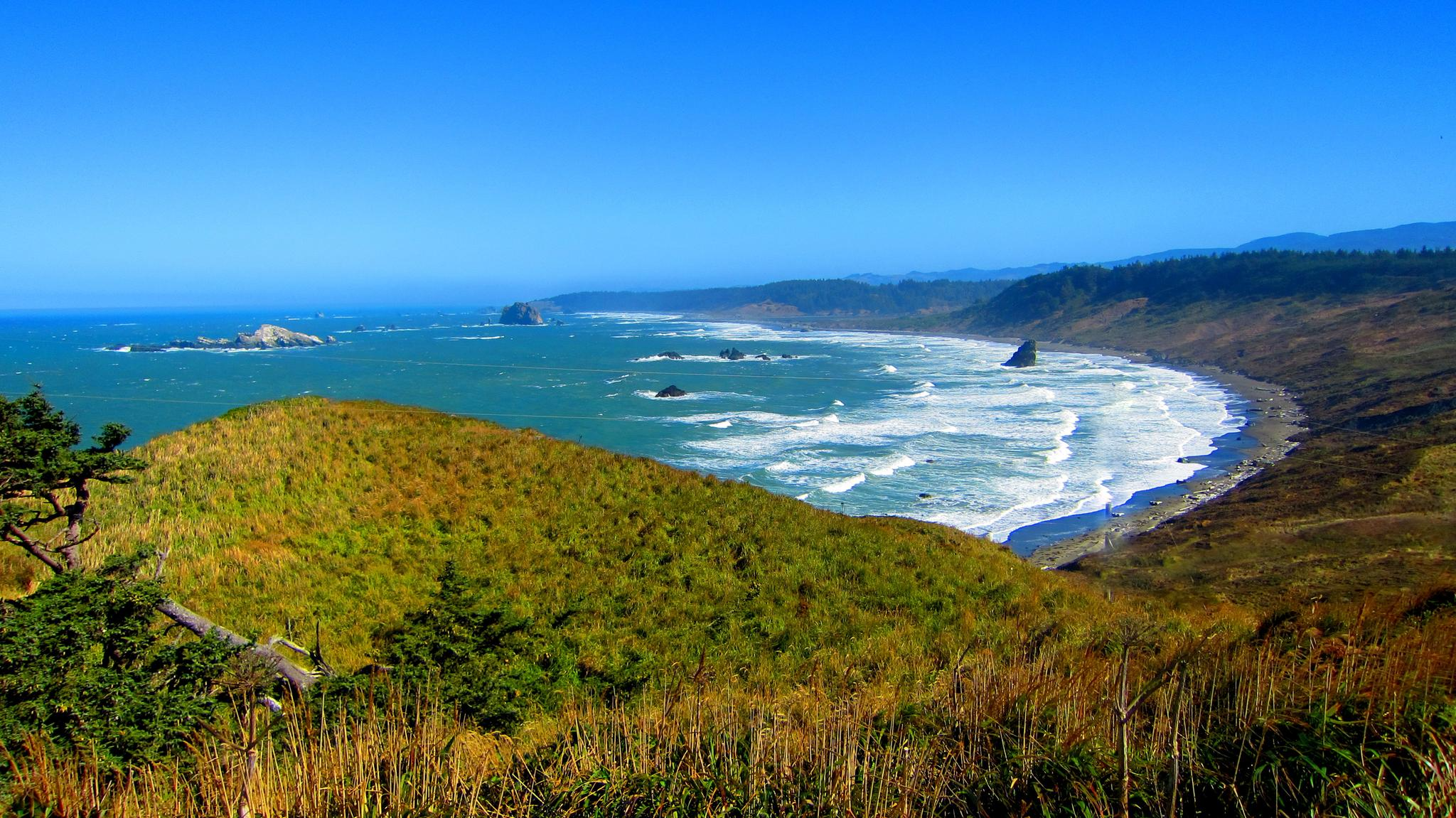
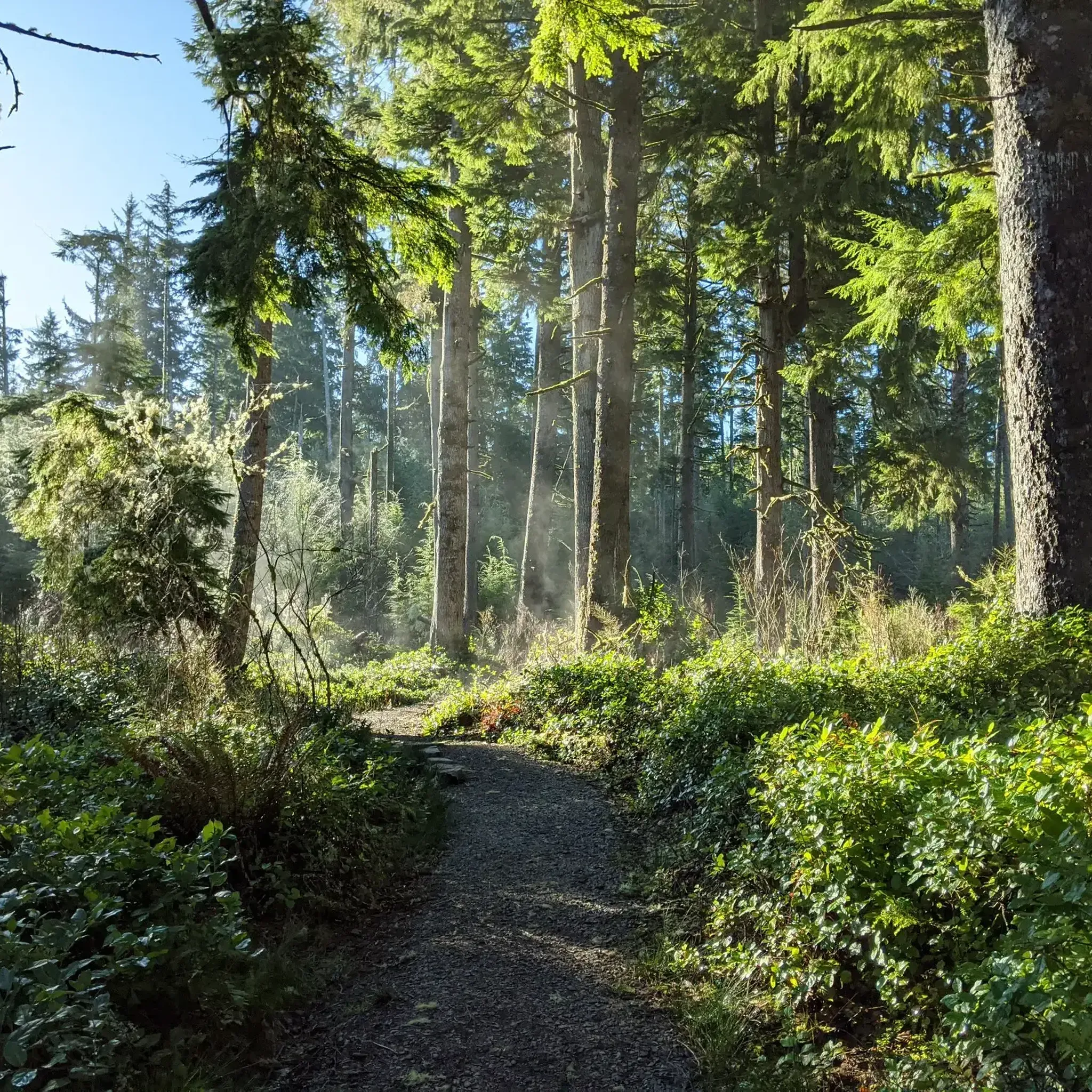
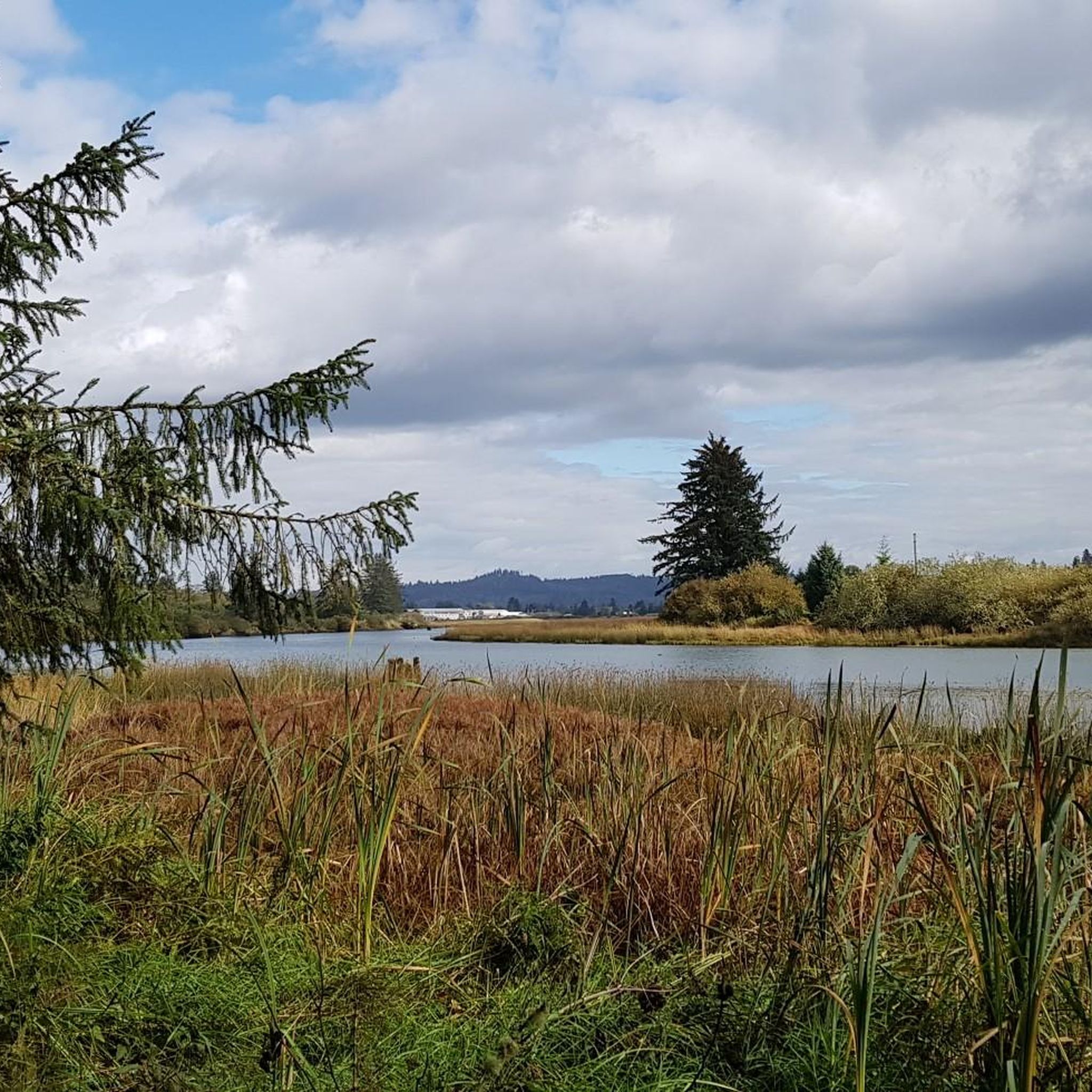
Hiking in Fort Stevens State Park offers diverse landscapes at the mouth of the Columbia River. The park features spruce and hemlock forests, wetlands, and shore pine areas. Hikers can explore coastal dunes and expansive sandy beaches, alongside freshwater lakes. The terrain includes minimal elevation changes, making many routes accessible.
Best hiking trails in Fort Stevens State Park
- The most popular hiking route is Coffenbury Lake loop — Fort Steven State Park, a 3.3 miles (5.3 km) trail that…
Last updated: September 26, 2026
2
hikers
7.26km
01:50
10m
10m
Easy hike. Great for any fitness level. Easily-accessible paths. Suitable for all skill levels.
4.67km
01:11
10m
10m
Easy hike. Great for any fitness level. Easily-accessible paths. Suitable for all skill levels.

1.17km
00:18
0m
0m
Easy hike. Great for any fitness level. Easily-accessible paths. Suitable for all skill levels.
4.0
(1)
17
hikers
5.25km
01:20
10m
10m
Easy hike. Great for any fitness level. Easily-accessible paths. Suitable for all skill levels.
4.28km
01:06
20m
20m
Easy hike. Great for any fitness level. Easily-accessible paths. Suitable for all skill levels.
Get access to more routes and recommendations from other explorers.
Already have an account?
Our route recommendations are based on thousands of hikes, rides, and runs completed by other people on komoot.
Start today with a free account
Your next adventure awaits.

Other adventures in Fort Stevens State Park

Tips from the Community

Fantastic
0
0

To best enjoy the visit, consider the following. 1. Check Tides and Weather: Plan your visit during low tide for better visibility of the wreck. Be aware of the weather conditions, as coastal areas can be windy and chilly. 2. Sturdy Footwear: Wear sturdy shoes suitable for walking on sandy and uneven terrain. The beach around the wreck can be muddy, so choose footwear that you don't mind getting dirty. 3. Photography: Capture the iconic scene with your camera, but also take some time to appreciate the historical significance of the shipwreck. The soft lighting during sunrise or sunset can enhance your photographs. 4. Bring Layers: Coastal weather can change rapidly, so it's advisable to bring layers of clothing to stay comfortable. A windbreaker or jacket can be particularly useful. 5. Timing: Consider visiting during weekdays or off-peak seasons to avoid crowds. This allows for a more serene experience and better opportunities for reflection. 6. Learn About the History: Familiarize yourself with the history of the Peter Iredale before your visit. Understanding the context adds depth to the experience as you explore the remnants of the ship. 7. Pack Essentials: Carry water, sunscreen, and any other essentials, especially if you plan on spending an extended period exploring the beach and the wreck.
0
0

This beautiful stretch of beach is a fantastic place for a run while soaking in the views of the Pacific Ocean. As you jog along the coastline, you will likely encounter many families enjoying a picnic, kite flying or tossing around a Frisbee.
0
0
During World War II, the 155mm gun was widely used as a harbor defense weapon across many Coast Artillery installations throughout the United States. This one was never installed at Fort Stevens, although two similar to this were mounted nearby in North Cove, Washington. The projectiles fired by this gun were quite heavy, weighing approximately 95 pounds each, and had an impressive range of nearly 11 miles.
0
0

Battery Russell was built at the beginning of the 20th century. It was named after Bvt. Major Russell, who died during the Civil War, and the fort served as a defense system until the end of the Second World War.
0
0
Battery Russell is a fascinating piece of history that dates back to 1904. It was constructed as a later addition to the extensive military installation strategically positioned south of the other batteries, with its face towards the ocean, to enhance the fort's artillery network. Battery Russell's two 10-inch rifles were operated by a team of 35, highlighting the workforce and resources required for military operations during that era.
0
0

A beautiful park with plenty to do for all kinds of hiker. There's a playground for children, a nature viewing tower, a raised boardwalk, beaches, sand dunes and even a shipwreck!
0
0
Frequently Asked Questions
How many hiking trails are available in Fort Stevens State Park?
Fort Stevens State Park offers over 20 hiking routes. The majority are considered easy, with 15 routes falling into this category, 8 moderate, and 1 difficult, catering to various skill levels.
Are there easy or family-friendly hiking options in Fort Stevens State Park?
Yes, Fort Stevens State Park is well-suited for families and beginners, with 15 easy routes available. A popular choice is the Coffenbury Lake loop, an easy 2-mile (3.2 km) trail with no elevation gain, perfect for a leisurely stroll. The lake also offers swimming and picnicking.
What kind of natural features and landscapes can I expect to see while hiking?
Hikers in Fort Stevens State Park can experience a diverse range of landscapes. These include spruce and hemlock forests, wetlands, and shore pine areas. You'll also find coastal dunes, miles of broad, sandy beaches, and the freshwater Coffenbury Lake. The park's location provides stunning views of the Columbia River Bar from the South Jetty Observation Tower.
Are there any historical landmarks or points of interest along the trails?
Absolutely. The park is rich in history. You can explore the skeletal remains of the 1906 shipwreck, the Peter Iredale Shipwreck, on the beach. The park also features historic military installations, including concrete gun batteries like Battery Russell, which was part of a fort that served from the Civil War to World War II. A 5-mile loop trail from Battery Russell offers an easy to moderate hike through this historic area.
Can I bring my dog on the hiking trails in Fort Stevens State Park?
Yes, Fort Stevens State Park is generally dog-friendly. Dogs are permitted on most trails and in many areas of the park, provided they are kept on a leash. Always check specific trail signage for any restrictions, especially in sensitive wildlife areas.
Are there any circular hiking routes in the park?
Yes, many of the trails in Fort Stevens State Park are designed as loops. Popular circular routes include the Coffenbury Lake loop and the Battery Russell loop, both offering convenient ways to explore different aspects of the park without retracing your steps.
What is the best time of year to go hiking in Fort Stevens State Park?
Fort Stevens State Park offers hiking opportunities year-round. While summer provides warmer weather and ranger-guided activities, spring and fall can offer pleasant temperatures and fewer crowds. Winter hiking is also possible, allowing for a different perspective of the coastal and forest landscapes, though conditions can be wet and windy.
Is there parking available for hikers at Fort Stevens State Park?
Yes, Fort Stevens State Park has numerous parking areas conveniently located near trailheads and popular attractions throughout the sprawling park. A day-use permit or an Oregon State Parks Pass is required for parking. You can find more information on fees and passes on the Oregon State Parks website.
What kind of wildlife might I encounter on the trails?
Fort Stevens State Park is an excellent location for wildlife viewing. Depending on the season and habitat, you might spot various bird species, including migratory birds, as well as deer, elk, and smaller mammals. The diverse ecosystems, from wetlands to forests and beaches, support a rich array of flora and fauna.
What do other hikers enjoy most about Fort Stevens State Park?
The komoot community highly rates hiking in Fort Stevens State Park, with an average score of 4.7 stars. Reviewers often praise the park's diverse landscapes, from sandy beaches and coastal dunes to dense forests, and the accessibility of its trails. The historical sites, like the Peter Iredale shipwreck, are also frequently highlighted as unique attractions.
Are there any trails that offer views of the Columbia River?
Yes, the park's location at the mouth of the Columbia River provides excellent viewing opportunities. The Columbia River South Jetty Observation Tower offers stunning panoramic views of the Columbia River Bar, where the river meets the Pacific Ocean. Trails in the northern sections of the park also provide glimpses of the river.
Most popular routes in Fort Stevens State Park
Most popular attractions in Fort Stevens State Park

Get inspired with the komoot mobile app


Explore more
Browse the best Hikes in other regions.
