The best traffic-free bike rides in Parco Grubrìa
4.2
(1738)
32,843
riders
96
rides
No traffic road cycling routes in Parco Grubrìa traverse a unique semi-natural environment northwest of Milan, offering diverse landscapes away from city traffic. The terrain is generally easy and mostly flat, featuring extensive cycle paths with smooth, compacted gravel and asphalt sections. This region is characterized by vast forests of pine and oak, extensive moorlands, and important wetlands, providing varied scenery for cyclists. The park's distinct vegetation is influenced by its "ferrettized" clay soil layers.
Best no traffic road cycling…
Last updated: November 9, 2026
4.0
(1)
58
riders
48.7km
02:12
480m
480m
Moderate road ride. Good fitness required. Mostly well-paved surfaces and easy to ride.
4.5
(2)
23
riders
23.7km
01:04
190m
190m
Easy road ride. Mostly well-paved surfaces and easy to ride.

4.7
(3)
6
riders
25.2km
01:12
200m
200m
Easy road ride. Mostly well-paved surfaces and easy to ride.
2.0
(1)
6
riders
28.8km
01:13
60m
60m
Moderate road ride. Some segments of this route may be unpaved and difficult to ride.
1
riders
52.4km
02:31
570m
570m
Moderate road ride. Good fitness required. Mostly well-paved surfaces and easy to ride.
Get access to more routes and recommendations from other explorers.
Already have an account?
Our route recommendations are based on thousands of hikes, rides, and runs completed by other people on komoot.
Start today with a free account
Your next adventure awaits.
Popular around Parco Grubrìa

Tips from the Community

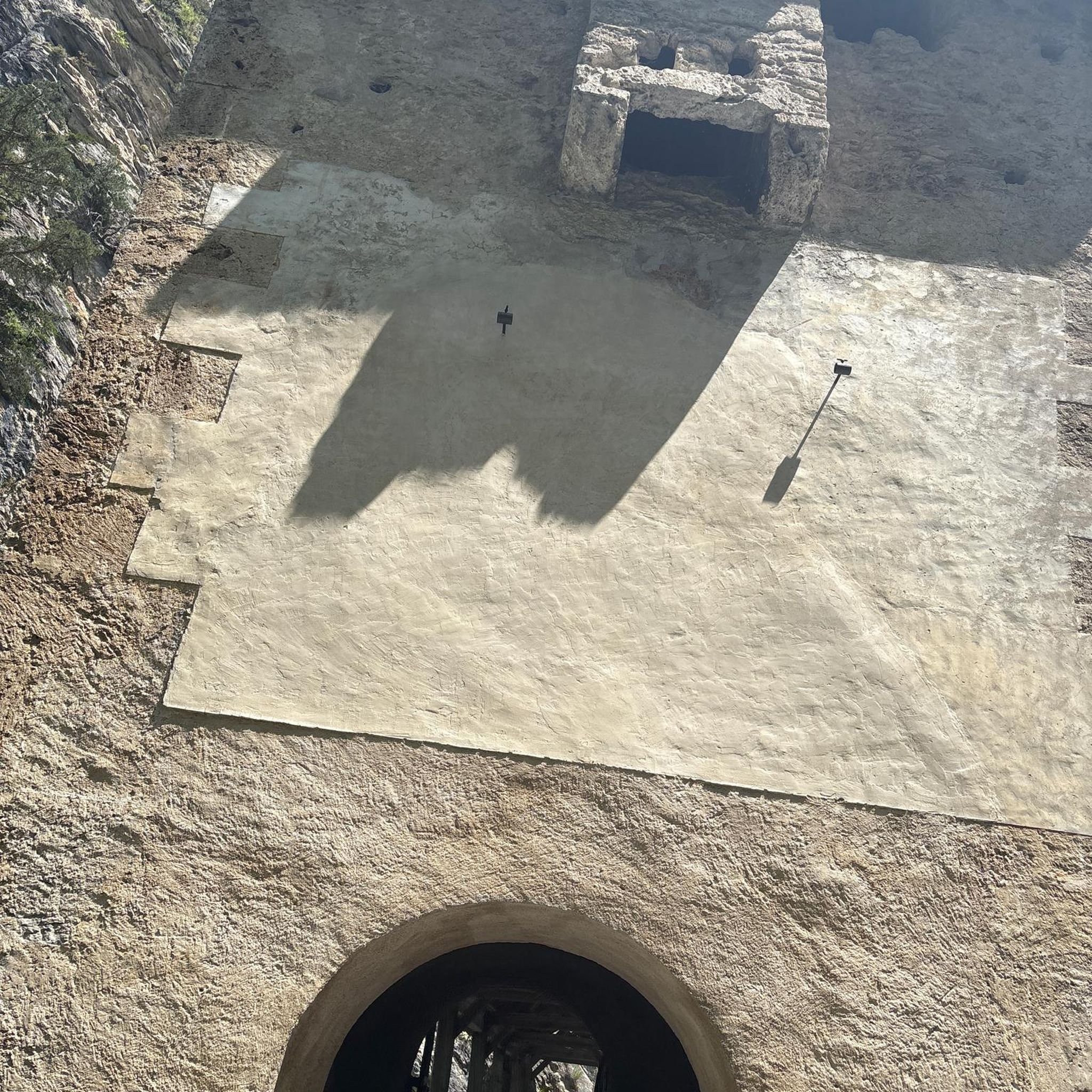
Inverigo boasts three of the most important monuments in Brianza: Villa Crivelli, Villa Cagnola, and Villa Sormani alla Pomelasca. The first was built incorporating the remains of a sixteenth-century castle and still shows the tower, the guardhouse, and the ancient prisons today, alongside a more modern wing built in 1814 based on the design of the architect Pollack. The gardens, designed with particular scenographic sensitivity, were decorated in the eighteenth century with sandstone statues. Spectacular is the famous "viale dei Cipressi" (Cypress Avenue), which at 2 km long is the longest in all of Brianza. Commissioned by Marquis Giovanni Battista Crivelli in 1644 to connect the villa to the sanctuary of S. M. della Noce, it was later extended towards the Navello farmhouse and in the following century towards Villa Cagnola
0
0
The small church of Sant'Eusebio in Cinisello Balsamo is the oldest place of worship in the entire municipal area. Located in the district of the same name, it stands in what was the primitive rural settlement of the city, before the inhabited center moved further south in the 12th century. The historic small church coexists today with the modern surrounding parish center, being part of the Comunità Pastorale Santi Eusebio e Giuseppe.
0
0
Villa Bagatti Valsecchi is a historic residence located in Varedo, in the province of Monza and Brianza. Originally built in the 18th century, the structure was redesigned in the late 19th century by architects Fausto and Giuseppe Bagatti Valsecchi as a family summer residence. Today it is an important cultural center managed by the Fondazione La Versiera 1718 and is famous for hosting major events related to art and design, such as the prestigious exhibitions of Alcova during Milan Design Week.
0
0
Parco Nord Milano extends for about 600 hectares between the districts of the northern periphery of Milan. Its conception dates back to the late 1960s, but it was only in 1975 that it was recognized by the Lombardy Region as a regional park. Its management is entrusted to a Consortium composed of the six Municipalities around the Park and the Province of Milan. The park is located in one of the most densely urbanized contexts in Europe, characterized by the presence of historic factories (now almost entirely disappeared as a result of de-industrialization) and large housing estates that, over time, have joined the northern periphery of Milan to its hinterland without any urban planning design. Parco Nord Milano currently boasts about 350 hectares of green areas, organized into wooded areas, clearings, rows of trees, shrub patches, hedges, and small bodies of water. Today, the park continues to expand and grow with the working methodology used over all these years, aware of its social, urban, and ecological role. The new reforestation lots, with small saplings of a few tens of centimeters protected by stakes, are the symbol of the growing park, of the investment in the future. But it is the management and maintenance of the green areas that best express the working methodology used: new problems have been met with new, technologically advanced solutions, in order to maintain that standard of quality of the green areas, that care and maintenance, which citizens have become accustomed to seeing, and which make Parco Nord Milano a concrete example of sustainable development for the entire city, similar to what happens in other major European cities. A place of quality, therefore, where technology, creativity, passion, and professional seriousness meet to satisfy the expectations of visitors and respond to the deep needs of the city.
2
0
The public park in via dei Platani in Lissone is a municipal green area located in the north-east of the city, mainly characterized by the presence of an equipped dog area and its proximity to sports facilities.
0
0
The Church of Saints Gervaso and Protaso is located in Tregasio, a hamlet of the municipality of Triuggio, in the province of Monza and Brianza. It is the main Catholic place of worship in the hamlet and belongs to the Archdiocese of Milan.
0
0
The "Strappo di via Leonardo Da Vinci" is a well-known and challenging segment for cyclists located in Lombardy, a short distance from Sesto San Giovanni. It is a short but very steep "wall", highly appreciated and feared by road cycling and mountain bike enthusiasts. Technical data of the route: Length: Approximately 350 meters Gradient: Very severe, with peaks reaching 20% Route type: Asphalt The climb is often included as a "leg-breaker" stretch within loop circuits that develop in the hinterland north of Milan and in Brianza, such as in the routes that connect the Monza Park area.
0
0
The Sanctuary of Santa Maria della Noce is a Marian church located in Inverigo, in the province of Como, nestled in the hills of Brianza. The apparition (1501): Local tradition tells that the Madonna and Child appeared to two lost children in the woods above a walnut tree, offering them bread to save them.
0
0
Frequently Asked Questions
How many no traffic road cycling routes are available in Parco Grubrìa?
Parco Grubrìa offers a wide selection of traffic-free road cycling routes. You'll find over 100 routes, providing ample choice for exploring the park's diverse landscapes.
What is the general terrain like for road cycling in Parco Grubrìa?
The terrain in Parco Grubrìa is generally easy and mostly flat, making it accessible for a wide range of cyclists. Routes often feature smooth, compacted gravel ('calcestre') and asphalt sections, allowing for a pleasant no-traffic road cycling experience.
Are there easy no traffic road cycling routes suitable for beginners?
Yes, Parco Grubrìa has many easy no traffic road cycling routes perfect for beginners or those seeking a relaxed ride. For example, the Calò climb loop from Santa Margherita offers an easy experience with gentle elevation changes.
Are there more challenging no traffic road cycling routes for experienced cyclists?
While much of the park is relatively flat, there are a few routes that offer a greater challenge for experienced road cyclists. These might include longer distances or slightly more varied terrain. Look for routes marked as 'difficult' in the Komoot guide for these options.
What do other cyclists say about road cycling in Parco Grubrìa?
The no traffic road cycling routes in Parco Grubrìa are highly rated by the Komoot community, with an average score of 4.2 out of 5 stars from over 1,500 ratings. Cyclists often praise the peaceful, car-free environment and the beautiful natural surroundings.
What kind of natural features can I expect to see along the routes?
Parco Grubrìa is known for its unique semi-natural environment. As you cycle, you'll encounter extensive moorlands ('groane'), vast forests of pine and oak, birch woods, and important wetlands. The park's diverse habitats offer a refreshing contrast to urban areas.
Are there any historical or cultural landmarks to see along the no traffic road cycling routes?
Yes, beyond its natural beauty, Parco Grubrìa features elements of historical and cultural interest. You might pass by old furnace ruins, ancient patrician villas with beautiful gardens, and rural villages. A route like the Villa Arconati – Villoresi Canal loop from Varedo can take you past significant sites such as Villa Arconati and along the Villoresi Canal towpath.
Are the no traffic road cycling routes in Parco Grubrìa suitable for families?
Many of the no traffic road cycling routes in Parco Grubrìa are ideal for families due to their generally flat and well-maintained surfaces. The car-free environment ensures a safe and enjoyable experience for cyclists of all ages. Look for routes marked as 'easy' for the most family-friendly options.
Can I bring my dog on the no traffic road cycling routes?
While the park is generally welcoming, specific regulations regarding dogs on cycle paths can vary. It's always best to keep dogs on a leash and ensure they do not disturb wildlife or other visitors. Check local signage for any specific restrictions on certain trails.
Where can I park my car when visiting Parco Grubrìa for a no traffic road bike ride?
The park management actively works on improving parking areas for visitors. You'll find designated parking spots at various entrances to Parco Grubrìa, providing convenient access to the cycling network. Specific parking locations can often be found on detailed park maps or local information boards.
How can I reach Parco Grubrìa using public transport for a cycling trip?
Parco Grubrìa is accessible via public transport, particularly from nearby towns and cities like Milan. Regional train lines and bus services connect to various points around the park's perimeter. It's advisable to check current timetables and bike transport policies with local operators before your trip.
Are there circular no traffic road bike routes available?
Yes, many of the no traffic road cycling routes in Parco Grubrìa are designed as loops, allowing you to start and end your ride at the same point without retracing your steps. An example is the Sirtori – Sirtori Village and Church loop from Desio, offering a comprehensive tour.
What is the best season for no traffic road biking in Parco Grubrìa?
Parco Grubrìa is enjoyable for no traffic road biking throughout much of the year. Spring and autumn offer pleasant temperatures and beautiful scenery with changing foliage. Summer can be warm, but the forested sections provide shade. Winter rides are possible, though some paths might be affected by weather conditions.
Most popular routes in Parco Grubrìa
Most popular attractions in Parco Grubrìa

Get inspired with the komoot mobile app


Explore more
Browse the best Road cycling routes in other regions.
