The best road cycling routes in Parco Grubrìa
4.2
(1739)
32,843
riders
578
rides
Road cycling routes in Parco Grubrìa traverse a diverse landscape in Lombardy, Italy, spanning across municipalities in Monza and Brianza and the Metropolitan City of Milan. The park features extensive agricultural areas, providing open rural stretches for cyclists, alongside wetlands formed in old quarry sites. Remnants of ancient plain forests and ongoing reforestation initiatives contribute to varied wooded sections. Parco GruBrìa also acts as an ecological connector, linking to other regional parks, which allows for extended cycling expeditions.
Best road…
Last updated: November 16, 2026
3.3
(15)
271
riders
44.8km
01:52
290m
290m
Easy road ride. Mostly well-paved surfaces and easy to ride.
4.8
(11)
243
riders
62.9km
02:47
500m
500m
Moderate road ride. Good fitness required. Mostly well-paved surfaces and easy to ride.

3.0
(2)
86
riders
Moderate road ride. Good fitness required. Mostly well-paved surfaces and easy to ride.
5.0
(9)
55
riders
80.3km
03:11
170m
170m
Moderate road ride. Good fitness required. Mostly well-paved surfaces and easy to ride.
4.5
(13)
803
riders
98.5km
05:07
1,690m
1,690m
Hard road ride. Very good fitness required. Mostly well-paved surfaces and easy to ride.
Get access to more routes and recommendations from other explorers.
Already have an account?
Our route recommendations are based on thousands of hikes, rides, and runs completed by other people on komoot.
Start today with a free account
Your next adventure awaits.
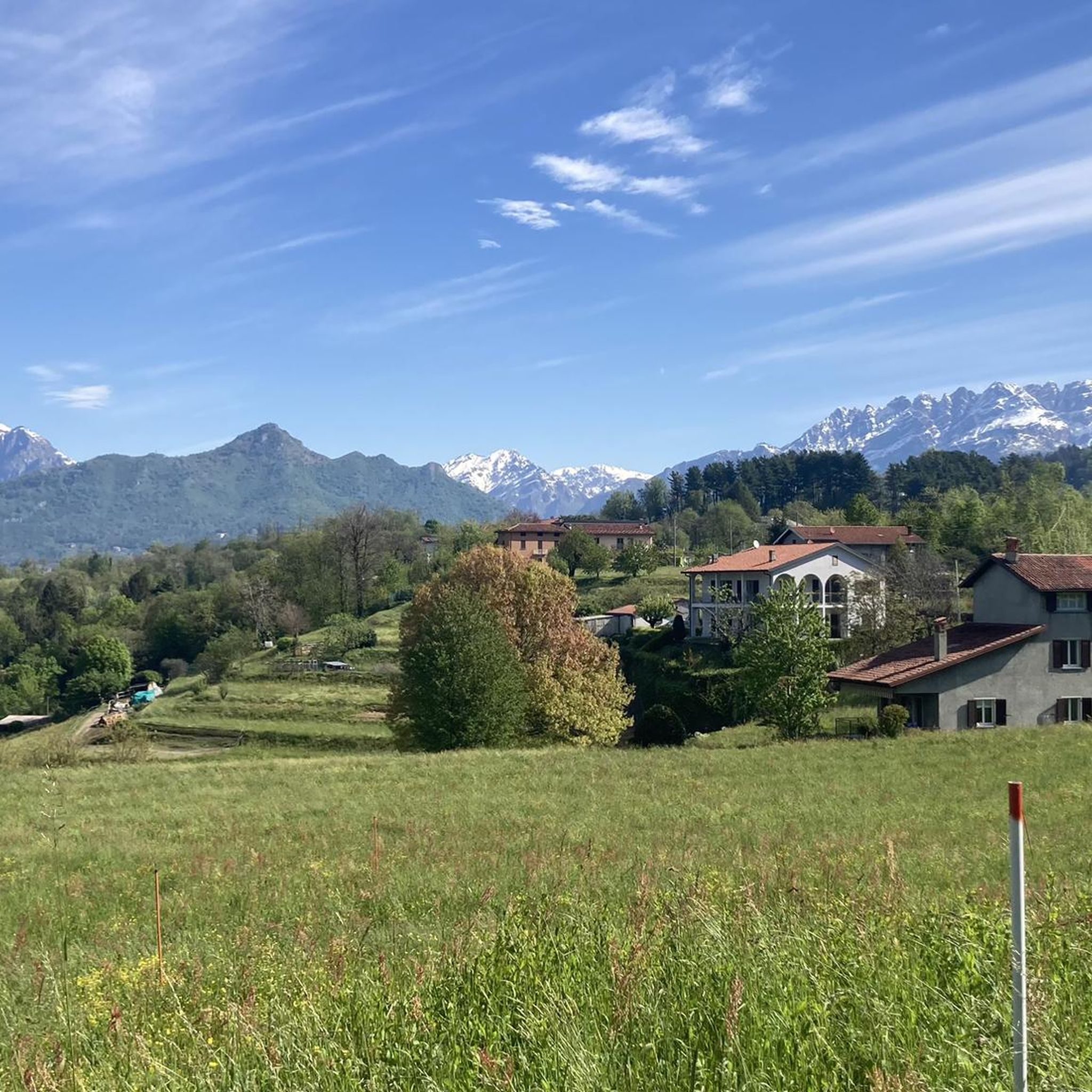
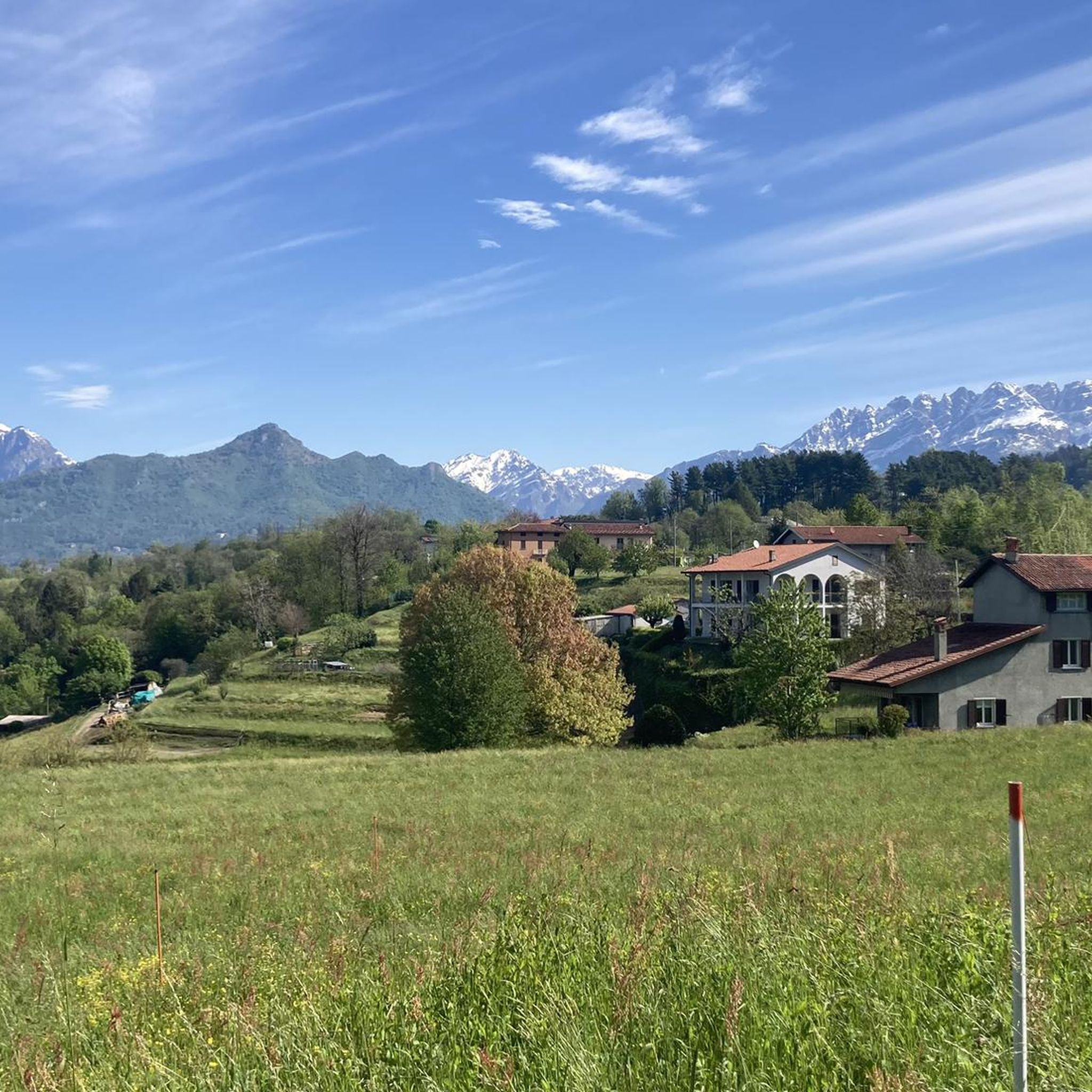
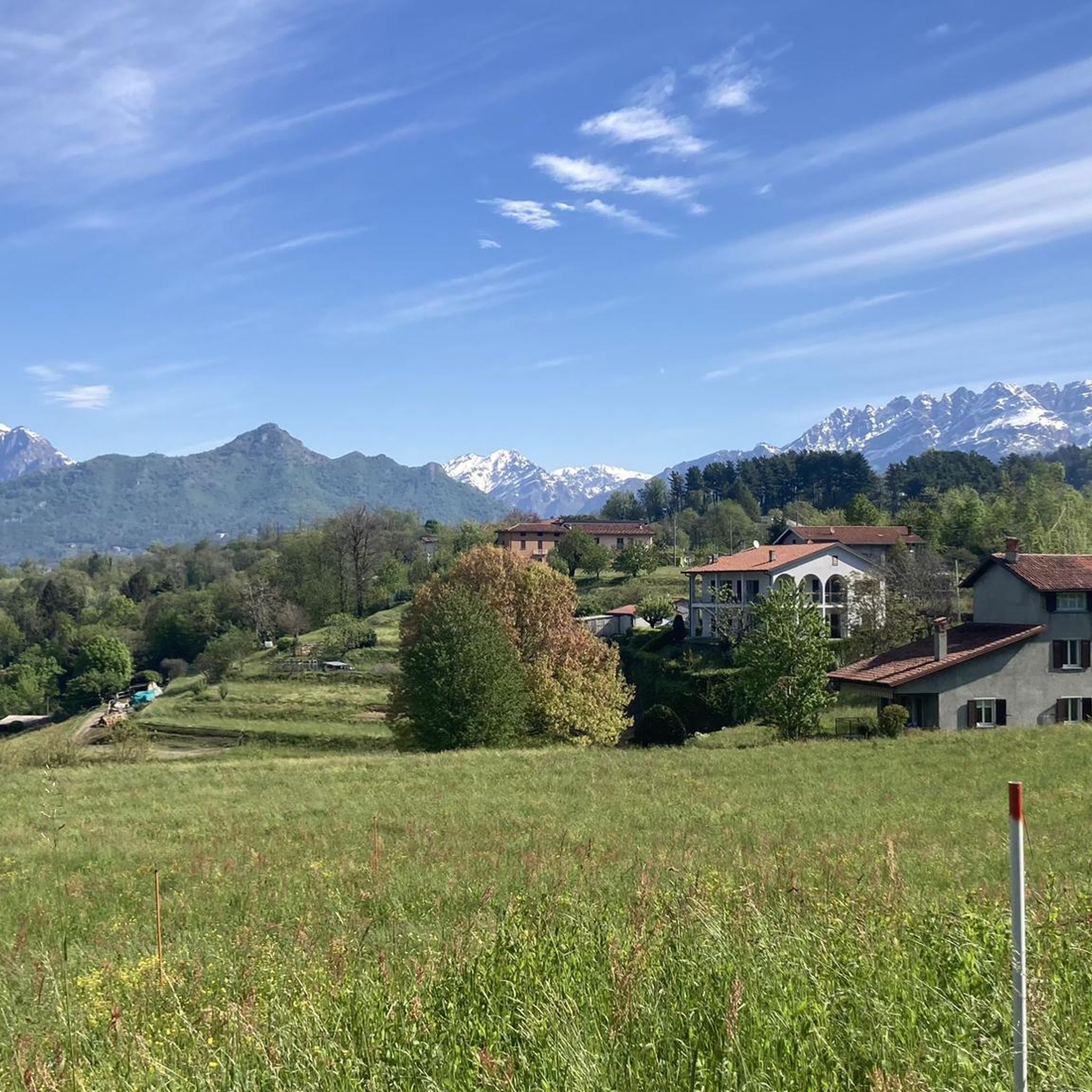
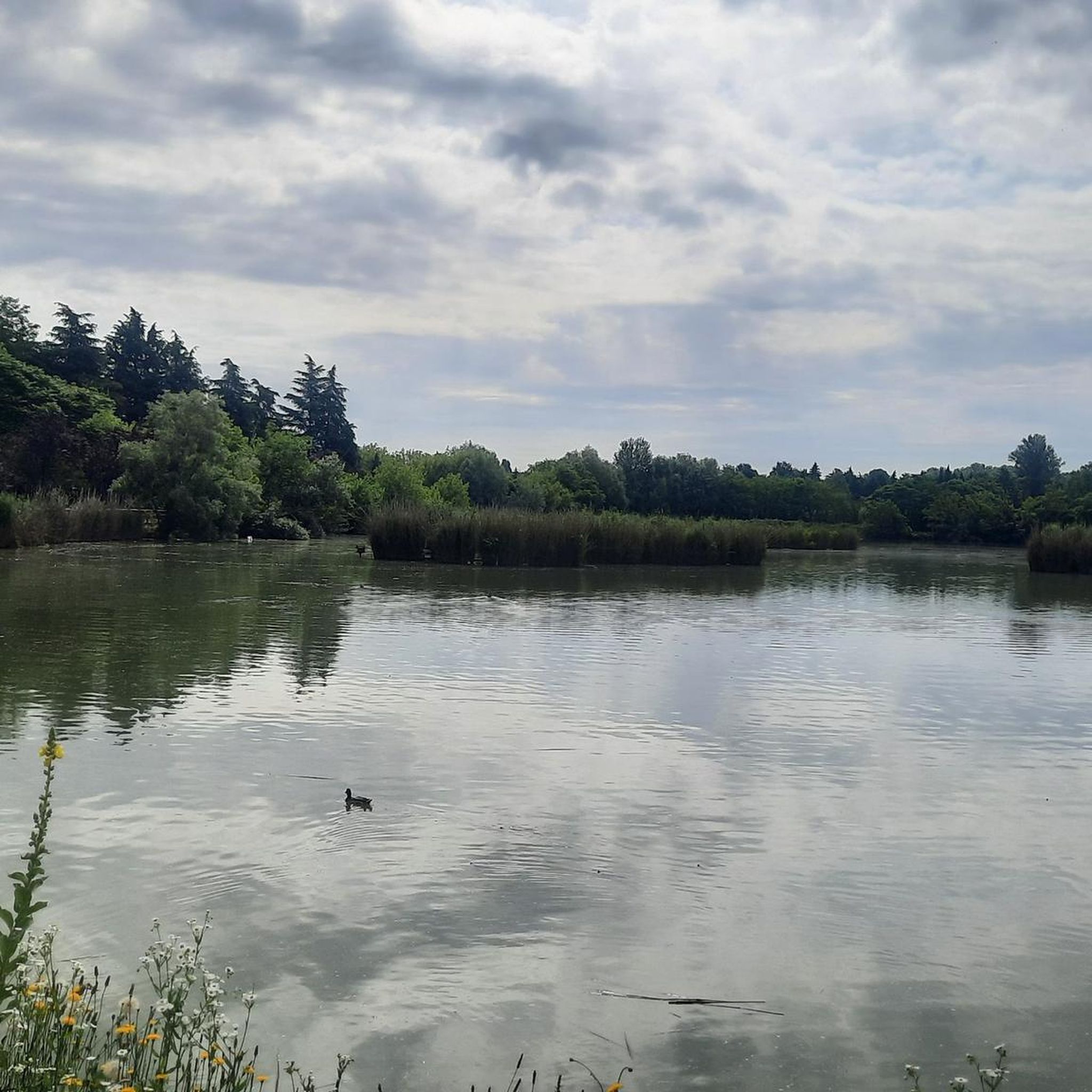

Tips from the Community

The Monumento ai Ciclisti di Seregno is a work created in 2010 by the sculptor G. Graziano. The work consists of a large rock placed inside a roundabout in Seregno (MB), embellished with the relief figure of a cyclist
0
0
Inverigo boasts three of the most important monuments in Brianza: Villa Crivelli, Villa Cagnola, and Villa Sormani alla Pomelasca. The first was built incorporating the remains of a sixteenth-century castle and still shows the tower, the guardhouse, and the ancient prisons today, alongside a more modern wing built in 1814 based on the design of the architect Pollack. The gardens, designed with particular scenographic sensitivity, were decorated in the eighteenth century with sandstone statues. Spectacular is the famous "viale dei Cipressi" (Cypress Avenue), which at 2 km long is the longest in all of Brianza. Commissioned by Marquis Giovanni Battista Crivelli in 1644 to connect the villa to the sanctuary of S. M. della Noce, it was later extended towards the Navello farmhouse and in the following century towards Villa Cagnola
0
0

By the main road, with their own park with benches
0
0
Parco Nord Milano extends for about 600 hectares between the districts of the northern periphery of Milan. Its conception dates back to the late 1960s, but it was only in 1975 that it was recognized by the Lombardy Region as a regional park. Its management is entrusted to a Consortium composed of the six Municipalities around the Park and the Province of Milan. The park is located in one of the most densely urbanized contexts in Europe, characterized by the presence of historic factories (now almost entirely disappeared as a result of de-industrialization) and large housing estates that, over time, have joined the northern periphery of Milan to its hinterland without any urban planning design. Parco Nord Milano currently boasts about 350 hectares of green areas, organized into wooded areas, clearings, rows of trees, shrub patches, hedges, and small bodies of water. Today, the park continues to expand and grow with the working methodology used over all these years, aware of its social, urban, and ecological role. The new reforestation lots, with small saplings of a few tens of centimeters protected by stakes, are the symbol of the growing park, of the investment in the future. But it is the management and maintenance of the green areas that best express the working methodology used: new problems have been met with new, technologically advanced solutions, in order to maintain that standard of quality of the green areas, that care and maintenance, which citizens have become accustomed to seeing, and which make Parco Nord Milano a concrete example of sustainable development for the entire city, similar to what happens in other major European cities. A place of quality, therefore, where technology, creativity, passion, and professional seriousness meet to satisfy the expectations of visitors and respond to the deep needs of the city.
2
0
The Locks of Bellinzago Lombardo are an important historical hydraulic engineering work located along the course of the Naviglio della Martesana. They represent one of the best-known stopping and points of interest for cyclists and hikers who frequent the canal bank. These historical hydraulic systems (locks or sluices) originally served to regulate the flow of water and allow commercial navigation between the Adda and Milan.
0
0
The Martesana cycle path starts from Cassina de' Pomm at the corner of via Melchiorre Gioia and extends for 30 km passing through the municipalities of Cologno Monzese, Vimodrone, Cernusco sul Naviglio, Cassina dei Pecchi, Bussero, Gorgonzola, Gessate, Inzago and Cassano d'Adda
1
0
Lago del Segrino is a small pre-alpine lake of glacial origin located in the province of Como, nestled between the municipalities of Canzo, Longone al Segrino and Eupilio. It is famous for being considered one of the cleanest and least polluted lakes in Europe, thanks to its exclusively underground springs and the total absence of industries or intensive tourist exploitation along its shores.
0
0
Lake Pusiano (also historically known as Eupili) is a splendid natural oasis located in the green heart of Brianza, divided between the provinces of Como and Lecco. Renowned for its calm and totally swimmable waters, it is one of Lombardy's most appreciated destinations for Sunday trips, outdoor relaxation, and water sports.
0
0
Frequently Asked Questions
How many road cycling routes are available in Parco Grubrìa?
Parco Grubrìa offers over 600 road cycling routes, catering to various skill levels. Approximately 150 of these are easy, while over 370 are moderate, and around 80 are more challenging.
What kind of terrain can I expect on road cycling routes in Parco Grubrìa?
The terrain in Parco Grubrìa is quite varied. You'll find extensive agricultural areas offering open, rural stretches, as well as sections through wetlands formed in old quarry sites. Remnants of ancient plain forests and ongoing reforestation initiatives also contribute to diverse wooded sections, providing a mix of landscapes for cyclists.
Are there any family-friendly road cycling routes in Parco Grubrìa?
Yes, Parco Grubrìa has numerous routes suitable for families. Many of the easy routes traverse agricultural lands and wooded areas, providing pleasant and manageable rides. The park's commitment to green infrastructure includes kilometers of cycling paths, making it accessible for various ages and abilities.
What are some interesting landmarks or natural features to see along the routes?
Along the routes, you can explore various points of interest. The park features wetlands in old quarry sites and remnants of ancient plain forests, including the historical 'Bosco Bello'. You might also encounter the Villoresi Canal towpath or the Villoresi Canal Cycle Path. For historical architecture, consider routes near Villa Arconati or the Viale della Villa Bagatti.
Are there circular road cycling routes available?
Yes, many of the road cycling routes in Parco Grubrìa are designed as loops. For example, the Lake Pusiano – Lake Pusiano loop from Desio offers scenic views, and the Villa Greppi and Historic Park – Church of Santa Giustina loop from Desio takes you through historical sites.
What is the best time of year to go road cycling in Parco Grubrìa?
The park is generally pleasant for cycling during spring, summer, and early autumn. These seasons offer favorable weather conditions to enjoy the open agricultural areas and wooded sections. Always check local weather forecasts before heading out.
Can I connect to other regional parks from Parco Grubrìa?
Yes, Parco Grubrìa serves as a crucial ecological connector. It links to other significant regional parks such as Parco Nord Milano, Parco delle Groane, and Parco della Valle del Lambro. This connectivity allows for longer and more varied cycling expeditions that extend beyond GruBrìa's immediate borders.
What do other road cyclists say about their experience in Parco Grubrìa?
The road cycling routes in Parco Grubrìa are highly rated by the komoot community, with an average score of 4.2 stars from over 1400 reviews. Cyclists often praise the varied terrain, from open fields to wooded paths, and the well-maintained cycling infrastructure.
Are there options for longer road cycling tours?
Absolutely. While many routes are within the park, its connectivity to other regional parks allows for extended tours. For instance, the Sirtori – Sirtori Village and Church loop from Desio is a moderate 47.5 km ride, and the Lake Pusiano – Lake Pusiano loop from Desio is over 60 km, offering a more substantial challenge.
Are there any facilities like cafes or restaurants near the cycling routes?
While the park itself focuses on natural landscapes, the surrounding municipalities in Monza and Brianza and the Metropolitan City of Milan offer various amenities. You'll find cafes and restaurants in nearby towns, which can be integrated into your cycling plans for refreshment stops.
What is the typical elevation gain on road cycling routes in Parco Grubrìa?
The elevation gain varies depending on the route. Many routes through agricultural areas are relatively flat. However, some routes, especially those extending towards the Brianza region, can include moderate climbs. For example, the Lake Pusiano – Lake Pusiano loop from Desio has an elevation gain of around 470 meters, offering a good workout.
Is public transport available to access Parco Grubrìa for cycling?
Given its location spanning multiple municipalities in the provinces of Monza and Brianza and the Metropolitan City of Milan, various public transport options are available to reach different access points of Parco Grubrìa. It's advisable to check local train and bus schedules for the specific municipality you plan to start your ride from.
Most popular routes in Parco Grubrìa
Most popular attractions in Parco Grubrìa

Get inspired with the komoot mobile app


Explore more
Browse the best Road cycling routes in other regions.
