The best hikes from bus stations in Sorbisches Siedlungsgebiet
4.5
(27918)
105,830
hikers
3,777
hikes
Hiking in Sorbisches Siedlungsgebiet offers diverse landscapes, from the intricate waterways of the Spreewald Biosphere Reserve to the evolving artificial lakes of the Lusatian Lake District. The region is characterized by a blend of flat terrain, extensive forests, and former lignite mining areas now transforming into recreational spaces. Further south, the Upper Lusatian Hills introduce varied elevations, while the Upper Lusatian Heath and Pond Landscape provides a mosaic of ponds and wetlands. These features create a range of bus station…
Last updated: October 12, 2026
4.8
(94)
273
hikers
10.7km
03:24
110m
110m
Moderate hike. Good fitness required. Mostly accessible paths. Sure-footedness required.
4.6
(179)
584
hikers
Moderate hike. Good fitness required. Easily-accessible paths. Suitable for all skill levels.

4.6
(204)
631
hikers
Hard hike. Very good fitness required. Easily-accessible paths. Suitable for all skill levels.
4.3
(255)
734
hikers
Moderate hike. Good fitness required. Easily-accessible paths. Suitable for all skill levels.
4.8
(175)
469
hikers
Moderate hike. Good fitness required. Easily-accessible paths. Suitable for all skill levels.
Get access to more routes and recommendations from other explorers.
Already have an account?
Our route recommendations are based on thousands of hikes, rides, and runs completed by other people on komoot.
Start today with a free account
Your next adventure awaits.
Popular around Sorbisches Siedlungsgebiet
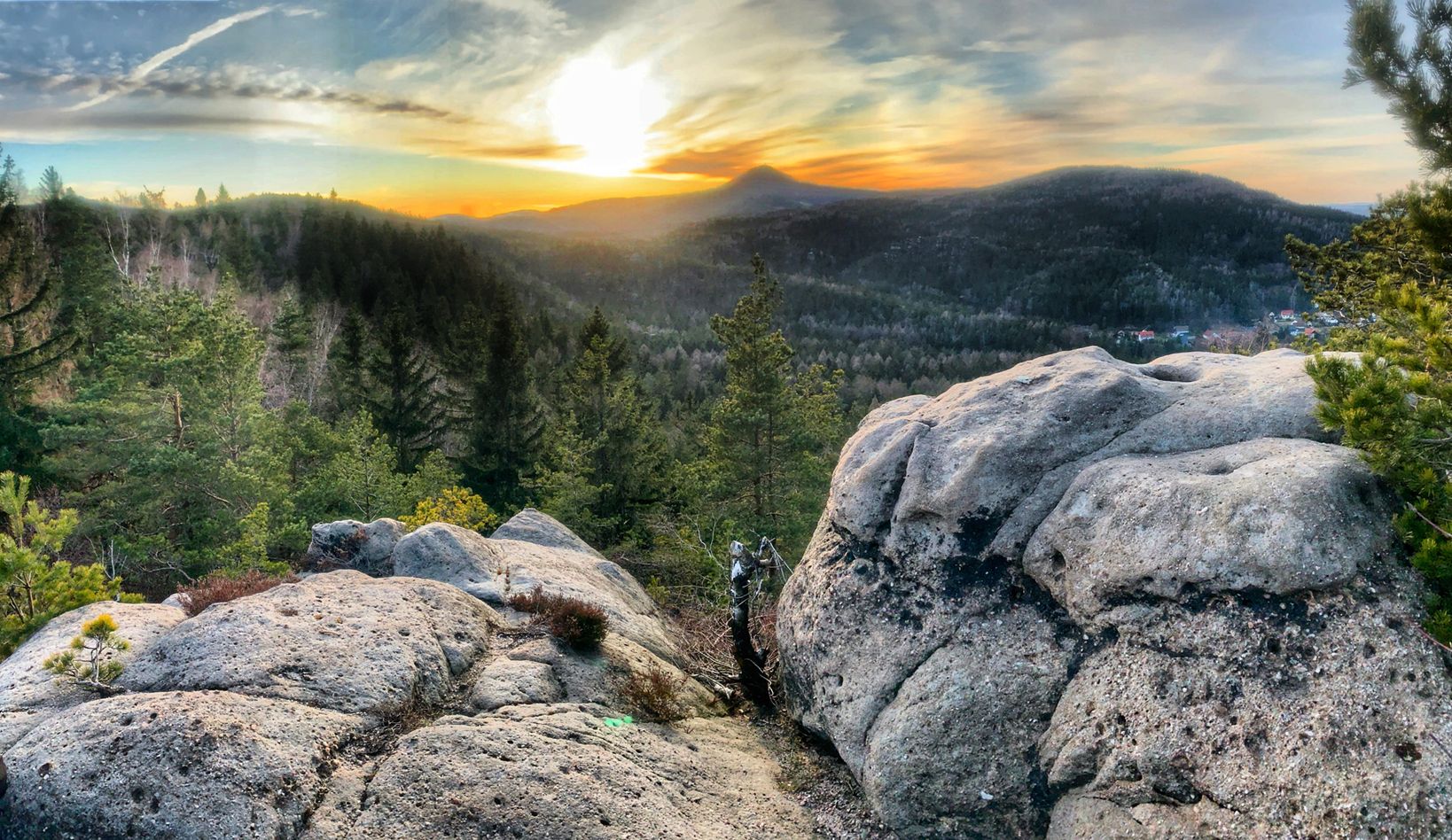
Mountains, heaths & lakes – hiking in Lusatia
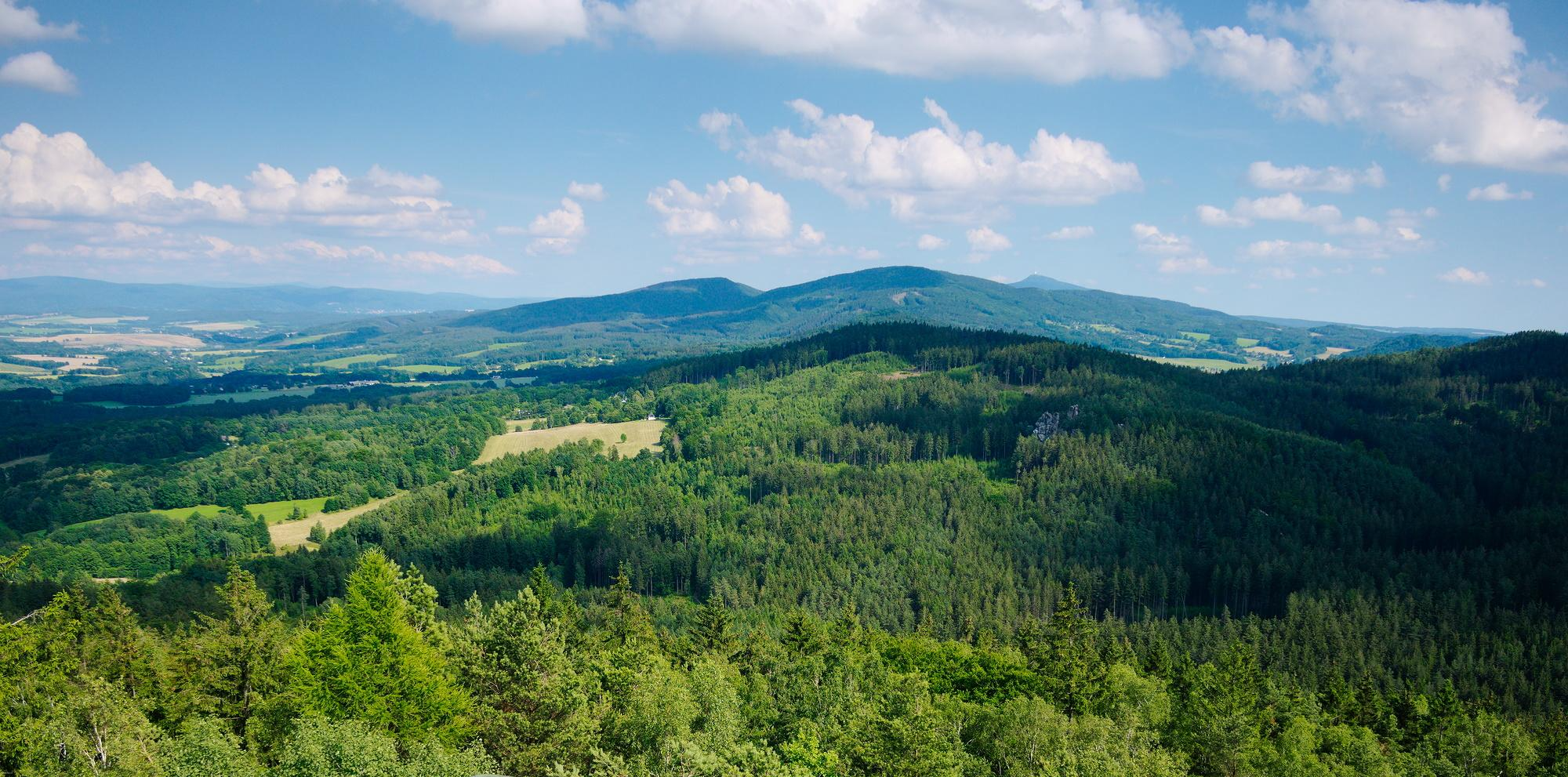
The National Natural Landscapes in Saxony
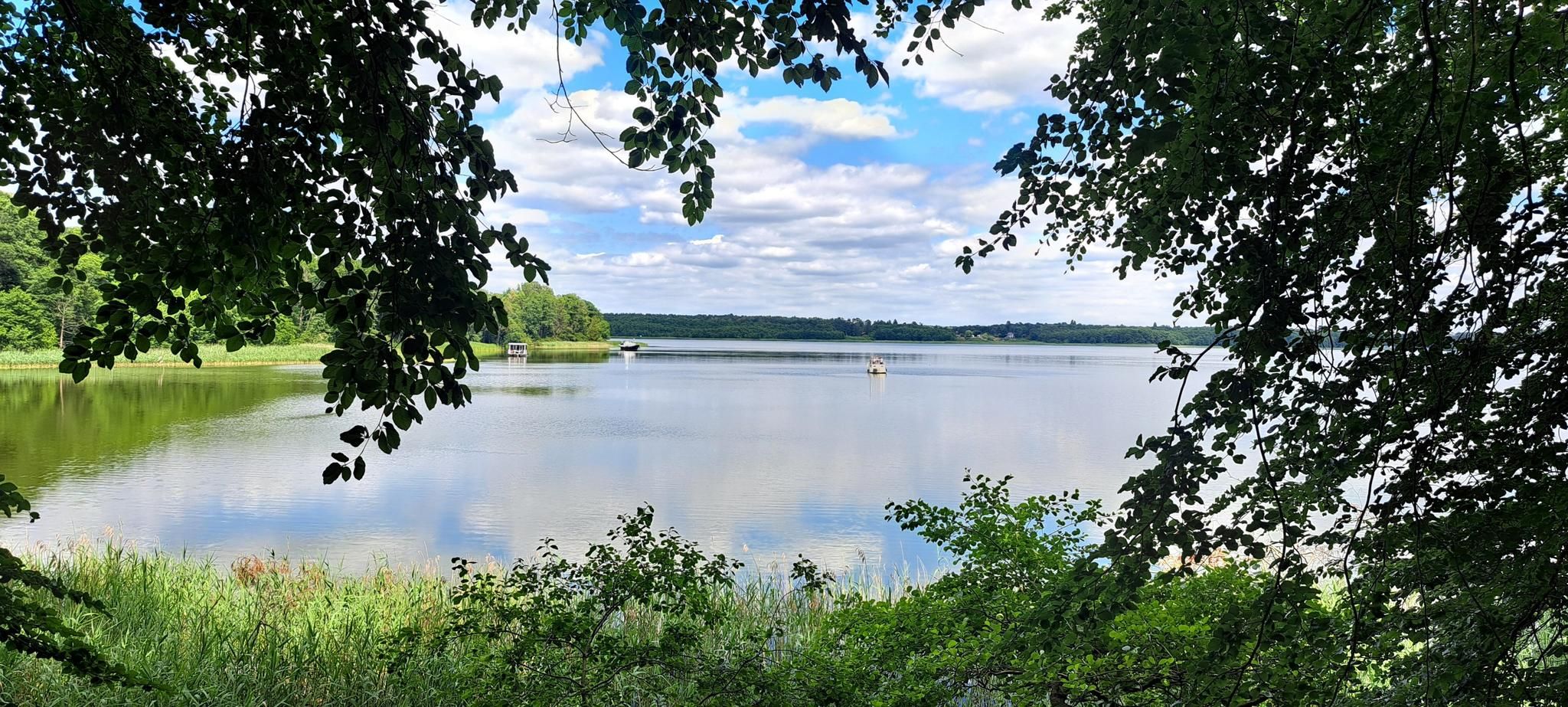
The National Natural Landscapes in Brandenburg
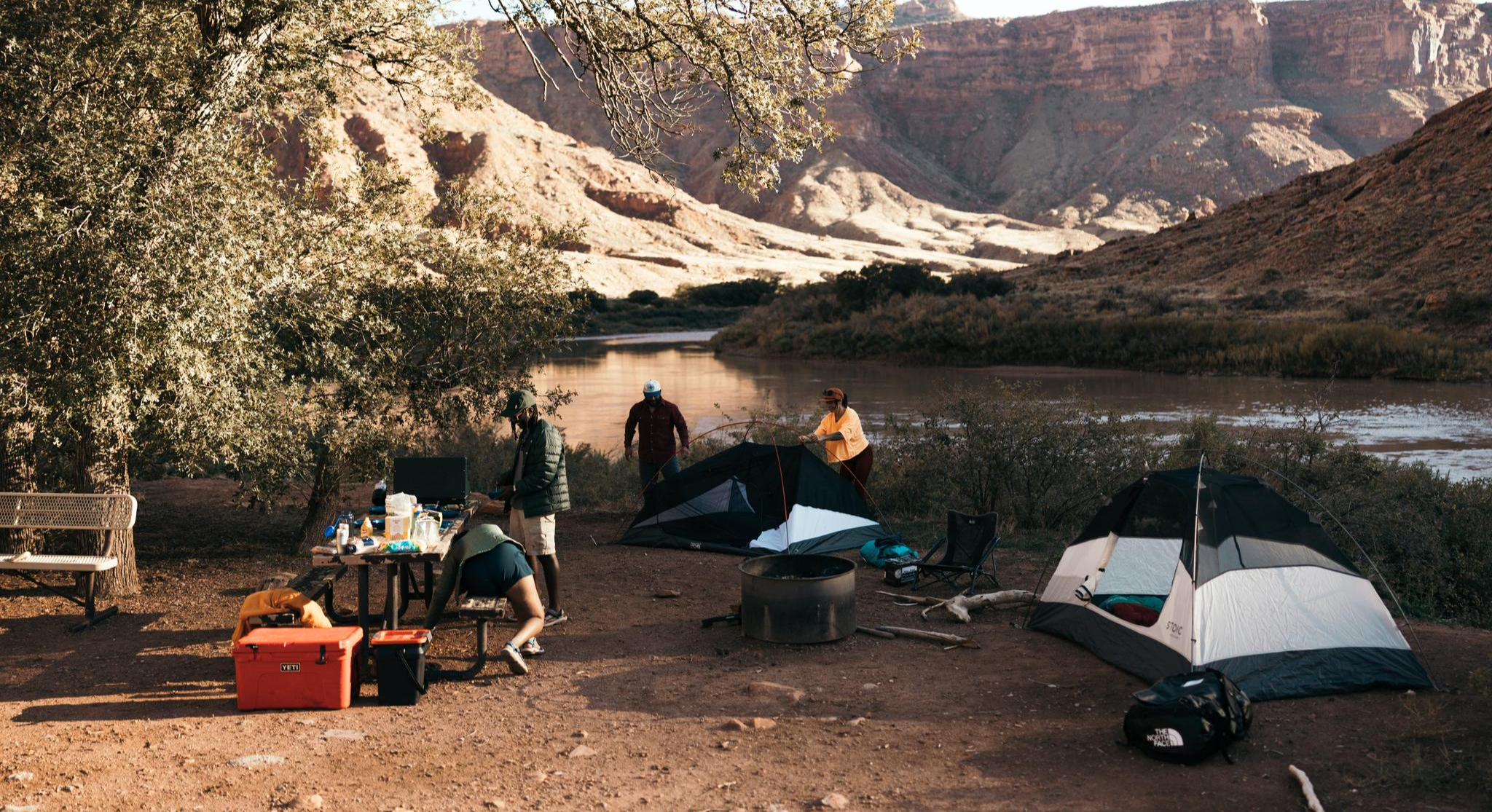
Glamping Adventures on Foot
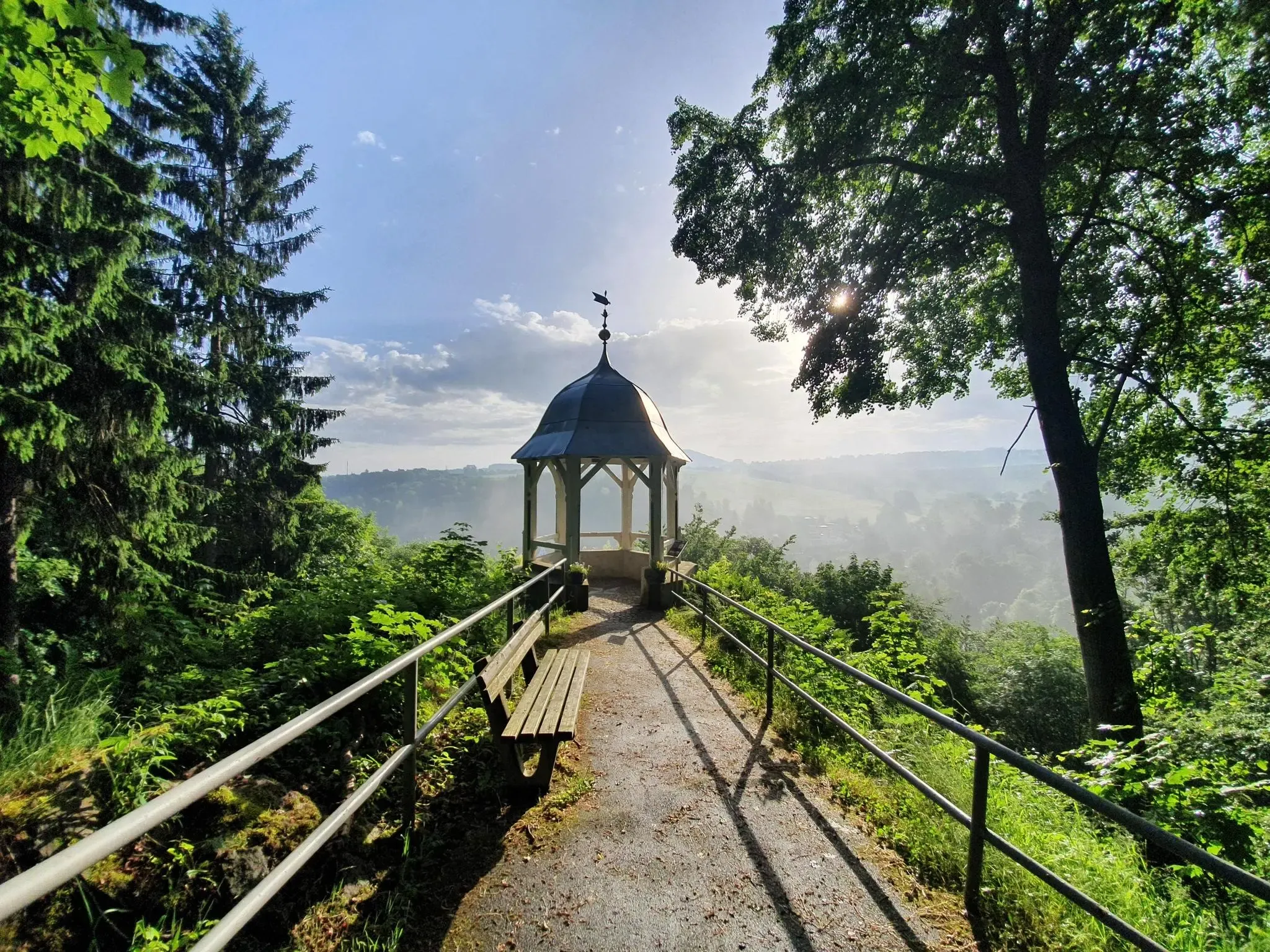
#GoFurther – discover the views of Germany!
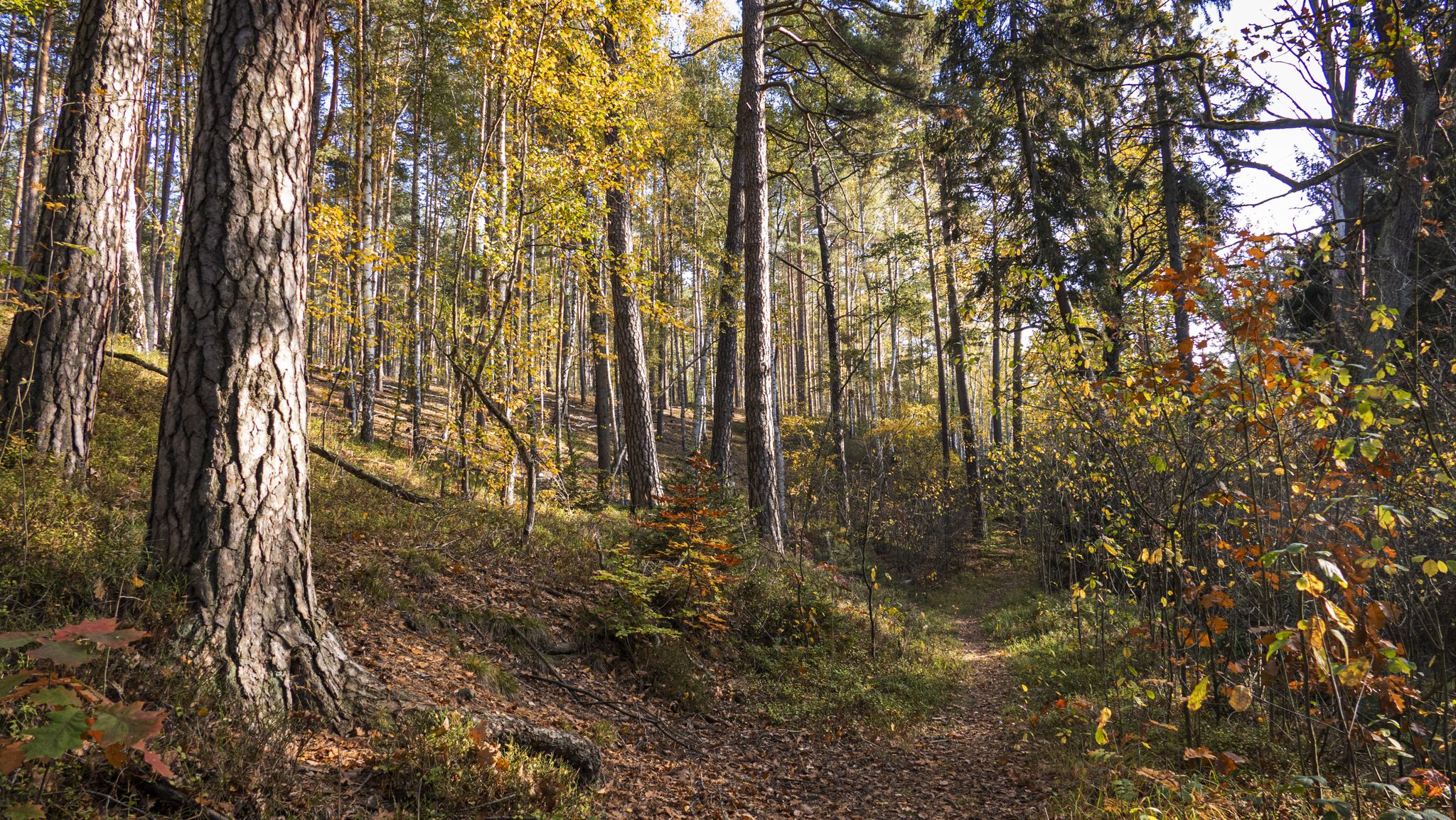
From Goldborn to Plinsdörfer: Hiking in the Calauer Switzerland
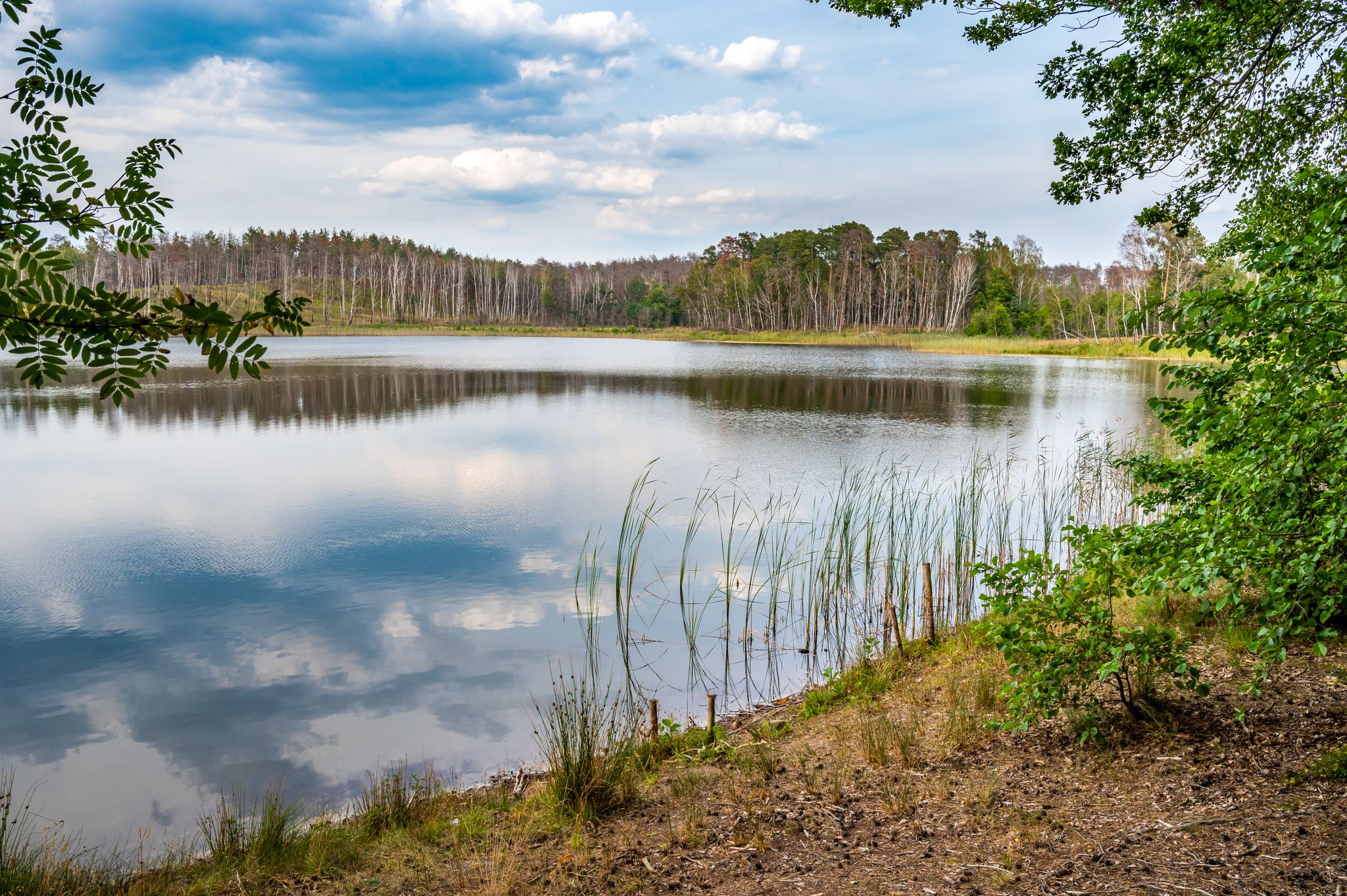
Experience the wilderness area of Lieberose
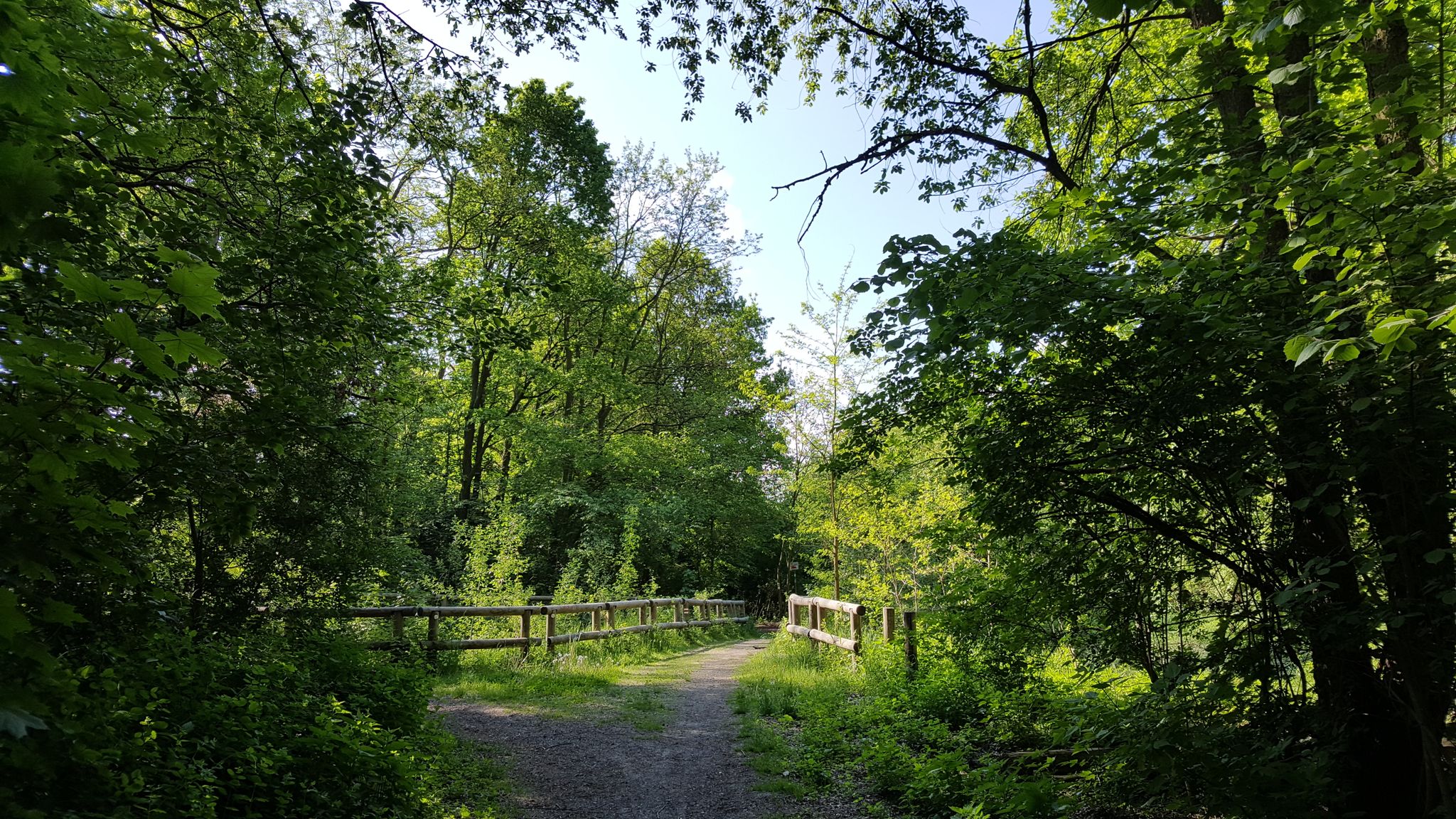
Hiking the Paul Gerhardt Path in the Dahme-Seenland
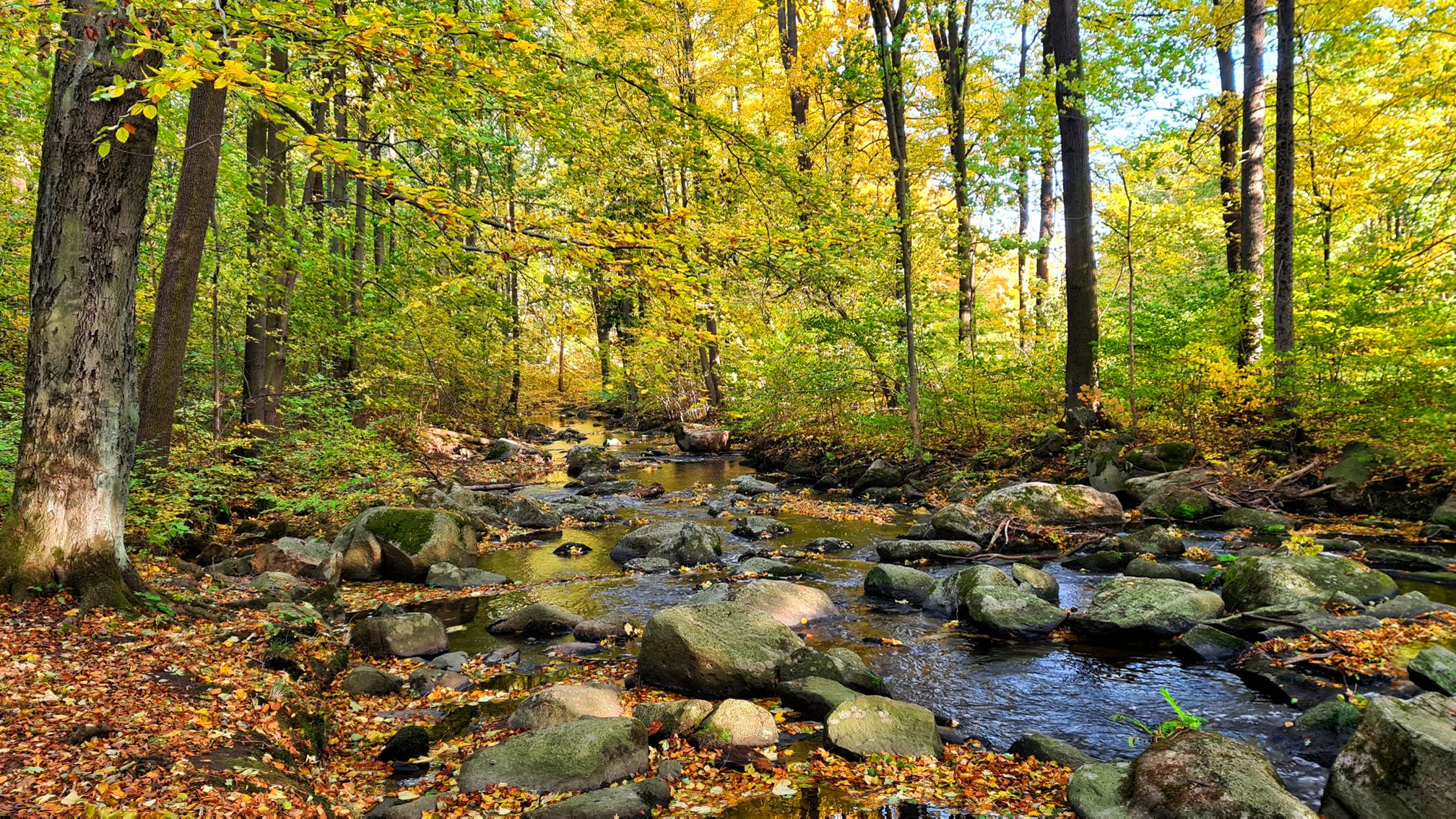
Along Germany’s River Spree from mouth to source
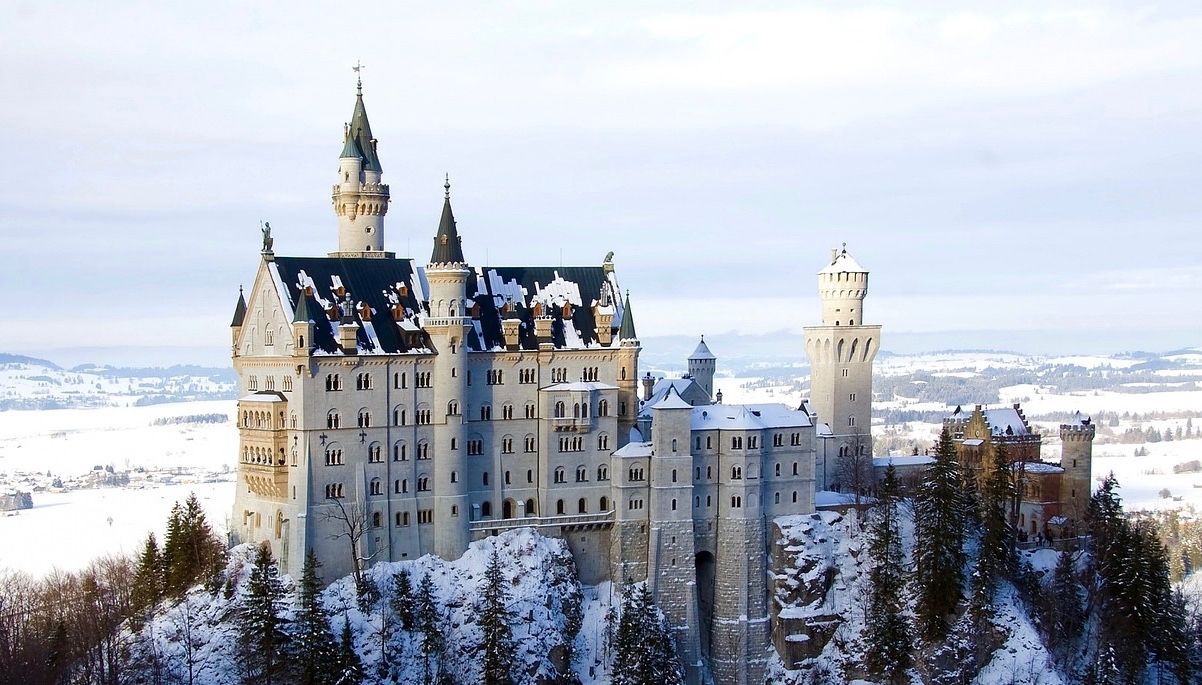
Like a fairytale – Germany during Advent
Other adventures in Sorbisches Siedlungsgebiet


Tips from the Community

Very beautiful place with a surprising view and, depending on the season, plenty of blueberries or blooming heather.
0
0
From Cabeler Straße, the path leads across a meadow used as pasture. The entrance to the thicket is very difficult to find. Afterwards, an adventurous, partly very littered path follows. At two points, you can catch a glimpse of the ponds. Especially from the east side of the ponds and the bridge, the path is much easier to walk. Definitely something for trackers ;)
1
0

Sandy beach and pleasant water
0
0

There are goats, sheep, alpacas and a few smaller animal species to see
0
0

Absolute dream to slow down
0
0


Frequently Asked Questions
How many bus-accessible hiking trails are available in Sorbisches Siedlungsgebiet?
There are over 3,900 hiking routes in Sorbisches Siedlungsgebiet that are accessible from bus stations. These trails range from easy strolls to more challenging excursions, offering diverse experiences across the region's unique landscapes.
What kind of terrain can I expect on bus-accessible hikes in Sorbisches Siedlungsgebiet?
The region offers varied terrain. In areas like the Spreewald Biosphere Reserve, you'll find predominantly flat paths winding through an intricate network of canals and alder forests. The Lusatian Lake District features trails around former open-cast mines now transformed into lakes. Further east, the Upper Lusatian Heath and Pond Landscape offers flat routes around extensive pond systems, while the Upper Lusatian Hills provide more varied, forested terrain.
Are there many circular hiking routes accessible from bus stations?
Yes, many bus-accessible routes in Sorbisches Siedlungsgebiet are designed as circular trails, allowing you to start and end your hike at the same bus stop. An example is the Neue Spree – Willischza Lake Swimming Area loop from Burg (Spreewald) - Bórkowy (Błota), which offers a scenic return to your starting point.
What natural features can I discover on bus-accessible hikes?
You can explore diverse natural features. The Spreewald offers unique waterways and wetlands, while the Lusatian Lake District provides views of newly formed lakes. The Upper Lusatian Heath is known for its extensive pond landscapes. Specific highlights include The Spree in Spreewald Biosphere Reserve and the Stradower Teiche Path.
Are there any cultural landmarks or Sorbian heritage sites accessible by bus and hiking?
Yes, hiking in Sorbisches Siedlungsgebiet allows you to experience the rich Sorbian culture. You'll notice bilingual signage and traditional villages. While specific bus-accessible routes directly to Sorbian museums are not listed here, the general region is rich in Sorbian cultural sites. The Sorbian Settlement Area itself is a living cultural landscape.
What is the best time of year for bus-accessible hikes in Sorbisches Siedlungsgebiet?
Spring and autumn are particularly beautiful for hiking. In spring, the landscapes burst with new life, especially in the Spreewald. Autumn offers stunning foliage colors. Summer is also popular, especially around the lakes, but can be warmer. Winter hiking is possible, but some services or bus schedules might be reduced.
Are there family-friendly bus-accessible hiking options?
Yes, many trails are suitable for families, particularly the easier routes in the flatter regions like the Spreewald or around the ponds. These often feature gentle paths and opportunities for nature observation. Always check the route's difficulty and length to ensure it suits your family's needs.
Can I bring my dog on bus-accessible hiking trails?
Generally, dogs are welcome on hiking trails in Sorbisches Siedlungsgebiet, but it's crucial to keep them on a leash, especially in nature reserves like the Spreewald Biosphere Reserve or the Upper Lusatian Heath and Pond Landscape, to protect wildlife. Always check local regulations for specific areas or bus lines regarding pet transport.
Are there places to eat or rest near bus-accessible trailheads?
Yes, many villages and towns that serve as bus stops for trailheads offer cafes, restaurants, or inns. For example, you might find places like the Dubkow Mill Inn or the Wotschofska Inn in the Spreewald area, providing refreshments after your hike.
What are some moderate bus-accessible hikes for a day trip?
For a moderate day trip, consider routes like From Goldborn to Ziegelturm – Hiking in Calauer Switzerland, which offers varied scenery over approximately 10.7 km. Another option is the View over the Bautzen Reservoir – Bautzen Reservoir loop from Burk - Bórk, covering about 12.4 km with moderate elevation changes.
What do other hikers enjoy most about bus-accessible trails in Sorbisches Siedlungsgebiet?
The area is highly rated by the komoot community, with an average score of 4.56 stars. Reviewers often praise the tranquil natural beauty, the well-maintained paths, and the unique cultural insights offered by the Sorbian region. The accessibility via public transport is also frequently highlighted as a major convenience.
Most popular routes in Sorbisches Siedlungsgebiet
Most popular attractions in Sorbisches Siedlungsgebiet

Get inspired with the komoot mobile app


Explore more
Browse the best Hikes in other regions.
