Attractions and Places To See around the Guadiana - Top 20
Best attractions and places to see around the Guadiana include a diverse range of natural features, historical landmarks, and cultural sites. The Guadiana River forms a natural border between Spain and Portugal, offering varied landscapes from wooded hills to river estuaries. This region is characterized by its rich history, evident in its Roman and Moorish influences, alongside significant natural parks and waterways. Visitors can explore centuries of Iberian heritage and diverse ecosystems.
Best attractions and places to see around the…
Last updated: May 9, 2026
Vila Real de Santo António
Highlight • Settlement
Translated by Google •
Tip by

Temple of Diana (Mérida)
Highlight • Historical Site
Translated by Google •
Tip by

Sign up now to discover places like this
Get recommendations on the best single tracks, peaks, & plenty of other exciting outdoor places.
Sign up for free
Los Milagros Aqueduct
Highlight • Monument
Translated by Google •
Tip by
Iron Bridge over the Guadiana River
Highlight • Bridge
Translated by Google •
Tip by
Monsaraz Castle
Highlight • Castle
Tip by

Cyclist Sculpture by Carlos de Oliveira Correia
Highlight • Monument
Translated by Google •
Tip by

Roman Monuments of Mérida
Highlight • Historical Site
Translated by Google •
Tip by

Vila Real de Santo António Lighthouse
Highlight • Monument
Translated by Google •
Tip by

Roman Bridge of Mérida
Highlight • Bridge
Translated by Google •
Tip by
Castro Marim Castle
Highlight • Castle
Translated by Google •
Tip by

Sign up for free to discover even more attractions around the Guadiana.
Sign up for free
Already have an account?
Start today with a free account
Your next adventure awaits.
Login or Signup
Popular around Guadiana
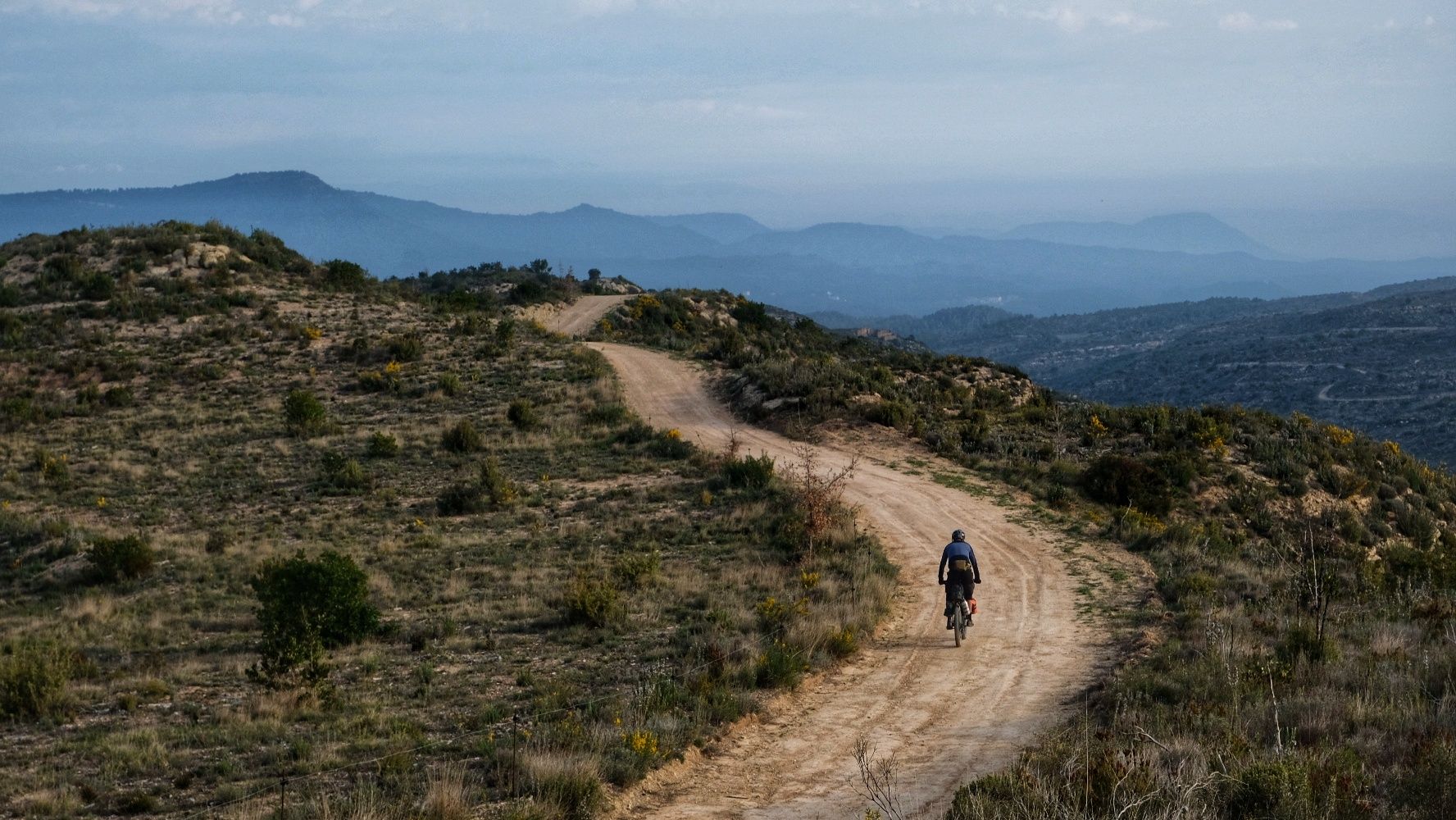
European Divide Trail — 7,600 km across the continent
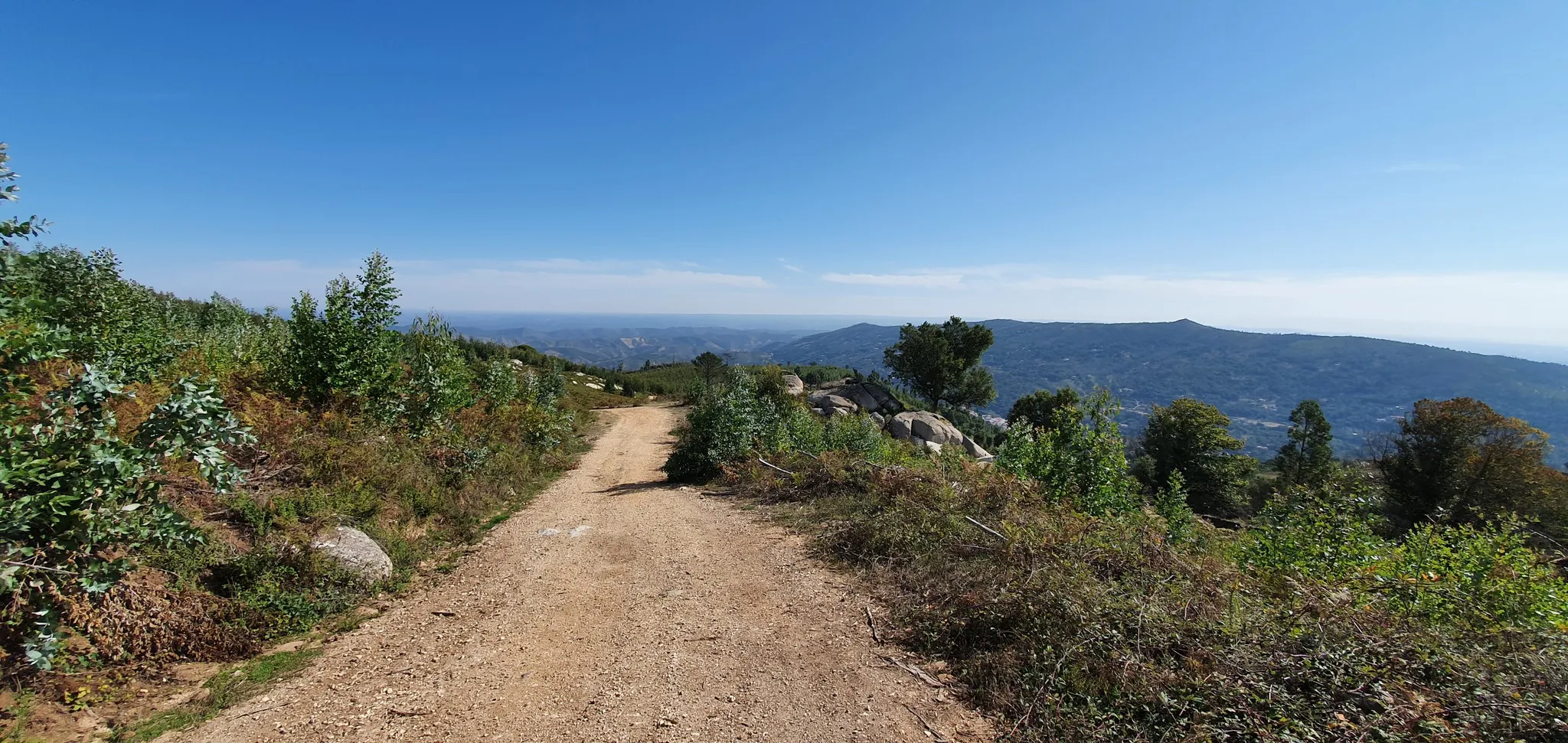
Via Algarviana (GR 13) - hidden corners of the south
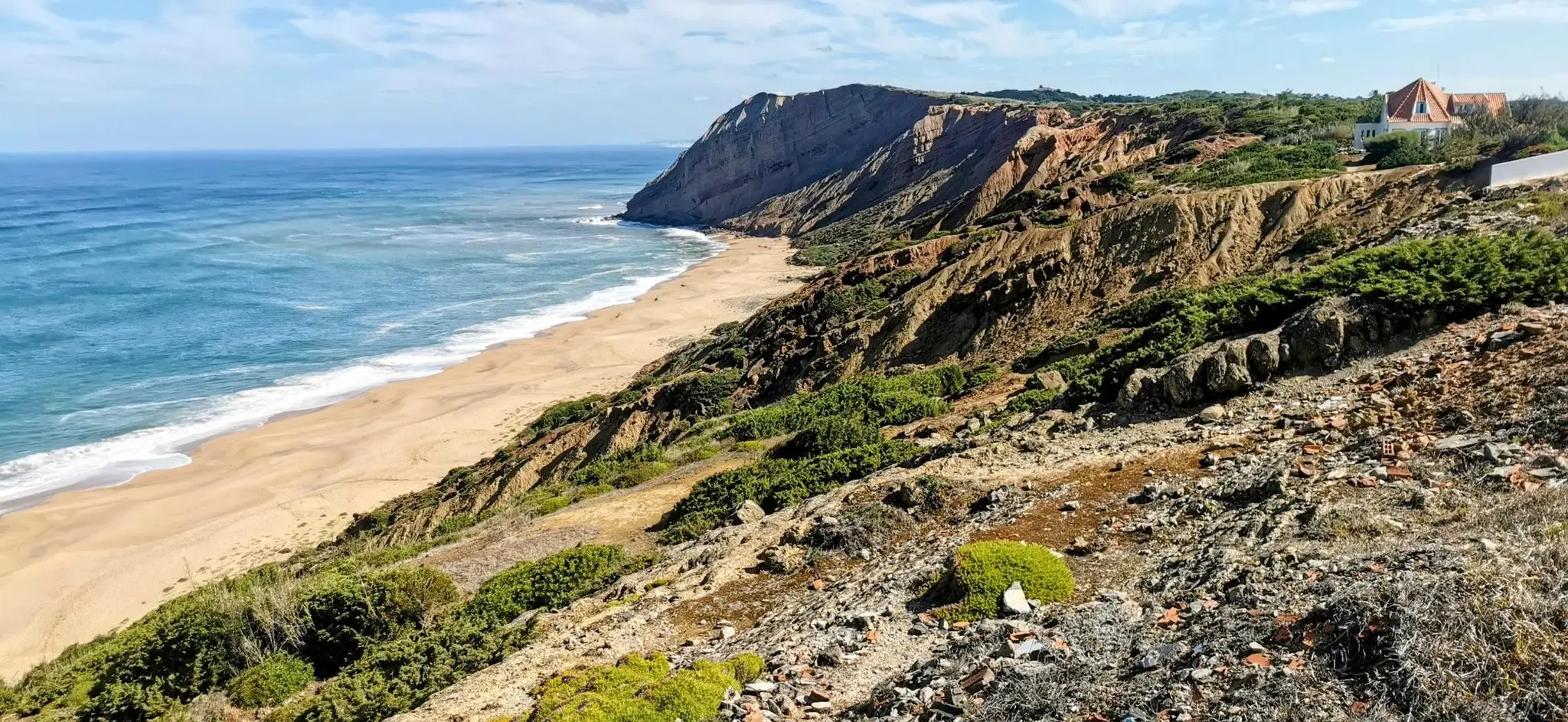
EuroVelo 1 Portugal – Cycle the Atlantic Coast

Around the World in 80 Days
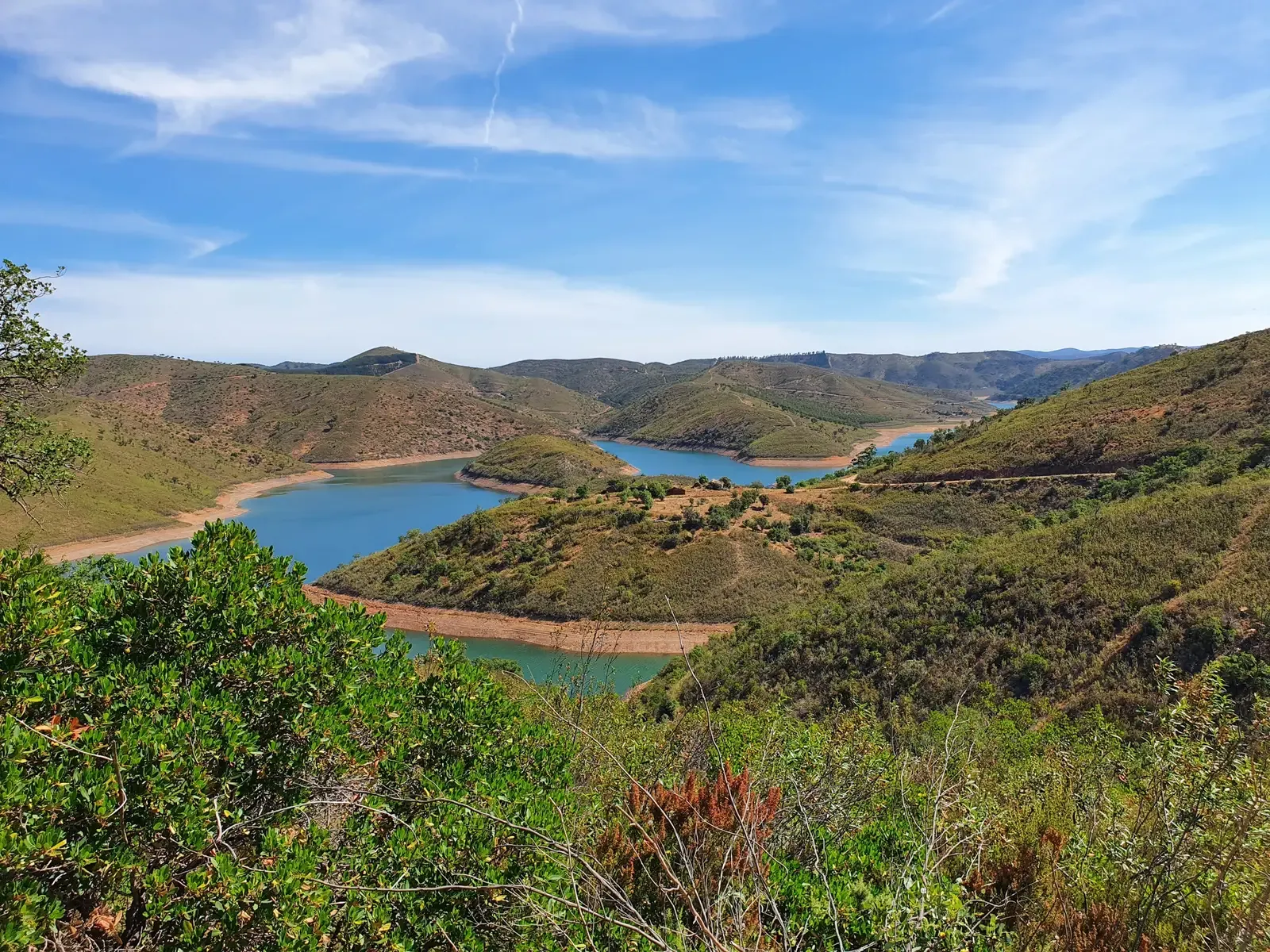
The secret Algarve – Algarviana Way
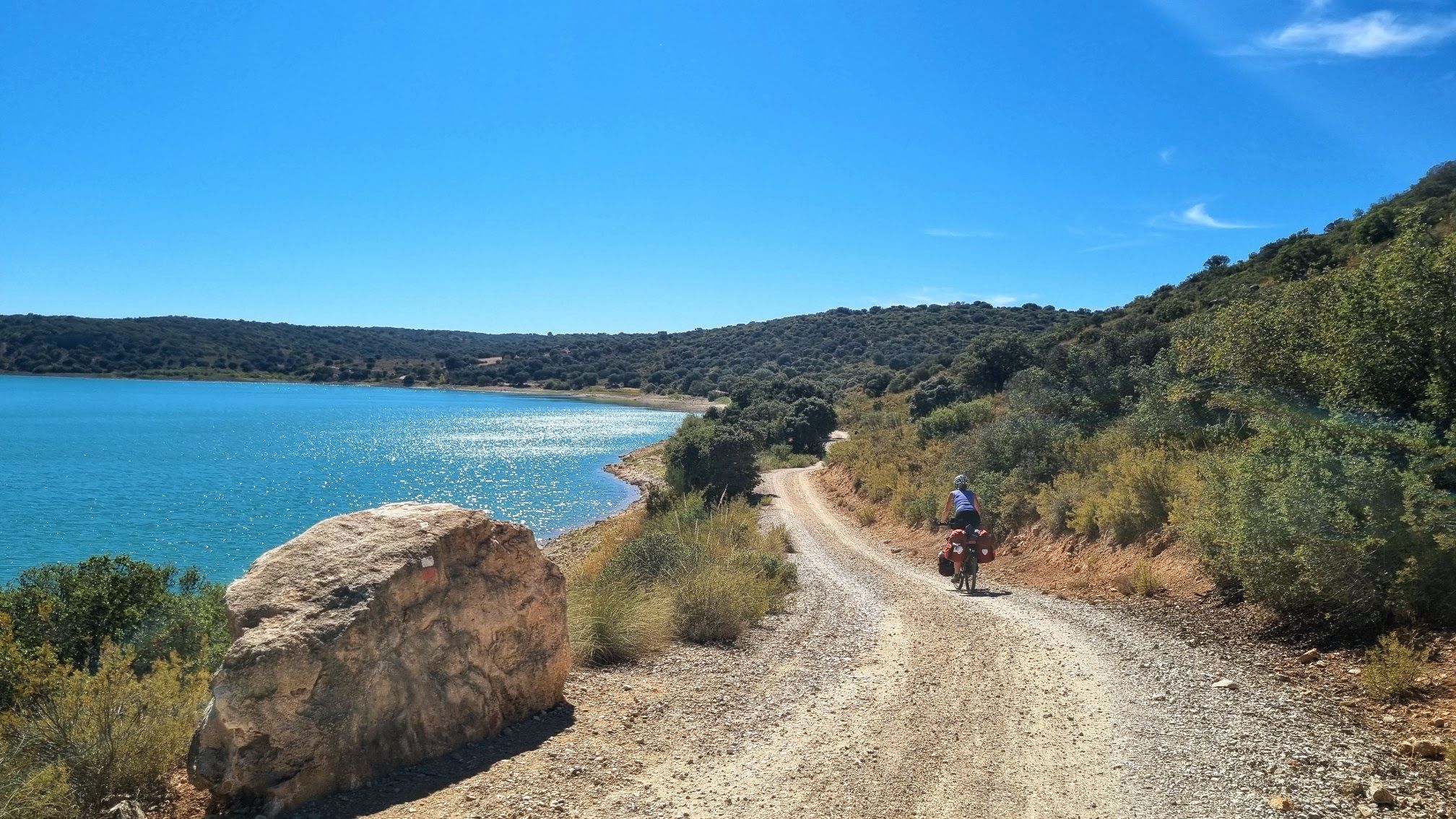
Pedalea junto al gran río — Camino Natural del Guadiana
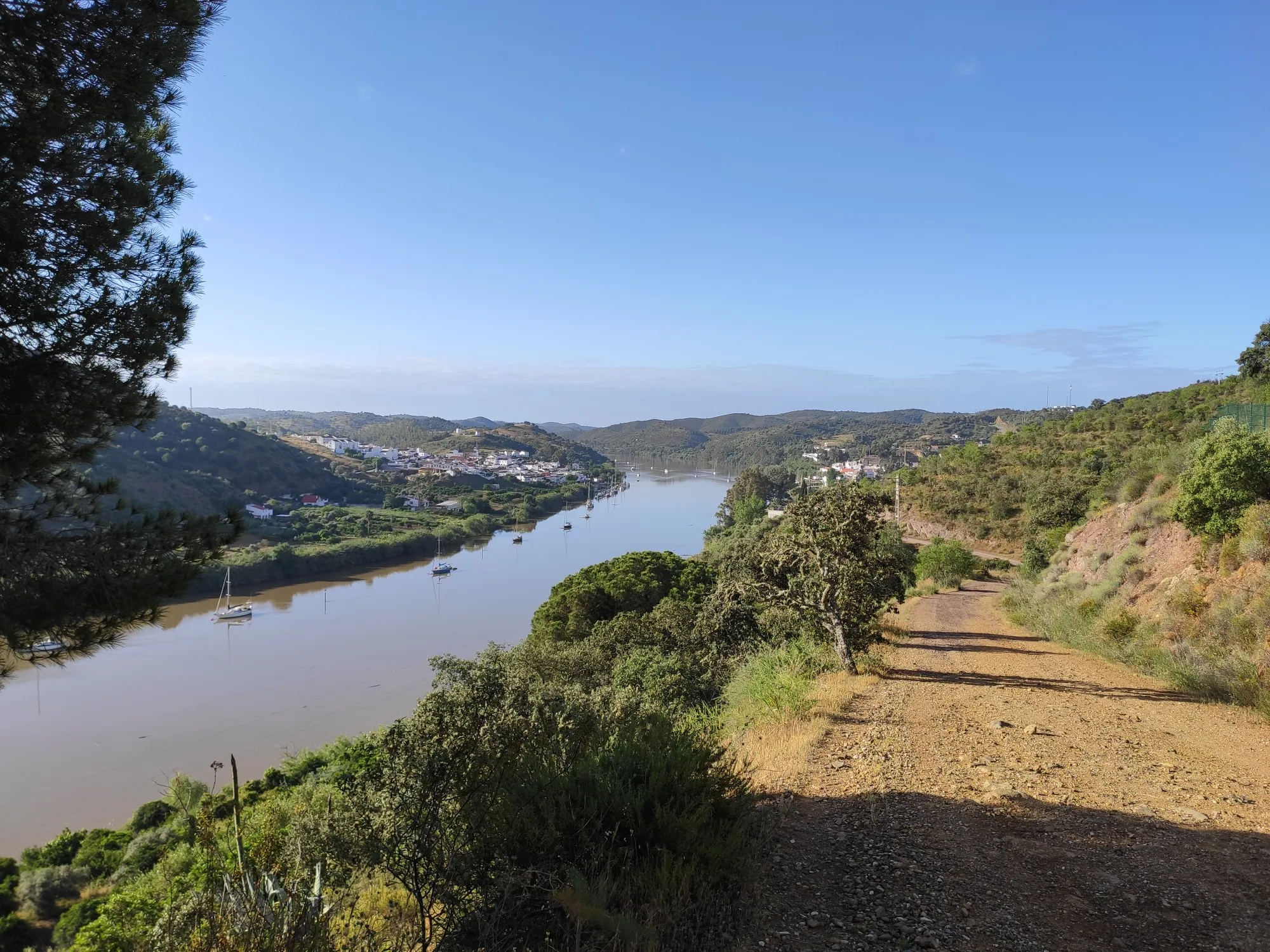
Stories of a river - Great Guadiana Route (GR 15)
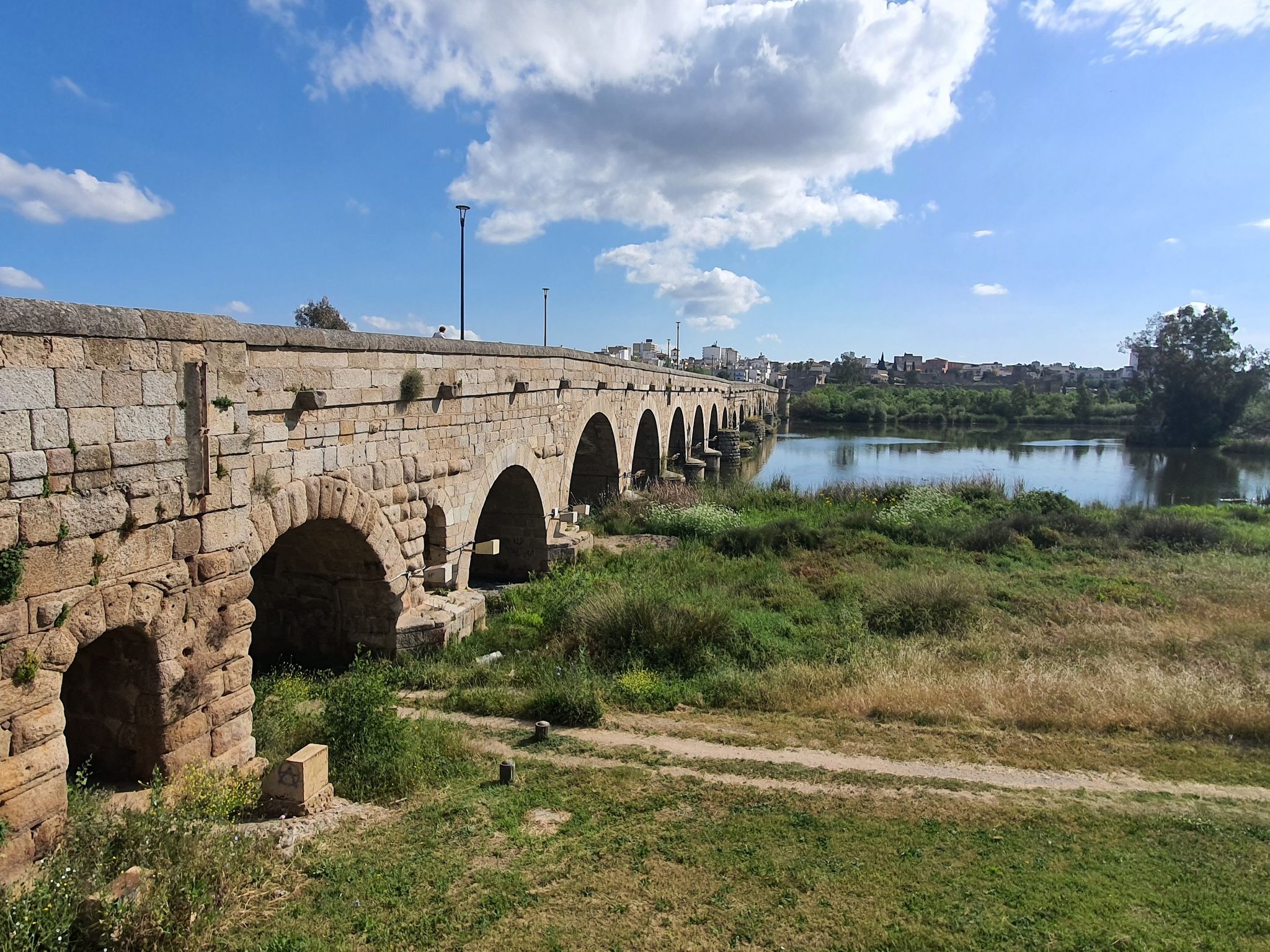
Gijón to Sevilla in Spain – Vía de la Plata (GR 100)
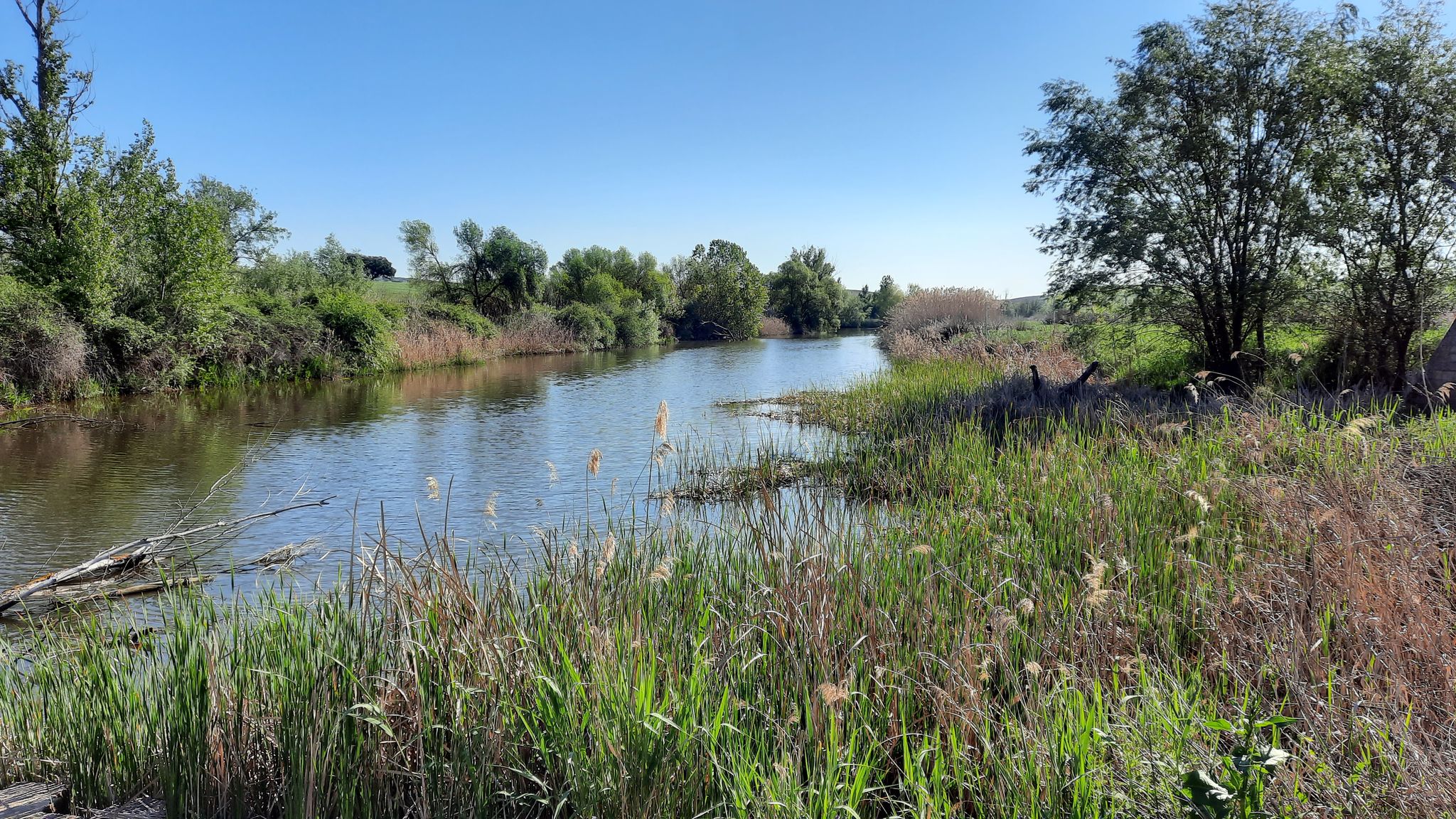
The magic of an endless river – Spain's Guadiana Natural Trail (GR 114)
A romantic journey in the footsteps of the Romans – Via de la Plata
Other adventures around the Guadiana


Tips from the Community

Vila Real de Santo António is located on the Gulf of Cádiz, which is part of the Atlantic Ocean, and on the right bank of the Guadiana River, whose lower reaches form the border between Portugal and Spain. The town boasts several attractions, charming restaurants, bars, and cafés! And of course, a lighthouse! 👀 A ferry ⛴️ runs hourly to the Spanish town of Ayamonte. ...
3
0
Vila Real de Santo António is located on the Gulf of Cádiz, which is part of the Atlantic Ocean, and on the right bank of the Guadiana River, whose lower reaches form the border between Portugal and Spain. The town offers several attractions, charming restaurants, bars, and cafés! A ferry ⛴️ provides convenient hourly service to the Spanish town of Ayamonte.
3
0
Vila Real de Santo António is a municipality and town in the Faro District of Portugal. It lies on the Gulf of Cádiz, which is part of the Atlantic Ocean, and on the right bank of the Guadiana River, whose lower reaches form the border between Portugal and Spain. Ayamonte, in Spain, lies on the opposite bank of the Guadiana River.
4
0

The Vila Real de Santo António Lighthouse (Farol de Vila Real de Santo António) is located in the far east of the Algarve, near the Spanish border. Built in 1923, it stands 40 meters tall. Situated on the dunes near Praia de Santo António beach, the lighthouse guides ships approaching the mouth of the Guadiana River. It is a striking landmark in a flat coastal landscape and is sometimes open to the public on special days.
4
0

In the heart of the Algarve, perched on a hill on the right bank of the Guadiana River, Castro Marim Castle holds centuries of history and battles. Although human presence in the region dates back to prehistoric times, it was here that Romans and Muslims found a strategically valuable vantage point, taking advantage of its privileged position. The imposing fortification you can visit today (for a small fee) was built in the 13th century by order of King Dinis, serving as a defensive bastion against invasions and as a watchful sentinel on the border with Spain. At the top, the reward is a breathtaking panoramic view: the town of Castro Marim at your feet, the shimmering salt flats, the bridge connecting Portugal and Spain, and, in the distance, neighboring Ayamonte.
3
0

The perfectly square Marquês de Pombal Square, formerly called Real and later Praça do Comercio, is the city's main square. To the east are the town hall and prison, to the south is the police station, and to the north is the church.
3
0
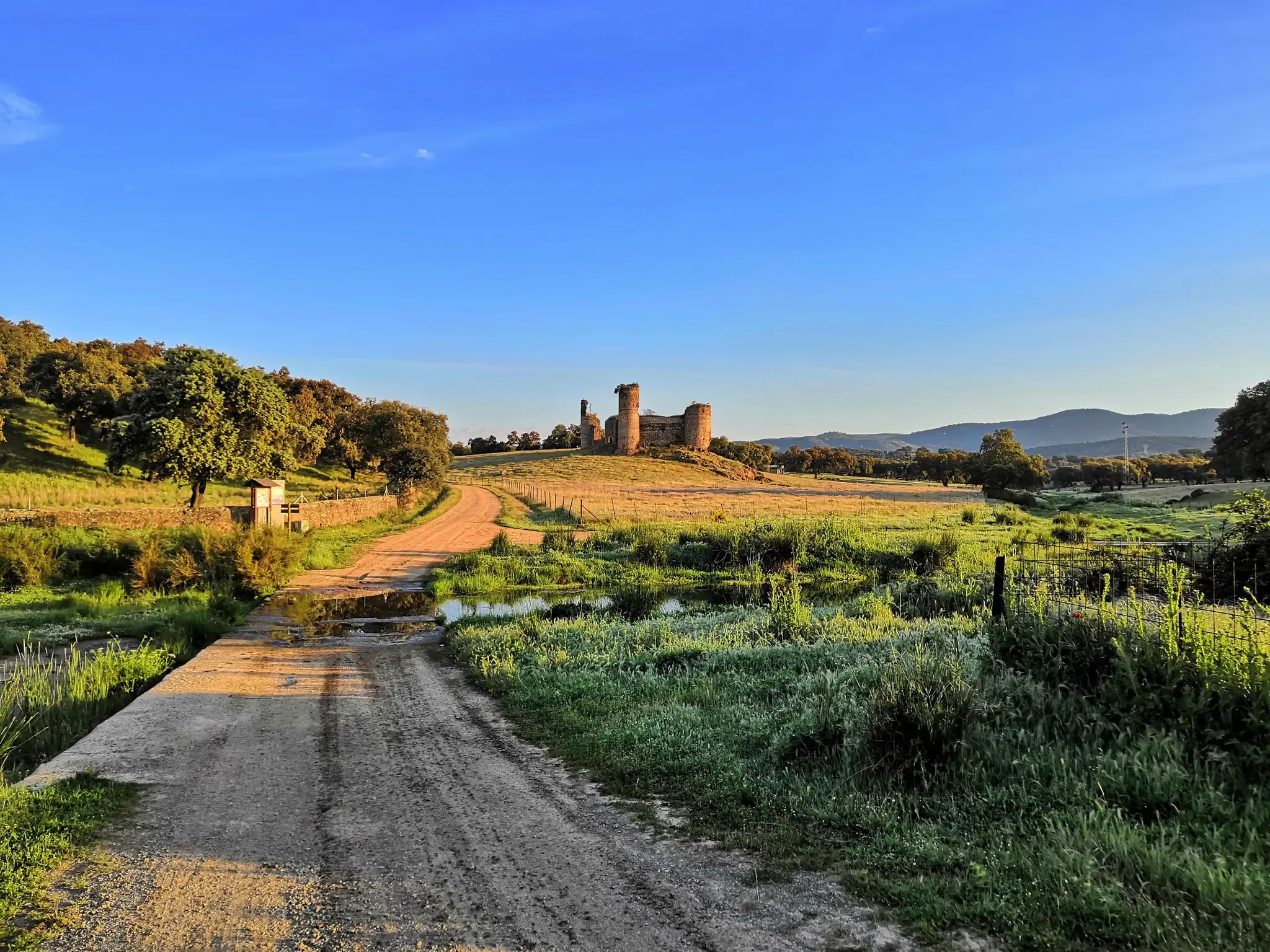
Castro Marim Castle was strategically built in the 13th century on a hill on the right bank of the Guadiana River. Currently, only the remains of the castle remain, including four towers, a gate, the ruins of the 14th-century Church of São Tiago, the Mayor's Palace, and a few houses.
2
0
After the castle's military use, the residents of Monsaraz built their own bullring here. Bullfights still occasionally take place here.
4
0
Frequently Asked Questions
What natural features can I explore along the Guadiana River?
The Guadiana region offers diverse natural landscapes. You can visit the Guadiana Valley Natural Park, known for its wooded hills, plains, and deep valleys, and the impressive Pulo do Lobo waterfall within the park. Near the river's mouth, particularly around Castro Marim, you'll find salt marshes and wetlands rich in birdlife, including flamingos.
Are there opportunities for hiking or cycling near the Guadiana attractions?
Yes, the Guadiana region is excellent for outdoor activities. You can find numerous trails for hiking and cycling. For hiking, consider routes like 'Mata de VRSA + Saúde Trail' or 'The Charms of Alcoutim — circular route (PR3)'. Cyclists can explore routes such as 'Vegas Bajas del Guadiana Loop' or 'Mérida and Esparragalejo Loop via the Guadiana River'. More details on these and other routes can be found in the Hiking around the Guadiana and Road Cycling Routes around the Guadiana guides.
What historical sites from the Roman era can I visit in the Guadiana region?
The region is rich in Roman history, especially in Mérida, a UNESCO World Heritage Site. Key Roman attractions include the Roman Bridge of Mérida, the longest in the Iberian Peninsula, the Temple of Diana (Mérida), and the Los Milagros Aqueduct. These are part of the extensive Roman Monuments of Mérida.
Are there any medieval castles to explore in the Guadiana region?
Absolutely. The Guadiana boasts several impressive medieval castles. You can visit Castro Marim Castle in Portugal, offering panoramic views, or the medieval village of Mértola with its castle and Moorish influences. Other notable castles include Monsaraz Castle, Alcoutim (Old) Castle, and Noudar Castle, each providing a glimpse into the region's past.
Which towns offer a glimpse into the region's cultural heritage?
Several towns along the Guadiana are rich in culture and history. Mértola is known for its Moorish heritage and archaeological sites. Vila Real de Santo António, rebuilt in the 18th century, features the symmetrically laid out Praça Marquês de Pombal. Towns like Castro Verde and Serpa offer authentic Alentejo charm and traditions.
What unique cross-border experiences does the Guadiana offer?
For a truly unique experience, you can try the cross-border zipline (LimiteZero) from Sanlúcar de Guadiana in Spain to Alcoutim in Portugal, gaining an hour due to the time difference. Additionally, numerous companies offer scenic river cruises along the Guadiana, allowing you to see landscapes and historic towns on both the Spanish and Portuguese banks.
Are there family-friendly attractions suitable for children?
Many attractions around the Guadiana are family-friendly. The Los Milagros Aqueduct and the Roman Bridge of Mérida are great for exploring history. River beaches like Praia Fluvial do Pego Fundo offer refreshing spots. The Easy hikes around the Guadiana guide lists routes suitable for families, such as the 'Mérida Roman Heritage Trail'.
Are there any wheelchair-accessible attractions or paths?
Yes, some areas are designed for accessibility. Praça Marquês de Pombal in Vila Real de Santo António and the Cyclist Sculpture by Carlos de Oliveira Correia are noted as wheelchair-accessible. When planning, it's advisable to check specific site details for the most up-to-date accessibility information.
What is the best time of year to visit the Guadiana region?
The Guadiana region is pleasant to visit during spring (March to May) and autumn (September to November) when temperatures are milder, making it ideal for outdoor activities like hiking and cycling. Summers can be very hot, but this is also when river beaches and water sports at the Alqueva Dam are most popular. Birdwatching is particularly rewarding in spring and autumn.
Where can I enjoy water activities or river views?
The Guadiana River itself offers many opportunities for water activities and scenic views. The Alqueva Dam created Europe's largest artificial lake, perfect for water sports. You can also find various river beaches, such as Praia Fluvial do Pego Fundo and Tapada Grande River Beach in Mina de São Domingos, which are popular during warmer months. River cruises are also a great way to experience the river's beauty.
Can I spot wildlife in the Guadiana region?
Yes, the Guadiana region is a haven for wildlife, especially birds. The Guadiana Valley Natural Park is a designated Special Protection Area, home to rare species like the black stork, lesser kestrel, and great bustard. Near the river's mouth, the salt marshes around Castro Marim are excellent for birdwatching, with flamingos being a common sight.
What is the Iron Bridge over the Guadiana River?
The Iron Bridge over the Guadiana River, also known as the Austrias Bridge, is a significant engineering work inaugurated in 1927. Originally part of a railway line, it is now a protected monument and a popular spot for walks, offering historical value and natural views of the Guadiana River and its surroundings.
Most popular routes around the Guadiana
Most popular attractions around the Guadiana

Get inspired with the komoot mobile app


Explore more
Still not found the Highlight you’re looking for? See guides of the top attractions in other regions:
