The best MTB trails around the Guadiana
4.4
(219)
2,814
riders
277
rides
Mountain biking around the Guadiana River region offers diverse landscapes, from the narrow riverbanks and wooded hills of the Guadiana Valley Natural Park to extensive plains and former mining areas. The terrain includes a mix of secondary tar roads with minimal traffic and dirt tracks, providing varied experiences for riders. This region, spanning parts of Portugal and Spain, features a unique blend of natural beauty and cultural heritage.
Best mountain bike trails around the Guadiana
- The most popular mountain bike…
Last updated: May 10, 2026
4.5
(8)
44
riders
48.0km
03:47
140m
140m
Mountain bike the moderate 29.8-mile Badajoz and Valdebótoa Loop via Camino Natural del Guadiana, featuring river views and eucalyptus fores
5.0
(1)
19
riders
Moderate mountain bike ride. Good fitness required. Advanced riding skills necessary.

Sign up for free
21
riders
53.8km
03:53
220m
220m
This moderate 33.4-mile mountain biking loop offers diverse scenery, including historic mining remains and traditional pathways, with 707 fe
5.0
(1)
10
riders
79.8km
06:09
330m
330m
This difficult 49.6-mile mountain biking route near Badajoz offers spectacular views of Embalse de la Peña del Águila and Rincón de Gila.
4.0
(1)
4
riders
54.0km
04:07
230m
230m
Mountain bike the moderate 33.6-mile Guadiana Natural Trail: Badajoz Loop, gaining 766 feet over diverse landscapes along the Guadiana River
3
riders
28.9km
02:16
100m
100m
Moderate mountain bike ride. Good fitness required. Suitable for all skill levels.
Easy mountain bike ride. Great for any fitness level. Suitable for all skill levels.
1
riders
Moderate mountain bike ride. Good fitness required. Suitable for all skill levels.
5.0
(2)
61
riders
52.4km
03:45
380m
380m
Moderate mountain bike ride. Good fitness required. Advanced riding skills necessary.
4.3
(3)
62
riders
44.6km
02:46
420m
420m
Moderate mountain bike ride. Good fitness required. Advanced riding skills necessary.
Get access to more routes and recommendations from other explorers.
Sign up for free
Already have an account?
Our route recommendations are based on thousands of hikes, rides, and runs completed by other people on komoot.
Start today with a free account
Your next adventure awaits.
Login or Signup
Popular around Guadiana
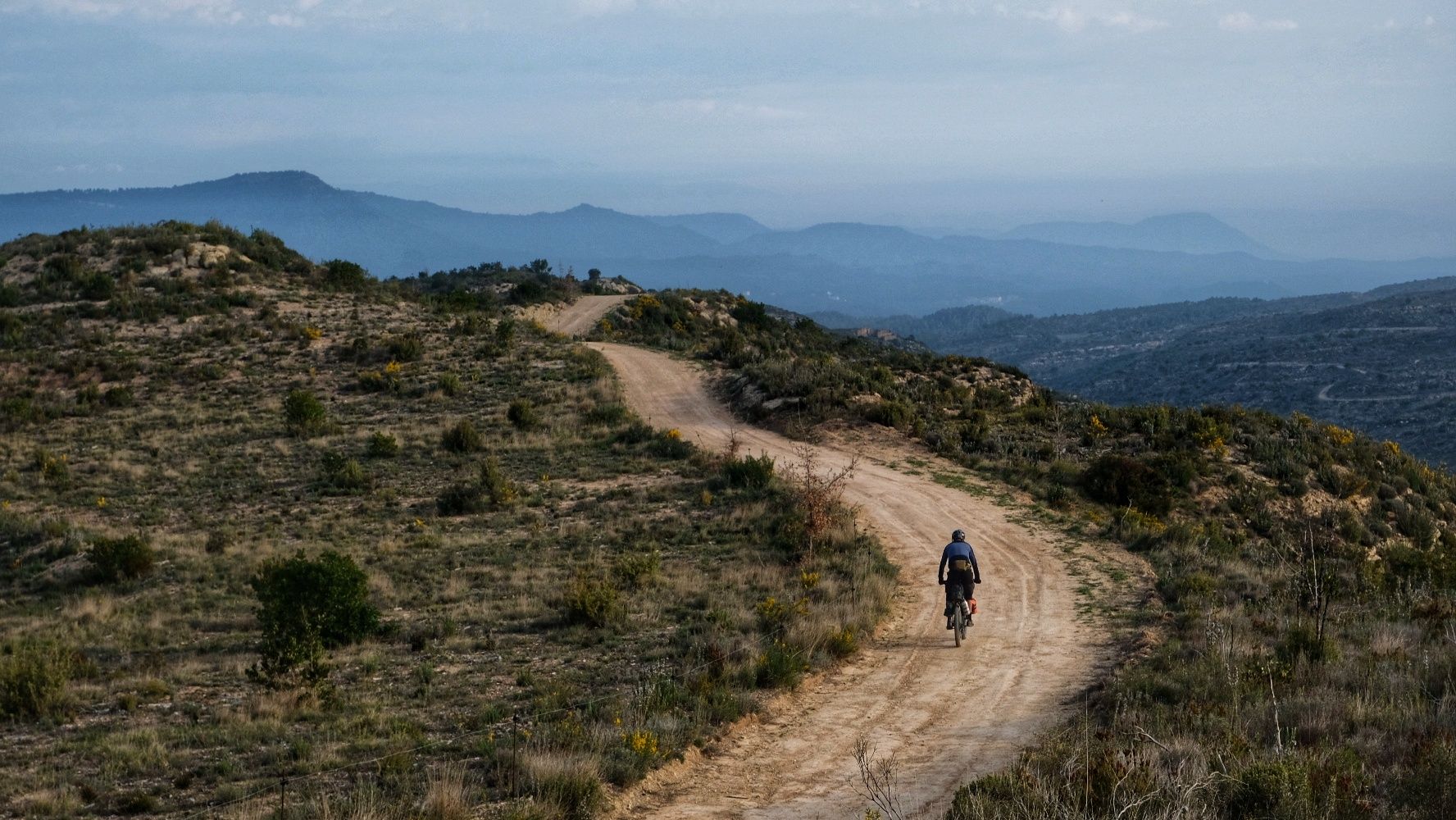
European Divide Trail — 7,600 km across the continent
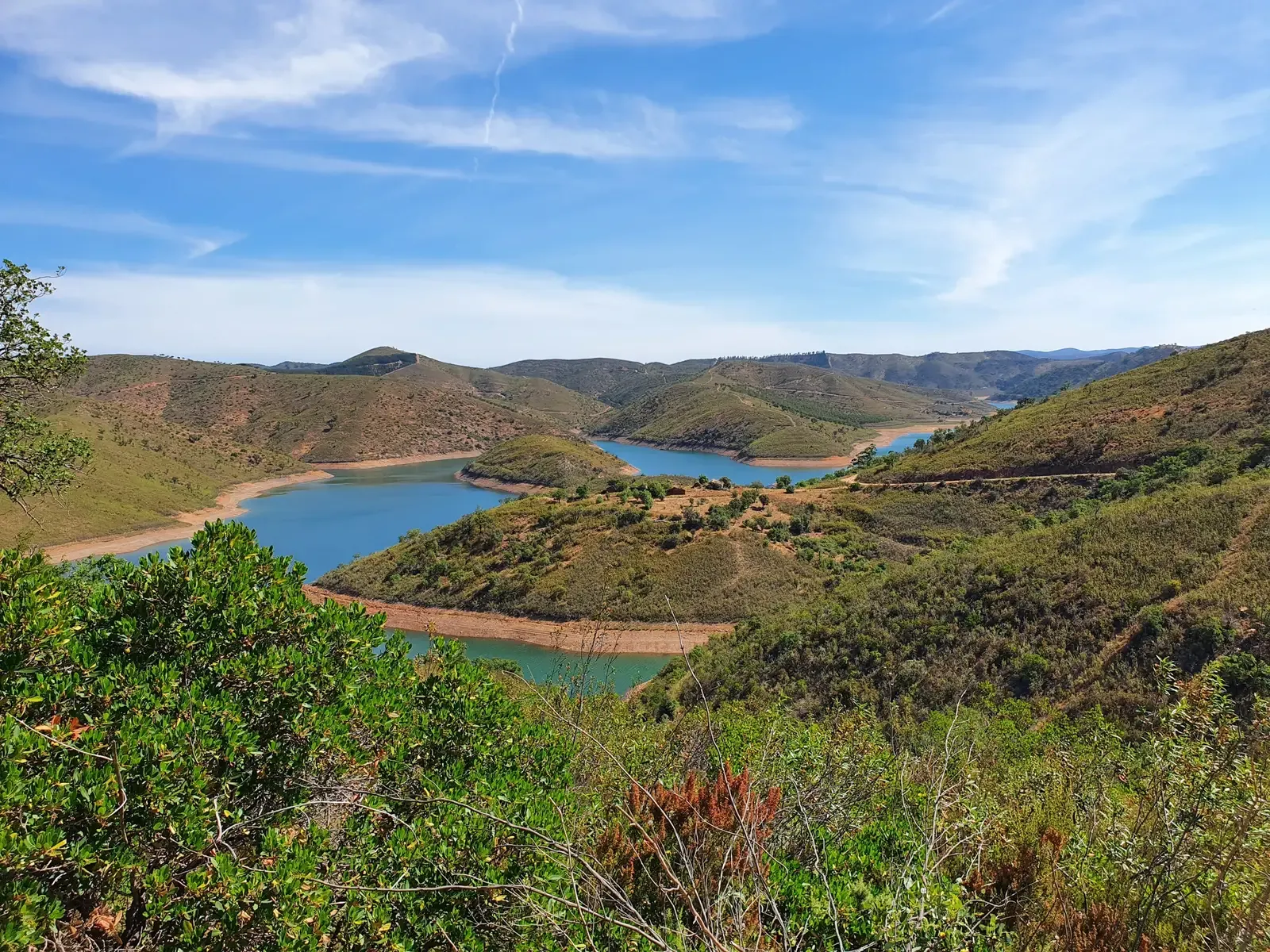
The secret Algarve – Algarviana Way
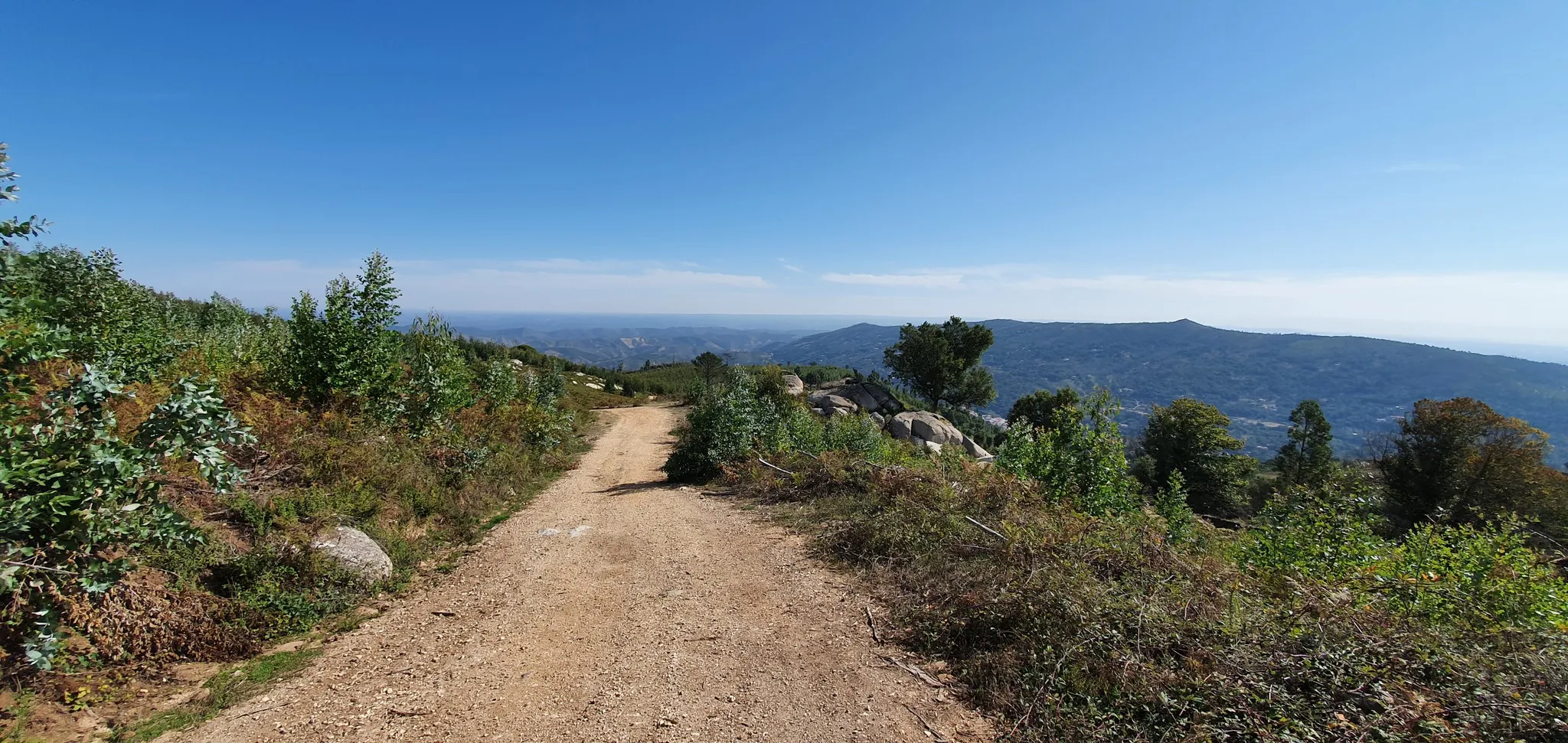
Via Algarviana (GR 13) - hidden corners of the south
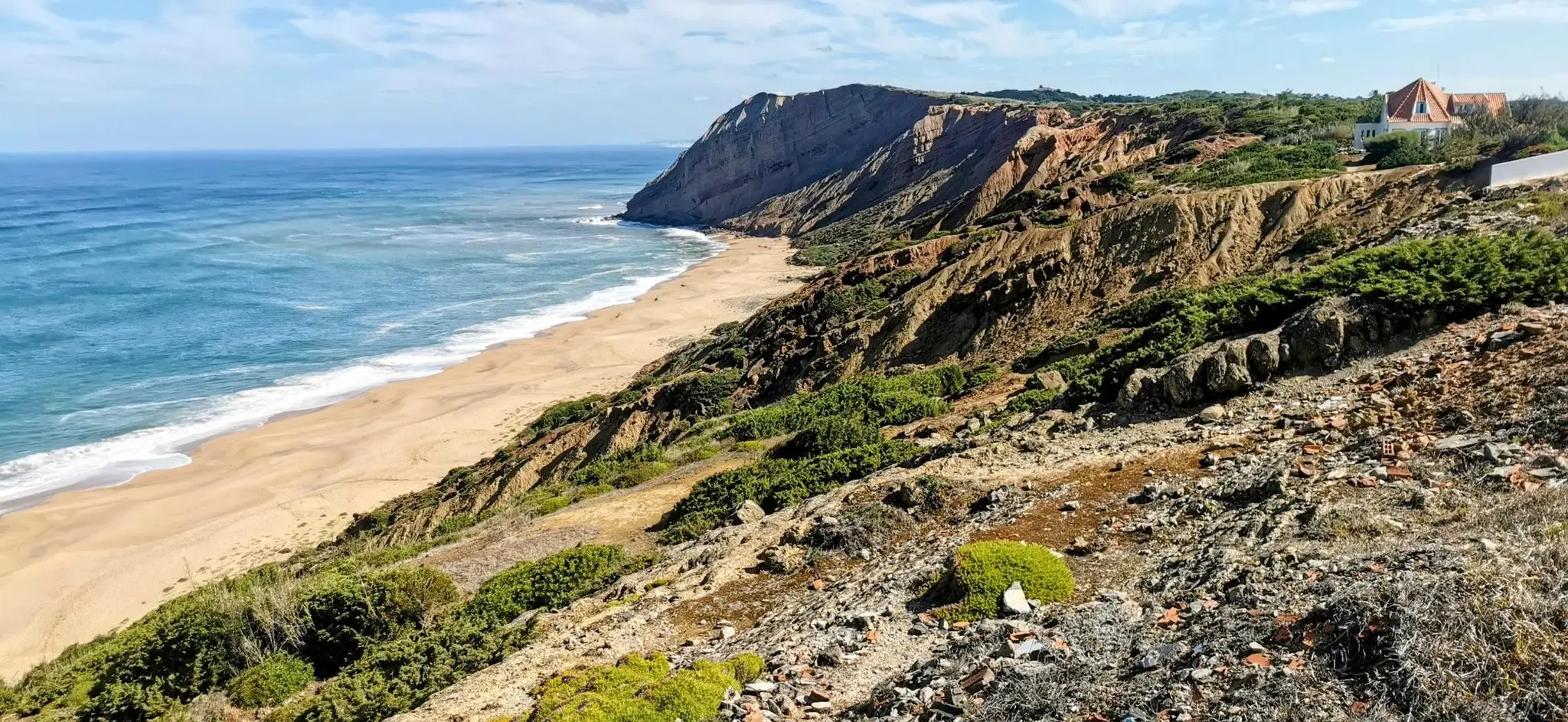
EuroVelo 1 Portugal – Cycle the Atlantic Coast
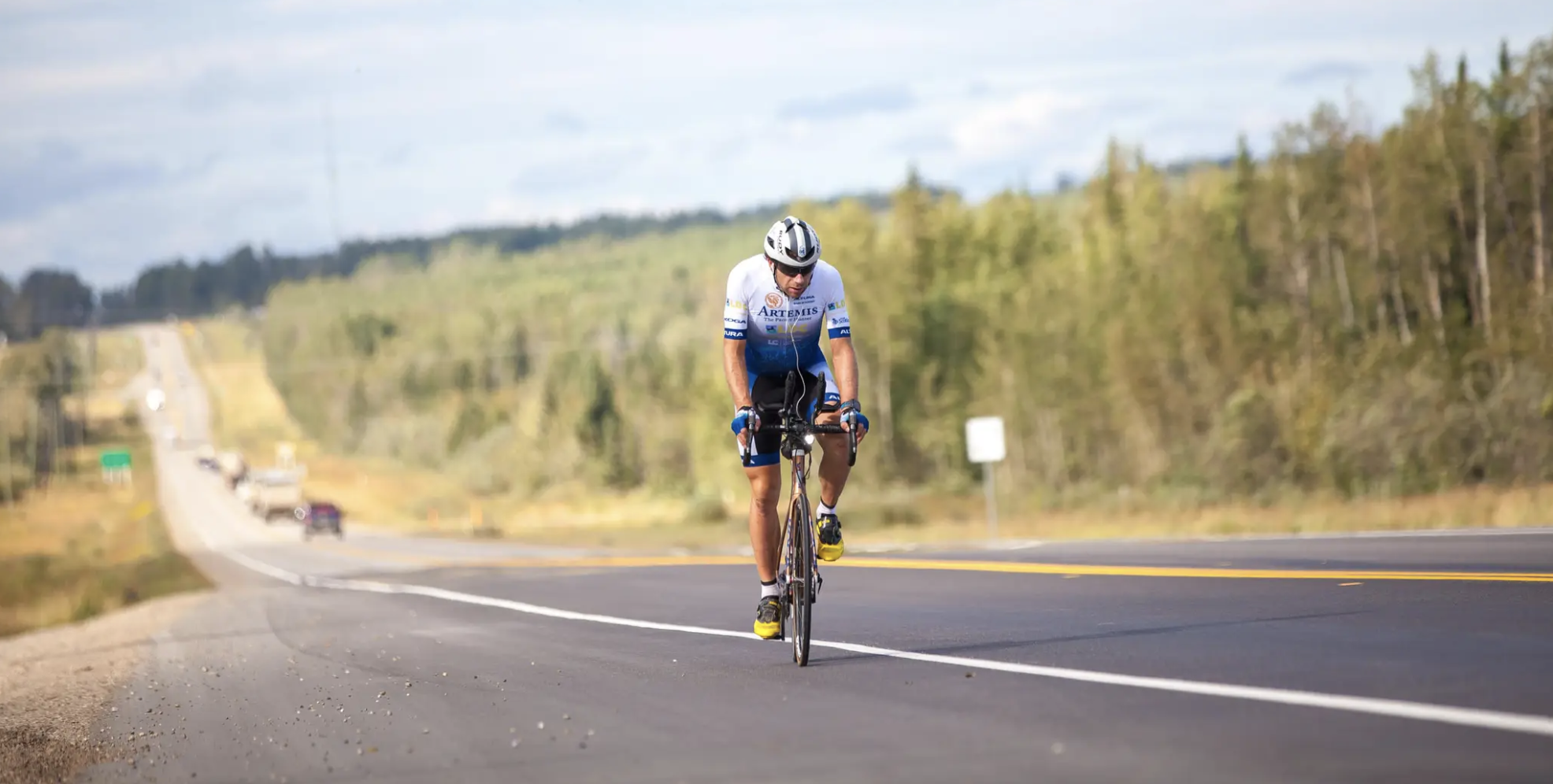
Around the World in 80 Days
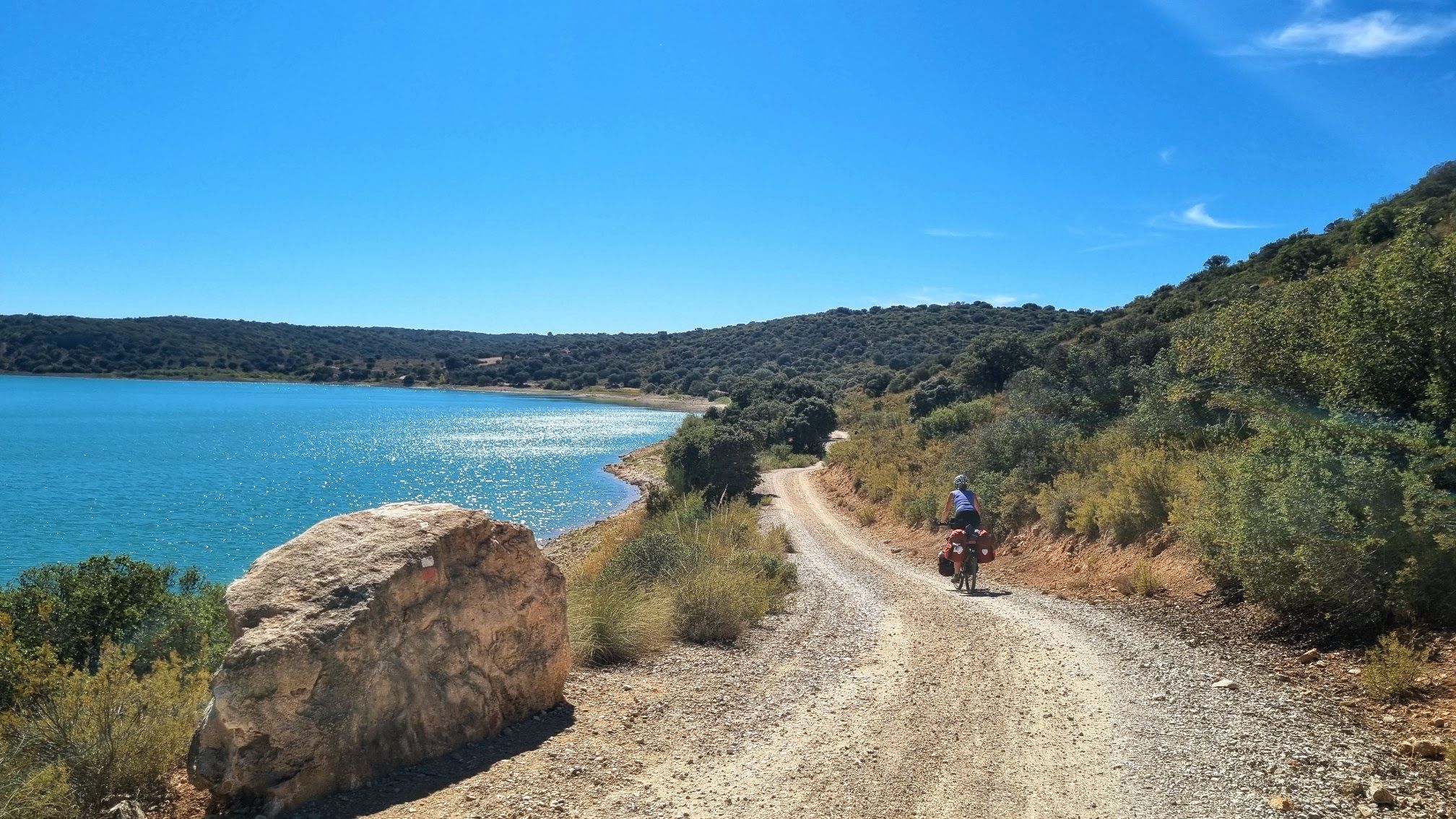
Pedalea junto al gran río — Camino Natural del Guadiana
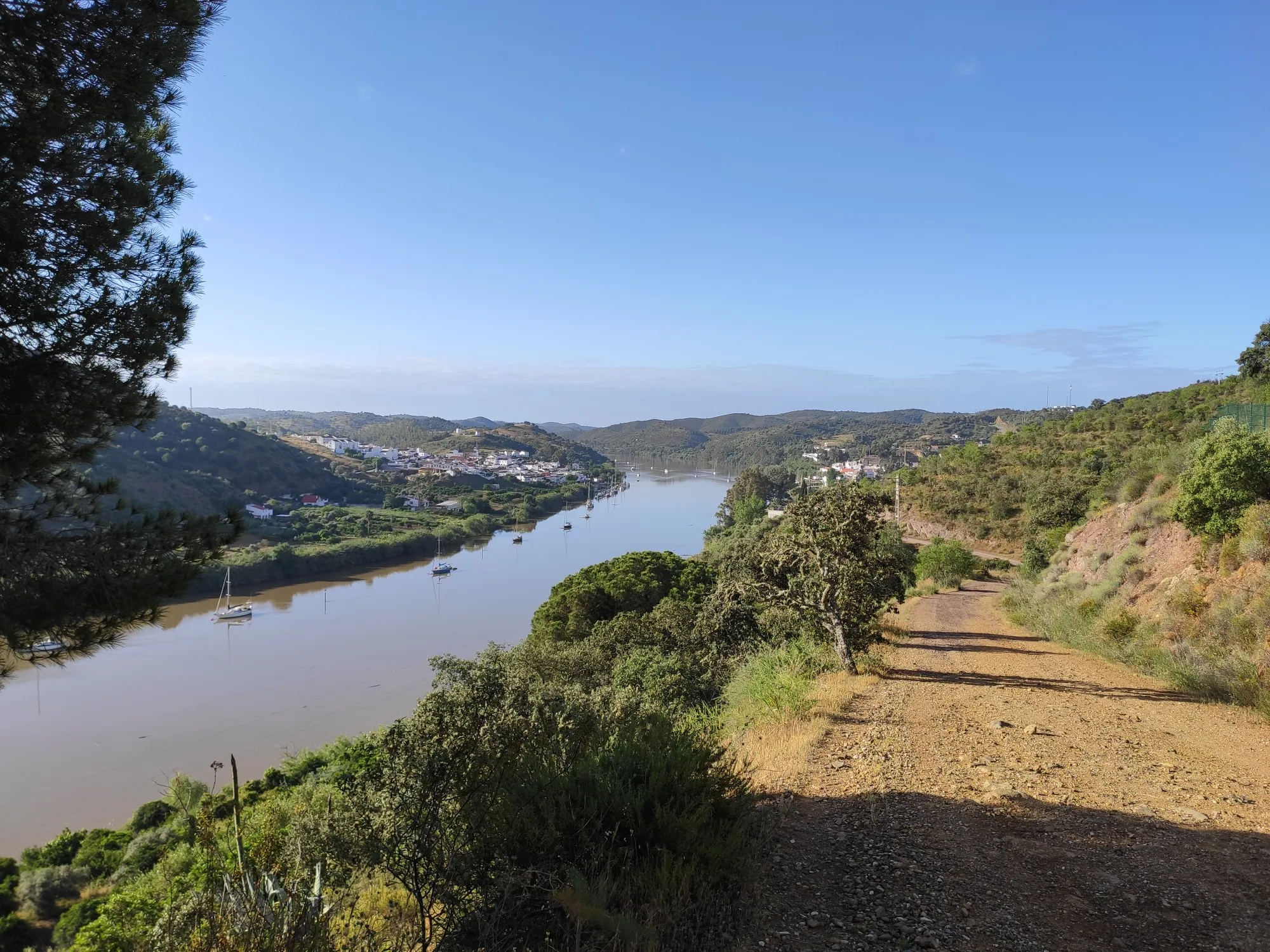
Stories of a river - Great Guadiana Route (GR 15)
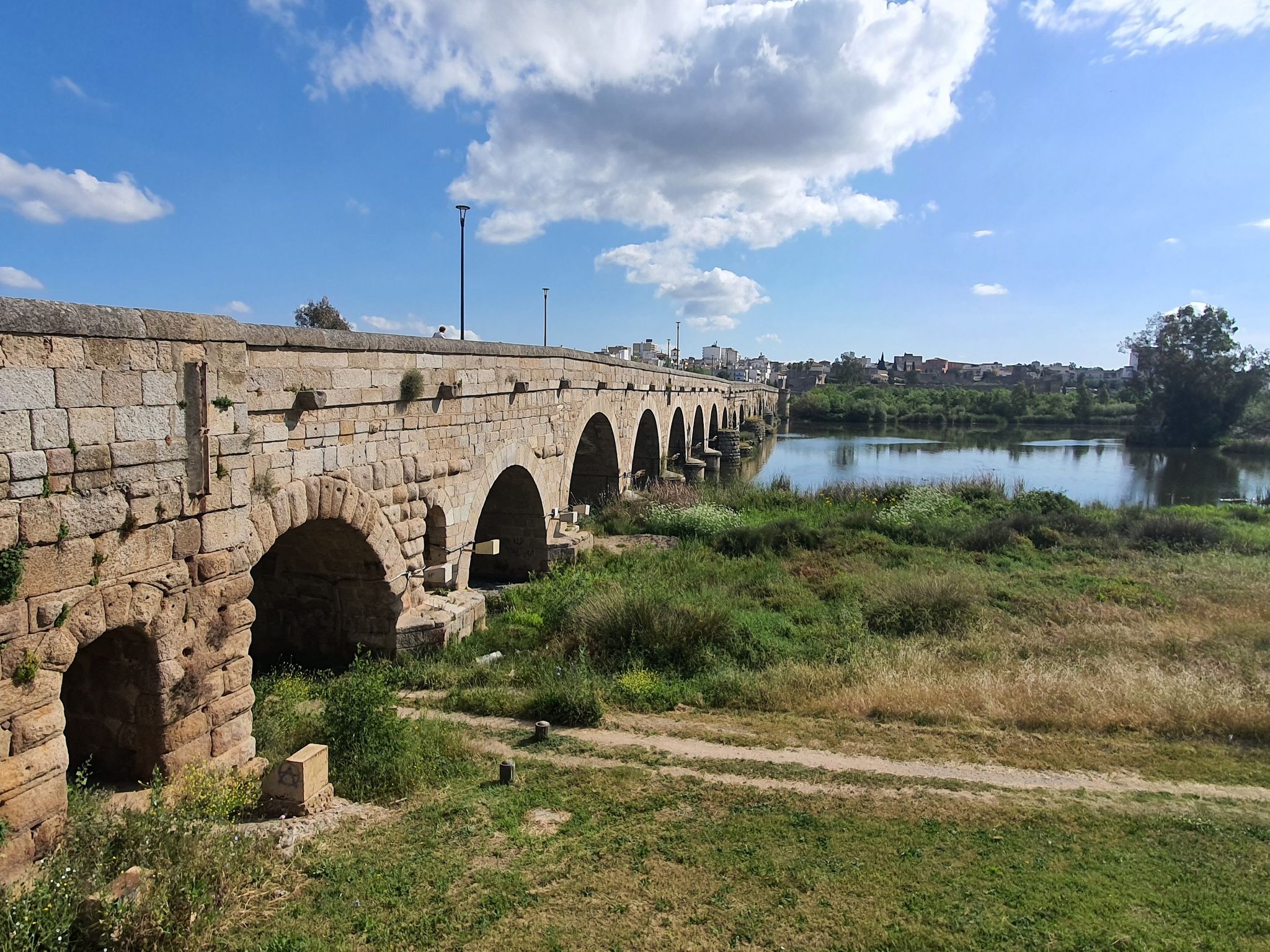
Gijón to Sevilla in Spain – Vía de la Plata (GR 100)
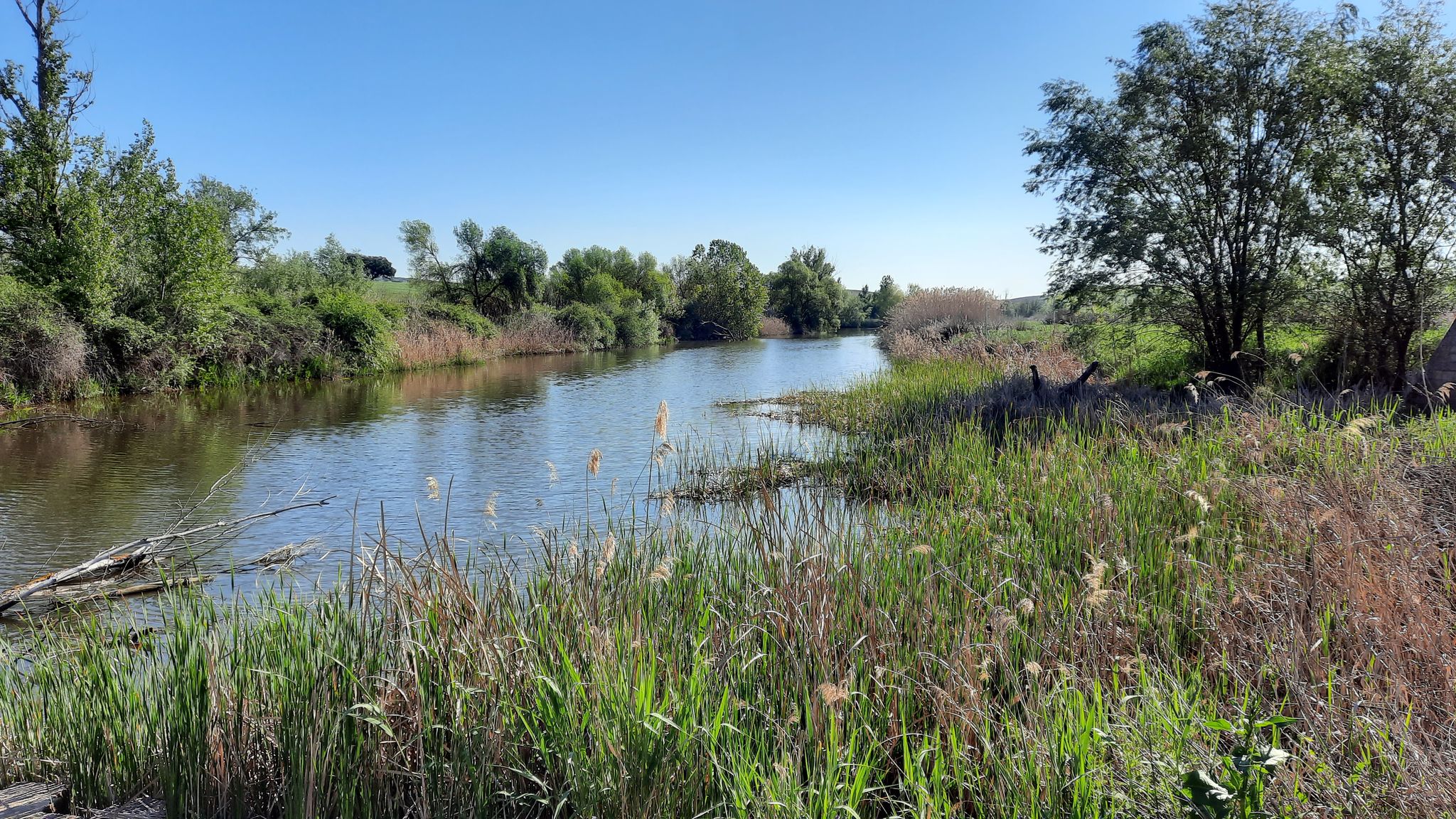
The magic of an endless river – Spain's Guadiana Natural Trail (GR 114)
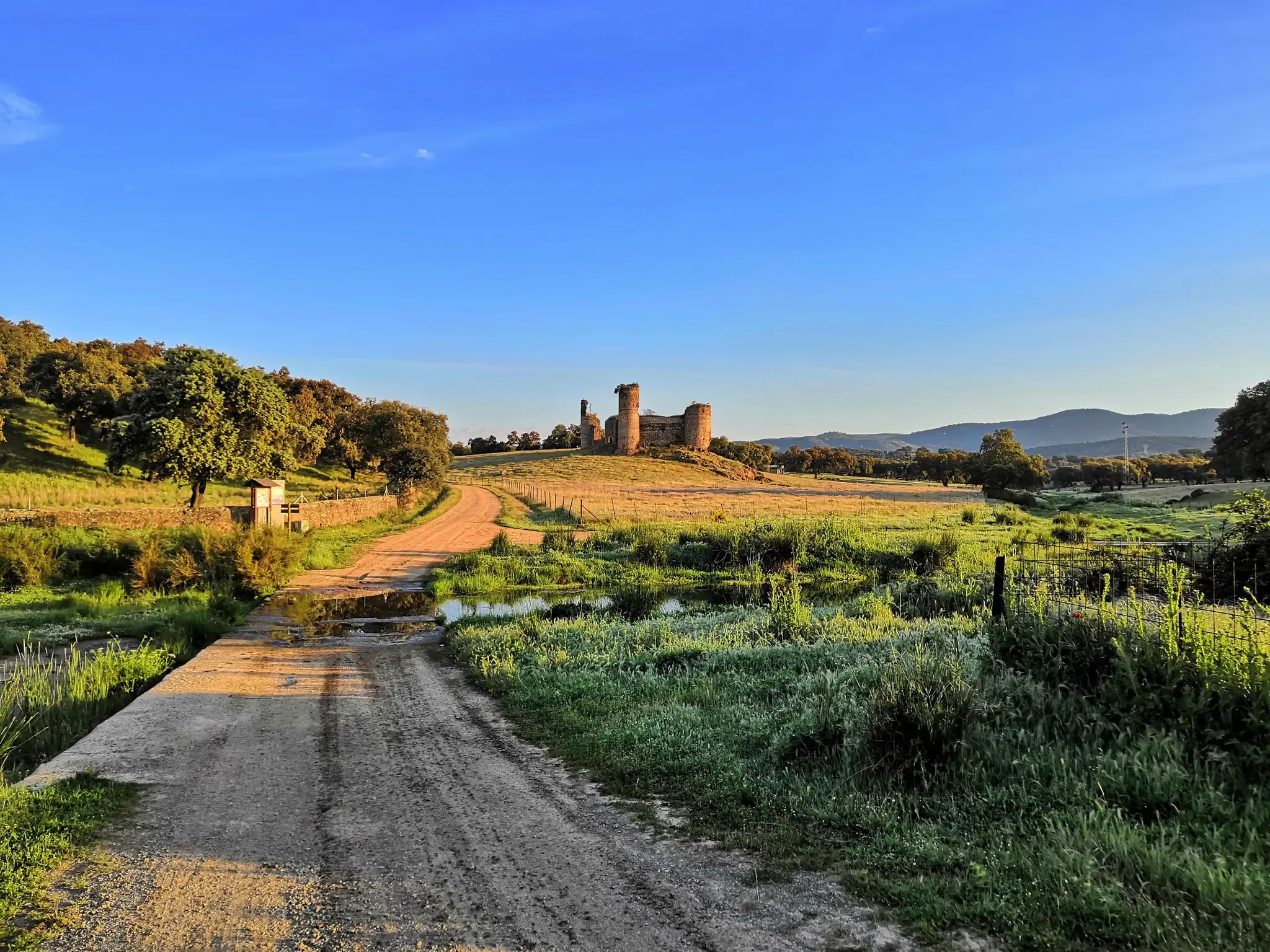
A romantic journey in the footsteps of the Romans – Via de la Plata
Other adventures around the Guadiana


Tips from the Community


If you pass through Badajoz, you shouldn't miss visiting at least its Puerta de Palmas, its Alcazaba, and its cathedral.
1
0

It connects the town of Amoreira to the city of Elvas. With a length of 8.5 kilometres, 843 arches with more than five arcades and towers that rise to 31 metres in height, it is considered the largest aqueduct in the Iberian Peninsula. It has been classified as a National Monument since 1910 and is part of the site called the Border and Garrison Town of Elvas and its Fortifications, classified by UNESCO as a World Heritage Site since 2012. (Source: Wikipedia)
14
1

The Palmas Bridge is the oldest bridge in Badajoz, situated over the Guadiana River. It was built in 1596 during the reign of Philip II, although it was built on a previous bridge dating from 1460. This Herrerian-style bridge is 585 metres long and has 32 arches. Over the centuries, the bridge has undergone several repairs due to flooding of the river. At one end of the bridge is the Puerta de Palmas, one of the main entrances to the city in times past, and at the other end, a hornwork built in the 17th century to protect the bridgehead.
6
0

A place full of history, in the recent past it was a Military Prison where many young Portuguese soldiers served prison sentences.
1
2

Segovia is not the only city on the peninsula to have a Roman aqueduct. The Amoreia aqueduct is located in the parish of São Brás e São Lourenço, within the municipality of Elvas, district of Portalegre, in Portugal. It was declared a World Heritage Site in 2012. The Amoreira aqueduct is part of the "Border garrison and fortifications of the city of Elvas" complex.
10
1
Today with many people taking photos due to the recent rains and how crowded it is. The arch of the old Roman bridge is covered by water, it is wonderful to see it like this.
22
0

The church "San Pedro Apostol" was dedicated to Saint Peter (Peter). Simon, nicknamed Peter (Rock), was a fisherman on the Sea of Galilee when he - together with his brother Andrew - was called by Jesus Christ to be "fishers of men". According to Catholic understanding, he is the supreme apostle, and the two millennia-long line of popes - currently Francis - are his successors. In statues and paintings, Peter is almost always depicted with two keys in his hand; this attribute refers to the biblical saying in Matthew: “I will give you the keys of the kingdom of heaven; Whatever you bind on earth will be bound in heaven, and whatever you loose on earth will be loosed in heaven” (Chapter 16, verse 19). Peter and Paul are also known as the “Princes of the Apostles”; their common feast day in the saints’ calendar is June 29th.
3
0
Frequently Asked Questions
How many mountain bike trails are there in the Guadiana region?
The Guadiana region offers a wide selection of mountain bike trails, with over 280 routes available on komoot. These trails cater to various skill levels, including 36 easy, 209 moderate, and 38 difficult options, ensuring there's something for every rider.
What kind of terrain can I expect on mountain bike trails around the Guadiana?
Mountain biking around the Guadiana offers incredibly diverse terrain. You'll encounter everything from narrow riverbanks and wooded hills within the Guadiana Valley Natural Park to extensive plains, traditional cereal crops, and even former mining areas like São Domingos with its unique 'lunar landscape'. Trails often combine secondary tar roads with minimal traffic and dirt tracks, including rural single tracks, especially north of Castro Marim.
Are there any family-friendly mountain bike routes in Guadiana?
Yes, the Guadiana region has several family-friendly mountain bike routes. For an easier ride, consider the Desde Orellana de la Vieja a Orellana de la Sierra — circular por el Embalse de Orellana, which is an easy 21 km circular route around the Orellana reservoir. Many of the easier trails along the riverbanks also provide gentle gradients suitable for families.
What are some challenging mountain bike trails in the Guadiana region?
For experienced mountain bikers seeking a challenge, the Guadiana region offers several difficult routes. One such option is the Cáceres-Badajoz Corridor: Peña del Águila Reservoir Loop, a demanding 80 km trail with significant elevation changes, providing a rewarding experience for advanced riders.
What natural attractions can I see while mountain biking in Guadiana?
The Guadiana region is rich in natural beauty. You can ride through the Guadiana Valley Natural Park, known for its diverse ecosystems. A highlight is the dramatic Pulo do Lobo Waterfall, where the river narrows between imposing rocks. The landscape also features extensive plains, ancient watermills, and striking salinas (salt pans). For panoramic views, consider visiting the Observation point or La Posadilla Viewpoint.
Are there any circular mountain bike routes in Guadiana?
Yes, many mountain bike routes in Guadiana are designed as loops, offering a convenient way to explore the area. A popular choice is the Guadiana Natural Trail Loop, a moderate 53.8 km trail that takes you through varied landscapes. Another option is the Embalse de Piedra Aguda – circular desde Badajoz por el Camino Natural del Guadiana y Cañada Real Sancha Brava, a 68.4 km moderate loop exploring the Piedra Aguda reservoir area.
What cultural landmarks or towns can I explore near the mountain bike trails?
Beyond its natural beauty, the Guadiana region boasts charming towns and historical sites. You can visit Mértola, often called a 'town museum', with Roman, Visigoth, and Islamic remains, or Serpa, known for its medieval walls and traditional cheeses. Along the trails, you might encounter prehistoric remains like the Anta das Pias dolmen. Other notable landmarks include the Temple of Diana (Mérida) and the Los Milagros Aqueduct.
What do other mountain bikers say about the trails in Guadiana?
The mountain bike trails in Guadiana are highly regarded by the komoot community, with an average rating of 4.4 stars from over 200 reviews. Riders often praise the diverse landscapes, the mix of challenging and easy routes, and the opportunity to explore both natural beauty and cultural heritage. Many appreciate the well-maintained dirt tracks and the scenic views along the Guadiana River.
Are there any mountain bike routes that cross between Portugal and Spain?
Yes, the unique geographical position of the Guadiana River, forming a natural border, allows for routes that offer the experience of cycling through two different countries (Portugal and Spain) in one trip. The extensive Grande Rota do Guadiana (GR15) and sections of the Guadiana Nature Trail (GR-114) traverse this cross-border landscape, providing a unique international biking adventure.
What is the best time of year to go mountain biking in Guadiana?
The Guadiana region is generally best for mountain biking during the spring (March to May) and autumn (September to November) months. During these periods, temperatures are milder and more comfortable for outdoor activities, and the landscapes are often at their most vibrant. Summers can be very hot, making early mornings or late afternoons the only viable times for riding, while winters are generally mild but can have more rainfall.
Are there any routes that follow the Camino Natural del Guadiana?
Yes, several routes incorporate sections of the extensive Camino Natural del Guadiana. For example, the Badajoz and Valdebótoa Loop via Camino Natural del Guadiana is a popular moderate 48 km trail that follows parts of this significant path, offering a great way to experience the river's natural beauty.
Can I find mountain bike routes near reservoirs in the Guadiana area?
Absolutely. The region features several reservoirs that offer scenic mountain biking opportunities. The Embalse de García Sola y Casas de Don Pedro — circular en BTT por Puebla de Alcocer is a moderate 33.8 km circular route that explores the area around the García Sola reservoir, providing beautiful waterside views and varied terrain.
Most popular routes around the Guadiana
Most popular attractions around the Guadiana

Get inspired with the komoot mobile app


Explore more
Browse the best MTB trails in other regions.
