Attractions and Places To See around the Guadalquivir - Top 20
Best attractions and places to see around the Guadalquivir include a diverse range of historical, cultural, and natural sites. The Guadalquivir River, Spain's second-longest and only major navigable river, flows through Andalusia, serving as a historical trade route. Its banks and surrounding areas are rich in ancient landmarks, architectural wonders, and significant natural features. The region offers a variety of experiences, from exploring ancient cities to discovering important wetlands.
Best attractions and places to see around the Guadalquivir
- The most popular attractions is Roman Bridge of Córdoba, a bridge that was an important gateway over the Guadalquivir. This pedestrian bridge offers impressive views of the river and surrounding historical structures.
- Another must-see spot is Seville Cathedral (Cathedral of Seville), a religious building. It is a Catholic temple in the Gothic style and one of the largest cathedrals globally in that style, housing one of the world's largest high altars.
- Visitors also love Tower of Gold, a man-made monument. This historic watchtower on the banks of the Guadalquivir River served as a defensive structure during the Moorish period and now functions as a Maritime Museum.
- Guadalquivir is known for its historical sites, religious buildings, and natural features. The region offers a mix of ancient landmarks, architectural wonders, and significant natural areas to explore.
- The attractions around the Guadalquivir are appreciated by the komoot community. With more than 900 upvotes and over 1100 photos, the komoot community actively shares its experiences.
Last updated: May 26, 2026
Seville Cathedral (Cathedral of Seville)
Highlight • Religious Site
Translated by Google •
Tip by

The Giralda and the cathedral
Highlight • Religious Site
Translated by Google •
Tip by
Sign up now to discover places like this
Get recommendations on the best single tracks, peaks, & plenty of other exciting outdoor places.
Sign up for free
Tower of Gold
Highlight • Monument
It is said that its name comes from the golden glow the tower reflected on the river.
Translated by Google •
Tip by
Metropol Parasol (Seville's Mushrooms)
Highlight • Monument
Translated by Google •
Tip by
Mosque–Cathedral of Córdoba
Highlight • Religious Site
Translated by Google •
Tip by

Roman Bridge of Córdoba
Highlight • Bridge
Translated by Google •
Tip by

Alcázar of the Christian Monarchs (Córdoba)
Highlight • Historical Site
Translated by Google •
Tip by
Patio de los Naranjos, Mosque-Cathedral of Córdoba
Highlight • Historical Site
Translated by Google •
Tip by
View from the Triana Bridge
Highlight • Viewpoint
It was built in 1852, with a design by French engineers Steinacher and Bernadet based on stone and iron. It is the oldest preserved iron bridge in Spain and would be declared a National Historic Monument in 1976, being restored a year later.
Translated by Google •
Tip by
Calahorra Tower
Highlight • Historical Site
Translated by Google •
Tip by
Sign up for free to discover even more attractions around the Guadalquivir.
Sign up for free
Already have an account?
Start today with a free account
Your next adventure awaits.
Login or Signup
Popular around Guadalquivir

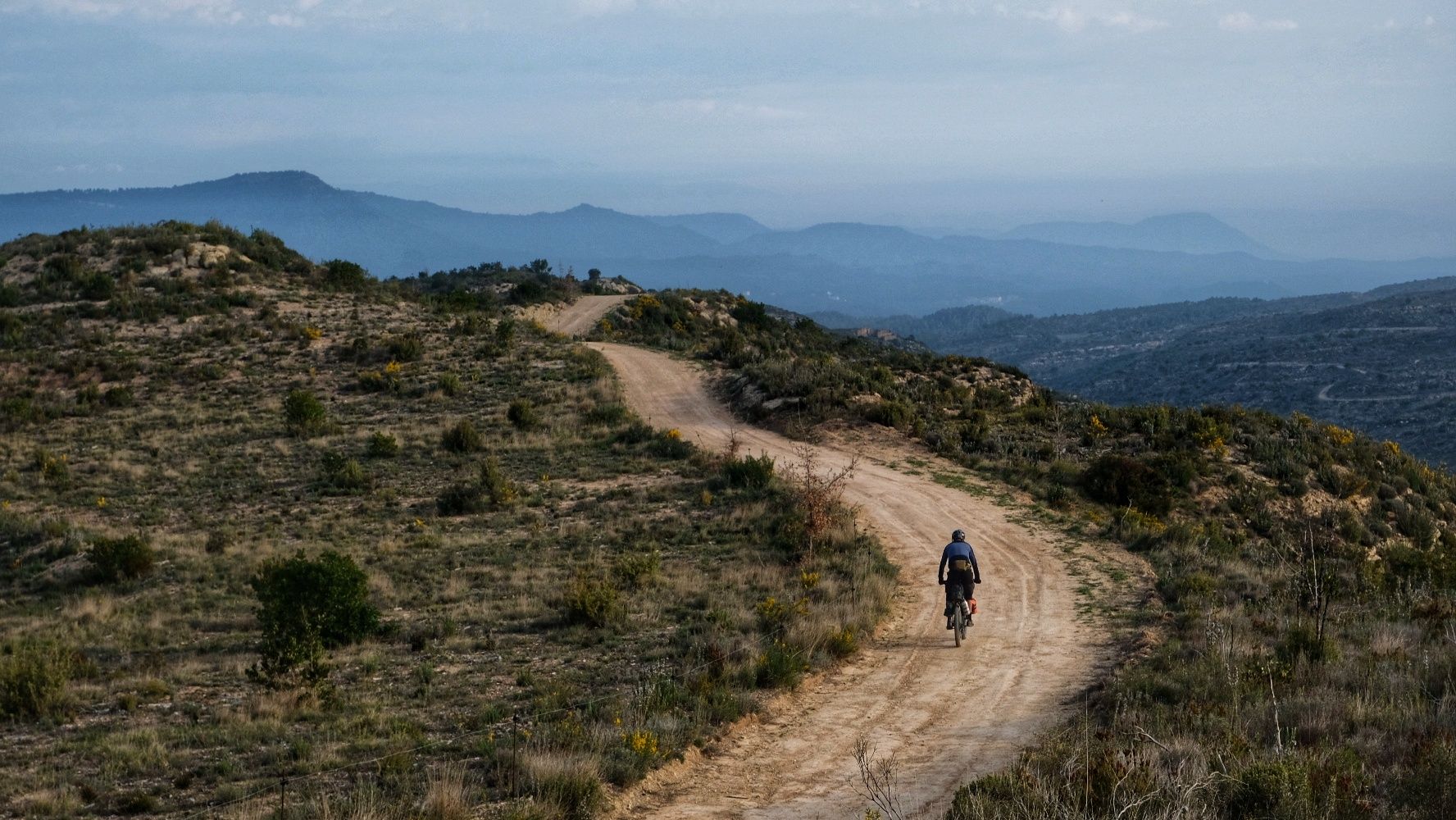
Triathlon 360 – my journey around the world
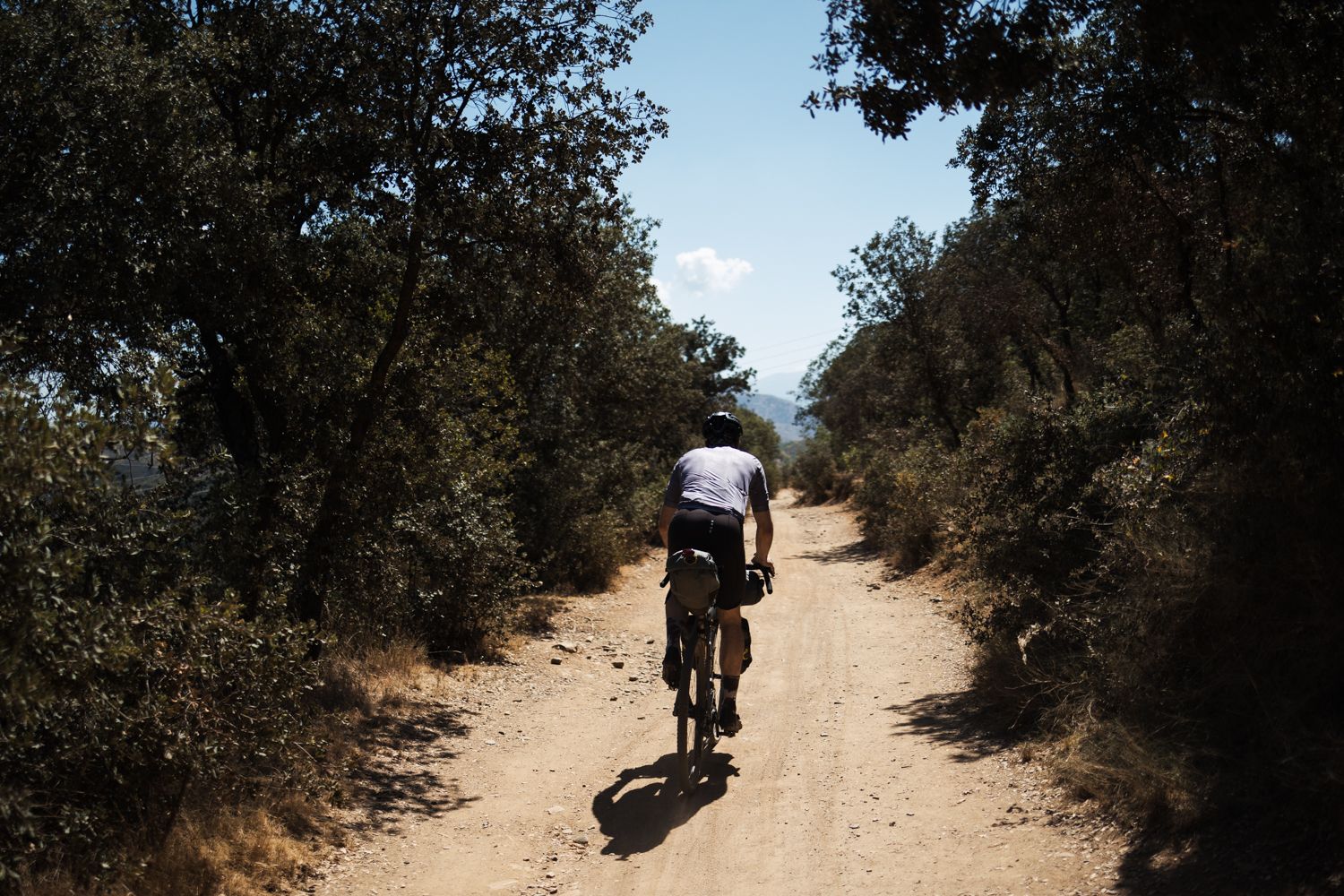
European Divide Trail — 7,600 km across the continent
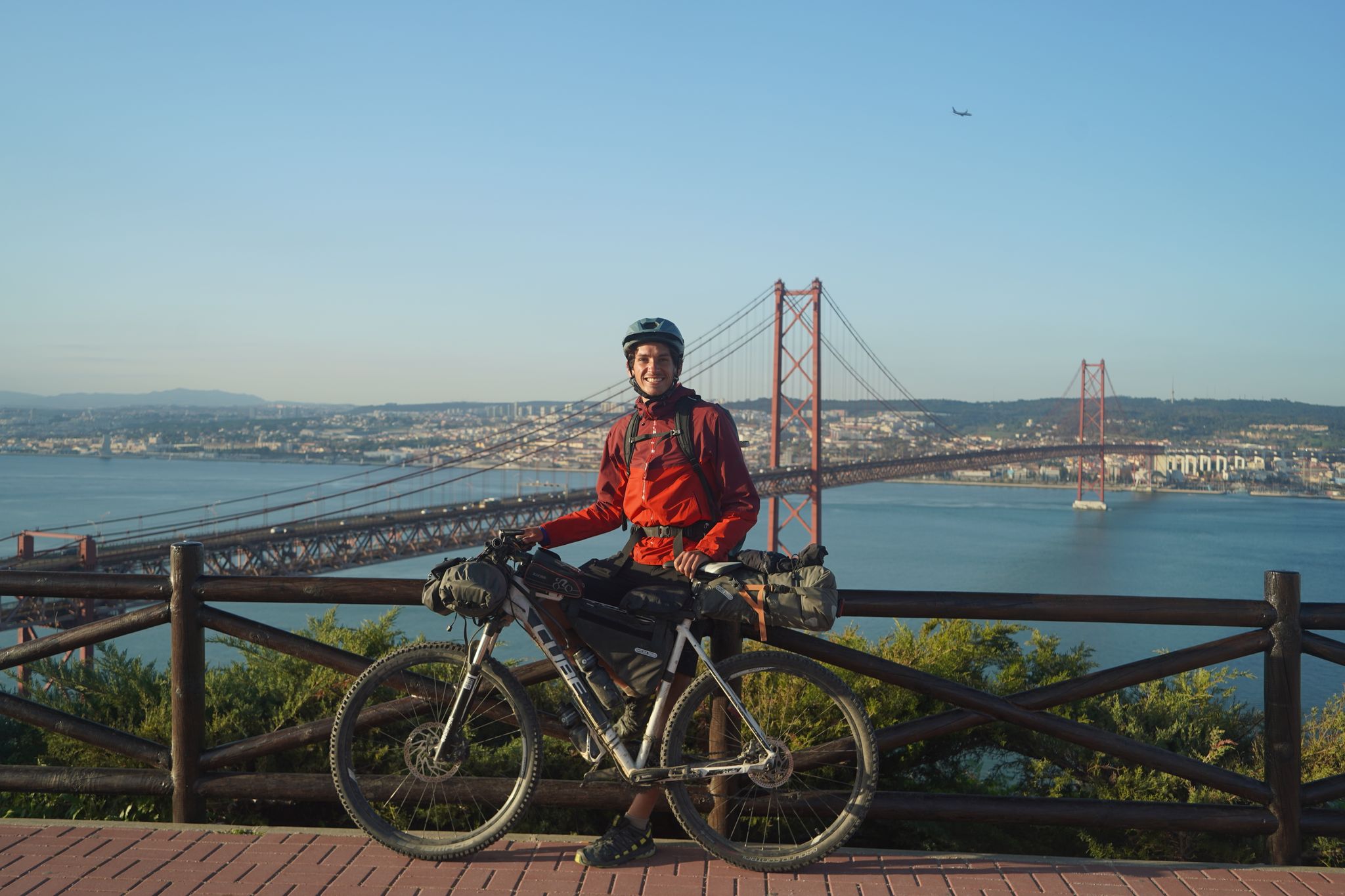
Mozarabic Way to Santiago – Gravel between two worlds
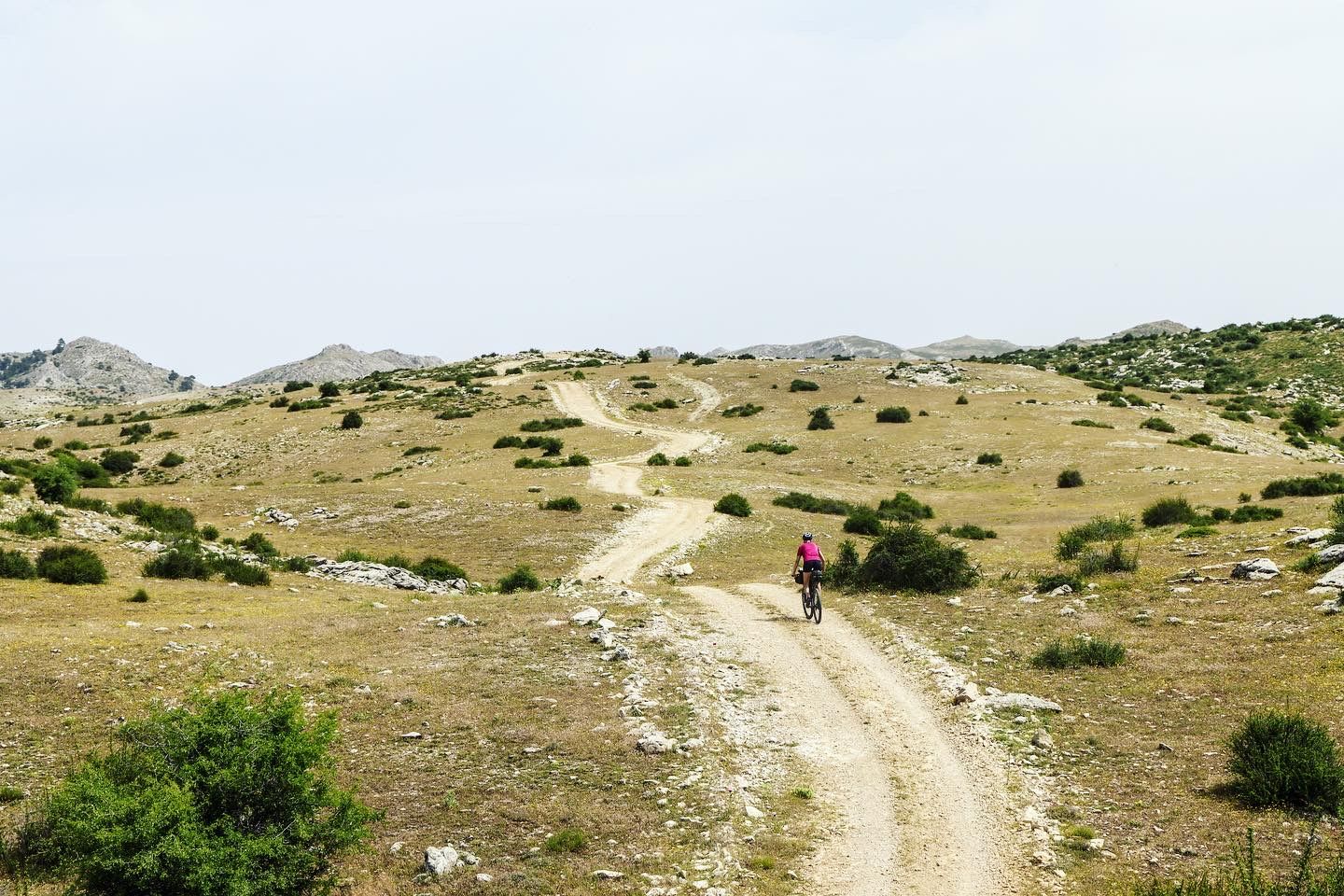
Road to Lisbon – bikepacking the Alps, Pyrenees and Picos de Europa
Bikepacking the mountains and deserts of Andalucía
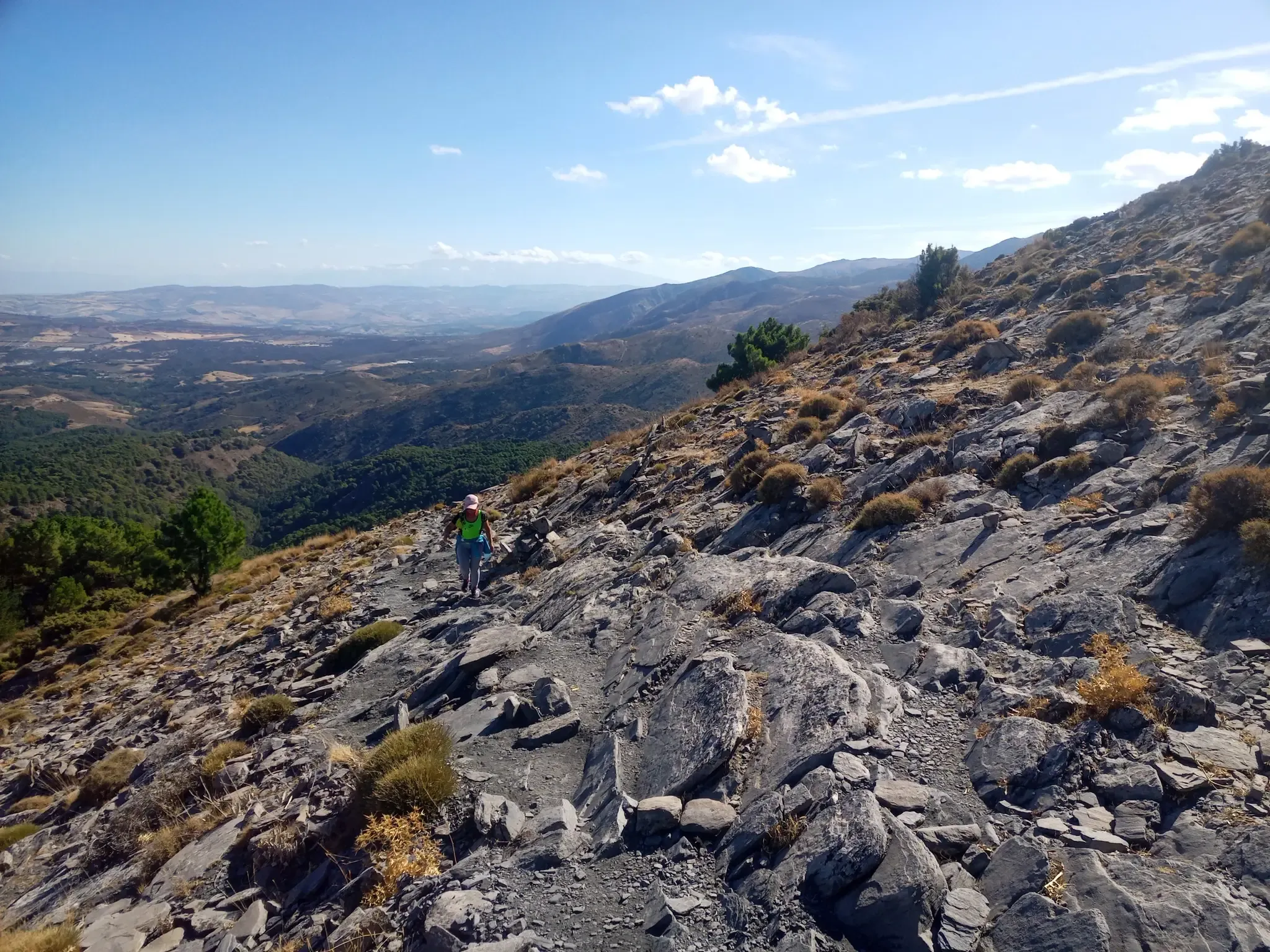
12 hiking gems throughout Spain
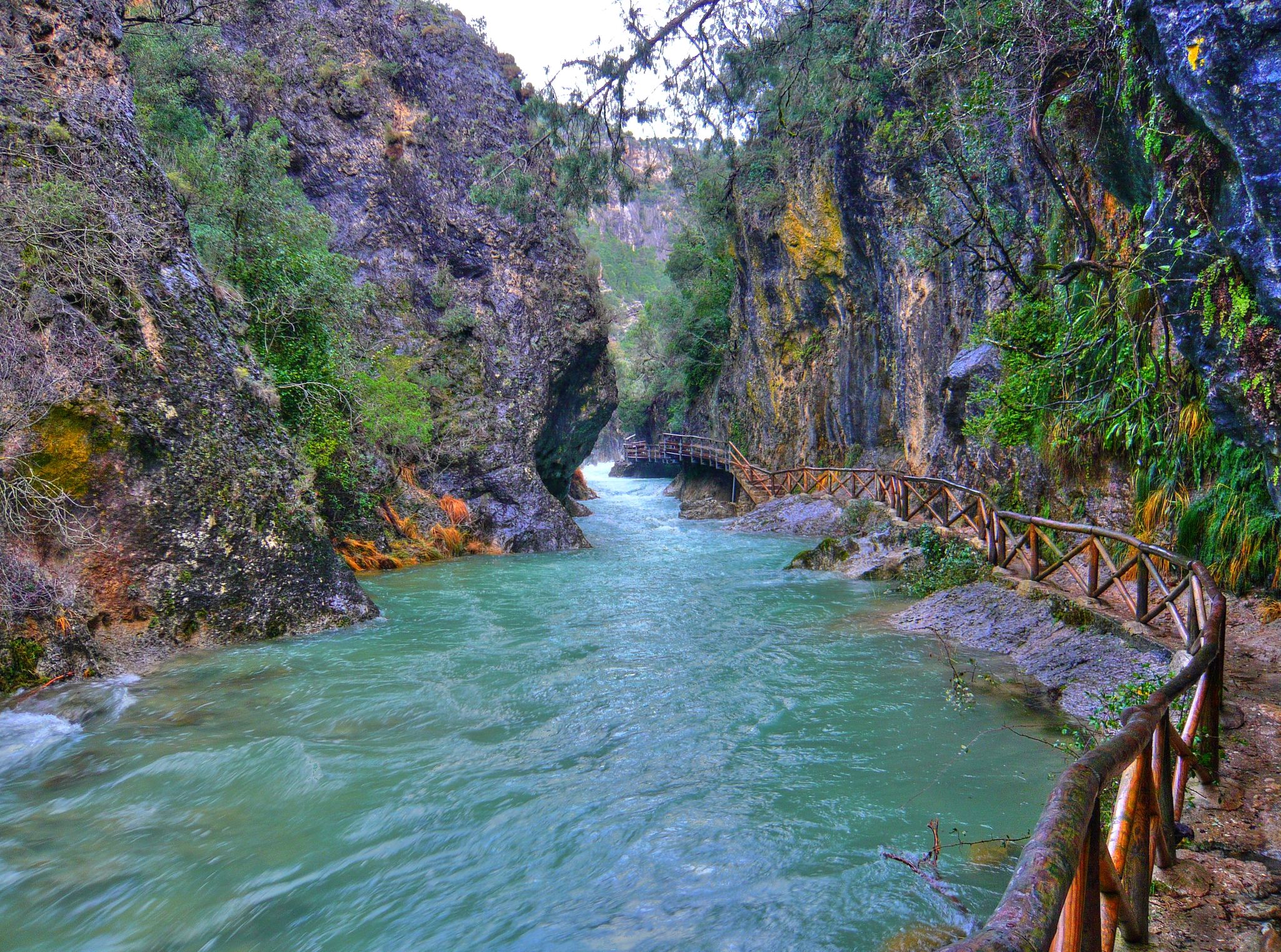
Through the Borosa Gorge to the highest peak of the Sierra de Segura
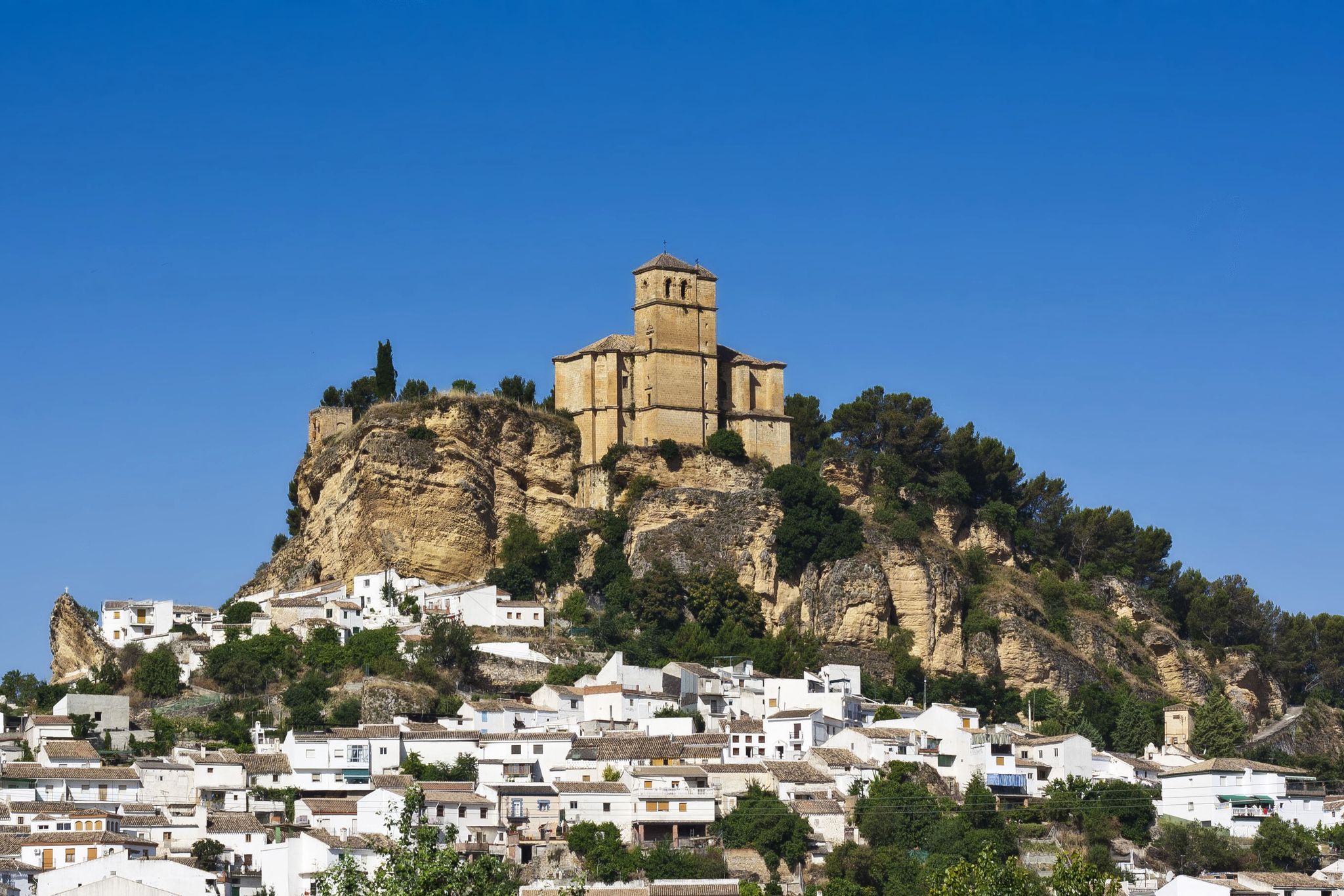
Washington Irving – cycle through the Arab vestiges of Andalusia
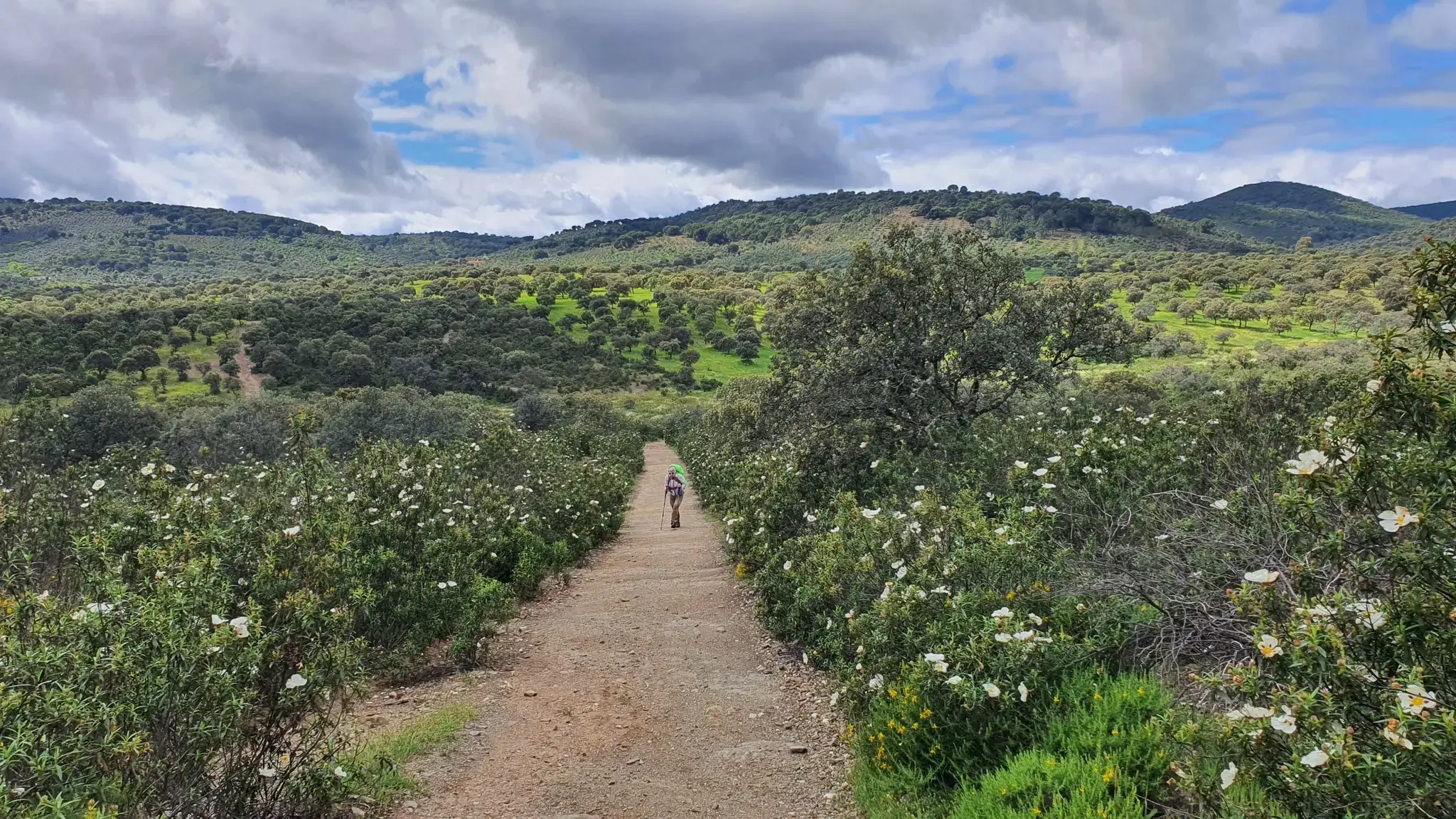
Pastures, Pedroches and farmhouses — Cañada Real Soriana (GR 40)
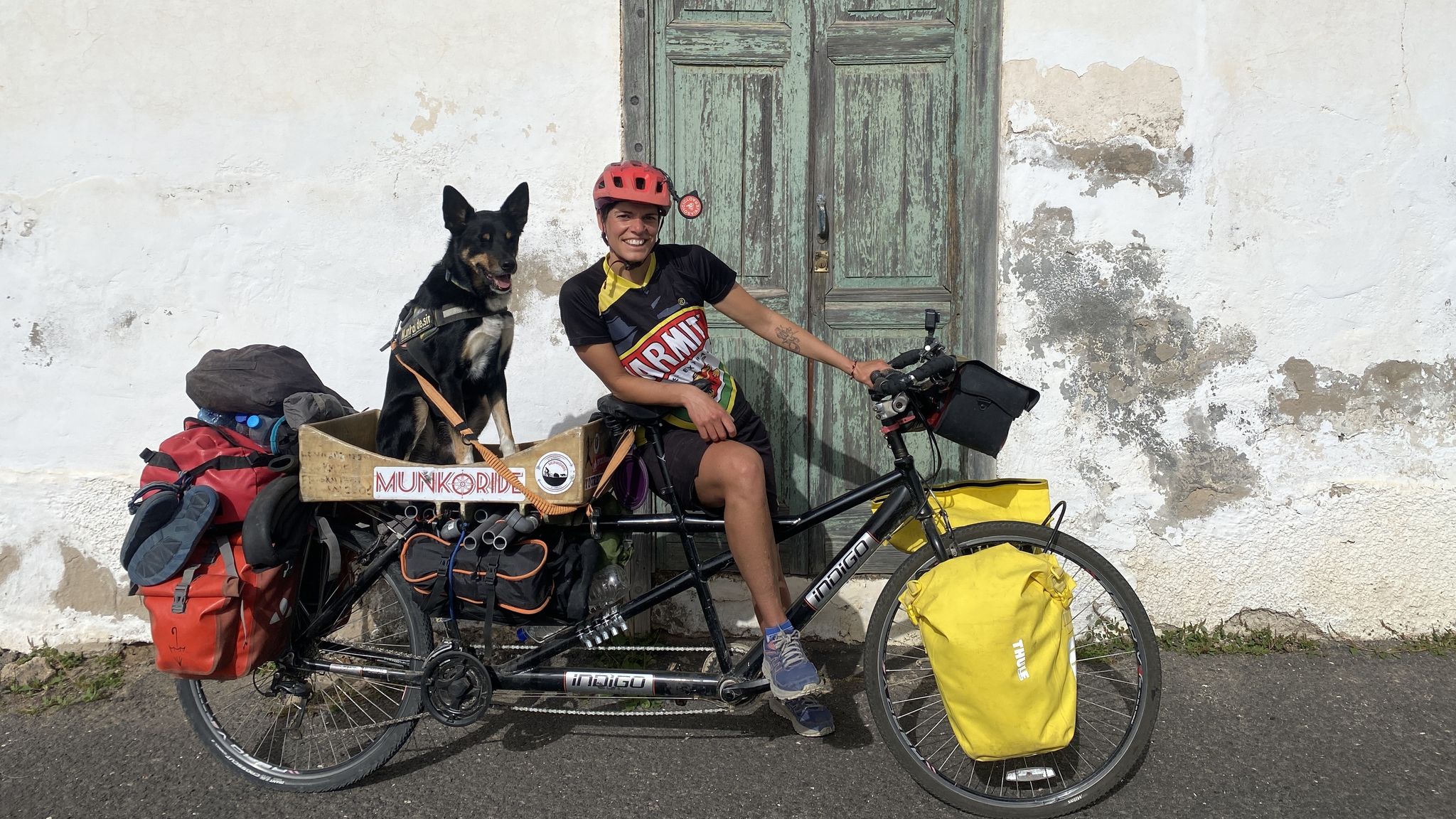
A winter getaway along the greenways of Andalusia in Spain
Other adventures around the Guadalquivir


Tips from the Community

Square courtyard with many orange trees. A fountain supplies the water for it, very nicely via small channels. There are 3 gates that serve as access to the Mesquita, official opening every morning at 8:30.
1
0

The Mosque-Cathedral of Córdoba is one of the most impressive monuments in the world, a symbol of Islamic art in the West and a UNESCO World Heritage Site since 1984. It was originally the Visigothic Basilica of San Vicente, shared by Christians and Muslims. In 784, Abd al-Rahman I began construction of the mosque, which was expanded by his successors: Abd al-Rahman II, Abd al-Rahman III, Al-Hakam II, and Almanzor. After the Christian Reconquista in 1236, it was consecrated as the Cathedral of the Assumption of Our Lady, and in 1523 a Renaissance basilica was built inside.
15
0

A truly impressive tower. It was actually a minaret before being converted into a bell tower after the Christian reconquest of Spain.
5
0
Built in the 1st century BC by the Romans, this bridge has been an important gateway over the Guadalquivir River. Originally, it had 16 arches, although only 14 remain today, and it connects the historic center of Córdoba with the Campo de la Verdad neighborhood. Calahorra Tower: This fortress of Islamic origin was conceived as an entrance and protection for the Roman Bridge. It was declared a Historic-Artistic Site in 1931. The tower has undergone several renovations over the centuries, including the addition of a third tower in the 14th century.
17
1
Seville Cathedral, also known as the Cathedral of Saint Mary of the See, is one of the largest Gothic cathedrals in the world. Built on the site of a former mosque, its construction began in 1401 and was completed in 1507. Some highlights include: La Giralda: The bell tower, originally a minaret of the mosque, is one of Seville's most recognizable symbols. Royal Chapel: Houses the remains of several monarchs, including Ferdinand III of Castile. Main Altarpiece: Considered one of the largest altarpieces in Christendom, with an impressive collection of sculptures and reliefs. The cathedral also houses a rich art collection, including works by Murillo and Goya.
13
0

is a picturesque square
3
0
Cordoba is a wonderful city to visit! Here are some recommendations for visiting: Mezquita-Catedral de Córdoba: A stunning monument that combines Islamic and Christian architecture. It is one of the most iconic places in the city. Alcázar de los Reyes Cristianos: A beautiful palace with spectacular gardens. It offers a fascinating view of the history of Cordoba. Roman Bridge: A historic bridge that crosses the Guadalquivir River. It is a perfect place to walk around and enjoy the views. Judería: A historic neighborhood with narrow, charming streets. Here you will find the Cordoba Synagogue and many flower-filled courtyards. Courtyards of Cordoba: If you visit in May, don't miss the Festival de los Patios, where residents open their flower-decorated courtyards to the public. Plaza de la Corredera: A lively square with many bars and restaurants. It is a good place to try the local cuisine.
14
0

The Torre de la Calahorra is a fortified tower of Islamic origin, designed as an entrance and protection of the Roman bridge of Cordoba. The tower, which stands on the left bank of the Guadalquivir, was rebuilt in 1369 by order of Henry II of Trastámara to defend himself against his brother Pedro I of Castile, adding a third tower to the two existing ones. In 1931 it was declared a Historic-Artistic Monument, and today the building houses the Museo Vivo de al-Ándalus.
10
0
Frequently Asked Questions
What historical and cultural sites can I explore along the Guadalquivir?
The Guadalquivir region is rich in history. You can visit the iconic Mosque–Cathedral of Córdoba, a UNESCO World Heritage Site showcasing Islamic and Christian architecture. In Seville, explore the magnificent Seville Cathedral and its bell tower, The Giralda, or the historic Tower of Gold. Don't miss the ancient Roman Bridge of Córdoba, which offers impressive views of the river and surrounding structures. Other notable sites include the Real Alcázar of Seville and the Ancient Roman Town of Mulva-Munigua.
What natural features and parks are there to see around the Guadalquivir?
The Guadalquivir River is surrounded by diverse natural landscapes. At its mouth, you'll find Doñana National Park, a UNESCO World Heritage Site known for its marshes and rich biodiversity, including flamingos. The river originates in the Sierra de Cazorla mountain range, an area recognized for its natural beauty. The Alto Guadalquivir Natural Area features important wetlands for birdwatching, and the riverbanks in cities like Seville offer pleasant green spaces such as Parque de los Principes and Parque del Alamillo.
Are there family-friendly attractions along the Guadalquivir?
Yes, many attractions along the Guadalquivir are suitable for families. The Seville Cathedral, Tower of Gold, Mosque–Cathedral of Córdoba, and Roman Bridge of Córdoba are all marked as family-friendly. Additionally, the Metropol Parasol in Seville offers a unique architectural experience, and river cruises provide an engaging way to see the sights for all ages.
What outdoor activities can I do near the Guadalquivir attractions?
The Guadalquivir region offers various outdoor activities. You can enjoy walking and cycling along the riverbanks, especially in cities like Seville. The river is also popular for water sports such as boating, kayaking, fishing, and paddleboarding. For more structured routes, consider exploring the hiking trails or gravel biking routes available in the area. There are also specific running trails, such as the Guadalquivir Mills Trail.
Where can I find the best viewpoints along the Guadalquivir?
For stunning views, climb The Giralda, the bell tower of Seville Cathedral, which offers panoramic vistas of the city. The Tower of Gold also provides river views. In Córdoba, the Roman Bridge is a pedestrian-friendly spot to admire the river and the historic center, especially at sunset. The View from the Triana Bridge in Seville is another popular spot for scenic river views.
What is the best time of year to visit the Guadalquivir for outdoor activities?
Spring and autumn are generally the best times to visit the Guadalquivir for outdoor activities. The weather is milder and more pleasant for hiking, cycling, and exploring historical sites. Summer can be very hot, especially in inland areas like Córdoba, which might make extensive outdoor activities less comfortable. The wetlands, such as those in the Alto Guadalquivir Natural Area, are particularly important for breeding and migrating birds, making spring and autumn ideal for birdwatching.
Are there any wheelchair-accessible attractions around the Guadalquivir?
Yes, some attractions are noted for their accessibility. The Metropol Parasol (Seville's Mushrooms) is wheelchair-accessible. The Roman Bridge of Córdoba and the View from the Triana Bridge are also accessible, allowing visitors to enjoy the river views. It's always advisable to check specific accessibility details for other sites directly before your visit.
What unique experiences can I have on the Guadalquivir River itself?
Many visitors enjoy taking Guadalquivir River cruises, which offer a unique perspective on the cities and landmarks along its banks, such as the Tower of Gold and the Triana Bridge. These cruises often provide insights into the river's history and ecology. The river is also a popular spot for various water sports, including rowing and canoeing, and has hosted international competitions.
What do visitors enjoy most about the attractions around the Guadalquivir?
Visitors frequently praise the rich historical atmosphere, especially the blend of cultures seen in sites like the Mosque–Cathedral of Córdoba. The impressive architecture of the Seville Cathedral and the panoramic views from The Giralda are also highly appreciated. Many enjoy the scenic walks along the riverbanks and the opportunity to experience the region's natural beauty, particularly the sunsets over the Guadalquivir.
Are there any specific themed routes or trails to explore in the Guadalquivir-Doñana region?
Yes, the Guadalquivir-Doñana region offers themed routes for exploration. These include the "Route of the Order of the Knights of Malta" and the "Rice Route," which provide unique ways to discover the area's history, culture, and agricultural landscapes. These routes often combine historical sites with natural beauty, offering a comprehensive experience of the region.
Where does the Guadalquivir River originate and what can I see there?
The Guadalquivir River originates in the Sierra de Cazorla mountain range, at an elevation of about 1,350 meters above sea level. The area around the river's source is known for its beautiful natural scenery and historical landmarks. It's a great place for nature lovers and those interested in exploring the pristine beginnings of this significant Spanish river.
What is the Metropol Parasol in Seville?
The Metropol Parasol, also known as Setas de Sevilla (Seville's Mushrooms), is an iconic modern structure located in Plaza de la Encarnación. It is the largest wooden structure in the world, resembling enormous mushrooms. It offers a unique architectural experience and provides elevated walkways with views over the city, as well as an archaeological museum in its basement.
Most popular routes around the Guadalquivir
Most popular attractions around the Guadalquivir

Get inspired with the komoot mobile app


Explore more
Still not found the Highlight you’re looking for? See guides of the top attractions in other regions:
