The best waterfall hikes and walks around the Guadalquivir
4.4
(2329)
17,085
hikers
17
hikes
Waterfall hiking trails around the Guadalquivir traverse a diverse landscape shaped by the river and its tributaries. The region features varied terrain, from the gentle meanders and riparian habitats along the Guadalquivir's banks to the more rugged hills and forest walks of the Sierra Morena foothills and Sierra Norte mountain range. Natural parks like Sierras de Cazorla, Segura y las Villas, and Sierra Norte de Sevilla offer specific areas for exploring cascades and streams. This environment provides a range of…
Last updated: May 10, 2026
5.0
(18)
144
hikers
Moderate hike. Good fitness required. Mostly accessible paths. Sure-footedness required.
4.3
(8)
42
hikers
5.79km
02:05
330m
330m
Moderate hike. Good fitness required. Mostly accessible paths. Sure-footedness required.

Sign up for free
4.7
(59)
213
hikers
13.7km
03:44
200m
200m
Moderate hike. Good fitness required. Easily-accessible paths. Suitable for all skill levels.
4.5
(31)
128
hikers
8.12km
02:16
150m
150m
Moderate hike. Good fitness required. Easily-accessible paths. Suitable for all skill levels.
4.7
(12)
53
hikers
4.99km
01:24
100m
100m
Easy hike. Great for any fitness level. Easily-accessible paths. Suitable for all skill levels.
Get access to more routes and recommendations from other explorers.
Sign up for free
Already have an account?
Our route recommendations are based on thousands of hikes, rides, and runs completed by other people on komoot.
Start today with a free account
Your next adventure awaits.
Login or Signup
Popular around Guadalquivir
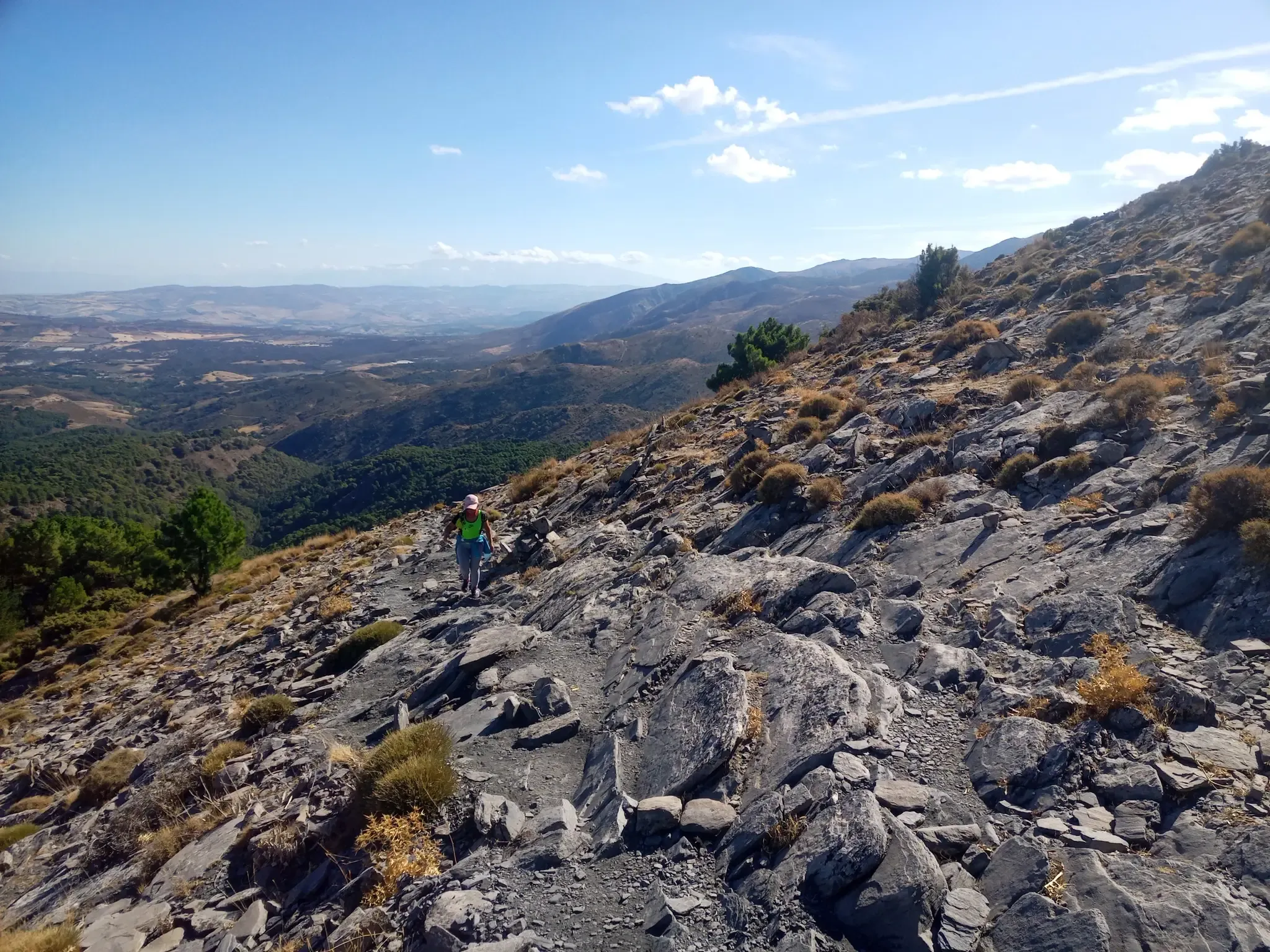
12 hiking gems throughout Spain
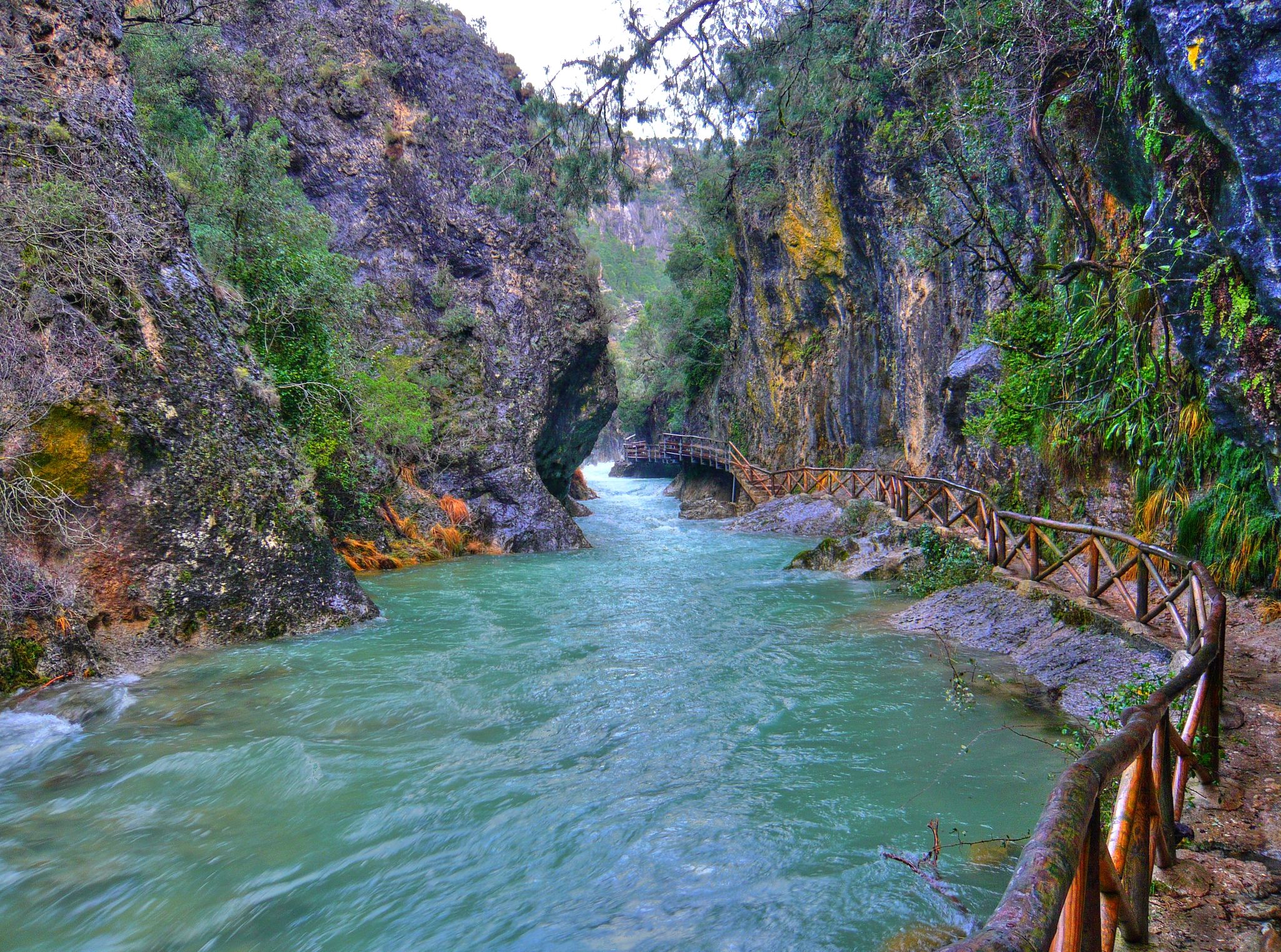
Through the Borosa Gorge to the highest peak of the Sierra de Segura
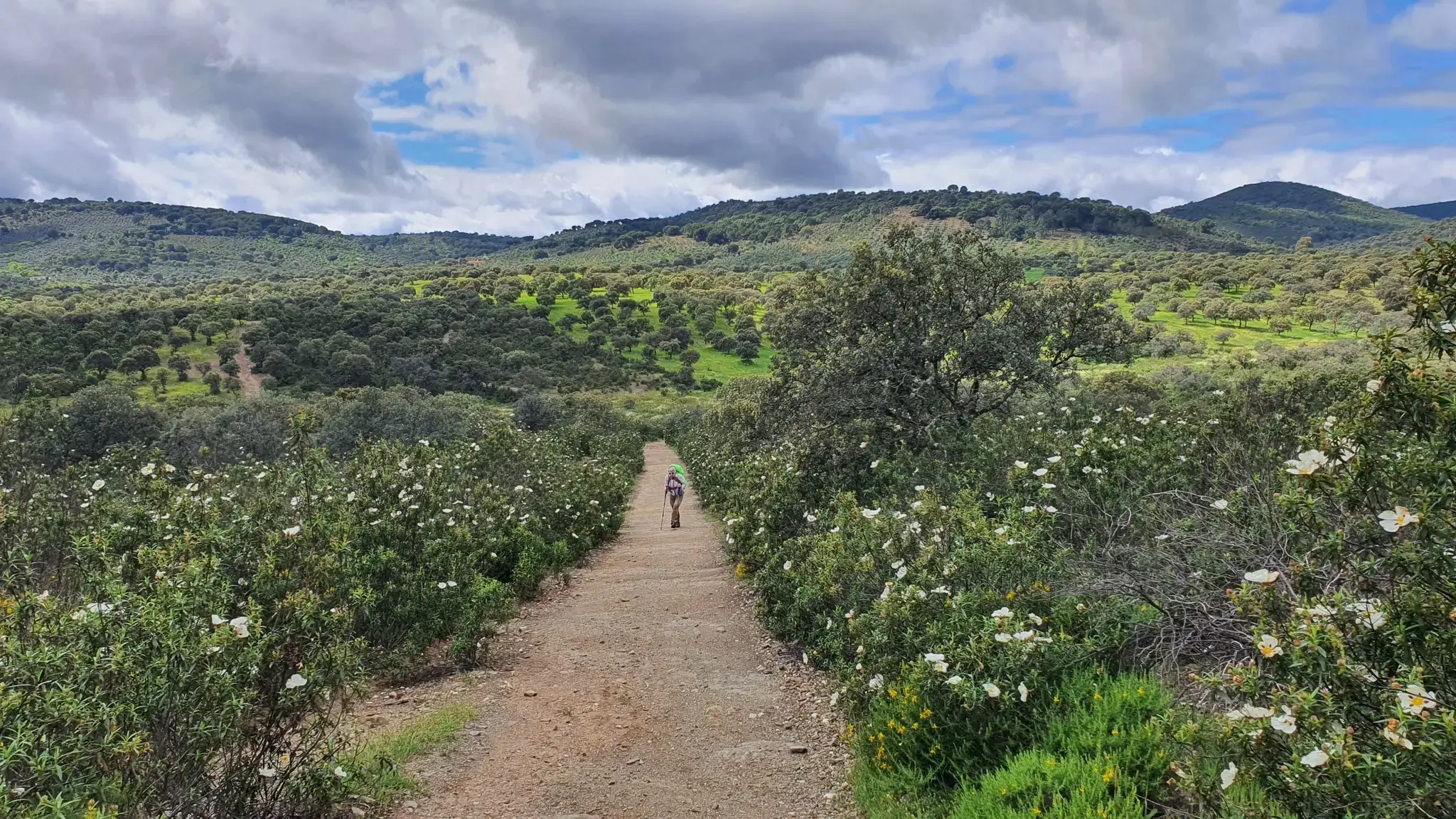
Pastures, Pedroches and farmhouses — Cañada Real Soriana (GR 40)
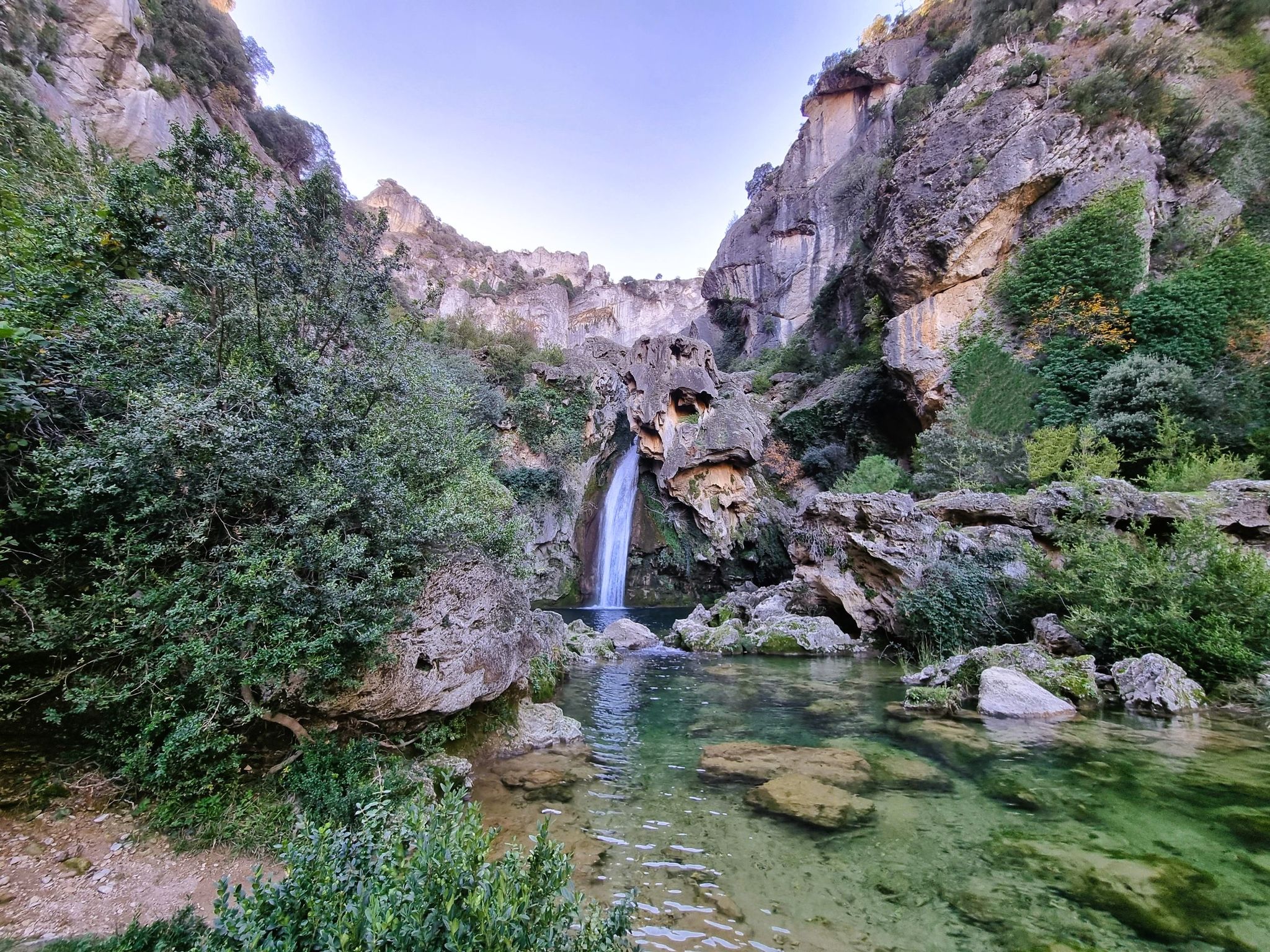
Jaén, inland paradise – three Tours from Cazorla
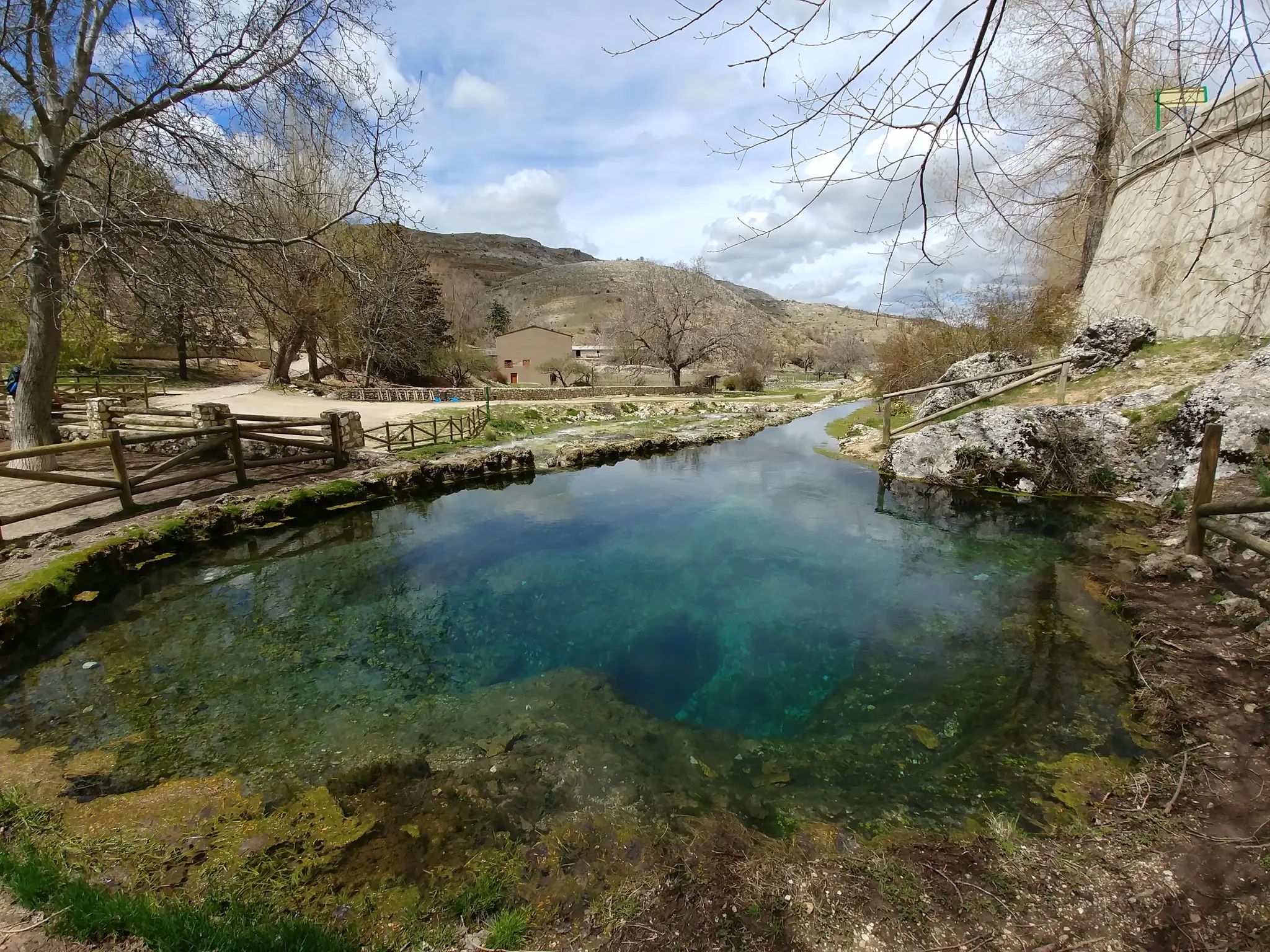
Transhumance in the Sierra de Segura – hiking the GR 144
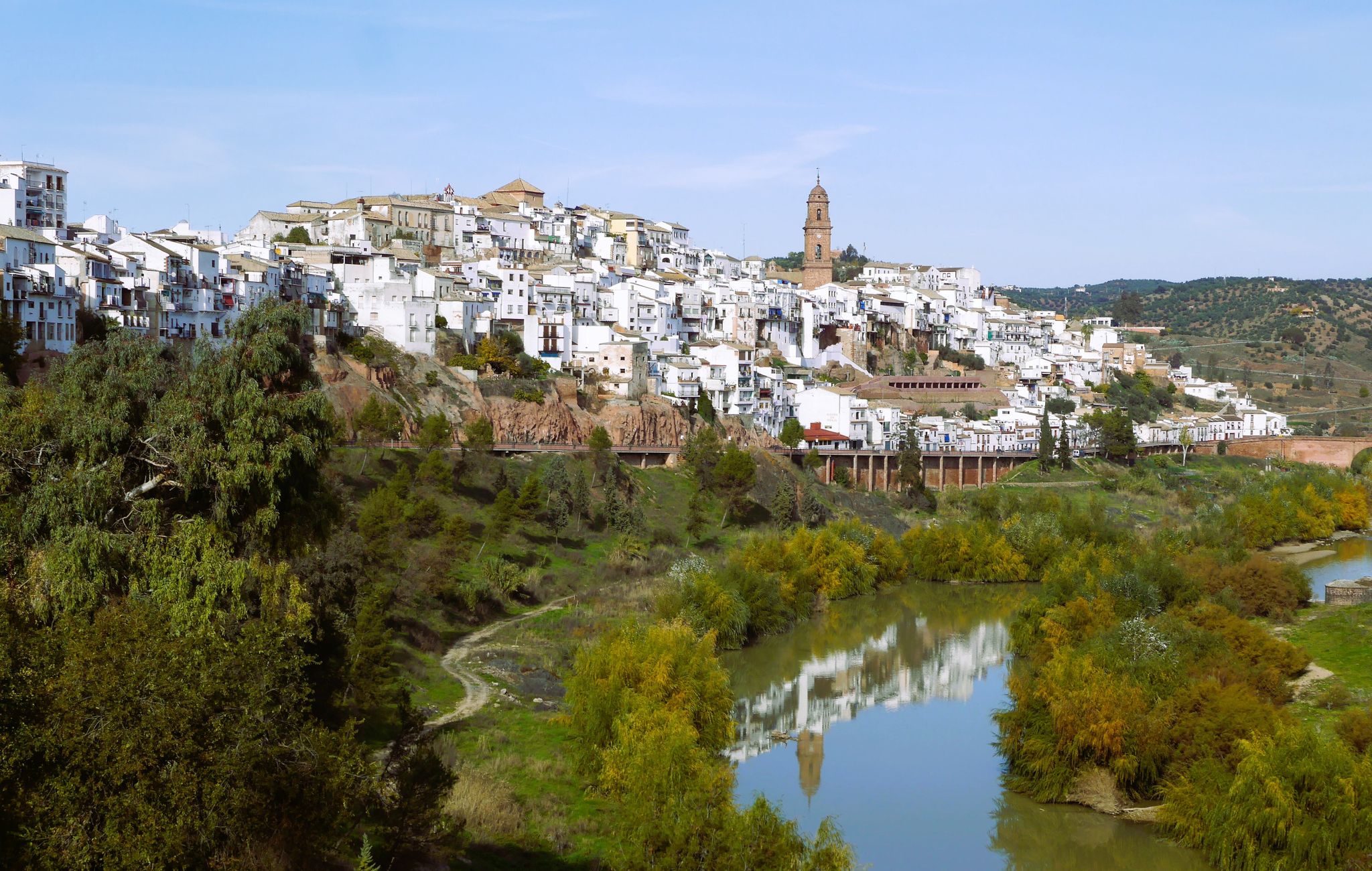
Hike the glorious countryside of Cordoba and Jaen – Sierra Morena (GR 48)
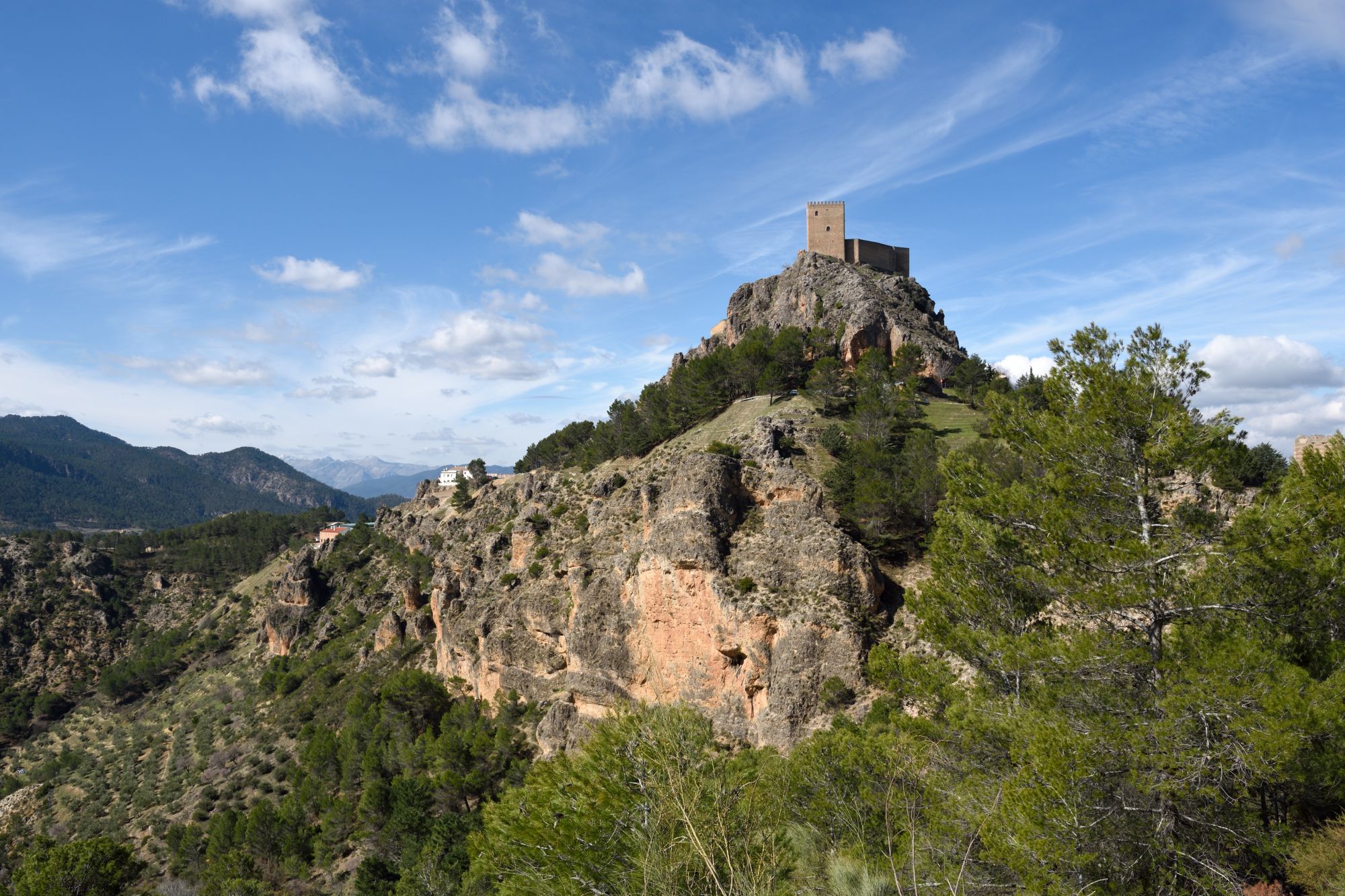
A circular high altitude trail – Bosques del Sur (GR 247)
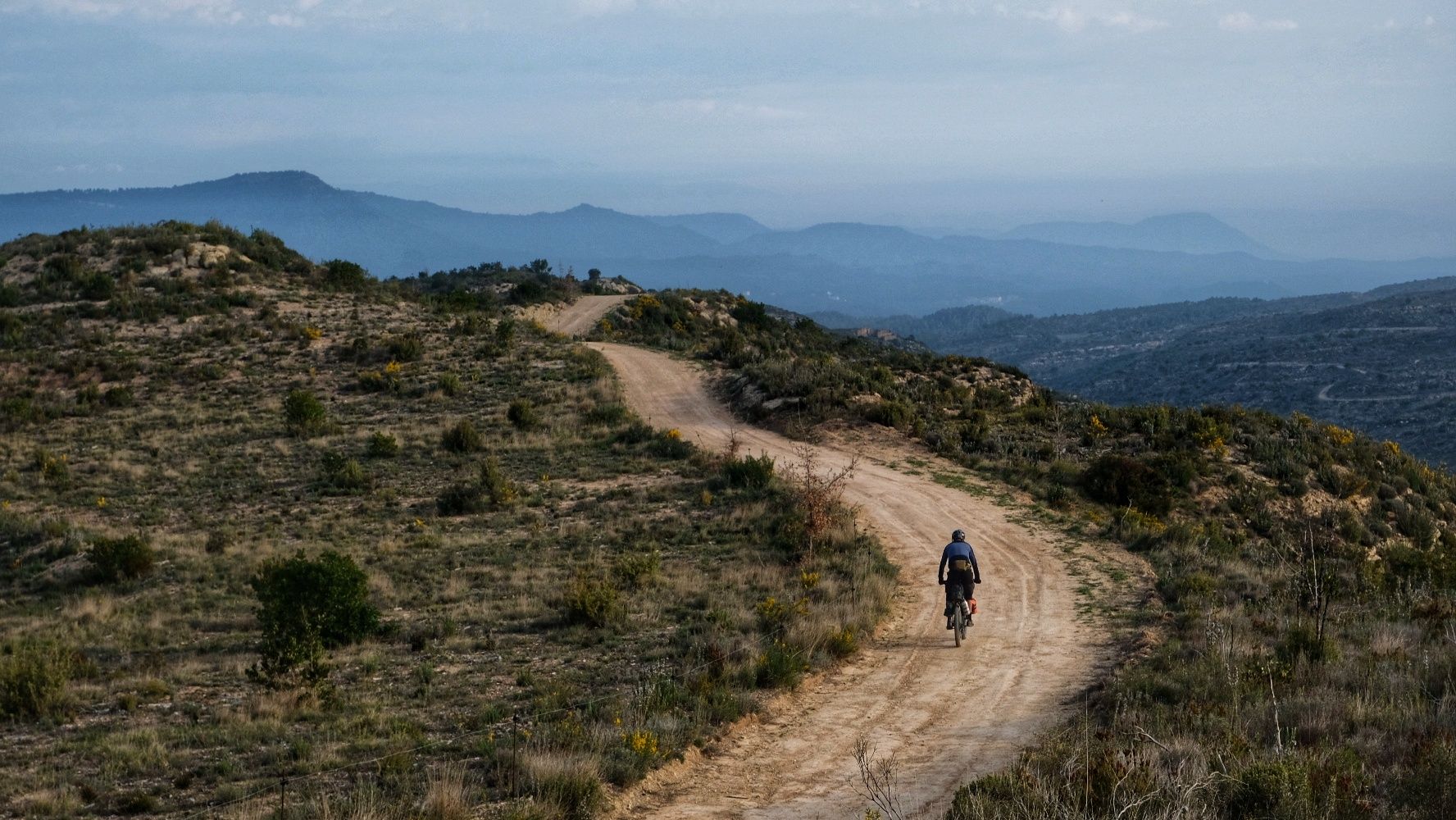
European Divide Trail — 7,600 km across the continent
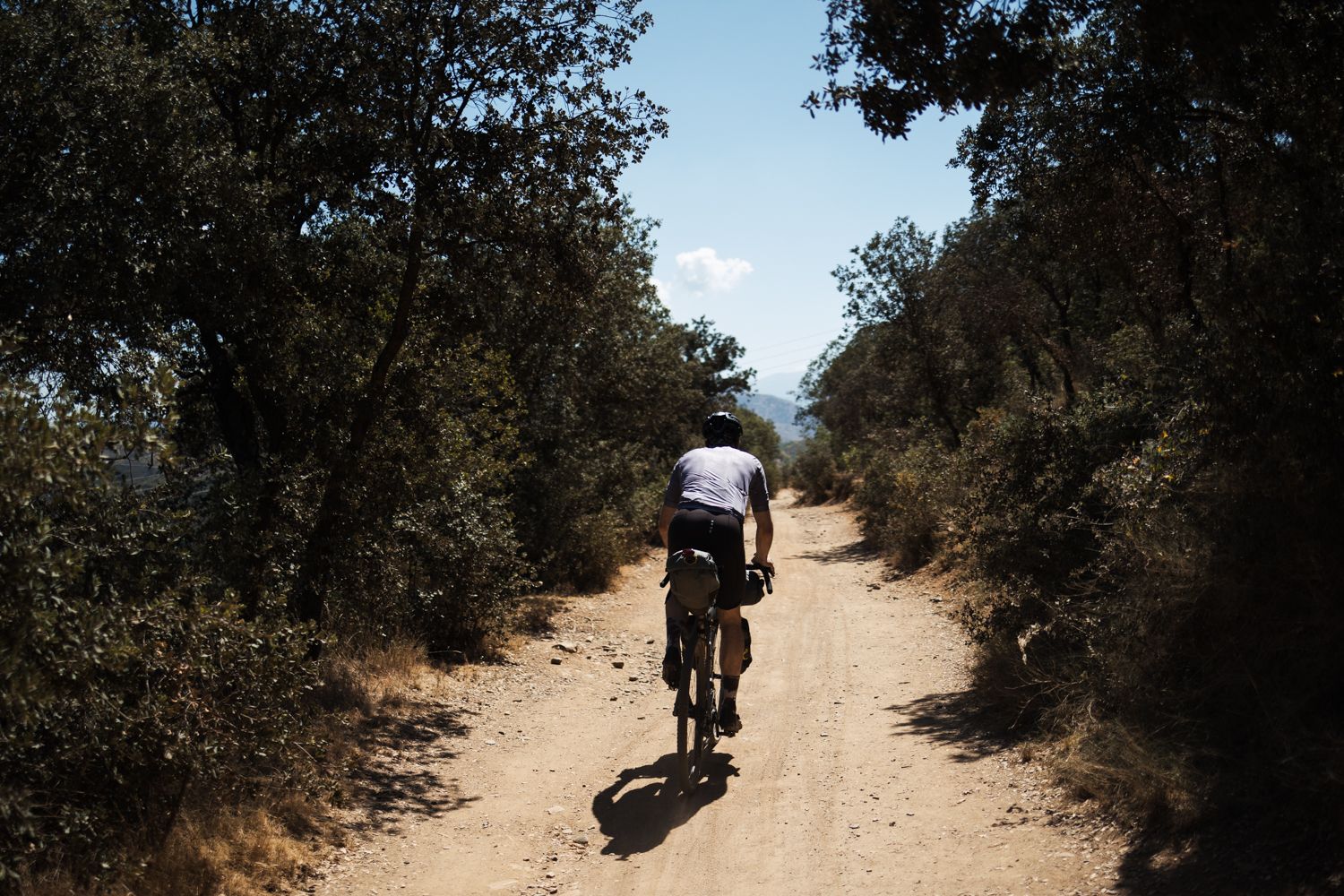
Mozarabic Way to Santiago – Gravel between two worlds
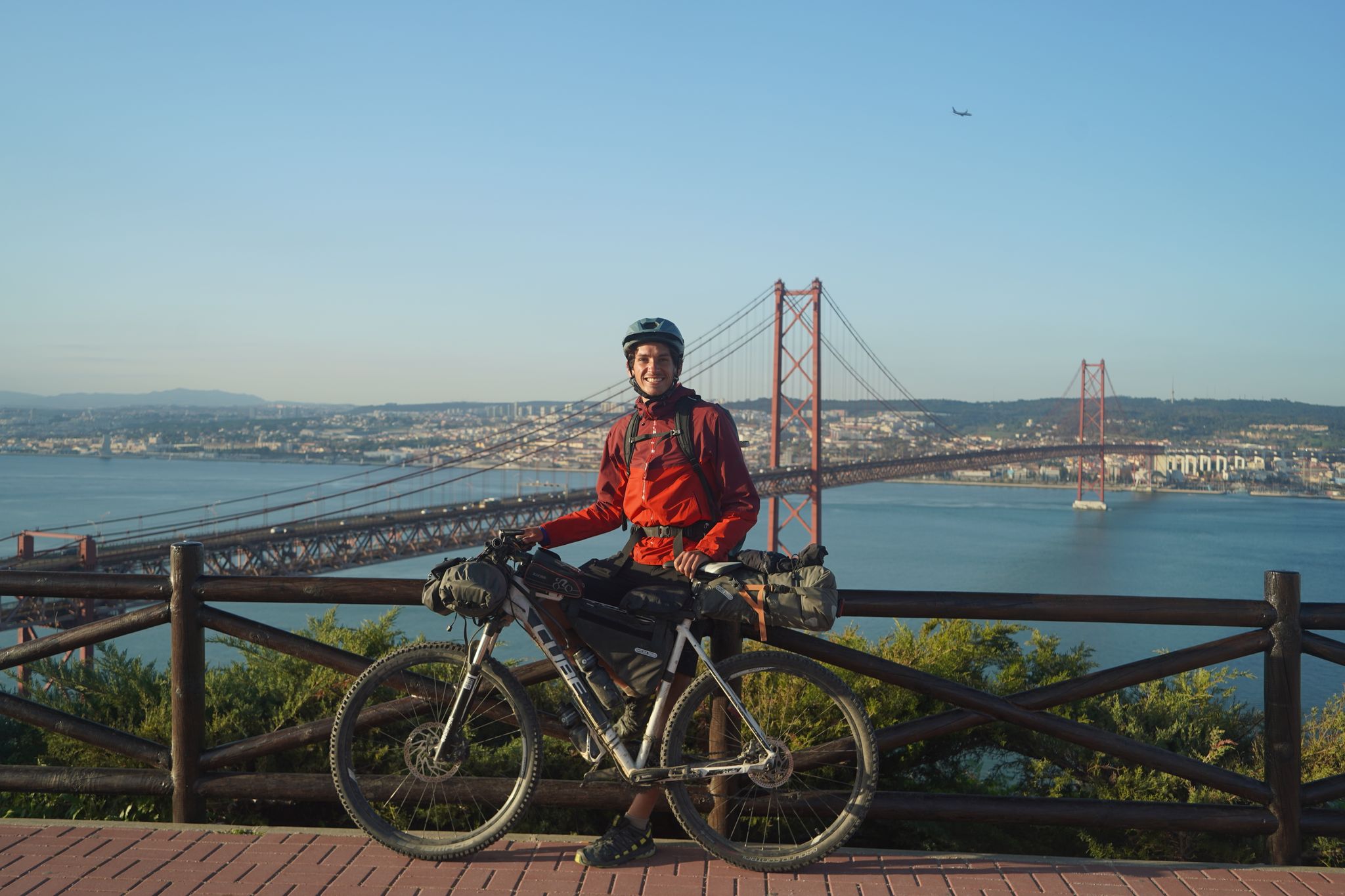
Road to Lisbon – bikepacking the Alps, Pyrenees and Picos de Europa
Other adventures around the Guadalquivir


Tips from the Community

Beautiful trail in a narrow canyon formed by the river.
1
0

Located in the district of Santa Maria de Trassierra, next to the Arroyo del Molino, a tributary of the river Guadiato. It is a mill of Arab origin, probably from the 10th or 11th centuries, whose purpose was to grind flour. These medieval mills made it possible to produce flour in large quantities for 10th-century Caliphal Córdoba. (Source: https://www.conocetusfuentes.com/datos_elemento_884.html)
1
0
Located on the Caño Escaravita estate, just beyond the outlying neighborhood of Santa María de Trassierra. We found it in the western Sierra peri-urban district, next to the crossroads leading to the Ermitas and the Mirador de las Niñas, about fifteen kilometers from Córdoba. This is a zoomorphic water fountain on a pedestal from the Caliphate period, dating back to the 10th century. The sculpture represents a small elephant. Made of gray limestone from the Sierra Morena, it served as a support for the spout. The fountain is made up of three components: a water collection basin, a masonry pillar attached to it on its north side (which leads to a masonry irrigation ditch), and a rectangular pool located to the west of the canal. https://amedinacordoba.com/fuente-del-elefante/
1
0
The Baths of Poppaea are a natural stretch of small waterfalls alternating with small pools that follow the course of the Molino stream, near the mouth of the Guadiato River. This area was visited by Christopher Columbus. Its name comes from the place where the Cordoba poets of the Cántico Group used to visit, as during the Franco regime it was a safe place, away from the scrutiny of this intellectual group, as well as the homosexuality of some of them. One day, three members of the group, Pablo García Baena, Juan Bernier, and Ricardo Molina, were walking when they saw some girls bathing in the stream. The latter exclaimed, "Look, like Poppaea in the bath," referring to the Roman Empress Poppaea Sabina, a prominent figure at the time due to the film The Sign of the Cross (1932), in which actress Claudette Colbert appeared bathing in donkey's milk, just as the Empress did. The girls told the residents of Trassierra about this incident, and from then on, the story spread and became known as the Baths of Poppea. https://es.wikipedia.org/wiki/Ba%C3%B1os_de_Popea
2
0
A waterfall known as the "first spring of the Bejarano," whose water flow has always been active. There are few remains of an ancient structure from which the water flows: the aquifer catchment. The Romans knew how to harness this important spring, unique in these mountains, due to the large amount of water it provides every season (estimated at 20,000 to 35,000 m3/day). (Source: https://www.conocetusfuentes.com/ficha_detalle.php?id_fuente=10057)
1
0

An incredible place, a structure and construction that transports you to the Roman era. It is worth taking the route and spending some time enjoying the site.
2
0

A closed gate prevents you from continuing along this route.
1
0

Oak trees grow here whose bark is made of cork. On one oak tree, bark was left on the tree so that you can see how it grows back.
0
0
Frequently Asked Questions
How many waterfall hiking trails are available in the Guadalquivir region?
The Guadalquivir region offers a variety of waterfall hiking experiences, with over 15 distinct trails documented. These routes range in difficulty and length, providing options for different preferences.
What is the general difficulty level of waterfall hikes in Guadalquivir?
The waterfall hikes in Guadalquivir cater to a range of abilities. You'll find a good mix, with approximately 4 easy trails perfect for a relaxed stroll, around 12 moderate routes for those seeking a bit more challenge, and at least 1 difficult trail for experienced hikers.
What do other hikers enjoy most about the waterfall trails in Guadalquivir?
The waterfall trails in Guadalquivir are highly regarded by the komoot community, boasting an average rating of 4.2 stars from over 1,200 reviews. Hikers often praise the diverse landscapes, the refreshing presence of waterfalls, and the variety of terrain that makes each route unique.
When is the best time to visit the Guadalquivir region for waterfall hikes?
To experience the waterfalls at their fullest and enjoy pleasant hiking conditions, the best time to visit is typically during the cooler, wetter months of autumn, winter, and spring. During these seasons, rainfall ensures a good flow over the cascades, and the temperatures are ideal for outdoor activities. Summers can be very hot, potentially reducing water flow.
Are there any easy waterfall hikes suitable for families or beginners?
Yes, there are several easy options. A popular choice is the Baños de Popea Waterfalls loop from Plaza del Centro Cívico. This 3.1-mile (5.0 km) trail is generally completed in about 1 hour 24 minutes and leads through a beautiful natural area with accessible waterfalls, making it ideal for a relaxed family outing.
Can I find circular waterfall routes in the Guadalquivir area?
Absolutely! Many of the waterfall trails in the region are designed as circular routes, allowing you to start and end at the same point. Examples include the Baños de Popea Waterfalls loop and the Arroyo Bejarano – Elephant Fountain loop from Torrehoria, which offers varied terrain and moderate elevation changes.
Are the waterfall trails in Guadalquivir dog-friendly?
While many natural areas in Spain welcome dogs, specific regulations can vary by natural park or municipality. It's always best to check the local rules for the particular trail you plan to hike, especially regarding leash requirements. Generally, dogs are permitted on trails as long as they are kept under control.
What are some of the longer or more challenging waterfall hikes in the region?
For those seeking a more challenging adventure, the Borosa River Route – Sierras de Cazorla, Segura y las Villas Natural Park is a highly recommended moderate route. It spans 6.8 miles (11.0 km) and involves significant elevation gain, taking approximately 3 hours 45 minutes to complete. Another moderate option is the La Osera Trail.
What interesting landmarks or attractions can I find near the waterfall hiking trails?
The Guadalquivir region is rich in history and natural beauty. While hiking, you might be near significant sites such as the impressive La Breña Reservoir, which offers scenic views. The wider region also features historical sites like the Real Alcázar of Seville and the iconic Mosque–Cathedral of Córdoba, though these are typically in urban centers rather than directly on waterfall trails.
Is public transport available to access waterfall hiking areas in Guadalquivir?
Access to some natural parks and more remote waterfall trails might require a car. However, some areas closer to towns may be reachable by regional buses. It's advisable to research specific public transport options for your chosen trailhead, as coverage can vary. For general hiking information in the broader region, you might find resources like visitsouthernspain.com helpful for planning.
Are there any permits required for hiking to waterfalls in the Guadalquivir region?
Most general hiking trails in the Guadalquivir region do not require permits. However, if you plan to visit specific protected areas, such as parts of Natural Parks, it's always a good idea to check with the local park authorities for any specific access rules or permit requirements, especially for larger groups or certain activities.
What should I wear and bring for a waterfall hike in Guadalquivir?
For waterfall hikes, comfortable hiking shoes with good grip are essential, as trails can be wet or uneven. Layered clothing is recommended to adapt to changing temperatures, and a waterproof jacket can be useful, especially during the wetter seasons. Don't forget water, snacks, sun protection, and a map or GPS device.
Most popular routes around the Guadalquivir
Most popular attractions around the Guadalquivir

Get inspired with the komoot mobile app


Explore more
Browse the best Hikes in other regions.
