Attractions and Places To See around the Duero - Top 20
Attractions and places to see around the Duero encompass a region rich in cultural sites, natural features, and unique points of interest across Spain and Portugal. The Duero River carves through a landscape characterized by terraced vineyards, historical towns, and impressive fortifications. This area offers a blend of human-modified landscapes and preserved natural parks, providing diverse exploration opportunities.
Best attractions and places to see around the Duero
- The most popular attractions is Ribeira Promenade along the Douro River, a…
Last updated: May 9, 2026
Dom Luís I Bridge
Highlight • Bridge
Translated by Google •
Tip by

Praça da Sé ⛪ Porto Cathedral
Highlight • Religious Site
Translated by Google •
Tip by

Sign up now to discover places like this
Get recommendations on the best single tracks, peaks, & plenty of other exciting outdoor places.
Sign up for free
Ribeira Promenade along the Douro River
Highlight • Trail
Translated by Google •
Tip by
São Bento Station
Highlight • Historical Site
Translated by Google •
Tip by
Igreja do Carmo
Highlight • Religious Site
Translated by Google •
Tip by
Historic Centre of Porto
Highlight • Historical Site
Translated by Google •
Tip by
City Hall & Municipal Square 🏛️ Porto city hall
Highlight • Monument
Here you can take nice souvenir photos ...
The …
Translated by Google •
Tip by

Avenida dos Aliados and Porto City Hall
Highlight • Monument
If you have time go inside and appreciate the amazing interior. Notice the black marble
Tip by

View of the Ponte Dom Lúis I bridge
Highlight • Viewpoint
Translated by Google •
Tip by
Ribeira District, Porto
Highlight • Historical Site
Translated by Google •
Tip by
Sign up for free to discover even more attractions around the Duero.
Sign up for free
Already have an account?
Start today with a free account
Your next adventure awaits.
Login or Signup
Popular around Duero
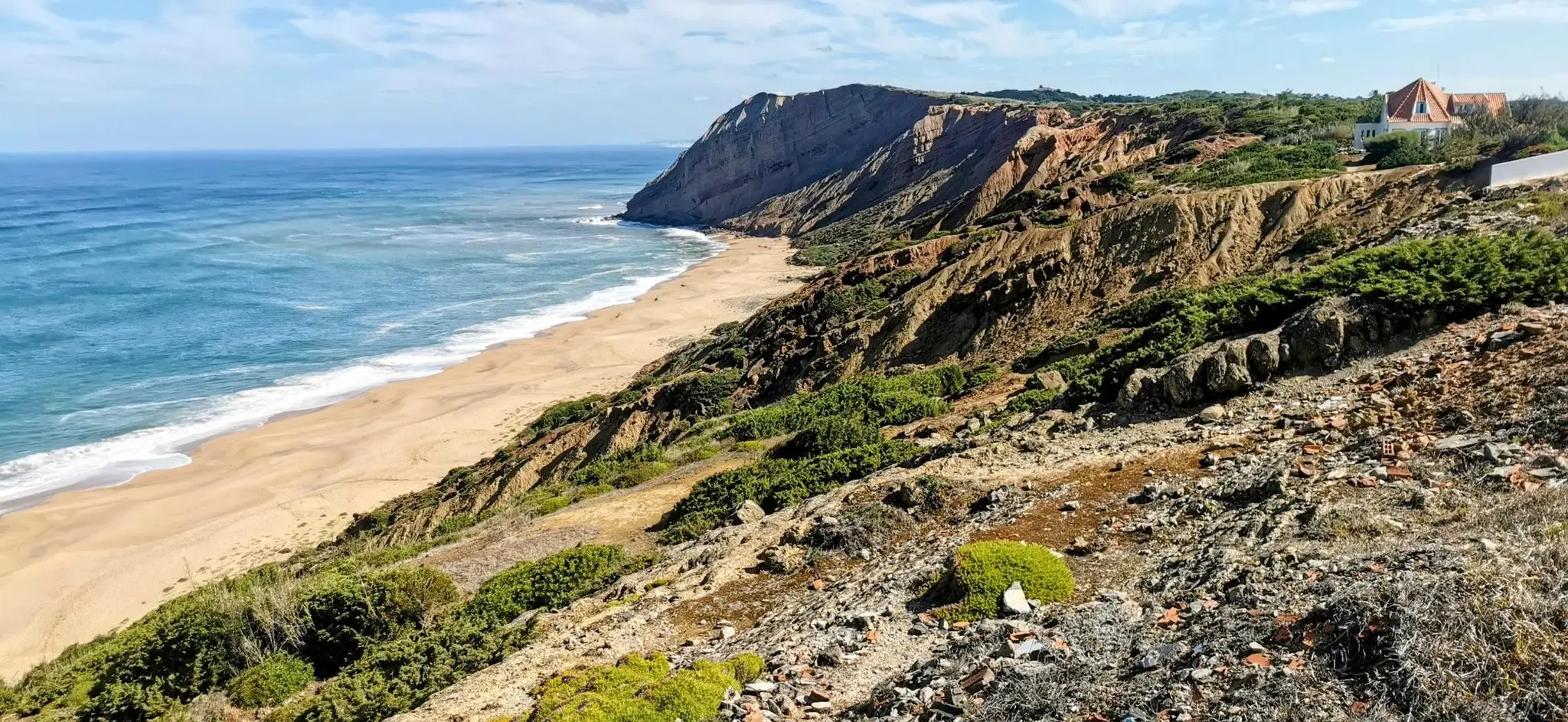
EuroVelo 1 Portugal – Cycle the Atlantic Coast
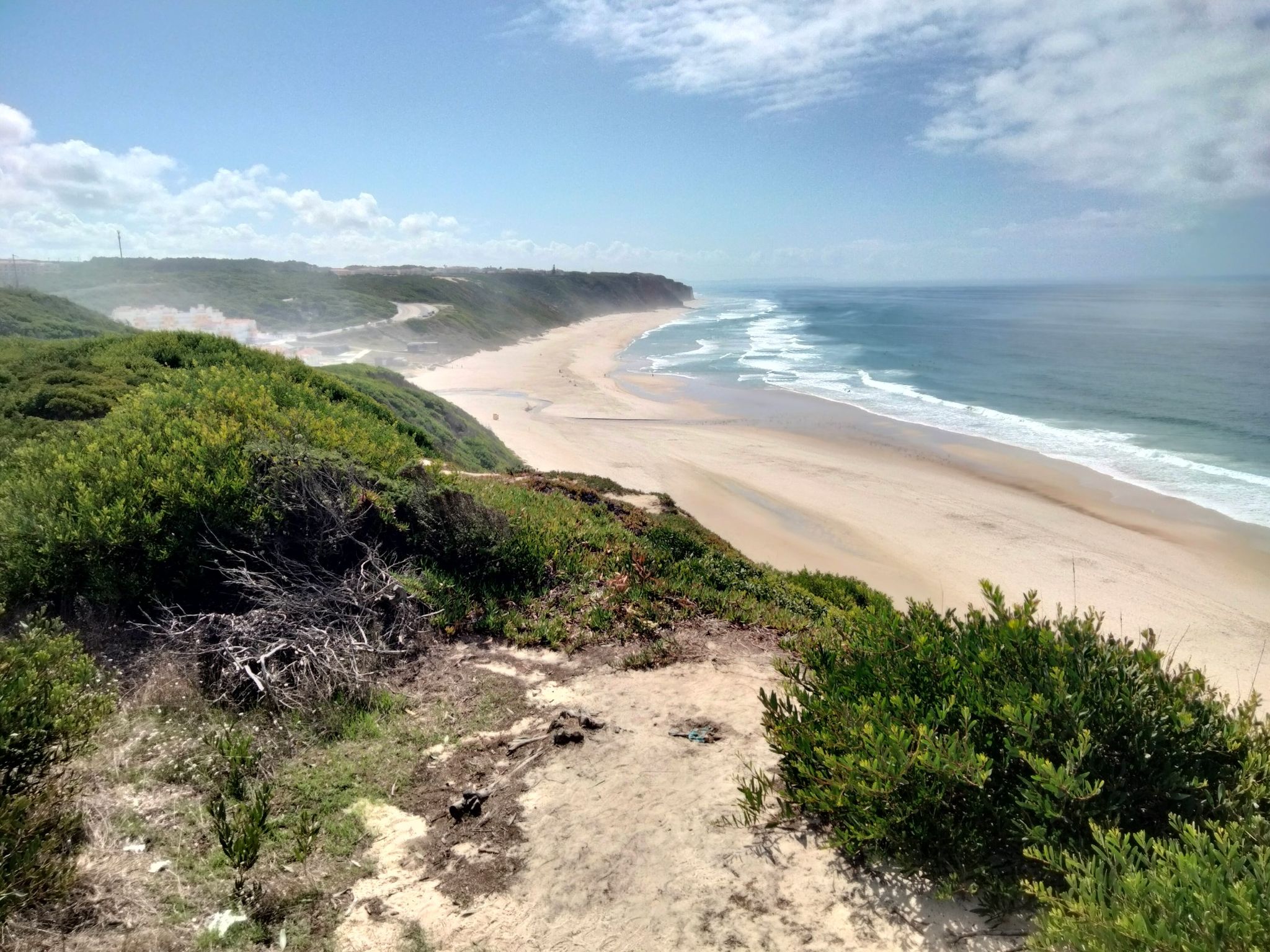
Portugal's Atlantic coast (north) – from Caminha to Lisbon
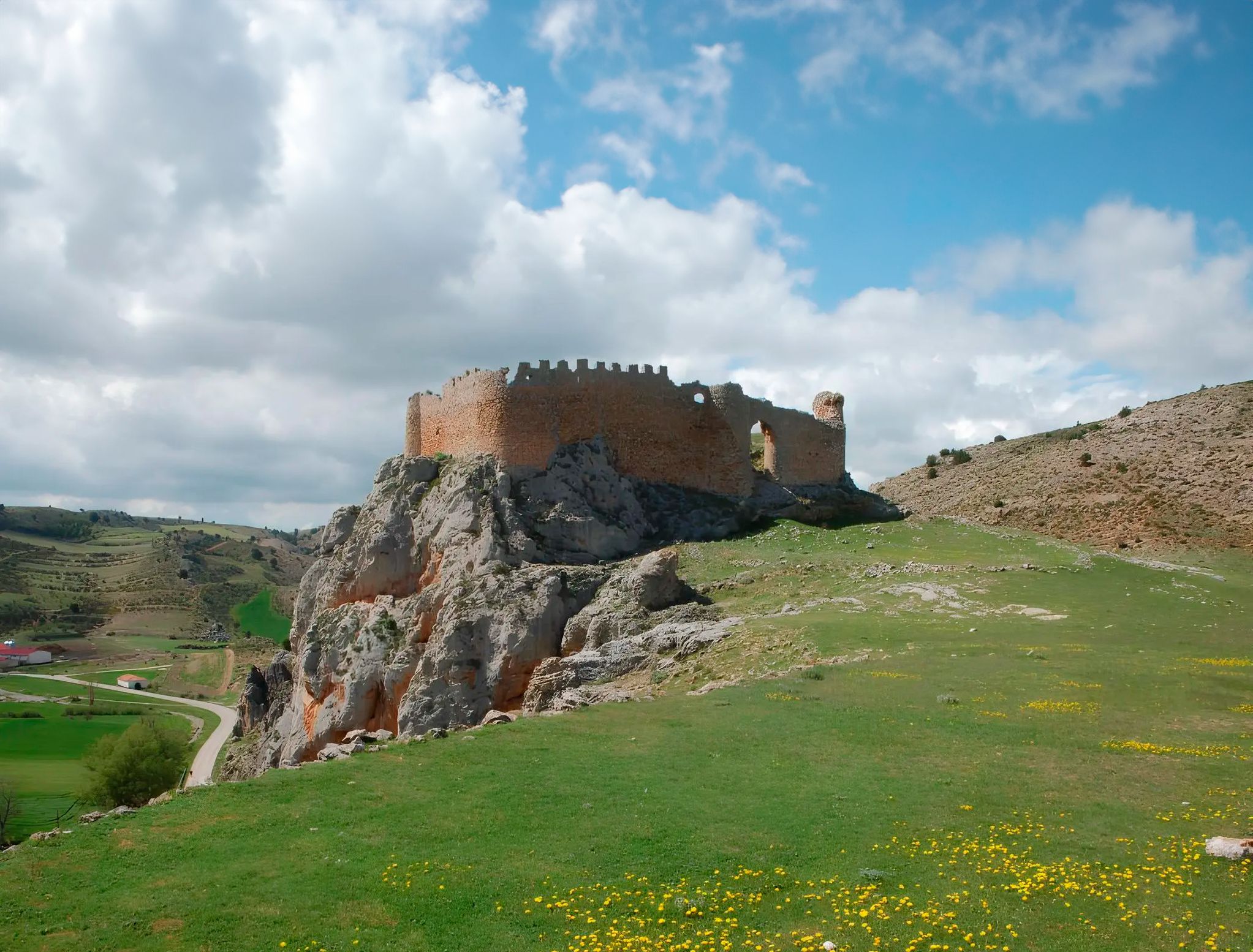
Around the Spanish province of Soria - Sendero Ibérico Soriano (GR 86)
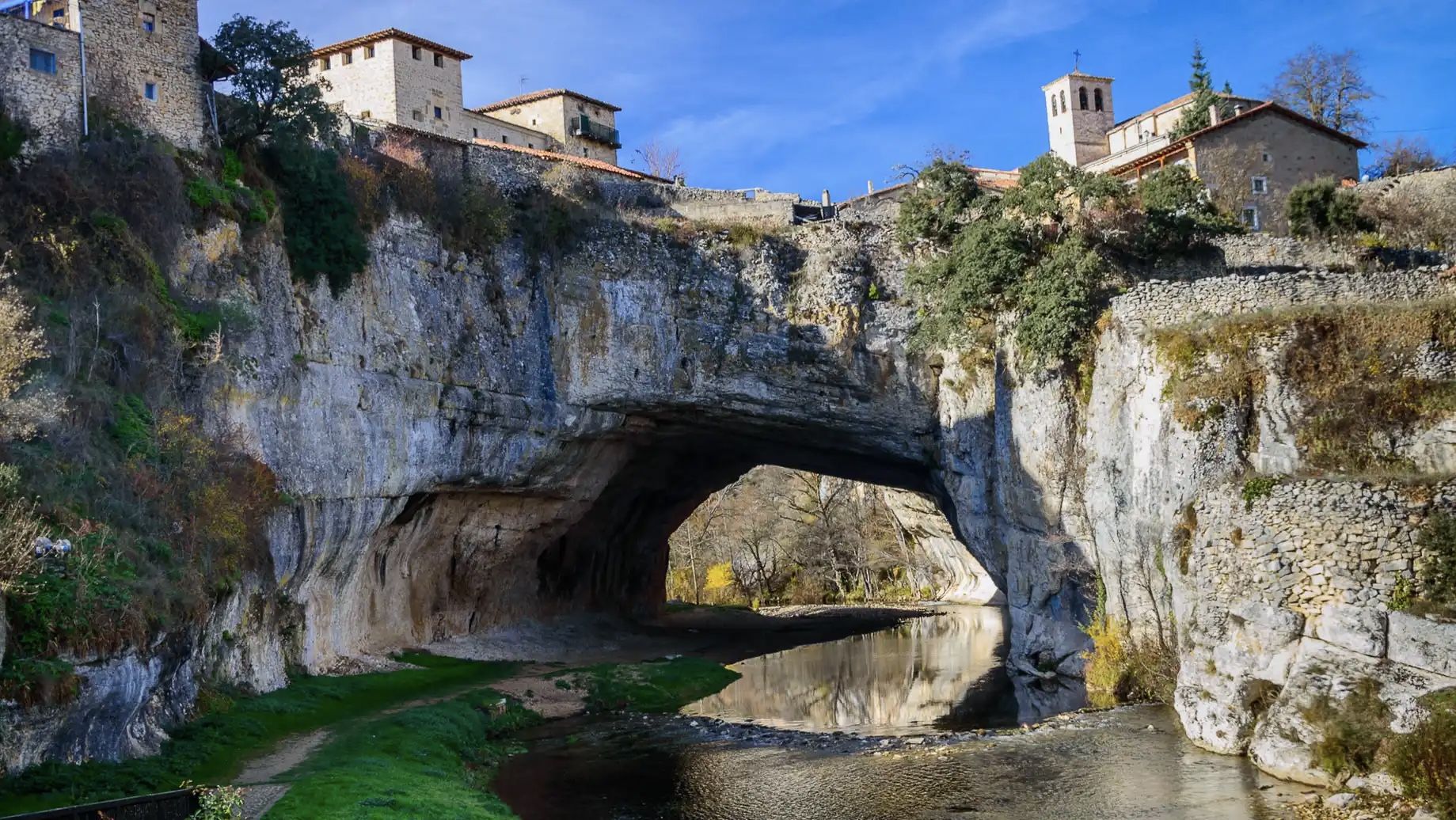
An epic getaway – Santander-Mediterráneo Nature Trail
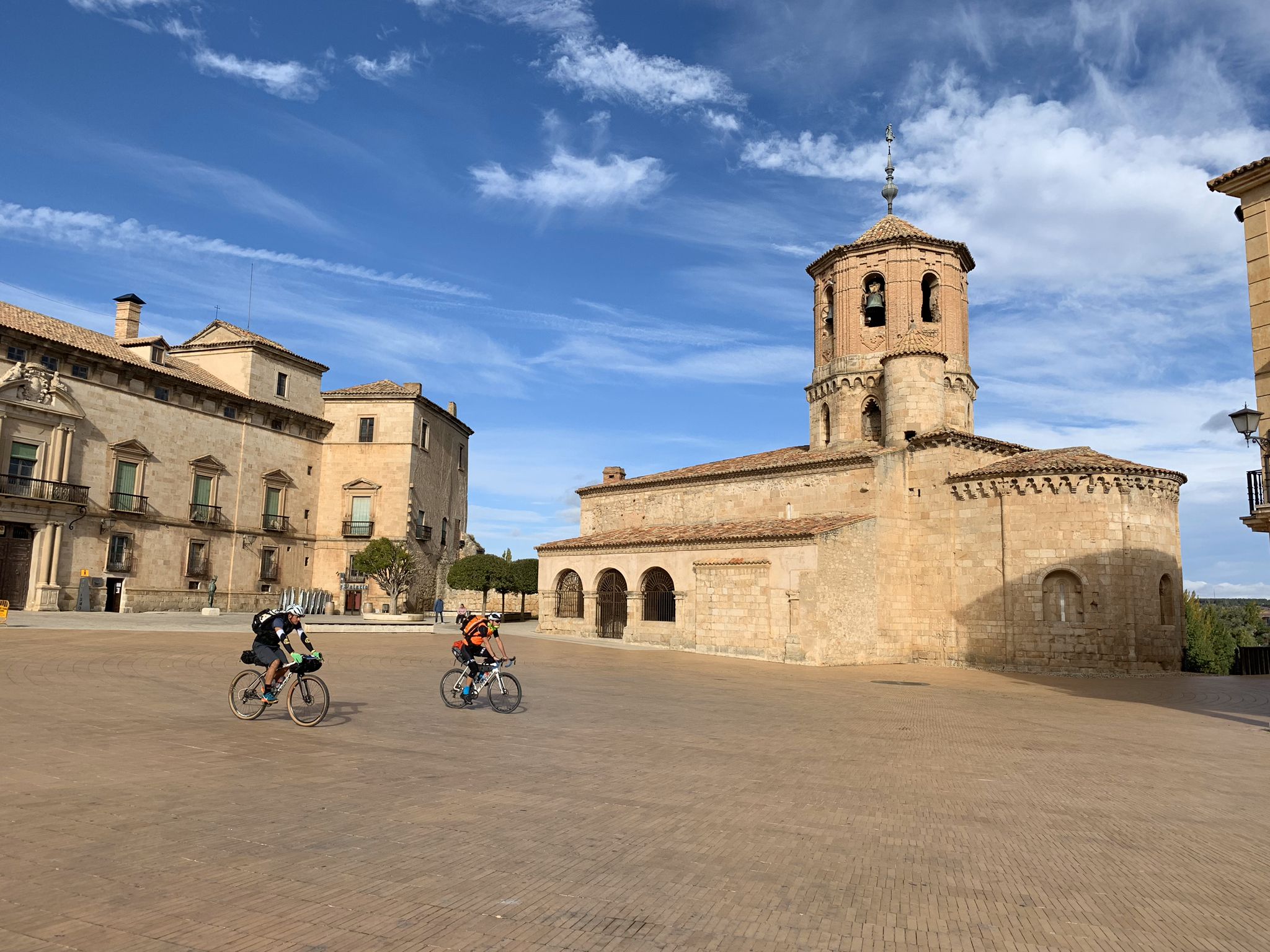
Countryside and fortresses – Walls of the Upper Duero by bike
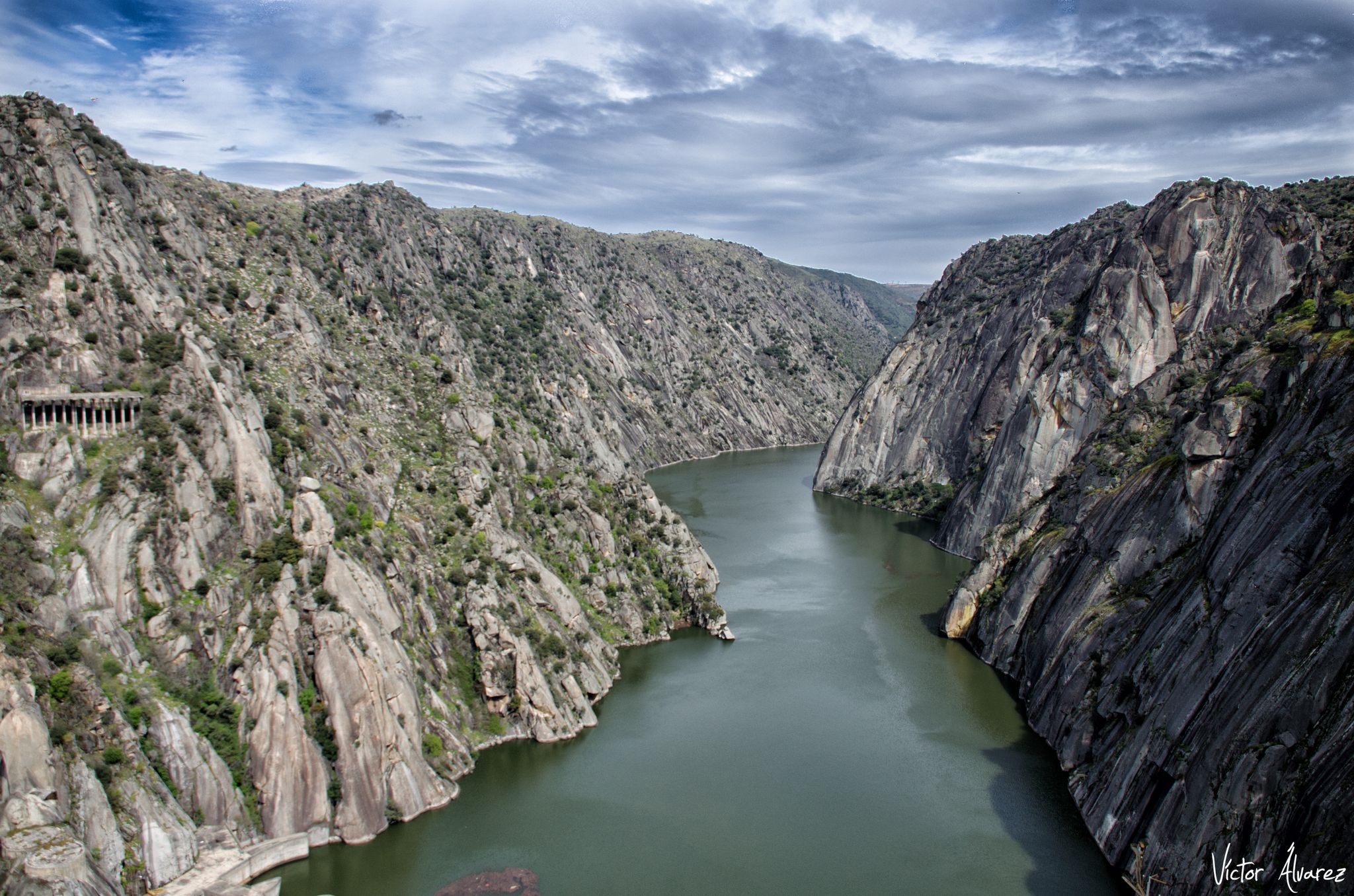
Downriver between Zamora and Salamanca – Western Duero Trail (GR 14)
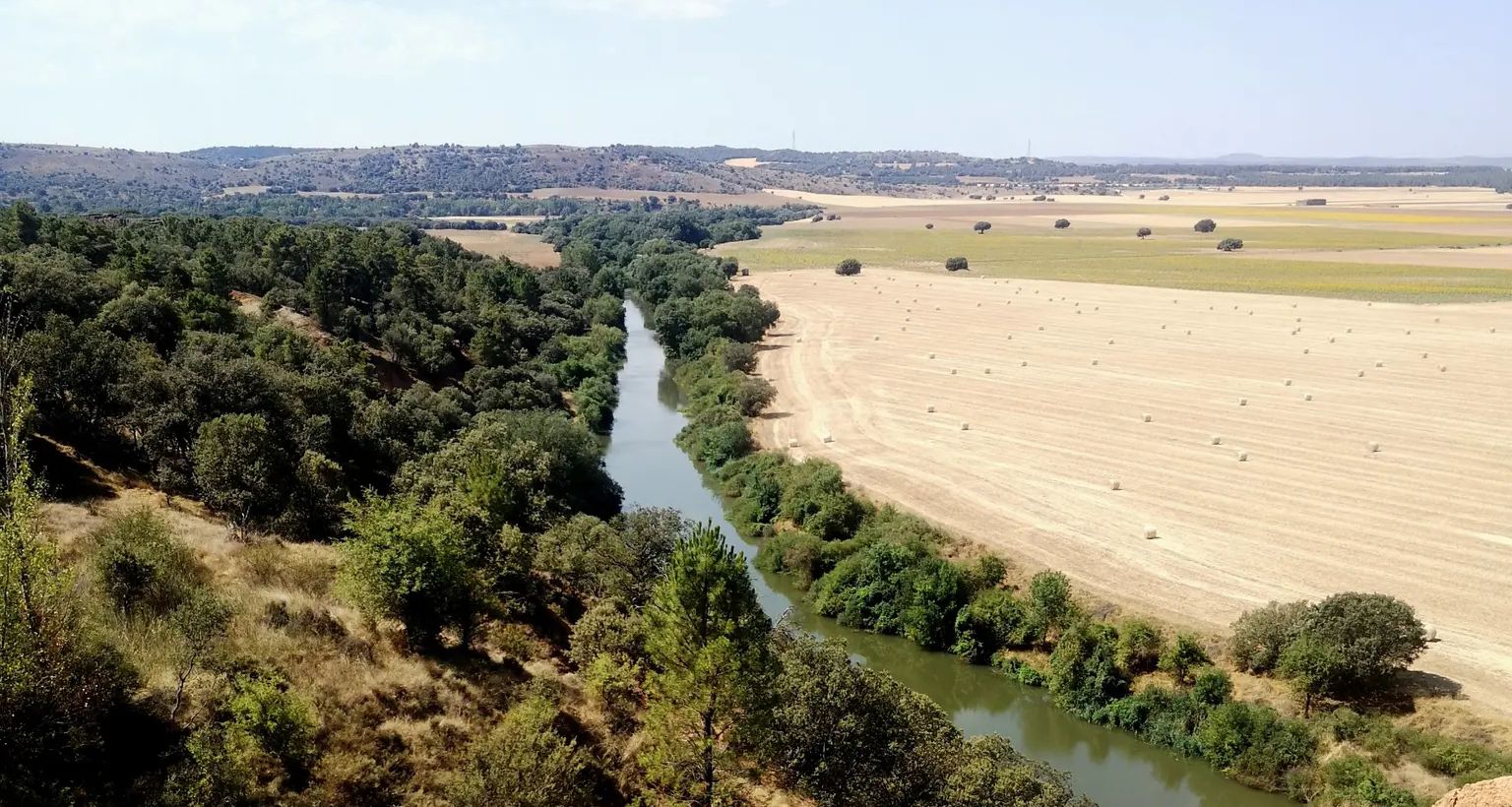
Downstream through Soria, Burgos and Valladolid in Spain – Eastern Douro Trail
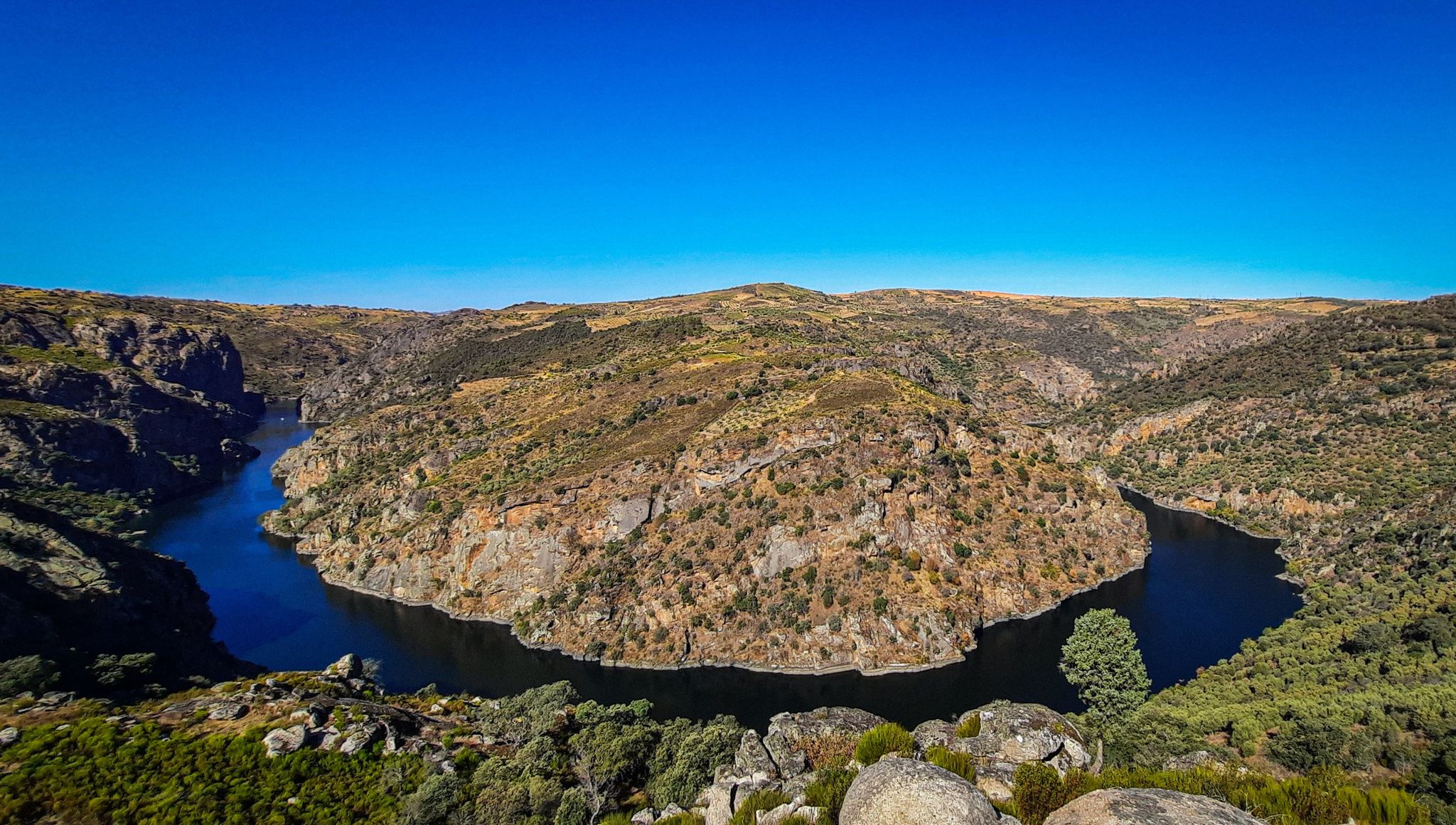
The Great Castilian River – Duero MTB Trail
The secret gravel paradise — Bikepacking Soria
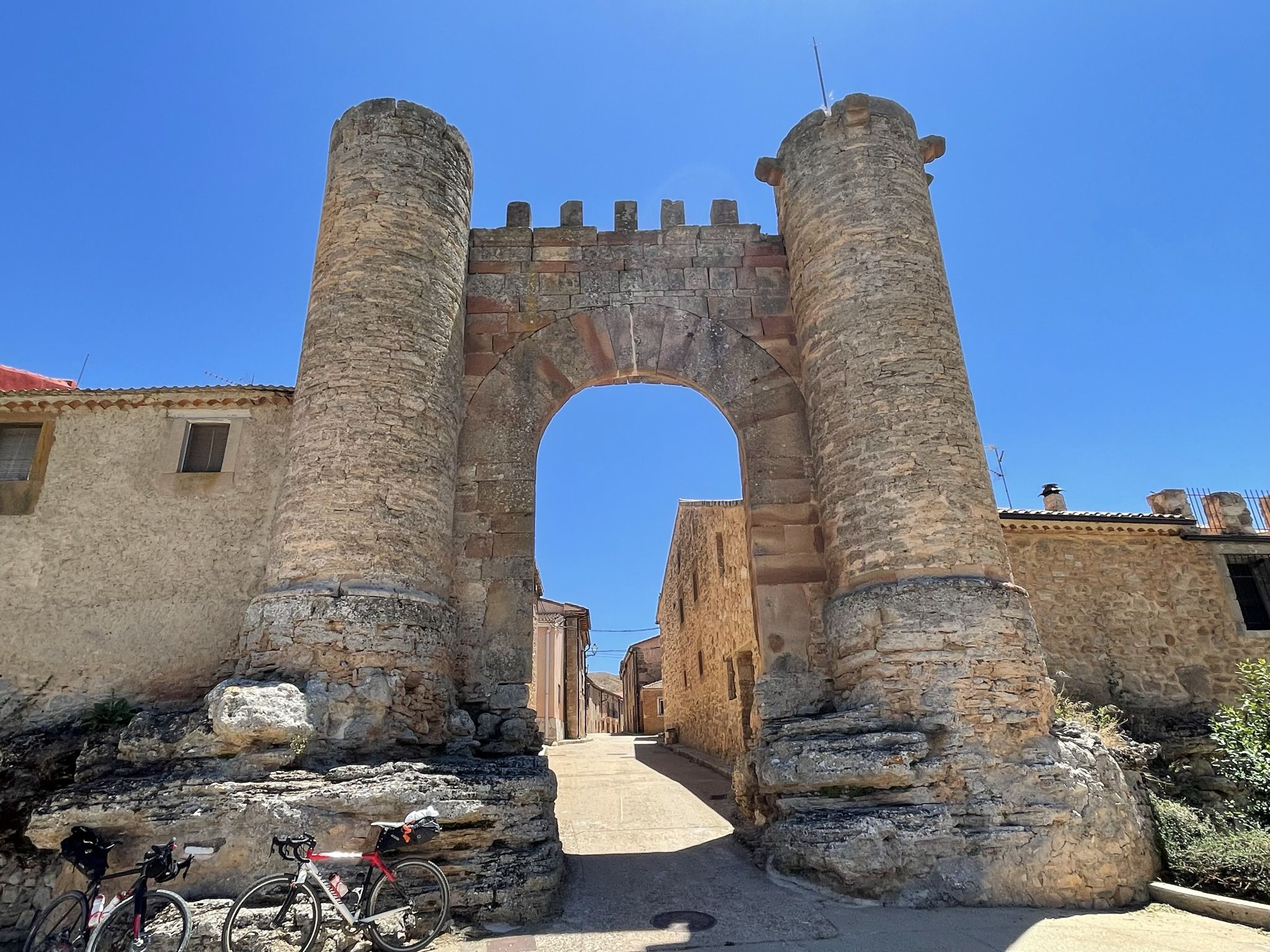
El Camino del Cid – El Destierro by gravel bike
Other adventures around the Duero


Tips from the Community

You should definitely walk through the portal to the inside. The staircase in the town hall is truly beautiful.
6
0
The sky and people are practically always on the move here. However, the view of the unique steel bridge from here is also incredible. And this is also where most of the ships depart, for example, those on the 6 Bridges Tour.
5
0

The typical place to take a photo with the city's name.
5
1
Full of restaurants and street entertainment.
3
0

Standing imposingly atop a hill, Porto Cathedral rises amidst narrow streets, guarding the old city. It is the oldest church in Porto and one of its most iconic monuments. Construction began in the 12th century and carries nearly a thousand years of history within its stonework. From here, the view is breathtaking: red-tiled roofs, towers punctuating the sky, and the Douro River shaping the horizon. In front of the cathedral, an old pillory recalls dark times. During the dictatorship, it served as a symbol of intimidation.
3
4

On both sides of the bridge there are popular terraces and you have a beautiful view over the city, the Douro and the iconic bridge.
18
1
That bridge is a real eye-catcher
19
0

Ribeira is one of the most historic and picturesque neighborhoods in Porto, Portugal. Located on the banks of the Douro River, it is a must-see for anyone visiting the city. Ribeira is known for its narrow, winding streets, colorful houses, and medieval architecture. The neighborhood is also famous for its nightlife, with many bars, restaurants, and fado houses. One of Ribeira's main points of interest is Ribeira Square, a historic square offering stunning views of the Douro River. Other points of interest include the Church of São Francisco, the Port Wine Museum, and the Luís I Bridge. Ribeira is also a popular spot for tasting the famous Port wine, which is produced in the region.
5
1
Frequently Asked Questions
What natural features and scenic views can I experience along the Duero?
The Duero (Douro) River itself is a majestic natural feature, carving through stunning landscapes. The most iconic natural feature is the extensive system of terraced vineyards, meticulously sculpted into the hillsides, recognized as a UNESCO World Heritage Site. You can also find natural parks like Alvão Natural Park and Douro International Natural Park, offering diverse flora, fauna, and waterfalls like Fisgas de Ermelo.
Which historical sites and cultural landmarks should I visit in the Duero region?
The region is rich in history. Don't miss the iconic Dom Luís I Bridge in Porto, a late 19th-century iron bridge offering expansive views. The Praça da Sé ⛪ Porto Cathedral, a 12th-century monument, is another must-see. Other significant sites include Peñafiel Castle, the Romanesque churches of San Miguel and Santa María del Rivero in San Esteban de Gormaz, and the ancient Baños de Valdearados site.
Are there family-friendly attractions suitable for children around the Duero?
Yes, many attractions are suitable for families. The Ribeira Promenade along the Douro River offers a lively atmosphere with street musicians and colorful houses. The Dom Luís I Bridge and Praça da Sé ⛪ Porto Cathedral are also listed as family-friendly. Exploring historic towns like Aranda de Duero or taking a river cruise can also be enjoyable for all ages.
What kind of outdoor activities, like hiking or cycling, are available near the Duero's attractions?
The Duero region offers numerous opportunities for outdoor activities. For road cycling, you can explore routes like the 'Ring route from Porto, Câmara Gaia' or 'Valladolid, Simancas, and Tordesillas Loop'. Running enthusiasts can try trails such as the 'Arrábida Bridge – Arrábida Bridge loop from Porto'. Mountain biking is also popular, with routes like 'La Tronchaberezos Trail' or 'Ruta del Duero and GR 14: Zamora to Pereruela Loop'. You can find more details on these activities in the Road Cycling Routes, Running Trails, and MTB Trails guides around the Duero.
Can I take a river cruise on the Duero (Douro) River?
Absolutely! Experiencing the Douro River on a boat cruise is highly recommended. You can find various options, from short trips to luxurious week-long voyages, often on traditional 'Rabelo' boats once used to transport wine barrels. Pinhão is an excellent starting point for these cruises.
What are some notable castles and fortifications in the Duero region?
The Duero region is dotted with impressive historical fortifications. Key examples include **Peñafiel Castle** in Spain, a prominent medieval fortress housing a Provincial Wine Museum, and the **Castelo de Guimarães** in Portugal, a UNESCO World Heritage site often called the birthplace of Portugal. Peñaranda de Duero also features a 15th-century castle.
Where can I explore the region's rich wine culture?
The Duero region is world-renowned for its wines. In Spain, the Ribera del Duero is famous for its red Tempranillo. In Portugal, the Douro Valley is the home of Port wine. Visiting wineries ('bodegas' in Spain, 'quintas' in Portugal) for tours and tastings is a major draw. Many towns, like São João da Pesqueira, also have wine museums.
Are there any Romanesque churches or religious sites worth visiting?
Yes, the region boasts beautiful religious architecture. The spectacular **Church of Santa María la Real** in Aranda de Duero is a masterpiece of 15th-century Isabelline Gothic style. In San Esteban de Gormaz, the Romanesque churches of **San Miguel and Santa María del Rivero** are iconic. Other notable sites include the **Monastery of Santa María de la Vid** and the **Nossa Senhora dos Remedios Church** in Lamego, known for its impressive baroque stairway.
What are some charming historic towns and villages to explore?
The Duero region is home to many picturesque towns. **Aranda de Duero** is known for its underground wine cellars. **Peñaranda de Duero** offers a walled historic center. In Portugal, **Pinhão** is considered one of the prettiest towns amidst terraced vineyards, while **Lamego** and **Amarante** also offer delightful historic centers. **Porto's historic center** is a UNESCO World Heritage Site with sights like the Ribeira Promenade.
What local culinary specialties should I try in the Duero region?
The region offers amazing local food, with lamb and pork being staples. A must-try is **Roast suckling lamb (Lechazo Asado)**, particularly in Aranda de Duero and Roa, which holds an IGP (Protected Geographical Indication). Many cozy restaurants along the Ribeira Promenade in Porto also serve classic Portuguese dishes like grilled sardines.
Are there any natural parks for wildlife observation or nature walks?
Yes, the Duero region features significant natural parks. **Alvão Natural Park** in Portugal is a haven of untouched nature with diverse flora and fauna. The **Douro International Natural Park**, spanning both Spain and Portugal, is renowned as one of Europe's best places to observe birds of prey due to its high rock faces.
What is the best time of year to visit the Duero region?
The best time to visit the Duero region generally depends on your interests. Spring (April-May) and autumn (September-October) offer pleasant weather for outdoor activities like hiking and cycling, and are ideal for wine tourism as it's harvest season in autumn. Summers can be hot, especially inland, while winters are milder but some attractions might have reduced hours.
Are there any wheelchair accessible attractions or viewpoints?
While accessibility can vary, some sites offer better access. For instance, São Bento Station in Porto is listed as wheelchair accessible. The City Hall & Municipal Square 🏛️ Porto city hall also features wide ramps for easy access. When planning your visit, it's always advisable to check specific accessibility details for individual attractions.
Where can I find unique prehistoric rock art in the Duero region?
For a truly unique historical experience, visit the **Côa Valley Archaeological Park** in Portugal. This UNESCO World Heritage Site protects one of the world's largest open-air collections of prehistoric rock art, with thousands of engravings dating back over 22,000 years.
What are some of the most picturesque viewpoints in the Douro Valley?
The Douro Valley offers breathtaking panoramic views. Notable viewpoints include **Miradouro de São Leonardo de Galafura**, which overlooks the Alto Corgo region, and the 'Balcón del Duero' viewpoint in Roa de Duero. The View of the Ponte Dom Lúis I bridge also provides stunning vistas of Porto and the river.
Most popular routes around the Duero
Most popular attractions around the Duero

Get inspired with the komoot mobile app


Explore more
Still not found the Highlight you’re looking for? See guides of the top attractions in other regions:
