The best cycling routes around the Duero
4.3
(329)
8,131
riders
361
rides
Touring cycling around the Duero offers diverse landscapes, from terraced vineyards to dramatic river canyons. The region is characterized by the Duero River, which carves deep gorges and provides serene riverside paths. Cyclists can explore arid plains, rolling hills, and historic towns, with varied terrain suitable for different skill levels. This area, encompassing parts of Spain and Portugal, features a mix of natural parks and agricultural lands.
Best touring cycling routes around the Duero
- The most popular touring cycling route is From Porto to Matosinhos — circular route, a 13.8 miles (22.2 km) trail that takes 1 hour 32 minutes to complete. This moderate route offers coastal views and urban exploration near the river's mouth.
- Another top favourite among local touring cyclists is Douro Valley – Régua Pedestrian Bridge loop from Régua, a difficult 31.3 miles (50.3 km) path. This route winds through the renowned Douro Valley, known for its terraced vineyards and scenic river vistas.
- Local touring cyclists also love the Tour around the Embalse de la Cuerda del Pozo — circular from Molinos de Duero, a 23.0 miles (37.1 km) trail leading through reservoir landscapes, often completed in about 2 hours 37 minutes.
- Touring cycling around the Duero is defined by terraced vineyards, dramatic river canyons, and serene riverside paths. The network offers options for different ability levels, from easy rides to challenging routes with significant elevation gains.
- The routes in Duero are highly rated by the komoot community with an average score of 4.4 stars from more than 300 reviews. More than 8,000 touring cyclists have used komoot to explore Duero's varied terrain.
Last updated: May 10, 2026
4.5
(41)
332
riders
22.2km
01:32
190m
190m
Moderate bike ride. Good fitness required. Mostly paved surfaces. Suitable for all skill levels.
4.4
(18)
3,646
riders
49.6km
03:06
530m
530m
Hard bike ride. Very good fitness required. Mostly paved surfaces. Suitable for all skill levels.

Sign up for free
4.4
(18)
110
riders
15.8km
01:03
210m
210m
Moderate bike ride. Good fitness required. Mostly paved surfaces. Suitable for all skill levels.
3.8
(4)
11
riders
43.5km
03:12
370m
370m
Moderate bike ride. Good fitness required. Mostly paved surfaces. Suitable for all skill levels.
3.0
(1)
2
riders
8.49km
00:38
140m
140m
Easy bike ride. Great for any fitness level. Mostly paved surfaces. Suitable for all skill levels.
3.0
(2)
9
riders
37.1km
02:37
380m
380m
Cycle a moderate 23.0-mile (37.1 km) loop around the Embalse de la Cuerda del Pozo from Molinos de Duero, enjoying reservoir views.
5.0
(2)
5
riders
29.4km
01:48
100m
100m
This easy circular touring cycling route from Laguna de Duero covers 18.3 miles (29.4 km) through Valladolid's city center and natural areas
4.5
(2)
7
riders
43.9km
02:40
320m
320m
Moderate bike ride. Good fitness required. Mostly paved surfaces. Suitable for all skill levels.
5
riders
62.6km
03:59
770m
770m
This difficult 38.9-mile touring cycling route from Soria explores the peaceful natural surroundings and historical sites of Estepa de San J
5.0
(1)
3
riders
28.0km
01:40
150m
150m
This easy 17.4-mile touring cycling route from Aranda de Duero explores the scenic vineyards and rural landscapes of Ribera del Duero.
Get access to more routes and recommendations from other explorers.
Sign up for free
Already have an account?
Our route recommendations are based on thousands of hikes, rides, and runs completed by other people on komoot.
Start today with a free account
Your next adventure awaits.
Login or Signup
Popular around Duero
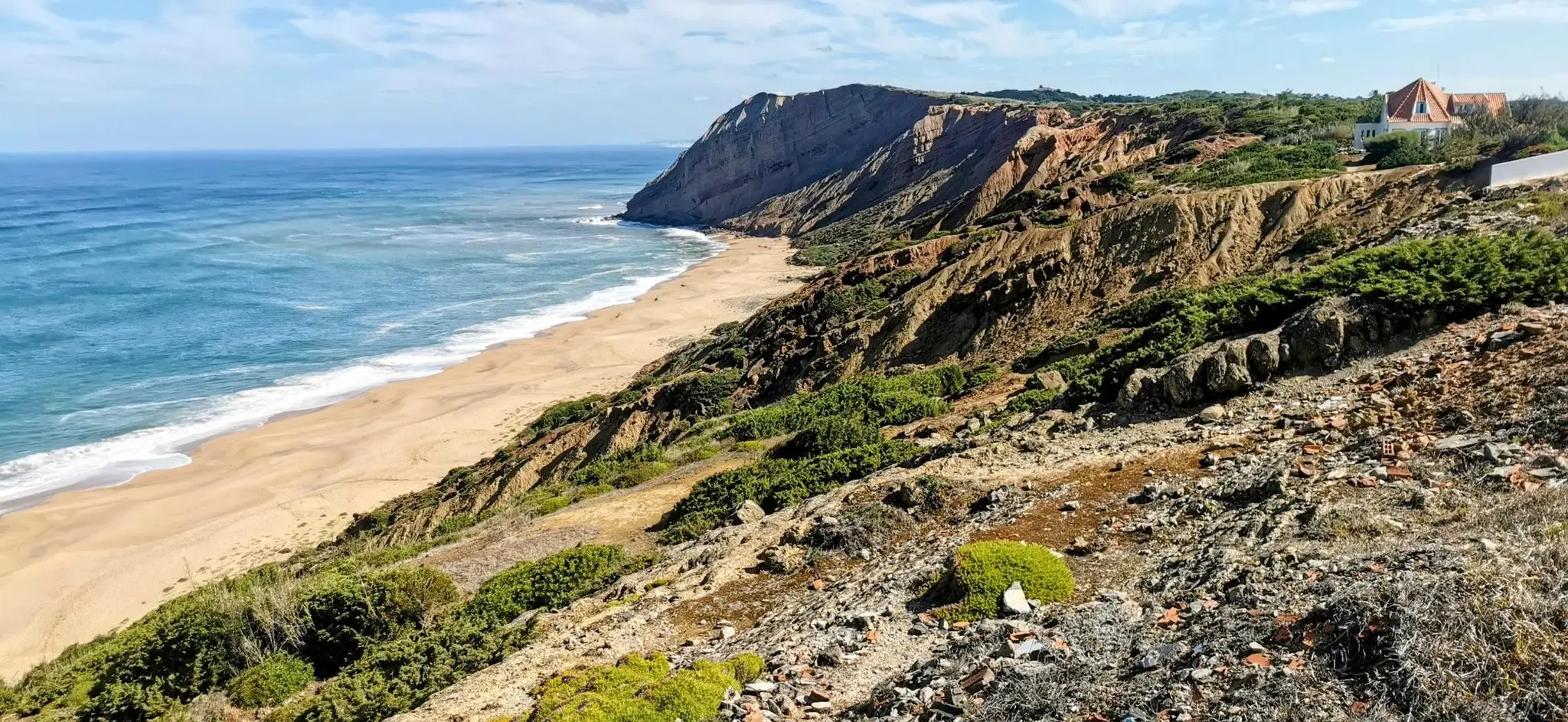
EuroVelo 1 Portugal – Cycle the Atlantic Coast
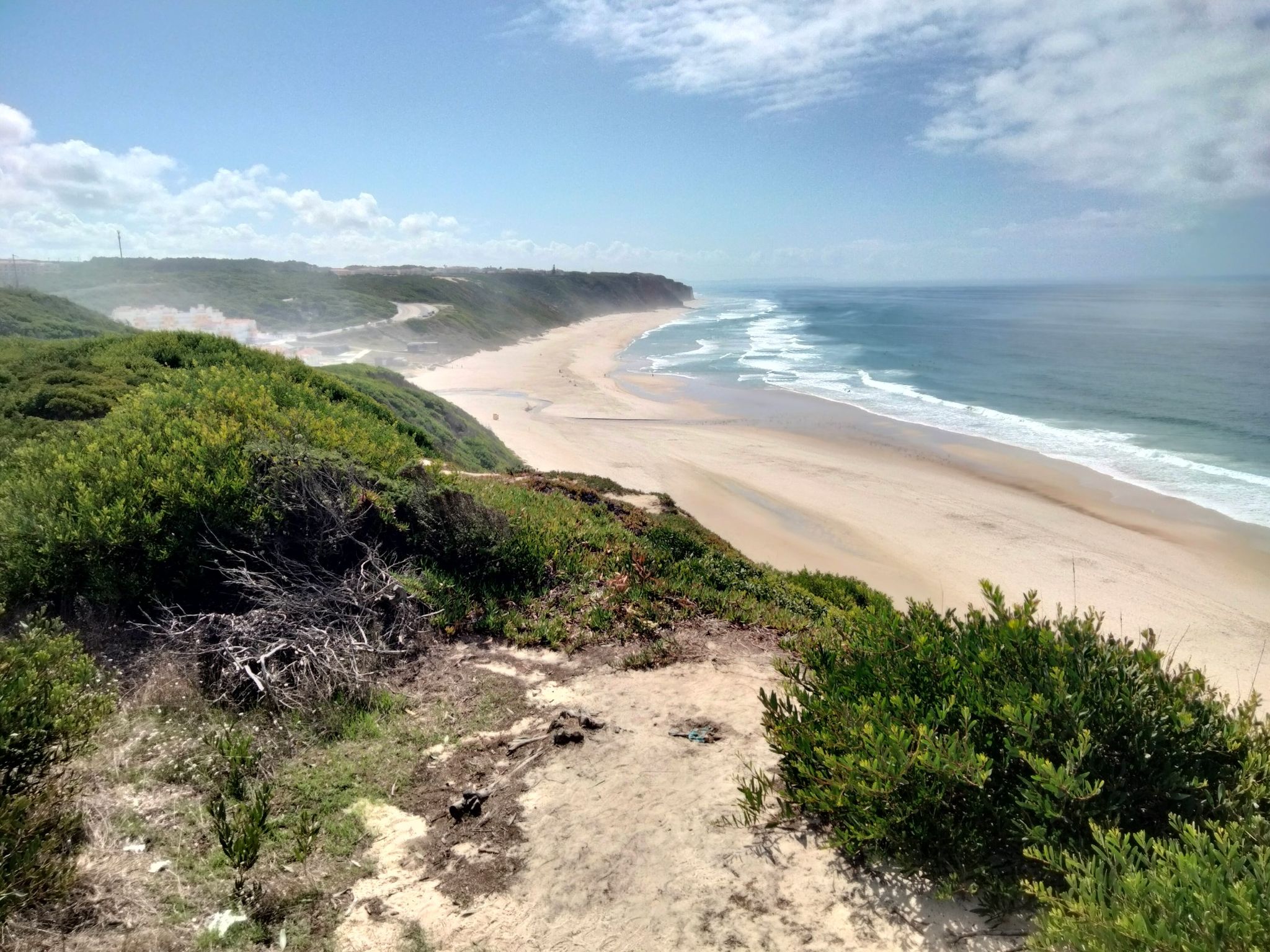
Portugal's Atlantic coast (north) – from Caminha to Lisbon
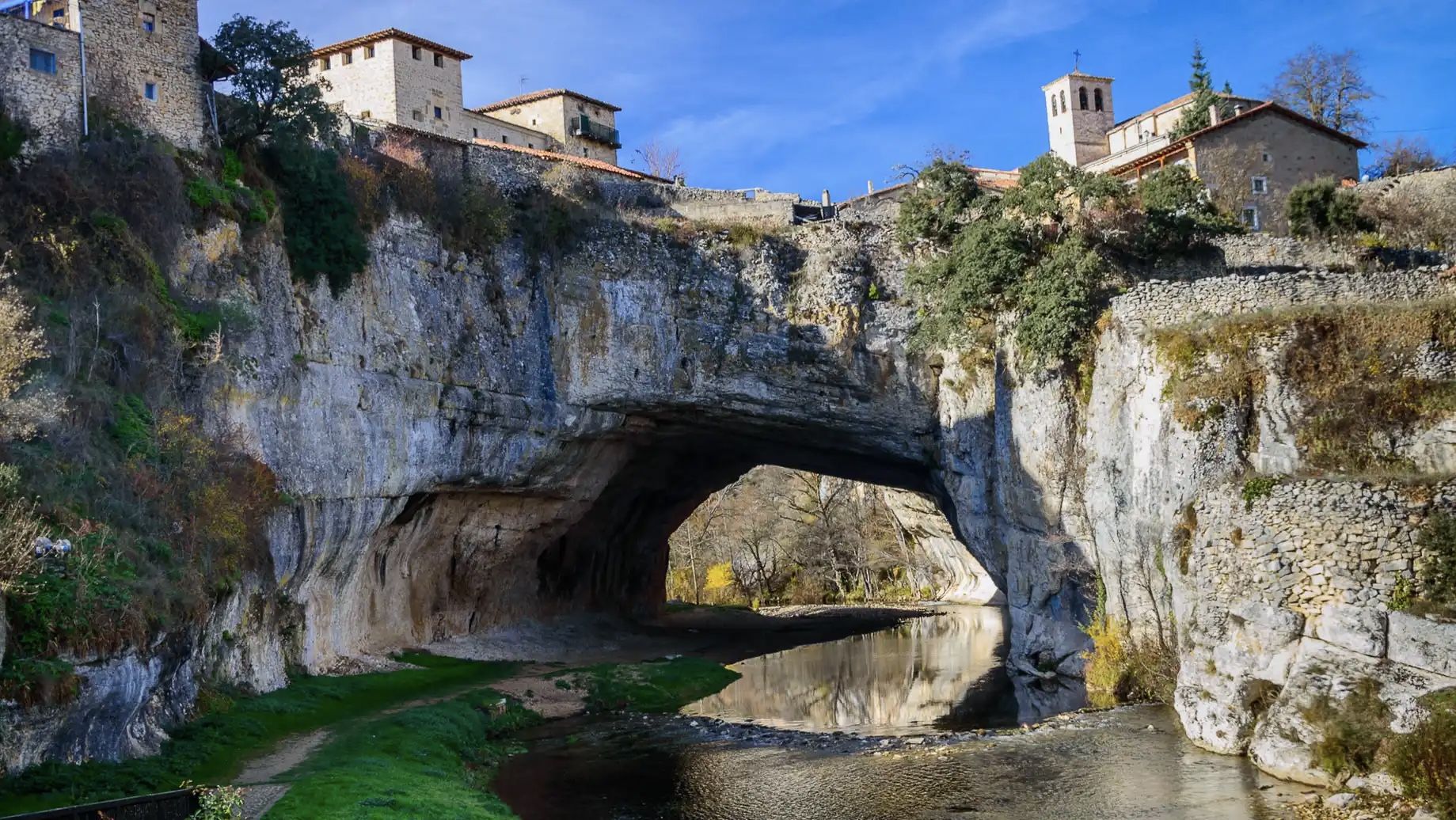
An epic getaway – Santander-Mediterráneo Nature Trail
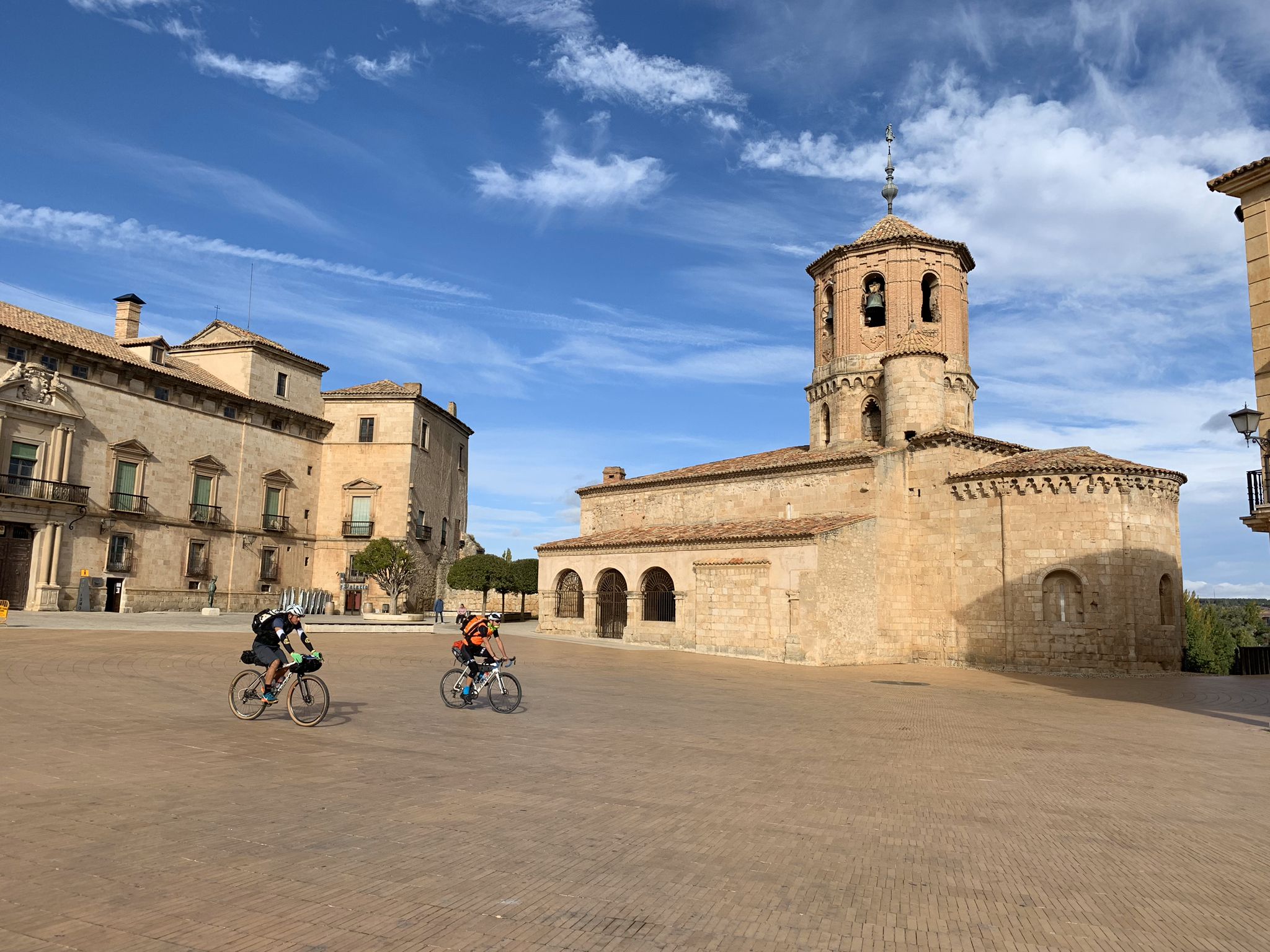
Countryside and fortresses – Walls of the Upper Duero by bike
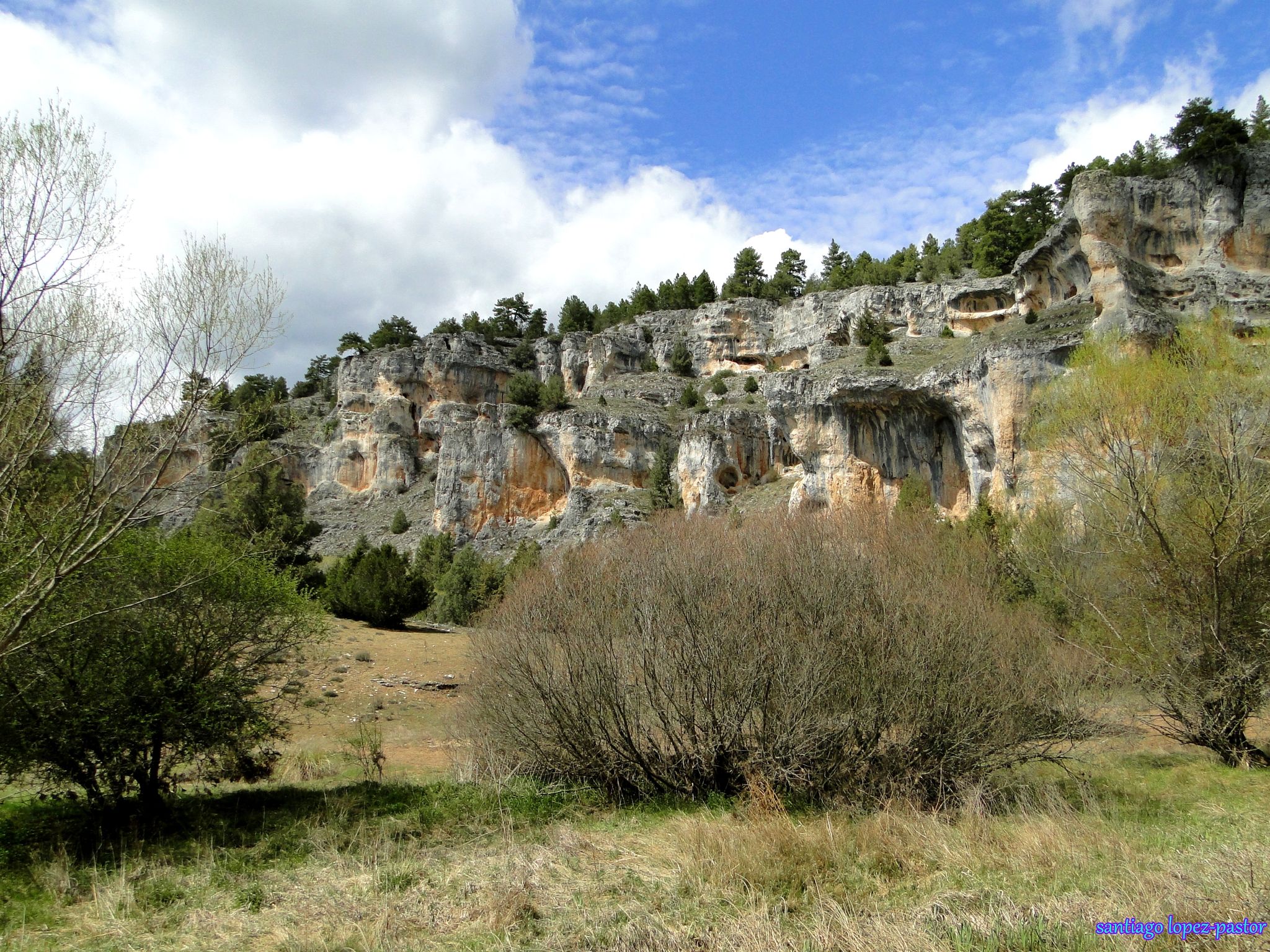
The secret gravel paradise — Bikepacking Soria
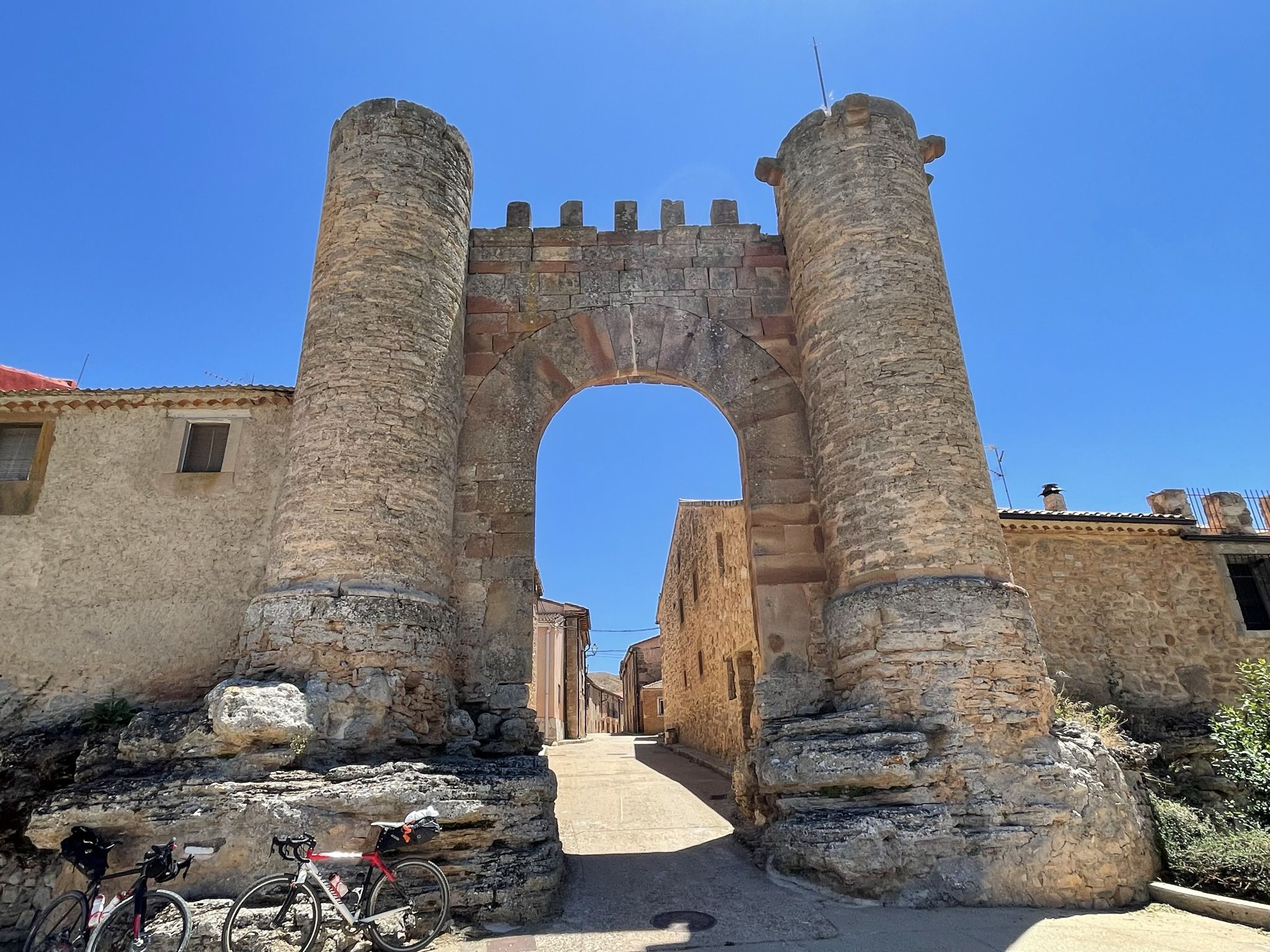
El Camino del Cid – El Destierro by gravel bike
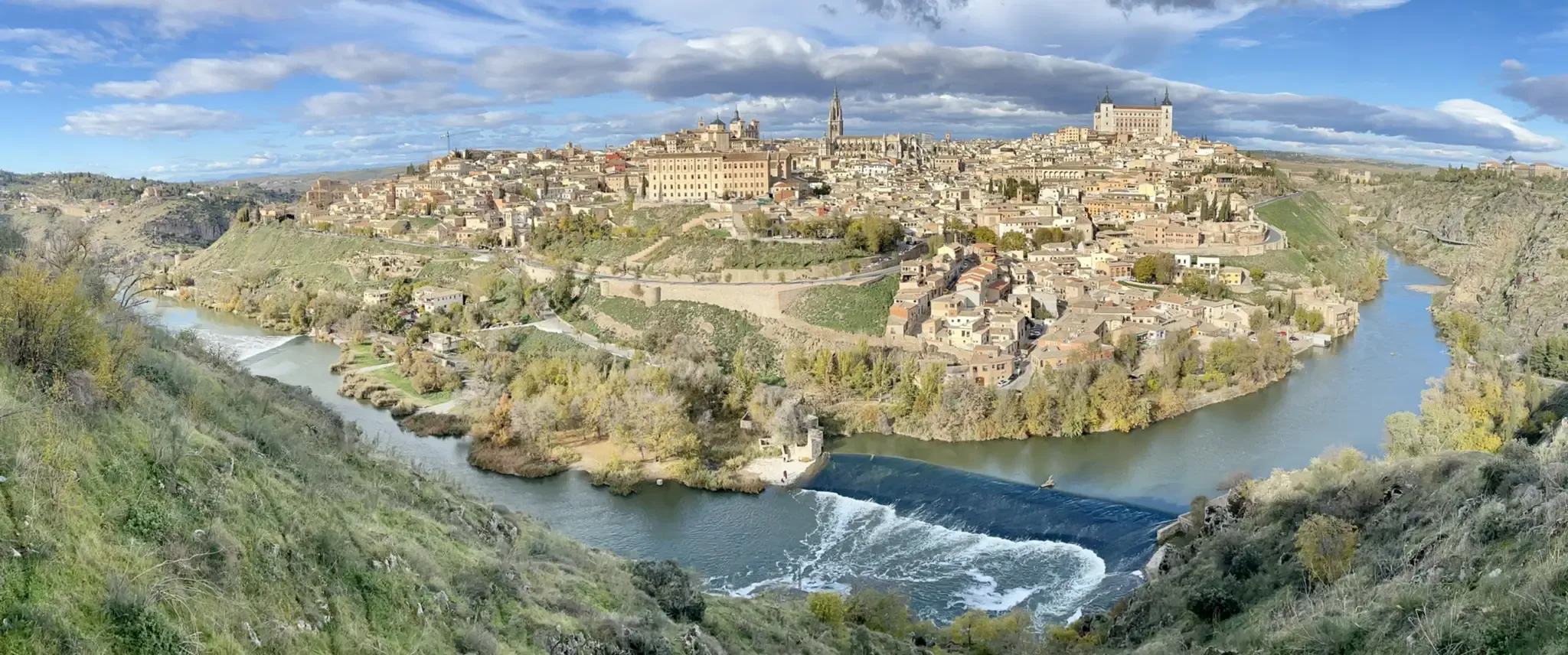
A journey to the interior of the Iberian Peninsula – Levante Way (GR 239)
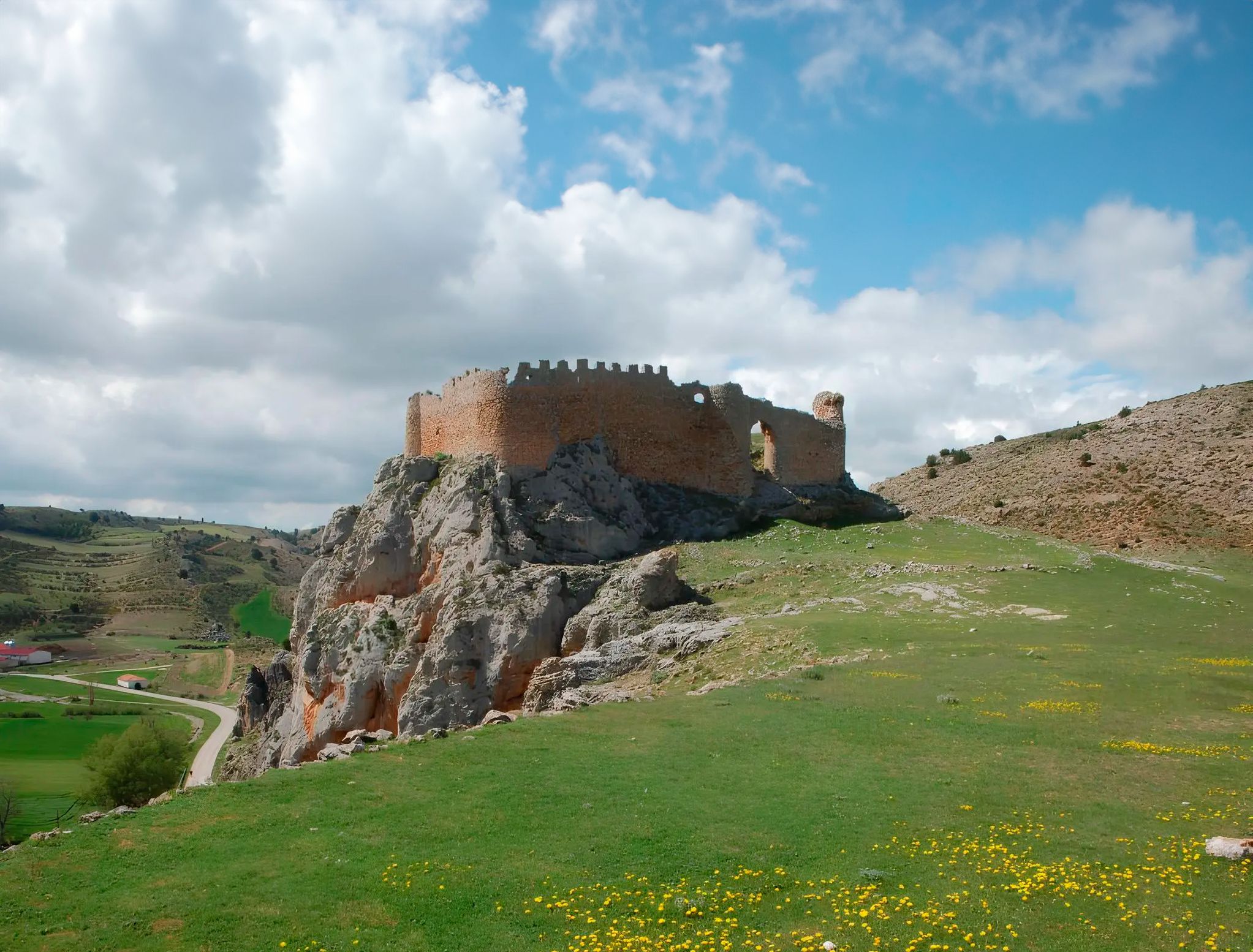
Around the Spanish province of Soria - Sendero Ibérico Soriano (GR 86)
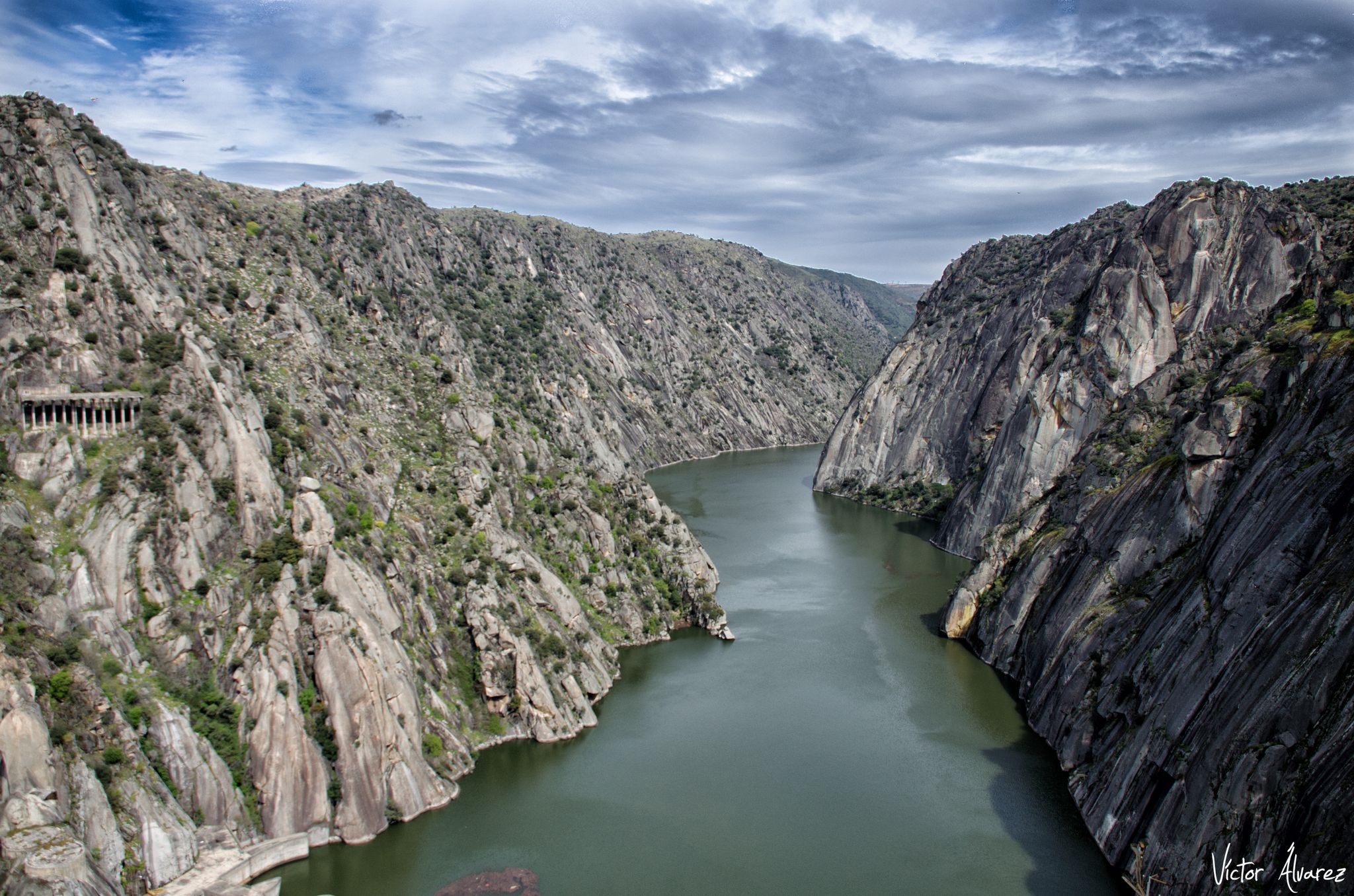
Downriver between Zamora and Salamanca – Western Duero Trail (GR 14)
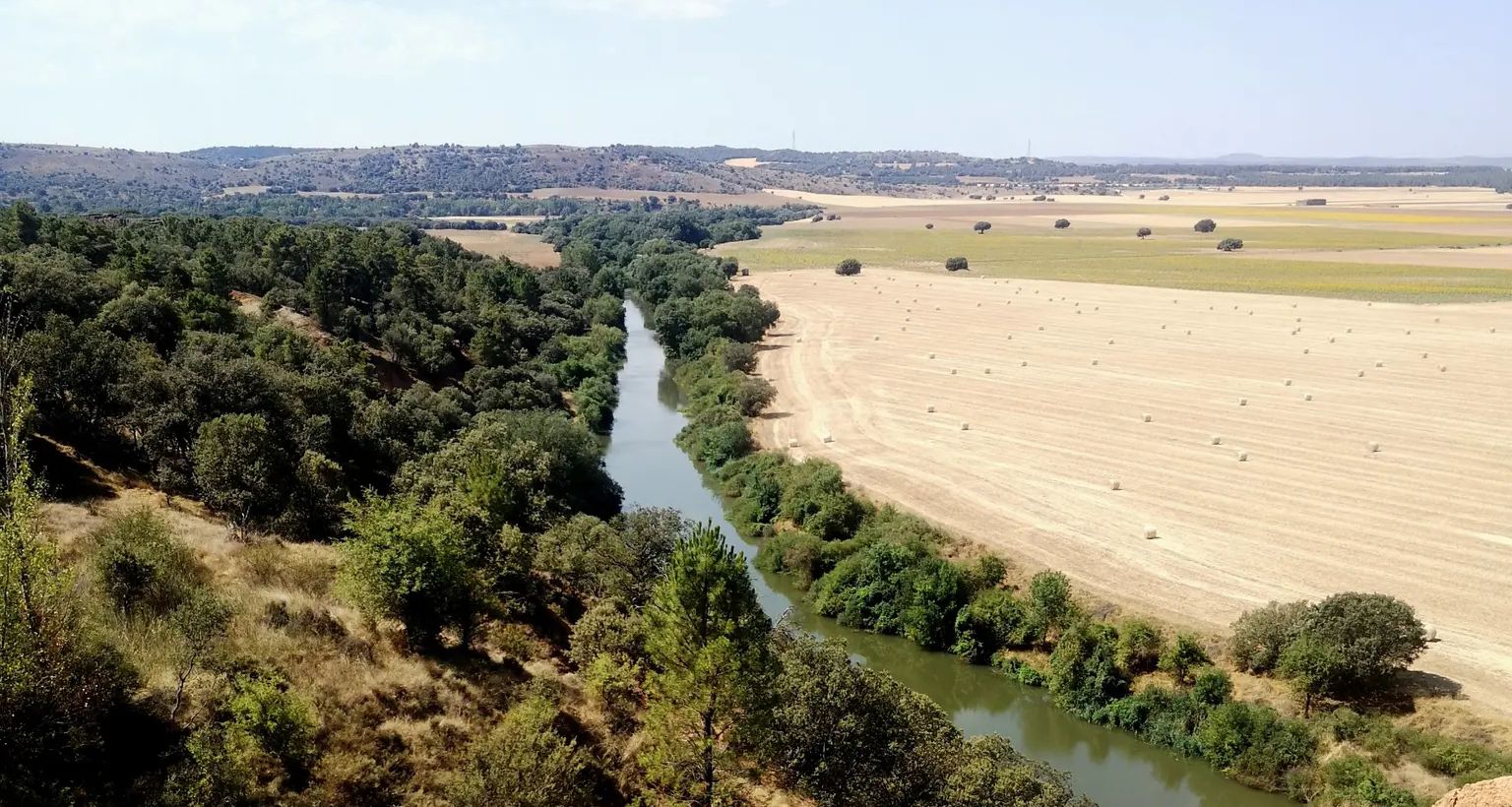
Downstream through Soria, Burgos and Valladolid in Spain – Eastern Douro Trail
Other adventures around the Duero


Tips from the Community

You should definitely stop here for a moment. Hopefully, it will be preserved and not built over as well.
2
0

Declared a Site of Cultural Interest (BIC) on December 7, 1983, this church is located in the heart of Tordesillas (Valladolid), one of the town's most iconic landmarks and the largest in the entire municipality. It is believed to have been built on the site of the former Tordesillas mosque. The main construction took place between the 16th and 17th centuries, with additions continuing into the 18th century. The church combines Gothic elements (the apse and the lower sections of the tower) with Neoclassical renovations inspired by El Escorial. Today, it serves as the headquarters for several Holy Week brotherhoods, housing processional floats such as the Virgin of Solitude and the Christ of Mercy.
5
0

The building, constructed between the 16th and 18th centuries, began in the Gothic style and finished in the Neoclassical. Another striking feature is its tower, the tallest in the city. The Baroque-era organ is considered one of the finest in the region, both for its design and its state of preservation.
6
0
Porto Cathedral is the episcopal seat of the Diocese of Porto, in Portugal. It is located in the heart of the city's historic center and is one of its main and oldest monuments.
1
0

The parking area for motorhomes directly on the Douro River
1
0
The Curiel de Duero Castle, located in the province of Valladolid, is considered the oldest castle in Castile and León, with origins possibly dating back to the 7th century, and even Roman remains from the 4th century. It stands on a rocky hill at an altitude of 927 meters, overlooking the Duero Valley and the Horcajo stream.
2
0

The station is so run-down that it's almost in working order again. Old railway vehicles (burned-out steam locomotives and old wagons) are scattered around the large grounds. There are also many disused tracks, including turntables. At the end of the station, the former storage sheds have been converted into wine shops and restaurants.
2
0
The bridge is really well-made. The view from the bridge is beautiful, even though there's still a lot that could be done with the buildings at the end.
2
0
Frequently Asked Questions
How many touring cycling routes are available in the Duero region?
The Duero region offers a wide variety of touring cycling routes, with over 430 options available on komoot. These routes cater to different skill levels, from easy riverside paths to challenging climbs through vineyards and canyons.
What kind of terrain can I expect when touring cycling in the Duero region?
The Duero region presents diverse terrain for touring cyclists. You'll encounter breathtaking terraced vineyards, dramatic river canyons, serene riverside paths, arid plains, and rolling hills. The landscape varies from the renowned Douro Valley in Portugal to the Ribera del Duero in Spain, offering a mix of paved roads and quiet country lanes.
Are there easy touring cycling routes suitable for beginners or families in the Duero region?
Yes, the Duero region has numerous easy touring cycling routes, with over 75 options available. These often follow flatter riverside paths or less demanding roads. An example is the Valladolid city tour – circular from Laguna de Duero, which is an easy route suitable for a relaxed ride.
Are there challenging touring cycling routes in the Duero Valley for experienced cyclists?
Absolutely. For experienced touring cyclists seeking a challenge, the Duero region offers over 160 difficult routes. These often feature significant elevation gains as they wind through the dramatic canyons and terraced vineyards. A notable challenging route is the Douro Valley – Régua Pedestrian Bridge loop from Régua, which takes you through the heart of the wine region with demanding climbs.
What natural features can I explore along the touring cycling routes in the Duero?
The Duero region is rich in natural beauty. You can cycle through the iconic terraced vineyards of the Douro Valley, marvel at the dramatic canyons of the Arribes del Duero Natural Park, and enjoy serene riverside paths. Impressive engineering marvels like the Dam of La Almendra also offer spectacular scenery. For specific viewpoints and natural monuments, consider visiting highlights such as Mirador de las Barrancas or the Gardens of the Crystal Palace.
Are there any historic towns or cultural landmarks to visit while cycling in the Duero region?
Yes, the Duero region is dotted with historic towns and cultural sites. You can explore medieval villages like Sepúlveda, Peñafiel, Fermoselle, Castelo Rodrigo, and Almeida, which offer a glimpse into the region's rich history. The area is also famous for its wineries, providing opportunities for tastings. Additionally, the Côa Valley in Portugal, near the Douro, is a UNESCO World Heritage site known for its prehistoric rock carvings.
Are there circular touring cycling routes available in the Duero region?
Many touring cycling routes in the Duero region are designed as circular loops, making them convenient for day trips. Examples include From Porto to Matosinhos — circular route and Tour around the Embalse de la Cuerda del Pozo — circular from Molinos de Duero, allowing you to start and end your journey in the same location.
What is the best time of year for touring cycling in the Duero region?
The Duero region is generally best for touring cycling in the spring (April to June) and autumn (September to October). During these seasons, the weather is typically mild and pleasant, with less extreme heat than summer and fewer chances of rain than winter. This allows for comfortable riding and optimal enjoyment of the scenic vineyards and natural landscapes.
Can I find cafes, pubs, or accommodation along the touring cycling routes?
Yes, especially in and around the numerous historic towns and villages that dot the Duero region. Areas like the Douro Valley in Portugal and Ribera del Duero in Spain are well-equipped with amenities for visitors, including wineries, restaurants, cafes, and various accommodation options. Planning your route through these settlements will ensure access to refreshments and lodging.
Is public transport accessible for touring cyclists in the Duero region?
Public transport options vary across the vast Duero region. Major cities like Porto and Valladolid have good public transport networks, including train and bus services that may accommodate bicycles, though restrictions can apply. In more rural areas, options might be limited, so it's advisable to research specific routes and local transport providers in advance if you plan to combine cycling with public transport.
What do other touring cyclists enjoy most about the Duero region?
The Duero region is highly rated by the komoot community, with an average score of 4.4 stars from over 300 reviews. Touring cyclists frequently praise the stunning scenery, particularly the terraced vineyards and dramatic river views. The variety of routes, from serene riverside paths to challenging climbs, and the opportunity to explore historic towns and enjoy local gastronomy, are also highly valued.
Are there any specific natural parks or reserves to explore by bike in the Duero region?
The Arribes del Duero Natural Park, a UNESCO Biosphere Reserve bordering Spain and Portugal, is a prime location for exploring by bike. This park is renowned for its deep canyons carved by the Duero River and its tributaries, offering spectacular views and a chance to spot diverse wildlife, including various birds of prey. You can find more information about the park on spain.info.
Most popular routes around the Duero
Most popular attractions around the Duero

Get inspired with the komoot mobile app


Explore more
Browse the best Cycling routes in other regions.
