Top 3 Natural Monuments around Burnsville
Best natural monuments around Burnsville, Minnesota, are characterized by their connection to the Mississippi River and its tributaries. The region features significant natural landmarks, including the confluence of Minnehaha Creek with the Mississippi River, historical springs, and geological formations. These natural features offer opportunities to observe riverine ecosystems and unique geological structures. The area provides a diverse natural landscape for exploration.
Best natural monuments around Burnsville
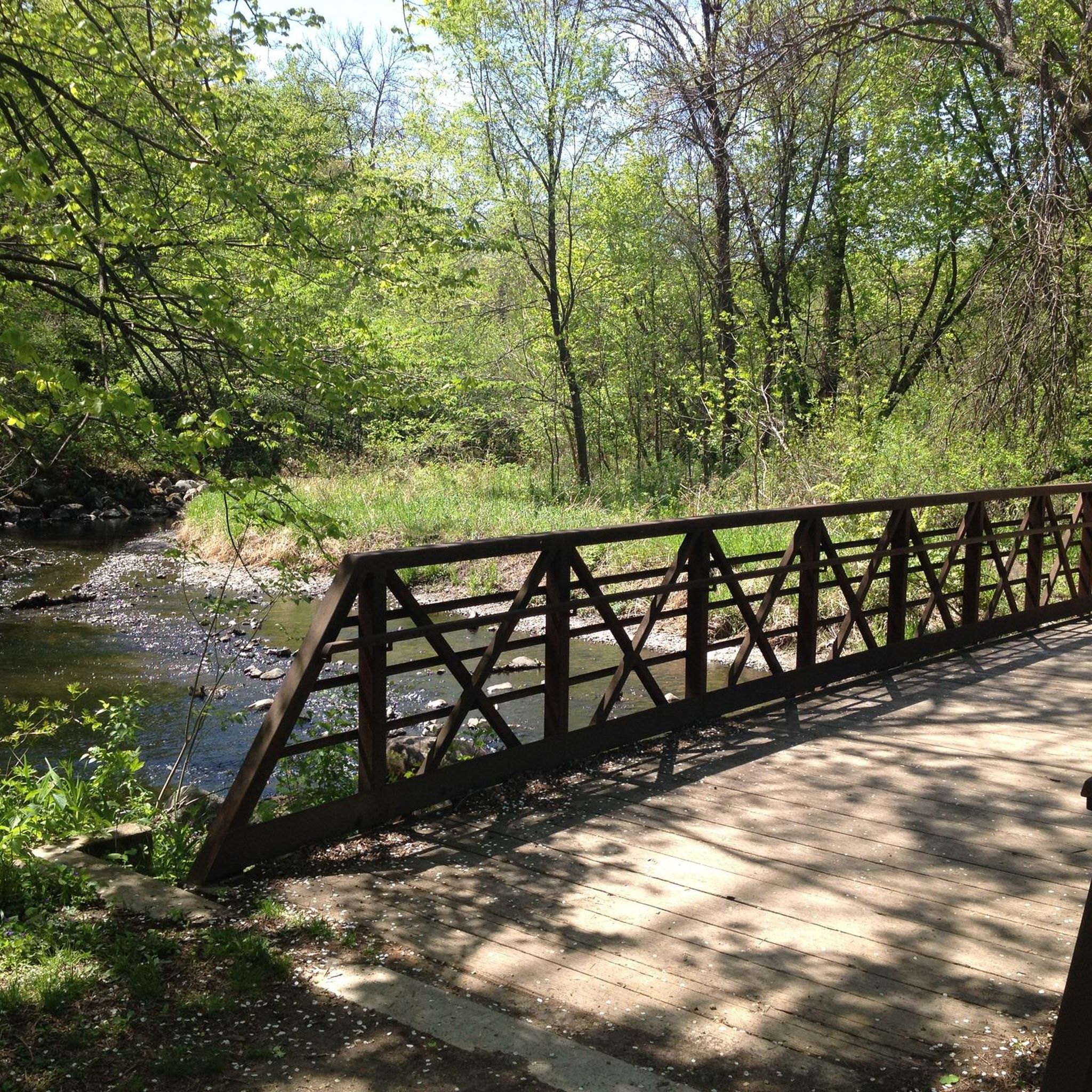
- The most popular natural monuments is Minnehaha Creek Flows into the Mississippi Rive, a river that marks the point where Minnehaha Creek meets the Mississippi River. A small wooden bridge offers a unique viewing opportunity of this confluence.
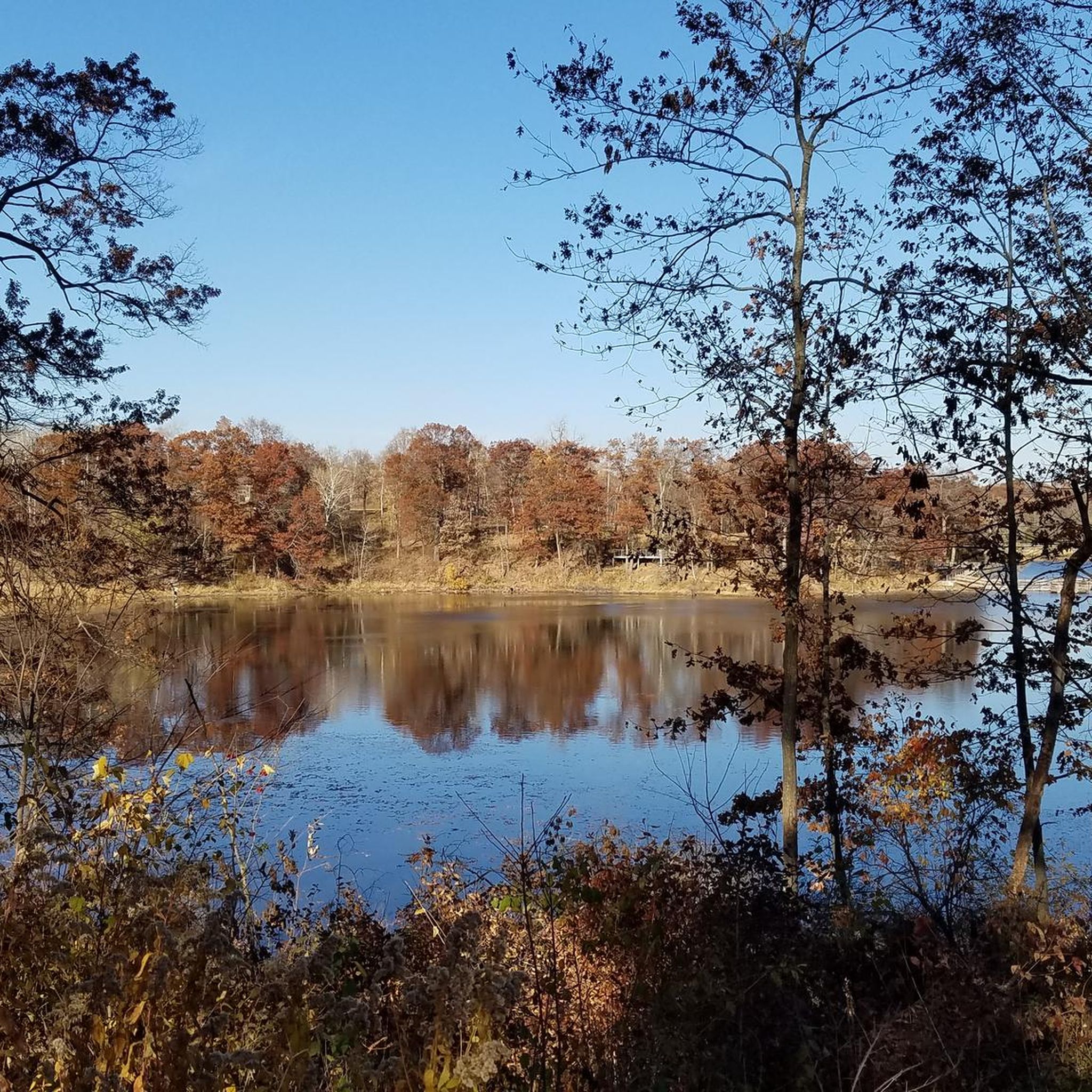
- Another must-see spot is River Valley Overlook, a viewpoint offering expansive views of the river, its islands, and the surrounding greenery. This overlook provides a suitable location to appreciate the natural landscape.
- Visitors also love Coldwater Spring, a natural monument and historical site. This spring provided water to Fort Snelling for many years and was the site of the first American settlement in Minnesota.
- Burnsville is known for its river confluences, historical springs, and geological formations. The area offers a variety of natural monuments to see and explore, including sandstone overhangs and artesian wells.
- The natural monuments around Burnsville are appreciated by the komoot community, with more than 10 upvotes and 5 photos shared across the highlights.
Last updated: July 23, 2026
Minnehaha Creek Flows into the Mississippi Rive
Highlight • River
Tip by

Sandstone Overhang
Highlight • Natural Monument
This rock formation is renowned for its "dazzling white" appearance—often likened to sugar because it is nearly 99% pure quartz—yet in the Mississippi River gorge, it often appears in vivid shades of yellow, orange, and rusty red.
The vivid coloration you observe is not the inherent color of the sand but rather the effect of iron oxide (limonite) staining, which occurs through two distinct steps: Leaching: Water filters down through the overlying Platteville Limestone and Glenwood Shale, both of which contain iron-rich minerals. Oxidation: This mineral-laden water permeates the porous St. Peter Sandstone. As the dissolved iron is exposed at the cliff face or ground surface, it oxidizes (effectively "rusts"), coating the originally white quartz grains and producing the yellow and orange hues.
Tip by
Sign up now to discover places like this
Get recommendations on the best single tracks, peaks, & plenty of other exciting outdoor places.
Sign up for free
Artesian Well
Highlight • Natural Monument
Tip by
Coldwater Spring
Highlight • Natural Monument
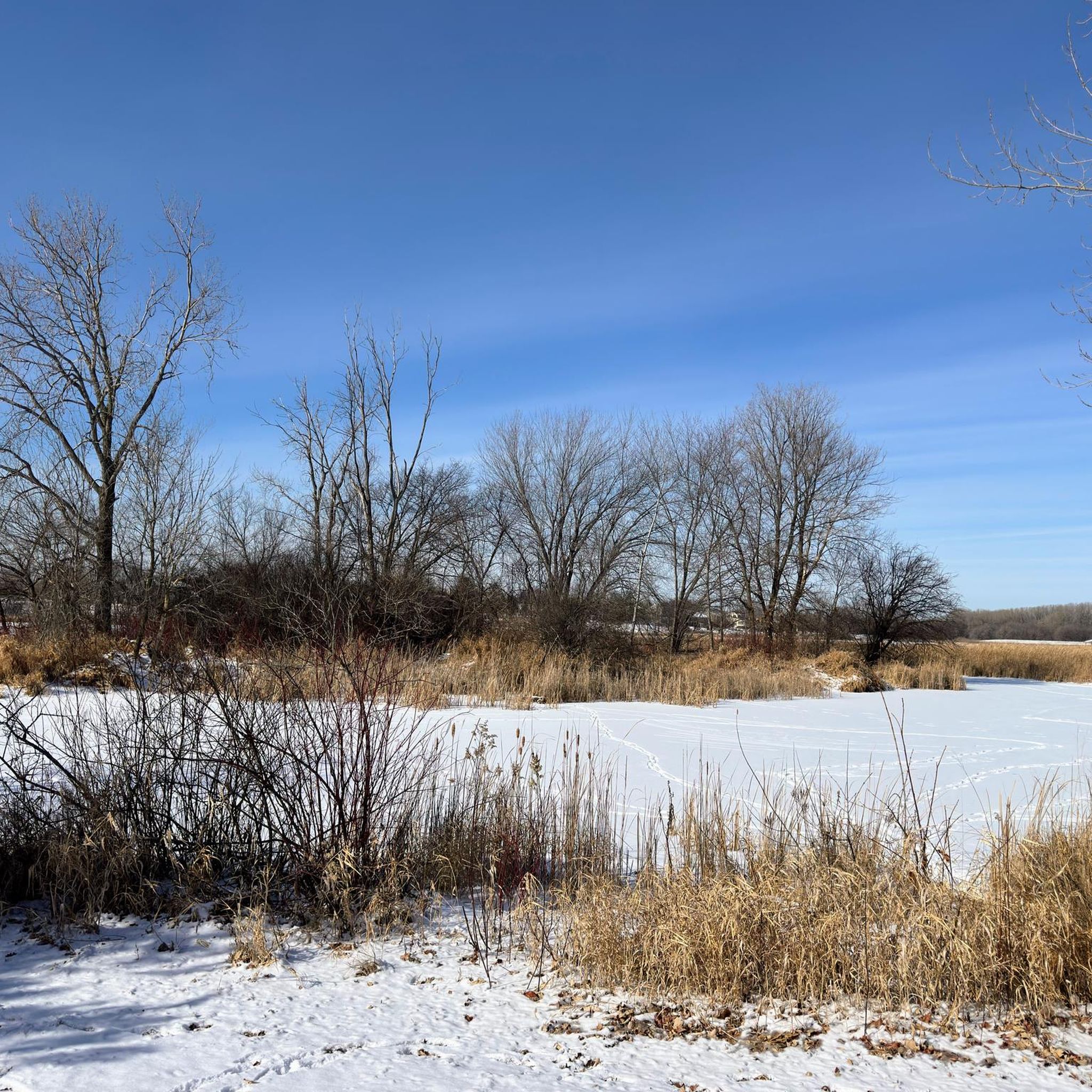
The property surrounding the spring was added to the Mississippi National River and Recreation Area in 2010 with the goal of restoring it to its original oak savanna habitat.
Tip by
River Valley Overlook
Highlight • Viewpoint
Tip by

Start today with a free account
Your next adventure awaits.
Login or Signup

Tips from the Community

At ground level where Minnehaha Creek meets the Mississippi River, the layer of rock you see is known as the St. Peter Sandstone. This rock formation is renowned for its "dazzling white" appearance—often likened to sugar because it is nearly 99% pure quartz—yet in the Mississippi River gorge, it often appears in vivid shades of yellow, orange, and rusty red. The vivid coloration you observe is not the inherent color of the sand but rather the effect of iron oxide (limonite) staining, which occurs through two distinct steps: Leaching: Water filters down through the overlying Platteville Limestone and Glenwood Shale, both of which contain iron-rich minerals. Oxidation: This mineral-laden water permeates the porous St. Peter Sandstone. As the dissolved iron is exposed at the cliff face or ground surface, it oxidizes (effectively "rusts"), coating the originally white quartz grains and producing the yellow and orange hues.
0
0

Overlook point that is worth a break to appreciate the river, its islands, and the greenery surrounding it.
1
0
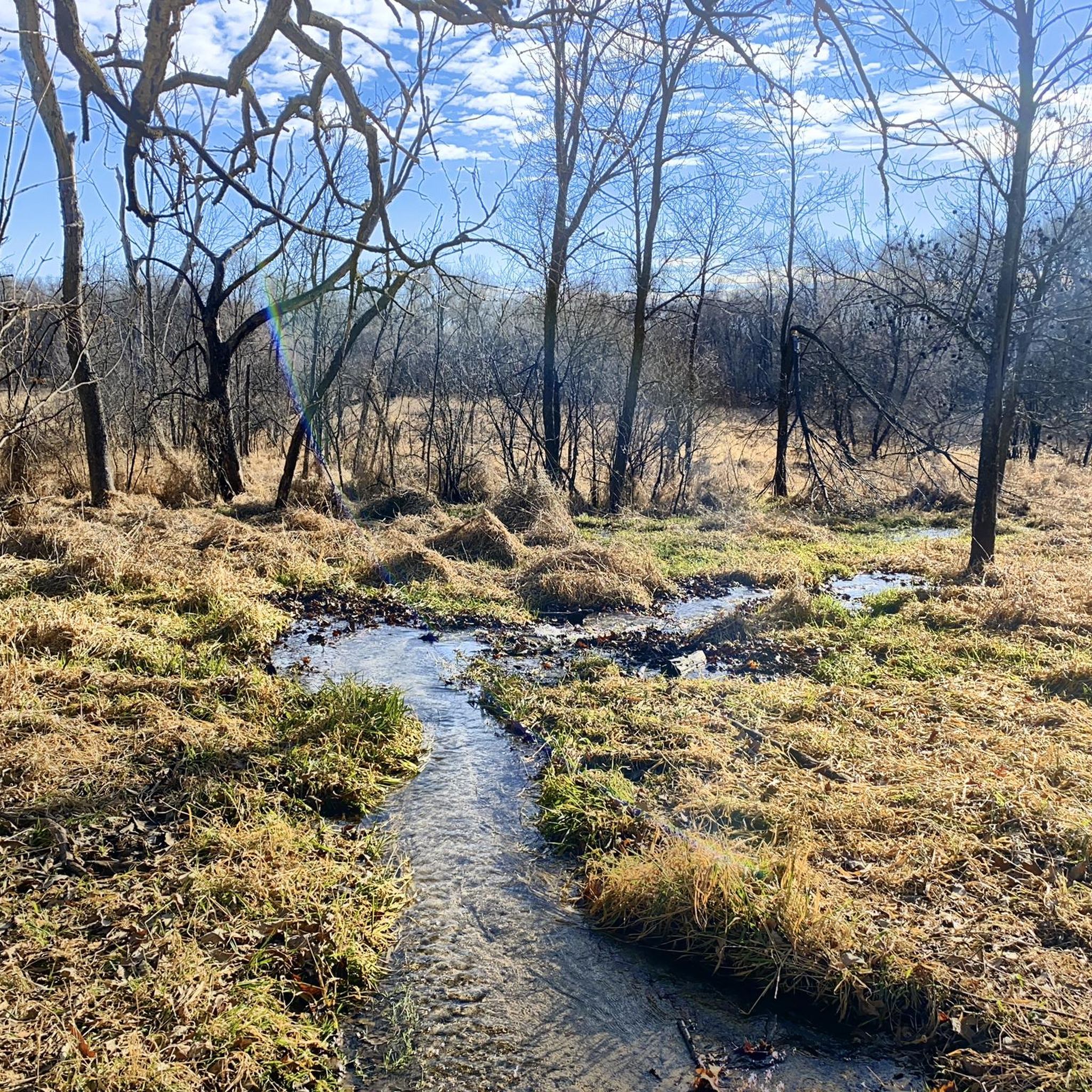
This artesian well is bubbling to the surface under the pressure of the underlying aquifer. This artesian well is listed in the 2006 Minnesota Valley State Recreation Area Management Plan as a cultural resource in and near the Minnesota River valley that needs protection.
0
0

This small wooden bridge crosses the Minnehaha Creek, offering a unique viewing opportunity as it marks the point where the Minnehaha Creek meets the Mississippi River.
0
0
During the construction of nearby Fort Snelling, soldiers camped at Coldwater Spring, making it the first American settlement in Minnesota. By 1825 the construction of the fort was completed and the soldiers moved into the fort. The spring continued to provide water to the fort for many years. The property surrounding the spring was added to the Mississippi National River and Recreation Area in 2010 with the goal of restoring it to its original oak savanna habitat.
3
0
This is the final resting place of Minnehaha Creek, where it enters the mighty Mississippi River.
2
0

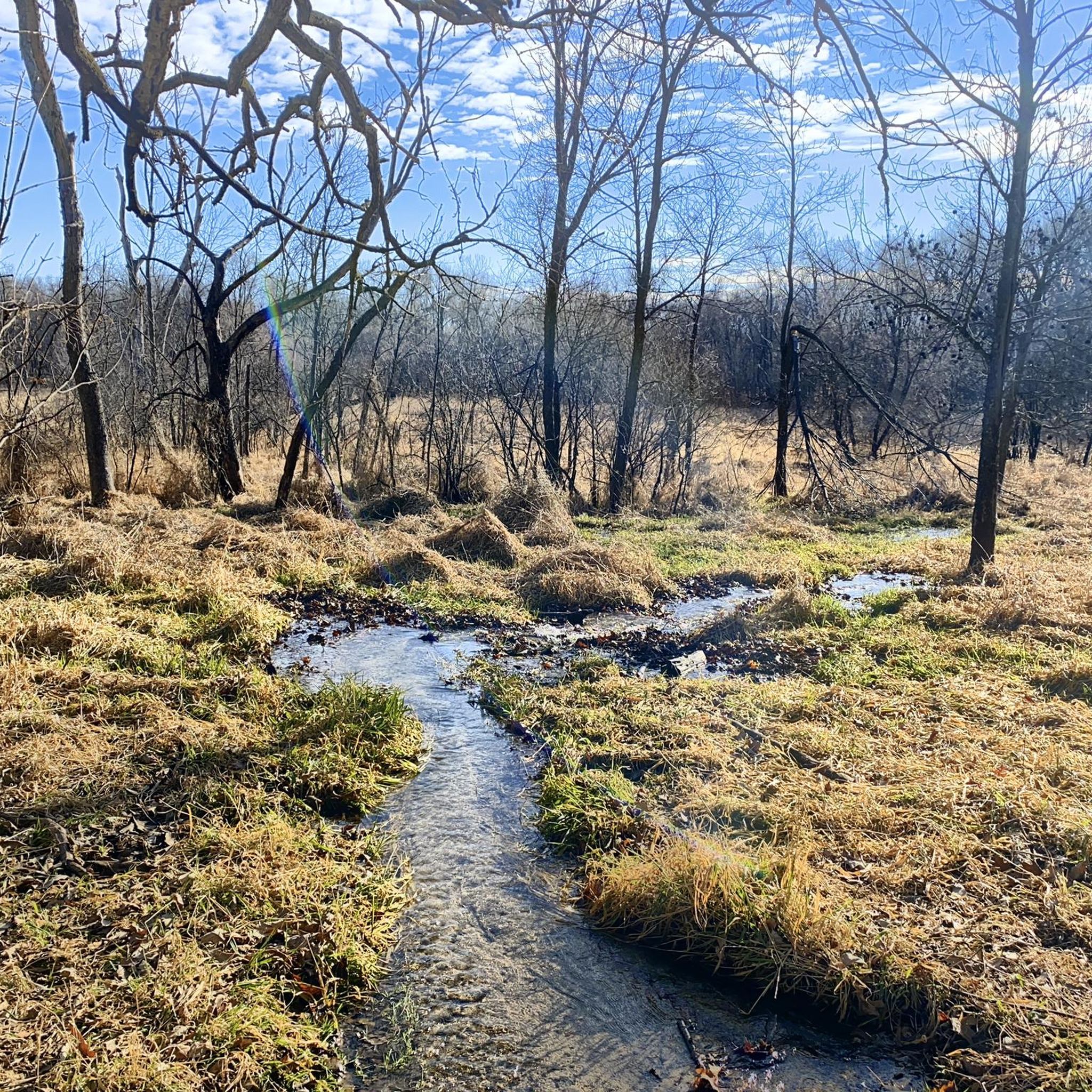
You have to watch carefully to spot this highlight. There is no signage. It is about 10 feet to the north of the trail. Once you see it, you will know you have found it. The water is bubbling out of a large bore pipe.
2
0
This artesian well is bubbling to the surface under the pressure of the underlying aquifer. This artesian well is listed in the 2006 Minnesota Valley State Recreation Area Management Plan as a cultural resource in and near the Minnesota River valley that needs protection.
3
0
Frequently Asked Questions
What unique natural features can I explore in Burnsville?
Burnsville offers a variety of unique natural features. You can witness the confluence of Minnehaha Creek as it flows into the mighty Mississippi River, a significant natural landmark. Another fascinating spot is the Sandstone Overhang, where you can observe the St. Peter Sandstone formation with its vivid yellow, orange, and rusty red hues caused by iron oxide staining.
Are there any historical natural monuments in Burnsville?
Yes, Coldwater Spring holds significant historical value. During the construction of nearby Fort Snelling, soldiers camped here, making it the first American settlement in Minnesota. The spring continued to supply water to the fort for many years and is now part of the Mississippi National River and Recreation Area, with ongoing restoration to its original oak savanna habitat.
What kind of wildlife can I expect to see near Burnsville's natural monuments?
Burnsville's natural areas, such as Sunset Pond and the Black Dog Unit of the Minnesota Valley National Wildlife Refuge, are rich in wildlife. You might spot swans, woodpeckers, rabbits, and turtles around Sunset Pond. The Minnesota River Greenway and the Minnesota Valley National Wildlife Refuge are excellent for birdwatching and observing various aquatic and terrestrial species.
Are Burnsville's natural monuments suitable for families with children?
Many natural monuments in Burnsville are family-friendly. For instance, the area where Minnehaha Creek flows into the Mississippi River is accessible and offers a unique viewing opportunity. Coldwater Spring is also noted as family-friendly, providing a chance to learn about local history and nature. Additionally, Terrace Oaks East Park features a nature play area for children to explore.
Can I bring my dog to the natural monuments in Burnsville?
Many parks and trails in Burnsville are dog-friendly, but it's always best to check specific regulations for each location. Generally, dogs are welcome on leashes in most public natural areas and trails, including those around Sunset Pond and the Minnesota River Greenway. Please ensure you clean up after your pet to help preserve the natural environment.
What are the best outdoor activities to do near Burnsville's natural monuments?
Burnsville offers a wide range of outdoor activities. You can enjoy road cycling on routes like the Minnesota River and Big Rivers Trail Loop, or explore paved trails for touring bicycles, such as the Minnesota River Greenway. Hiking is also popular, with trails like Sunset Pond and Terrace Oaks Main Loop offering easy to moderate options.
Are there hiking trails around Burnsville's natural monuments?
Yes, there are several hiking trails. The Sunset Pond trail offers an easy 2.8 km loop, perfect for a leisurely walk. Other options include the Terrace Oaks Main Loop and the Minnesota River Bottoms and Minnesota Valley State Trail, providing diverse natural landscapes for hikers to explore.
How accessible are Burnsville's natural monuments for visitors with mobility concerns?
While specific accessibility varies, many of Burnsville's natural areas feature paved trails. For example, Sunset Pond has 2.6 miles of hard trails suitable for walking and biking. The Minnesota River Greenway is also a paved bicycle and pedestrian trail. However, some natural monuments, like the Sandstone Overhang, might involve uneven terrain. It's advisable to check specific trail conditions if you have mobility concerns.
What is the best time of year to visit Burnsville's natural monuments?
The best time to visit Burnsville's natural monuments is generally from spring through fall. During these seasons, the weather is pleasant for outdoor activities, and the natural landscapes are vibrant. Fall offers beautiful foliage, especially along the Minnesota River. Winter can also be picturesque, with opportunities for cross-country skiing on trails like those in Terrace Oaks East, but some areas might be less accessible due to snow and ice.
Are there any natural monuments that offer unique geological insights?
Absolutely. The Sandstone Overhang provides a fascinating geological display. Here, you can observe the St. Peter Sandstone, known for its nearly 99% pure quartz composition. The vibrant yellow, orange, and rusty red colors are not inherent to the sand but result from iron oxide staining, a process involving leaching and oxidation of iron-rich minerals from overlying rock layers.
Where can I find parking when visiting Burnsville's natural monuments?
Parking is generally available at designated trailheads and park entrances for Burnsville's natural monuments and parks. For instance, areas like Sunset Pond, Terrace Oaks East, and access points to the Minnesota River Greenway typically have parking lots. It's always a good idea to check specific park websites or maps for detailed parking information before your visit.
How long does it typically take to explore these natural monuments?
The time required to explore Burnsville's natural monuments varies. A visit to a specific highlight like the Artesian Well or the River Valley Overlook might only take a short stop. However, exploring a larger area like Sunset Pond or the Minnesota River Greenway could take a few hours, especially if you plan to walk or cycle a significant portion of the trails. Plan according to your desired activity level and the specific monument you wish to visit.
Most popular routes around Burnsville
Most popular attractions around Burnsville

Get inspired with the komoot mobile app


Explore more
Extend your search for the best caves by checking out these guides of the top ones around Burnsville:
