Top 4 Caves around Dover
Best caves around Dover include a mix of natural formations and significant man-made underground structures. The region is known for its dramatic chalk cliffs, including the White Cliffs of Dover, and its strategic historical importance. This area features extensive networks of tunnels and shelters carved into the landscape. These subterranean sites offer insights into both natural geology and centuries of human history.
Best caves around Dover
- The most popular cave is Fan Bay Deep Shelter, an other man-made structure…
Last updated: August 12, 2026
Fan Bay Deep Shelter
Highlight • Structure
Translated by Google •
Tip by

Langdon Beach and Tunnels
Highlight • Historical Site
Translated by Google •
Tip by
Sign up now to discover places like this
Get recommendations on the best single tracks, peaks, & plenty of other exciting outdoor places.
Sign up for free
Dover Tunnels – Operation Dynamo Command Centre
Highlight • Historical Site
Translated by Google •
Tip by
Avenue Lewis: The Underground Hospital
Highlight • Monument
Translated by Google •
Tip by

Start today with a free account
Your next adventure awaits.
Login or Signup
Popular around Dover
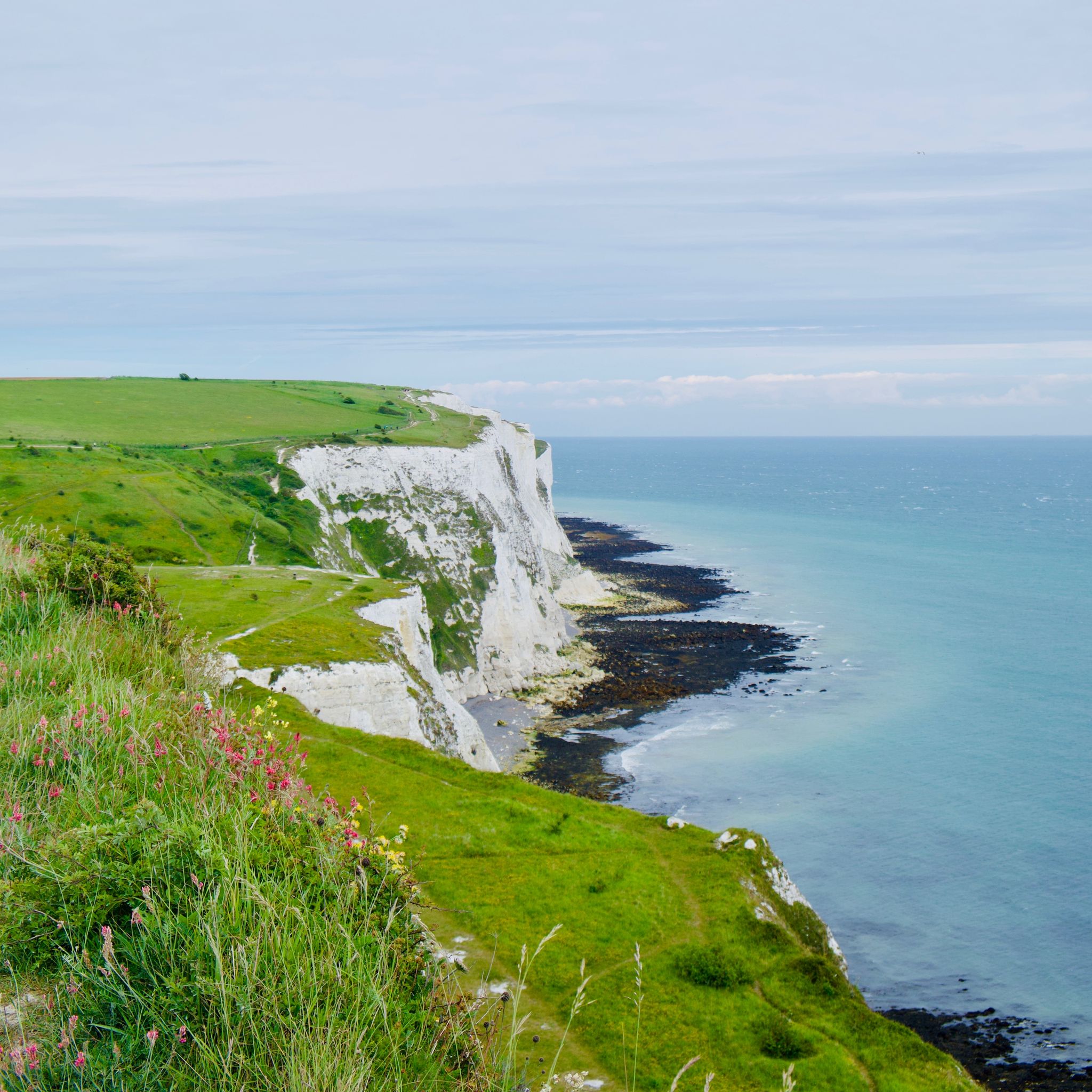
From Amsterdam to London - along the North Sea and across the water
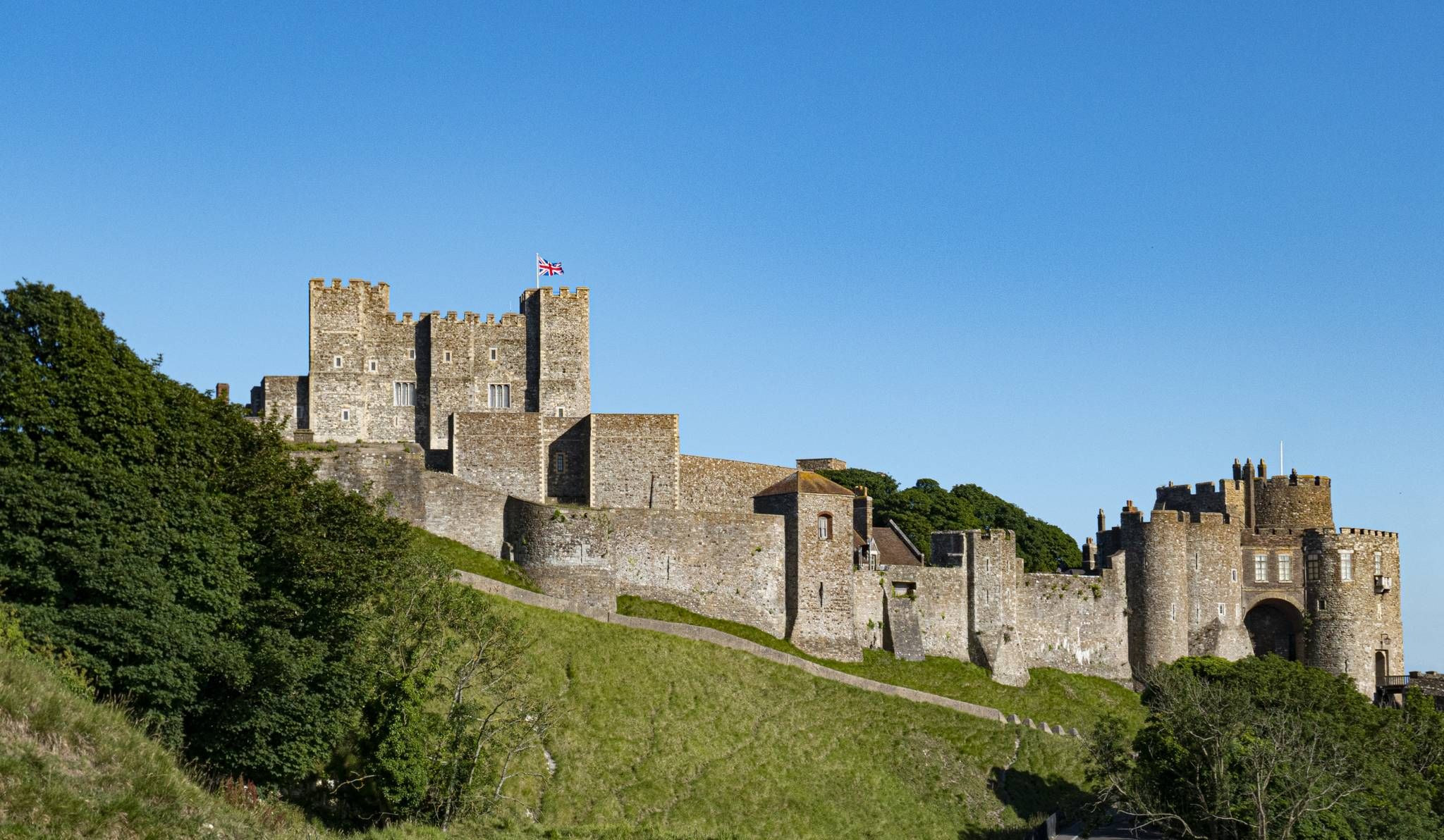
Cycling the Garden of England – orchards, cliffs and maritime history
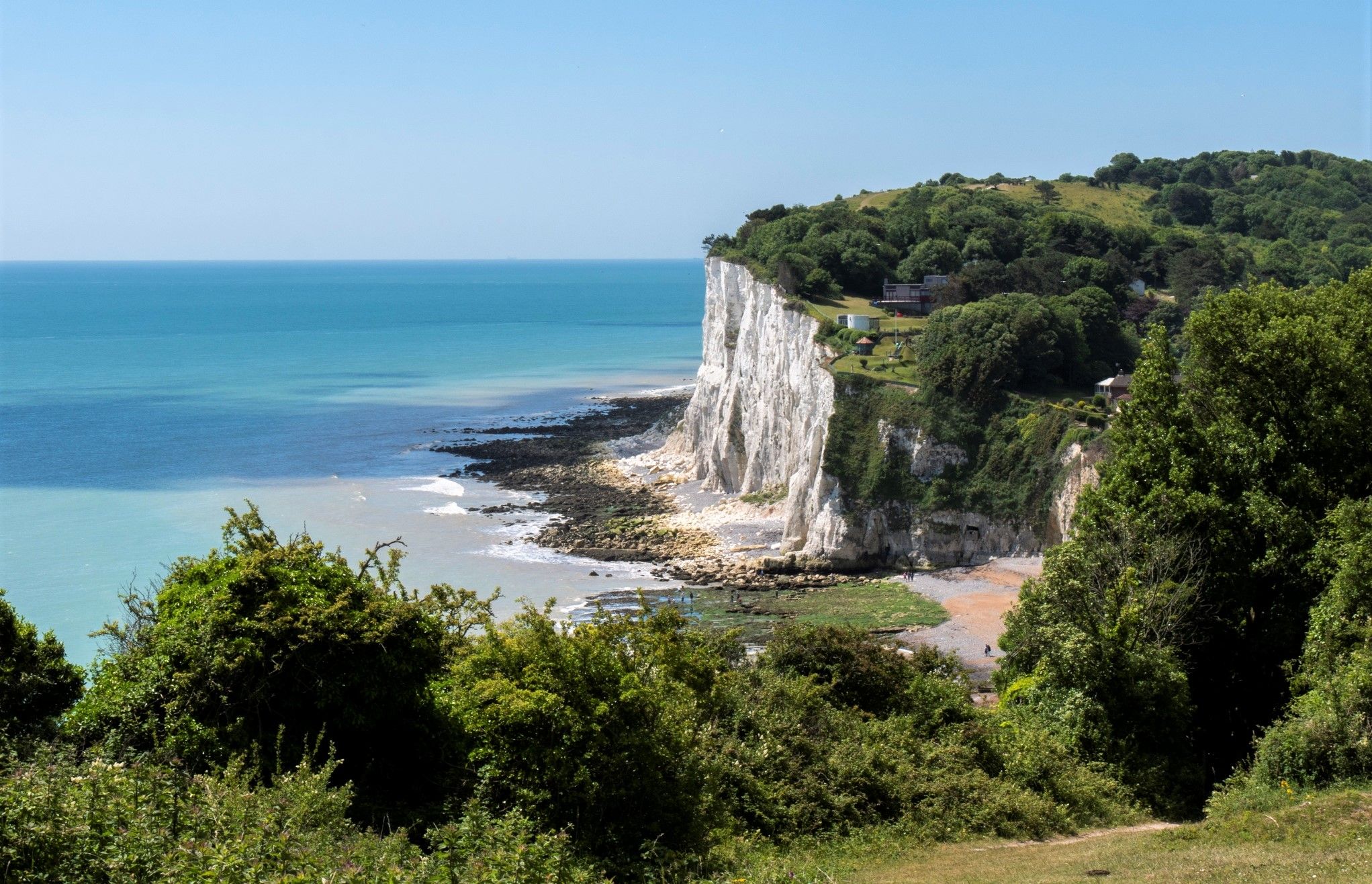
Saxon Shore Way — A historic hike along breathaking coastline

North Downs Way — Hike through 3,000 years of heavenly history

A fantastic journey along Britain’s entire East Coast – NCN 1

Belgian beaches and canals – London to Bruges

London to Brussels – through Flanders Fields

Dover to St Austell — National Cycle Network Route 2

Around the edge in 80 days — cycling the coastline of Britain
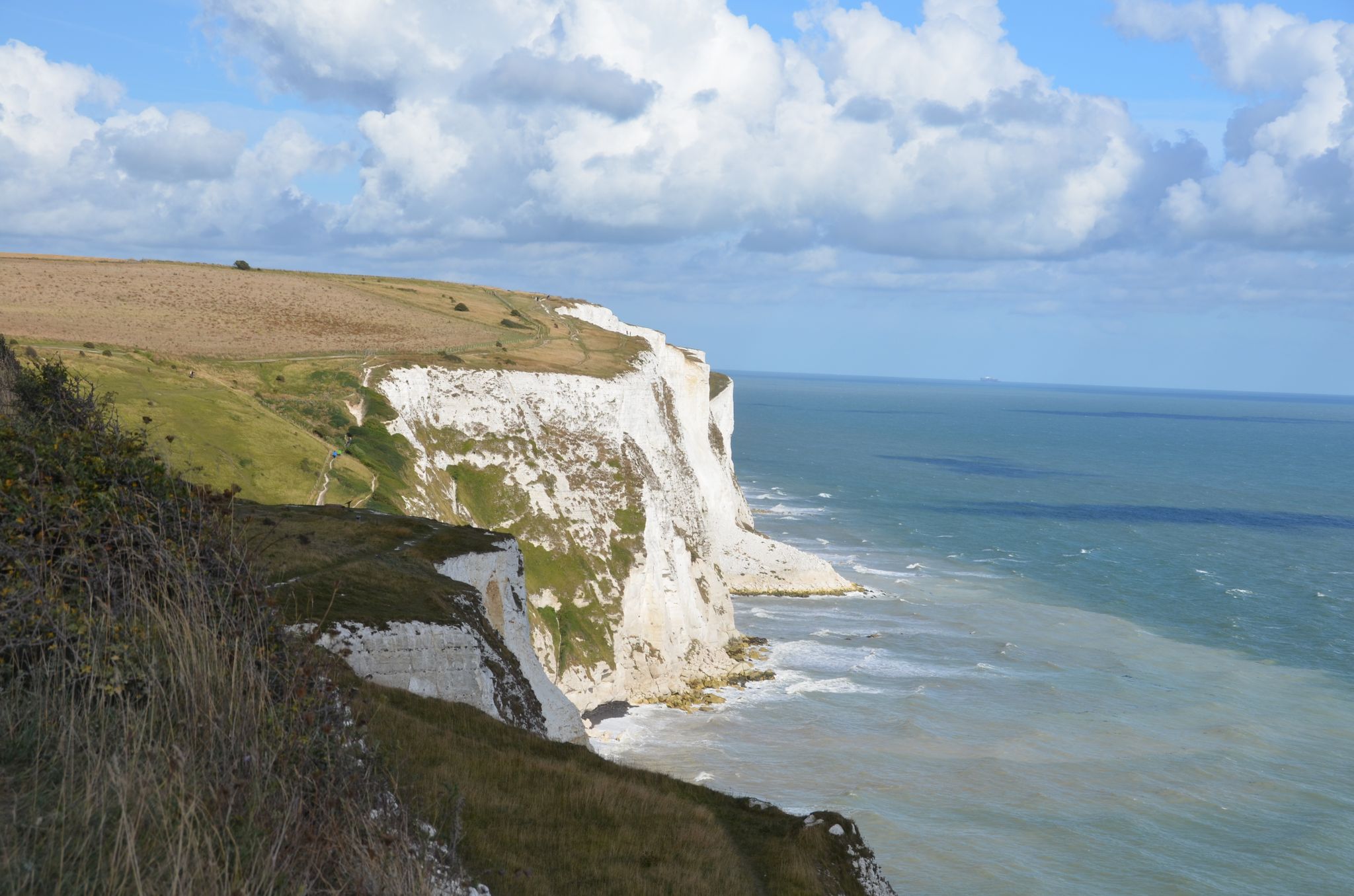
Beautiful walks in Kent - the garden of England
Other adventures around Dover


Tips from the Community

Photography was prohibited at the beginning of the tour, but allowed at the end.
2
0
Unfortunately, photography is not allowed. The tour is interesting and definitely worth taking 😉
2
0

Guided tours by volunteers at the National Trust through these WWII tunnels/bunker. 125 steps down, approx 90 minute tour, only £6. Very factual, learn about the troops who used it, the reason it’s there, and how it was built.
0
0
£6 for an hour’s tour by the National Trust. Well worth it! Go 125 steps underground and tour the tunnels from WWII
0
0


impressive descent to the Longdon Bay Tunnel with access to the pebble beach. Great little picnic area (unfortunately a bit littered) with a long ladder down steeply to a pebble beach. Please pay attention to the tides, as the beach may not be accessible at high tide as the ladder is in the water. Furthermore, swimming shoes are recommended because of the pebbles. A wonderful place
0
0

Impressive contemporary witnesses of past war history
0
0

The complex belongs to the National Trust and with a membership card you get free entry into the World War II tunnels that were driven into the cliffs.
1
0
Frequently Asked Questions
What types of underground sites can I explore in Dover?
Dover offers a unique mix of natural cave formations and significant man-made underground structures. While some natural 'pirate caves' can be found along the coast, the region is primarily known for its extensive networks of historical tunnels and shelters carved into the chalk cliffs, reflecting centuries of military and industrial history.
Are there any natural cave formations to visit near Dover?
Yes, you can find natural cave formations, often referred to as 'pirate caves,' at locations like St Margaret's Bay Beach. This spot offers a beautiful beach section below the iconic White Cliffs and provides spectacular views.
What historical underground sites are a must-see in Dover?
Dover is rich in historical underground sites. A prominent example is the Fan Bay Deep Shelter, a series of linked tunnels carved into the White Cliffs during WWII. Another significant site is the Dover Tunnels – Operation Dynamo Command Centre, an underground command post and hospital from where Vice Admiral Ramsay managed "Operation Dynamo" in 1940.
Are the underground tunnels in Dover suitable for families?
Many of Dover's historical underground sites, such as the Dover Tunnels – Operation Dynamo Command Centre, are considered family-friendly and offer engaging guided tours that bring history to life for all ages.
How long does it typically take to explore the main underground attractions?
The duration varies by site. For instance, a guided tour of the Fan Bay Deep Shelter typically lasts about an hour. Other sites like the Avenue Lewis: The Underground Hospital also offer interesting tours that can take a similar amount of time.
What are the best ways to get to Dover's cave and tunnel sites?
Most major sites in Dover, including the historical tunnels, are accessible by car with parking available nearby. Public transport options, such as local buses, also serve the area, connecting key attractions to the town center and train station. It's advisable to check specific site websites for detailed directions and parking information.
Can I bring my dog to any of the cave or tunnel sites in Dover?
While dogs are generally not permitted inside the historical underground tunnels and shelters for safety and preservation reasons, many of the surrounding outdoor areas and walking routes, such as those along the White Cliffs, are dog-friendly. Always check the specific site's policy before visiting.
What outdoor activities can I combine with a visit to Dover's underground sites?
Dover offers excellent opportunities for outdoor activities. You can explore various hiking trails around Dover, including routes along the iconic White Cliffs. There are also numerous running trails and cycling routes that allow you to experience the region's stunning coastal scenery and historical landmarks.
Are there any walking routes that include these underground sites?
Yes, several walking routes in the Dover area can be combined with visits to underground sites. For example, trails along the White Cliffs of Dover often pass near locations like the Fan Bay Deep Shelter, allowing you to integrate historical exploration with scenic coastal walks. You can find detailed routes in the hiking guide for Dover.
What do visitors enjoy most about Dover's underground attractions?
Visitors frequently praise the immersive historical experience offered by Dover's underground sites. The guided tours, particularly at places like the Dover Tunnels – Operation Dynamo Command Centre and Fan Bay Deep Shelter, are highly rated for bringing the critical wartime history to life. The unique geological setting of the White Cliffs also adds to the appeal.
What is the best time of year to visit the caves and tunnels in Dover?
The historical underground sites in Dover, being largely indoors, can be visited comfortably year-round. However, if you plan to combine your visit with outdoor activities like hiking along the White Cliffs, spring and autumn offer pleasant weather conditions. Summer can be busy, while winter might be cooler but often less crowded.
Are there any hidden gem underground locations in Dover?
Beyond the well-known sites, Dover has a rich history of lesser-known underground structures. The 'Champagne Caves' (also known as Oil Mills West and Finnis Hill Caves) are an example, believed to have been built by Napoleonic prisoners of war and used for various purposes over centuries. While not always publicly accessible for tours, they represent the depth of Dover's subterranean history.
Most popular routes around Dover
Most popular attractions around Dover

Get inspired with the komoot mobile app


Didn’t find what you were looking for?
Discover more caves around Dover region by region:
Explore more
Extend your search for the best caves by checking out these guides of the top ones around Dover:
