Top 19 Natural Monuments around Köthen (Anhalt)
Natural monuments around Köthen (Anhalt) are situated within the Köthener Ebene, an intensively agricultural region. Despite this, the area features significant natural spaces like the Fasanerie Köthen, a protected floodplain forest within the city, and the Heideseen bei Köthen, a diverse nature reserve southwest of the city. These areas offer varied landscapes, including forests, lakes, and unique ecosystems, providing opportunities for nature observation and outdoor activities.
Best natural monuments around Köthen (Anhalt)
- The most popular natural monuments is Cösitz Castle…
Last updated: September 28, 2026
Cösitz Castle
Highlight • Castle
Translated by Google •
Tip by

Latdorf Menhir on the Pfingstberg
Highlight • Monument
Translated by Google •
Tip by

Sign up now to discover places like this
Get recommendations on the best single tracks, peaks, & plenty of other exciting outdoor places.
Seven Stones of Preußlitz
Highlight • Monument

Völkerschlachtdenkmal Pißdorf
Highlight • Monument
Translated by Google •
Tip by

Cösitzer Teich
Highlight • Lake
Strong nutrient inputs led to severe …
Translated by Google •
Tip by
Sign up for free to discover even more natural monuments around Köthen (Anhalt).
Already have an account?
Start today with a free account
Your next adventure awaits.
Popular around Köthen (Anhalt)
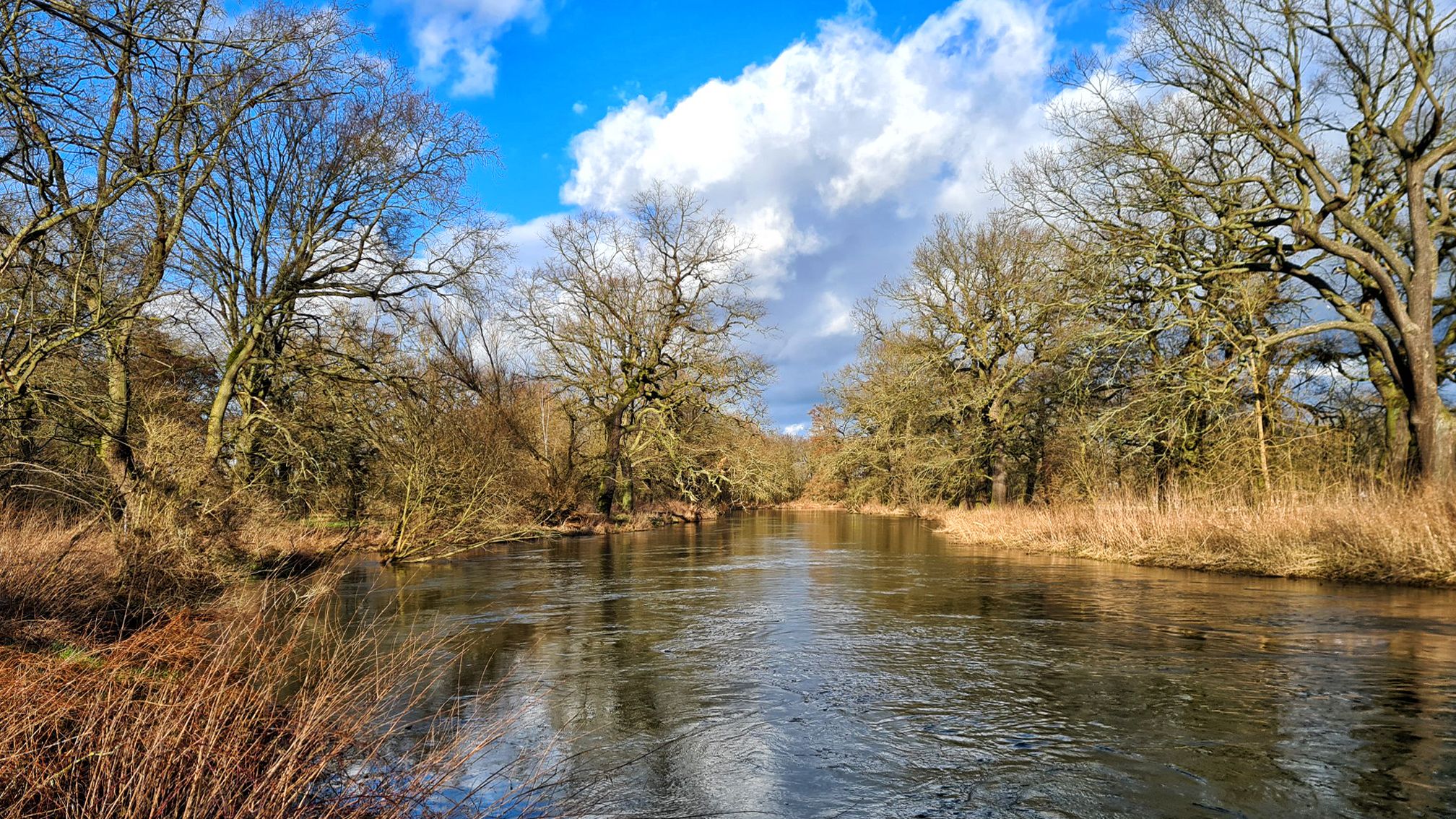
Stage hike 'From the Oder to the Elbe and on to the Saale'
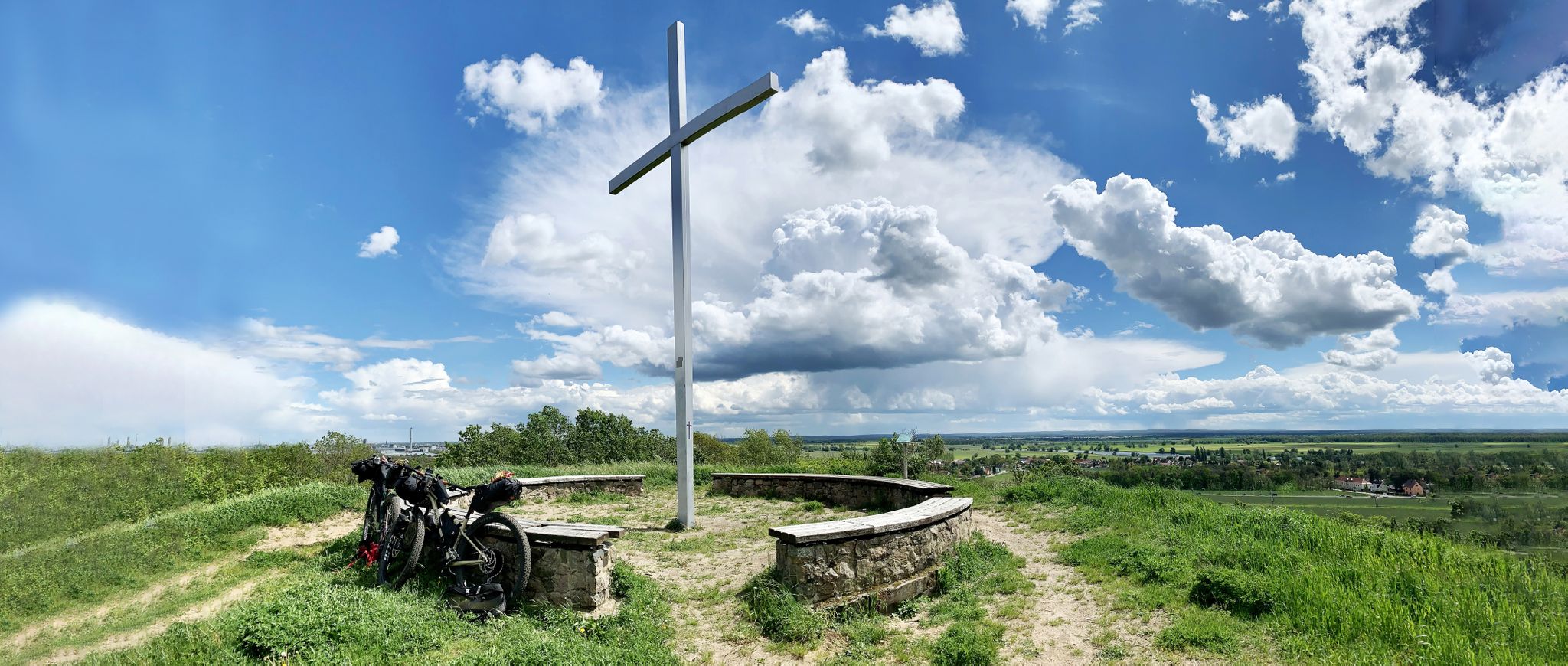
Romanticism on the Elbe River — cycling around the MDV north network
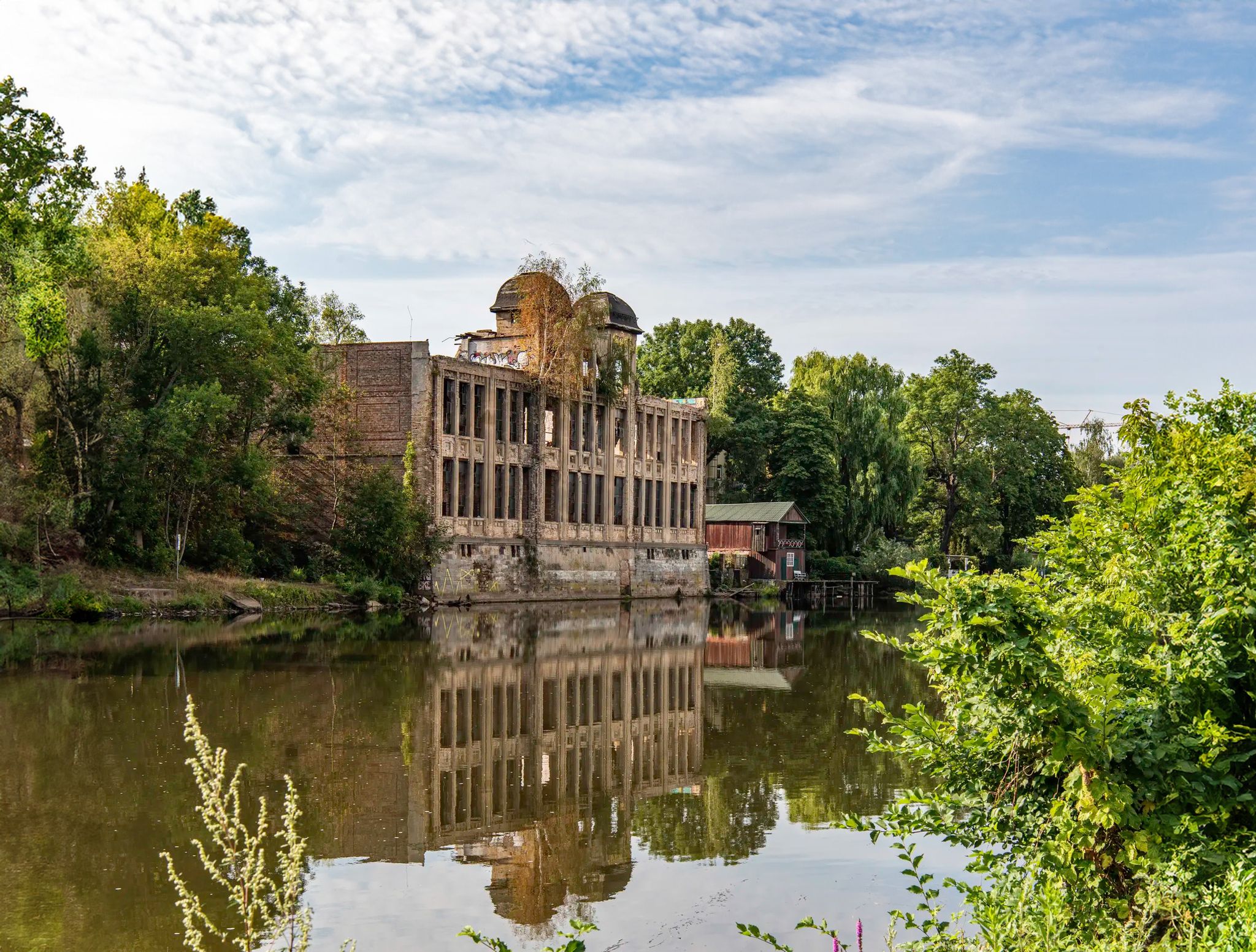
Abandoned and forgotten — mysterious lost places around Leipzig
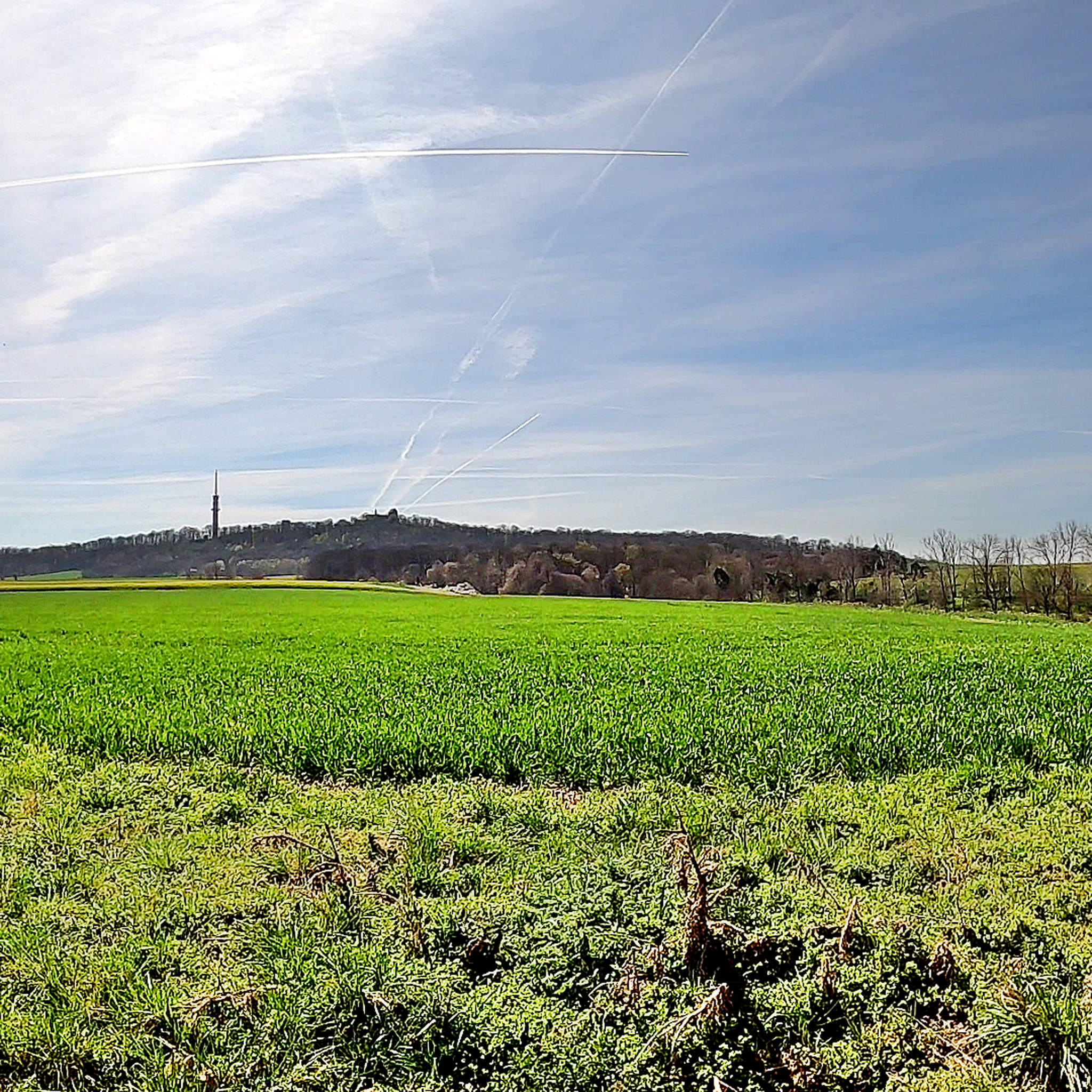
Cycling around Köthen (Anhalt)
Road Cycling Routes around Köthen (Anhalt)
Hiking around Köthen (Anhalt)
Running Trails around Köthen (Anhalt)
MTB Trails around Köthen (Anhalt)

Gravel biking around Köthen (Anhalt)
Other adventures around Köthen (Anhalt)


Tips from the Community

The Cösitz Pond is a nature reserve and is inhabited by many water birds. Most are migratory birds. The surrounding area is untouched, meaning it is very neglected.
0
0

The Seven Stones, also known as Rügesteine (Reprimand Stones), are a striking group of stones opposite the Preußlitz cemetery. (Dedicated on October 20, 2018) These standing stones were collected long before 1800 from the leveled hills and burial mounds of the Preußlitz countryside. A legend 🤩👌🏼 surrounds the stones, according to which an old renegade monk and his wife, Friedel, once entice three men and three women to dance, thus preventing them from attending church. As punishment, the monk and dancers were turned to stone...
0
0
Buried war dead: 3 In the Preußlitz cemetery, three German war dead known by name, with unknown dates of death, are buried to the right of the entrance. The white plaque in front of the graves reads: "3 Birch Crosses In good faith they set out for a bad cause the last to fall and challenge us: May this place be a reminder that we should give our lives contrary to these three for a good cause."
0
0


The Cösitz manor (also Cösitz Castle or Cösitz Manor) In the year 750, there was already a Sorbian rampart on the site of today's manor, which was mentioned in documents in 839 when it was conquered by the Saxons. From 1370 to the middle of the 16th century, the complex was the ancestral seat of the Kositz family. After the plague of 1636 and pillage by Swedish troops in the Thirty Years' War, the village and the manor were desolate. In 1877, the rampart of the castle was demolished, which later enabled the construction of the east wing of the building. The building known today as the castle was built on behalf of Hubert Freiherr von dem Bussche-Lohe and his wife Jeannette von Wuthenau in 1891. The west wing was built in 1937, as was the English landscape park. The design for the new wing was drawn up by the retired senior building inspector and architect Hans Volkmann. The Baron had already had a small living space extension to the building planned by the man from Halle in 1933/34. It remained in the von dem Bussche family until it was put up for auction in 1945. In recent years, the manor has been renovated and apartments have been built. In the landscape park there is still a beech tree with a trunk diameter of six meters and a crown of 38 meters, making it one of the thickest beech trees in Germany. Remnants of the ramparts up to five meters high have been preserved. Source: Wikipedia
0
0


Great park with castle, grotto & copper beech.
1
0
Castle in Cösitzer Park. Great grounds with pond, grotto and copper beech.
1
0
Frequently Asked Questions
What types of natural features can I expect to see around Köthen (Anhalt)?
The region offers a variety of natural features. Within the city, the Fasanerie Köthen is a protected floodplain forest with old trees. Just southwest, the Heideseen bei Köthen nature reserve features five small lakes, diverse forest types, and sand dry grasslands. You can also find specific natural monuments like Cösitzer Lake, which was formed from a former mine area.
Are there historical sites integrated with the natural monuments?
Yes, several natural monuments also have historical significance. Cösitz Castle includes a park with old trees, a grotto, and a pond, with the castle itself dating back to 1891. The Latdorf Menhir on the Pfingstberg is considered a historical site, possibly a Neolithic burial mound. Additionally, the Seven Stones of Preußlitz are ancient glacial erratics with local legends, and the Völkerschlachtdenkmal Pißdorf is a memorial stone commemorating the Battle of the Nations.
What outdoor activities can I do near these natural monuments?
The area around Köthen (Anhalt) is suitable for various outdoor activities. You can explore the diverse landscapes of the Heideseen bei Köthen via hiking trails or cycle along the Gurkenradweg. For more specific routes, you can find numerous options for road cycling, general cycling, and easy hikes, including routes that pass by natural attractions like the Fasanerie or the Heideseen.
Are there any family-friendly natural monuments or activities?
Yes, the region offers options for families. The Fasanerie Köthen, a protected floodplain forest, is home to the Tierpark Köthen (Köthen Zoo), making it a great destination for families. The Seven Stones of Preußlitz are also considered family-friendly. The Heideseen bei Köthen offer bathing spots and easy trails suitable for walks with children.
Are there any viewpoints to enjoy the landscape?
Yes, the Heideseen bei Köthen features a 28-meter-high observation tower on the Wehlaberg, offering expansive views of the surrounding landscape. The Latdorf Menhir on the Pfingstberg also provides views of the area from its elevated position.
What is the best time to visit the natural monuments around Köthen (Anhalt)?
The natural monuments can be enjoyed throughout the year, depending on your interests. Spring and autumn offer pleasant temperatures for hiking and cycling, with vibrant foliage in autumn. Summer is ideal for visiting the bathing spots at the Heideseen. The diverse forest types and lakes provide different scenic beauty in each season.
Are there specific hiking trails near the natural monuments?
Yes, the Heideseen bei Köthen has a network of hiking trails that allow you to explore its varied landscape of lakes, forests, and hills. Additionally, a single trail runs along the shore of Cösitzer Lake. For more hiking options, you can explore easy hikes around Köthen (Anhalt), many of which pass through or near these natural areas.
Can I bring my dog to the natural monuments?
While specific regulations for each natural monument vary, generally, dogs are welcome on trails and in natural areas as long as they are kept on a leash and owners clean up after them. It's always advisable to check local signage at specific locations like the Fasanerie or Heideseen for any particular restrictions.
Are there any unique natural ecosystems or protected species in the area?
Yes, the Fasanerie Köthen is a protected landscape component focused on preserving a near-natural pedunculate oak-ash-elm floodplain forest. The Heideseen bei Köthen is an FFH (Habitats Directive) area and nature reserve, known for its complete series of ecological succession from open water to reed beds and nettle-alder forests. It is also home to European protected snail species like the slender and inflated whorl snails.
What are the terrain and difficulty levels of trails near the natural monuments?
The terrain varies. The Fasanerie Köthen offers relatively flat paths through a floodplain forest. The Heideseen bei Köthen features a more varied landscape with elevation differences of nearly 100 meters, including hills and steep slopes, offering a mix of easy to intermediate trails. Many of the hiking routes around Köthen (Anhalt) are classified as easy, making them accessible for most visitors.
Is there public transport access to the natural monuments?
While Köthen (Anhalt) has public transport, direct access to all natural monuments might require some walking or cycling from the nearest bus or train stops. The Fasanerie is within the city limits and more accessible. For the Heideseen, it's advisable to check local bus routes or consider cycling from Köthen. Parking is generally available near the main access points for these areas.
What do visitors enjoy most about the natural monuments around Köthen (Anhalt)?
Visitors appreciate the diverse natural settings, from ancient trees in castle parks like Cösitz Castle to the varied landscapes of the Heideseen. The historical significance of sites like the Latdorf Menhir and the opportunity for nature observation and outdoor activities are also highly valued.
Most popular routes around Köthen (Anhalt)
Most popular attractions around Köthen (Anhalt)

Get inspired with the komoot mobile app


Explore more
Extend your search for the best caves by checking out these guides of the top ones around Köthen (Anhalt):
