Top 20 Natural Monuments around Laatzen
Best natural monuments around Laatzen, a town in the Hanover Region of Germany, offer diverse natural and historical sites. The area features significant trees, ancient forests, and designed green spaces. Laatzen's landscape includes remnants of primeval forests and unique parks, providing ecological and recreational value. These sites collectively showcase the region's natural heritage and opportunities for outdoor exploration.
Best natural monuments around Laatzen
- The most popular natural monuments is Kronsberg Viewpoint, a viewpoint that offers wide views reaching into…
Last updated: September 28, 2026
Leine Weir Döhren
Highlight • Monument
Translated by Google •
Tip by

Observation Tower Alte Leine Nature Reserve
Highlight • Viewpoint
Translated by Google •
Tip by

Sign up now to discover places like this
Get recommendations on the best single tracks, peaks, & plenty of other exciting outdoor places.
Koldinger Lakes
Highlight • Lake
Showing Translation
Tip by

Kronsberg Viewpoint
Highlight • Viewpoint
Just make sure the weather is good and then …
Translated by Google •
Tip by

Alte Leine Nature Reserve
Highlight • Natural
Translated by Google •
Tip by

Sign up for free to discover even more natural monuments around Laatzen.
Already have an account?
Start today with a free account
Your next adventure awaits.

Other adventures around Laatzen

Tips from the Community

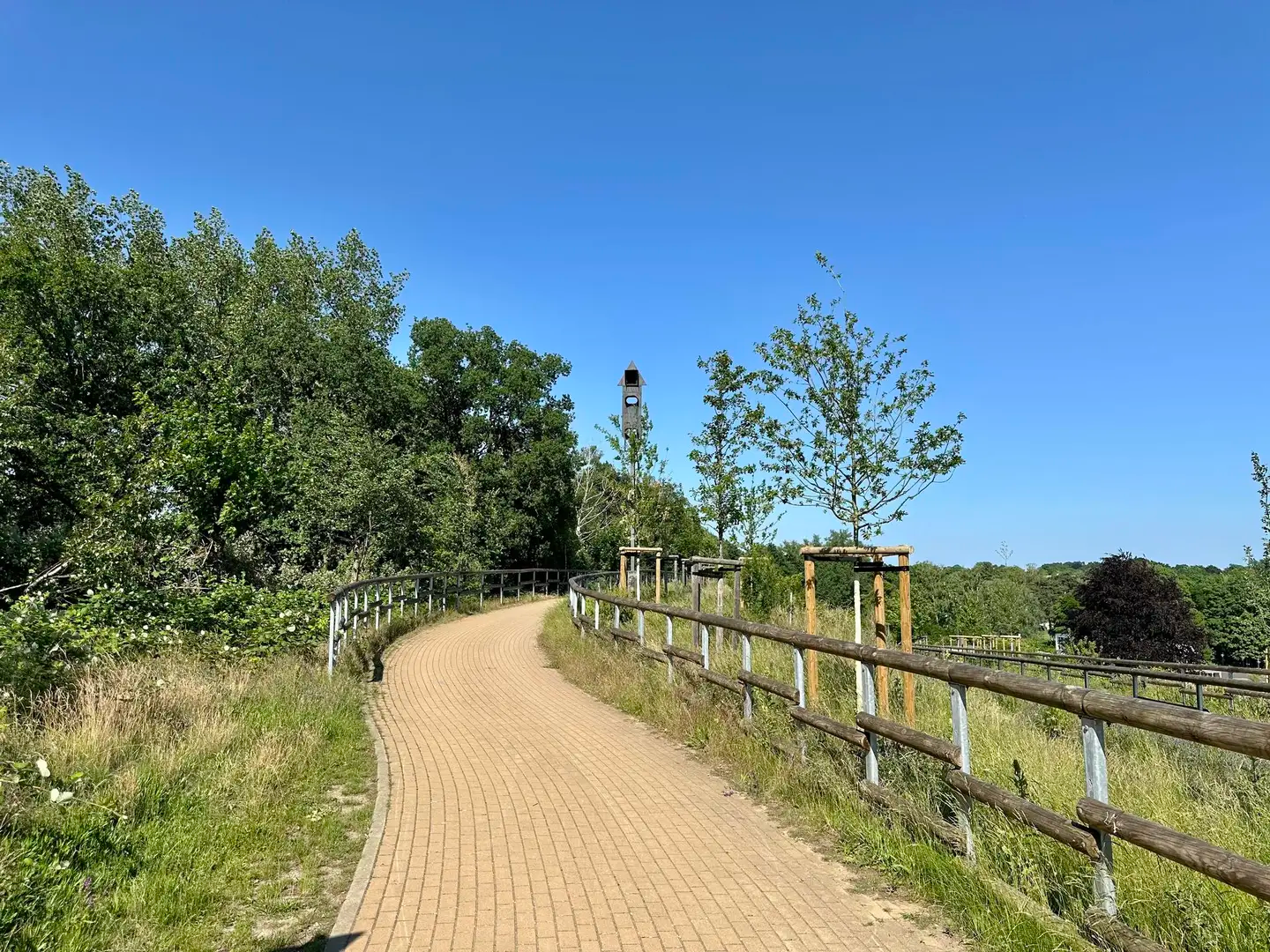
The summit cross on the Kronsberg marks Hanover's highest point – 118 meters above sea level. It stands on an artificially raised observation hill on the southeastern outskirts of the city, near the Expo site. From here, you can enjoy a sweeping view of the city, the Deister Mountains, and the surrounding countryside.
9
0
The weir was used for energy generation and has been rebuilt several times. The associated turbine system generated electricity for the factory and is now part of a former power plant that is used as a bridge.
12
0

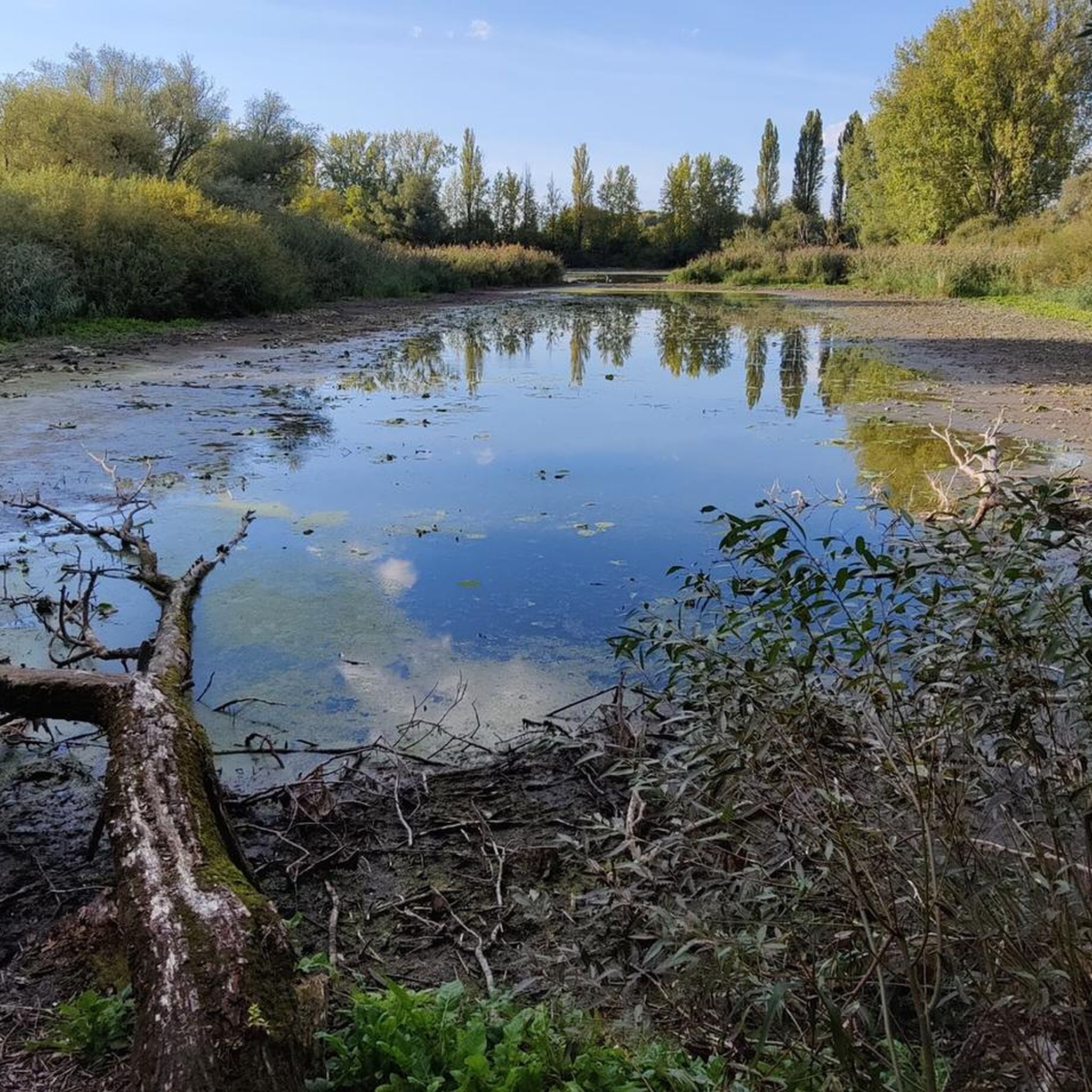
Perhaps the most beautiful part of the floodplain landscape between Hanover and Sarstedt
0
0

Here, in the Grasdorfer Masch, there is an observation tower. It is also station 5 of 15 on the 4 km drinking water experience trail.
4
0

From here you can observe everything very closely .🧐
4
1

A very beautiful route along the Alte Leine near Alt-Laatzen.
1
0
The Koldinger Seen in the southern Leineaue is a very beautiful hiking and cycling paradise.
1
0

Frequently Asked Questions
What types of natural monuments can I expect to see in Laatzen?
Laatzen's natural monuments primarily feature significant trees, such as the impressive Individual Oak Tree at Hermann-Löns-Straße and the ancient Oak Group in Mastbruchholz. You can also find unique natural areas like the Park der Sinne, designed for sensory experiences, and the near-natural forest of Mastbruchholz, a remnant of a primeval forest. Additionally, there are natural reserves like Giesener Teiche Nature Reserve with lakes and forests.
Are there any ancient trees or historical natural sites in Laatzen?
Yes, Laatzen is home to several ancient trees. The Oak Group in Mastbruchholz consists of seven Pedunculate Oaks that were approximately 150 years old when designated in 1982, representing remnants of an ancient forest. In Gleidingen, there's a Linden tree estimated to be about 500 years old and a Yew tree around 300 years old, both designated natural monuments. The Mastbruchholz forest itself is a historical site, being the only remaining part of the primeval Kronsberg forest, with its existence traceable back to the Bronze Age.
Where can I experience untouched nature or primeval forest remnants in Laatzen?
For a true experience of untouched nature and primeval forest remnants, visit Mastbruchholz. This near-natural forest is the only remaining part of the primeval Kronsberg forest in Laatzen, with a rich diversity of local plants and trees. It's known for its abundant deadwood and leaf litter, supporting numerous microorganisms, and provides a habitat for nearly all snail species found in Lower Saxony.
Are there natural areas in Laatzen focused on sensory experiences?
Absolutely! The Park der Sinne (Park of the Senses) offers a unique immersive experience designed to engage all five senses. It features over 30 interactive stations integrating elements of air, water, fire, and earth. Visitors can explore a barefoot path, herb garden, and sound stations, making it a multisensory journey for both children and adults.
What outdoor activities can I do near Laatzen's natural monuments?
The natural monuments around Laatzen are excellent starting points for various outdoor activities. You can find numerous running trails, cycling routes, and MTB trails. For example, the 'Grüner Ring' cycling and hiking trail passes through Mastbruchholz, offering quiet recreation. The area around the Observation Tower Alte Leine Nature Reserve is also popular for birdwatching and walks.
Are there family-friendly natural monuments in Laatzen?
Yes, several natural monuments in Laatzen are suitable for families. The Park der Sinne is particularly family-friendly with its interactive sensory stations. The Kronsberg Viewpoint offers wide views and open spaces, while the Giesener Teiche Nature Reserve provides a quiet spot for nature observation, which can be engaging for children.
What is the best time of year to visit Laatzen's natural monuments?
The natural monuments in Laatzen can be enjoyed year-round, but each season offers a different experience. Spring and summer are ideal for enjoying the fragrant blossoms of Linden trees, lush greenery, and outdoor activities in areas like Park der Sinne and Mastbruchholz. Autumn brings beautiful foliage, especially in the oak forests. Even in winter, the serene landscapes offer a peaceful retreat, though some interactive elements might be less active.
Are there any natural viewpoints in Laatzen?
Yes, the Kronsberg Viewpoint is the highest natural elevation in Laatzen, offering expansive views reaching into the Leinebergland and over Hanover. Another great spot is the Observation Tower Alte Leine Nature Reserve, which provides views over the Grasdorfer Holz and the Leinemasch, popular among ornithologists.
Can I bring my dog to the natural areas in Laatzen?
Many natural areas in Laatzen are dog-friendly, especially those with trails like Mastbruchholz, where the 'Grüner Ring' passes through. However, it's always recommended to keep dogs on a leash, especially in nature reserves like Giesener Teiche Nature Reserve, to protect local wildlife and ensure a pleasant experience for all visitors.
How long does it typically take to explore the natural monuments in Laatzen?
The time needed varies depending on the monument. A visit to the Park der Sinne could take 1-2 hours to fully engage with its interactive stations. Exploring Mastbruchholz or the Giesener Teiche Nature Reserve can range from a short walk (30-60 minutes) to a longer hike or cycling trip (2-4 hours or more) if you combine it with nearby trails. Individual trees like the Individual Oak Tree are quick stops for appreciation.
Are there parking facilities near Laatzen's natural monuments?
Parking availability varies by location. For areas like Mastbruchholz and the Oak Group, there are often parking options near Messeparkplatz Süd 30. For the Park der Sinne, dedicated parking is usually available. For specific individual trees on private land, parking might be limited to nearby public streets. It's advisable to check local signage upon arrival.
How can I reach Laatzen's natural attractions by public transport?
Laatzen is well-connected within the Hanover Region. Many natural attractions, including the Park der Sinne and areas near Mastbruchholz, are accessible via public transport, primarily buses and trams. For example, the Leine Weir Döhren is easily reachable within Hanover. Checking the local transport authority's website (GVH) for specific routes and stops is recommended for planning your visit.
Most popular routes around Laatzen
Most popular attractions around Laatzen

Get inspired with the komoot mobile app


Explore more
Extend your search for the best caves by checking out these guides of the top ones around Laatzen:
