Top 20 Natural Monuments around Tarnow
Best natural monuments around Tarnow offer a diverse range of natural features, from ancient trees to unique geological formations. The region provides insights into its natural heritage and tranquil escapes. These sites are valued for their ecological and historical significance. The landscape around Tarnow is a notable area for exploring natural beauty.
Best natural monuments around Tarnow
- The most popular natural monuments is Warnow Bridge, a bridge that spans the rushing Warnow river. It is situated among rustic beech…
Last updated: October 11, 2026
Warnow Bridge
Highlight • Bridge
Translated by Google •
Tip by

Wooden Bridge over the Warnow in the Warnow Breakthrough Valley
Highlight (Segment) • Bridge
Translated by Google •
Tip by

Sign up now to discover places like this
Get recommendations on the best single tracks, peaks, & plenty of other exciting outdoor places.
Laase Church and Ancient Linden Tree
Highlight • Religious Site
Translated by Google •
Tip by

Boitiner Steintanz Stone Circles
Highlight • Historical Site
Eines der bekanntesten Bodendenkmale in Mecklenburg Vorpommern ist der aus insgesamt vier Steinkreisen bestehende sogenannte Steintanz von Boitin. Bereits vor Jahrhunderten erregte er grobes Aufsehen und verschiedene Deutungen …
Tip by

Ice Age Primeval Landscape Observation Tower
Highlight • Viewpoint
Translated by Google •
Tip by

Sign up for free to discover even more natural monuments around Tarnow.
Already have an account?
Start today with a free account
Your next adventure awaits.
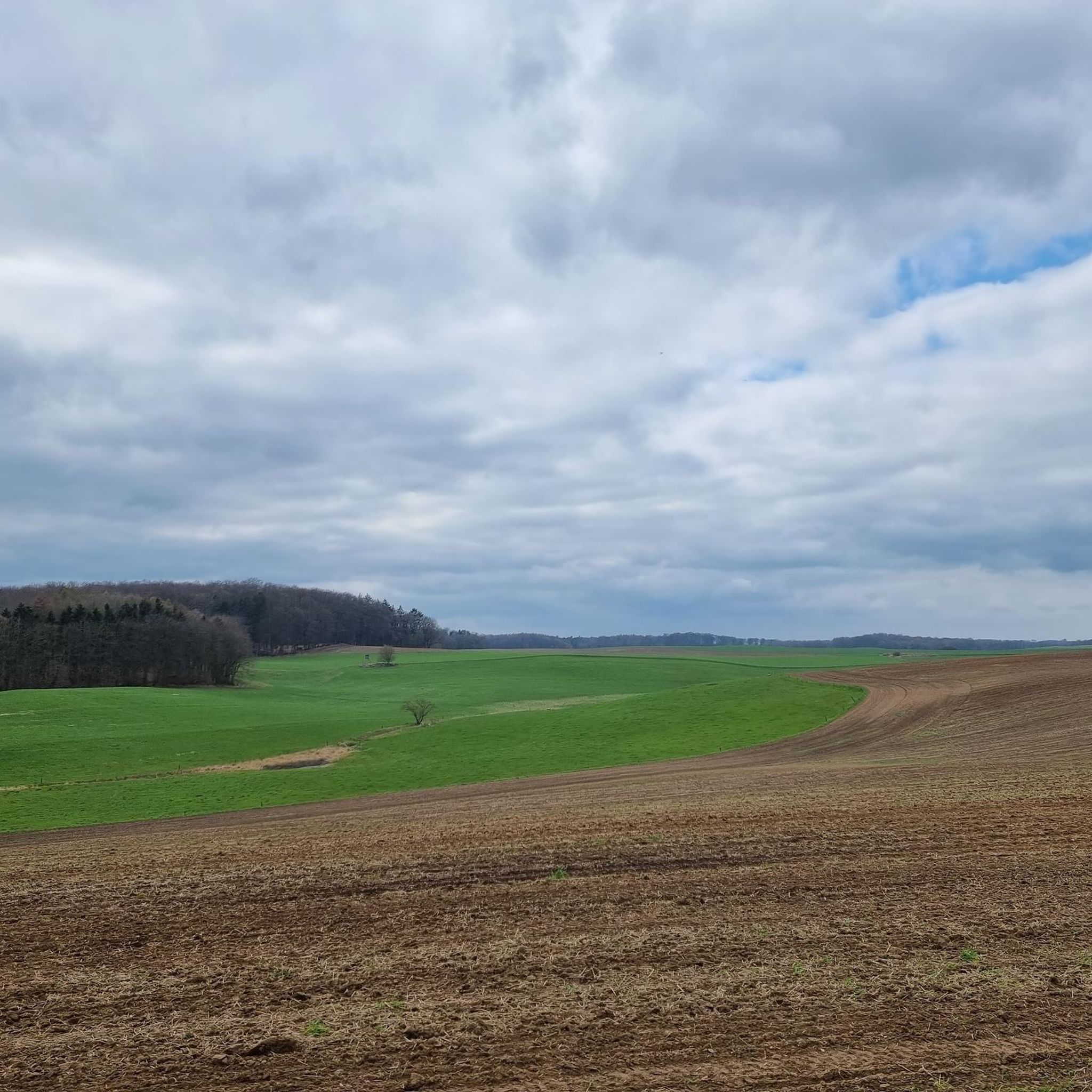
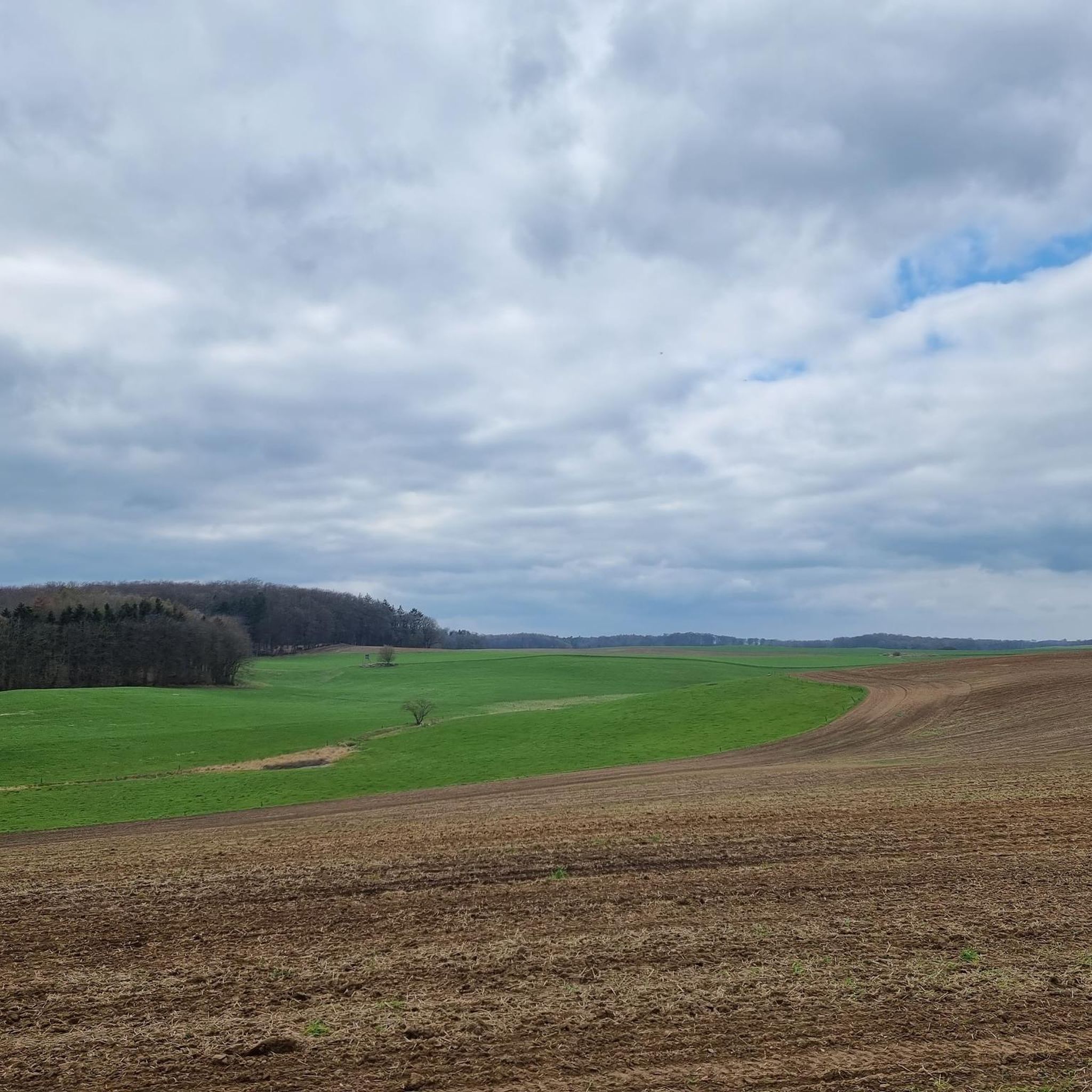
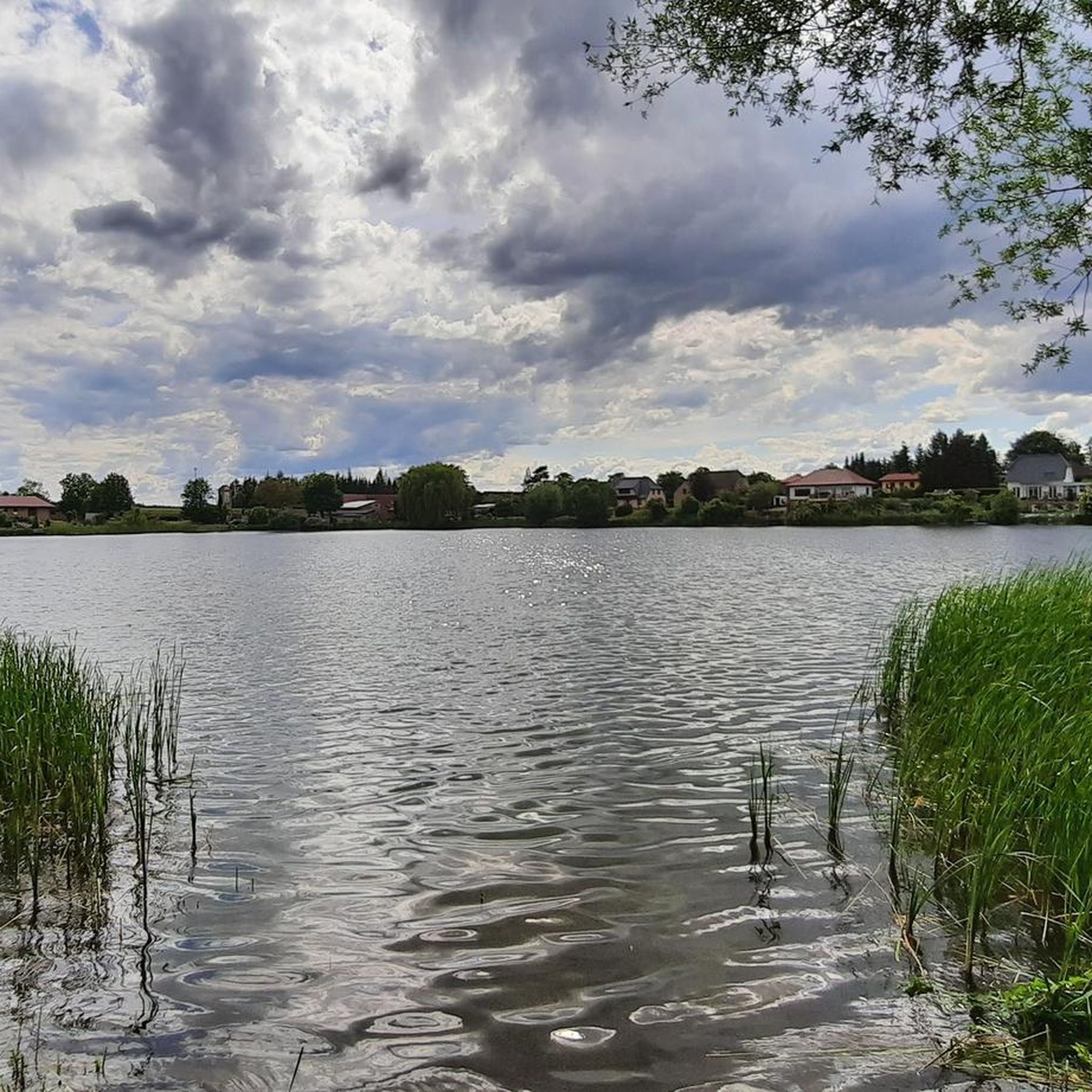
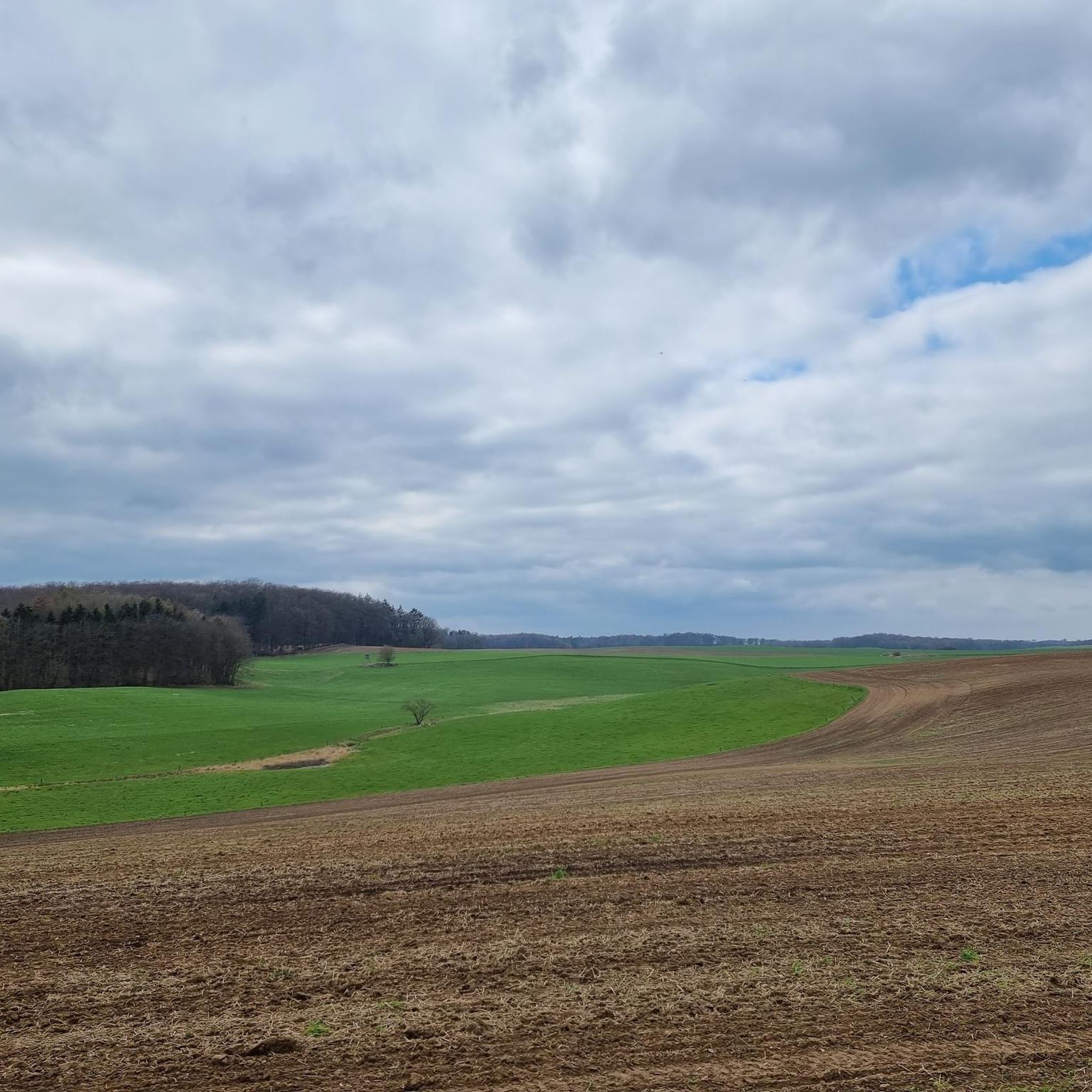

Tips from the Community


If you manage the short but steep climb, the view is absolutely worth it! ...just don't let the cars distract you on the climb ;-)
0
0

The Boitin Stone Dance is one of the most famous archaeological monuments in Mecklenburg-Western Pomerania. It consists of four stone circles. The stone circles are located in the Tarnow district of Boitin, near the town of Bützow - in the forest, on a straight stretch between Tarnow and Zernin (approx. 2.2 km). The Boitin Stone Dance consists of three stone circles that are close together and a stone circle about 100 m opposite. The position of the stone circles and information about them can be seen on an information board on site. The large stone circle consists of 9 stones. Some stones have names, such as "Kanzel". The granite stone that tapers upwards, with the vertical row of holes, is called the "Brautlade". A shelter offers shelter in bad weather. Seating invites you to linger. Source: https://www.treffpunkt-ostsee.de/ostsee/sehenswertes/steinkreise/boitiner-steintanz-steinkreise.php
0
0

The story in brief: The glacier of the Ice Age came from Scandinavia, big, thick and fat (you can hardly imagine how fat it was!), pushed everything in front of it that stood in its way, and came to a standstill 16,000 years ago. The ice that melted flowed forward (i.e. south) and collected in large lakes. When it got warmer (15,000 years ago), the glacier crumbled and melted; the meltwater continued to flow forward (south) in channels, collected... and at some point (11,000 years ago) there was no glacier left, the surface was smooth and also lower, the direction of flow in the channels reversed... and the Warnow deepened the channel by pushing up hills (terminal moraine). Sure, everyone knows that. But seeing all this live, with a 30-40m difference in height between the chain of hills and the Warnow bed, with this story in mind, is a different matter, namely very impressive.
2
0
It is estimated that several thousand stone circles were built in Europe in the Middle Stone Age. Many of them have disappeared over time, e.g. due to weathering or the formation of moors, others were used as material. Today only a few hundred remain. There are three stone circles next to each other here, a fourth in the forest a little way away, with a total of 30 menhirs (up to 1.60m high). There is even said to have been a fifth. The age is unclear, but at least people who died later in the Iron Age (750 BC to 1000 AD) are said to have been buried here. Wikipedia has an explanation of the calendar function, according to which the sunrise at the winter solstice, the 13 lunar months (Small Stone Dance), the 28 days of the month (Great Stone Dance), the 13x28=364 +1 (extra stone)=365 days of the year and the leap year solution (every four years - four additional stones) -->365 1/4 days are measurable/represented. https://de.m.wikipedia.org/wiki/Boitiner_Steintanz
1
0

bench in the forest
1
0

It is very beautiful here.
1
0
wild river, the bridge tames it to cross
2
0
Frequently Asked Questions
What are some of the most popular natural monuments to visit around Tarnów?
Visitors frequently enjoy the unique geological formations and ancient trees. Highly rated spots include the Warnow Bridge, known for its scenic views amidst rustic beech forests, and the Wooden Bridge over the Warnow in the Warnow Breakthrough Valley, located within an 80-hectare nature reserve with picturesque hiking trails. Another fascinating site is the Boitiner Steintanz Stone Circles, an ancient historical site believed to be Iron Age burial grounds.
Are there family-friendly natural monuments in the Tarnów area?
Yes, several natural monuments are suitable for families. The Warnow Bridge and the Laase Church and Ancient Linden Tree are both categorized as family-friendly. Additionally, the Stone City Nature Reserve in Ciężkowice, with its maze-like rock formations and scenic forest trails, is an excellent place for children to explore and enjoy.
What kind of unique natural features can I expect to see in Tarnów's natural monuments?
Tarnów's natural monuments showcase a diverse range of features. You can find impressive individual trees like ancient Plane trees, Small-leaved Limes, White Poplars, and Common Ashes, some with significant age and size. There are also unique geological formations such as the 'Trojaczki' glacial erratics in Tarnów city, and the extensive sandstone rock formations of the Stone City Nature Reserve in Ciężkowice, which feature picturesque rocks, caves, and crevices.
Are there any historical or cultural sites combined with natural monuments?
Absolutely. The Laase Church and Ancient Linden Tree offers a blend of history and nature, featuring a 600-year-old early Gothic church and an ancient linden tree designated as a natural monument. The Boitiner Steintanz Stone Circles are also a significant historical site, believed to be Iron Age burial grounds, set within a natural forest environment.
What outdoor activities can I do near the natural monuments around Tarnów?
The region offers various outdoor activities. You can enjoy hiking through picturesque landscapes, such as the narrow trails in the Warnow Breakthrough Valley. For more extensive exploration, consider the many hiking routes around Tarnów, including moderate loops like the one from Boitin. There are also road cycling routes and MTB trails available for different cycling preferences.
Where can I find impressive ancient trees within Tarnów city limits?
Tarnów city is home to several monumental trees. You can find a large Plane tree in Sanguszków Park, a protected Small-leaved Lime near ul. Okrężna, and a White Poplar on a private property at ul. Narutowicza 31. A monumental Common Ash is also visible near the hospital from Słoneczna Street, and an impressive Oak stands at ul. Heleny Marusarz 87. Additionally, Zbylitowska Góra Park and Planty Kolejowe feature old-growth trees.
What is the 'Stone City Nature Reserve' and where is it located?
The Stone City Nature Reserve (Rezerwat Przyrody Skamieniałe Miasto) is a major attraction in Ciężkowice, a short trip from Tarnów. It's renowned for being one of the largest and most diverse systems of sandstone rock formations in the Polish Carpathians. The reserve covers 15 hectares and features unique formations with names like 'Town Hall' and 'Castle', connected by a scenic forest hiking trail.
Can I see any unique geological formations directly in Tarnów?
Yes, within Tarnów city, you can visit the 'Trojaczki' (The Triplets) erratic boulders. Located in a square near ul. Piłsudskiego, these three large glacial erratics were transported from Scandinavia by an ice sheet approximately 500,000 years ago. The largest boulder is over 10 meters in circumference and weighs about 28 tons, offering a fascinating glimpse into ancient geological history.
Are there any viewpoints to appreciate the natural beauty around Tarnów?
Many natural monuments offer great views. The Warnow Bridge and the Wooden Bridge over the Warnow are noted for their picturesque settings. The Ice Age Primeval Landscape Observation Tower, though sometimes inaccessible for repairs, offers expansive views over the impressive natural landscape when open.
What kind of wildlife might I encounter near Tarnów's natural monuments?
The natural areas around Tarnów, particularly the Stone City Nature Reserve, are home to diverse wildlife. Visitors might spot foxes, deer, owls, woodpeckers, lizards, and bats. The tranquil environments of the parks and forests also provide habitats for various bird species and smaller mammals.
What is the best time of year to visit the natural monuments around Tarnów?
While the natural monuments can be enjoyed year-round, spring and autumn often offer the most pleasant conditions. Spring brings blooming flora and fresh greenery, while autumn showcases vibrant foliage, especially in forested areas like the Warnow Breakthrough Valley and Zbylitowska Góra Park, making for excellent photo opportunities.
Are there any natural monuments that are particularly good for photography?
The Warnow Bridge is highlighted as a great photo opportunity, especially in autumn. The picturesque rock formations of the Stone City Nature Reserve also provide unique and dramatic backdrops for photography, with each formation offering distinct characteristics.
Most popular attractions around Tarnow

Get inspired with the komoot mobile app


Explore more
Extend your search for the best caves by checking out these guides of the top ones around Tarnow:
