Top 20 Natural Monuments around Badbergen
Best natural monuments around Badbergen are found in the Osnabrück district of Lower Saxony, an area characterized by its natural heritage. The municipality features officially designated natural monuments, primarily ancient trees, alongside its proximity to larger natural areas. This region offers a blend of protected individual natural features and extensive landscapes for nature exploration. It serves as a focal point for appreciating enduring nature and local ecosystems.
Best natural monuments around Badbergen
- The most popular natural monuments is Überfallhase (Hase River Weir) near Quakenbrück, a river site that functions as a large-scale flood protection measure. This site combines hydraulic engineering with ecological features, including an island with kingfisher nesting holes and a fish ladder.
- Another must-see spot is River Hase, a significant river in Lower Saxony. Visitors can expect a 169.6 km long tributary of the Ems, known for its unique Hase-Else bifurcation and inland delta near Quakenbrück.
- Visitors also love Kalksandsteinsee, a lake covering about 17 hectares. This lake is notable for its depth, reaching up to 25 meters, and diverse aquatic life, including sturgeons and zander.
- Badbergen is known for ancient trees, significant rivers, and diverse wetlands. These features offer varied opportunities for nature exploration and appreciation.
- The natural monuments around Badbergen are appreciated by the komoot community. They have received more than 900 upvotes and feature over 500 photos, showcasing their appeal to outdoor enthusiasts.
Last updated: October 11, 2026
Überfallhase (Hase River Weir) near Quakenbrück
Highlight • River
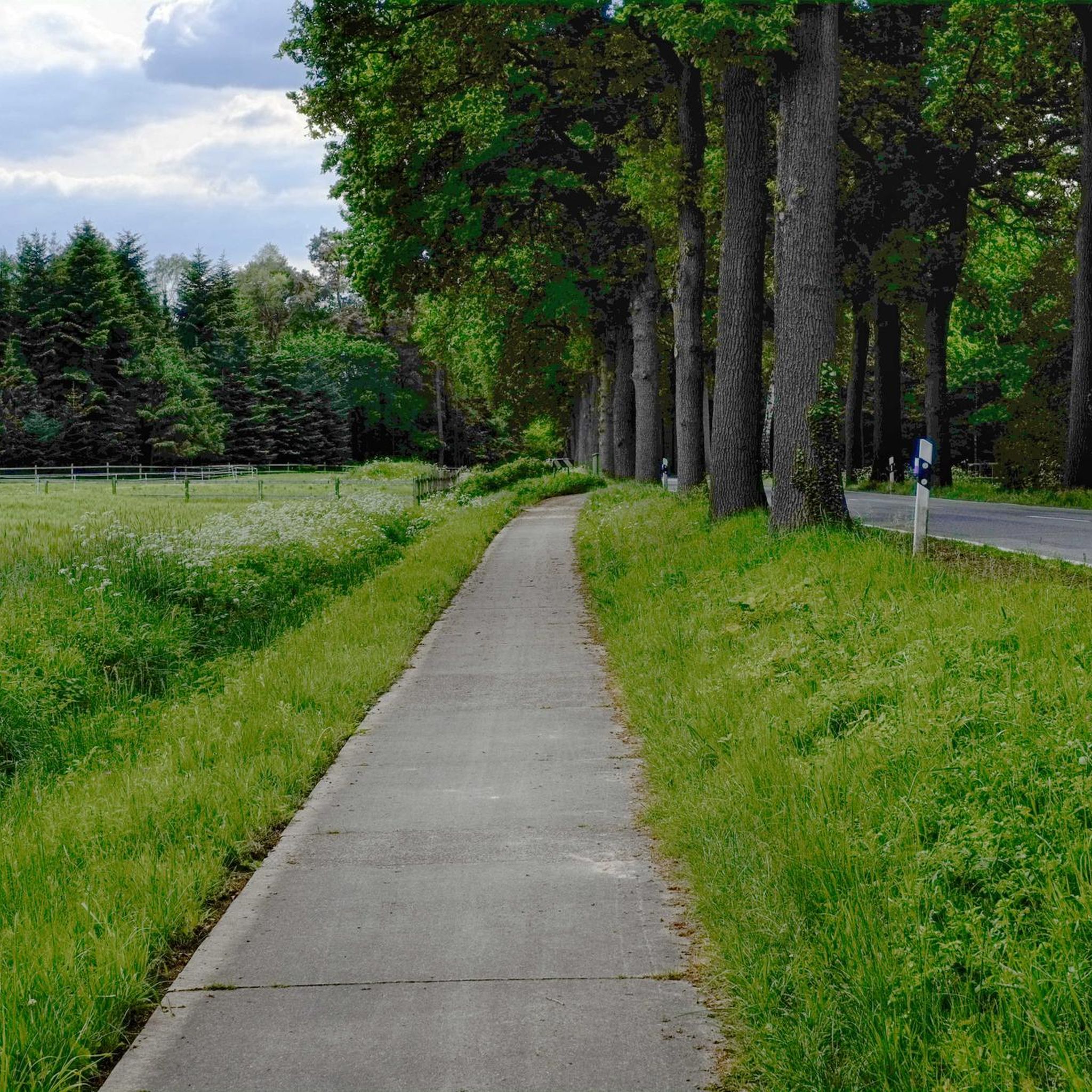
The bike path here is easy to navigate.
Translated by Google •
Tip by

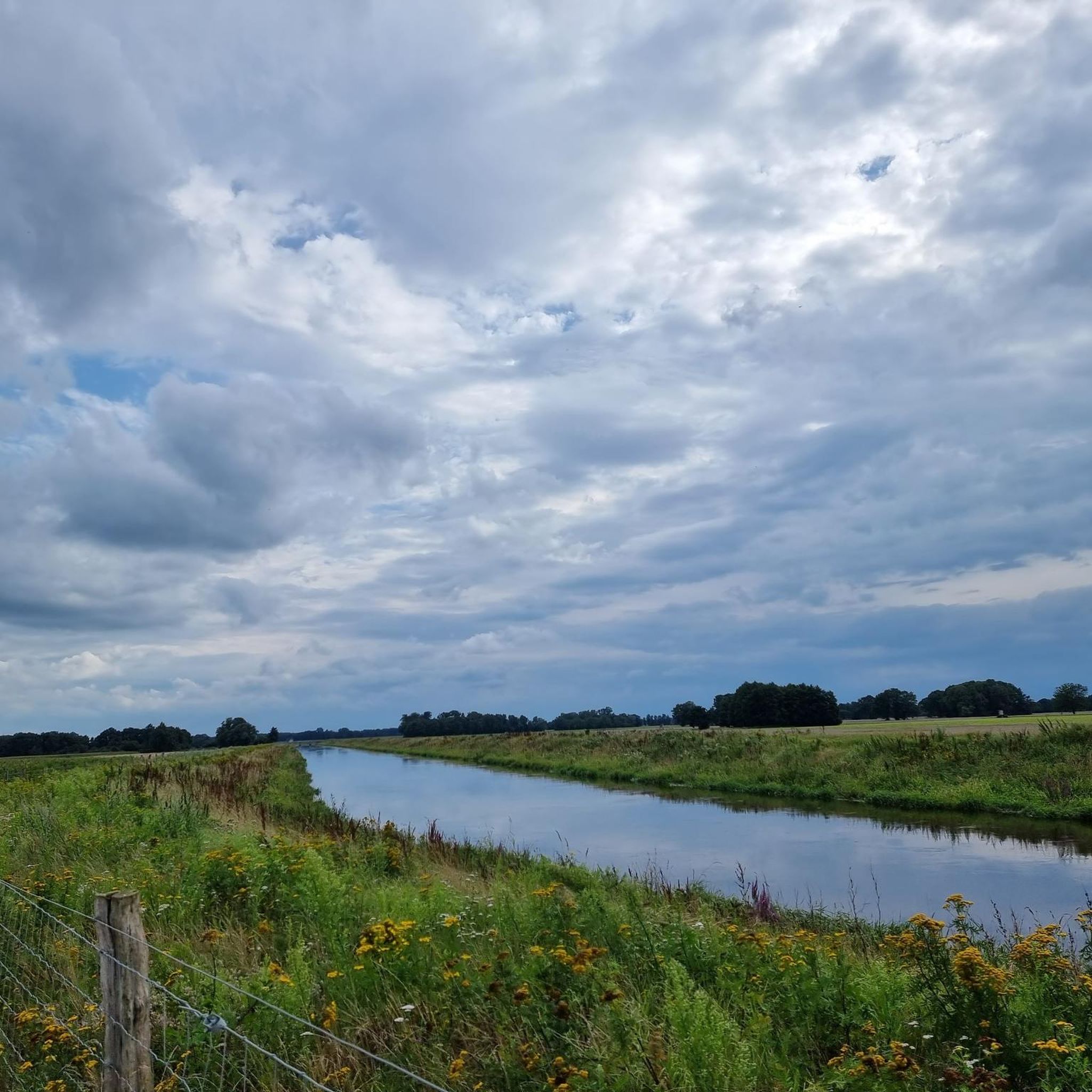
River Hase
Highlight • River
Translated by Google •
Tip by

Sign up now to discover places like this
Get recommendations on the best single tracks, peaks, & plenty of other exciting outdoor places.
Dicker Stein Steinfeld Memorial
Highlight • Monument
So when you pass the thick stone, just put down a flower for the victims of National Socialism and the two world wars. Never again war, never again fascism!
Translated by Google •
Tip by

Hekese Megalithic Tomb
Highlight • Historical Site
Translated by Google •
Tip by

Kalksandsteinsee
Highlight • Lake
Source:
asv-holdorf.de/Gewaesserkarten
Translated by Google •
Tip by

Sign up for free to discover even more natural monuments around Badbergen.
Already have an account?
Start today with a free account
Your next adventure awaits.

Tips from the Community

It measures almost 100 meters and consists of two well-preserved megalithic chambers connected by a long stone corridor. The size of the complex suggests that this megalithic tomb was the burial place of a tribal chieftain or clan leader. The flat interiors of the supporting stones are clearly visible in the burial chambers. There is a theory that the tomb was aligned with the summer solstice on June 21st at the time of its creation.
1
0

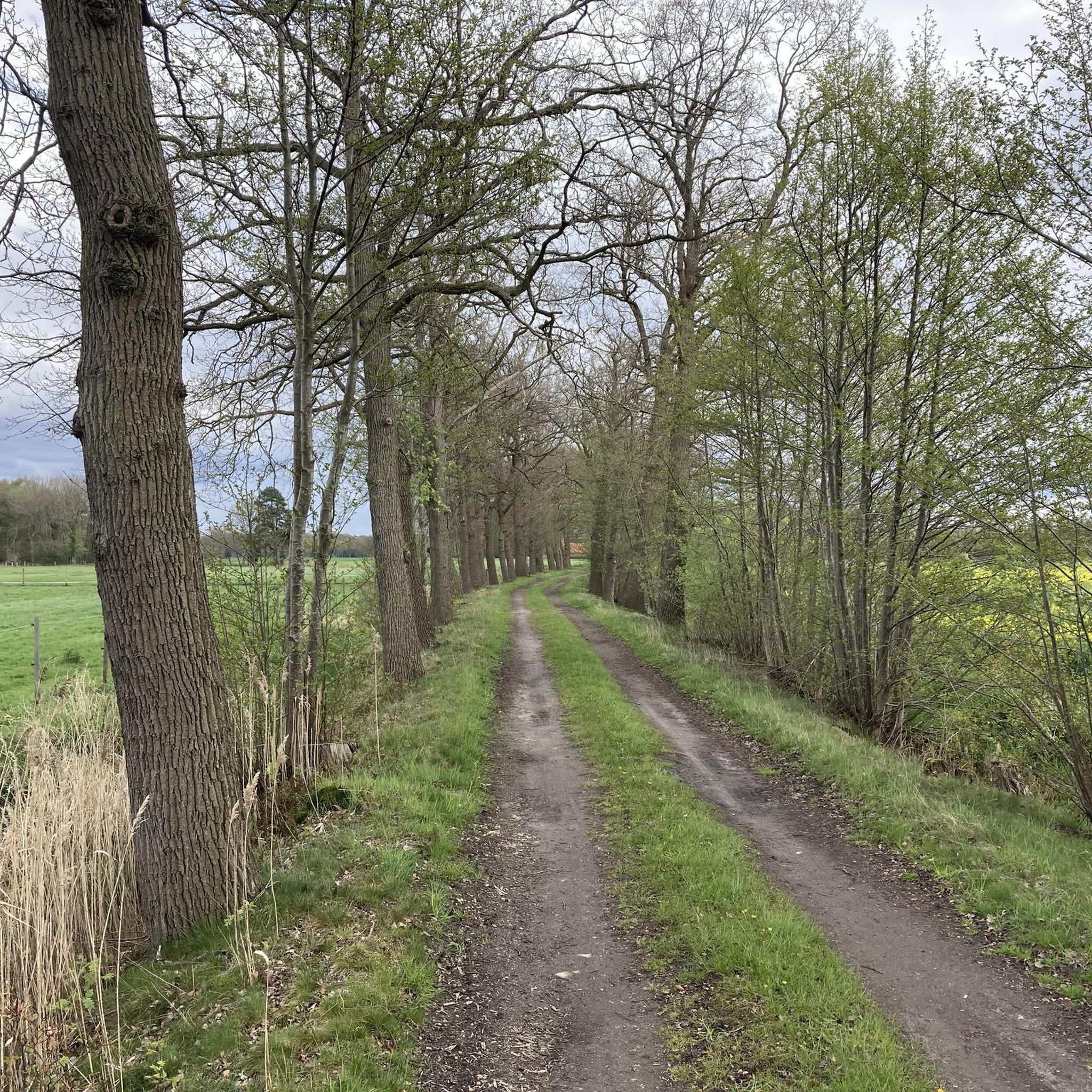
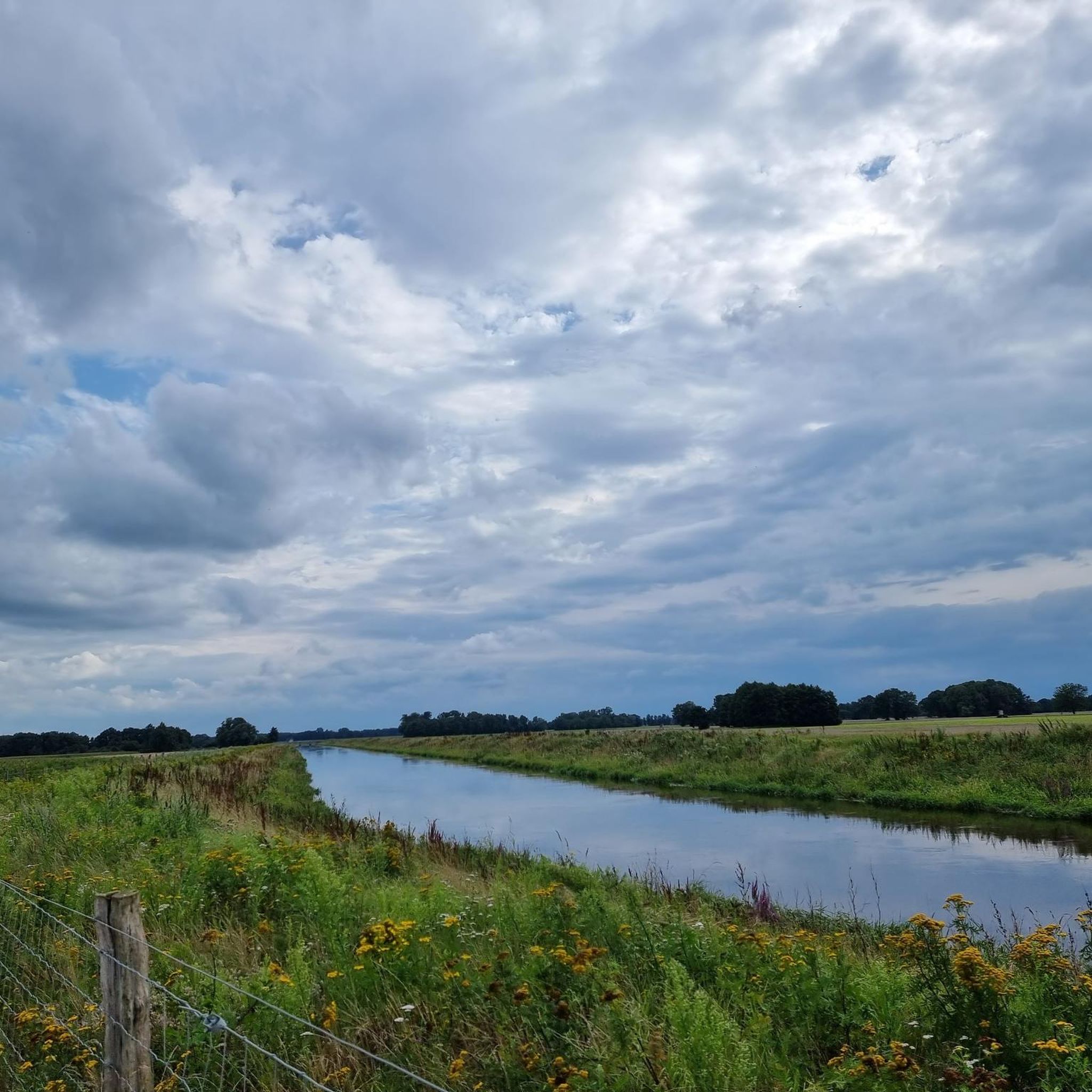
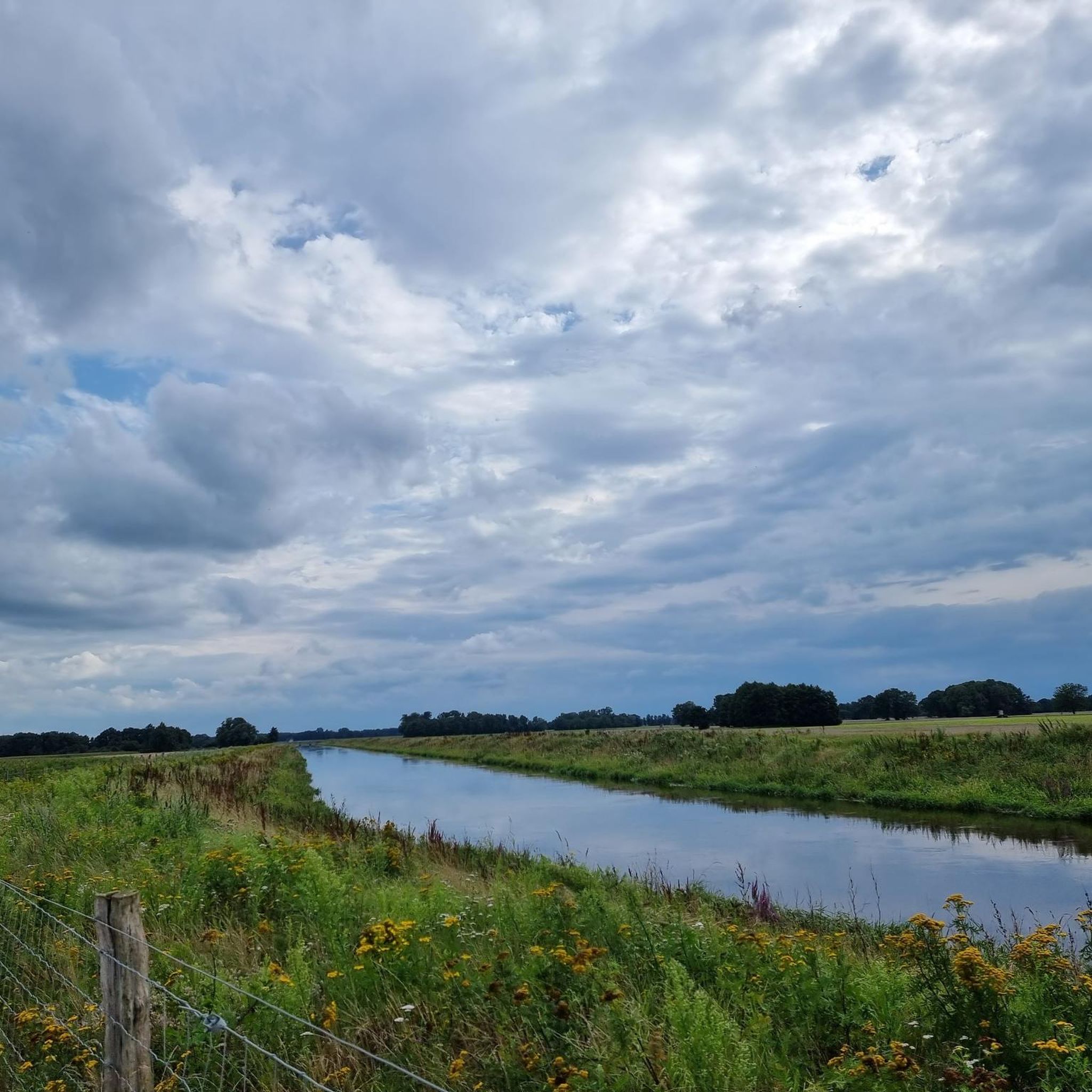
As early as 1999, the western Hase dam in the Gehrde-Rüsfort area was moved back over a length of 1.4 km. Around ten years later, the Hase dam was moved over a length of 0.8 km on the east bank. The additional lowering of the ground level has led to the development of fresh grassland and reed zones that correspond with the groundwater. This also enables periodic flooding typical of floodplains. The revitalized Hase floodplains also offer additional retention space for future flood events. Various wet biotopes and pools were also created. By establishing flora that is suitable for the site, a natural floodplain landscape is created in which various birds, reptiles, amphibians, grasshoppers and dragonflies find suitable habitats.
1
0
The Hase is a 169.6 km long, eastern and orographically right tributary of the middle Ems in the Osnabrück district, the independent city of Osnabrück, the Cloppenburg district and the Emsland district (all in Lower Saxony) as well as the Steinfurt district (in North Rhine-Westphalia). Its catchment area is 3086 km²[2]. Near Gesmold, the Else branches off from the Hase in the artificially created Hase-Else bifurcation, whereby part of its water also flows into the Weser river system. Much further north, the Hase branches off into the Große Hase and Kleine Hase near Quakenbrück in an inland delta that begins there, the Hasedelta.
1
0

So - outside of Quakenbrück I can almost agree with the "most beautiful break place".
9
0
The thick stone of Steinfeld serves as a memorial and reminder of the two world wars. But the colossus is much more than that.”
4
0
A quiet quiet spot on the Hase
8
0

This elongated (53m 😮) double cairn is quite impressive. Well preserved and apparently in the original position and one of the huge ceiling stones is even still on the wall stones. There is also a small rest area with seating and information boards directly on the road. A good place for a short break.
0
0

Nice little river. On the HaseEms Tour you will encounter the river a few times.
9
0
Frequently Asked Questions
What are some of the most notable natural monuments to visit around Badbergen?
Beyond the ancient trees within Badbergen, you can explore the impressive Überfallhase (Hase River Weir) near Quakenbrück, which is a significant flood protection system with ecological features like kingfisher nesting holes and a fish ladder. Another highlight is the Kalksandsteinsee, a deep lake known for its diverse aquatic life.
Are there family-friendly natural monuments in the Badbergen area?
Yes, several natural monuments are suitable for families. The Überfallhase (Hase River Weir) near Quakenbrück offers an interesting blend of hydraulic engineering and nature, which can be educational for children. The River Hase itself provides pleasant spots for family outings, and the Hekese Megalithic Tomb offers a fascinating historical natural monument.
What kind of natural features can I expect to see around Badbergen?
The Badbergen region is characterized by ancient trees, significant rivers like the River Hase, and diverse wetlands. You'll find protected individual natural features, such as the 800-year-old Yew and the Burbrink-Eiche, alongside larger natural areas like the Dümmer Nature Park and Hahnenmoor Nature Reserve, offering a rich variety of landscapes.
What outdoor activities can I do near the natural monuments?
The area around Badbergen offers various outdoor activities. You can enjoy cycling on routes like the 'Hase River Trail' or 'Tower Well – Rest Area with Benches loop'. For gravel biking, there are routes leading to the Dümmer West Viewing Tower. Running enthusiasts can find trails such as the 'Bike service station loop' or 'Everdings Mill Groß Mimmelage loop'. For more details, explore the cycling, gravel biking, and running guides around Badbergen.
Are there any historical natural monuments or sites nearby?
Yes, the region combines natural beauty with historical significance. The Hekese Megalithic Tomb, dating back to the Neolithic Age, is a unique historical site. Additionally, the Dicker Stein Steinfeld Memorial, a huge megalith from the last Ice Age, serves as a landmark and memorial.
What is the best time of year to visit the natural monuments around Badbergen?
The natural monuments around Badbergen can be enjoyed throughout the year. Spring and summer are ideal for lush greenery and outdoor activities. Autumn offers beautiful foliage, especially around the ancient trees and river landscapes. Even in winter, the serene landscapes, particularly around the River Hase or the Dümmer Nature Park, offer tranquil walks.
Can I spot wildlife at the natural monuments?
Yes, the region is rich in biodiversity. The Überfallhase (Hase River Weir) near Quakenbrück has kingfisher nesting holes, and the Dümmer Nature Park is a significant biotope for water birds and migratory species. The Hahnenmoor Nature Reserve also offers opportunities to observe wetland ecology and its inhabitants.
Are there any hidden natural gems or less-known spots worth exploring?
While not formally designated as natural monuments, local features like the sandstone caves near Badbergen-Schwagstorf are known to hikers for their natural interest and regional history. These spots offer a chance to discover unique local geology away from more frequented areas.
What do visitors enjoy most about the natural monuments in Badbergen?
Visitors frequently appreciate the blend of natural beauty and historical significance. The Überfallhase (Hase River Weir) is praised for its unique combination of hydraulic engineering and ecological features, while the ancient trees like the 800-year-old Yew are valued for their longevity and tranquil presence. The overall appeal lies in the diverse opportunities for nature exploration and appreciation.
Are there any specific natural monuments that are particularly good for hiking or long walks?
While individual natural monuments like the ancient trees are more for contemplation, the broader natural areas surrounding Badbergen, such as the Dümmer Nature Park and the Northern Teutoburg Forest-Wiehengebirge Nature Park, offer extensive networks of trails perfect for hiking and longer walks. The River Hase also features many paths along its banks.
Are the natural monuments around Badbergen accessible for people with limited mobility or wheelchairs?
Accessibility varies by location. Individual natural monuments like the ancient trees within the villages are generally accessible from nearby roads. For larger natural areas, paths may be unpaved. It's advisable to check specific trail conditions for areas like the Dümmer Nature Park or Hahnenmoor Nature Reserve, as some sections might be more rugged.
Can I bring my dog to the natural monuments?
Many natural areas and trails around Badbergen are dog-friendly, especially those along the River Hase. However, it's always recommended to keep dogs on a leash, especially in nature reserves like Hahnenmoor or Dümmer Nature Park, to protect wildlife and ensure a pleasant experience for all visitors.
Most popular routes around Badbergen
Most popular attractions around Badbergen

Get inspired with the komoot mobile app


Explore more
Extend your search for the best caves by checking out these guides of the top ones around Badbergen:
