Top 20 Natural Monuments around Brockum
Best natural monuments around Brockum are primarily situated within the Dümmer Nature Park, a region known for its diverse natural landscapes. This area features significant natural attractions such as Dümmer Lake and the Hunte River, recognized for their ecological importance. The landscape is characterized by meadows, forests, and extensive moorlands, providing habitats for various flora and fauna. These natural features offer numerous opportunities for outdoor exploration and appreciation of the region's natural heritage.
Best natural monuments around Brockum
- The most…
Last updated: July 22, 2026
Lookout tower at the southern Dümmer Lake
Highlight • Viewpoint
Translated by Google •
Tip by

Ochsenmoor Nature Reserve at Lake Dümmer
Highlight • Natural
Translated by Google •
Tip by

Sign up now to discover places like this
Get recommendations on the best single tracks, peaks, & plenty of other exciting outdoor places.
Sign up for free
Reed Boardwalk at Lake Dümmer
Highlight • Rest Area
Translated by Google •
Tip by

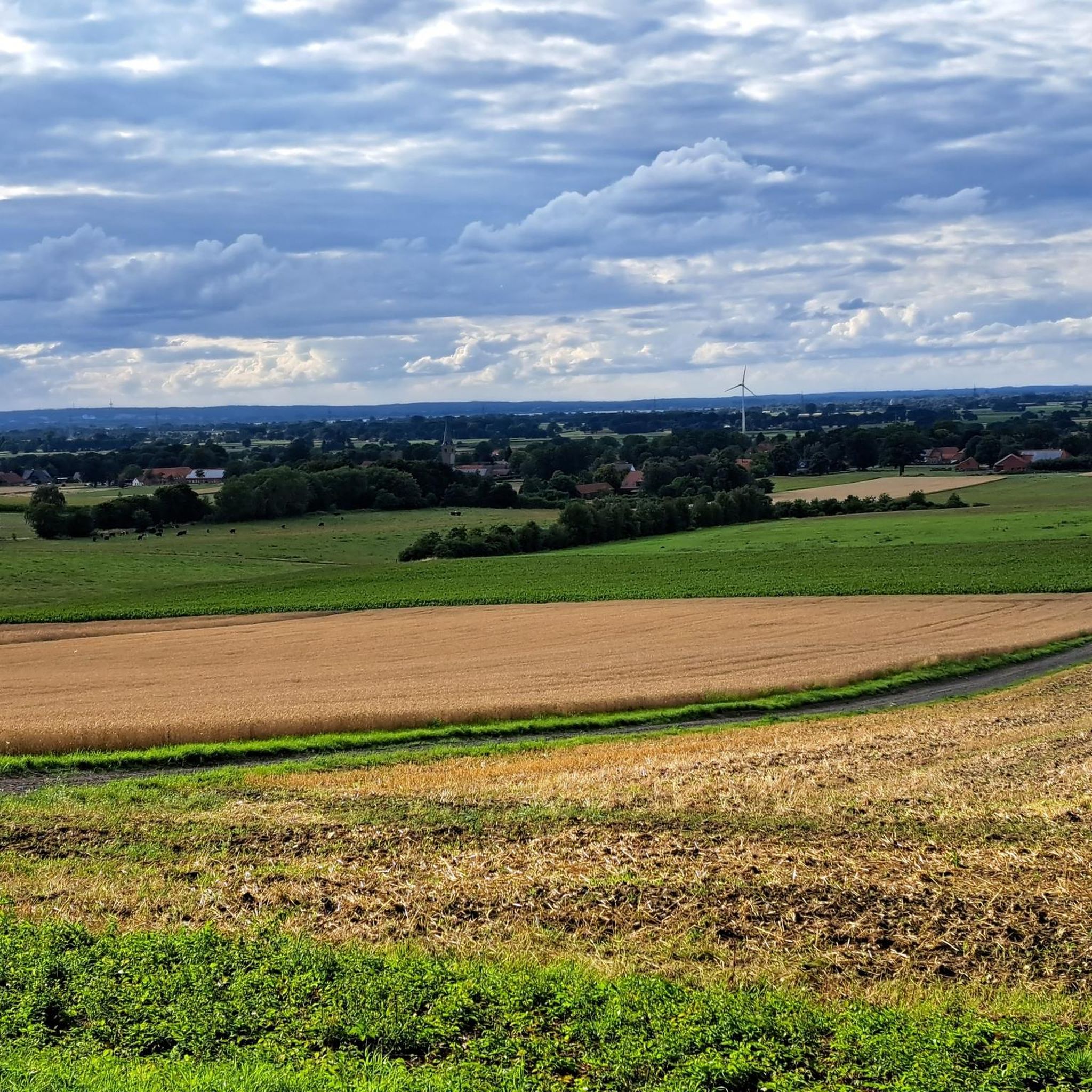
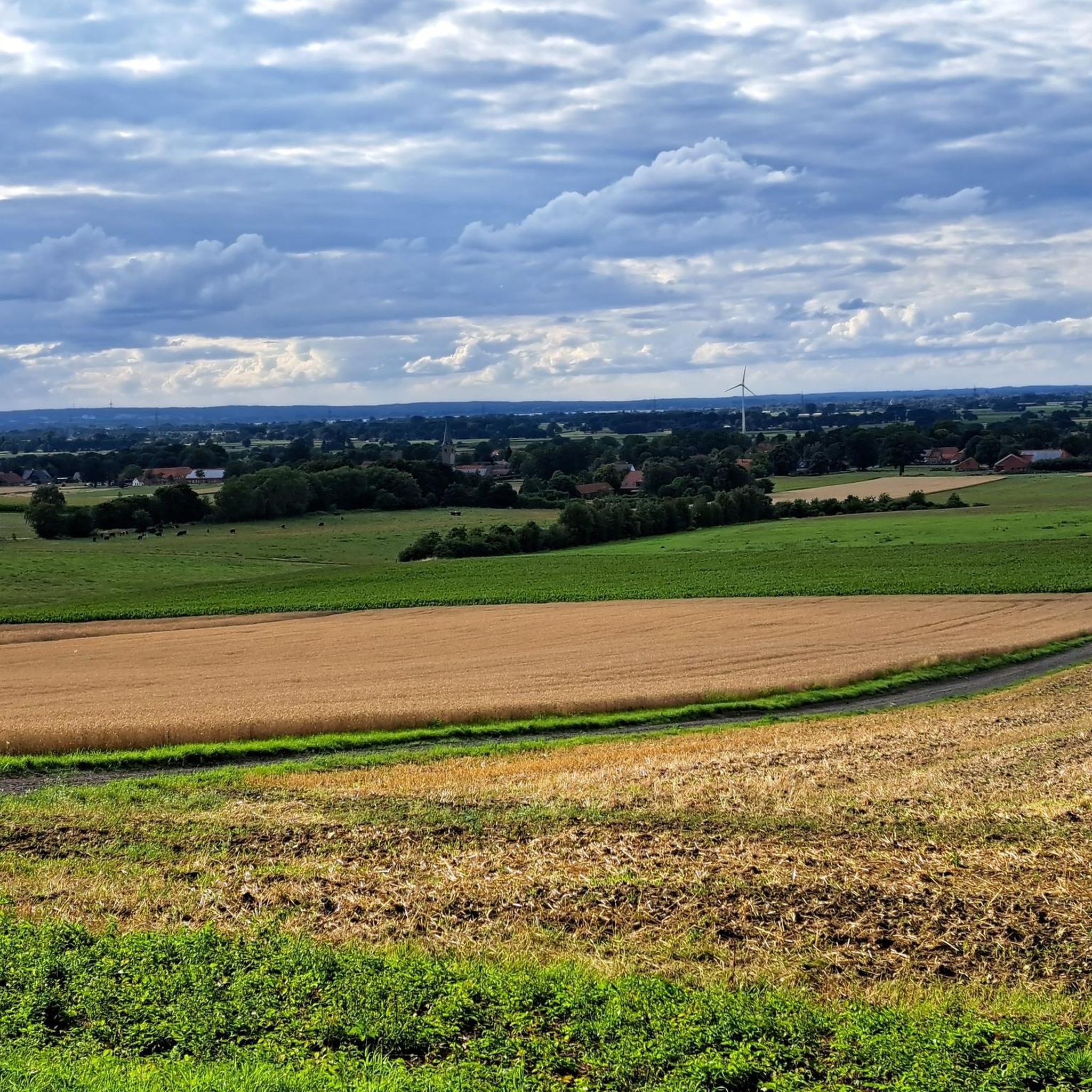
Rehdener Geestmoor Observation Tower
Highlight • Viewpoint
Translated by Google •
Tip by

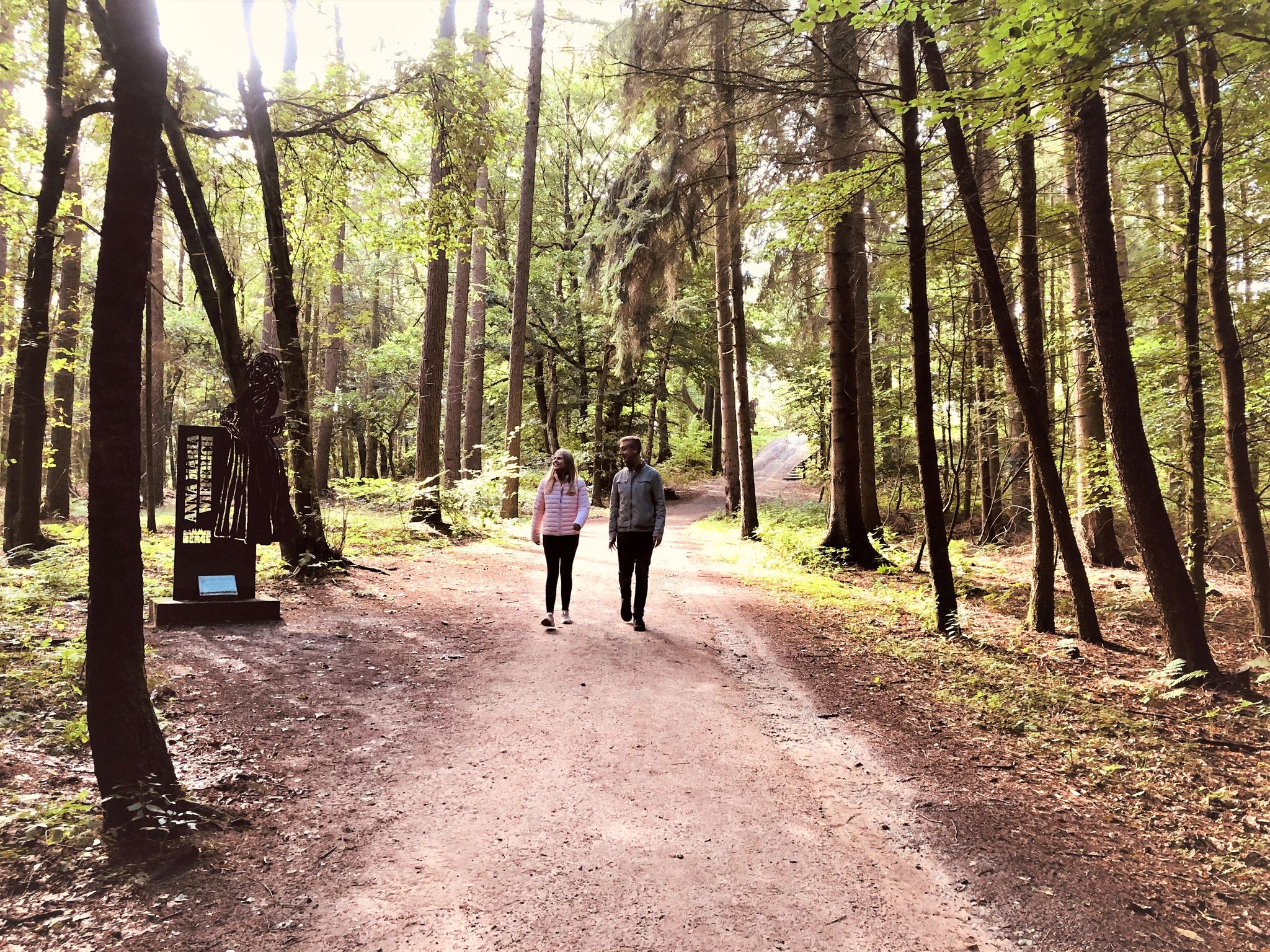
Brummloch (Humming Hole) in the Stemweder Berg
Highlight • Natural Monument
You will actually feel the vibrations in your body.
A great experience 🙂
Translated by Google •
Tip by

Sign up for free to discover even more natural monuments around Brockum.
Sign up for free
Already have an account?
Start today with a free account
Your next adventure awaits.
Login or Signup
Other adventures around Brockum

Tips from the Community

The approximately 100-meter-long wooden footbridge leads into the reed zone and pasture belt of the "Hohe Sieben" nature reserve, which also features a birdwatching station. It's worth parking your bike here for a while and exploring the surrounding nature on foot. You certainly won't regret it and will be glad you took a short break here afterwards. 👋😉 https://willkommen.dwl.duemmer.de/de/duemmer/streaming/detail/POI/p_100054347/schilferlebnissteg
4
0

Head in and hum
1
0

An ideal place to observe flora and fauna in peace and quiet, with a nearby circular hiking trail through the moor that provides information about the flora and fauna. A unique experience: the arrival of the cranes, which rest here in the autumn on their way south.
3
0
European bird sanctuary with rewetted wet grassland, important breeding area for meadow birds and resting area for geese.
4
0

From the tower you have a beautiful view of the moor
3
0
Nice place to rest
3
1

Covered view of Lake Dümmer and the adjacent "Ochsenmoor" nature reserve. Barrier-free staircase with anti-slip strips and round stainless steel handrails. Audio board with audio contributions. Source: https://www.naturpark-duemmer.de/naturpark-duemmer/infrastruktur/aussichtstuerme.html
9
0
The Schilfsteg am Dümmer is a special resting place in the "Hohe Sieben" nature reserve. The structure ends with a covered observation point. Information about the reed and its use is given on display boards.
4
0
Frequently Asked Questions
What natural features can I expect to see around Brockum?
The natural monuments around Brockum are primarily located within the Dümmer Nature Park. You can expect to see diverse landscapes including extensive moorlands, meadows, forests, and the significant Dümmer Lake, which is the second-largest lake in Lower Saxony. The Hunte River also flows through the region, characterized by its varied banks and natural beauty.
Are there good viewpoints to observe the natural monuments and surrounding landscape?
Yes, the area offers several excellent observation points. You can visit the Rehdener Geestmoor Observation Tower for panoramic views of the moor, or the Observation tower in the Oppenweher Moor, which provides a sheltered spot for birdwatching. Additionally, the Reed Boardwalk at Lake Dümmer offers a unique perspective of the lake and its reed belt.
What makes Dümmer Lake a significant natural monument?
Dümmer Lake is recognized as an important biotope and Ramsar Wetland. It serves as a crucial breeding and resting ground for numerous water birds and migratory birds. Its shorelines feature reedbeds, tall herbaceous meadows, and sedge beds, while surrounding areas include alder-ash and alder swamp forests, all contributing to a rich biodiversity.
What is the Brummloch (Humming Hole) and why is it unique?
The Brummloch (Humming Hole) in the Stemweder Berg is a unique natural monument featuring holes carved into a rock face. Visitors can place their head into one of these holes and hum, experiencing vibrations that were historically associated with healing purposes, believed to relieve muscle and nerve cramps.
Are there family-friendly natural monuments around Brockum?
Many natural monuments in the area are suitable for families. The Rehdener Geestmoor Observation Tower, Brummloch (Humming Hole), and the Observation tower in the Oppenweher Moor are all considered family-friendly. The Reed Boardwalk at Lake Dümmer is also a great option for all ages.
Are there any wheelchair-accessible natural monuments?
Yes, the Reed Boardwalk at Lake Dümmer is wheelchair-accessible, offering a great view of the Dümmer and its wildlife from within the reeds.
What is the best time to visit the natural monuments around Brockum for birdwatching?
Autumn is an excellent time for birdwatching, particularly for spotting cranes. The Observation tower in the Oppenweher Moor and the Rehdener Geestmoor Observation Tower are ideal spots to observe migratory birds like cranes as they rest in the area on their way south.
What outdoor activities can I do near the natural monuments around Brockum?
The region offers a variety of outdoor activities. You can enjoy cycling on routes like the Dümmer-Rund-Tour, or explore numerous hiking trails. Canoeing on the Hunte River is also a popular option. For more specific routes, you can find options for cycling, easy hikes, and MTB trails around Brockum.
Are there specific hiking trails recommended near these natural monuments?
Yes, there are several trails. A circular hiking trail near the Rehdener Geestmoor Observation Tower provides information about the moor's ecosystem. The Dümmer-Rund-Tour, a 27 km long circular route, is also popular for experiencing the region's beauty. You can find more options for easy hikes around Brockum, including trails through the Stemweder Berg.
What kind of wildlife can I observe in the natural monuments area?
The Dümmer Nature Park is rich in biodiversity. You can observe numerous water birds and migratory birds, especially around Dümmer Lake and the Ochsenmoor Nature Reserve. Rare species like cranes and whooper swans are often spotted. The Hunte River and its banks also provide habitats for diverse flora and fauna.
Where can I find information about the local ecosystem while visiting?
Information boards are available along the Reed Boardwalk at Lake Dümmer, explaining the nature reserve. A circular hiking trail near the Rehdener Geestmoor Observation Tower also provides details about the flora and fauna of the moor. For the Ochsenmoor, a free NABU app is available to help identify birds.
Can I go cycling near the natural monuments?
Absolutely. The Dümmer-Rund-Tour is a popular 27 km circular cycling route around Dümmer Lake. Many other cycling routes are available, including those that pass through the Ochsenmoor Nature Reserve. You can explore various cycling routes around Brockum, suitable for different skill levels.
Are there any circular walks available to explore the natural monuments?
Yes, the Dümmer-Rund-Tour is a well-known 27 km circular route around Dümmer Lake, suitable for both hiking and cycling. There are also circular hiking trails through the moorlands, such as the one near the Rehdener Geestmoor Observation Tower, designed to provide information about the ecosystem.
Most popular routes around Brockum
Most popular attractions around Brockum

Get inspired with the komoot mobile app


Explore more
Extend your search for the best caves by checking out these guides of the top ones around Brockum:
