Top 20 Natural Monuments around Langenhorn
Best natural monuments around Langenhorn feature a diverse landscape characterized by coastal features, lagoons, and marshlands. This area offers opportunities to explore unique ecosystems and observe a variety of wildlife. The natural environment provides a setting for outdoor activities such as walking and birdwatching.
Best natural monuments around Langenhorn
- The most popular natural monuments is Beltringharder Koog Nature Reserve Entrance, a natural monument that serves as an entrance to an impressive nature reserve. This area is known for its…
Last updated: August 4, 2026
Lüttmoordamm Birdwatching Hide
Highlight • Viewpoint
Translated by Google •
Tip by

Transport Dam to Cecilienkoog
Highlight (Segment) • Trail
Translated by Google •
Tip by

Sign up now to discover places like this
Get recommendations on the best single tracks, peaks, & plenty of other exciting outdoor places.
Sign up for free
Beltringharder Koog Nature Reserve Entrance
Highlight • Natural Monument
Translated by Google •
Tip by

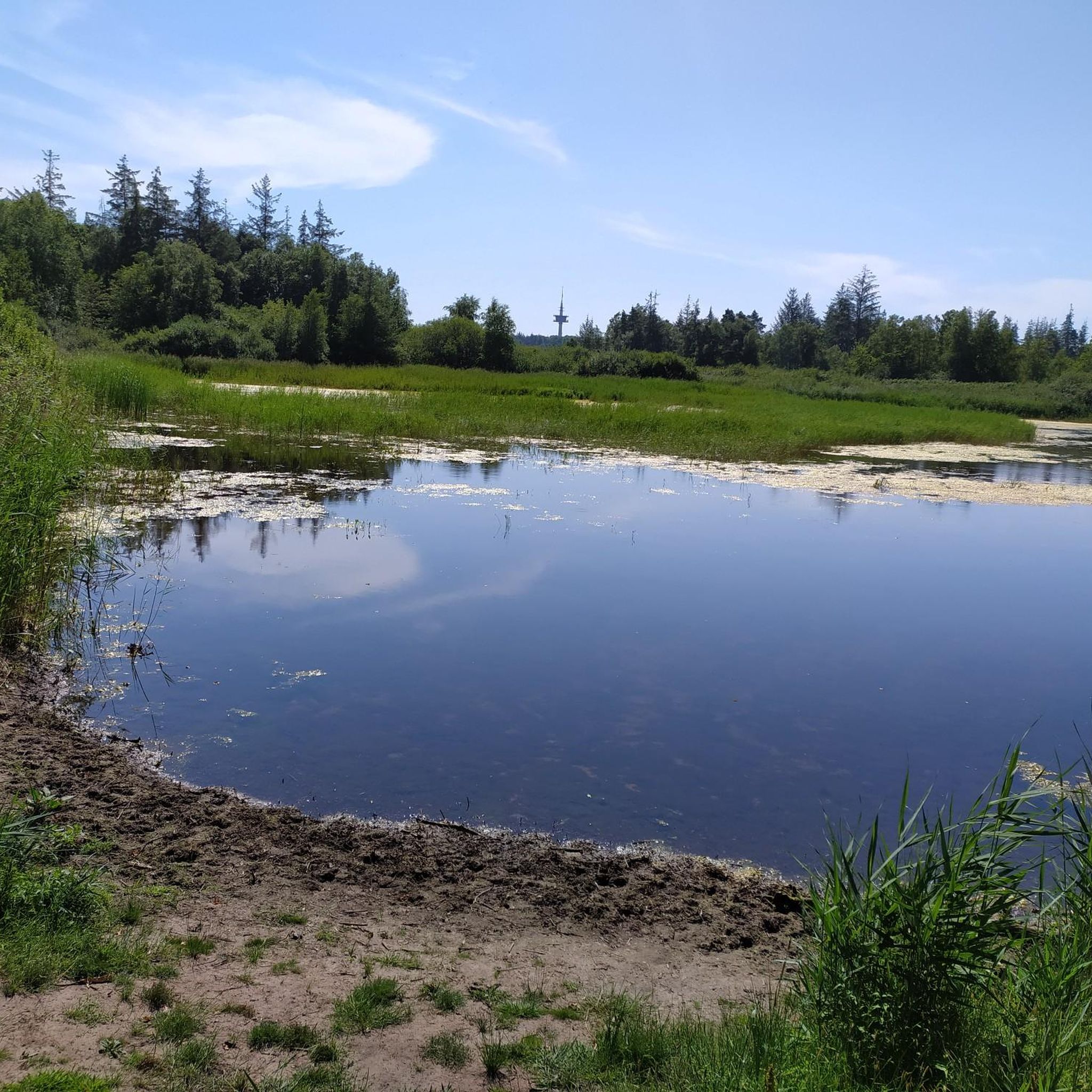
Lüttmoorsee Saltwater Lagoon
Highlight • Lake
Translated by Google •
Tip by

Climate Change Simulation Domes on Hamburger Hallig
Highlight • Structure
Translated by Google •
Tip by

Sign up for free to discover even more natural monuments around Langenhorn.
Sign up for free
Already have an account?
Start today with a free account
Your next adventure awaits.
Login or Signup
Other adventures around Langenhorn

Tips from the Community

For those who are interested...here you can observe the birds very well, from a well-protected shelter
0
0


Very nice viewing hut. Overlooks a headland in the water near the hut, so if you sit for a while you can see all kinds of waders passing by. Also seen and special ducks. Also after the hut, towards the mudflats, there is water on the right with land nearby, giving you a good view of various birds from the road. Eagle also seen. In July...
1
0

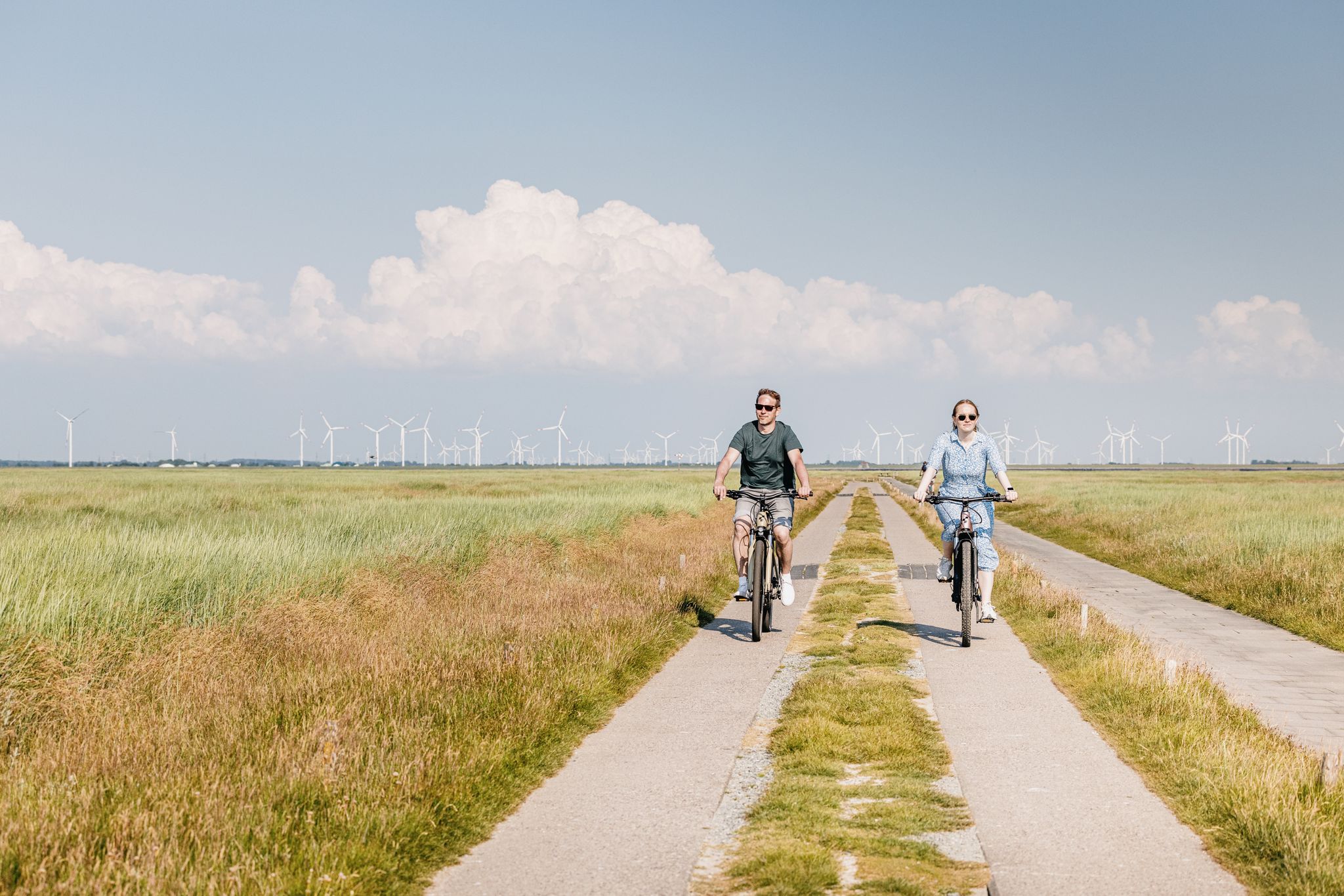
The Beltringharder Koog is an impressive nature reserve in North Friesland, Schleswig-Holstein. The Koog was embanked in 1987 and covers an area of 3,350 hectares, making it the largest nature reserve on the Schleswig-Holstein mainland. It was created in response to storm surges and today serves to protect the coast and promote biodiversity in the region. The Beltringharder Koog has a variety of habitats, including saltwater and freshwater lagoons, wet grassland and tidal floodplains. These diverse biotopes provide habitat for numerous species of birds that breed or rest here. Over 100,000 waders and water birds use the Koog throughout the year, making it a paradise for birdwatchers. Commonly seen species include greylag geese and black-necked grebes. For visitors, there are well-developed hiking and cycling trails that lead through the diverse landscape of the Koog. Tours that start at Lüttmoorsiel and lead along the dike to Lüttmoorsee and further are particularly recommended. Observation huts and viewing platforms on these routes offer excellent opportunities to observe wildlife in its natural environment. The Koog is also an example of successful cooperation between nature conservation organizations such as NABU, the Wadden Sea Conservation Station and the WWF. Together they ensure that this unique ecosystem is protected and cared for.
1
0

Here, the effects of global warming on the salt marshes are simulated and observed in "climate chambers" at the University of Hamburg
3
0

Although it is not a perfect route for racing bikes, there are many gates to open and close. But in my opinion you should accept that, whether at high or low water, the Wadden Sea is always an experience, so it doesn't matter if it took you more time than planned. Also along the dike to Nordstand, really pleasant and if you want you can also take a break at the Holmersiel bathing area.
2
0

Nature lovers will get their money's worth here. Binoculars are recommended for observing the birds.
1
0

In an experiment that is unique worldwide, researchers from the University of Hamburg and the Smithsonian Environmental Research Center (USA) are studying the effects of global warming on salt marshes on the Hamburger Hallig in the Schleswig-Holstein Wadden Sea National Park. The scientists set up study areas on Hallig 27, which are around nine square meters in size and covered with domes. Under the foils of these domes, the air temperature rises due to the sun's rays, like in a greenhouse. With the help of cables, the ground is also heated up to a depth of one meter by 1.5 or 3 degrees Celsius. From March to September until 2022, the researchers want to observe the development of species composition in different vegetation zones, the production and breakdown of biomass, nutrient turnover in the soil and the fixation of carbon in the soil.
5
0
Frequently Asked Questions
What kind of natural monuments can I expect to find around Langenhorn?
The natural monuments around Langenhorn are primarily characterized by coastal features, including saltwater and freshwater lagoons, marshlands, and bird sanctuaries. These areas offer unique ecosystems and are significant resting and breeding grounds for numerous bird species.
Are there good opportunities for birdwatching near Langenhorn?
Yes, Langenhorn is an excellent area for birdwatching. The Lüttmoordamm Birdwatching Hide provides accessible opportunities with hides available year-round. The Lüttmoorsee Saltwater Lagoon is also a designated bird sanctuary, offering clear views for wildlife spotting. Over 100,000 waders and water birds use the Beltringharder Koog throughout the year.
Which natural monuments are family-friendly around Langenhorn?
Several natural monuments are suitable for families. The Beltringharder Koog Nature Reserve Entrance and the Lüttmoorsee Saltwater Lagoon are both categorized as family-friendly, offering easy access and opportunities to observe nature.
What kind of trails can I find at the natural monuments?
You'll find well-developed hiking and cycling trails, particularly around the Beltringharder Koog. For example, the Transport Dam to Cecilienkoog is a former transport dam that now serves as a trail, separating the Lüttmoorsee from the tidal saltwater lagoon. Many trails are easy, offering pleasant walks.
Are there any specific hiking routes I can explore near these natural monuments?
Absolutely! You can find various hiking routes, including easy options like the 'Bordelum Heath Nature Trail – Bench With a View of the Lake loop'. For more details and route options, check out the Hiking around Langenhorn guide and the Easy hikes around Langenhorn guide.
Can I go cycling near the natural monuments in Langenhorn?
Yes, the area offers excellent road cycling opportunities. Routes like 'Dagebüll Lighthouse – Schlüttsiel Harbor loop' and 'Cecilienkoog Observation Tower – Aarlau lock pumping station loop' are popular. You can find more options in the Road Cycling Routes around Langenhorn guide.
What makes the Beltringharder Koog Nature Reserve special?
The Beltringharder Koog is an impressive nature reserve and the largest on the Schleswig-Holstein mainland, covering 3,350 hectares. It was created by embanking part of the Wadden Sea and features a variety of habitats, including saltwater and freshwater lagoons, wet grassland, and tidal floodplains. It's a vital habitat for numerous bird species and an example of successful nature conservation.
What is the best time of year to visit the natural monuments for wildlife viewing?
The natural monuments, particularly the bird sanctuaries, are active year-round. However, spring and autumn are often ideal for observing migratory birds. The Lüttmoordamm Birdwatching Hide is accessible all year, allowing for observations in any season.
Are there any unique or educational natural monuments in the area?
Yes, the Climate Change Simulation Domes on Hamburger Hallig offer a unique educational experience. Here, scientists conduct experiments to research the effects of global warming on coastal salt marshes, providing insights into environmental changes. While you can only observe from about 25 meters, information boards explain the project.
What do visitors enjoy most about the natural monuments around Langenhorn?
Visitors appreciate the diverse landscapes, the tranquility, and the excellent opportunities for birdwatching and nature observation. The well-developed hiking and cycling trails are also highly valued, providing a peaceful escape and a chance to connect with nature.
Is the area suitable for undisturbed walks?
Yes, many areas, such as the Raakmoor nature reserve (near Langenhorn, Hamburg) and the Wittmoor (north of Hamburg), offer tranquil opportunities for undisturbed walks through woods, boglands, and unique ecosystems, providing a peaceful escape from urban life.
Are there any natural areas that are particularly beautiful in spring?
While the guide data focuses on coastal features, the Grünanlage am Willersweg (near Langenhorn, Hamburg) is known for its lush rhododendrons in spring, offering a spectacular display of color and a serene setting for relaxation and strolls.
Most popular attractions around Langenhorn

Get inspired with the komoot mobile app


Explore more
Extend your search for the best caves by checking out these guides of the top ones around Langenhorn:
