Top 16 Natural Monuments around Luckow
Natural monuments around Luckow are situated in a region of Mecklenburg-Vorpommern, Germany, known for its forests, lakes, and varied natural landscapes. The area features diverse natural features, including inland dunes, juniper forests, and botanical gardens. These notable landmarks and natural features offer opportunities for exploration and appreciation of the local environment.
Best natural monuments around Luckow
- The most popular natural monuments is Altwarp Inland Dunes, a natural monument and dune area. This site features an inland dune massif with…
Last updated: August 18, 2026
Altwarp Inland Dunes
Highlight • Natural Monument
Translated by Google •
Tip by

Wacholder Valley
Highlight • Forest
Translated by Google •
Tip by

Sign up now to discover places like this
Get recommendations on the best single tracks, peaks, & plenty of other exciting outdoor places.
Sign up for free
Christiansberg Botanical Garden
Highlight • Natural Monument
Translated by Google •
Tip by

Am Stettiner Haff Nature Park
Highlight • Natural Monument
Translated by Google •
Tip by

Teufelsgraben in Ludwigshof
Highlight • Gorge
Translated by Google •
Tip by
Sign up for free to discover even more natural monuments around Luckow.
Sign up for free
Already have an account?
Start today with a free account
Your next adventure awaits.
Login or Signup
Tips from the Community


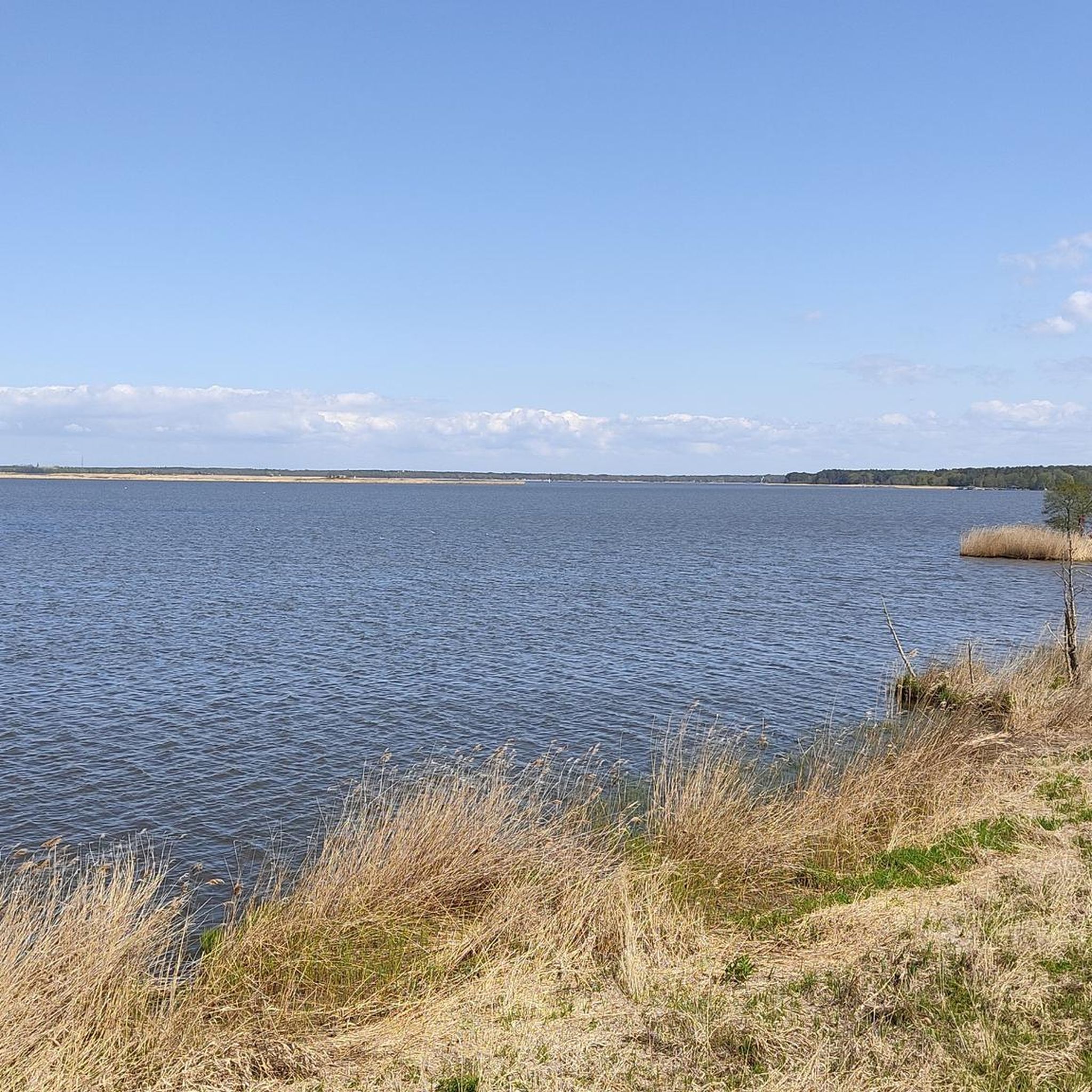
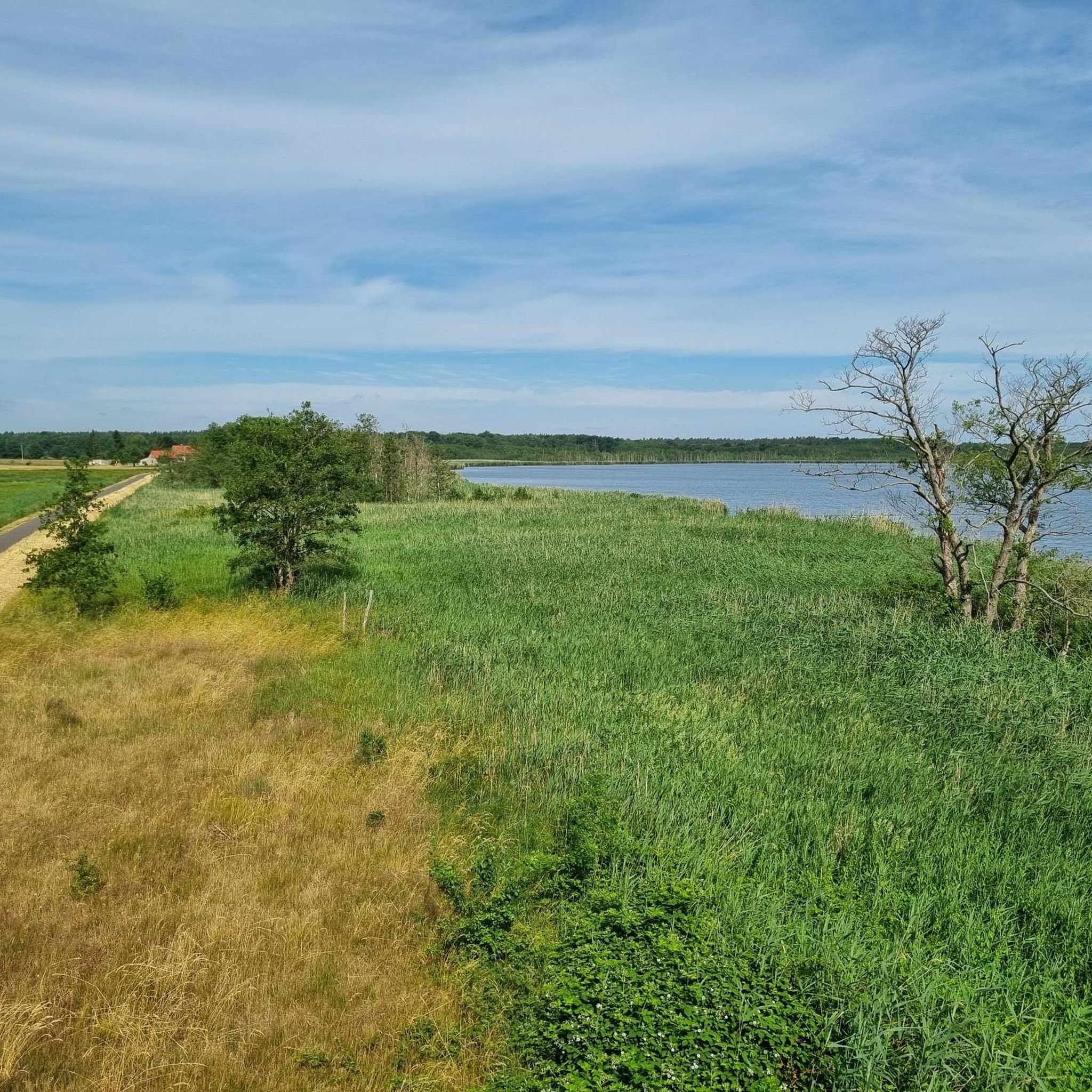
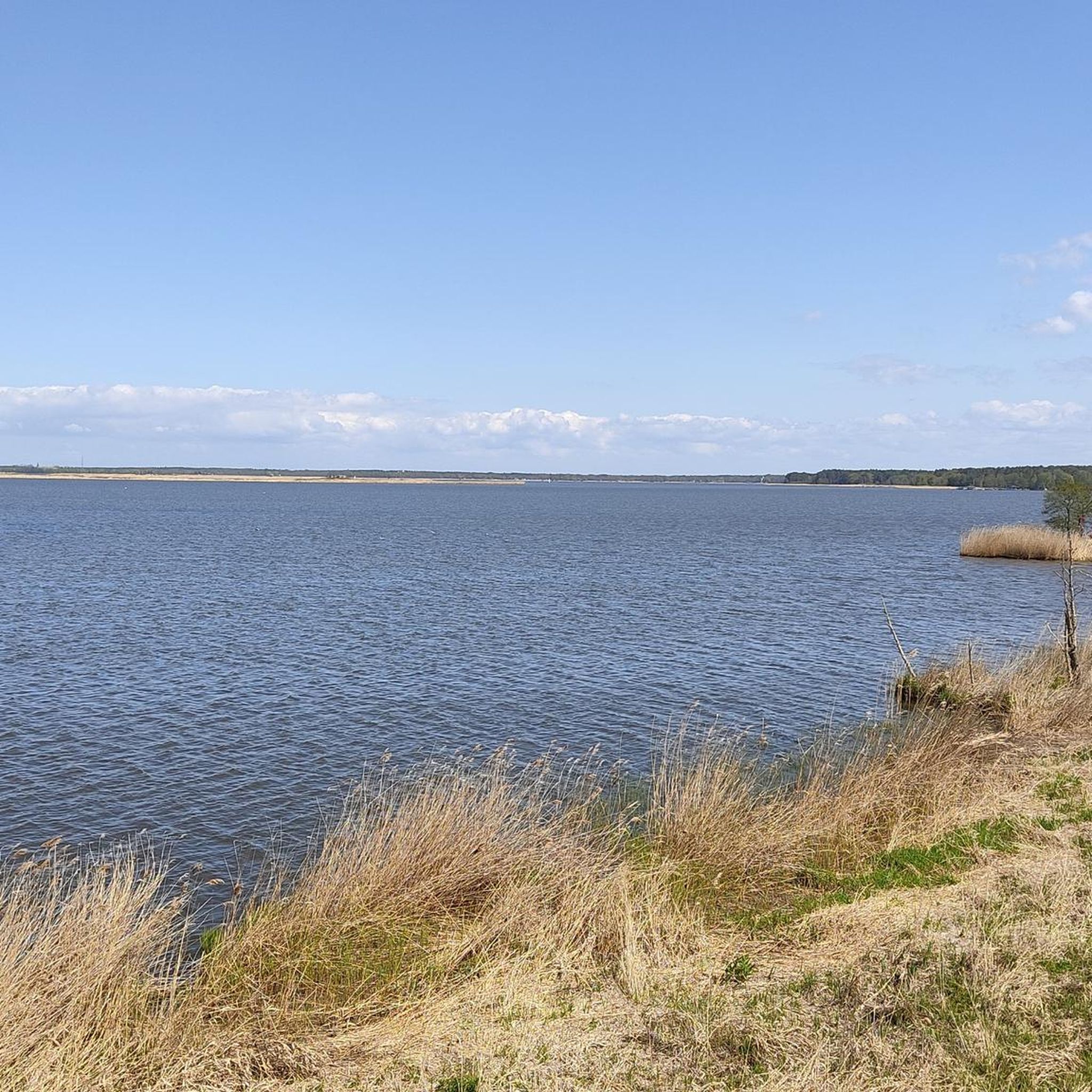
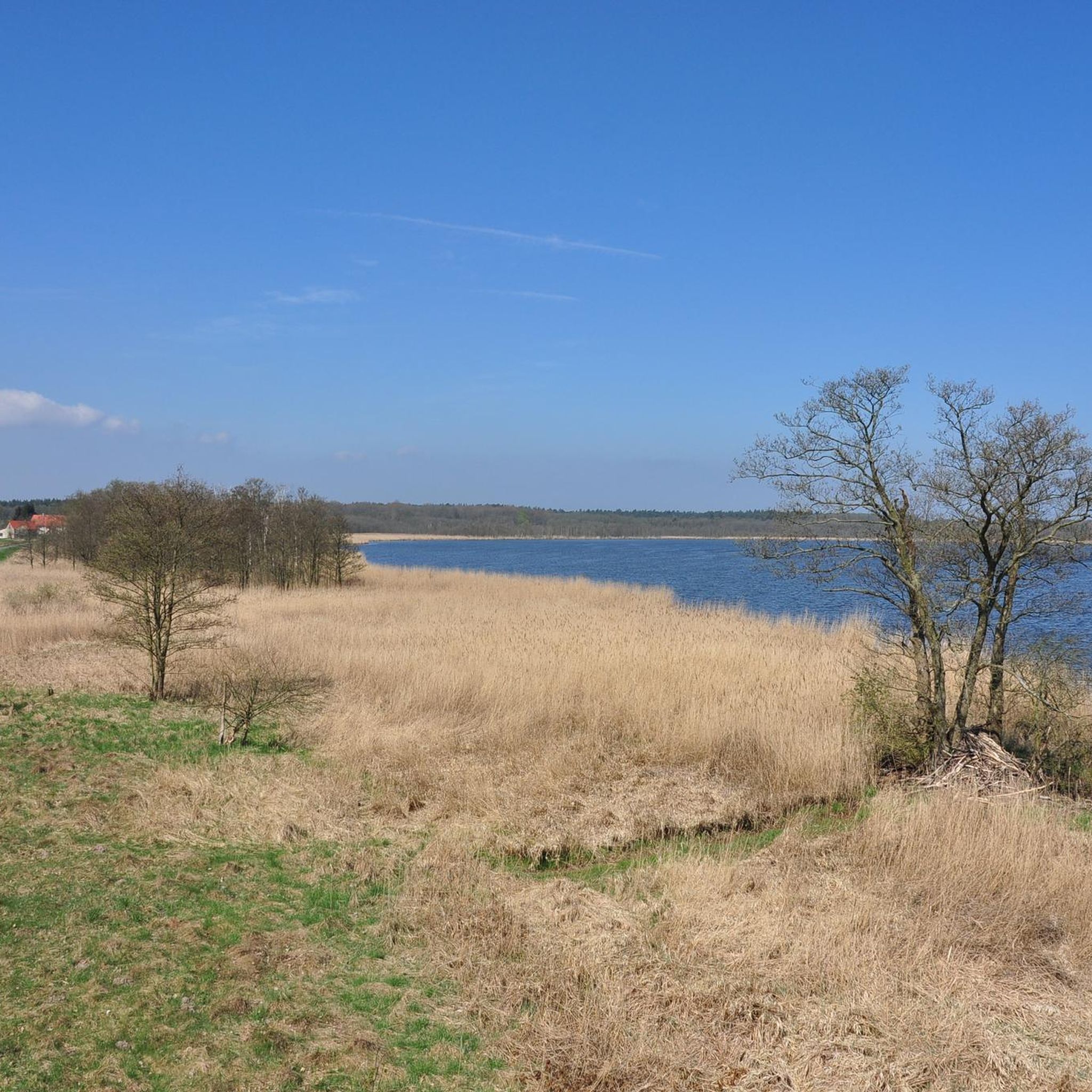
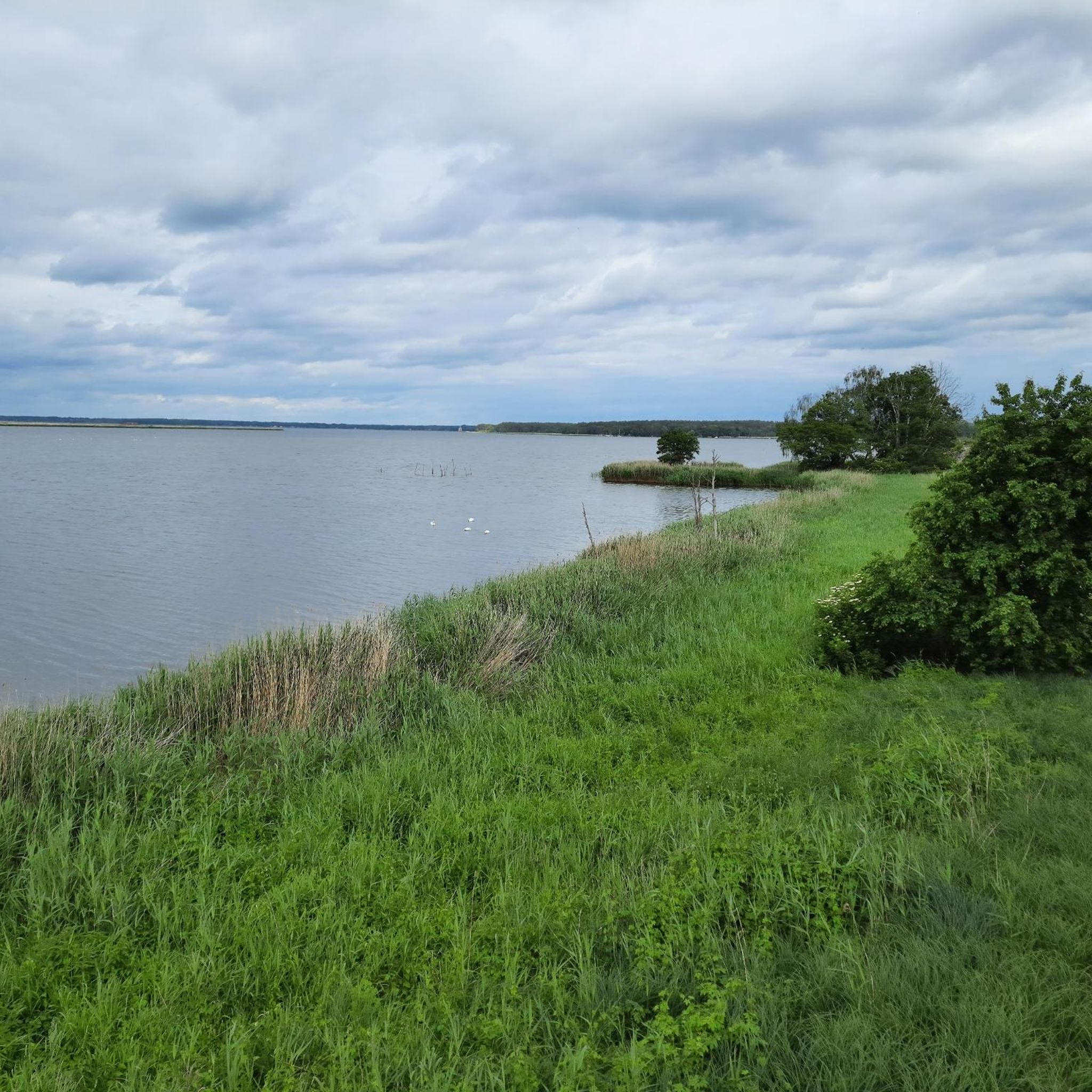
The "Am Stettiner Haff" nature park is located in northeastern Mecklenburg-Western Pomerania, directly on the border with Poland. Here you will find the vast, contiguous forests of the Ueckermünde Heath, the natural and undeveloped sections of the lagoon coast, lagoon meadows, the lowlands of the Uecker and Randow, and the Brohmer Hills. The landscape is characterized by small lakes, magnificent beech and mixed forests, and a wide variety of animals. The current landscape was formed approximately 12,000 to 10,000 years ago during the last Ice Age. At that time, glaciers and meltwater formed the flat ground moraines, valleys, basins, and striking terminal moraines such as the Rosenthaler Randlage and the Brohmer Hills. Wind-blown sand blankets and inland dunes were deposited, which today make up the sandy area of the Ueckermünde Heath. You can discover a diverse landscape in the nature park: from wet moors and meadows to dry grasslands, extensive forests, and inland dunes. This diversity ensures that you'll find a particularly rich flora and fauna here—from rare birds to otters and many unique plant species.
1
0

Very beautifully landscaped garden/park, with a small bistro.
0
0
Very beautifully landscaped park/garden with a small bistro.
0
0

Very beautiful, well-kept garden/park. Worth seeing. The cake selection in the adjoining bistro is also highly recommended
2
0

One might ask how dunes are formed so far inland... The answer would be: during the last ice age, during centuries of thawing, these fine sands were transported into the lagoon by meltwater rivers and then piled up by the wind.
1
1

Inland dunes Size: 1460 ha Nature reserve since 1990 The nature reserve is registered as an FFH (flora, fauna, habitat) area and is part of the European bird sanctuary "Riether Werder, Gottesheide, Ahlbecker Seegrund". After the ice melted at the end of the Weichselian glaciation around 10,000 years ago, an inland dune massif was formed in the area of the former Haff reservoir immediately south of Altwarp, which is made up of irregularly arranged dune ridges. Inland dunes of this kind can only be found again in southwest Mecklenburg, particularly in the town of Klein-Schmölen near Dömitz.
2
0
Frequently Asked Questions
What unique natural features can I explore around Luckow?
The region is known for its diverse natural features, including inland dunes, juniper forests, and botanical gardens. For example, the Altwarp Inland Dunes offer a unique landscape with irregularly arranged dune ridges, providing panoramic views. You can also find a high density of common juniper trees in the Wacholder Valley.
Are there family-friendly natural monuments around Luckow?
Yes, several natural monuments are suitable for families. The Altwarp Inland Dunes and Wacholder Valley are both marked as family-friendly. Additionally, the Christiansberg Botanical Garden is a well-maintained garden that families can enjoy in any season.
What kind of views can I expect from the natural monuments?
You can find several spots offering excellent views. The Altwarp Inland Dunes provide panoramic views, even extending to the Polish side to Neuwarp (Nowe Warpno). The Christiansberg Botanical Garden also offers scenic viewpoints within its beautiful grounds. The Aussichtsturm Fuchsberg (Fuchsberg Observation Tower) in the wider Groß Luckow region provides wonderful panoramic views of the surrounding valleys and landscape.
What outdoor activities can I do near these natural monuments?
The region around Luckow is ideal for various outdoor activities. You can find numerous trails for hiking and running. For specific routes, explore the Hiking around Luckow guide or the Running Trails around Luckow guide. The forests and lakes in the area are perfect for enjoying the outdoors.
Are there easy hiking trails near the natural monuments?
Yes, there are easy hiking options available. The Easy hikes around Luckow guide lists several routes, such as the 'Rieth School – Riether Village Church loop from Riether Werder' which is 5.3 km and rated easy. The Wacholder Valley also offers soft forest paths suitable for leisurely walks.
What is the best time to visit the natural monuments around Luckow?
Many natural monuments in the region can be enjoyed throughout the year. The Christiansberg Botanical Garden is considered beautiful in every season. The surrounding landscape of forests and lakes offers a serene environment for nature lovers regardless of the time of year, though spring and autumn often provide particularly picturesque scenery.
Can I observe wildlife in the natural monuments area?
Yes, the Am Stettiner Haff Nature Park is known for its rich flora and fauna. This protected landscape area is home to rare birds, otters, and many unique plant species. The dune areas at Altwarp also host endangered species like the kerb ant Formica foreli.
Are there any natural monuments with historical significance?
The Teufelsgraben (Devil's Ditch) has an interesting history. It was originally laid in the early 19th century to drain Lake Ahlbeck, but problems during its construction, leading to collapses, gave it its distinctive name. The Ahlbecker Seegrund, where it is located, was declared a nature reserve in 1987.
Are there places to eat or get refreshments near the natural monuments?
The Christiansberg Botanical Garden has an adjoining bistro with a highly recommended cake selection. While specific cafes or pubs directly at other natural monuments are not detailed, the wider region of Groß Luckow offers options for refreshments and accommodation.
What kind of landscape can I expect in the Am Stettiner Haff Nature Park?
The Am Stettiner Haff Nature Park features a diverse landscape shaped by the last Ice Age. You will find vast, contiguous forests of the Ueckermünde Heath, natural sections of the lagoon coast, lagoon meadows, and the lowlands of the Uecker and Randow rivers. The park is characterized by small lakes, magnificent beech and mixed forests, and a wide variety of animals.
What makes the Wacholder Valley special?
The Wacholder Valley is notable for its exceptionally high density of common juniper trees, which is unusual for the region. It offers wonderful soft forest paths for exploration and a unique, almost unspoiled atmosphere, thanks to efforts to preserve it during the GDR era.
Most popular attractions around Luckow

Get inspired with the komoot mobile app


Explore more
Extend your search for the best caves by checking out these guides of the top ones around Luckow:
