Top 20 Natural Monuments around Lüdersfeld
Best natural monuments around Lüdersfeld are found within the wider Schaumburg district and Lower Saxony region, offering diverse natural landscapes. While Lüdersfeld itself does not host officially designated natural monuments, the surrounding area features significant natural attractions. These include expansive nature parks, unique geological formations, and rare botanical sites. The region provides opportunities to explore varied ecosystems and natural features.
Best natural monuments around Lüdersfeld
- The most popular natural monuments is Süntel Beech Avenue in the spa park of Bad…
Last updated: August 4, 2026
Meerbruchwiesen Bird Sanctuary
Highlight • Natural Monument
Translated by Google •
Tip by

Dinosaur Tracks in the Obernkirchen Sandstone Quarries
Highlight • Natural Monument
obernkirchen-info.de/bergstadt/dinosaurierwegen.htm
Translated by Google •
Tip by

Sign up now to discover places like this
Get recommendations on the best single tracks, peaks, & plenty of other exciting outdoor places.
Sign up for free
Hagenburg Canal
Highlight • River
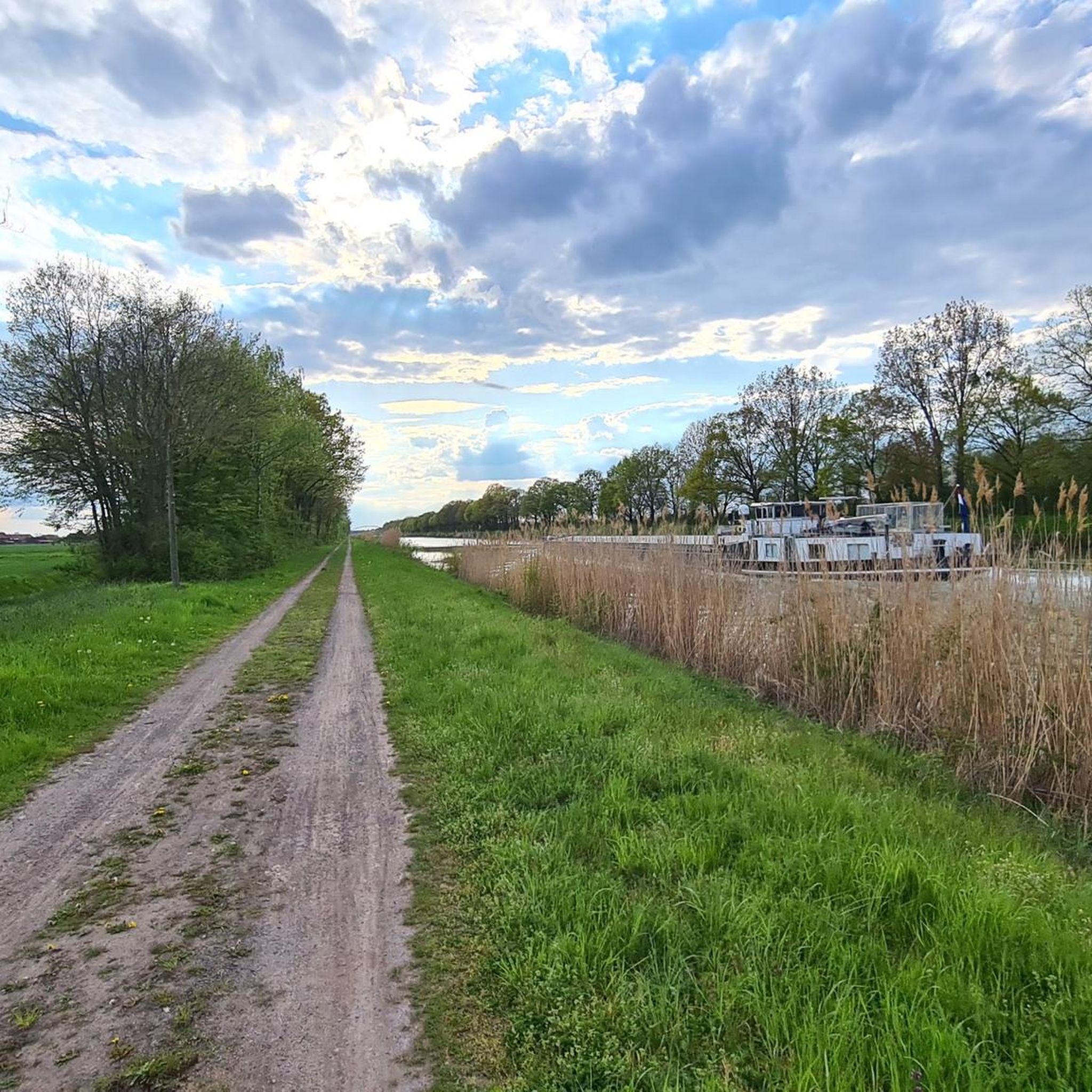
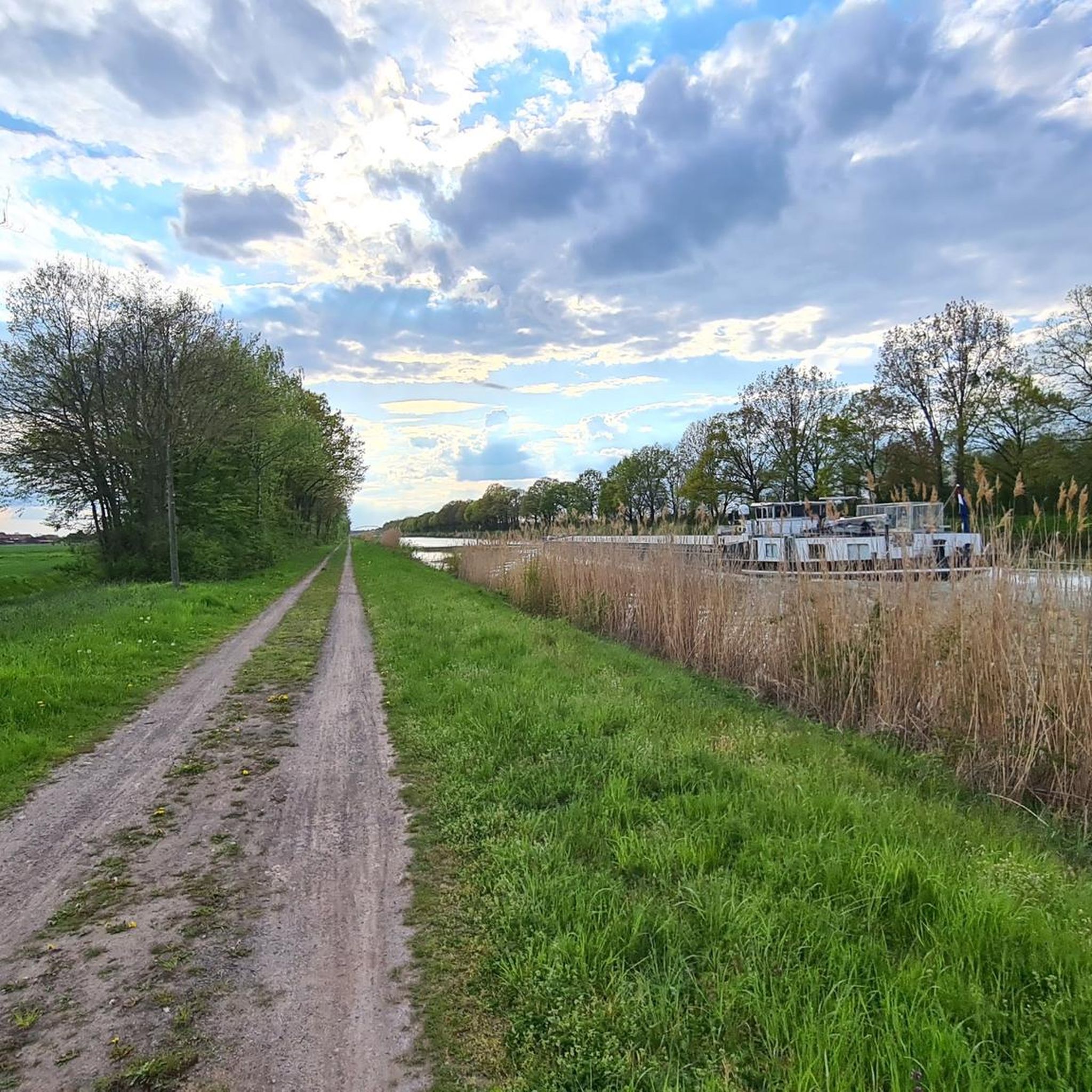
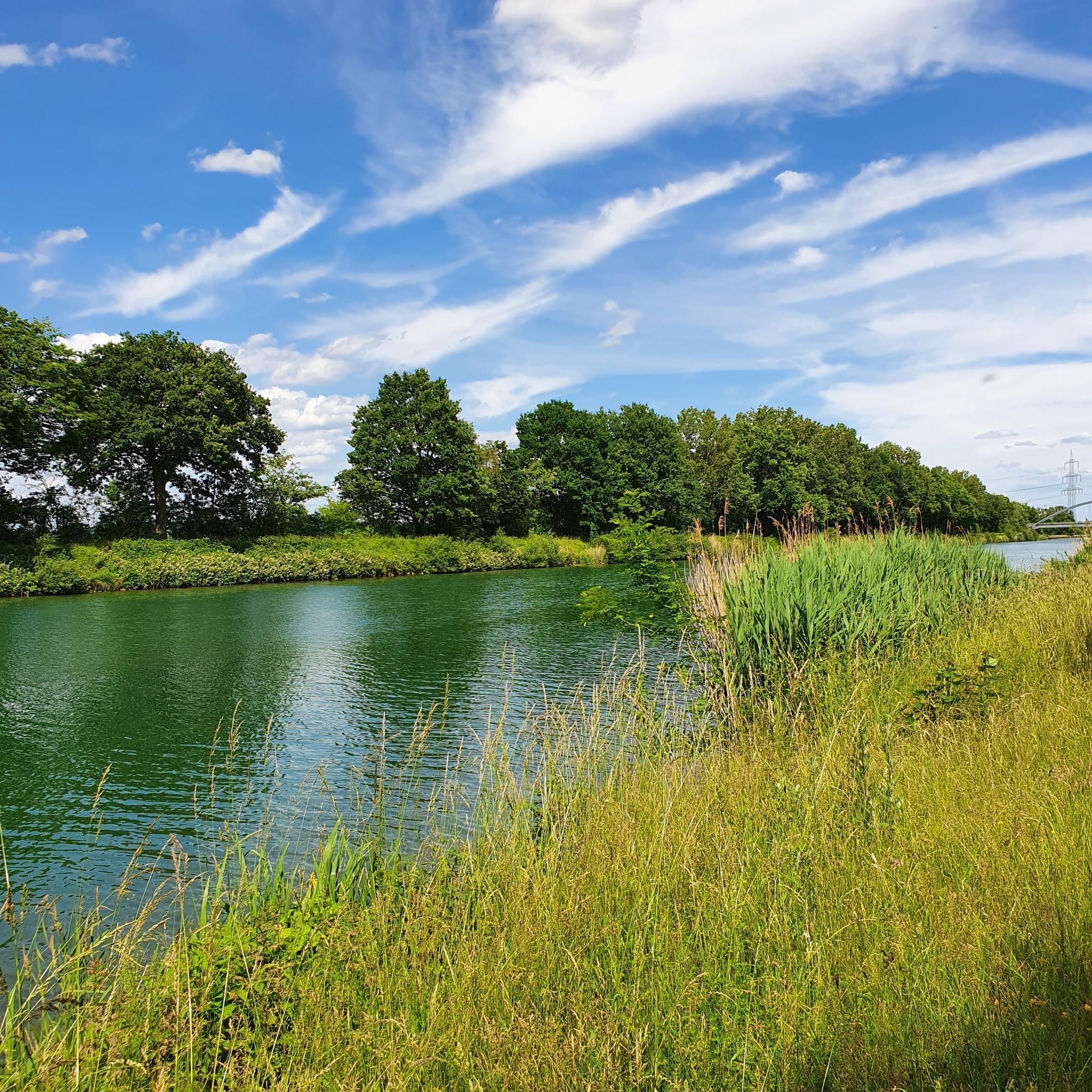
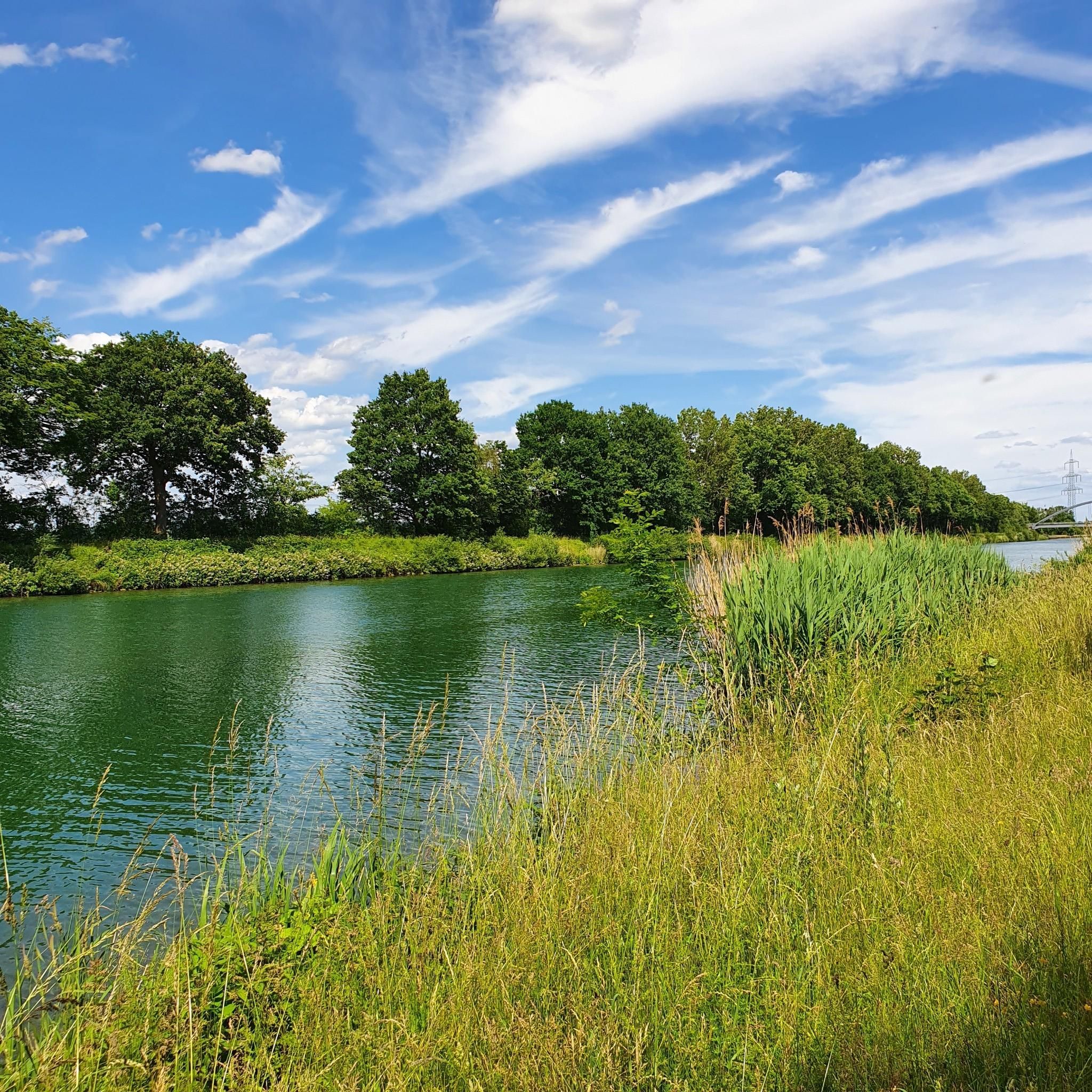
In the summer months you can watch water bats hunting here.
Translated by Google •
Tip by
Meerbruchswiesen Birdwatching Area
Highlight • Natural Monument
Translated by Google •
Tip by

Süntel Beech Avenue in the spa park of Bad Nenndorf
Highlight (Segment) • Natural Monument
Children stand in front of it in amazement, but adults are also enthusiastic about the crooked things: the Süntelbuchen-Allee in the spa park is …
Translated by Google •
Tip by
Sign up for free to discover even more natural monuments around Lüdersfeld.
Sign up for free
Already have an account?
Start today with a free account
Your next adventure awaits.
Login or Signup
Tips from the Community

At the beginning of the 20th century, the fountain gardener and dendrologist Carl Thon (1867–1955) began to grow seedlings from beech nuts of the so-called Tilly beech, which until 1994 stood on the north-eastern edge of the Süntel not far from Bad Nenndorf. He used these to plant the foundation for the avenue. The number of Süntel beech trees grew through root shoots and layering. Additional planting of new specimens led to a population of almost 100 Süntel beeches. In January 2012, the New Year's Lights took place for the first time in the Süntelbuchenallee. During this event lasting several days, the trees are illuminated and staged by light artists, and the performance is accompanied by a supporting program with various live bands and other events. The New Year's Lights take place every three years. Source and further information: https://de.wikipedia.org/wiki/S%C3%BCntelbuchenallee
8
1

A wonderful route. A dream of a landscape.
13
0
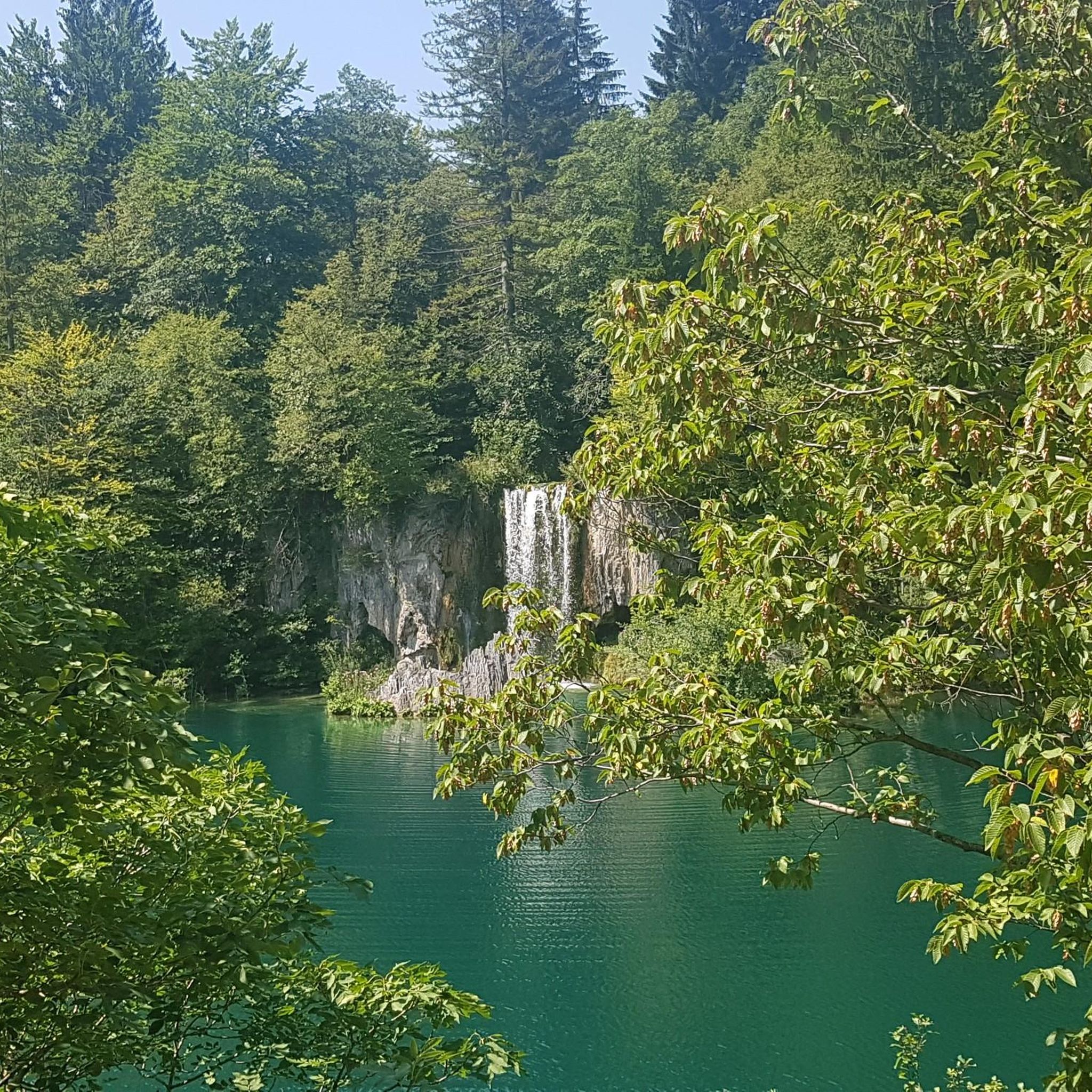
A great view of nature.
13
0
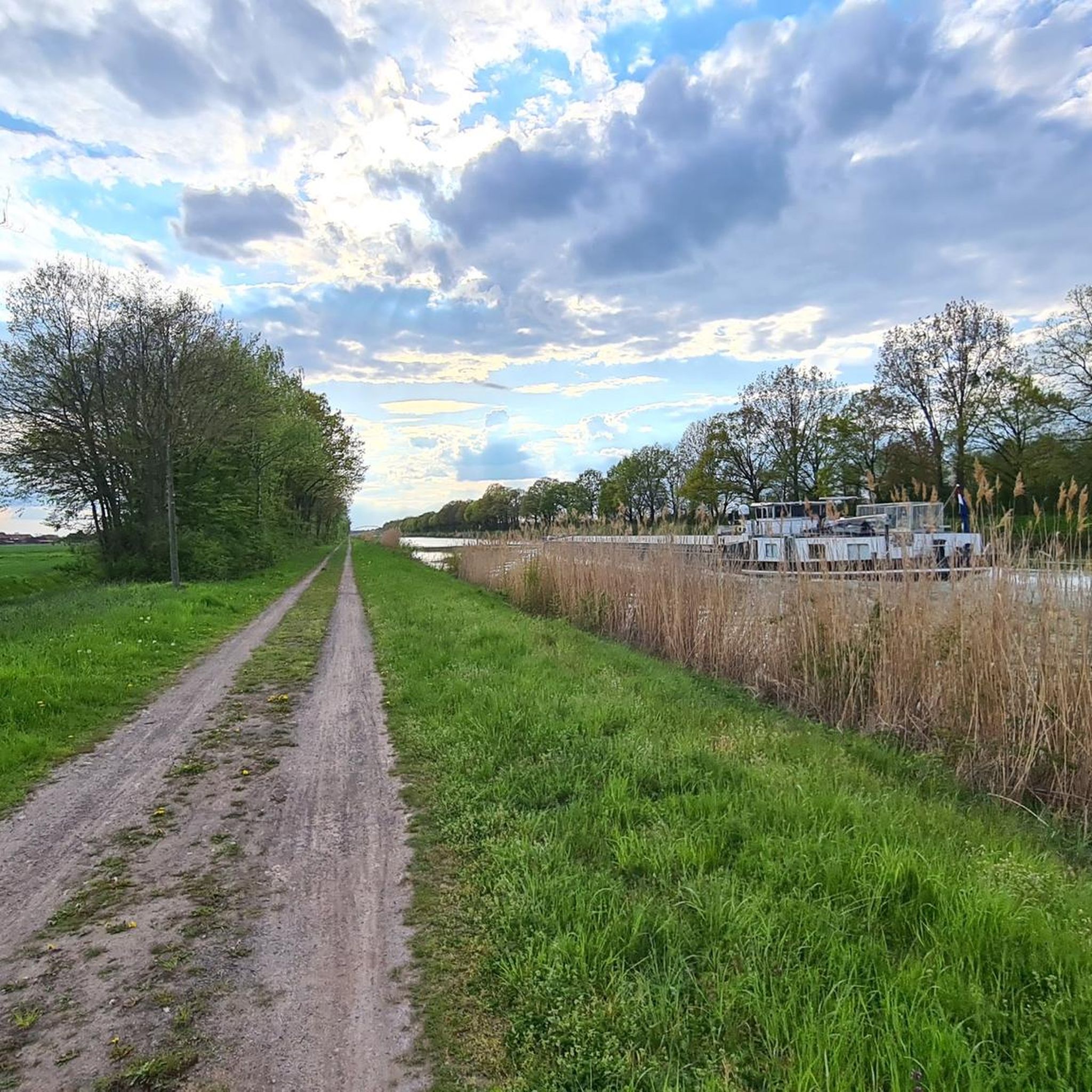
A beautiful bike path that couldn't be more idyllic. There are also lookout points where you have an excellent view of nature.
11
0

The paths here are easy to navigate by bike
11
0

It's just nice to walk through there!
7
0

Short, specific route through old süntelbuchen .. without a dog ..
7
0

The Süntelbuche is a rare form of the common beech. It impresses with its special growth form: short, twisted trunks as well as crippled and overgrown branches. Süntelbuchen grow more in width than in height. They rarely get higher than 15-20 meters. Due to their zigzag growth, Süntelbuchen were often referred to as witchwood or devil's beech, because they were viewed as haunted or spoiled by the devil. The name Süntelbuche comes from the fact that they often appeared in the Süntel, a mountain range near Bad Nenndorf. Until the middle of the 19th century there was the largest beech forest in Europe. Today you can still find individual copies there at around 50 locations. The rarity of the trees also has to do with the fact that other tree species prevailed because their straight growth makes them better suited for construction and furniture production. It is also not ideal as a supplier of firewood because the beech trees grow so slowly. And you can't stack such crooked wood very well either. The Süntelbuchenallee has been renatured in recent years with great attention to detail. It is approx. 500 m long and houses over 100 trees over 100 years old as well as numerous replanting. Due to the slow growth, it takes quite a long time for Süntelbuchen to show their characteristic shape. Such a high number of Süntelbuchen in one place is an absolute specialty worldwide! In order to preserve this treasure for a long time to come, it is incredibly important not to climb on them, not walk around on the roots or even damage the bark. There is therefore a clearly defined area on the avenue where visitors can stroll through the avenue.
14
0
Frequently Asked Questions
What natural attractions can I explore near Lüdersfeld?
While Lüdersfeld itself does not have officially designated natural monuments, the surrounding Schaumburg district and Lower Saxony region offer diverse natural landscapes. You can explore the expansive Nature Park Weserbergland Schaumburg-Hameln with its rolling hills and forests, the unique moorland and wetland ecosystem of Steinhuder Meer Nature Park, or the Süntel Hills, known for their rare, twisted Süntel Beech trees. These areas provide opportunities for hiking, cycling, and enjoying scenic views.
Are there any unique botanical natural monuments in the region?
Yes, a truly unique botanical natural monument is the Süntel Beech Avenue in the spa park of Bad Nenndorf. This avenue features a rare form of European beech trees that grow in distinctive, twisted shapes, often referred to as 'witchwood'. They grow wider than they are tall and are a fascinating sight due to their unusual growth patterns.
Where can I see ancient geological formations or historical natural sites?
You can visit the Dinosaur Tracks in the Obernkirchen Sandstone Quarries. This site is both a natural monument and a historical landmark, where you can observe 140 million-year-old fossilized dinosaur traces. Informative display boards provide context about these ancient footprints.
Are there family-friendly natural monuments or activities near Lüdersfeld?
Many natural attractions in the region are family-friendly. The Dinosaur Tracks in the Obernkirchen Sandstone Quarries are developed for tourism with display boards, making it an engaging experience for all ages. The Süntel Beech Avenue in Bad Nenndorf also offers an easy, fascinating walk for families. Additionally, the Steinhuder Meer Nature Park provides opportunities for water sports and exploring the 'Badeinsel' (bathing island).
What kind of wildlife can I spot in the natural areas around Lüdersfeld?
The region is excellent for wildlife spotting, especially birds. The Meerbruchwiesen Bird Sanctuary and Meerbruchswiesen Birdwatching Area near Steinhuder Meer are prime locations. These wetland ecosystems are home to diverse bird species, including waders, ducks, and even ospreys and sea eagles. Information boards along the paths help identify the native bird species.
What outdoor activities are available near these natural monuments?
The natural monuments are surrounded by opportunities for various outdoor activities. You can find numerous hiking trails around Lüdersfeld, including easy loops like the Orchard Meadow loop. For cyclists, there are cycling routes that take you through scenic landscapes, and even road cycling routes for more challenging rides.
Are there any natural areas suitable for a relaxing walk or forest stroll?
Absolutely. The Sundern Monastery Forest offers well-maintained paths through woodlands, ponds, and old trees, providing a peaceful setting for walks and relaxation. It's a great spot to enjoy nature and unwind.
What is the best time of year to visit the natural monuments near Lüdersfeld?
The best time to visit depends on your interests. Spring and autumn offer pleasant temperatures for hiking and cycling, with vibrant foliage in the Süntel Hills and Weserbergland. Summer is ideal for water activities at Steinhuder Meer. Birdwatching is particularly rewarding during migratory seasons in spring and autumn at the bird sanctuaries.
Are there accessible routes or features for visitors with mobility considerations?
The Dinosaur Tracks in the Obernkirchen Sandstone Quarries are noted as being wheelchair accessible, making them a good option for visitors with mobility considerations. Many paths in nature parks and around the Steinhuder Meer are generally flat and well-maintained, offering easier access.
What do visitors enjoy most about the natural monuments in this region?
Visitors frequently appreciate the diverse natural beauty, from the unique Süntel Beech trees to the ancient dinosaur tracks. The peaceful atmosphere of the forests, the opportunities for birdwatching, and the well-maintained paths for various outdoor activities are often highlighted. The komoot community has shared over 150 photos and given more than 1600 upvotes, reflecting the region's appeal.
Can I bring my dog to the natural monuments and trails?
Many natural areas and trails in the region are dog-friendly, especially for walks in forests like the Sundern Monastery Forest, which offers plenty of shade and watering holes. However, it's always advisable to keep dogs on a leash, especially in nature reserves or areas with wildlife, and to check specific regulations for each location.
Most popular routes around Lüdersfeld
Most popular attractions around Lüdersfeld

Get inspired with the komoot mobile app


Explore more
Extend your search for the best caves by checking out these guides of the top ones around Lüdersfeld:
