Top 20 Natural Monuments around Bassenheim
Best natural monuments around Bassenheim are found in the Mayen-Koblenz district, an area known for its varied natural landscapes. The region encompasses the Moselle Valley, featuring vineyards and geological formations. While Bassenheim itself includes landscape parks, the broader surroundings offer a range of natural features for exploration. This guide presents several natural monuments within this diverse terrain.
Best natural monuments around Bassenheim
- The most popular natural monuments is Nette Waterfall, a waterfall that offers a spot for cooling down.…
Last updated: July 22, 2026
Translated by Google •
Tip by

Nette Waterfall
Highlight • Waterfall
Translated by Google •
Tip by

Sign up now to discover places like this
Get recommendations on the best single tracks, peaks, & plenty of other exciting outdoor places.
Sign up for free
Nettetal
Highlight (Segment) • Waterfall
Translated by Google •
Tip by
Barbaraweg with Former Slate Mines
Highlight (Segment) • Trail
Translated by Google •
Tip by
Confluence of the Lahn and the Rhine
Highlight • River
Translated by Google •
Tip by

Sign up for free to discover even more natural monuments around Bassenheim.
Sign up for free
Already have an account?
Start today with a free account
Your next adventure awaits.
Login or Signup
Popular around Bassenheim


Tips from the Community

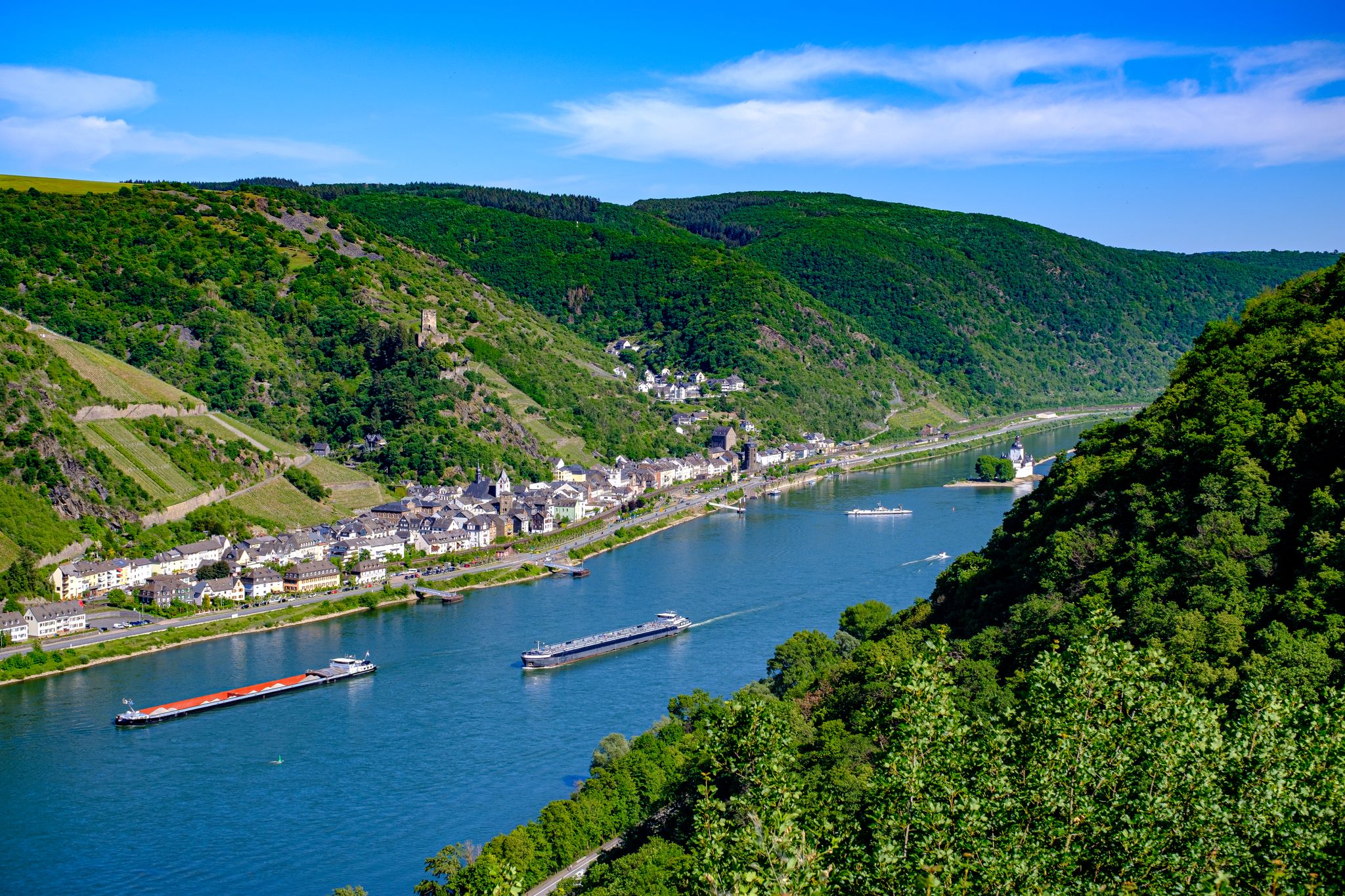
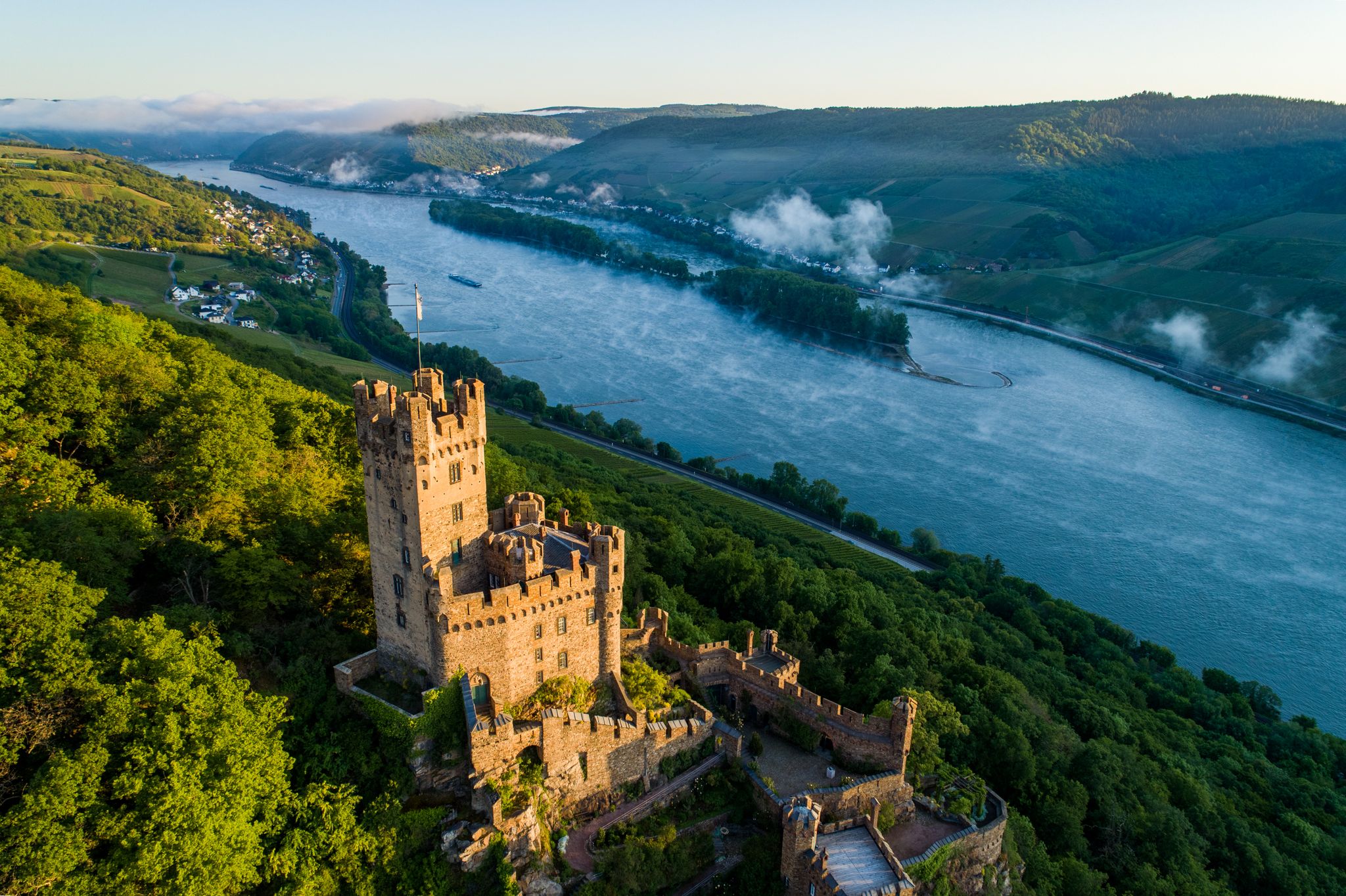
The confluence of the Lahn and Rhine. Today, the Lahn is only a recreational boating waterway.
6
1

The mouth of the Lahn near Niederlahnstein in the Rhine with Stolzenfels Castle in the background on the other side of the Rhine
5
0

Shortly after the death of Kaiser Wilhelm I, the idea arose to erect a memorial to the Kaiser, who had brought about the complete unification of Germany after three wars. Three years later, in 1891, Kaiser Wilhelm II, the grandson of the deceased, chose the Deutsches Eck in Koblenz as a suitable location. In order to create space for the memorial, a port of refuge was filled in, which at that time was located at the mouth of the Moselle. The Deutsches Eck in its present form was created. On August 31, 1897, the copper-engraved monument to Kaiser Wilhelm I was inaugurated in the presence of Kaiser Wilhelm II.
21
0

The Deutsches Eck is the landmark of the city of Koblenz and a major attraction for tourists.
33
0

A good place to linger on beautiful sunny days.
8
2

"... The Lahn rises at the Lahntopf near Lahnhof in the southeastern Rothaar Mountains at an altitude of 625 m and flows into the Rhine in Lahnstein at an altitude of around 69 m at Rhine kilometer 585.7. The right or eastern tributary of the Rhine has a length of 245.6 km. The Lahn is a federal waterway from km 12.22 near Wetzlar to the mouth of the Rhine at km 137.3. Shortly before the mouth of the Rhine, on the south side of the Lahn, is the Lahnstein industrial port with bulk goods handling. The unfired entrance to the Lahn and in the harbor is marked with beacons. About 1.2 kilometers east of the mouth of the Lahn lies Lahneck Castle from the early 13th century on a steeply jutting rocky outcrop. Lahneck Castle has been privately owned by the family since 1907. The castle can be visited from April to October. ..." http://www.deutsche-leuchtfeuer.de/binnen/rhein/fluesse/lahn.html
6
1

Here, where the 2 rivers 🌊🌊 come together... there is always something going on... Stolzenfels Castle🏰 on the other side of the Rhine - a great photo opportunity 📸 Pedestrians and cyclists are separated here, so no one gets in each other's way 👌🏼👍🏻
10
1

I find the different flow velocities of the two rivers exciting. How leisurely the Lahn flows into the Rhine.
7
1
Frequently Asked Questions
What are some of the most popular natural monuments around Bassenheim?
Among the most appreciated natural monuments in the region is the Nette Waterfall, known for its idyllic setting and the soothing sound of rushing water. Another highly rated spot is Barbaraweg with Former Slate Mines, which offers narrow paths, rugged rocks, and historical insights into the area's mining past. Visitors also enjoy the Elmar-Hillesheim Meadow and Wicker Basket, a unique natural monument cultivating fruit trees and willows, providing relaxing spaces.
Are there family-friendly natural monuments to visit near Bassenheim?
Yes, several natural monuments are suitable for families. The Nette Waterfall is an idyllic spot where children can cool their feet in the water. The Confluence of the Lahn and Rhine offers a great sight with a magnificent backdrop. Additionally, the Water buffalo at Thürer Wiesen provides an opportunity to observe wildlife in a special biotope, which can be exciting for all ages.
What kind of natural features can I expect to see around Bassenheim?
The region around Bassenheim is diverse, featuring waterfalls like the Nette Waterfall, and significant rivers such as the Rhine and Lahn, which meet at the Confluence of the Lahn and Rhine. You'll also find unique landscapes like the slate terraces of the Winninger Hamm Vineyards and wetlands where you can spot Water buffalo at Thürer Wiesen. The area also boasts geological formations, including former slate mines along the Barbaraweg.
When is the best time to visit the natural monuments around Bassenheim?
The natural monuments around Bassenheim can be enjoyed throughout the year, but spring, particularly mid-April, is especially beautiful when everything is in bloom, as noted for trails like the Barbaraweg. Summer offers pleasant weather for cooling down at the Nette Waterfall, while autumn brings vibrant colors to the vineyards and forests.
Are there hiking trails near the natural monuments around Bassenheim?
Yes, the region offers an extensive network of hiking trails. For example, the Barbaraweg with Former Slate Mines is a very nice mountain trail with great highlights and views. The Elmar-Hillesheim Meadow and Wicker Basket is also part of a region with numerous hiking opportunities. You can find more detailed information and routes for various difficulties on the Running Trails around Bassenheim guide.
What kind of cycling opportunities are available near Bassenheim's natural monuments?
The area around Bassenheim is excellent for cycling. You can find cycling paths along the picturesque Winninger Hamm Vineyards, offering scenic overlooks. The cycle path from Mayen to Andernach runs through the wetland where you might spot Water buffalo at Thürer Wiesen. For more routes, explore the Cycling around Bassenheim guide or the Road Cycling Routes around Bassenheim guide.
Are there any historical or cultural sites associated with the natural monuments?
Yes, the region blends natural beauty with history. The Barbaraweg features former slate mines, offering a glimpse into the area's industrial past. The Winninger Hamm Vineyards are not only a natural highlight but also represent centuries of viticultural tradition. The nearby charming wine village of Winningen, with its historic old town, is also worth exploring.
Can I find amenities like cafes or restaurants near the natural monuments?
While specific amenities directly at every natural monument might be limited, the broader region offers options. The charming wine village of Winningen, near the Winninger Hamm Vineyards, has cafes and restaurants. Near the Confluence of the Lahn and Rhine, Maximilians Brauwiesen is mentioned as a place for a beer. For other areas, it's advisable to check in nearby towns and villages.
What is the terrain like for exploring natural monuments around Bassenheim?
The terrain varies significantly. You'll encounter narrow paths and rugged rocks along trails like the Barbaraweg. The Moselle Valley features steep vineyard slopes and riverbanks. Other areas, such as the Thürer Wiesen, are wetlands. The region also includes high plateaus and volcanic landscapes, offering a diverse range of walking and cycling experiences.
Are there any unique geological features to explore?
Yes, the region is rich in geological interest. The Winninger Hamm Vineyards are known for their exceptional Riesling wines grown on slate terraces. The Barbaraweg leads past former slate mines, showcasing the area's geological history. The broader Mayen-Koblenz district also features volcanic landscapes and natural monuments like the Trass Caves in Brohltal, highlighting the unique geological makeup of the area.
What do visitors particularly enjoy about the natural monuments around Bassenheim?
Visitors frequently appreciate the scenic beauty and tranquility. The Nette Waterfall is loved for its idyllic atmosphere, perfect for a picnic. Trails like the Barbaraweg are praised for their beautiful views and fun factor, especially when everything is in bloom. The opportunity to relax and enjoy nature, as offered by the Elmar-Hillesheim Meadow, is also a highlight for many.
Most popular routes around Bassenheim
Most popular attractions around Bassenheim

Get inspired with the komoot mobile app


Explore more
Extend your search for the best caves by checking out these guides of the top ones around Bassenheim:
