Top 20 Natural Monuments around Ginsheim-Gustavsburg
Natural monuments around Ginsheim-Gustavsburg are primarily found at the confluence of the Main and Rhine rivers, offering a rich landscape for nature enthusiasts. This town is home to several officially recognized natural monuments, including impressive trees and extensive riparian environments. These sites provide scenic spots for visitors to experience the unique ecosystem of a river peninsula and the broader natural beauty of the river landscapes. The area is characterized by its significant flora and the ecological importance of its protected trees.
Best natural monuments around Ginsheim-Gustavsburg
- The most popular natural monuments is Mainspitze, a viewpoint that offers views of the Main River's confluence with the Rhine. This area is known for its well-developed cycle paths and the opportunity to observe how rivers shape the environment.
- Another must-see spot is Flörsheimer Watchtower, a viewpoint and historical site. Visitors can enjoy a wide view, including parts of the Rheingau wine region, from this location.
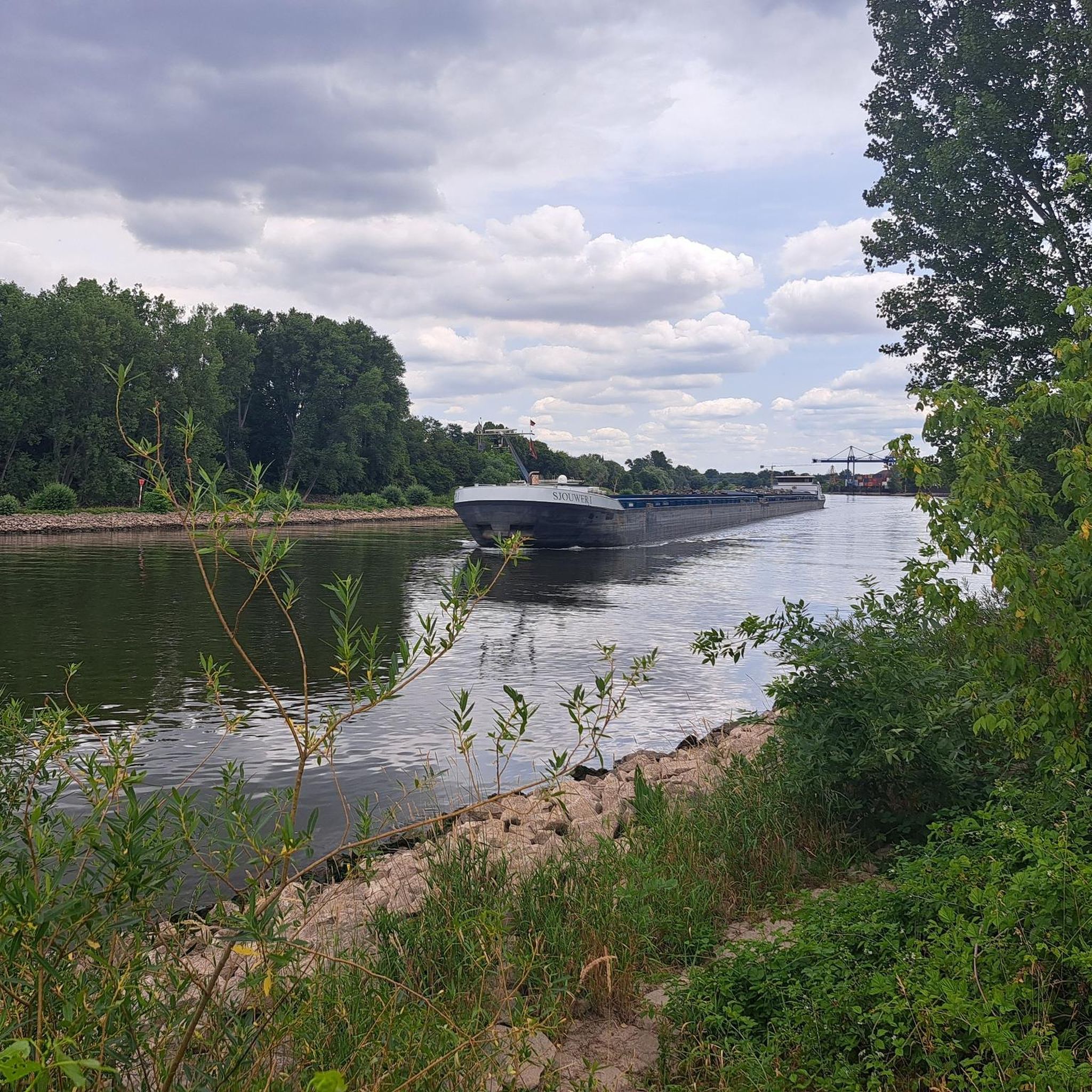
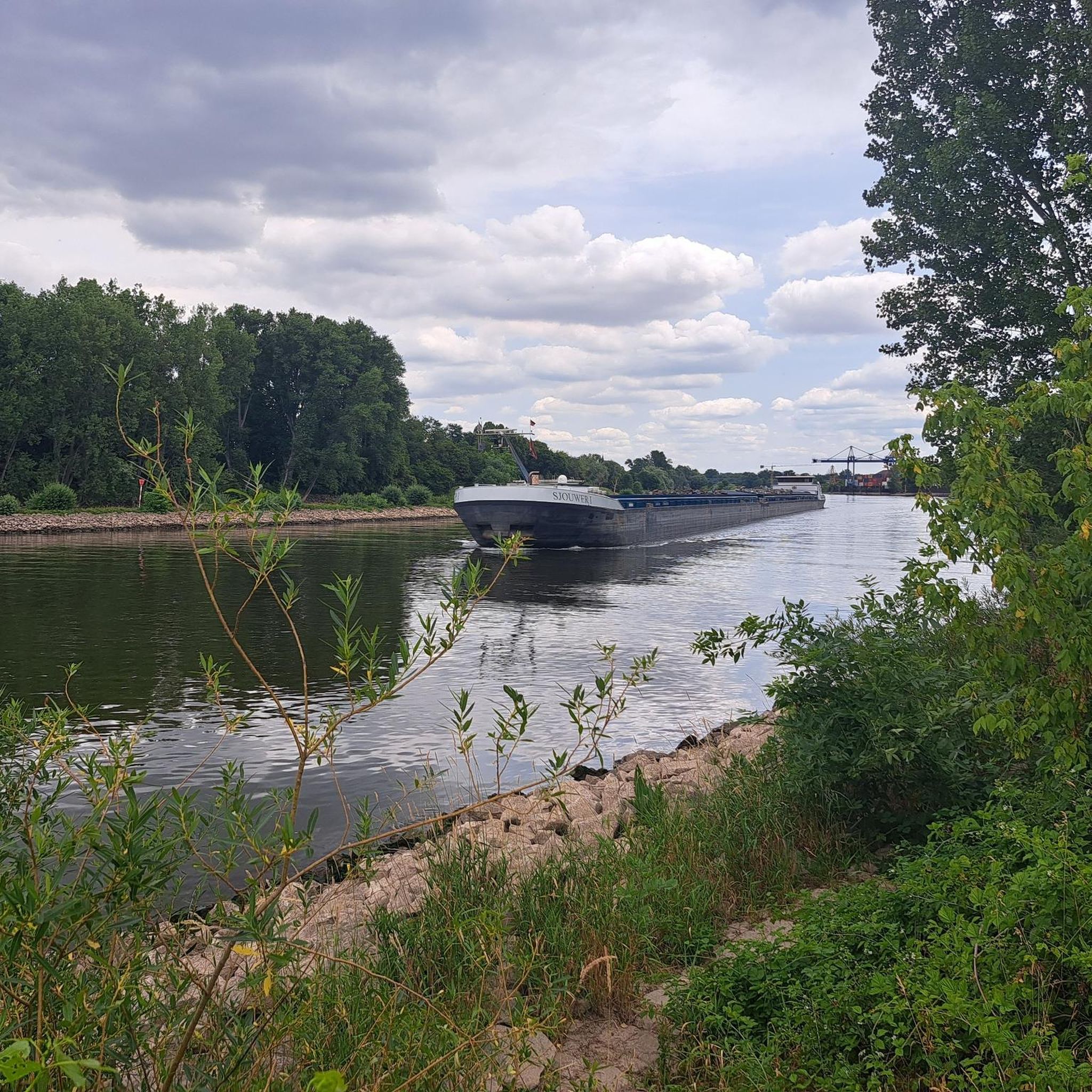
- Visitors also love Main estuary, a river area where the Main meets the Rhine. It is notable for being kilometer zero on the Main for shipping and offers opportunities to observe river traffic and the natural flow of water.
- Ginsheim-Gustavsburg is known for its significant oak trees, plane trees, and river confluence viewpoints. The area features a variety of natural monuments to see and explore, highlighting the ecological value of its protected flora and riparian zones.
- The natural monuments around Ginsheim-Gustavsburg are appreciated by the komoot community, with more than 2600 upvotes and over 750 photos shared by visitors.
Last updated: August 4, 2026
Main estuary
Highlight • River
Translated by Google •
Tip by

Flörsheimer Watchtower
Highlight • Viewpoint
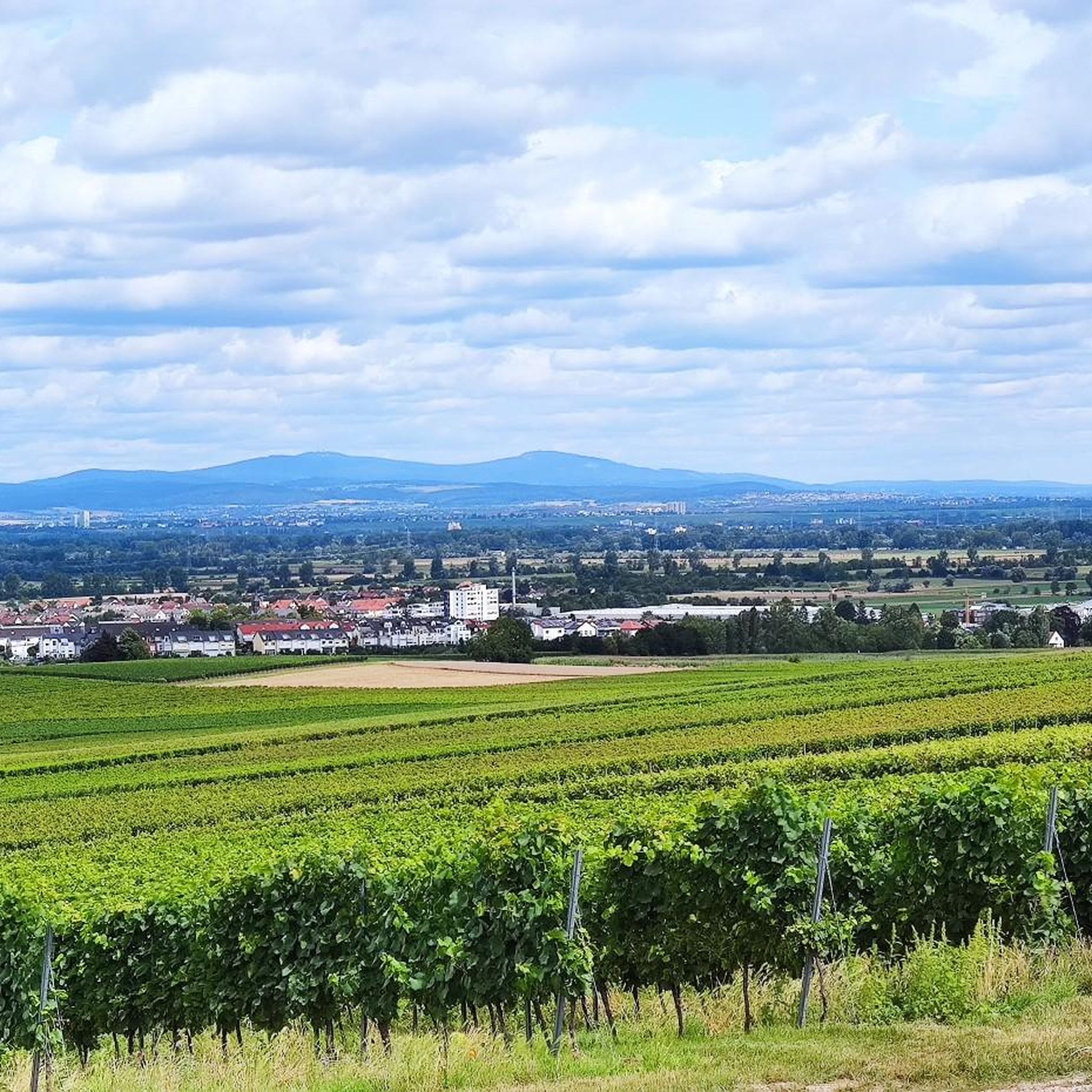
such as here to the Flörsheimer Warte - a great, recommendable location!
Further information: hochheim-tourismus.de/Sehenswertes-Erleben/Wandern-Radfahren2/Weinerlebnisweg-Oberer-Rheingau
Translated by Google •
Tip by

Sign up now to discover places like this
Get recommendations on the best single tracks, peaks, & plenty of other exciting outdoor places.
Sign up for free
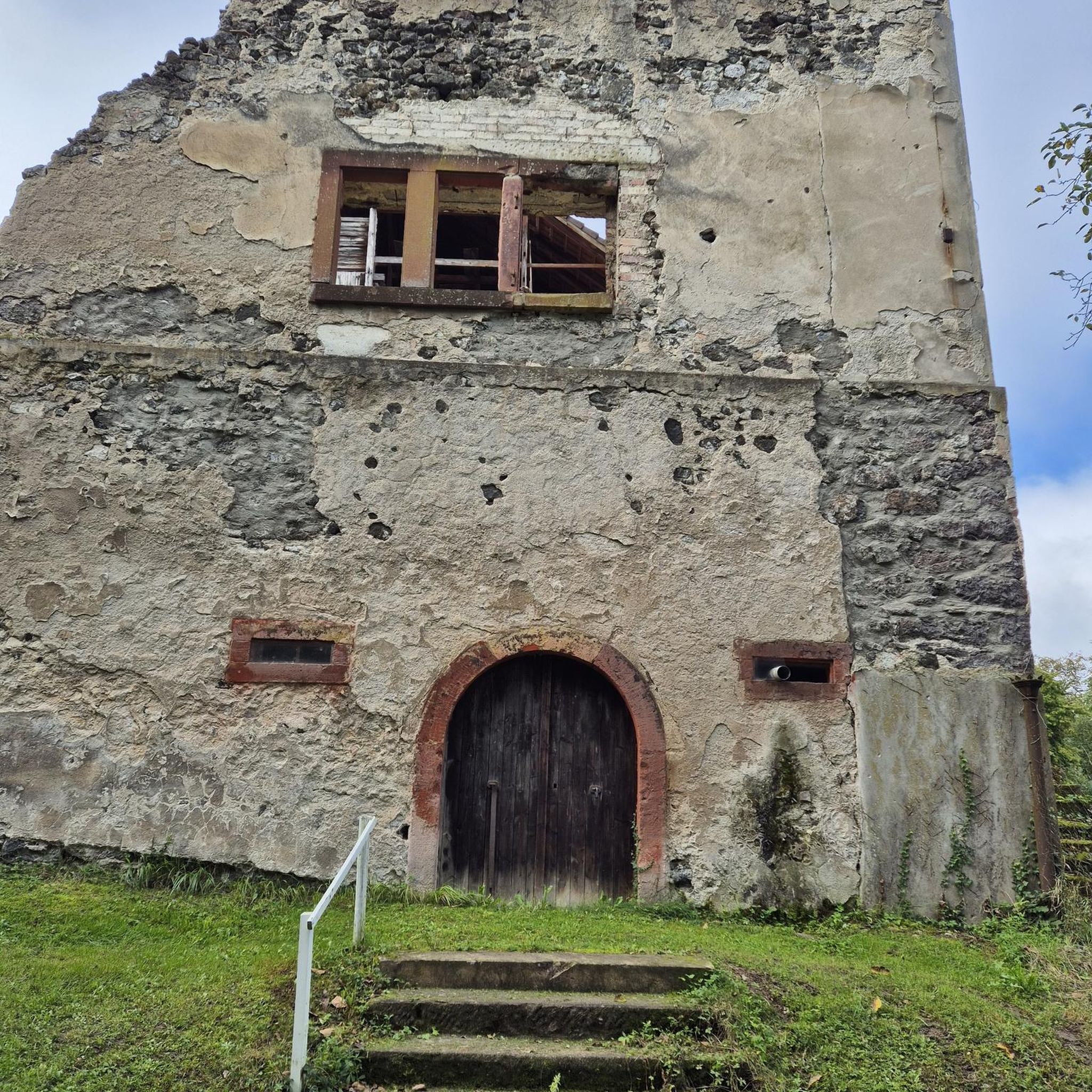
Landskron Castle Ruins
Highlight • Castle
Translated by Google •
Tip by

Mainzer Sand Part II Nature Reserve
Highlight • Natural Monument
Translated by Google •
Tip by

Stork Reserve and Rhine Meadows Dike
Highlight (Segment) • Natural Monument
Translated by Google •
Tip by

Sign up for free to discover even more natural monuments around Ginsheim-Gustavsburg.
Sign up for free
Already have an account?
Start today with a free account
Your next adventure awaits.
Login or Signup
Popular around Ginsheim-Gustavsburg
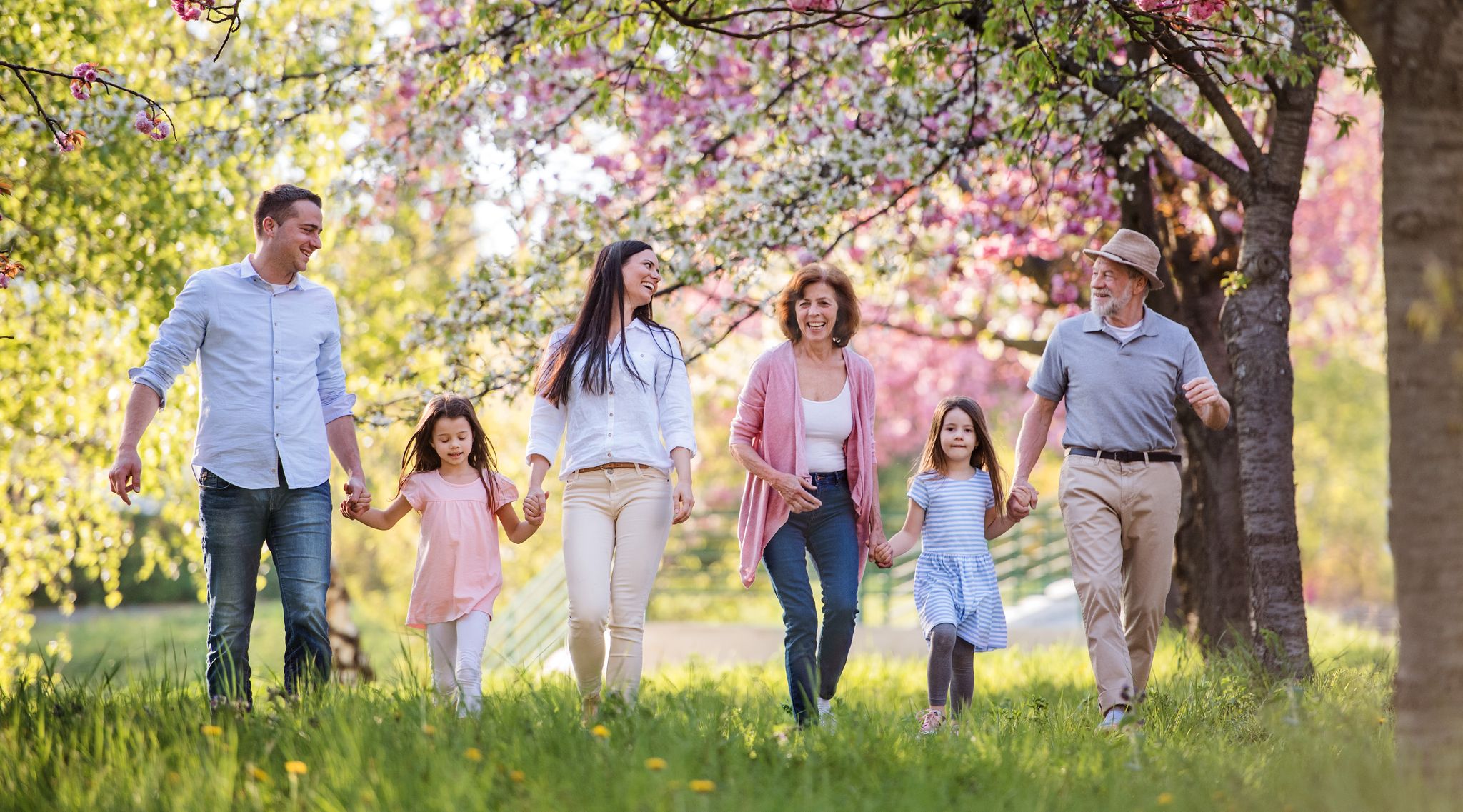
Spring is here – hiking with family by bus & train in Rhine-Main
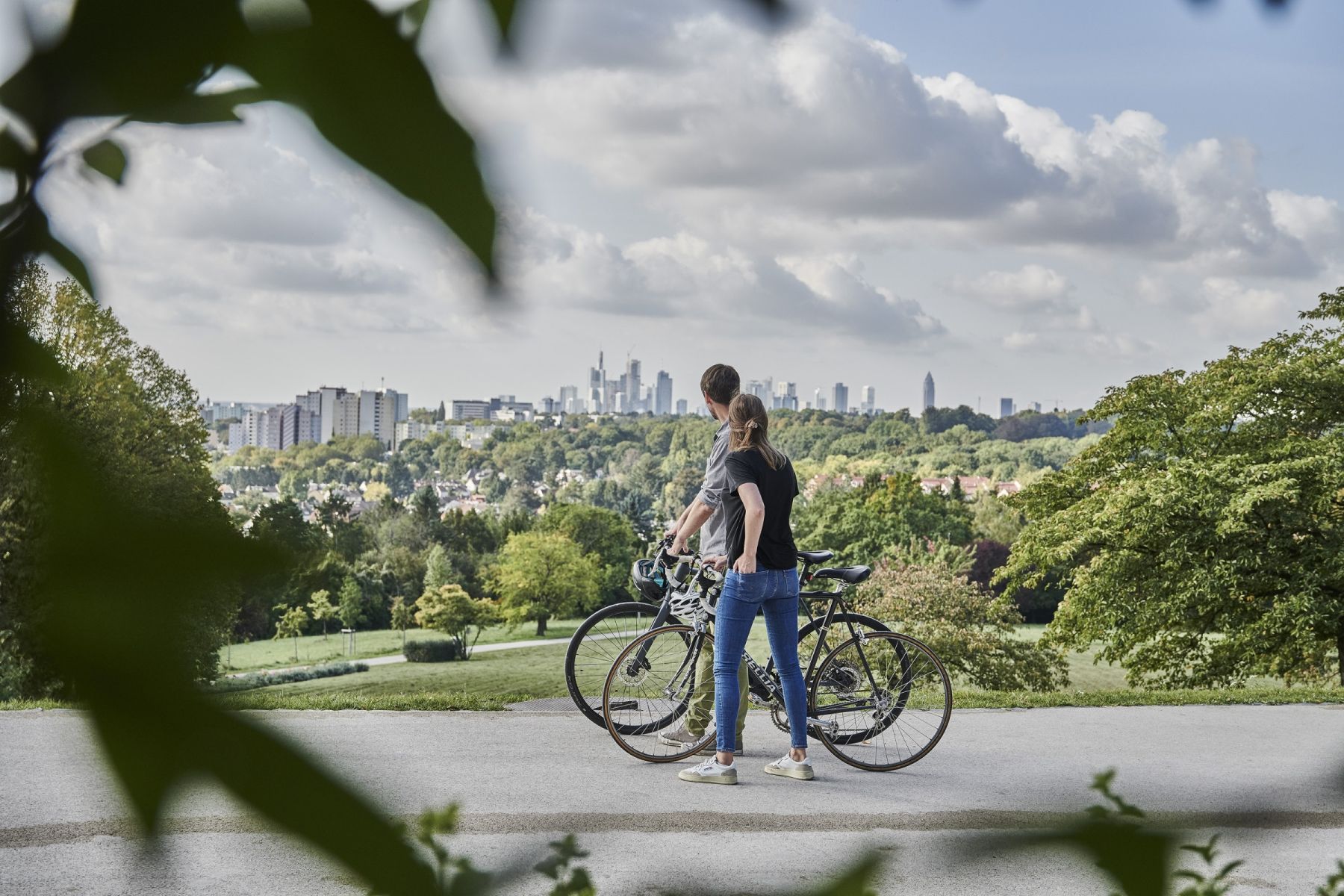
Faszination Stadt und Land – Die schönsten Radrouten in Frankfurt/Rhein-Main
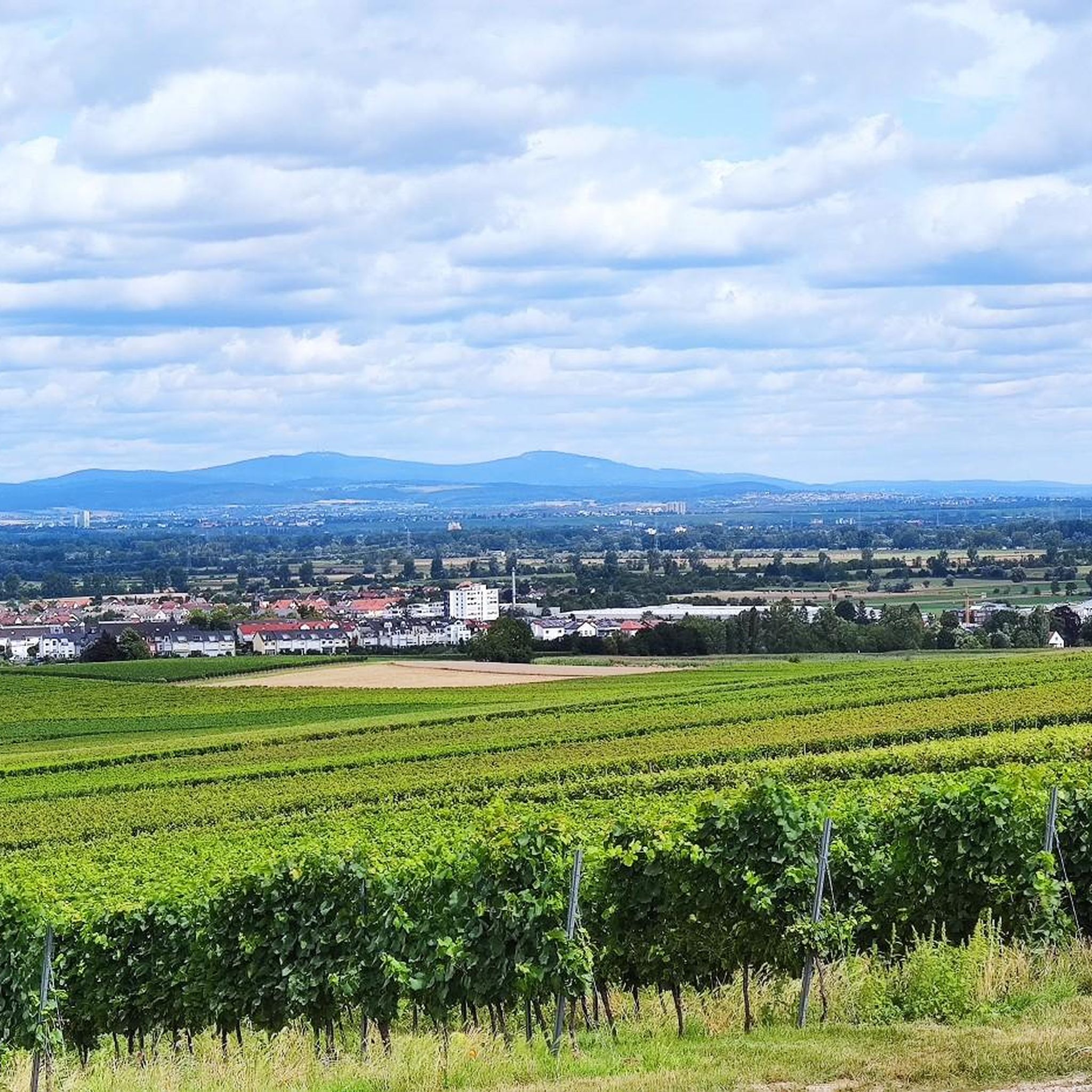
Cycling around Ginsheim-Gustavsburg
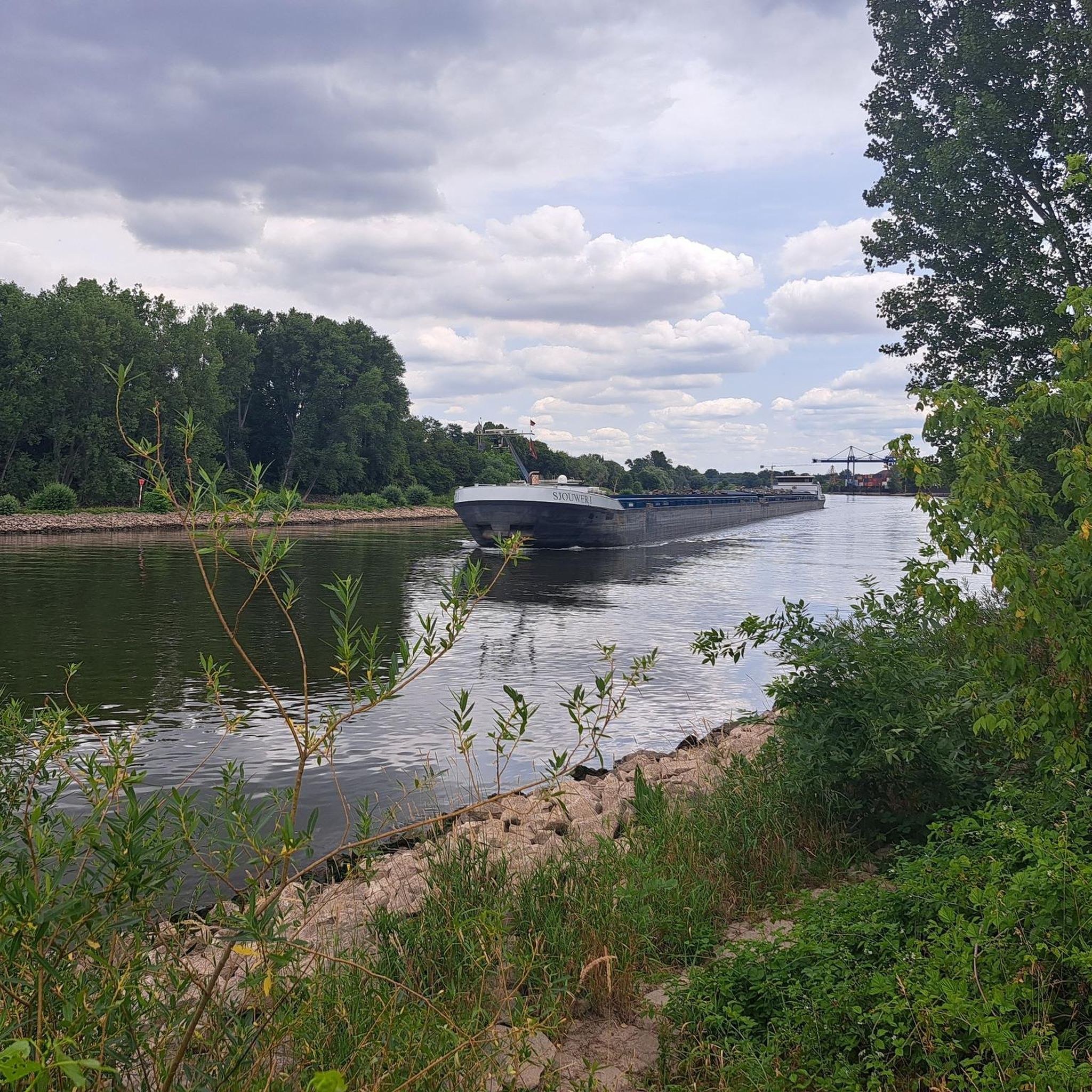
Hiking around Ginsheim-Gustavsburg
Road Cycling Routes around Ginsheim-Gustavsburg
Running Trails around Ginsheim-Gustavsburg
MTB Trails around Ginsheim-Gustavsburg
Gravel biking around Ginsheim-Gustavsburg


Tips from the Community

Today, the area is divided into strictly protected nature reserves and areas that are actively used for recreation and partly still for the training of armed forces. Zoning: Mainzer Sand Part I Großer Sand, highly protected and Mainzer Sand Part II partly still militarily overlaid training area
0
0

Information about its creation and the nature there: https://de.wikipedia.org/wiki/Gro%C3%9Fer_Sand There are also information trails. Info here: https://www.mainz.de/angebote-entdecken/gruenes-mainz/naherholung/mainzer-sand
1
0

Here there is a beautiful avenue of plane trees along the path
7
0

The "Mainzer Sand II" nature reserve was established in March 1997. Brief description: Calcareous sand area with open calcareous sand plains, dunes, pioneer sand vegetation, sandy heaths, fallow land, orchards, isolated trees, and old and dead wood; The Mainzer Sand landscape originated approximately 10,000 years ago and is therefore relatively young. Dunes formed from the windblown sand blown from the gravelly riverbed of the Rhine. The establishment of trees and shrubs stabilized these dunes, essentially completing their formation. The resulting landscape is very rare, as it consists of inland dunes.
1
0
This is where the Flörsheimer Warte is located! It's an absolutely worthwhile destination, as the view is magnificent and you can also take a break up here with a glass of wine or other snacks.
19
3

A truly interesting nature reserve where the geological history is visible.
0
1

Particular landscape, many different paths, different vegetation, an ideal area for varied walks/hikes.
4
2

The former military training area has been transformed into a very nice local recreation area.
5
0
Frequently Asked Questions
What are the most notable natural monuments in Ginsheim-Gustavsburg?
The region is known for its impressive trees and river confluence viewpoints. Key natural monuments include the Mainspitze, offering views of the Main River's confluence with the Rhine, and the Main estuary, which marks kilometer zero for shipping on the Main. Additionally, there are specific protected trees like the 10 Oaks on the Rhine Floodplains Island, 3 Oaks on the Neuaue, and a significant Plane Tree in Gustavsburg.
Are there family-friendly natural monuments to visit in Ginsheim-Gustavsburg?
Yes, several natural monuments are suitable for families. The Mainspitze and the Main estuary are both categorized as family-friendly, offering easy access and opportunities to observe river activity. The areas around the protected oak trees on the Rhine Floodplains Island and Neuaue also provide serene natural settings for walks.
What kind of natural features can I expect to see in Ginsheim-Gustavsburg?
Ginsheim-Gustavsburg is characterized by its riparian landscapes at the confluence of the Main and Rhine rivers. You'll find extensive floodplains, river islands, and peninsulas like the Neuaue. The natural monuments themselves are primarily impressive, protected trees such as ancient oaks and a large plane tree, highlighting the ecological value of the region's flora.
What outdoor activities can I do near these natural monuments?
The river landscapes around Ginsheim-Gustavsburg are ideal for various outdoor activities. You can enjoy cycling on well-developed paths, with options like the 'Mainz Railway Bridge – Rhine River at Laubenheim loop' or the 'Hochheim Bridge – Opelsteg on the Main loop'. Hiking is also popular, with routes such as the 'Ginsheim Old Rhine – Steindamm on the Rhine loop' or shorter, easy walks like the 'Ginsheim Rhine Ship Mill – Ginsheim Gravel Dredger loop'. For more details, explore the Cycling around Ginsheim-Gustavsburg and Hiking around Ginsheim-Gustavsburg guides.
Are there historical sites near the natural monuments?
Yes, the Flörsheimer Watchtower is a notable historical site that also offers panoramic views, including parts of the Rheingau wine region. While not a natural monument itself, the Landskron Castle Ruins provide a historical backdrop with a wonderful view over the Rhine plain.
What do visitors enjoy most about the natural monuments in Ginsheim-Gustavsburg?
Visitors frequently appreciate the serene atmosphere and the opportunity to observe the unique interaction of the Main and Rhine rivers. The well-developed cycle paths along the rivers are a highlight, as is the chance to see the impressive, protected trees. Many enjoy the views from spots like the View of the confluence of the Main and the Rhine, where they can watch river traffic and the natural flow of water.
Is public access available to the Neuaue peninsula?
Yes, the Neuaue peninsula, where the 3 Oaks are located, is a valuable natural landscape within Ginsheim-Gustavsburg. It offers visitors a chance to experience the unique ecosystem of a river peninsula, and it is generally accessible for walks and enjoying the natural environment.
How long should I plan for a visit to the natural monuments?
The duration of your visit depends on which natural monuments you choose to explore and what activities you plan. For a leisurely walk around a specific site like the Mainspitze or the areas with the protected oaks, you might spend 1-2 hours. If you combine it with cycling or a longer hike along the riverbanks, you could easily spend half a day or more.
Are the natural monuments in Ginsheim-Gustavsburg accessible by public transport?
Ginsheim-Gustavsburg is generally well-connected. While specific public transport routes to each individual natural monument may vary, the main areas along the Main and Rhine rivers are typically reachable. It's advisable to check local bus or train schedules to plan your journey to the closest access points.
What is the best time of year to visit the natural monuments?
The natural monuments, particularly the impressive trees and river landscapes, can be enjoyed year-round. Spring and autumn offer pleasant temperatures for walking and cycling, with vibrant foliage changes. Summer is ideal for longer outdoor activities, while winter provides a different, often tranquil, perspective on the river confluence and bare trees.
Are there any natural monuments that are wheelchair accessible?
The Mainspitze is listed as wheelchair accessible, making it a good option for visitors with mobility needs. The well-developed cycle paths in the area also contribute to easier access for many parts of the river landscape.
Can I bring my dog to the natural monuments and surrounding trails?
Generally, the natural areas and trails around Ginsheim-Gustavsburg are dog-friendly. However, it's always recommended to keep dogs on a leash, especially in protected natural areas or where wildlife might be present, and to adhere to any local signage regarding pet regulations.
Most popular routes around Ginsheim-Gustavsburg
Most popular attractions around Ginsheim-Gustavsburg

Get inspired with the komoot mobile app


Explore more
Extend your search for the best caves by checking out these guides of the top ones around Ginsheim-Gustavsburg:
