The best running trails around Ginsheim-Gustavsburg
4.5
(34)
1,256
runners
37
runs
Jogging routes around Ginsheim-Gustavsburg are characterized by their location at the confluence of the Main and Rhine rivers, offering extensive riverside paths. The region features tranquil meadow landscapes along the Rhine and the Ginsheim Old Rhine arm, providing diverse natural backdrops. Terrain throughout Ginsheim-Gustavsburg is generally flat, making it suitable for various running abilities. The area also includes the Silbersee and several protected zones, contributing to a rich natural experience for runners.
Best jogging routes around Ginsheim-Gustavsburg
- The most popular…
Last updated: November 14, 2026
4.0
(2)
256
runners
Hard run. Very good fitness required. Mostly paved surfaces.
4.5
(2)
84
runners
10.6km
01:07
10m
10m
Moderate run. Good fitness required. Mostly paved surfaces.

51
runners
Moderate run. Good fitness required. Mostly paved surfaces.
45
runners
Moderate run. Good fitness required. Mostly paved surfaces.
4.0
(2)
39
runners
14.3km
01:30
20m
20m
Moderate run. Good fitness required. Mostly paved surfaces.
Get access to more routes and recommendations from other explorers.
Already have an account?
Our route recommendations are based on thousands of hikes, rides, and runs completed by other people on komoot.
Start today with a free account
Your next adventure awaits.
Popular around Ginsheim-Gustavsburg
Spring is here – hiking with family by bus & train in Rhine-Main
Faszination Stadt und Land – Die schönsten Radrouten in Frankfurt/Rhein-Main
Cycling around Ginsheim-Gustavsburg
Hiking around Ginsheim-Gustavsburg
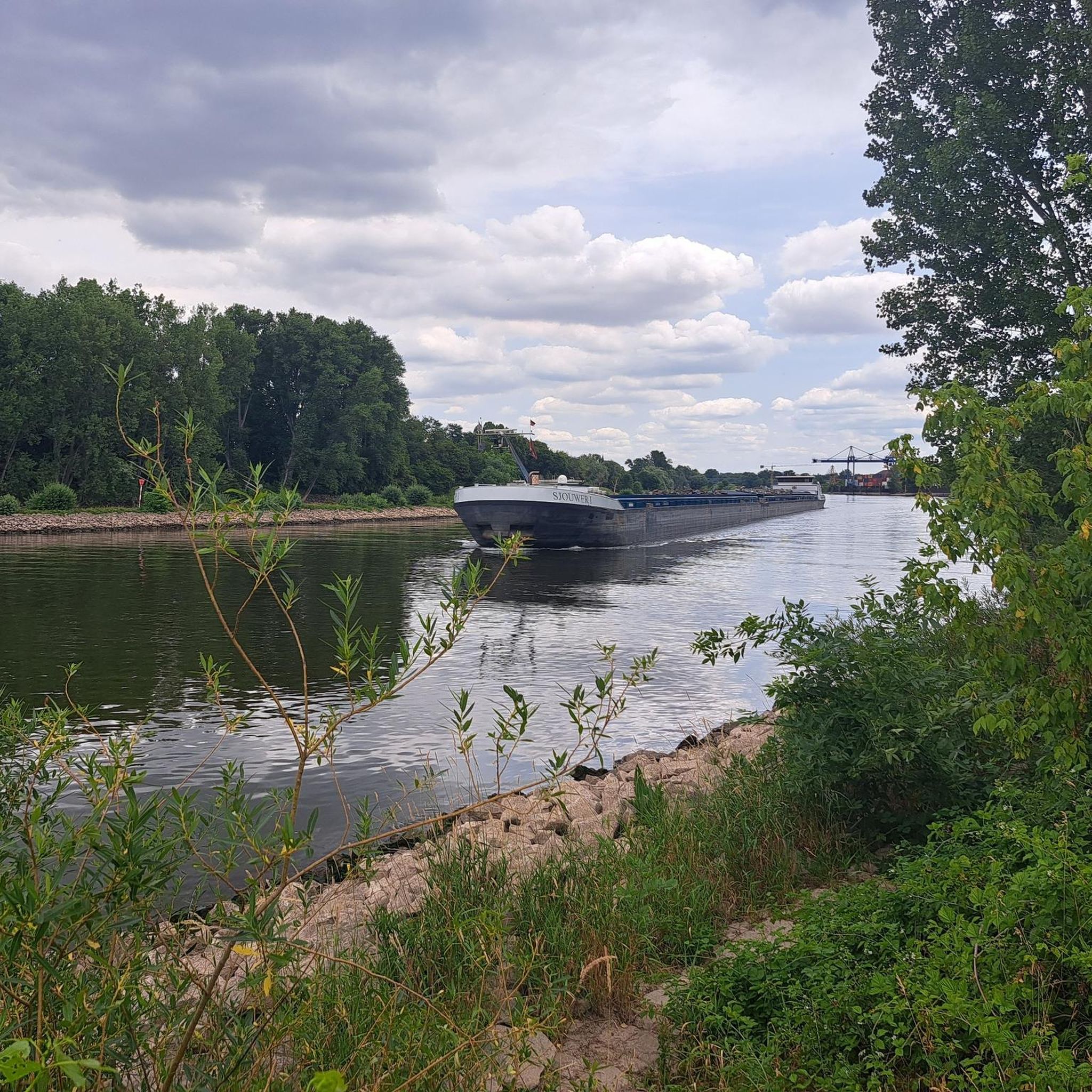
Road Cycling Routes around Ginsheim-Gustavsburg
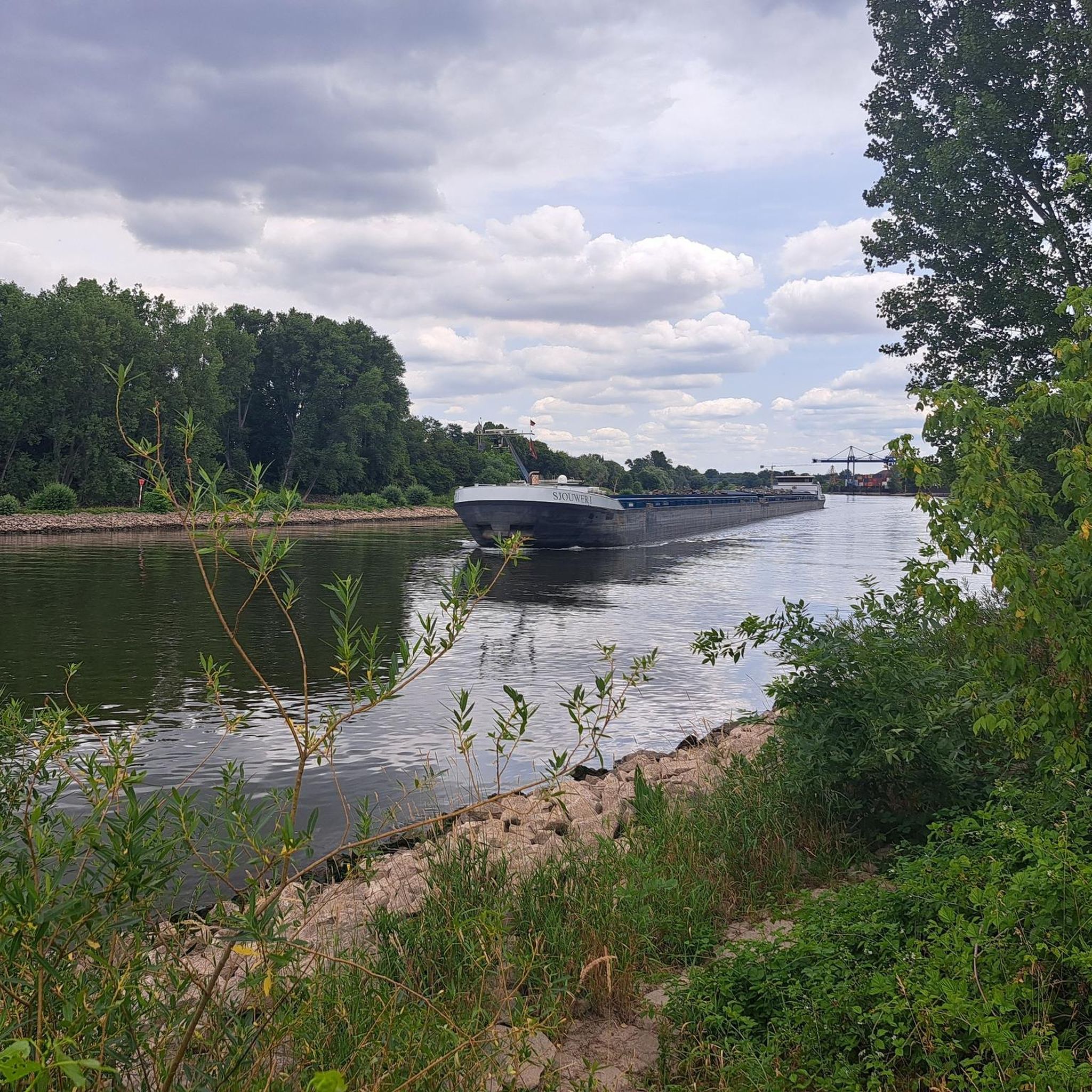
MTB Trails around Ginsheim-Gustavsburg
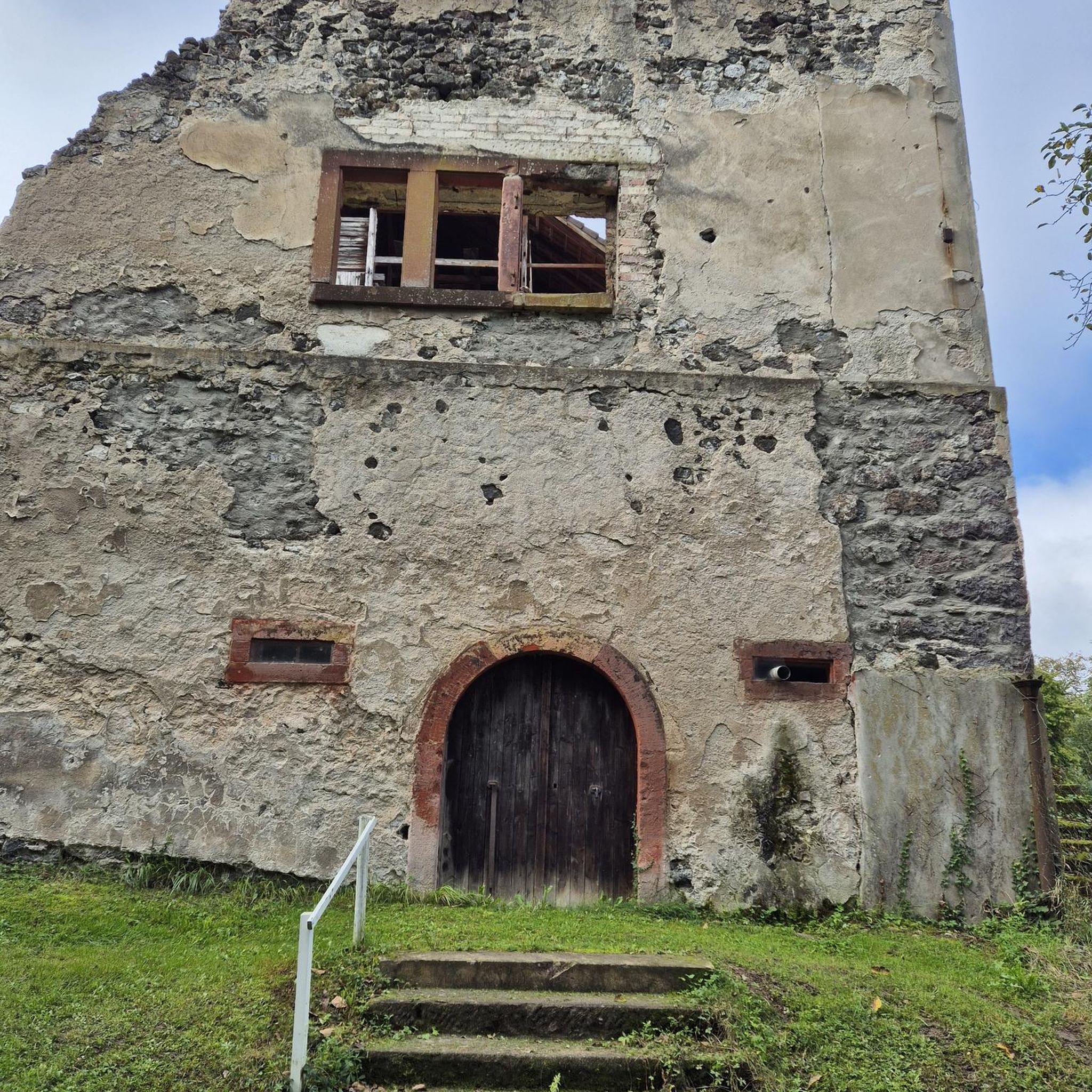
Gravel biking around Ginsheim-Gustavsburg


Tips from the Community

Very nice bridge
0
0

Actually idyllic, if there wasn't a lack of water.
0
0

From the beginning of July 2026, this bridge will be closed. However, the former fortress moat below the bridge can still be comfortably crossed next to the bridge and the railing. Press release on July 9: The small pedestrian bridge in the castle park in the Gustavsburg district will be replaced by a new bridge in the coming months. Significant structural defects were found during a structural inspection. As the traffic safety of the bridge can no longer be permanently guaranteed, a new construction is necessary. The work of the commissioned specialist company will begin on Monday, July 13. The municipal building authority will carry out the necessary preparatory work as early as the following week. These include, among other things, the setup of the construction site and further measures to prepare for the bridge replacement.
2
0

Altrhein near Ginsheim with harbor. Pedal boats and small cafes.
0
0
The 1st of seven bridges on the 7-bridge trail (https://www.komoot.com/de-de/tour/3041412069) leads over a former moat of Gustav's Sweden castle, in which, however, the Kumbach also flowed until about 50 years ago, i.e. the "copper stream", which led the toxic wastewater from the copperworks at the other end of Gustavsburg into the Main. Hard to believe today!
2
0

Whether by bike, on foot or by SUP, always worth a visit☝️😉
0
0

Historical Age: The bridge was built around 1877 (twelve years after the harbor opened) and is today considered one of the oldest still preserved swing bridges in all of Germany. For this reason, the steel truss construction is an important cultural monument under strict heritage protection. Technical Dimensions & Function: The structure has a length of 37.50 meters, a width of 4.50 meters, and weighs around 54 tons. The original mechanical rotation mechanism ensured for decades that the bridge could be swung to the side at any water level to allow larger ships to pass into the harbor basin. Modernization: After the historical rotation mechanism was irreparably damaged and jammed in 1996, the bridge was fundamentally reconstructed in 2009. The historical appearance of the top chords was preserved, while the outdated mechanics were replaced by a state-of-the-art hydraulic rotation system. Location & Significance: It connects the Stresemann-Ufer (Old Town side near the Hyatt Hotel) directly with the Victor-Hugo-Ufer on the upstream mole. Today, it serves exclusively as an important, highly frequented connection for pedestrians and cyclists and is an integral part of recreational routes such as the popular Mainzer Drei-Brücken-Weg.
8
1
With a total length of around 1,233 kilometers, the Rhine is one of the longest, most historically significant, and economically important rivers in Europe. The river originates in the Swiss Alps, where it is formed from the two headwaters, the Vorder- and Hinterrhein. After flowing through Lake Constance, it plunges down at the Rhine Falls near Schaffhausen and then, as the High Rhine, forms the border between Switzerland and Germany. Further on, as the Upper Rhine, it flows through the Upper Rhine Plain past major cities such as Karlsruhe and Ludwigshafen, as well as directly past the region of Mainz and Wiesbaden. In this area, the river makes a sharp turn west at the so-called "Rhine Knee" (Rheinknie) before reaching the spectacular Middle Rhine. This section between Bingen and Koblenz – known as the Upper Middle Rhine Valley (Obere Mittelrheintal) – has been protected as a UNESCO World Heritage site since 2002 due to its density of castles, historic vineyards, and the legend of the Loreley rock. Via the Lower Rhine (Niederrhein) and the metropolitan regions of Cologne and Düsseldorf, the Rhine finally continues into the Netherlands. There it divides into a widely branched delta and finally flows into the North Sea near Rotterdam. As an international waterway, the Rhine is the logistical backbone of Western Europe. It connects major industrial centers and seaports directly with the hinterland, and is used annually by tens of thousands of cargo ships for the transport of coal, ores, containers, and chemical goods. In addition to its industrial function, the Rhine Valley serves as a lifeline for tourism, as a rich source of energy through hydropower plants, and as a valuable natural and recreational area for millions of people.
9
0
Frequently Asked Questions
How many running routes are available in Ginsheim-Gustavsburg?
Ginsheim-Gustavsburg offers a wide selection of outdoor paths, with over 35 running routes available for you to explore. These routes cater to various preferences, from easy park loops to more challenging riverside runs.
What kind of terrain can I expect on the jogging paths in Ginsheim-Gustavsburg?
The jogging paths in Ginsheim-Gustavsburg are predominantly characterized by flat terrain, making them suitable for a wide range of abilities. You'll find extensive riverine paths along the Main and Rhine, trails alongside the Schwarzbach River, and accessible green spaces like the Burgpark. The region's landscape is diverse, offering scenic views of the rivers and natural areas.
Are there any circular running routes in the area?
Yes, many of the running routes in Ginsheim-Gustavsburg are circular, offering convenient loops. For example, you can enjoy the Ginsheim–Nonnenau Ferry – Schwarzbach River loop from Ginsheim, which takes you along the Schwarzbach River, or the Schwarzbach River loop from Bauschheim for a shorter, scenic run.
What do other runners say about the trails in Ginsheim-Gustavsburg?
The running routes in Ginsheim-Gustavsburg are highly regarded by the komoot community, boasting an average rating of 4.4 stars from over 20 reviews. Nearly 1,000 runners have used komoot to explore the varied terrain, often praising the scenic river views and well-maintained paths.
Are there any easy jogging routes suitable for beginners or a relaxed pace?
Absolutely! Ginsheim-Gustavsburg offers 8 easy running routes perfect for beginners or those looking for a relaxed jog. These often include paths through local parks like Burgpark or gentler sections along the rivers, providing a pleasant experience without significant elevation changes.
Can I find running trails that follow the Main or Rhine rivers?
Yes, the confluence of the Main and Rhine rivers is a defining feature of Ginsheim-Gustavsburg, providing extensive riverine paths. A popular option is the Opelsteg – Path Along the Main River loop from Mainz-Gustavsburg, which offers continuous views of the Main River and the iconic Opelsteg bridge.
What natural features can I explore while running in Ginsheim-Gustavsburg?
While running in Ginsheim-Gustavsburg, you can explore diverse natural features. The Altrheinufer (Old Rhine Embankment) offers a scenic riverside promenade, and you'll find trails along the Schwarzbach River. The region also features various protected areas, including European bird sanctuaries, ensuring a rich natural environment for your run.
Are there any scenic viewpoints along the jogging routes?
Yes, several routes offer scenic viewpoints. The Opelsteg – Path Along the Main River loop from Mainz-Gustavsburg provides excellent views from the Opelsteg itself. Additionally, the Altrheinufer offers picturesque views of the Rhine, including a historic gravel excavator and the town's landmark anchor.
Are there any attractions or points of interest near the running trails?
While jogging, you might encounter several interesting points. Along the Rhine, you can see the Ginsheim Rhine Ship Mill. For those interested in nature, the area features various lakes like Mönchbruch Pond and Hegbach Lake, which can be incorporated into longer runs or visited separately.
Are there any running routes that connect to the Ginsheim-Nonnenau ferry?
Yes, there are routes that incorporate the Ginsheim-Nonnenau ferry. The Ginsheim–Nonnenau Ferry – Schwarzbach River loop from Ginsheim is a moderate path that winds along the Schwarzbach River and provides direct access to the ferry, allowing for an interesting extension or variation to your run.
Are there any running routes that pass through parks or green spaces?
Certainly. The Burgpark, the largest park in Ginsheim-Gustavsburg, offers ample green spaces ideal for leisurely jogs. While technically in nearby Mainz, the Volkspark and Stadtpark are also easily accessible and provide inviting green areas for exercise, offering a pleasant change of scenery from the riverside paths.
What is the longest running route available in Ginsheim-Gustavsburg?
One of the longer and more challenging running routes is the Opelsteg – Path Along the Main River loop from Mainz-Gustavsburg. This trail spans approximately 13.0 miles (21.0 km) and typically takes around 2 hours and 14 minutes to complete, offering an extensive riverside experience.
Most popular routes around Ginsheim-Gustavsburg
Most popular attractions around Ginsheim-Gustavsburg

Get inspired with the komoot mobile app


Explore more
Browse the best Running Trails & Routes in other regions.
