Top 20 Mountain Passes around Cevio
Best mountain passes around Cevio are located within the Vallemaggia district of Ticino, Switzerland, an area characterized by its alpine landscape. The region features extensive hiking routes that traverse numerous passes, ranging from historically significant trans-Alpine routes to challenging long-distance trails. Cevio serves as a central point for exploring these diverse mountain environments, which offer varied terrain and natural features. The area provides opportunities to experience both high-alpine settings and picturesque valleys.
Best mountain passes around Cevio
- The most popular…
Last updated: September 29, 2026
Guex Monument at Gotthard Pass
Highlight • Monument
Translated by Google •
Tip by

Gotthard Pass
Highlight • Mountain Pass
Translated by Google •
Tip by

Sign up now to discover places like this
Get recommendations on the best single tracks, peaks, & plenty of other exciting outdoor places.
Old Hospice of St. Gotthard
Highlight • Mountain Hut
The St. Gotthard Pass was first used as a pass starting in the 13th century, and the hospice, built at …
Translated by Google •
Tip by

First tight hairpin bends of the Tremola
Highlight • Mountain Pass
Translated by Google •
Tip by

San Giacomo Pass
Highlight • Mountain Pass
Translated by Google •
Tip by

Sign up for free to discover even more mountain passes around Cevio.
Already have an account?
Start today with a free account
Your next adventure awaits.
Popular around Cevio
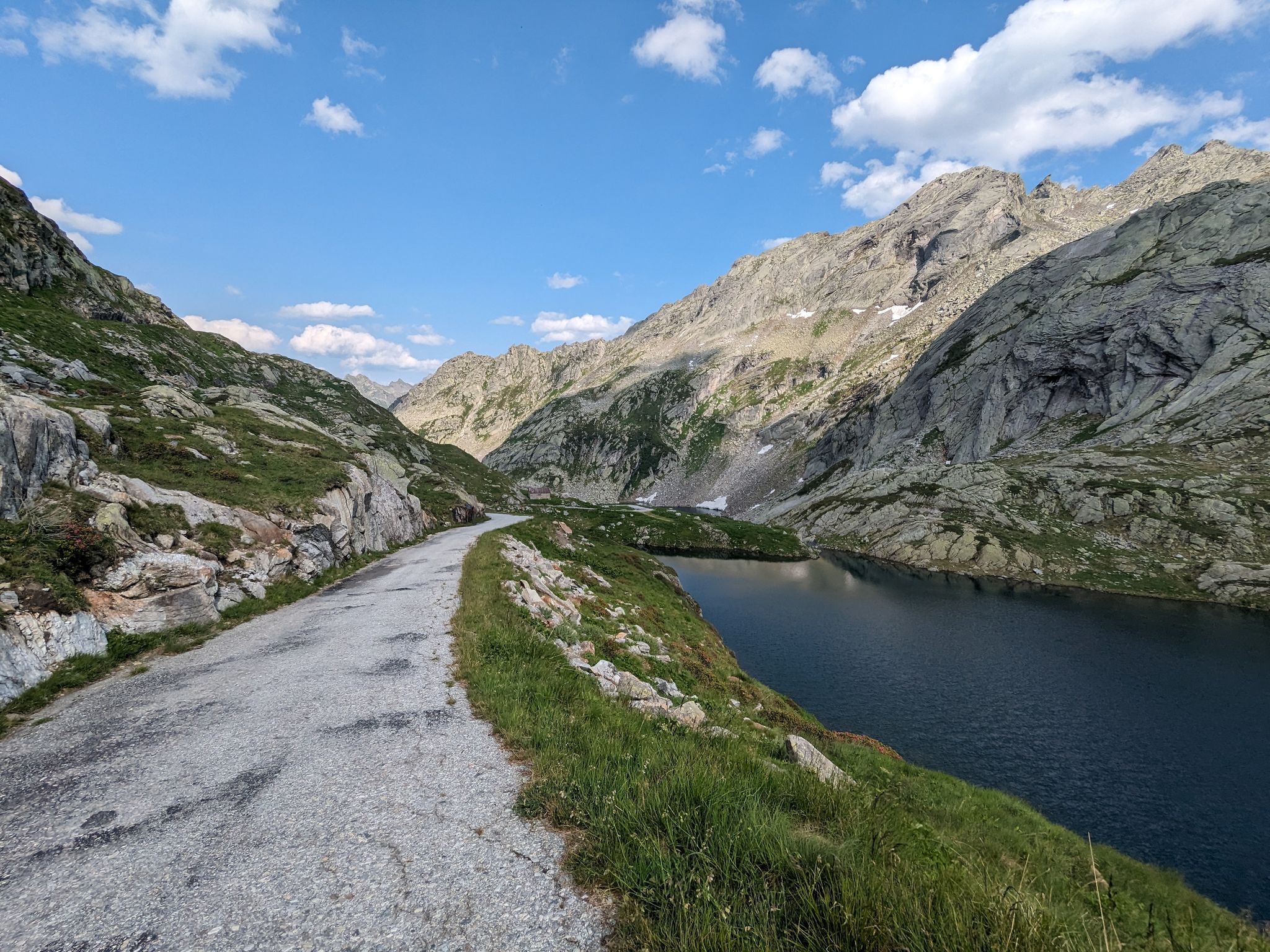
Great passes and green valleys – Ticino climbs
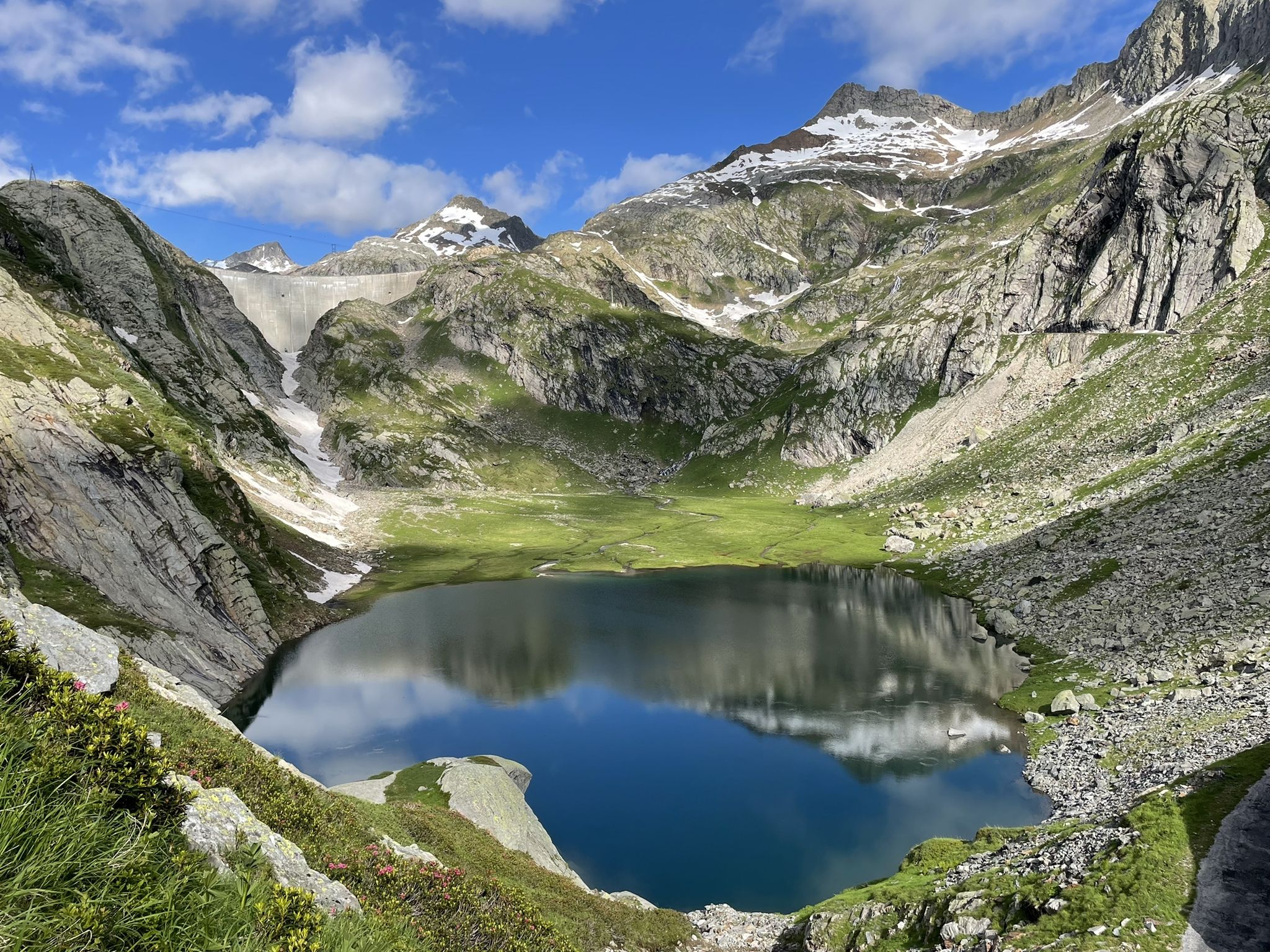
Sentiero Cristallina – 3 days through the mountains of Ticino
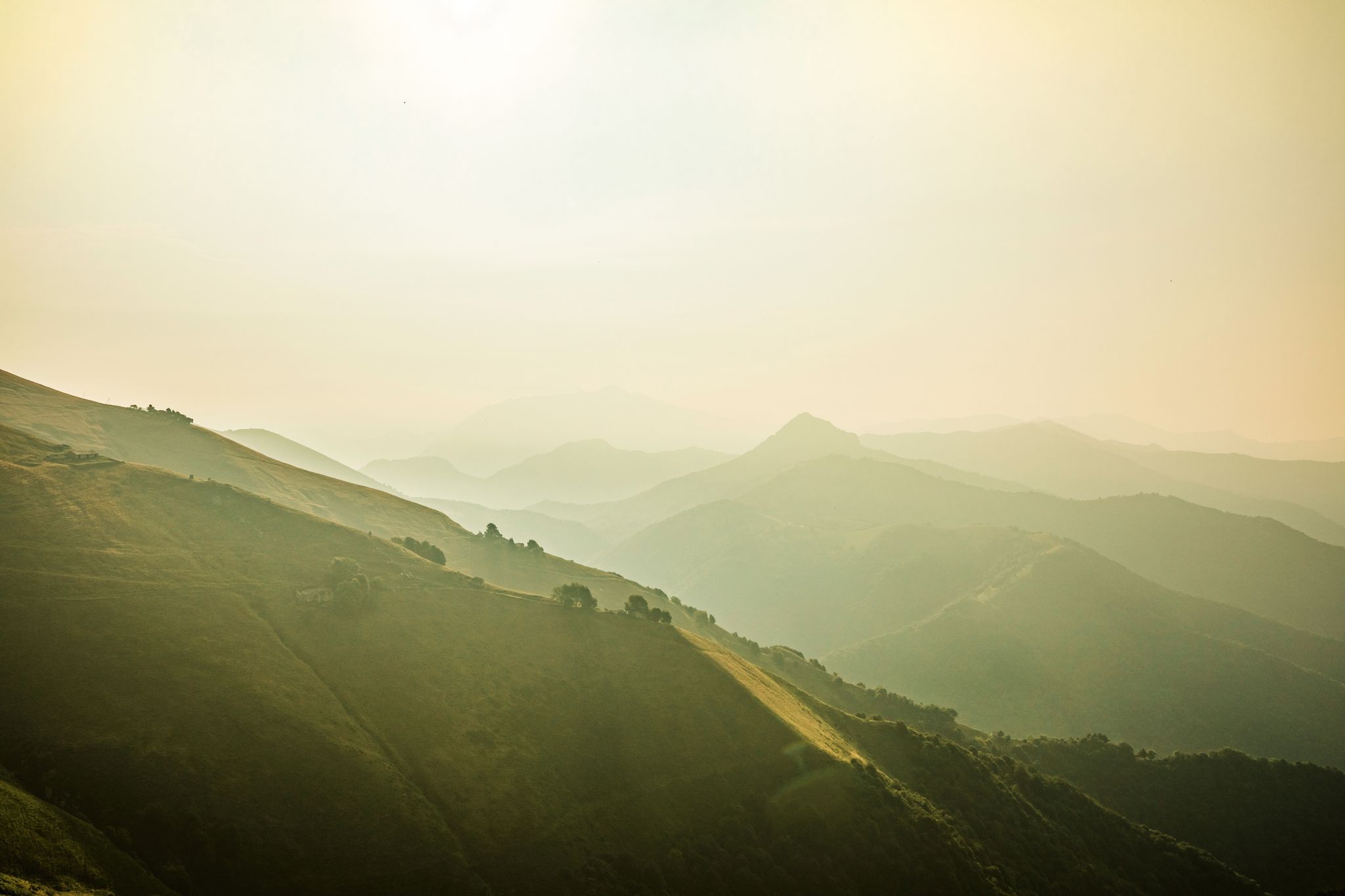
Ticino — Between heaven and formaggini
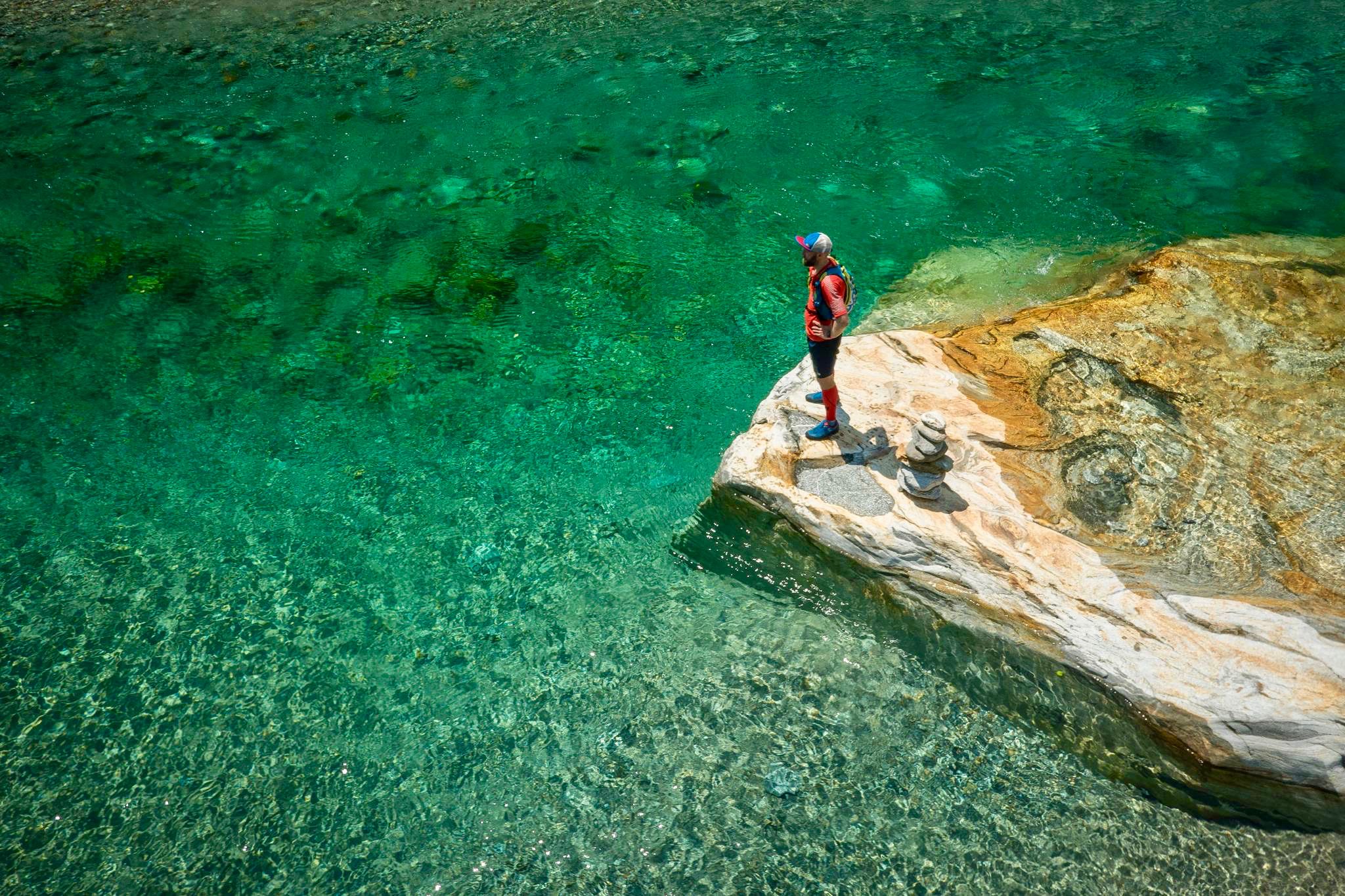
5 trails to run before you die - Ascona-Locarno
From palm trees to glaciers
Hiking around Cevio
Road Cycling Routes around Cevio
MTB Trails around Cevio
Running Trails around Cevio
Cycling around Cevio
Other adventures around Cevio


Tips from the Community

The old hospice on the Gotthard Pass was converted and extended into a 3-star hotel between 2008 and 2010. Architects Miller & Maranta and civil engineers Conzett Bronzini Gartmann created, in close collaboration, a modern structure that appears to have always existed in this location. It integrates naturally into the spatial and historical context, and its simplicity is reflected in the architecture and the supporting structure.
1
0

The Gotthard Pass is one of Switzerland's most famous and historic Alpine passes. Located at an altitude of 2,106 meters above sea level in the Lepontine Alps, it connects Central Europe to Southern Europe. Specifically, it serves as a direct road link between the Canton of Ticino (Airolo) and the Canton of Uri (Hospental). The summit and the massif can be crossed in various ways depending on travel needs: The New Pass Road: This is the modern, paved road variant, scenic and smooth during the summer months. La Tremola: The famous historic southern slope, characterized by 24 hairpin bends paved with porphyry, much loved by cyclists, motorcyclists, and nostalgics. The Road Tunnel (A2): The 16.9 km long motorway tunnel, open all year round, fast but often subject to traffic and queues. The Railway Tunnels: Including the pioneering tunnel from 1882 and the modern Gotthard Base Tunnel, at very high speed.
2
0

Cappella di San Gottardo - Chapel at the Gotthard Hospice The St. Gotthard Pass was first used as a pass starting in the 13th century, and the hospice, built at the behest of Milanese Archbishop Galdino (1171), also dates from this period. A chapel was built alongside the hospice on the site of a small church dating back to the 9th/10th century. It was rebuilt towards the end of the 18th century at the instigation of the Capuchins, who managed the hospice until 1799. Text / Source: Agenzia turistica ticinese SA https://www.ticino.ch/de/commons/details/Kapelle-beim-Gotthard-Hospiz/4741.html#:~:text=Der%20Sankt%20Gotthard%20wur de%20as%20Pass%C3%BCtransition%20first%20from,century%20,%20a%20chapel%20was%20built%20side%20of%20hospice%20.
16
0
St. Gotthard Pass The Gotthard Pass divides waterways and connects various cultural and linguistic areas. Its significance as an "Alpine transversal" began at the beginning of the 13th century with the construction of the legendary Devil's Bridge in the Schöllenen Gorge. For many centuries, trade caravans (trading cattle and cheese for grain, wine, rice, and salt), mercenaries, messengers, and even entire armies crossed the pass. Between 1818 and 1836, the canton of Uri, with the help of other cantons, expanded the pass road, thus achieving its predominance among Swiss Alpine passes. The Gotthard Pass has significantly shaped the economy and culture of Central Switzerland for centuries. Until the opening of the Gotthard Railway in 1882, the Gotthard Pass was also used in winter. Dozens of roadmen and shovel workers were employed for this purpose. In 1922, the post bus replaced the stagecoach, and with the introduction of gasoline duties in 1923, the expansion of the pass roads began, continuing to this day. The old pass road on the south side, the Tremola between the top of the pass and Airolo, is still preserved and passable. This stretch of road recalls more tranquil journeys over the Gotthard that occurred not so long ago. In the 19th and 20th centuries, the Gotthard Pass was "condensed" into a myth, a symbol of Switzerland's independence, unity, and identity. Text / Source: Interest Group for Alpine Passes IAP, PO Box 11, 6491 Realp https://alpen-paesse.ch/de/alpenpaesse/gotthardpass
15
1

The pass between Italy and Switzerland. From the Maria Luisa Refuge, the route is easy and can also be used by mountain bikers.
1
1

Border Excursion 🇮🇹🇨🇭 to the San Giacomo Pass 🚴
1
0

A must for every racing cyclist, even if it's bumpy! But it's better to go uphill! Take the new road downhill...
2
0

In summer, arrival by post bus from Andermatt or Airolo is possible.
2
0
Frequently Asked Questions
What are some historically significant mountain passes near Cevio?
The region around Cevio is rich in history. The Gotthard Pass, though not directly in Cevio, is an iconic trans-Alpine route connecting northern and southern Switzerland, historically vital for trade and pilgrims. You can visit the Guex Monument at Gotthard Pass and the Old Hospice of St. Gotthard, which dates back to the 13th century. Another significant pass is the San Giacomo Pass, which marks the Italian/Swiss border and was used by merchants as early as the 12th century.
What kind of terrain can I expect on mountain passes around Cevio?
The mountain passes around Cevio offer a diverse range of terrain. On the historic Gotthard Pass, you'll find sections of old cobblestone roads, such as the First tight hairpin bends of the Tremola. For hikers, trails like the Via Alta Vallemaggia traverse grassy ridges, scree slopes, rocky ridges, and even small snowfields, with some technical passages secured with chains. You'll also encounter alpine lakes, wildflower meadows, and larch woods.
Are there long-distance hiking trails that cross multiple passes in the Vallemaggia region?
Yes, the Via Alta Vallemaggia is a challenging long-distance hiking trail entirely within the Vallemaggia region, spanning 200 km over 19 stages. This route crosses numerous smaller passes, often referred to as 'bocchette,' offering an immersive alpine trekking experience with significant elevation changes and diverse landscapes. It provides 360-degree views of the Ticino Alps and a true sense of exploration.
What natural features can I discover around the mountain passes near Cevio?
The region boasts stunning natural beauty. Around the Gotthard Pass, you'll find dramatic mountain landscapes, glacial valleys, and serene alpine lakes, including the Piazza lake at the summit. The Via Alta Vallemaggia features pristine alpine lakes, peat bogs, alluvial plains, and rocks smoothed by glacial action. The area is also exceptionally rich in flora, especially around Randinascia and Bocchetta di Val Maggia. Many routes offer panoramic views of the Ticino Alps and glimpses of distant massifs.
Are there family-friendly options for exploring mountain passes near Cevio?
While many passes involve challenging terrain, some areas around the Gotthard Pass, such as the Guex Monument at Gotthard Pass, are considered family-friendly viewpoints. For hiking, the Vallemaggia district offers various trails, and it's best to check specific route descriptions for difficulty and suitability for families, especially those with strollers. Generally, the smaller passes within longer hiking routes are more suited for experienced hikers.
What is the best time of year to visit the mountain passes around Cevio?
Most major mountain passes in the region, including the Gotthard Pass, are typically open from May to October. This period offers the best conditions for driving, cycling, and hiking, with clear paths and pleasant weather. Tunnels provide year-round access beneath the mountains for driving. For high-alpine hiking routes like the Via Alta Vallemaggia, summer and early autumn are ideal to avoid snow and ensure trail accessibility.
What outdoor activities can I do near these mountain passes?
The region around Cevio offers a wide range of outdoor activities. You can enjoy challenging hiking on routes like the Via Alta Vallemaggia or the Via Alpina: Robiei to Riale. There are also numerous cycling opportunities, including road cycling on the historic Tremola Road to Gotthard Pass, and gravel biking tours such as the Alpi Bedretto Gravel Tour. For more ideas, explore the hiking guide, cycling guide, and gravel biking guide for Cevio.
Are there accommodations or amenities near the mountain passes?
Yes, particularly around the more prominent passes. The Old Hospice of St. Gotthard offers comfortable accommodation, dating back to 1237, with single, double, and multi-bed rooms. Along popular routes and at pass summits, you can often find restaurants and cafes. For long-distance hikers on the Via Alta Vallemaggia, old reconstructed mountain huts provide shelter, and modern mountain huts like Capanna Cristallina are available.
How can I access the mountain passes using public transport?
Public transport options are available to reach various starting points for mountain passes and trails. For instance, the Gotthard Pass is accessible via post bus services during its open season. For trails within the Vallemaggia, public transport can take you to villages like Fusio or Bignasco, which serve as gateways to routes like the Via Alta Vallemaggia. It's advisable to check local bus schedules for specific routes and timings.
What makes the Tremola Road to Gotthard Pass unique?
The Tremola Road to Gotthard Pass is a unique piece of Alpine road engineering, particularly known for its cobblestone hairpin bends. It's a must-do for many cyclists, offering a challenging yet rewarding ascent. The First tight hairpin bends of the Tremola are especially famous for their scenic beauty and historical character, providing a glimpse into older trans-Alpine travel.
What are some challenging hiking routes in the Vallemaggia region?
For experienced hikers seeking a challenge, the Via Alta Vallemaggia is a prime example, known for its significant elevation changes and diverse terrain. Other difficult routes include the Via Alpina: Robiei to Riale and the trail From Robiei to Bocchetta di Val Maggia via Randinascia Plateau. These routes often traverse high-alpine environments, requiring good physical condition and appropriate gear.
Can I find less crowded hiking options or 'hidden gems' around Cevio?
The Vallemaggia district, with its extensive network of trails, offers opportunities for solitude, especially on sections of the Via Alta Vallemaggia or other less-trafficked routes. Passes like Bocchetta di Pisone, which was re-established as part of the Via Alta, or the remote Randinascia and Bocchetta di Val Maggia area, are described as wild and provide a true sense of exploration away from the main tourist hubs. Exploring the numerous smaller 'bocchette' within the region can lead to less crowded experiences.
Most popular attractions around Cevio

Get inspired with the komoot mobile app


Explore more
See even more epic mountain passes by checking out these guides around Cevio:
