Top 20 Natural Monuments around Bastorf
Best natural monuments around Bastorf include a diverse coastal landscape, characterized by its proximity to the Baltic Sea. The region features dramatic cliffs, sandy beaches, and tranquil rural areas with meadows and rolling hills. These natural environments offer opportunities for recreation and observing local ecosystems. The area provides a serene escape and a chance to experience the Mecklenburg countryside.
Best natural monuments around Bastorf
- The most popular natural monuments is Riedensee Beach, a beach that features a wide sandy…
Last updated: July 21, 2026
Riedensee Beach
Highlight • Beach
Translated by Google •
Tip by

Steep Coast Near Kühlungsborn
Highlight • Natural Monument
Translated by Google •
Tip by

Sign up now to discover places like this
Get recommendations on the best single tracks, peaks, & plenty of other exciting outdoor places.
Sign up for free
Mechelsdorf 2 Dolmen
Highlight • Historical Site
Translated by Google •
Tip by

Wooden Groynes in Kühlungsborn
Highlight • Structure
Translated by Google •
Tip by

Groynes in front of Kühlungsborn Marina
Highlight • Structure
Every visitor has probably wondered what the wooden stakes that jut out of the sand and sea on the Baltic coast are all …
Translated by Google •
Tip by

Sign up for free to discover even more natural monuments around Bastorf.
Sign up for free
Already have an account?
Start today with a free account
Your next adventure awaits.
Login or Signup
Other adventures around Bastorf

Tips from the Community

Very nice route from Heiligendamm to Kühlungsborn. If you like walking on solid paths, take the cliff path (not always a view of the water possible due to the embankment), otherwise walk directly along the beach, look out for Hühnergötter (lucky stones) and let the wind blow around your nose 🤩
0
0

Groynes are permanent structures, usually made of wood, stone, or concrete, that extend perpendicular to the coast. Their primary function is to reduce coastal erosion and retain sand on the beach. By slowing the current, the lateral movement of sand—the so-called longitudinal transport current—is reduced. This allows more sand to be deposited between the groynes, and the beach remains wider and more stable. At the same time, groynes protect the coast from the direct force of waves and contribute to the long-term preservation of the natural landscape and tourist use of the beaches.
2
0

For these reasons, groynes have been built in Kühlungsborn since the first half of the 19th century in rows of massive wooden piles. They extend up to 80 meters into the Baltic Sea, are sometimes driven 6 meters deep into the sand, and are spaced approximately 60 meters apart, perpendicular to the shoreline. The groyne root connects the groyne to the shore, and the waterside end is called the groyne head. Over time, groynes made of other materials, such as reinforced concrete and rubble, have been used. Today, they are usually built as rubble dams, in simpler cases as single-wall groynes using wooden piles made of eucalyptus, which is more durable than native wood species.
1
0

The pier in Kühlungsborn is highly recommended 😊 From here you have a fantastic view of the Baltic Sea 🌊😍
1
0

The special feature of the quiet village of Kägsdorf is its fine, sandy, pristine beach in the heart of the Rieden nature reserve, which is exempt from tourist tax year-round. Here, you'll not only experience wonderful bathing days in the summer, but also experience unique natural wonders in the fall and spring. The romantic setting at the tip of the Rieden nature reserve invites couples and families to enjoy a unique picnic, complete with sunset.
4
0
The Baltic Sea reclaims parts of its beach every year, especially during the autumn storms. Around 70% of the Baltic Sea coast in Mecklenburg-Western Pomerania is constantly being eroded by wind and weather. The wooden groynes offer many advantages: As breakwaters, they reduce the intensity with which the waves hit the beach. The current parallel to the shore is also slowed down by the walls, so that the coast is less eroded - the beach is therefore eroded less quickly and with less force. Groynes are built so that there is sufficient water depth for shipping during low tide periods. As a coastal protection measure, groynes are placed perpendicularly or diagonally to the shoreline to divert tides and coastal currents and to influence waves and surf currents.
2
1
A WALK ALONG THE COAST If you walk along the beautiful beaches of the Baltic Sea resort of Kühlungsborn, you will not miss the many wooden posts that protrude from the sand and sea at regular intervals. But what is that all about? Grooves are basically dams that were built for various reasons. The most well-known are probably the wooden groynes of our Baltic Sea, which consist of several individual posts that are driven into the ground horizontally to the coastline and usually protrude about 40 to even 80 meters into the sea. In Kühlungsborn, the well-preserved groynes stretch from the Hansa House in Kühlungsborn West to the boat harbor in Kühlungsborn East. The classic storm surge protection system on the Baltic Sea usually consists of groynes - sandy beach - dune - coastal protection forest and sea dike. The groynes lead to the seaward shift of the surf current parallel to the shore. The waves are already deprived of most of their power before they reach the beach and the dune.
2
0
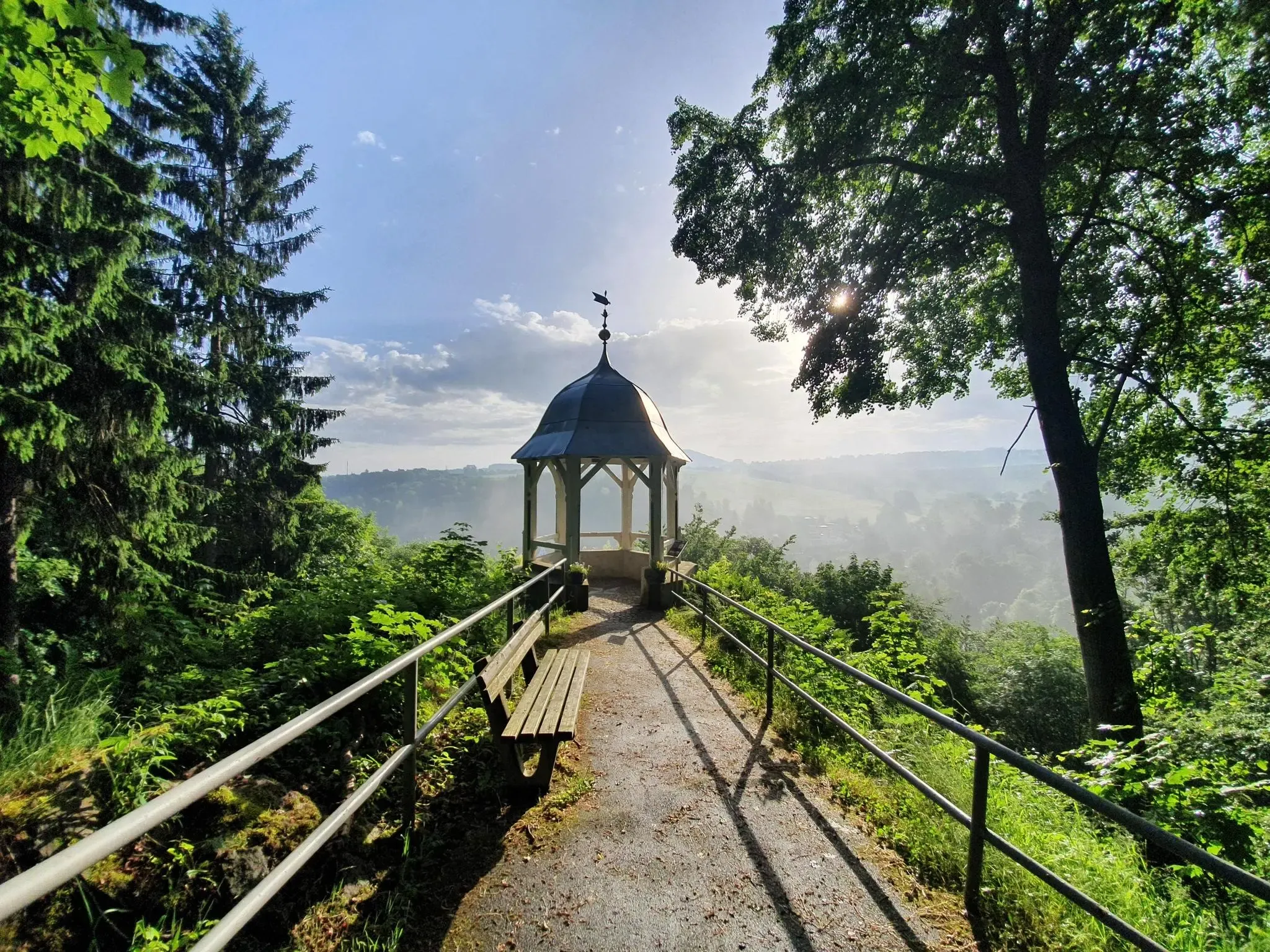
A path leads along the coast with a beautiful view
2
0
Frequently Asked Questions
What kind of natural features can I explore around Bastorf?
The Bastorf area is characterized by its diverse coastal landscape and tranquil rural environments. You can explore dramatic coastal cliffs, expansive sandy beaches, and serene inland areas with meadows and rolling hills. Notable features include the unique ecosystem of the Salzhaff lagoon and the dynamic Baltic Sea coastline.
Are there any family-friendly natural monuments in the Bastorf area?
Yes, several natural spots are great for families. Riedensee Beach offers a wide sandy expanse with dunes and a quiet nature reserve in the background, perfect for a relaxing day. The Wooden Groynes in Kühlungsborn are also considered family-friendly, providing an interesting coastal feature to observe.
Where can I find scenic viewpoints to appreciate the natural landscape?
For stunning views, visit the View of the Riedensee from the viewing platform. This spot allows you to observe the bird life in the Riedensee nature reserve and offers a beautiful perspective over the landscape conservation area. Another excellent option is the path along the Steep Coast Near Kühlungsborn, which provides elevated views of the Baltic Sea.
What outdoor activities can I do near Bastorf's natural monuments?
The region offers a variety of outdoor activities. You can enjoy road cycling on routes like the 'View of the Baltic Sea – Kühlungsborn Beach Promenade loop from Rerik' or 'Paved Cycle Path – Bastorf Lighthouse loop from Russow'. For more relaxed cycling, try routes such as 'Farm Shop Hut – Hotel Meergut, Kühlungsborn loop from Bastorf'. Gravel biking is also popular, with options like 'View of the Salzhaff at Rerik – Rerik Marina loop from Meschendorf'. You can find more details on these and other routes in the Road Cycling Routes around Bastorf, Cycling around Bastorf, and Gravel biking around Bastorf guides.
Are there any historical natural monuments or sites nearby?
While the focus is on natural features, you can find historical elements integrated with the natural landscape. The Mechelsdorf 2 Dolmen is a very well-preserved grave site with over 5000 years of history, located a bit off the main path but worth seeking out for its ancient significance.
What do visitors enjoy most about the natural monuments around Bastorf?
Visitors frequently appreciate the tranquility and scenic beauty of the area. The wide sandy beaches, dramatic cliffs, and peaceful rural landscapes offer a serene escape. Many enjoy the opportunities for birdwatching, particularly at the Riedensee, and the diverse recreational activities available, from coastal walks to various cycling routes.
What is the best time of year to visit the natural monuments in Bastorf?
The coastal and rural environments around Bastorf are beautiful year-round. Spring and summer offer pleasant weather for outdoor activities like cycling and beach visits, with lush greenery and active birdlife. Autumn brings vibrant colors to the landscape, while winter provides a peaceful, often dramatic, coastal experience, ideal for quiet walks.
Are the natural monuments around Bastorf dog-friendly?
Many natural areas and beaches around Bastorf are dog-friendly, especially during the off-season. However, specific rules may apply to nature reserves like the Riedensee, where dogs might need to be kept on a leash or restricted from certain sensitive areas to protect wildlife. It's always best to check local signage.
Are there hiking trails near the natural monuments?
Yes, the region offers numerous hiking opportunities. The path along the Steep Coast Near Kühlungsborn provides a choice between walking directly on the beach or following a hiking trail above the cliffs through the forest. The rural landscape inland from the coast also features trails ideal for immersing yourself in the serene countryside.
Can I reach the natural monuments using public transport?
While some areas are accessible by public transport, particularly the more developed coastal towns like Kühlungsborn, many natural monuments and more secluded spots might require a combination of public transport and walking or cycling. Local bus routes connect some villages, but for full flexibility, especially to reach specific viewpoints or trailheads, personal transport is often recommended.
What kind of unique natural ecosystems can be found in the Bastorf area?
The most notable unique ecosystem is the Salzhaff, a shallow, brackish lagoon near Bastorf. It's a significant natural attraction due to its calm waters, which provide a crucial habitat for various bird species and support diverse flora and fauna. The dynamic coastal cliffs and beaches also represent unique natural processes shaped by the Baltic Sea.
Are there any permits required for hiking or visiting these natural monuments?
Generally, no specific permits are required for hiking or visiting the natural monuments around Bastorf. However, it is crucial to respect designated nature reserve areas, such as the Riedensee. Access to sandbars, the lake itself, and reeds is often restricted to protect the sensitive ecosystem. Always stay on marked paths and viewing platforms where indicated.
Most popular routes around Bastorf
Most popular attractions around Bastorf

Get inspired with the komoot mobile app


Explore more
Extend your search for the best caves by checking out these guides of the top ones around Bastorf:
