Top 7 Natural Monuments around Roggentin
Natural monuments around Roggentin are found within a diverse, hilly moraine landscape, characteristic of the "Rostocker Schweiz" region in Mecklenburg-Vorpommern. This area is shaped by glacial activity, offering varied topography and natural features. The Kösterbeck stream, a tributary of the Warnow River, flows through the region, contributing to its ecosystems. Roggentin provides access to protected natural areas that serve as important habitats for various species.
Best natural monuments around Roggentin
- The most popular natural monuments is Kösterbecker See, a…
Last updated: May 11, 2026
Rosengarten Rostock
Highlight • Natural Monument
Translated by Google •
Tip by

Teufelskuhle Pond
Highlight • Lake
Translated by Google •
Tip by

Sign up now to discover places like this
Get recommendations on the best single tracks, peaks, & plenty of other exciting outdoor places.
Sign up for free
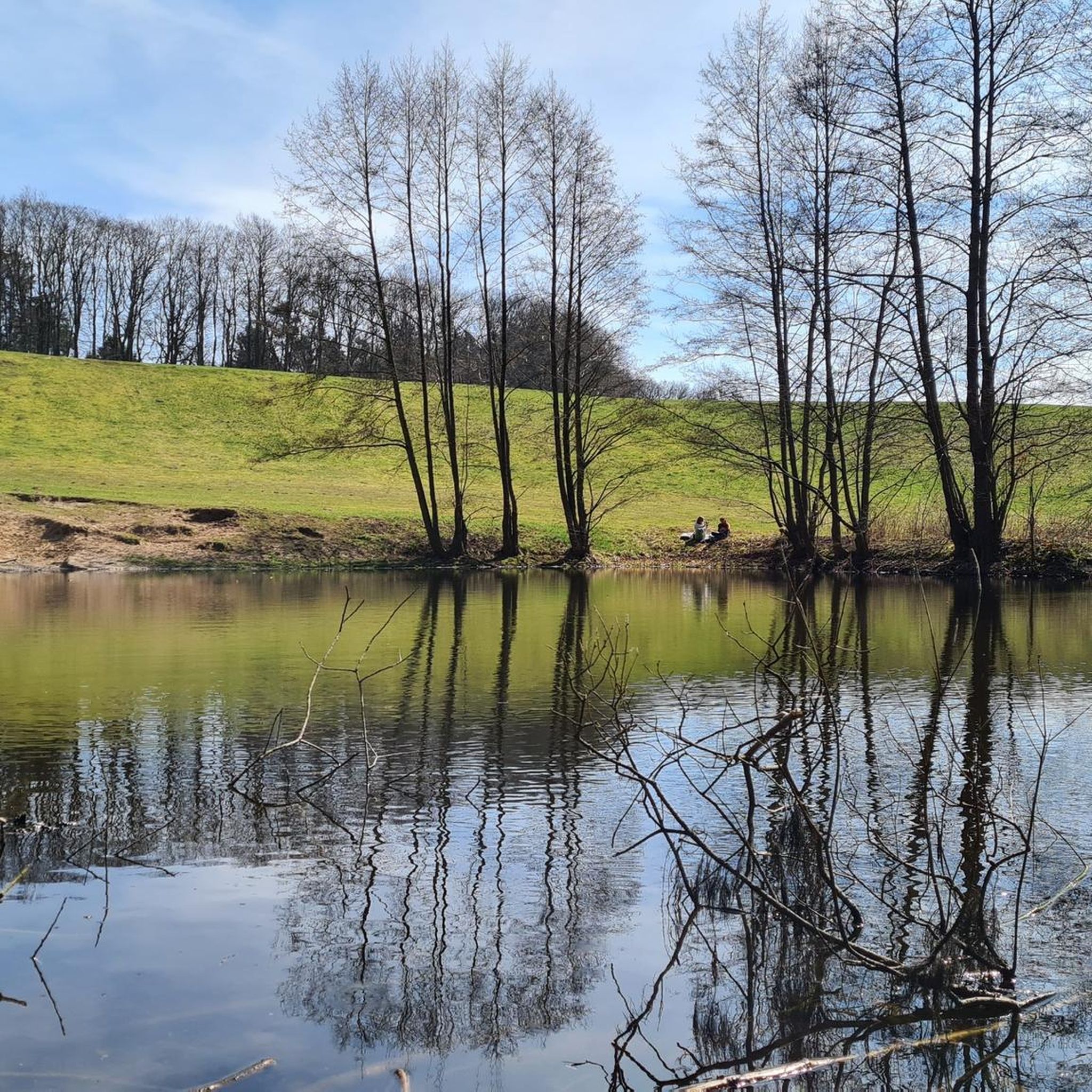
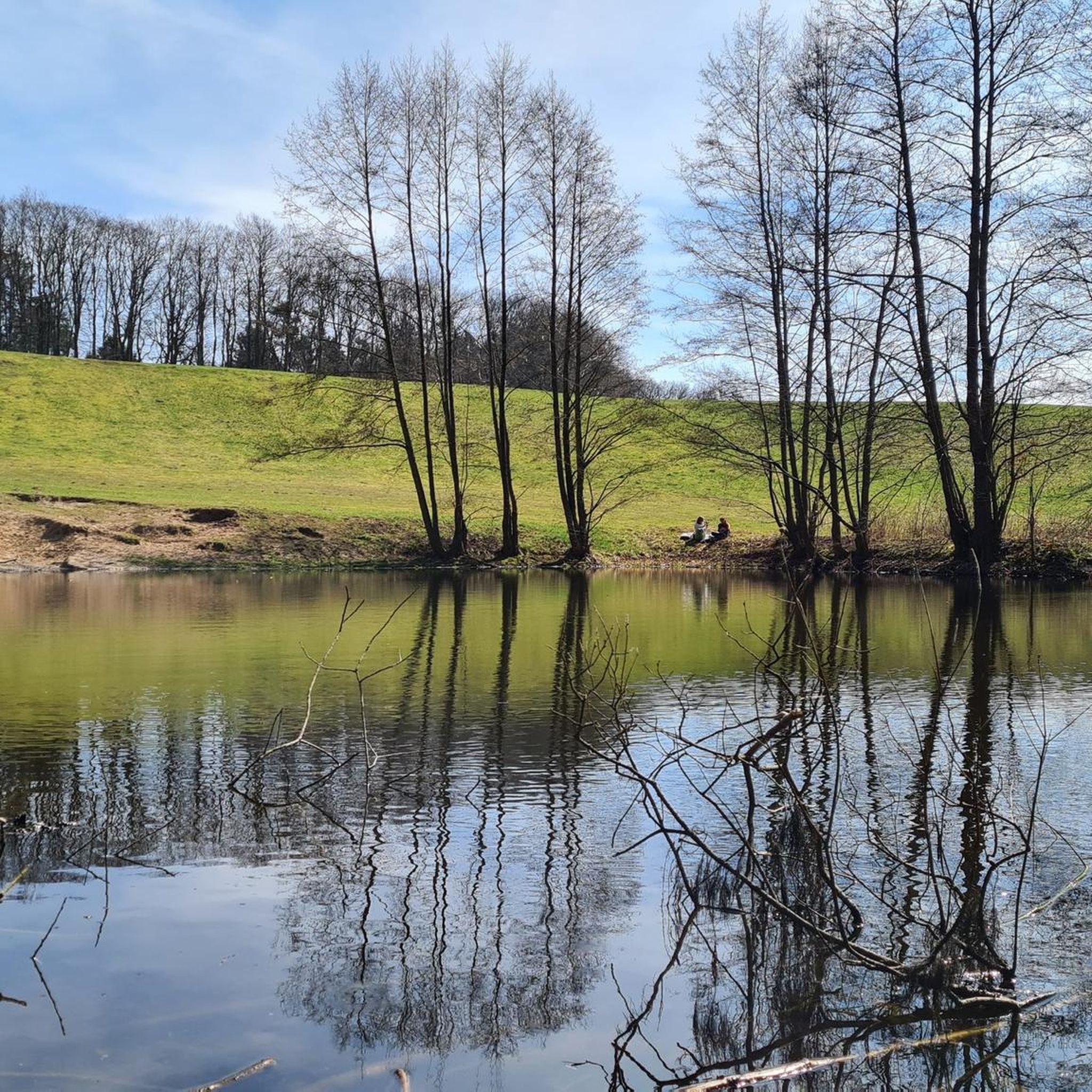
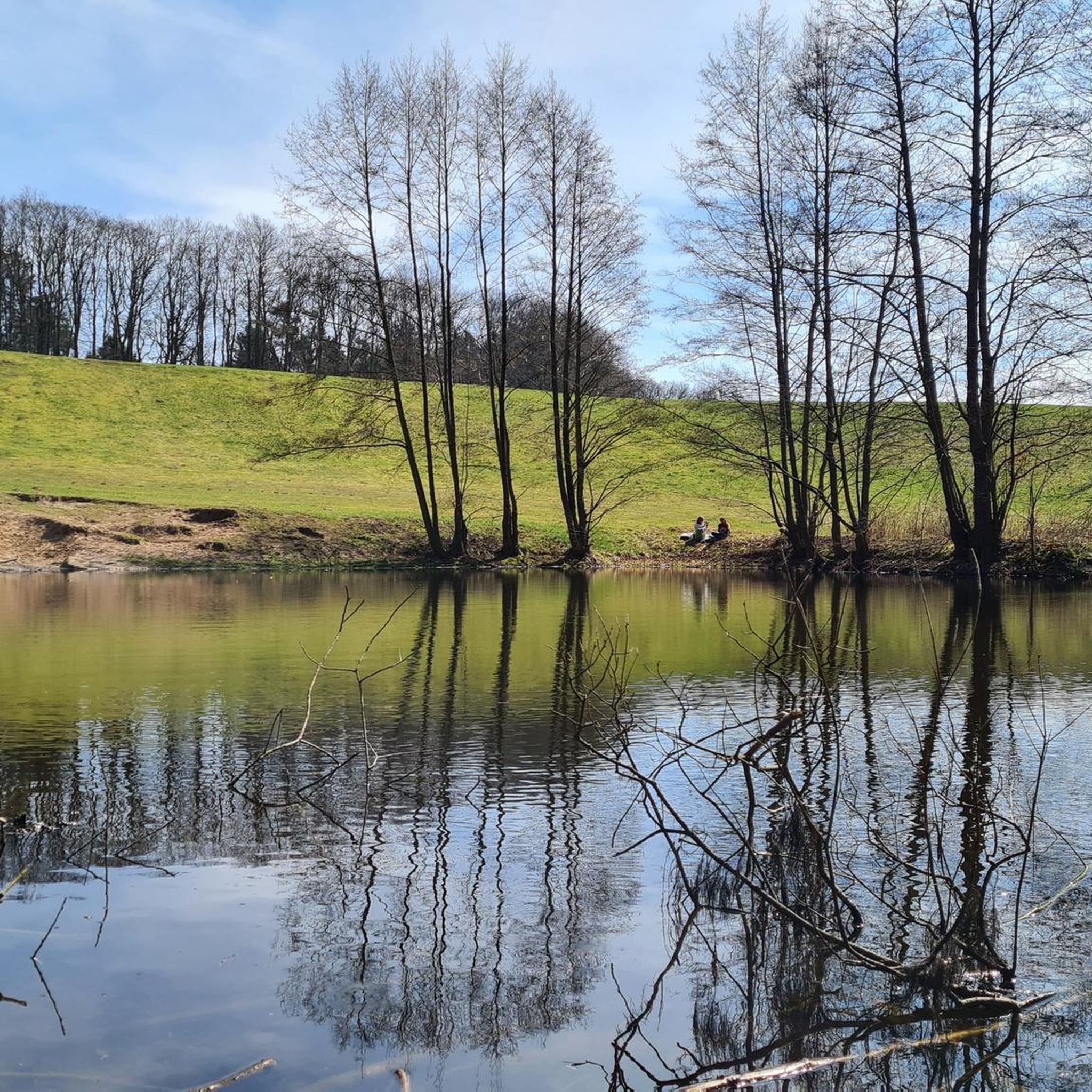
Kösterbecker See
Highlight • Lake
Translated by Google •
Tip by

Great Stone (Groß Freienholz Glacial Erratic)
Highlight • Natural Monument
Translated by Google •
Tip by

Glacial Erratic Boulder on the Warnow River
Highlight • Natural Monument
Translated by Google •
Tip by

Sign up for free to discover even more natural monuments around Roggentin.
Sign up for free
Already have an account?
Start today with a free account
Your next adventure awaits.
Login or Signup
Tips from the Community

Unfortunately, with 13 tons, it's too heavy to take it with you for the front garden 🤣
0
0

The rose garden was created in 1860. It is located in the southern part of the historic old town, very close to the stone gate. It is a cultural monument. There are 4200 roses and 9700 perennials.
1
0

Historic water reservoir from the time of the fortress construction
0
0


On the information board in front of the deep pond you can find out all sorts of unfathomable stories about the creation of the deep hole. The pit is surrounded by the huge wall bastion, the so-called three-wall bastion, which - as the name suggests - served to protect the Hanseatic city with three walls. Overall, an impressive building! About the legend: http://www.lexikus.de/bibliothek/Die-Dreiwalls-oder-Teufelshoehle-bei-Rostock
3
0

The inner space enclosed by the uppermost wall of the same is almost entirely occupied by a very deep and sloping, D-shaped water pit, which is usually referred to by the name "Düwelskuhl" - Teufelskuhle - also Dreiwallsgrube. (Source: http://lexikus.de)
3
3

Weighs 12 tons
0
1
Frequently Asked Questions
What types of natural monuments can I explore around Roggentin?
The natural monuments around Roggentin primarily feature a diverse, hilly moraine landscape, characteristic of the "Rostocker Schweiz" region. You'll find glacial erratics like the Great Stone (Groß Freienholz Glacial Erratic), lakes such as Kösterbecker See and Teufelskuhle Pond, and unique features like beaver dams. The region is shaped by glacial activity and includes important ecosystems like stream systems, dry grasslands, and wet meadows.
Are there any significant nature reserves near Roggentin?
Yes, the most significant natural monument and protected area near Roggentin is the Kösterbeck Nature Reserve. Established in 1986, it encompasses a diverse moraine landscape, the Kösterbeck stream, and valuable habitats. It's part of the European FFH protected area "Warnow with small tributaries" and serves as a drinking water protection zone for Rostock.
What are some unique natural features to look out for in the Kösterbeck Nature Reserve?
Within the Kösterbeck Nature Reserve, you can observe a diverse range of features. The reserve is characterized by its hilly moraine landscape, shaped by glacial activity. The Kösterbeck stream flows through it, supporting various ecosystems including dry grasslands, spring mires, and wet meadows. Keep an eye out for the Beaver dam on the Kösterbeck, which showcases the industrious work of beavers.
Are there family-friendly natural monuments or trails around Roggentin?
Many natural monuments around Roggentin are suitable for families. For instance, Kösterbecker See is an idyllic and quiet spot perfect for lingering. Teufelskuhle Pond offers an information board with historical details that can engage older children. The Great Stone (Groß Freienholz Glacial Erratic) is also considered family-friendly and is located in the middle of the woods, offering a sense of discovery.
What outdoor activities can I do near the natural monuments in Roggentin?
The area around Roggentin offers various outdoor activities. You can enjoy hiking and cycling, especially within the Kösterbeck Nature Reserve, with paths accessible from Roggentin, Kösterbeck, and Fresendorf. For more structured routes, consider exploring the Gravel biking around Roggentin guide, the Cycling around Roggentin guide, or the Running Trails around Roggentin guide for specific routes.
Are there hiking trails available in the Kösterbeck Nature Reserve?
Yes, the Kösterbeck Nature Reserve is well-suited for hiking, with various paths available. These trails allow visitors to experience the diverse landscape, including the stream systems, dry grasslands, and wet meadows. You can find specific routes and their details in the Running Trails around Roggentin guide, which includes trails like the 'Kösterbeck Forest Edge Trail – Kösterbecker See loop'.
Can I bring my dog to the natural monuments around Roggentin?
Yes, some natural monuments are dog-friendly. For example, the Great Stone (Groß Freienholz Glacial Erratic) is listed as dog-friendly, making it a good option for walks with your canine companion. Always ensure dogs are kept on a leash and follow local regulations to protect wildlife and other visitors.
What is the best time of year to visit the natural monuments in Roggentin?
The Kösterbeck Nature Reserve and surrounding natural monuments offer changing beauty throughout the seasons. Spring brings fresh greenery and blooming flora, while autumn showcases vibrant colors. Summer is ideal for longer hikes and enjoying the lakes. Even winter can offer unique, serene experiences, though some paths might be more challenging due to weather conditions.
Is there parking available for visitors to the Kösterbeck Nature Reserve?
While specific parking lots are not detailed in the guide data, the Kösterbeck Nature Reserve is accessible from Roggentin, Kösterbeck, and Fresendorf, suggesting that parking options are available in or near these villages for visitors looking to explore the reserve.
What historical context is associated with the natural monuments in the region?
The region's landscape itself holds historical significance, shaped by glacial activity. Beyond that, Teufelskuhle Pond is particularly notable for its historical context. An information board at the site details its history, and the pit is surrounded by the three-wall bastion, which historically served to protect the Hanseatic city of Rostock.
Are there any viewpoints offering scenic vistas near Roggentin's natural monuments?
Yes, the Kösterbecker See is considered a viewpoint within the nature reserve, offering idyllic scenery. Additionally, the Glacial Erratic Boulder on the Warnow River is also noted as a viewpoint, providing a scenic spot along the river.
What kind of wildlife can be observed in the Kösterbeck Nature Reserve?
The Kösterbeck Nature Reserve is a crucial habitat for various plant and animal species due to its diverse ecosystems, including stream systems, dry grasslands, spring mires, and wet meadows. While specific species are not listed, the conservation goal is to maintain and develop this diversity, making it a valuable area for wildlife observation. The presence of a Beaver dam on the Kösterbeck indicates beaver activity in the area.
Most popular routes around Roggentin
Most popular attractions around Roggentin

Get inspired with the komoot mobile app


Explore more
Extend your search for the best caves by checking out these guides of the top ones around Roggentin:
