Top 20 Natural Monuments around Lübbecke
Natural monuments around Lübbecke offer diverse natural landscapes situated at the northern slope of the Wiehengebirge mountains. This region features Westphalia's significant Großes Torfmoor, a raised bog and nature reserve, alongside the scenic Wiehengebirge hills, part of the TERRA.vita Nature and Geopark. The area is characterized by varied forests, unique geological formations, and designated individual natural monuments like specific trees. These natural features provide opportunities for exploration and observation of local flora and fauna.
Best natural monuments around Lübbecke
- The…
Last updated: July 8, 2026
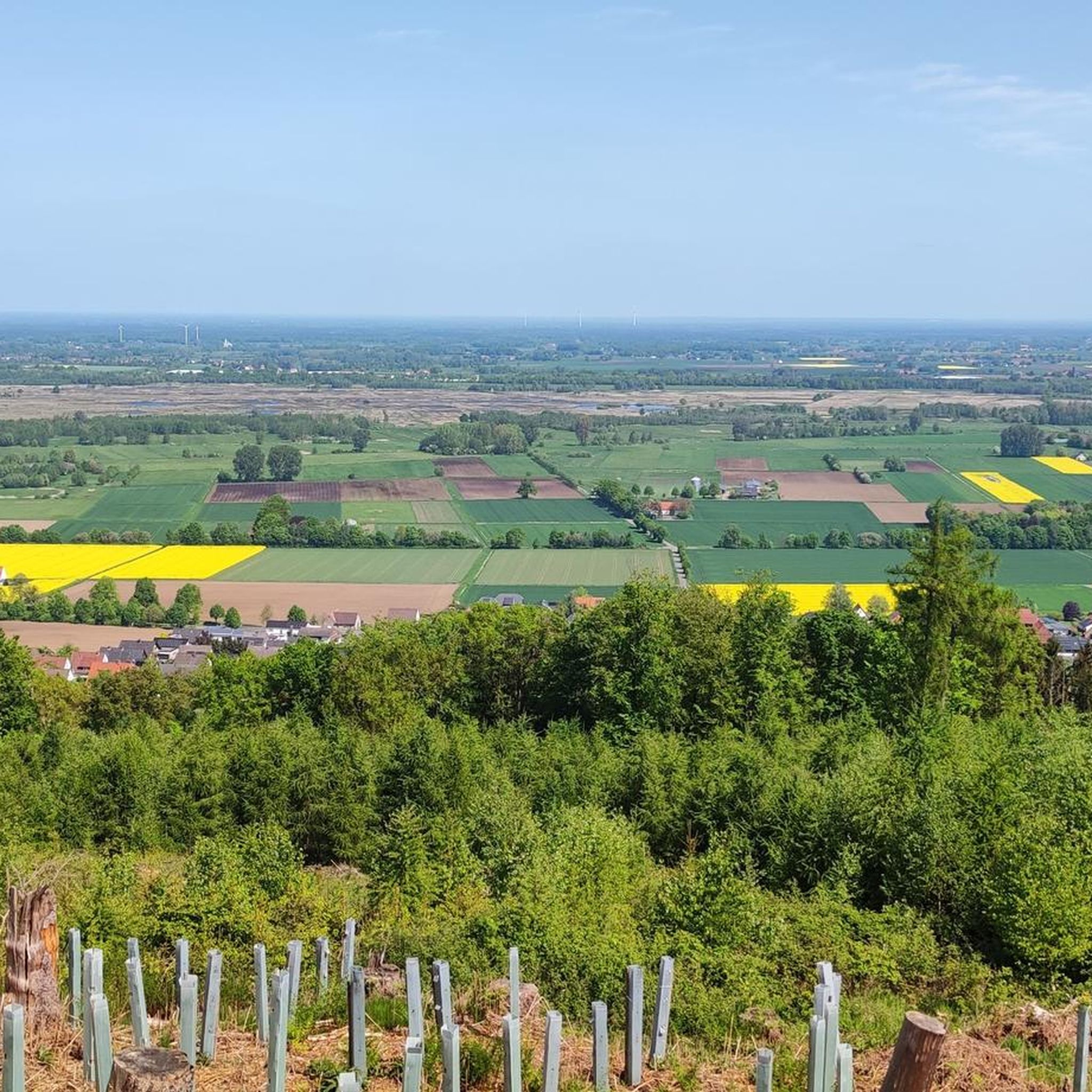
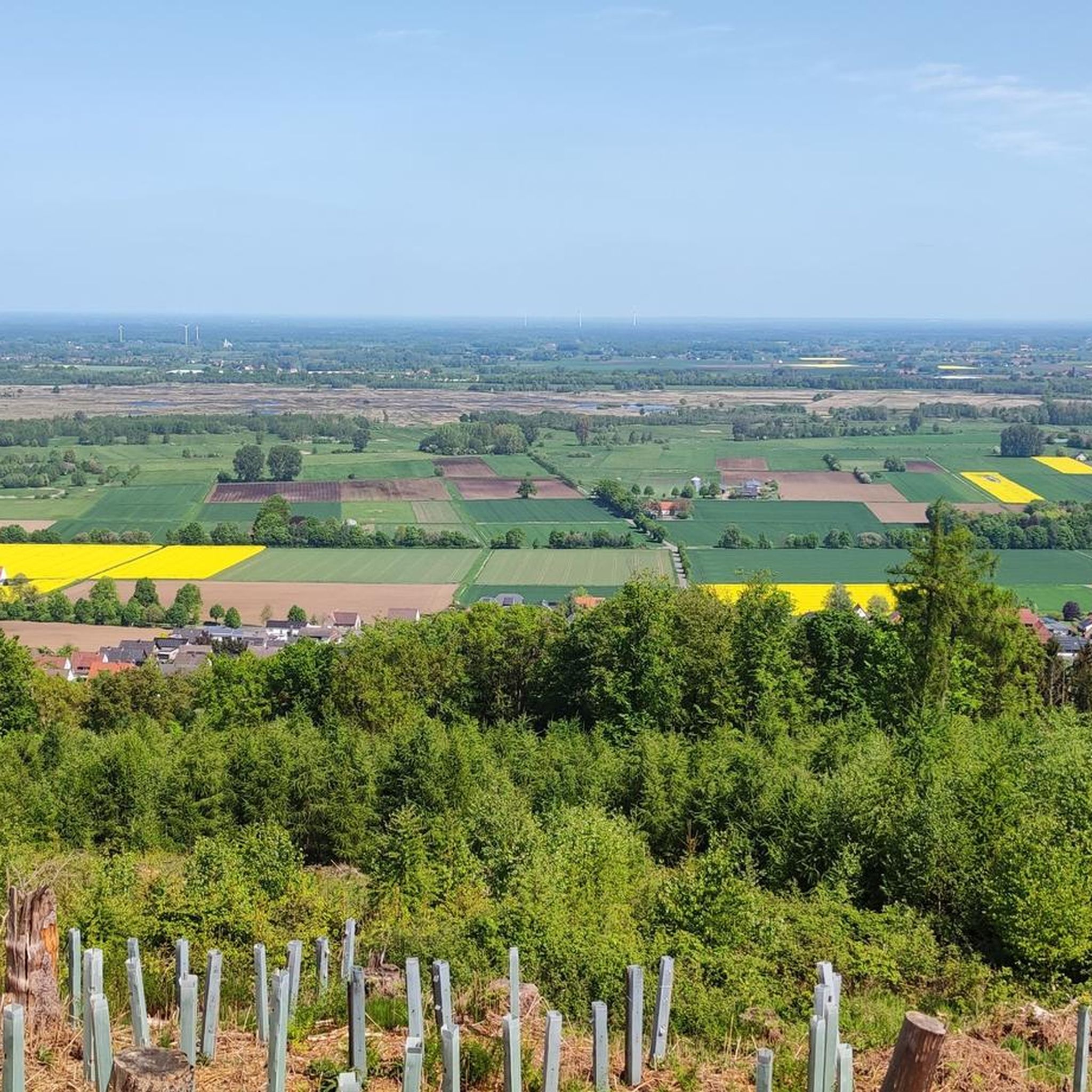
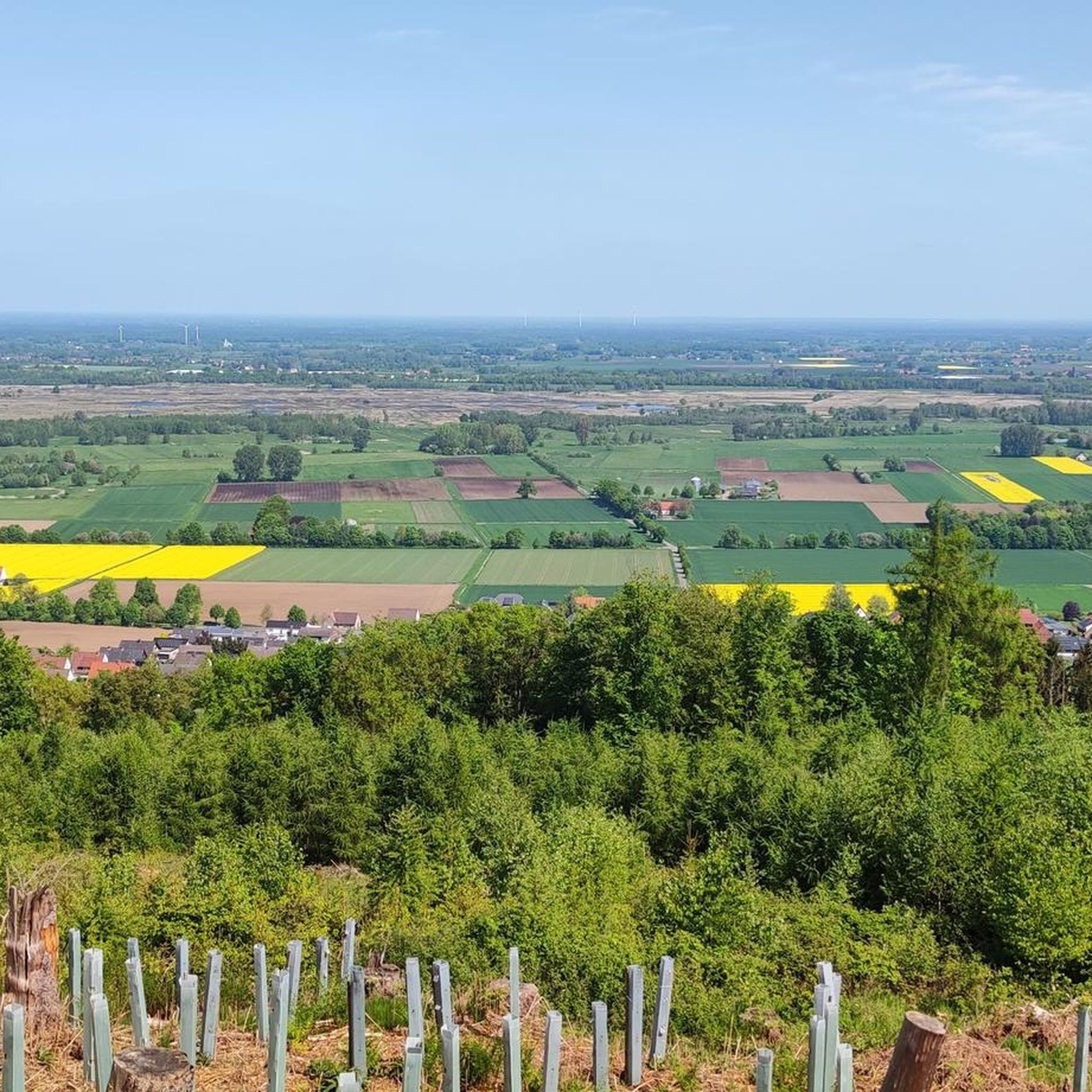
North Tower (observation tower), Großes Torfmoor
Highlight • Viewpoint
Translated by Google •
Tip by

Great Peat Bog
Highlight (Segment) • Natural
Translated by Google •
Tip by

Sign up now to discover places like this
Get recommendations on the best single tracks, peaks, & plenty of other exciting outdoor places.
Sign up for free
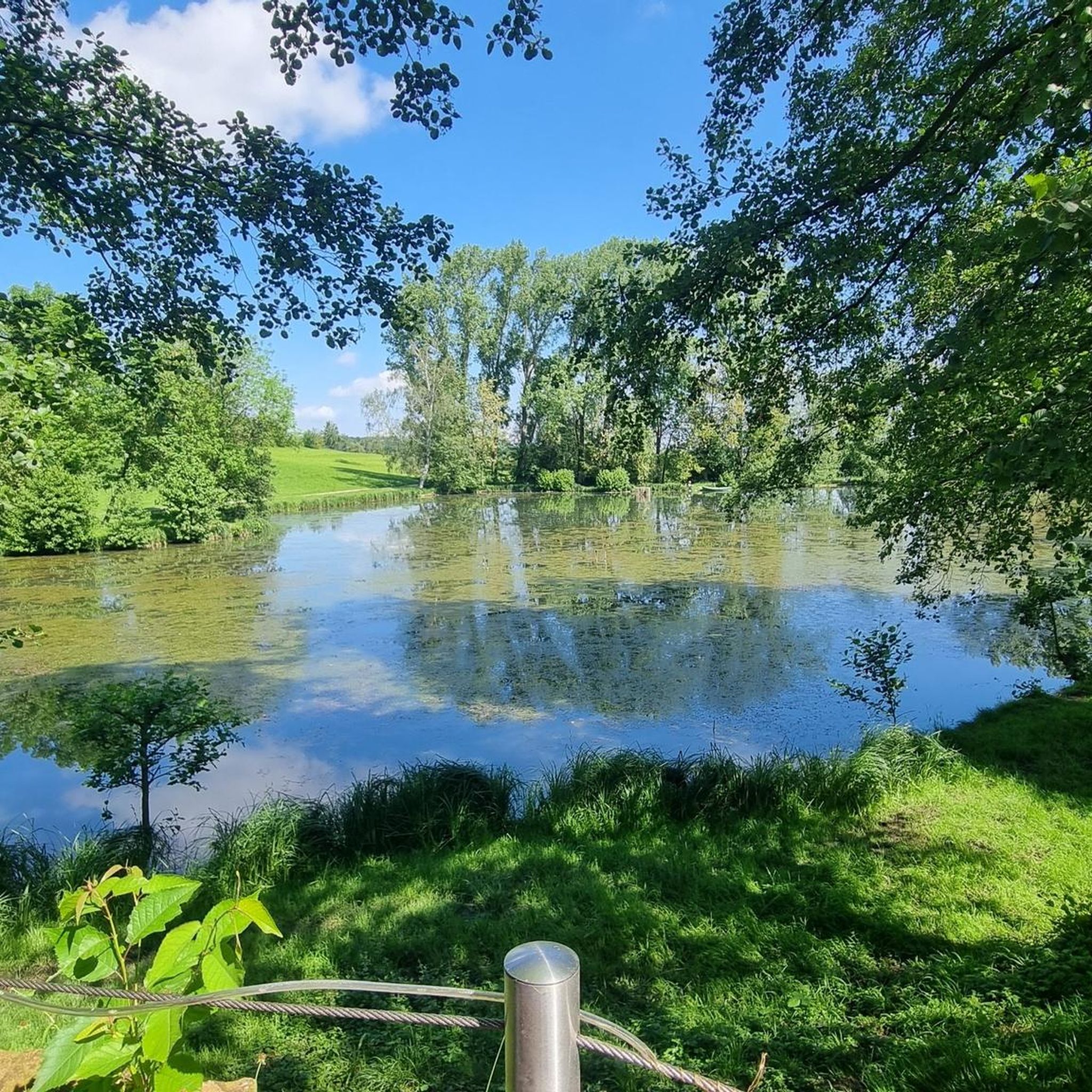
Green Lake
Highlight • Lake
Translated by Google •
Tip by

Dinosaur Footprints Barkhausen
Highlight • Natural Monument
Translated by Google •
Tip by

Bastauwiesen Southern Observation Tower
Highlight • Viewpoint
Translated by Google •
Tip by

Sign up for free to discover even more natural monuments around Lübbecke.
Sign up for free
Already have an account?
Start today with a free account
Your next adventure awaits.
Login or Signup


Tips from the Community

Very large observation tower over several floors. Beautifully solidly built, so that even people with a fear of heights can climb up and enjoy the magnificent view without any problems.
3
0

Around 11,000 years ago, the Weser formed a gully lake in the area of today's moor. At that time, glaciers prevented the Weser from taking a northerly course as it does today, and it ran westwards north of the Wiehen Hills. When the glaciers melted and the Weser flowed northwards again, the gully lake silted up and became a moor that stretched parallel to the mountains for over 20 kilometres north of the Wiehen Hills. The maximum width of this "primeval moor" was three kilometres at the time. At first a fen developed, but then gradually a raised bog, the remains of which are now known as the Great Peat Moor. Source: https://de.wikipedia.org/wiki/Gro%C3%9Fes_Torfmoor
7
0

Very well-preserved dinosaur tracks. The additional features, including two "real" dinosaurs and numerous information panels, liven things up. Absolutely worth a visit for dinosaur fans of all ages!
1
0

A destination for young and old dinosaur fans
4
1

Worth it in connection with a nice hike
4
0

+++ I was particularly impressed by the Moorschnucken. These serve to protect the moor, similar to the sheep in the north to protect the dyke. +++You are near P6 (car park 6) at the south tower.
12
0
+++The moor is characterized by 3 hiking trails, which are marked on posts in blue, red and yellow. +++2, 2.5 and 7.5 km long paths await visitors. +++ Sufficient notice and information boards make the moor a very interesting place for excursions for young and old, i.e. also for families with children.
13
1
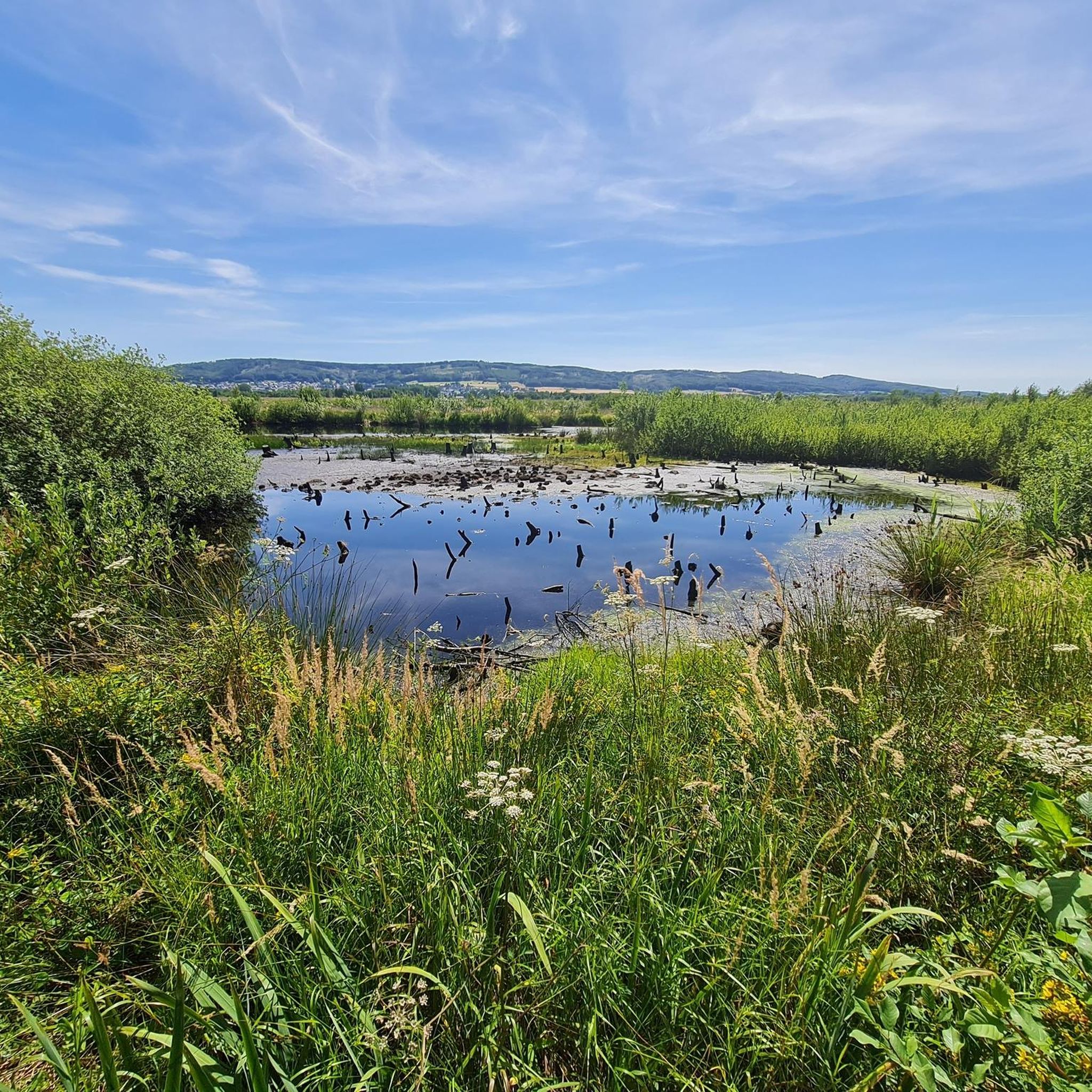
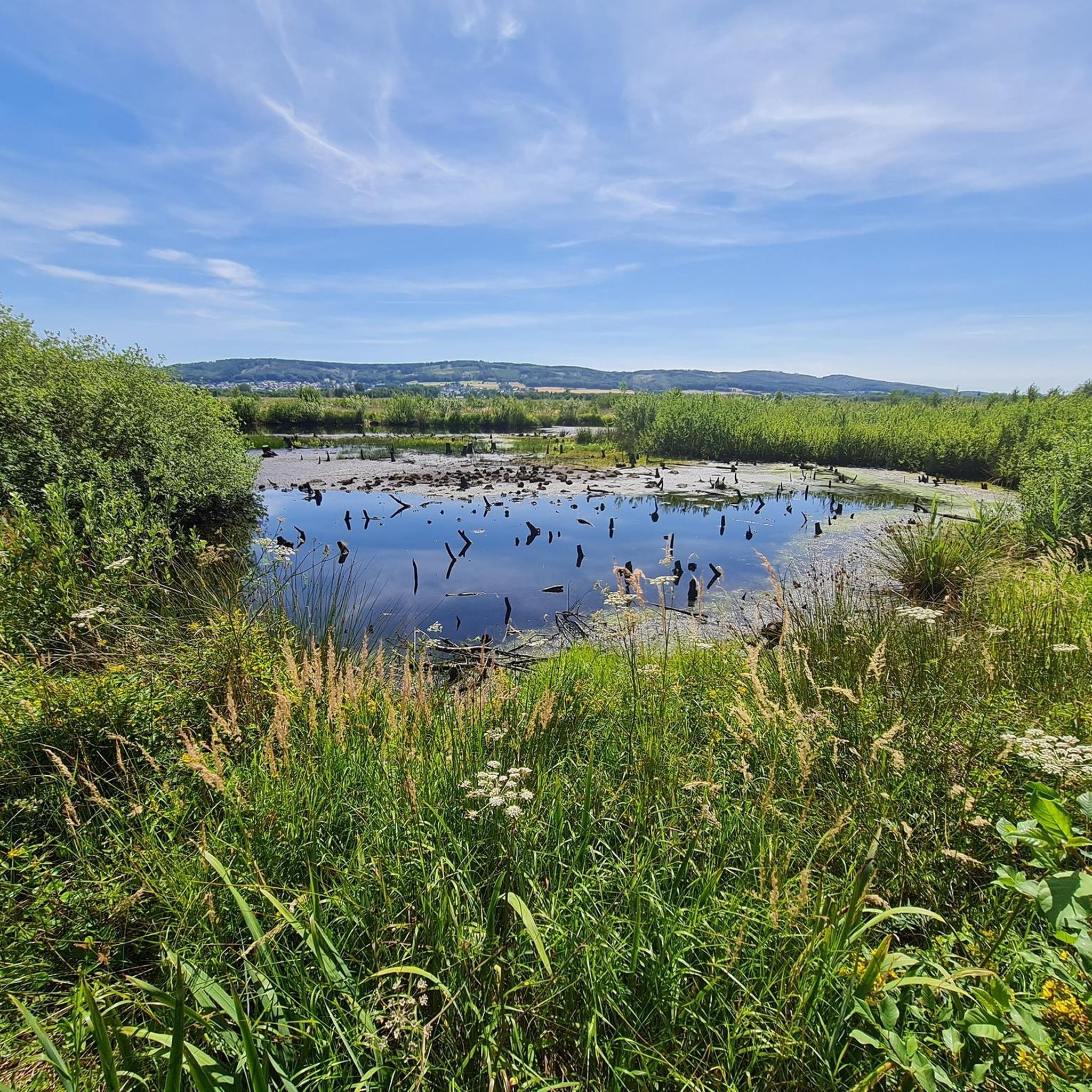
In autumn you can marvel at the faded heathland, the colorful and contrasting moor landscape with its many characteristic mini lakes, the so-called moor biotopes, in which the plants and tree stumps are reflected, and of course photograph them...
12
1
Frequently Asked Questions
What are the most popular natural monuments to visit around Lübbecke?
Among the most appreciated natural monuments are the Boardwalk and observation tower in the Großes Torfmoor, known for its beautifully laid out wooden plank path and mystical atmosphere. Another favorite is the North Tower (observation tower), Großes Torfmoor, offering extensive panoramic views of the moor landscape with the Wiehengebirge heights in the background. For a unique historical experience, visitors also enjoy the Dinosaur Footprints Barkhausen, featuring well-preserved tracks, dinosaur models, and informative panels.
Are there family-friendly natural monuments in the Lübbecke area?
Yes, several natural monuments are ideal for families. The Dinosaur Footprints Barkhausen is particularly engaging for all ages, with its well-preserved tracks and interactive elements. The Boardwalk and observation tower in the Großes Torfmoor offers an accessible and educational experience through the bog. Additionally, the Green Lake is a lovely spot where children can play in the water, and the lake hut provides a place for refreshments.
What kind of natural features can I expect to see in the Großes Torfmoor?
The Großes Torfmoor is Westphalia's most significant raised bog, characterized by unique natural features. You can observe dystrophic lakes, vegetation rich in peat moss, and moor heaths with bell and rosemary heather. It's home to rare plants like sundew, cranberry, and narrow-leaved cotton grass. The bog also serves as a vital habitat for endangered birds such as curlews, snipes, and lapwings, and rare dragonflies and amphibians like the moor frog.
What outdoor activities can I do near the natural monuments around Lübbecke?
The region offers diverse outdoor activities. You can explore numerous hiking trails, including the renowned Wittekindsweg in the Wiehengebirge. For cycling enthusiasts, there are various routes for mountain biking, gravel biking, and road cycling. For example, you can find MTB Trails around Lübbecke, Gravel biking around Lübbecke, and Road Cycling Routes around Lübbecke.
Are there any specific hiking trails recommended for exploring the Großes Torfmoor?
Yes, the Großes Torfmoor features well-signposted hiking trails, including a dedicated "Moor-Erlebnis-Pfad" (Moor Experience Path). The Boardwalk and observation tower in the Großes Torfmoor is part of a popular route, offering different lengths marked in red, yellow, and blue. These paths allow you to experience the varied moorland landscape, often on wooden plank paths.
What is the best time of year to visit the natural monuments around Lübbecke?
The natural monuments around Lübbecke offer beauty throughout the year. The Großes Torfmoor is particularly stunning from August to mid-September when the blossoming broom heath borders the wooden plank path to the lookout tower. The Wiehengebirge hills are especially beautiful in autumn, offering breathtaking views with vibrant foliage. Spring and summer are also excellent for observing diverse flora and fauna.
Can I bring my dog to the natural monuments in Lübbecke?
Many natural areas around Lübbecke are dog-friendly. For instance, the Green Lake and Dinosaur Footprints Barkhausen are noted as dog-friendly. When visiting nature reserves like the Großes Torfmoor, it's generally recommended to keep dogs on a leash to protect the sensitive ecosystem and wildlife. Always check local signage for specific rules.
Where can I find panoramic views of the landscape?
For expansive views, climb the North Tower (observation tower), Großes Torfmoor, which provides a panorama of the moor with the Wiehengebirge heights in the background. The Wiehengebirge hills themselves, including the Nonnenstein, offer numerous viewpoints with breathtaking vistas of the surrounding countryside and the transition from low mountain range to the North German lowlands.
Are there any historical natural monuments in the area?
While many natural monuments are appreciated for their ecological value, the Dinosaur Footprints Barkhausen offers a unique glimpse into ancient history. These very well-preserved dinosaur tracks provide a fascinating connection to prehistoric life, complemented by informative panels and models.
What is the Wiehengebirge, and what makes it special?
The Wiehengebirge is a range of hills forming the northern boundary of the German Central Uplands, with Lübbecke situated on its northern slope. It's part of the TERRA.vita Nature and Geopark, holding UNESCO Global Geopark status. Its special features include varied coniferous and deciduous forests, unique geological structures with hard rock formations, and numerous streams flowing through narrow valleys. It's a popular area for hikers, offering diverse trails and scenic views.
Are there any lakes or water bodies among the natural monuments?
Yes, the region features notable water bodies. The Green Lake is a charming spot, formed from a former quarry that filled with groundwater. Another significant area is the Great Aue Lake, part of a larger recreational area. This area includes two lakes, one used for bathing and the other serving as a refuge for rare animal and plant species, with parts designated as a nature reserve.
What kind of wildlife can be observed in the Großes Torfmoor?
The Großes Torfmoor is a vital EU bird protection area and a breeding ground for numerous endangered animal species. Birdwatchers might spot curlews, snipes, lapwings, and even cranes. The moor also supports rare dragonflies and amphibians, including the moor frog. The NABU visitor center "Moorhus" at the western edge of the bog offers more information on its ecology and inhabitants.
Most popular routes around Lübbecke
Most popular attractions around Lübbecke

Get inspired with the komoot mobile app


Explore more
Extend your search for the best caves by checking out these guides of the top ones around Lübbecke:
