Top 16 Natural Monuments around Zelking-Matzleinsdorf
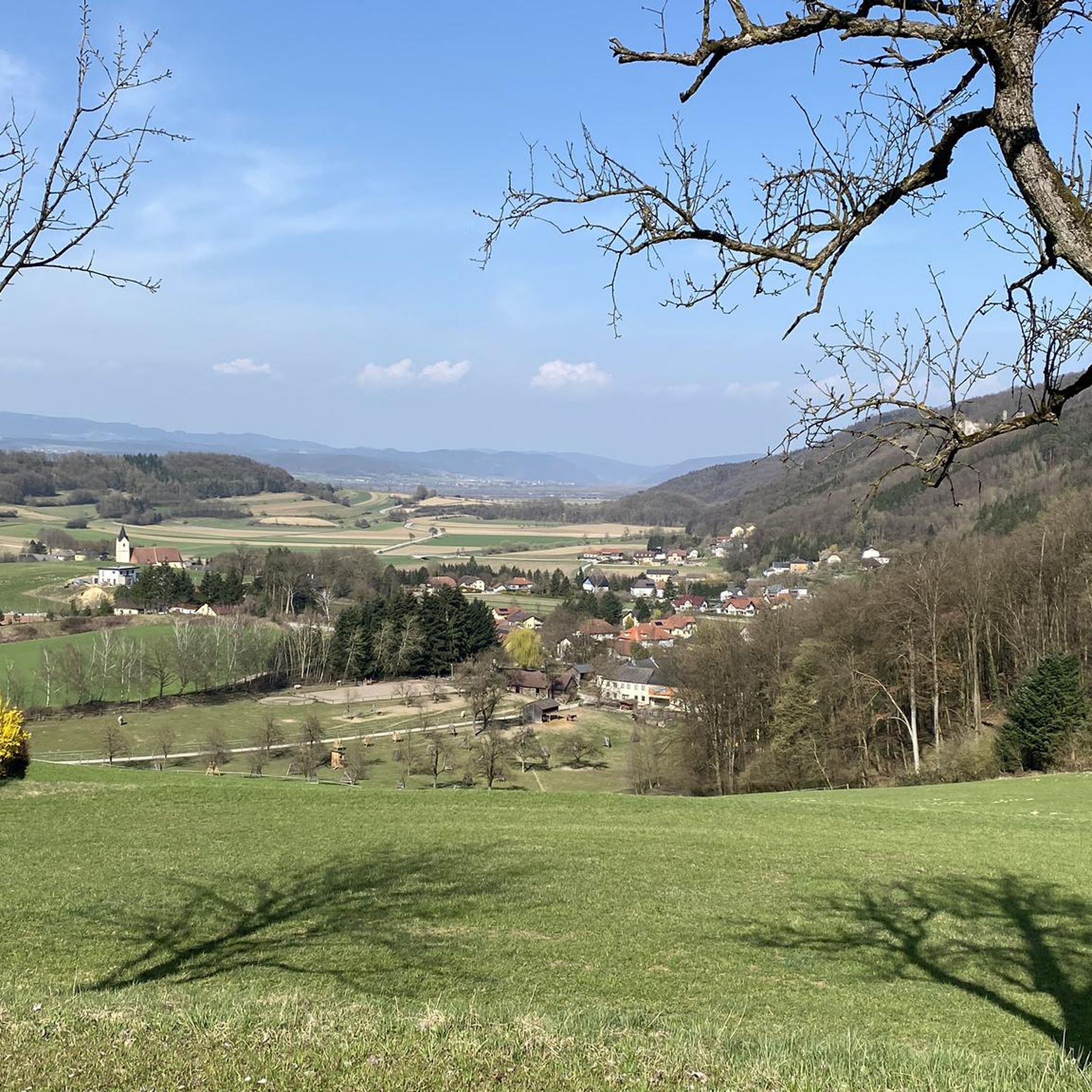
Best natural monuments around Zelking-Matzleinsdorf are found within a landscape characterized by rolling hills, green forests, and proximity to the Danube River. This Lower Austrian municipality offers numerous opportunities for outdoor activities and experiencing natural vistas. The region's natural setting provides diverse hiking trails and scenic viewpoints. Its location along the Danube River makes it an ideal environment for exploring nature.
Best natural monuments around Zelking-Matzleinsdorf
- The most popular natural monuments is Rogelstein, a natural monument consisting of large…
Last updated: May 11, 2026
Schauboden Prisoner of War Cemetery
Highlight • Historical Site
Translated by Google •
Tip by

Rogelstein
Highlight • Natural Monument
These can wobble a little even with sufficient load (hence the name).
Translated by Google •
Tip by

Sign up now to discover places like this
Get recommendations on the best single tracks, peaks, & plenty of other exciting outdoor places.
Sign up for free
Wachau World Heritage Site
Highlight (Segment) • Historical Site
Translated by Google •
Tip by

Leopoldikreuz
Highlight • Monument
Translated by Google •
Tip by

Roman Caves
Highlight • Cave
Translated by Google •
Tip by

Sign up for free to discover even more natural monuments around Zelking-Matzleinsdorf.
Sign up for free
Already have an account?
Start today with a free account
Your next adventure awaits.
Login or Signup
Tips from the Community

The Leopold Cross, also known as the "Leopoldi Cross", is a historical monument in Melk. The delicately decorated baroque pillar with tabernacle top and cross stands northeast of the town and was built in 1645 in the baroque style. The cross stands on a base and is surrounded by a small green area that invites you to linger. The shrine is a listed building and is listed under object ID: 79949 in the list of listed buildings in Melk.
1
0


The people of Purgstall hold a memorial service every year on the Sunday after All Souls’ Day.
1
0

Description The enormous number of prisoners during the First World War made it necessary to set up camps for them for the first time. One of them was in Purgstall on the Erlauf. Thanks to the attention of a local resident, parts of the former k. u.k. Prisoner of war camp from the First World War will be archaeologically examined. The foundations of four prisoner barracks were found, which - unlike the concrete barracks from the Second World War - were purely wooden post buildings. The barracks each measured around 20.70 m in length and around 10.40 m in width. A shallow ditch between the buildings probably served as drainage.Life in the prison camp The prisoner of war camp in Purgstall was built in April 1915, it covered an area of 50 hectares and could accommodate 24,500 prisoners. Camps like this had become necessary because the usual accommodation of prisoners of war in military accommodation, barracks or fortresses was no longer possible due to their large numbers. Entire barrack towns were created in which not only the prisoners lived, but also the infrastructure for supplies and bureaucratic administration. There were also workshops in which the prisoners produced simple consumer goods. In the Hague Land War Code, the predecessor of the Geneva Convention, the conditions of captivity were precisely regulated. Officers were privileged, they did not have to work like the enlisted men and were even entitled to servants. Teams were not allowed to participate in war efforts against their homeland, e.g. B. in the defense industry. Protection against diseases and epidemics posed a particular challenge, which is why great importance was attached to hygiene. From the prison camp to the summer resort After the war, most of the barracks in Purgstall were demolished, but several two-story houses were built on the foundations using the building materials for the summer resort settlement “Schauboden-Föhrenhain”, in which its own sports and leisure culture developed in the 1920s.Tip : The four kilometer long “Path of Peace” leads through the former camp area and provides information about the lives of the prisoners. (Source: https://www.mostviertel.at/alle-ausflugsziel/a-das-kriegspritenenlager)
0
0

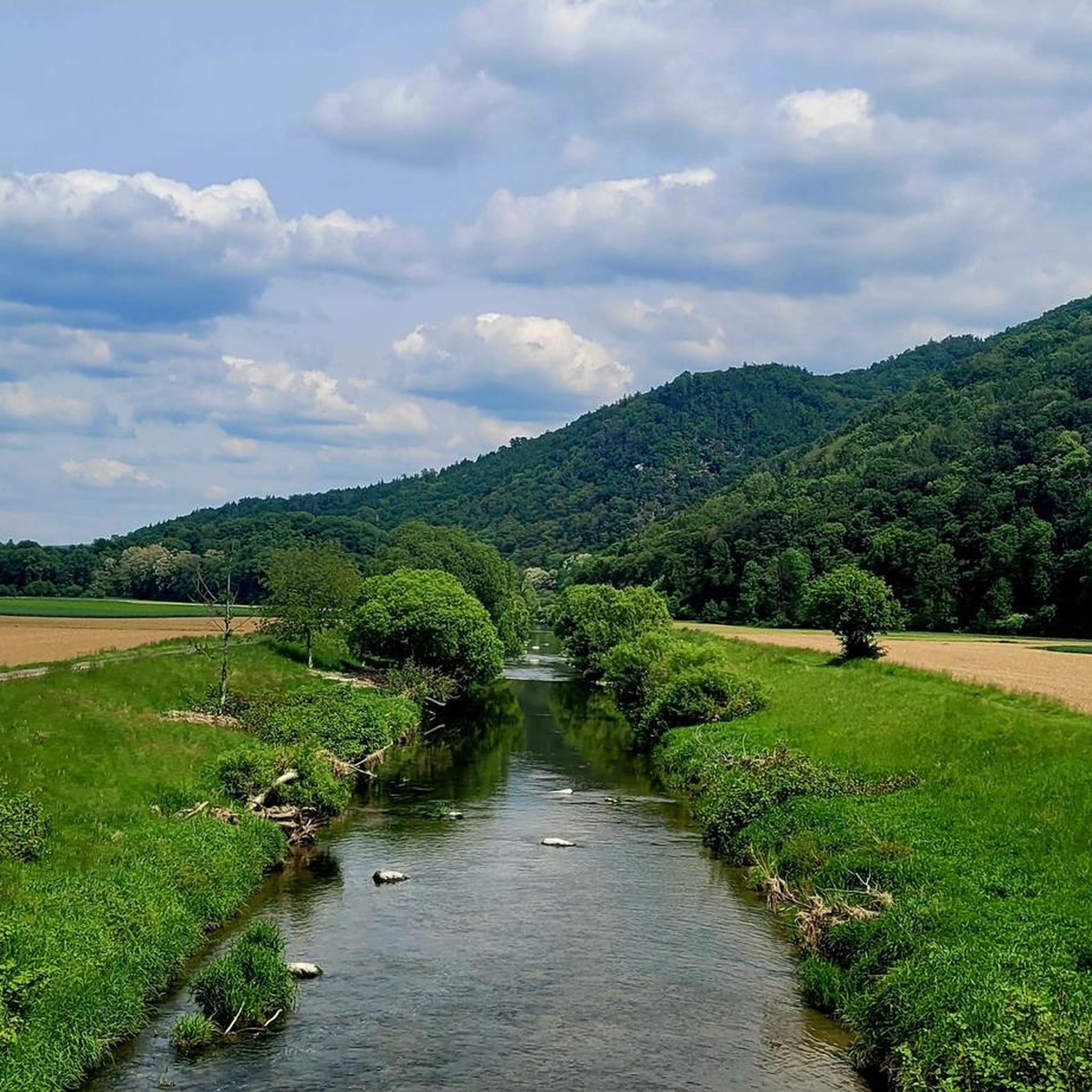
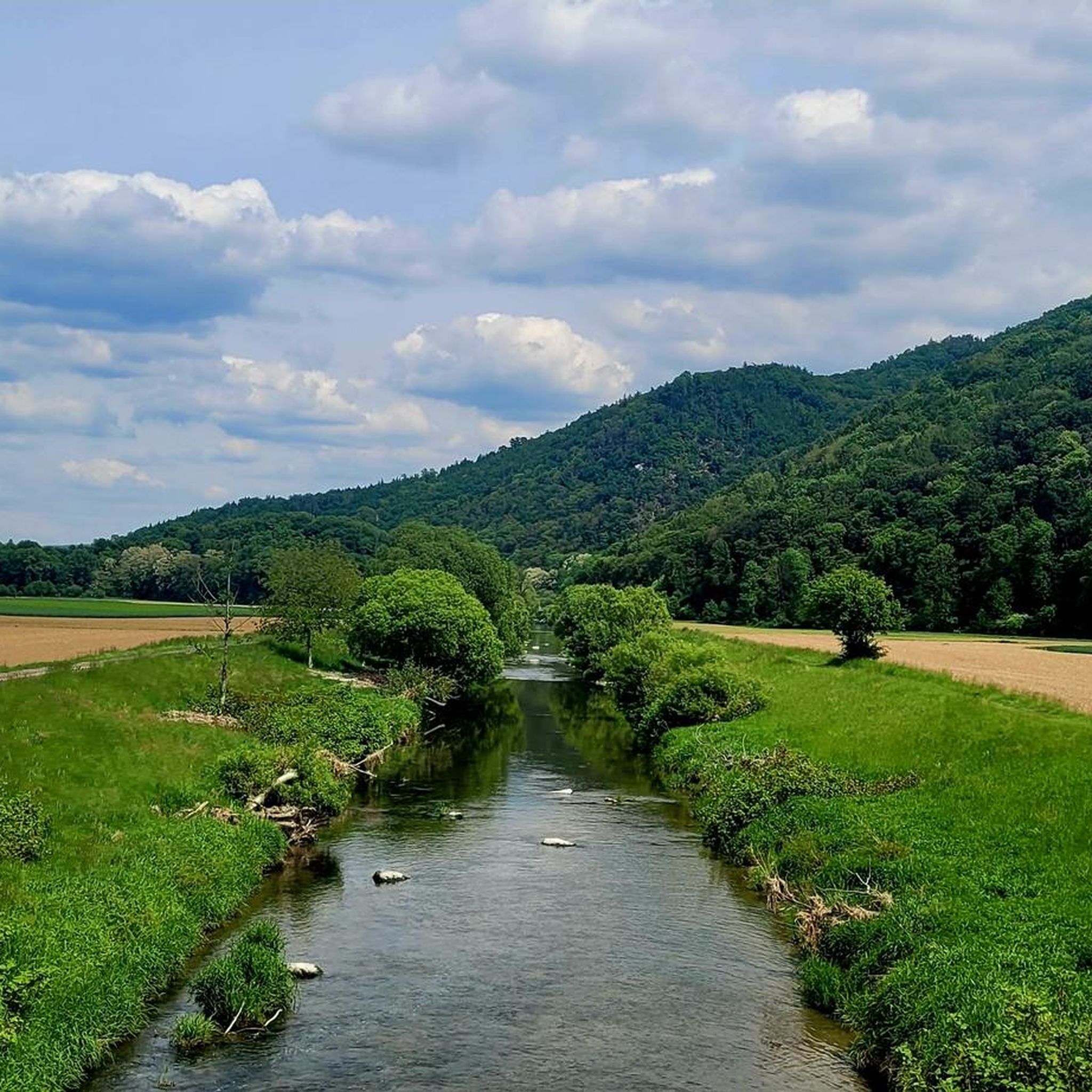
Very scenic section of the Danube cycle path.
1
0

Beautiful wayside shrine surrounded by birch trees
1
0

Access is not easy to find, but a visit to the caves is well worth the "search".
1
0

After Ruprechtshofen ride on the new cycle path of the abandoned narrow-gauge railway "Krumpe" in the direction of Wieselburg, then turn off in the Rotte Koth (Schlattenbauer), behind the farmhouse there are graves from the 1st century AD in a 150 m wide ridge made of sandstone. Illyrian, Celtic and Roman names are carved on the rock face. The approximately 50 m long cave passage with several niches is still preserved today and can be entered at your own risk.
1
0
Frequently Asked Questions
What are some unique natural monuments to visit around Zelking-Matzleinsdorf?
You can discover unique natural monuments like Rogelstein, known for its large boulders that wobble slightly and are part of a stone circuit hike. Another interesting spot is Naturfreundestein, a viewpoint offering a rest area and views of the Danube and Ötscher peak.
What natural features can I expect to see in the Zelking-Matzleinsdorf region?
The region is characterized by rolling hills, green forests, and its proximity to the Danube River. You'll find scenic river landscapes, diverse hiking trails, and impressive natural vistas. The Wachau World Heritage Site, for instance, offers views through apple orchards and vineyards along the Danube.
What is the best time of year to visit the natural monuments in Zelking-Matzleinsdorf?
The best seasons for visiting are typically spring and autumn. During these times, the weather is mild, and the landscape is at its most vibrant, with blooming flowers in spring and colorful foliage in autumn. This makes for ideal conditions for hiking and exploring.
Are there family-friendly natural monuments in Zelking-Matzleinsdorf?
Yes, several natural monuments are suitable for families. The Wachau World Heritage Site is family-friendly, offering scenic views along the Danube Cycle Path. The Naturfreundestein viewpoint also provides a pleasant rest area for all ages. Additionally, the Leopoldikreuz is a historical monument with natural elements that families can visit.
Are there any historical sites with natural elements to explore?
Absolutely. The Wachau World Heritage Site is a prime example, combining historical significance with the natural beauty of the Danube valley. You can also visit the Schauboden Prisoner of War Cemetery, which is a historical site with natural monument status, and explore the 'Path of Peace' through the former camp area.
Can I find viewpoints with impressive vistas?
Yes, the region is known for its viewpoints. The Naturfreundestein offers wonderful views of the Danube near Persenbeug-Gottsdorf and the striking Ötscher peak. Another popular spot is the ascent through the forest to the Matzleinsdorf castle ruins, which rewards hikers with a breathtaking view over the Danube valley.
What outdoor activities can I do near these natural monuments?
The region offers numerous opportunities for outdoor activities. You can enjoy running, gravel biking, and cycling along the Danube. For specific routes, check out the guides for Running Trails around Zelking-Matzleinsdorf, Gravel biking around Zelking-Matzleinsdorf, and Cycling around Zelking-Matzleinsdorf.
Are there hiking trails near these natural monuments?
Yes, Zelking-Matzleinsdorf is an ideal starting point for hikes. The Donausteig long-distance hiking trail passes through the area, allowing for an up-close experience with nature. You can also explore the 'stone circuit hike' which includes the Rogelstein, or take a leisurely walk around the idyllic Zelkinger Pond.
Are there any circular walks or loop trails available?
Yes, the Zelkinger Pond Circular Hiking Trail offers a leisurely walk where you can observe local flora and fauna. Additionally, the 'stone circuit hike' is a loop that connects several natural features, including the Rogelstein, the White Stone, the Great Stone, and the ruins of Zelking.
What do visitors enjoy most about the natural monuments in Zelking-Matzleinsdorf?
Visitors particularly appreciate the scenic views along the Danube, especially from spots like Naturfreundestein. The unique geological features, such as the wobbling boulders of Rogelstein, and the picturesque routes through apple orchards and vineyards in the Wachau World Heritage Site are also highly praised.
Can I combine a visit to natural monuments with cycling?
Absolutely. The region is very cyclist-friendly, especially along the Danube. The Danube Cycle Path, known for being well-maintained and easy to ride, offers beautiful perspectives, such as the 'View of Maria Taferl from the Danube cycle path near Krummnussbaum'. The Wachau World Heritage Site is a highlight along this route.
Are there any natural monuments that are particularly good for photography?
The scenic views along the Danube, especially from viewpoints like Naturfreundestein, provide excellent photo opportunities. The Wachau World Heritage Site, with its apple orchards and vineyards, is also very picturesque, particularly in spring and autumn.
Most popular routes around Zelking-Matzleinsdorf
Most popular attractions around Zelking-Matzleinsdorf

Get inspired with the komoot mobile app


Explore more
Extend your search for the best caves by checking out these guides of the top ones around Zelking-Matzleinsdorf:
