Top 20 Natural Monuments in Costa Rica
Best natural monuments in Costa Rica showcase the country's rich biodiversity and commitment to conservation. The landscape features active volcanoes, misty cloud forests, and extensive coastlines. These natural areas offer diverse environments, from rainforests to unique geological formations. Costa Rica's natural monuments provide opportunities to explore varied ecosystems and observe wildlife.
Best natural monuments in Costa Rica
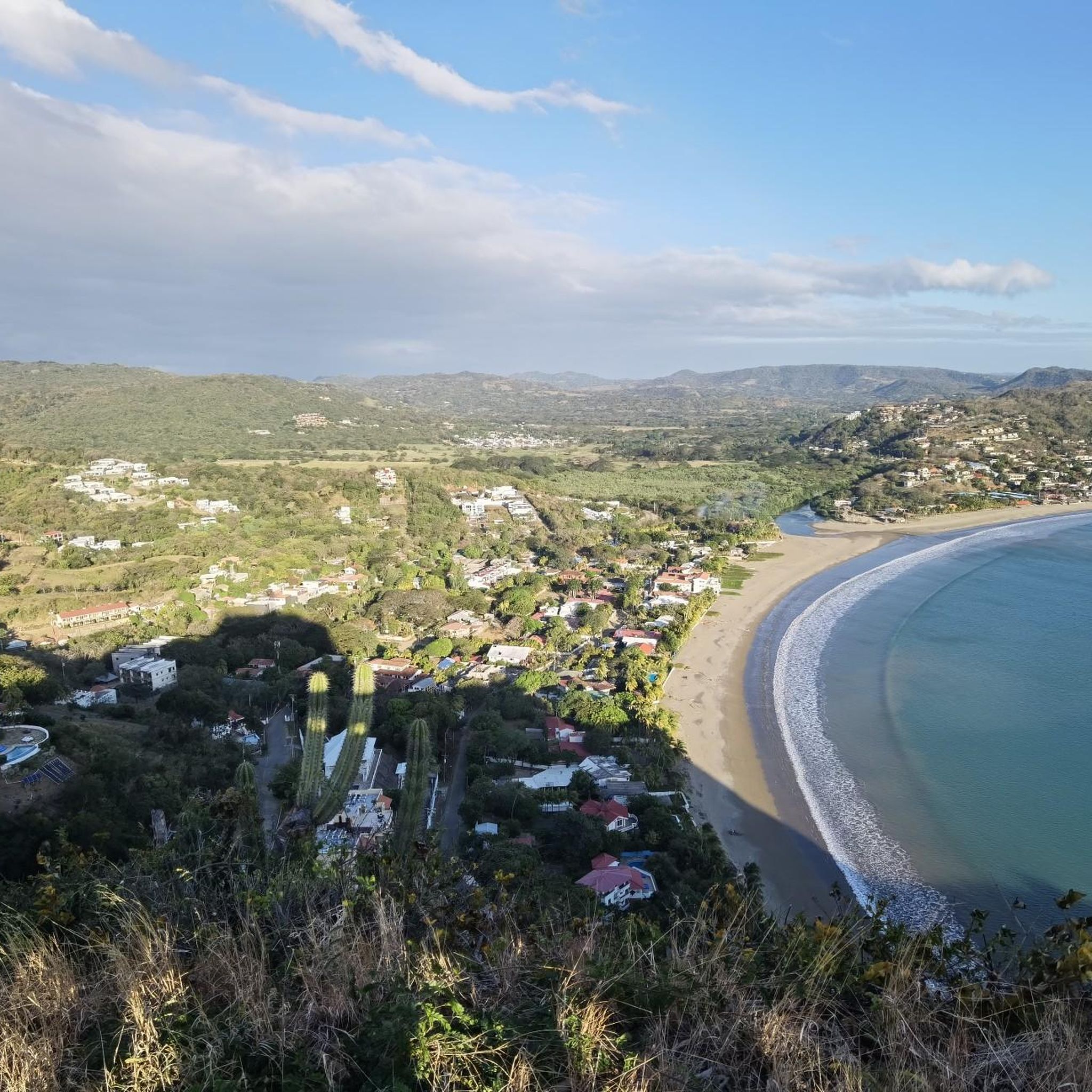
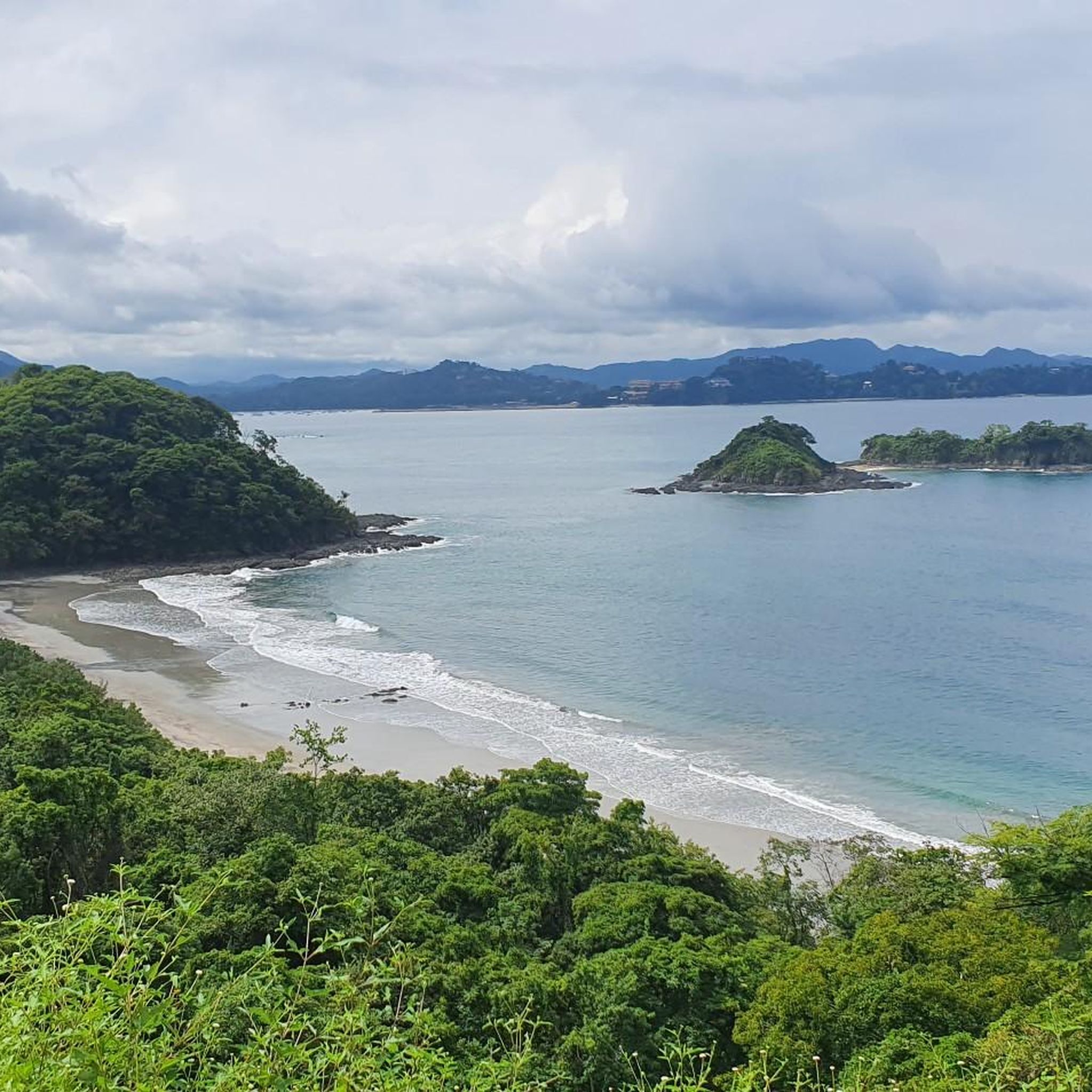
- The most popular natural monuments is Manuel Antonio National Park, a forest that seamlessly blends white-sand beaches with lush rainforest. Visitors can…
Last updated: May 11, 2026
Manuel Antonio National Park
Highlight • Forest
Tip by

Cahuita National Park
Highlight • Natural Monument
We walk the path through the rainforest and see sloths, capuchin monkeys, but also snakes, …
Tip by

Sign up now to discover places like this
Get recommendations on the best single tracks, peaks, & plenty of other exciting outdoor places.
Sign up for free
Rio Celeste Waterfall
Highlight • Waterfall
Tip by

Los Teñideros – Confluence of Río Buena Vista and Quebrada Agria
Highlight • River
Translated by Google •
Tip by

Rincón de la Vieja National Park
Highlight • Natural Monument
Tip by
Mistico Arenal Hanging Bridges Park
Highlight (Segment) • Trail
Translated by Google •
Tip by

Laguna Azul (Tenorio Volcano National Park)
Highlight • Lake
Tip by
La Cangreja Waterfall
Highlight • Waterfall
Translated by Google •
Tip by

La Fortuna Waterfall
Highlight • Waterfall
Tip by
Main Crater of Irazú Volcano
Highlight • Volcano
Translated by Google •
Tip by

Sign up for free to discover even more natural monuments in Costa Rica.
Sign up for free
Already have an account?
Start today with a free account
Your next adventure awaits.
Login or Signup


Tips from the Community

The waterfall is just under 30 minutes from the parking lot. The last section of the stairs leading to the waterfall is currently inaccessible due to a landslide. Last admission to the park is at 2:00 PM.
2
0

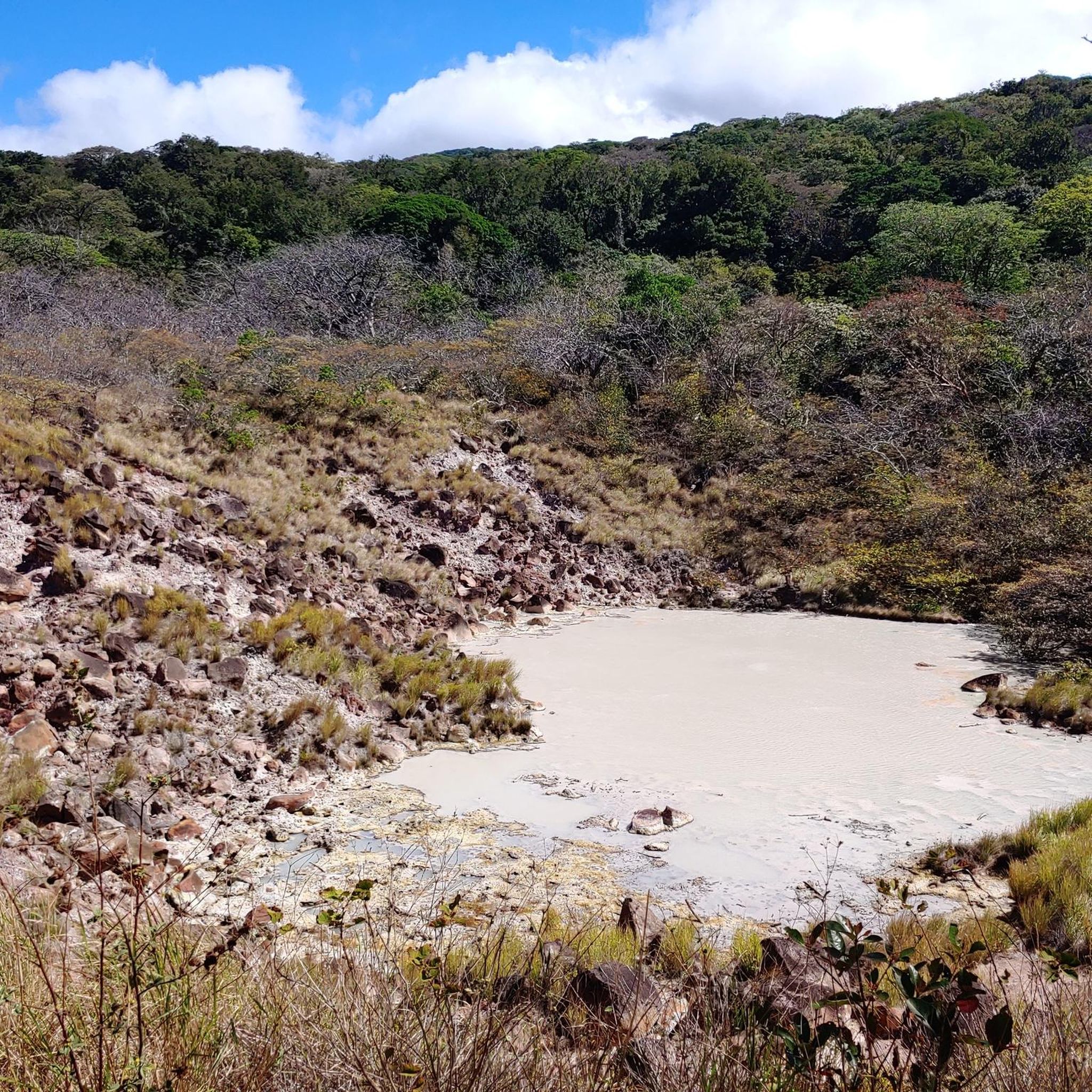
Rincón de la Vieja National Park captivates visitors with its volcanic landscapes, fumaroles, and hot mud pools. Hiking trails lead through dry and rainforest to waterfalls and viewpoints. The smell of sulfur, steaming earth, and lush nature make the park an unforgettable experience.
0
0
La Cangreja waterfall lies deep within the national park of the same name in Costa Rica. A varied hike leads through dense rainforest, over roots and streams. At the end, the towering waterfall impresses with its raw power and pristine nature – especially beautiful after rainfall.
0
0

Beautiful, varied paths through the park. There are animals to discover everywhere.
1
0

A very beautiful viewpoint. We used the short circular trail to acclimatize/prepare for Cerro Chirripó, as you're at a very high altitude. Due to the altitude, it can be chilly and windy; we were there in April, and a sweater was sufficient. I can definitely recommend visiting the volcano in the morning. Between 8 and 10 a.m., there are hardly any people there, and the sky is usually still clear at this time. Clouds usually move up the mountain from mid-morning onward. The view is magnificent; however, the turquoise lakes aren't visible during the dry season; they're probably only full during the rainy season. There's a small restaurant that leaves nothing to be desired; all in all, it's fantastic.
0
0


After a few steps down, you can admire the Rio Celeste waterfall.
0
0

Bubbling magma. Great trip into the earth's interior
1
0
Frequently Asked Questions
What are some of the most popular natural monuments in Costa Rica?
Among the most visited natural monuments are Manuel Antonio National Park, known for its blend of white-sand beaches and rainforest, and Cahuita National Park, offering rainforest trails and pristine beaches. Visitors also frequently explore the unique electric-blue waters at Los Teñideros – Confluence of Río Buena Vista and Quebrada Agria.
When is the best time to visit natural monuments in Costa Rica?
The dry season, typically from December to April, is generally considered the best time to visit. During this period, trails are less muddy, and wildlife viewing can be more accessible. However, the wet season (May to November) brings lush greenery and fewer crowds, though afternoon rains are common and can impact trail conditions.
Are there family-friendly natural monuments in Costa Rica?
Yes, several natural monuments are great for families. Cahuita National Park is noted as family-friendly, offering easy trails and abundant wildlife viewing opportunities. Manuel Antonio National Park also provides accessible trails and beaches where families can spot sloths and monkeys.
What kind of terrain can I expect on trails within Costa Rica's natural monuments?
Trail terrain varies significantly. In places like Manuel Antonio National Park, you'll find well-prepared concrete or wooden pathways, especially to viewpoints. However, trails to waterfalls like Rio Celeste Waterfall can involve many steep steps. Other areas, such as Monteverde Cloud Forest, feature misty, sometimes muddy, forest paths and extensive suspension bridges. Always be prepared for changing weather conditions.
Do I need permits or pay entrance fees for natural monuments in Costa Rica?
Many national parks and preserves, which include natural monuments, require entrance fees. For example, Manuel Antonio National Park has an entrance fee, and a passport or ID is often required for entry. Cahuita National Park, however, operates on a donation basis for entry. It's advisable to check specific park requirements before your visit.
Where can I see unique geological features in Costa Rica?
Costa Rica is rich in geological wonders. You can witness the surreal electric-blue water at Los Teñideros – Confluence of Río Buena Vista and Quebrada Agria, a phenomenon caused by volcanic minerals. The Rincón de la Vieja National Park offers steaming fumaroles, boiling mud pools, and crater lakes. Additionally, the Main Crater of Irazú Volcano provides a dramatic volcanic landscape.
What outdoor activities can I do near these natural monuments?
Beyond exploring the monuments themselves, Costa Rica offers a wide range of outdoor activities. You can find excellent cycling routes, including challenging mountain biking trails, and diverse hiking opportunities. For more details on routes, explore our guides on Cycling in Costa Rica, Mountain Hikes in Costa Rica, and MTB Trails in Costa Rica.
Which natural monuments are best for wildlife viewing?
Many natural monuments are prime for wildlife viewing. Manuel Antonio National Park is known for easily spotting sloths, capuchin monkeys, and tropical birds. Cahuita National Park also offers sightings of sloths, monkeys, and various birds. Corcovado National Park, though not listed as a highlight here, is renowned as one of the most biodiverse places on Earth for spotting jaguars, tapirs, and macaws.
Are there any natural monuments with impressive waterfalls?
Absolutely! The Rio Celeste Waterfall is a magnificent cascade plunging into a bright blue lagoon, requiring a hike with many steps. Another stunning option is La Fortuna Waterfall, a majestic 70-meter cascade near the town of La Fortuna, where you can even swim in its pristine pools. La Cangreja Waterfall also offers a rewarding experience.
What do visitors enjoy most about exploring Costa Rica's natural monuments?
Visitors frequently highlight the incredible biodiversity and the chance to see unique wildlife up close, such as sloths and monkeys. The stunning natural beauty, from the electric-blue waters of Río Celeste to the majestic waterfalls and misty cloud forests, also leaves a lasting impression. Many appreciate the well-maintained trails and the opportunity for refreshing swims in natural pools.
Are there any natural monuments that are wheelchair accessible?
While many natural areas in Costa Rica present challenging terrain, Manuel Antonio National Park is noted for having some wheelchair-accessible pathways, particularly on its main trails and to certain viewpoints. It's always recommended to check the latest accessibility information directly with the park before visiting.
Can I find accommodation or food options near the natural monuments?
Yes, many natural monuments are located near towns or have facilities within reasonable proximity. For instance, the town of La Fortuna serves as a convenient base for exploring Arenal Volcano National Park and La Fortuna Waterfall, offering various accommodation and dining options. Similarly, areas around Monteverde and Manuel Antonio have established tourist infrastructure.
Most popular routes in Costa Rica
Most popular attractions in Costa Rica

Get inspired with the komoot mobile app


Didn’t find what you were looking for?
Find even more amazing natural monuments in Costa Rica by checking out the top Highlights region by region:
Explore more
Extend your search for the best caves by checking out these guides of the top ones in Costa Rica:
