The best mountain hikes in Costa Rica
5.0
(2)
20
hikers
4
hikes
Mountaineering routes in Costa Rica traverse a landscape defined by dramatic volcanic ranges, dense cloud forests, and diverse ecosystems. The country's unique geographical position and significant elevation changes create varied terrain, from tropical dry forests to alpine páramos. Three powerful mountain ranges—Talamanca, Central Volcanic, and Guanacaste Volcanic—host numerous peaks and volcanoes, offering varied challenges for outdoor enthusiasts.
Best mountaineering routes in Costa Rica
- The most popular mountaineering route is Mountaineering loop from Refugio Nacional de Vida Silvestre Curi-Cancha, a…
Last updated: May 26, 2026
5.0
(1)
10
hikers
8.86km
02:40
280m
280m
Moderate mountaineering route. Good fitness required. Easily-accessible paths. Suitable for all skill levels.
6
hikers
Moderate mountaineering route. Great for any fitness level. Mostly accessible paths. Sure-footedness required.

Sign up for free
5.0
(1)
2
hikers
8.09km
03:19
640m
640m
Moderate mountaineering route. Good fitness required. Easily-accessible paths. Suitable for all skill levels.
2
hikers
Moderate mountaineering route. Good fitness required. Easily-accessible paths. Suitable for all skill levels.
Our route recommendations are based on thousands of hikes, rides, and runs completed by other people on komoot.
Start today with a free account
Your next adventure awaits.
Login or Signup
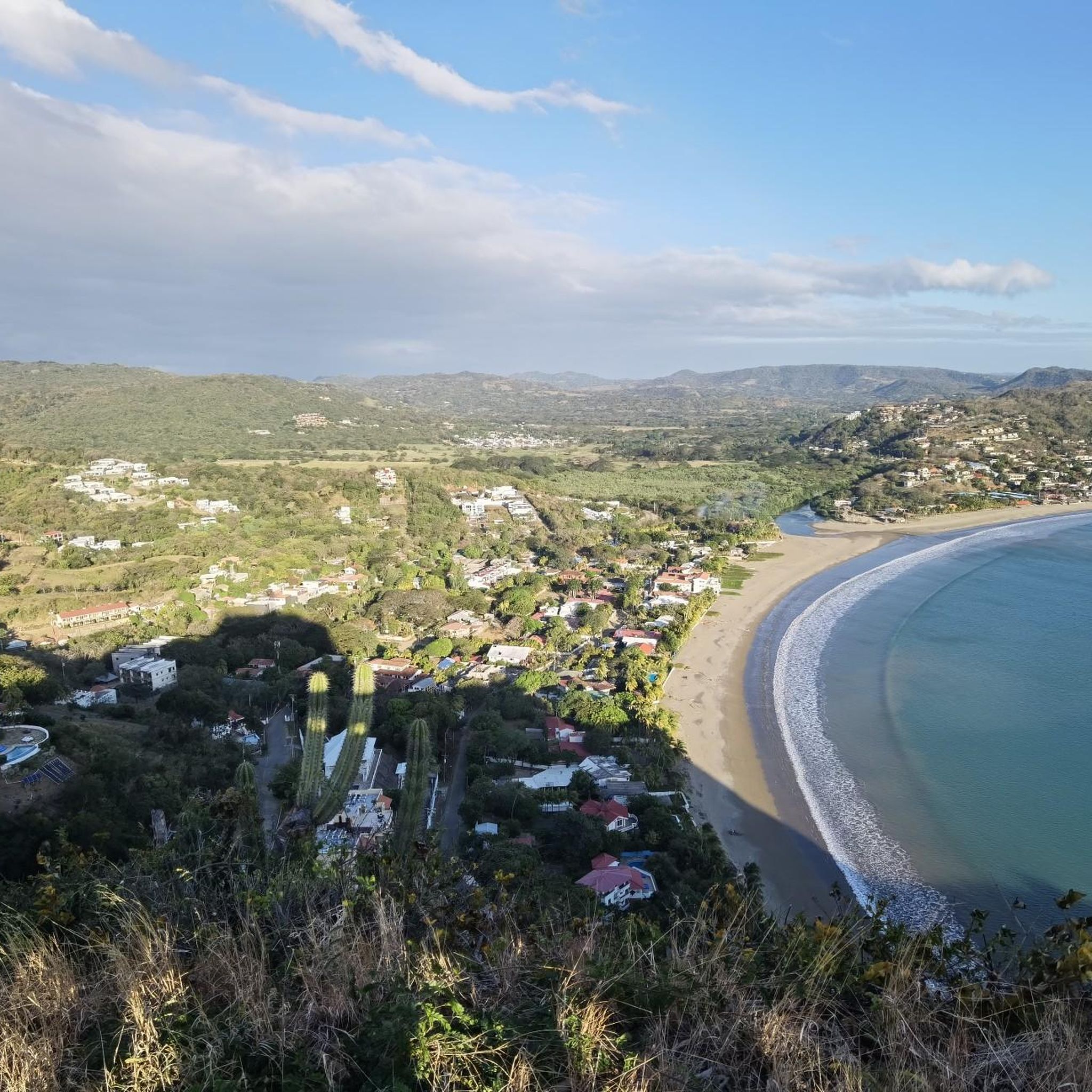
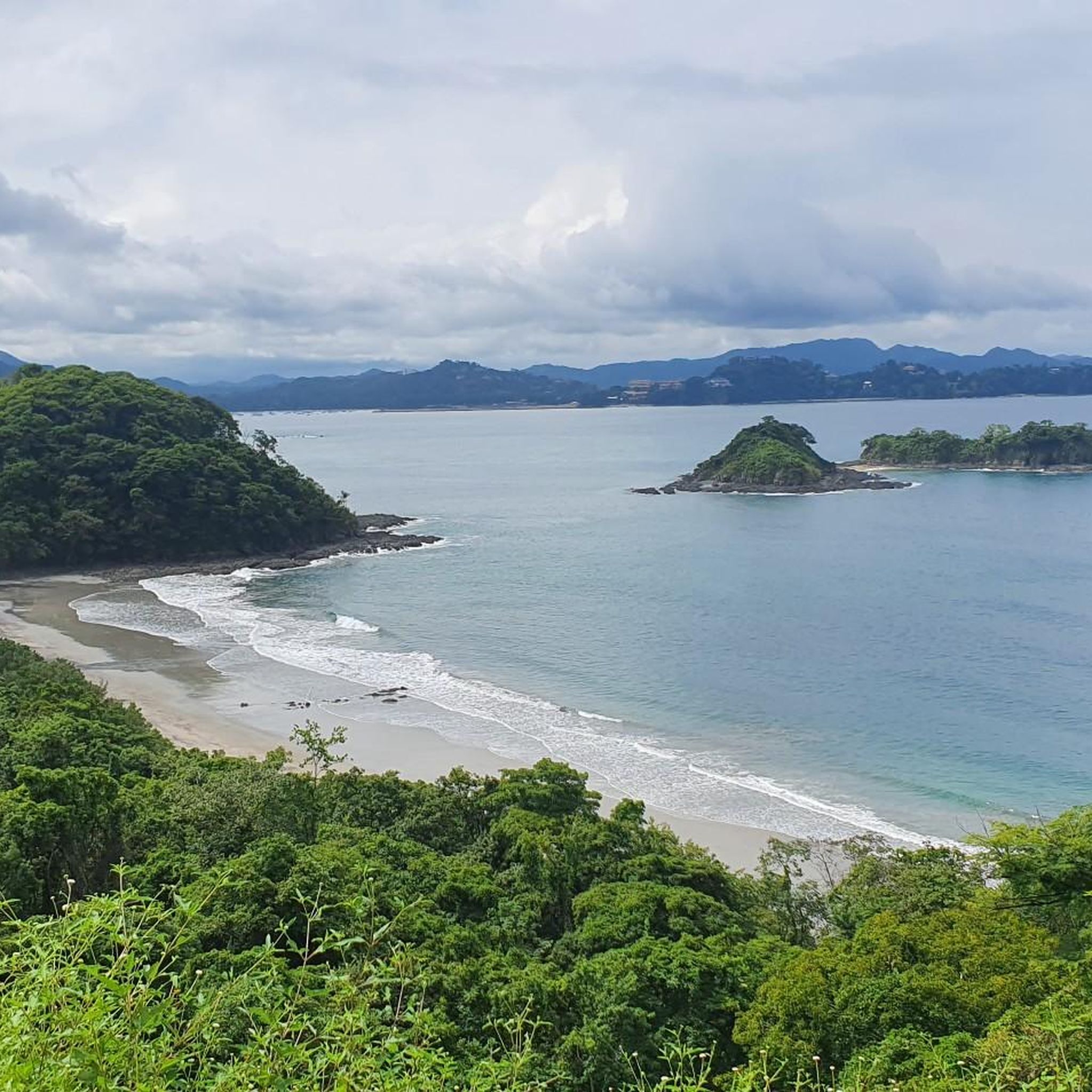
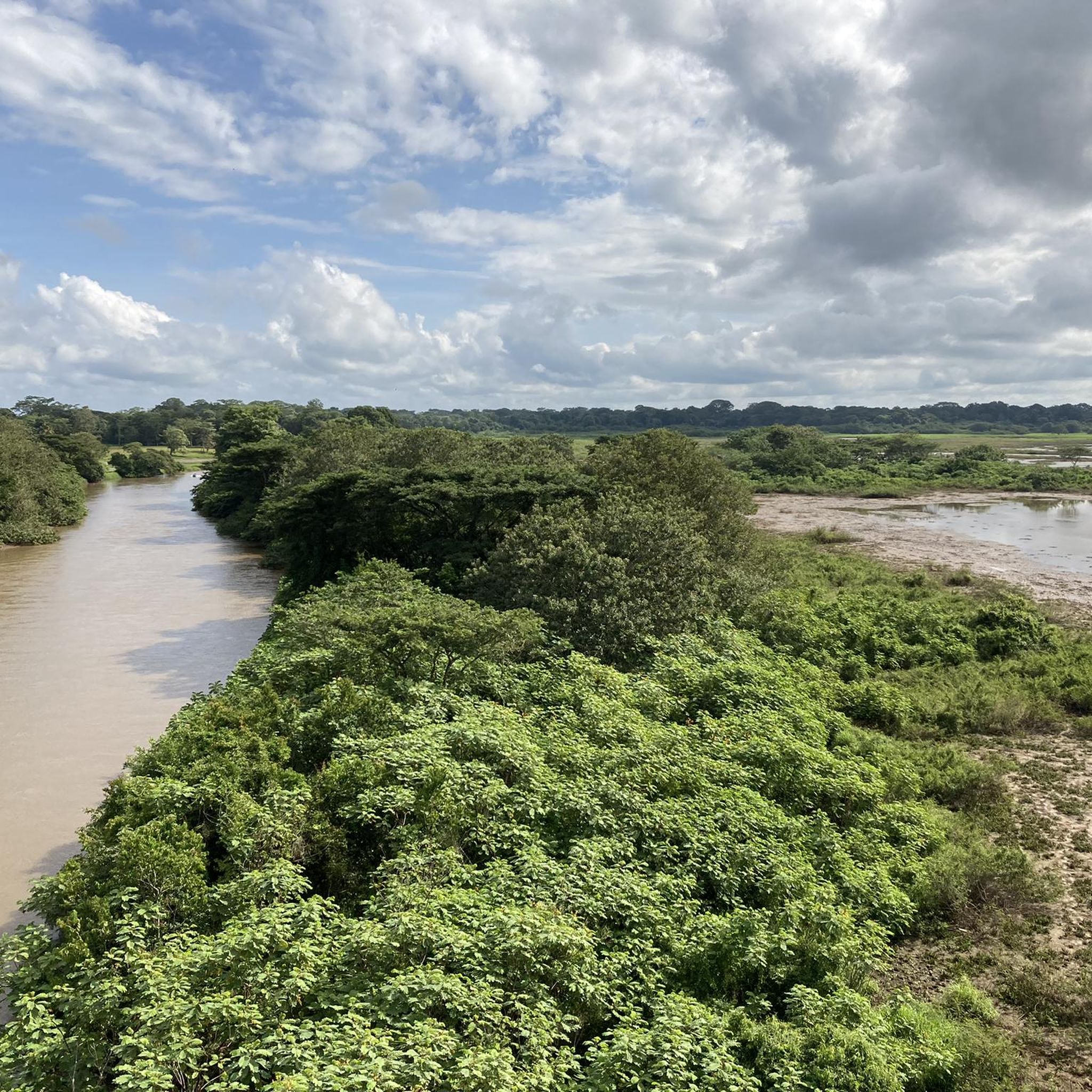

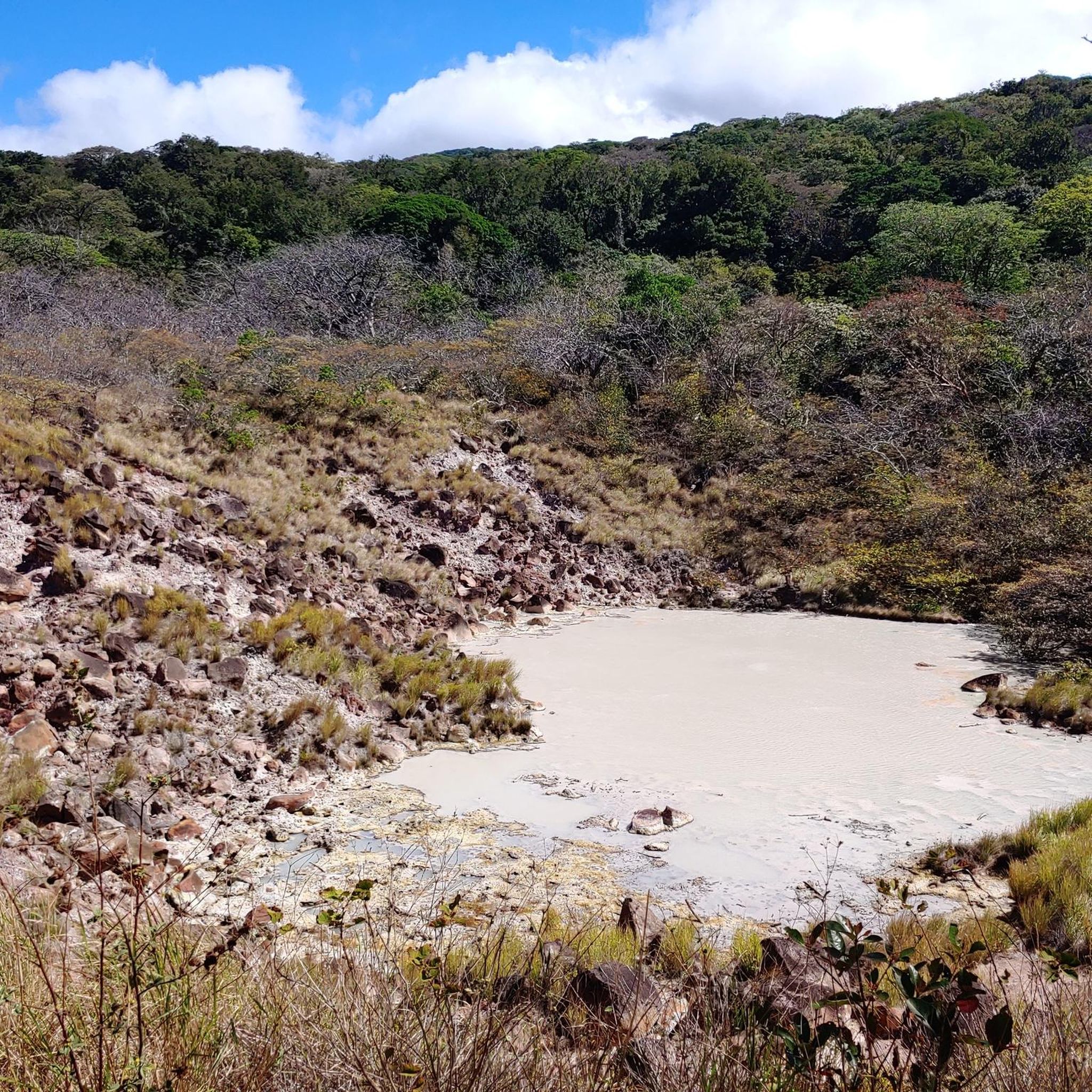
Tips from the Community

Snorkeling is only allowed here with a guide (as of January 2025)
0
0
If you hike from Cahuita to Puerto Vargas, you can take the bus back to Cahuita from Puerto Vargas. The stop is right on the main road. Info: you must leave Punta Cahuita by 2 p.m.
1
2
Yes, the Monteverde Cloud Forest has earned its reputation. Water drips from the trees and fog stalks hang in the treetops.
0
0
The ferns in the cloud forest are fantastic and some are over 2 meters tall.
0
0
Great view of the forest from above. You are in the middle of the treetops. Awesome!
0
0

Not far from the entrance to the reserve in Monteverde there is a small waterfall. You can take photos from a wooden platform.
0
0

This is pure Caribbean!!! Great beach! Moderate waves 🌊! Perfect for swimming in these temperatures!
0
0

Frequently Asked Questions
What is the general difficulty level of mountaineering routes in Costa Rica?
The mountaineering routes in Costa Rica cater to a range of abilities. While the guide features several moderate routes, such as the Mountaineering loop from Refugio Nacional de Vida Silvestre Curi-Cancha, the region also offers more challenging expeditions, particularly to higher peaks like Cerro Chirripó. Most routes in this guide are rated as moderate, providing a good balance for many outdoor enthusiasts.
Are there mountaineering routes suitable for beginners in Costa Rica?
Yes, Costa Rica offers routes that are accessible for those new to mountaineering. The routes listed in this guide are all rated as moderate, meaning they are generally suitable for beginners with a reasonable level of fitness. For example, the Mirador Volcán – Entrada al sendero el Ceibo loop from Informacion de Parque Nacional Volcan Arenal is a shorter, moderate option that provides stunning volcanic views without extreme difficulty.
What are some of the more challenging mountaineering experiences in Costa Rica?
For experienced mountaineers seeking a significant challenge, Costa Rica's highest peak, Cerro Chirripó, offers a multi-day trek to 3,820 meters (12,533 feet). This expedition involves an overnight stay at Crestones Base Camp and rewards climbers with panoramic views, often stretching from the Pacific to the Caribbean coast on clear days. The trail passes through diverse ecosystems, including cloud forests and páramos.
Are there family-friendly mountaineering routes in Costa Rica?
Many of Costa Rica's national parks and reserves offer trails suitable for families, often with well-maintained paths and shorter distances. While specific 'family-friendly' ratings aren't always explicit for mountaineering, routes with moderate difficulty and shorter durations, like the Mirador Volcán – Entrada al sendero el Ceibo loop from Informacion de Parque Nacional Volcan Arenal, can be enjoyable for active families. Always check the specific route details for elevation gain and distance to ensure it matches your family's capabilities.
Can I find circular mountaineering routes in Costa Rica?
Yes, several mountaineering routes in Costa Rica are designed as loops, allowing you to start and end at the same point. Examples include the Mountaineering loop from Refugio Nacional de Vida Silvestre Curi-Cancha, which takes you through diverse habitats, and the Mirador del valle – Cloudbridge loop from Parqueo Gerber, offering a journey through cloud forests.
Are there mountaineering routes that feature waterfalls or other natural attractions?
Absolutely. Costa Rica is rich in natural beauty, and many routes offer stunning features. For instance, the region is home to impressive waterfalls like the Rio Celeste Waterfall, known for its electric-blue color, and the majestic La Fortuna Waterfall. While not all mountaineering routes lead directly to these, many are in close proximity to such natural wonders, allowing for combined exploration.
What natural landmarks can I expect to see while mountaineering in Costa Rica?
Costa Rica's mountaineering routes traverse a landscape defined by dramatic volcanic ranges, dense cloud forests, and diverse ecosystems. You can expect to encounter iconic volcanoes like Arenal, Poás, and Irazú, as well as explore protected areas such as Cahuita National Park and Rincón de la Vieja National Park. The country's unique geographical position creates varied terrain, from tropical dry forests to alpine páramos, offering a rich tapestry of natural landmarks.
When is the best time of year for mountaineering in Costa Rica?
The best time for mountaineering in Costa Rica generally aligns with the dry season, which typically runs from December to April. During these months, you can expect clearer skies, less rainfall, and more stable trail conditions, making for more enjoyable and safer treks. However, some areas, particularly on the Caribbean side, can experience rain year-round. Always check local weather forecasts before heading out.
Do I need permits for mountaineering in Costa Rica?
Yes, permits are often required for mountaineering, especially when accessing national parks or protected areas. For example, climbing Cerro Chirripó requires advance booking and permits due to its popularity and protected status. It's crucial to research and secure any necessary permits well in advance for your chosen route to ensure access and compliance with local regulations.
Is public transport available to reach mountaineering trailheads?
While public transport options exist in Costa Rica, reaching specific mountaineering trailheads can sometimes be challenging and may require a combination of buses and taxis, or even private transfers. Major towns and popular tourist destinations usually have good bus connections, but access to more remote trailheads might be limited. Planning your transport in advance is highly recommended.
What do other mountaineers enjoy the most about mountaineering in Costa Rica?
The mountaineering routes in Costa Rica are highly rated by the komoot community, with an average score of 5.0 stars from 2 reviews. Reviewers often praise the incredible biodiversity, the dramatic volcanic landscapes, and the unique experience of traversing diverse ecosystems, from cloud forests to páramos. The opportunity to combine challenging climbs with stunning natural beauty is a recurring highlight.
What kind of wildlife can I expect to see on Costa Rica mountain treks?
Costa Rica is world-renowned for its incredible biodiversity. On mountain treks, you might encounter a variety of wildlife depending on the elevation and ecosystem. In cloud forests, look for quetzals, monkeys, and a vast array of insects and amphibians. Higher up, in páramos, unique high-altitude species can be found. Keep an eye out for sloths, toucans, and various bird species throughout your journey, especially in protected areas like Manuel Antonio National Park.
Are there places to eat or stay near the mountaineering routes?
Near popular mountaineering areas and national parks, you'll often find a range of accommodations, from eco-lodges to guesthouses, and local eateries (sodas) serving traditional Costa Rican cuisine. For example, areas around Arenal Volcano or Monteverde offer numerous options. For more remote trailheads, options might be limited, so it's advisable to plan your meals and lodging in advance, especially if you're undertaking multi-day treks like Cerro Chirripó, which has designated base camps.
Most popular routes in Costa Rica
Most popular attractions in Costa Rica

Get inspired with the komoot mobile app


Explore more
Browse the best Mountain Hikes & Routes in other regions.
