Top 20 Natural Monuments in Kenya
Best natural monuments in Kenya showcase a diverse landscape, from towering volcanic peaks to vast savannahs and geothermal wonders. The country features significant geological formations, including the Great Rift Valley, and is home to a rich variety of ecosystems. These natural landmarks offer insights into Kenya's unique environment and its importance for wildlife and conservation.
Best natural monuments in Kenya
- The most popular natural monuments is Mt. Longonot Summit, a summit that offers panoramic views from its 2780m high crater rim. The 7 km circular path around the crater provides interesting views of the crater and its fumaroles.
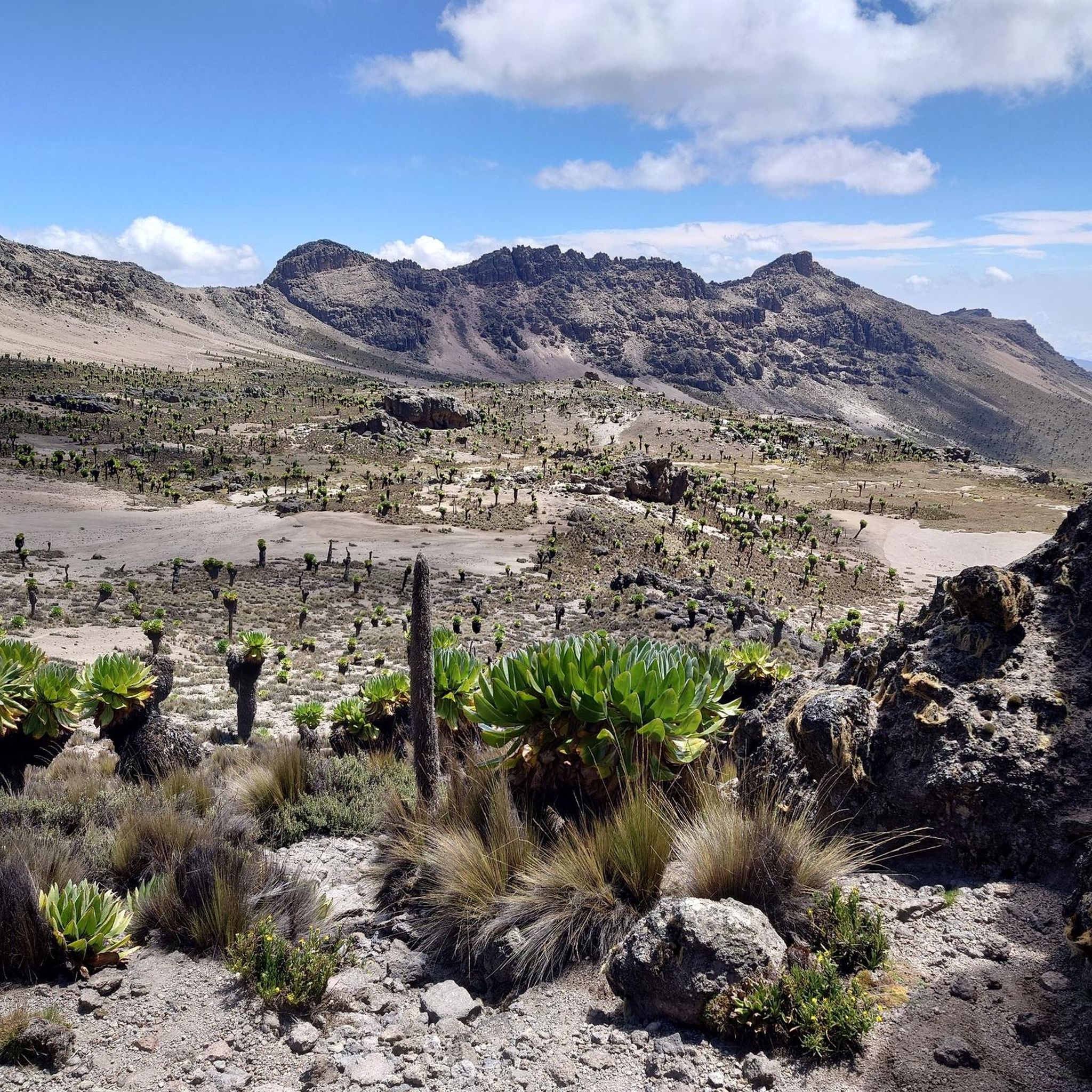
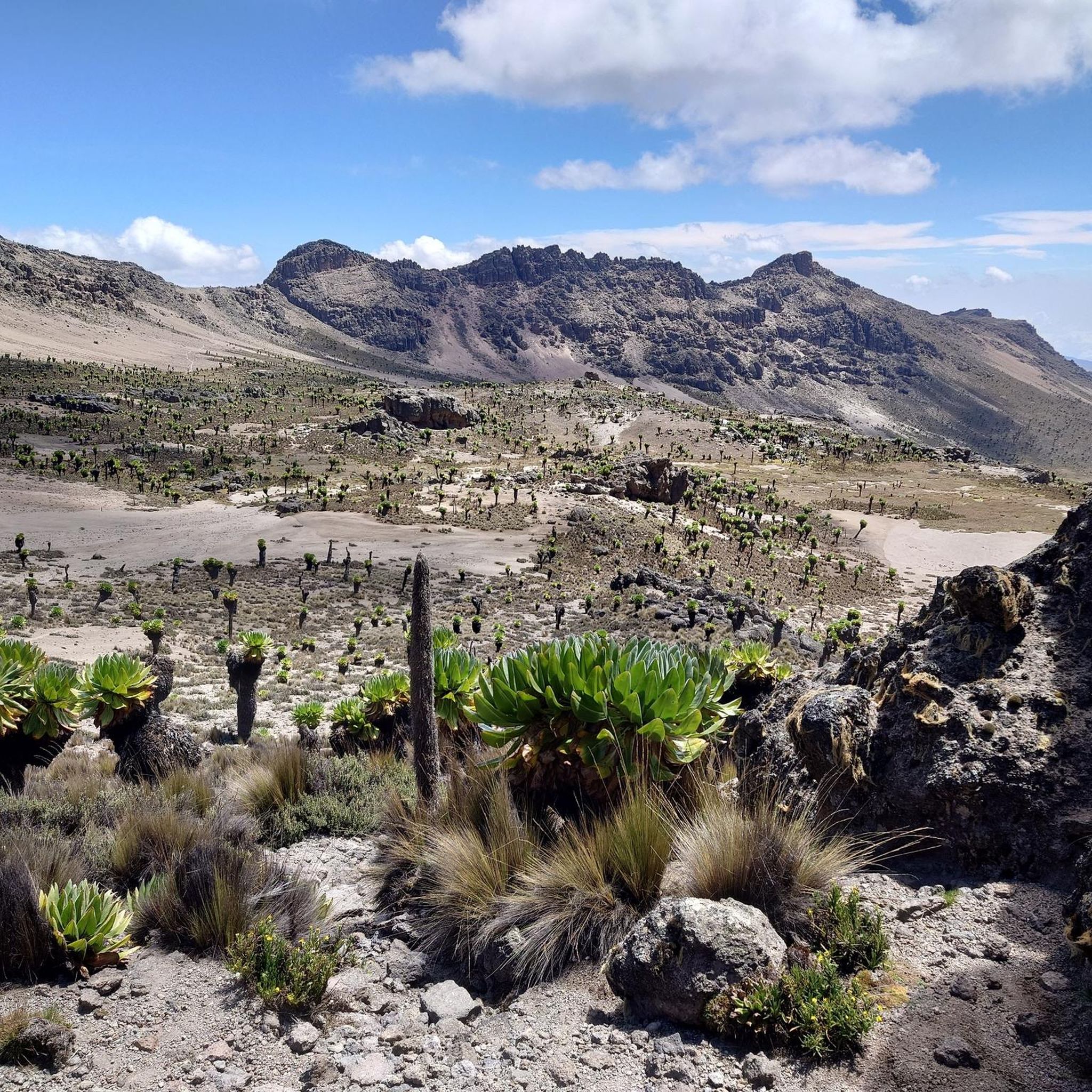
- Another must-see spot is Point Lenana Summit, Mount Kenya (4,978 m), a summit on Africa's second-highest mountain. Visitors can experience high-altitude trekking on this iconic peak, which is also the source of Kenya's name.
- Visitors also love Hot Waterfall - Hell's Gate Gorge, a waterfall within a dramatic gorge. It is worth exploring deep into the gorge to reach this natural hot spring water for a unique experience.
- Kenya is known for its impressive mountains, volcanoes, gorges, and forests. The country offers a wide variety of natural monuments to see and explore, from high-altitude summits to unique geothermal features.
- The natural monuments in Kenya are appreciated by the komoot community, with 50 upvotes and 28 photos shared by visitors.
Last updated: May 27, 2026
Mt. Longonot Summit
Highlight • Summit
Tip by

Point Lenana Summit, Mount Kenya (4,978 m)
Highlight • Summit
Tip by

Sign up now to discover places like this
Get recommendations on the best single tracks, peaks, & plenty of other exciting outdoor places.
Sign up for free
Oloonongot Crater Point
Highlight • Viewpoint
Don't forget water!
Showing Translation
Tip by

Cycling Safari in Hell's Gate National Park
Highlight • Cycleway
Translated by Google •
Tip by

Olkaria Geothermal Spa
Highlight • Rest Area
Lagoon one: This is the receiving pond, it receives the hot brine from several wells and the brine is at temperature between 90 to 100 degrees centigrade.
Lagoon two: This Lagoon overflows from lagoon one at a temperature of 50 degrees centigrade. The Lagoon is has both shallow and deep sides.
Lagoon three: This is the largest of all the three lagoons with temperatures at 30 to 40 centigrade; the lagoon receives the overflow Lagoon two and the overpass from lagoon one. It’s at this lagoon that people swim in hot water; this Lagoon also has a section where children can swim. This Lagoon is made of concrete and mazera stones line the walk ways, its deep end is 1.5 metres
This Lagoon can hold up to 400 people inside the Lagoon and outside the lagoon there are sitting and lounging facilities. Olkaria geothermal Spa opens at 7:00 am and closes at 6:00 pm daily, though it seemed closed on a Sunday.
Tip by
Fischer's Tower
Highlight • Natural Monument
Tip by
View of Mount Longonot Crater
Highlight • Viewpoint
Tip by
Atrium Circle - Arboretum
Highlight • Forest
Translated by Google •
Tip by

Jumba Ruins
Highlight • Historical Site
Description
The archaeological site includes three mosques built of coral stone, a tomb and eight houses. The territory was added to the list of national monuments of Kenya on June 4, 1982. The excavations were carried out by James Kirkman in 1972. There are no written historical records about the city, but the Chinese ceramics found make it possible to trace the dating back to the fourteenth century. The absence of later sherds suggests that this settlement was abandoned at the beginning of the fifteenth century.The city was located close to fresh water sources and was protected from attack from the ocean. The architectural style is made in the Arabic style using coral blocks.
The House with Many Doors is notable for its Gothic-style door. The house is divided into apartments that can accommodate several visitors.[3] The Mosque by the Sea is the best preserved ruin. Several pools were used for ablutions, and coral stone stands for washing feet. The tomb contains a funerary stele made of coral. A passage from the Koran is carved on it, but the epitaph is illegible.
Tip by
Obsidian Caves
Highlight • Cave
Tip by
Sign up for free to discover even more natural monuments in Kenya.
Sign up for free
Already have an account?
Start today with a free account
Your next adventure awaits.
Login or Signup



Tips from the Community

Wonderful view into the crater and the surrounding area. And the tour around the crater is definitely recommended! Don't forget water!
1
0

The walk around the crater is worthwhile, but its length shouldn't be underestimated. It's about 7 kilometers along the crater rim, which can be long and strenuous in normal temperatures. Therefore, bring plenty of water and provisions, as there's nothing available along the way.
0
0

Jumba la Mtwana is the site of historical structures and archaeological relics on the Indian Ocean coast of Kenya, lying close to the Mtwapa Creek, in Kilifi county, north of Mombasa. It dates back to the fourteenth century Its features include a mosque by the sea. Description The archaeological site includes three mosques built of coral stone, a tomb and eight houses. The territory was added to the list of national monuments of Kenya on June 4, 1982. The excavations were carried out by James Kirkman in 1972. There are no written historical records about the city, but the Chinese ceramics found make it possible to trace the dating back to the fourteenth century. The absence of later sherds suggests that this settlement was abandoned at the beginning of the fifteenth century.The city was located close to fresh water sources and was protected from attack from the ocean. The architectural style is made in the Arabic style using coral blocks. The House with Many Doors is notable for its Gothic-style door. The house is divided into apartments that can accommodate several visitors.[3] The Mosque by the Sea is the best preserved ruin. Several pools were used for ablutions, and coral stone stands for washing feet. The tomb contains a funerary stele made of coral. A passage from the Koran is carved on it, but the epitaph is illegible.
0
0

The trail is off road and fun to ride but the rental bicycles are very poor quality.
0
0

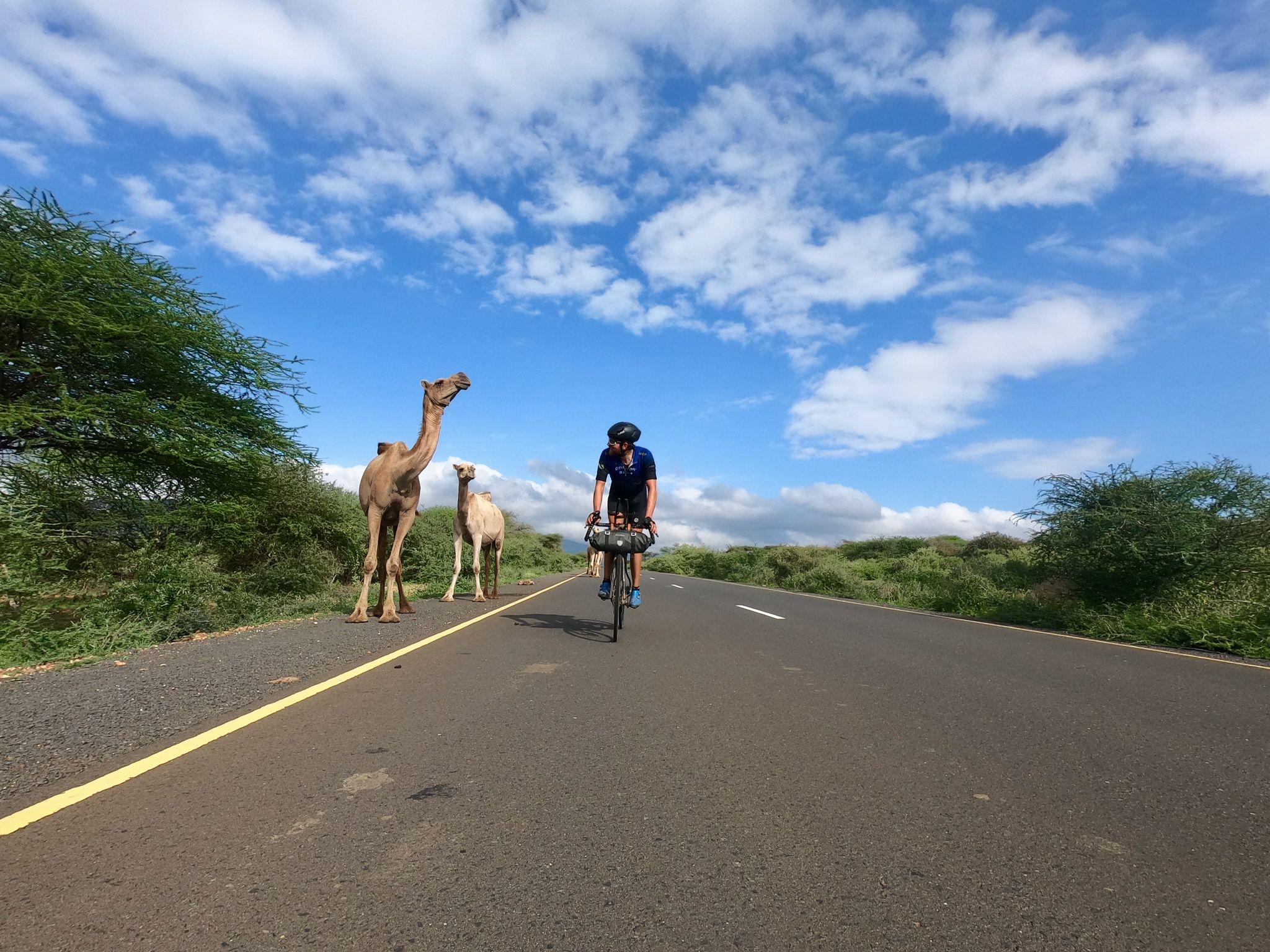
An absolute highlight for us. Cycling through the heart of African nature, passing zebras and giraffes. Simply indescribably beautiful.
0
0
Interesting climb to the crater, which you can walk around on a 7km long circular path on the crater rim. You will always get interesting views of the crater. In places you can also see fumaroles on the walls. The path should not be underestimated, as it is partly very washed out and difficult to walk, especially as you are mostly walking in the blazing sun. Added to this are the usually high temperatures in the area. Therefore, a good supply of water and provisions is very important.
0
0
Low wall with easy foot- and handholds for scrambling. Some overhangs can be challenging practice despite the low height. The natural black glass created by volcanic activity can be dangerously sharp and cut ropes and skin. But geologically interesting.
0
0
Fischer’s Tower is a volcanic plug near the northeastern border of Hell’s Gate national park, with a height of approximately 25 meters. You can bike directly to its base. An easy but famous climb. You need equipment and a guide to climb in the park, there is usually one at the base of the rocks, or ask before at an outfitter or in your hotel.
1
0
Frequently Asked Questions
What are some other notable natural monuments in Kenya beyond the most popular ones?
Beyond the well-known highlights, Kenya offers a wealth of natural monuments. You can explore the unique volcanic landscape of Fischer's Tower in Hell's Gate National Park, or discover the ancient Obsidian Caves. For a serene experience, visit the Atrium Circle - Arboretum, a perfect spot for outdoor activities. The Sacred Forest Kaya Kinondo also offers a blend of natural beauty and cultural significance.
Are there natural monuments in Kenya suitable for families?
Yes, several natural monuments in Kenya are family-friendly. The Olkaria Geothermal Spa is a great option, offering a relaxing experience with natural hot spring lagoons. The Atrium Circle - Arboretum is also ideal for families looking for a green space to enjoy sports or a leisurely walk.
What kind of wildlife can I expect to see at Kenya's natural monuments?
Kenya's natural monuments are rich in wildlife. At Maasai Mara National Reserve, you can spot the 'Big Five' (lion, leopard, elephant, buffalo, and rhinoceros) and witness the Great Wildebeest Migration. Lake Nakuru National Park is a vital rhino sanctuary and famous for its flamingos. Hell's Gate National Park allows you to see zebras, giraffes, and various antelopes up close, often while walking or cycling. Chyulu Hills National Park is home to elephants, giraffes, zebras, leopards, and cheetahs.
What are the best times to visit Kenya's natural monuments?
The best time to visit Kenya's natural monuments largely depends on your focus. For wildlife viewing, especially the Great Wildebeest Migration in Maasai Mara, July to October is ideal. The dry seasons (January-March and July-October) generally offer better conditions for hiking and wildlife spotting as animals congregate around water sources and trails are less muddy. However, the 'green season' (November-December and April-June) brings lush landscapes and migratory birds, though some areas might be more challenging to access.
What geological features are prominent among Kenya's natural monuments?
Kenya is a geological marvel. The Great Rift Valley is a defining feature, hosting sites like Hell's Gate National Park with its dramatic gorges, hot springs, and volcanic rock formations such as Fischer's Tower. Mount Kenya is an iconic stratovolcano with glaciers and U-shaped valleys. The Chyulu Hills are a younger volcanic range featuring extensive lava fields and some of the world's longest lava tubes, like the Leviathan Cave. Mt. Longonot Summit is another impressive volcanic crater.
Are there challenging natural monuments for experienced trekkers?
Absolutely. For experienced trekkers, Point Lenana Summit, Mount Kenya (4,978 m) offers high-altitude mountaineering. The 7 km circular path around the crater rim of Mt. Longonot Summit is also considered challenging due to its steep, washed-out sections and exposure to the sun. Exploring deep into the Hot Waterfall - Hell's Gate Gorge can also be an intermediate to challenging experience.
What outdoor activities can I do near these natural monuments?
Many natural monuments offer excellent opportunities for outdoor activities. Near Hell's Gate National Park, you can enjoy cycling and walking safaris. For mountain biking, explore routes like the 'Fischer's Tower – Hell's Gate National Park loop' or 'Ol Njorowa Gate – Fischer's Tower loop' which you can find more about in the MTB Trails in Kenya guide. Hiking is popular, with options ranging from easy trails like 'Sheldrick Falls loop' to moderate ones like 'Another fall! – Waterfall viewpoint loop', detailed in the Waterfall hikes in Kenya guide and Easy hikes in Kenya guide. Chyulu Hills also offers hiking and horseback riding.
How long does it take to visit Hell's Gate National Park?
A visit to Hell's Gate National Park can range from a half-day to a full-day experience. Many visitors spend 3-5 hours cycling or walking through the park, exploring the gorges and rock formations like Fischer's Tower and reaching the Hot Waterfall - Hell's Gate Gorge. If you plan to include a relaxing stop at the Olkaria Geothermal Spa, you should allocate a full day.
Are there any natural monuments with historical or cultural significance?
Yes, some natural monuments in Kenya hold historical and cultural importance. The Sacred Forest Kaya Kinondo is a coastal forest revered by the Digo people, serving as a traditional sacred site. Mount Kenya itself is considered the dwelling place of Ngai, the Kikuyu deity, and its peaks hold deep cultural meaning. The Jumba Ruins, while primarily a historical site, are often considered within the context of their natural coastal setting.
What unique flora can be found at Kenya's natural monuments?
Kenya's diverse ecosystems support unique flora. Mount Kenya, for instance, showcases a remarkable variety, from dense bamboo and tropical rainforests to heather-coated slopes and alpine forests, including giant Lobelias and terrestrial orchids at higher altitudes. The Chyulu Hills are known for their 'Green Hills of Africa' landscape, featuring misty forests and open plains. The Atrium Circle - Arboretum also provides an opportunity to appreciate various tree species.
What should I wear when visiting natural monuments in Kenya?
When visiting Kenya's natural monuments, it's advisable to wear comfortable, breathable clothing, preferably in neutral colors for wildlife viewing. Sturdy closed-toe shoes are essential for hiking and walking on uneven terrain. A hat, sunglasses, and sunscreen are crucial for sun protection. For higher altitudes like Mount Kenya, layers are recommended due to fluctuating temperatures. If visiting during the wet season, waterproof gear is also beneficial.
Are there any natural monuments in Kenya that are wheelchair accessible?
While many natural monuments in Kenya involve rugged terrain, some areas within national parks or specific facilities may offer better accessibility. For instance, certain visitor centers or designated viewing points in parks like Lake Nakuru or Maasai Mara might have paved paths. However, full wheelchair accessibility for trails or more remote natural features is generally limited. It's best to check with individual park authorities for specific accessibility information before planning your visit.
Most popular attractions in Kenya

Get inspired with the komoot mobile app


Explore more
Extend your search for the best caves by checking out these guides of the top ones in Kenya:
