Top 11 Natural Monuments in Rwanda
Natural monuments in Rwanda showcase a diverse landscape, from ancient rainforests to towering volcanoes and serene lakes. Often called the "Land of a Thousand Hills," the country features varied ecosystems, including expansive savannahs and mountainous regions. These sites offer insights into Rwanda's rich biodiversity and geological formations. Visitors can explore a range of natural environments across the country.
Best natural monuments in Rwanda
- The most popular natural monument is Mount Bisoke Crater Lake, a lake that is the reward at the summit of Mount Bisoke, an active volcano standing at 3,711 meters. This challenging hike offers vistas of the surrounding landscape and a serene, emerald-green crater lake.
- Another must-see spot is Nyungwe Forest National Park, a forest that is one of the oldest rainforests in the country. It is home to a significant percentage of African primate species and offers routes through dense rainforest.
- Visitors also love Sahling's Peak (3,412m), a summit offering a challenging hike with a respectful incline. This peak provides viewpoints for those seeking an elevated perspective of the landscape.
- Rwanda is known for its diverse natural monuments, including volcanic peaks, ancient forests, and crater lakes. These sites offer a variety of natural environments to see and explore.
- The natural monuments in Rwanda are appreciated by the komoot community, with 10 upvotes and 11 photos shared by visitors.
Last updated: May 27, 2026
Mount Bisoke Crater Lake
Highlight • Lake
Tip by

Nyungwe Forest National Park
Highlight (Segment) • Forest
Tip by

Sign up now to discover places like this
Get recommendations on the best single tracks, peaks, & plenty of other exciting outdoor places.
Sign up for free
Dian Fossey’s grave site and the gorillas’ graves
Highlight • Historical Site
Translated by Google •
Tip by

Rwarurara Well (Source of King Kigeli IV Rwabugili)
Highlight • Natural Monument
The Rwarura well located in Vugavugi village, has a small amount of water that comes from Rutare above and flows down like it to the tap, but in a way that you can see amazingly.
The residents believe that this water was found when King Kigeli IV Rwabugili, arrived in the year they do not remember, from a visit to his country" (see and google-translate mobile.igihe.com/amakuru/u-rwanda/article/gasabo-bemeza-ko-kunywa-amazi-y )
Tip by

Sahling's Peak (3,412m)
Highlight • Summit
Tip by

Ikigabiro Cy'Ibwami (Gasabo King Tree)
Highlight • Natural Monument
newtimes.co.rw/article/202013/News/aicubyaa-rwandaas-forgotten-300-year-old-shrine-tree
Translated by Google •
Tip by
Entrance to Volcanoes National Park
Highlight • Natural Monument
Tip by
Buhanga Eco-Park
Highlight • Forest
the oute combine point from city center cycling down to Buhanga Eco-park (Nyakinama) the oldest natural forest where all ritual actives takes place during kings throne's regime. the ritual started since 1010 AD by King Gihanga Ngomija.
by doing this routes you can explore place such as Red Rocks Rwanda, Rugezi Ornithology Center as well as this historical natural forest.
Tip by

Gatumwa Rock and Ikibuguzo Game Site
Highlight • Historical Site
Near the small settlement on top of the hill, locals are able to show you the rocks with small holes, where King liked to play his beloved Ikibuguzo or Igisoro game.
Both of these rocks are not super spectacular but make a nice destination for a hike.
Tip by
Virunga Volcanoes
Highlight • Volcano
Gorilla tracking is much more expensive in Rwanda than in Uganda. I would therefore recommend it there.
Tours to Bisoke or Sabinyo are recommended, as is a visit to the Dian Fossey Museum or her grave.
Translated by Google •
Tip by

Sign up for free to discover even more natural monuments in Rwanda.
Sign up for free
Already have an account?
Start today with a free account
Your next adventure awaits.
Login or Signup
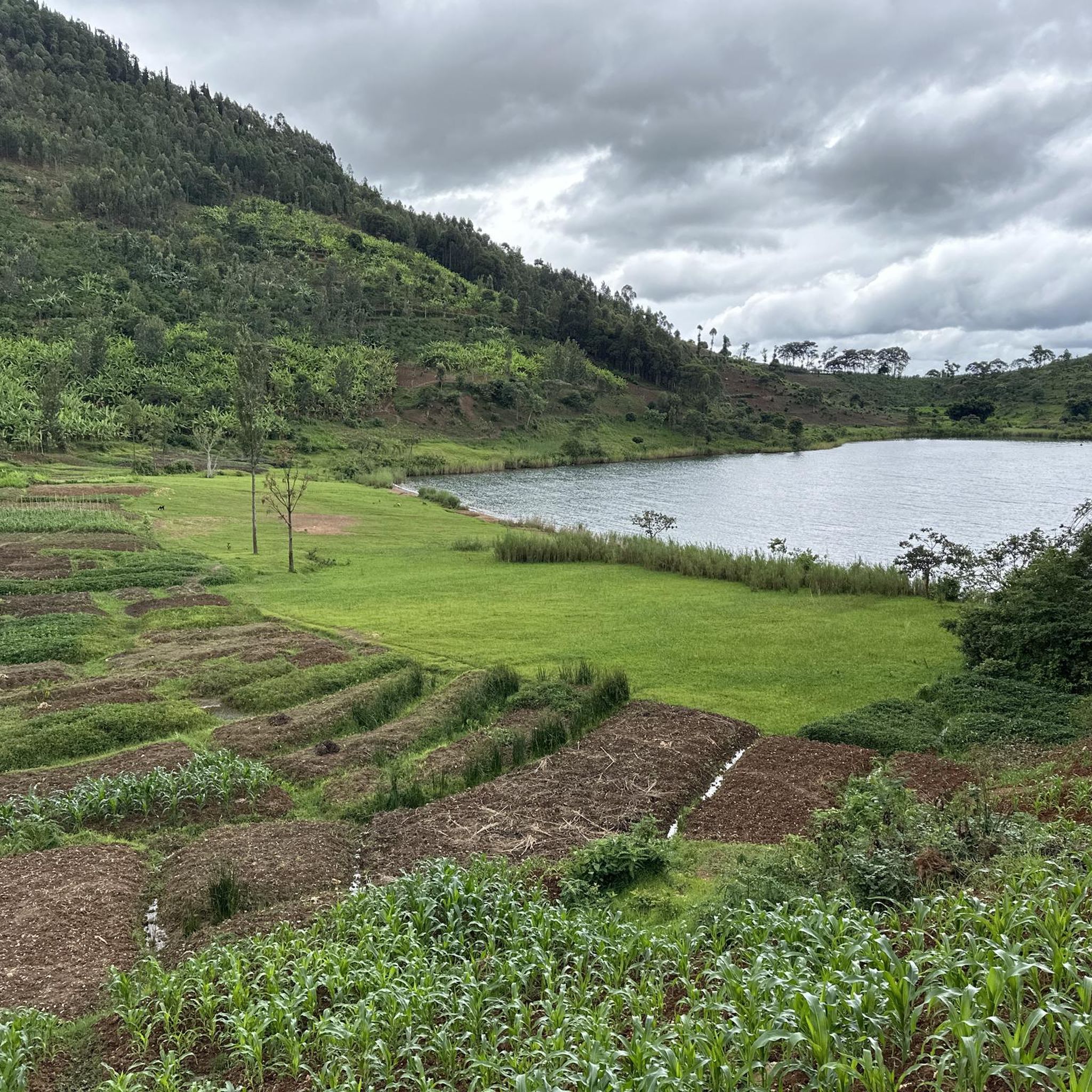
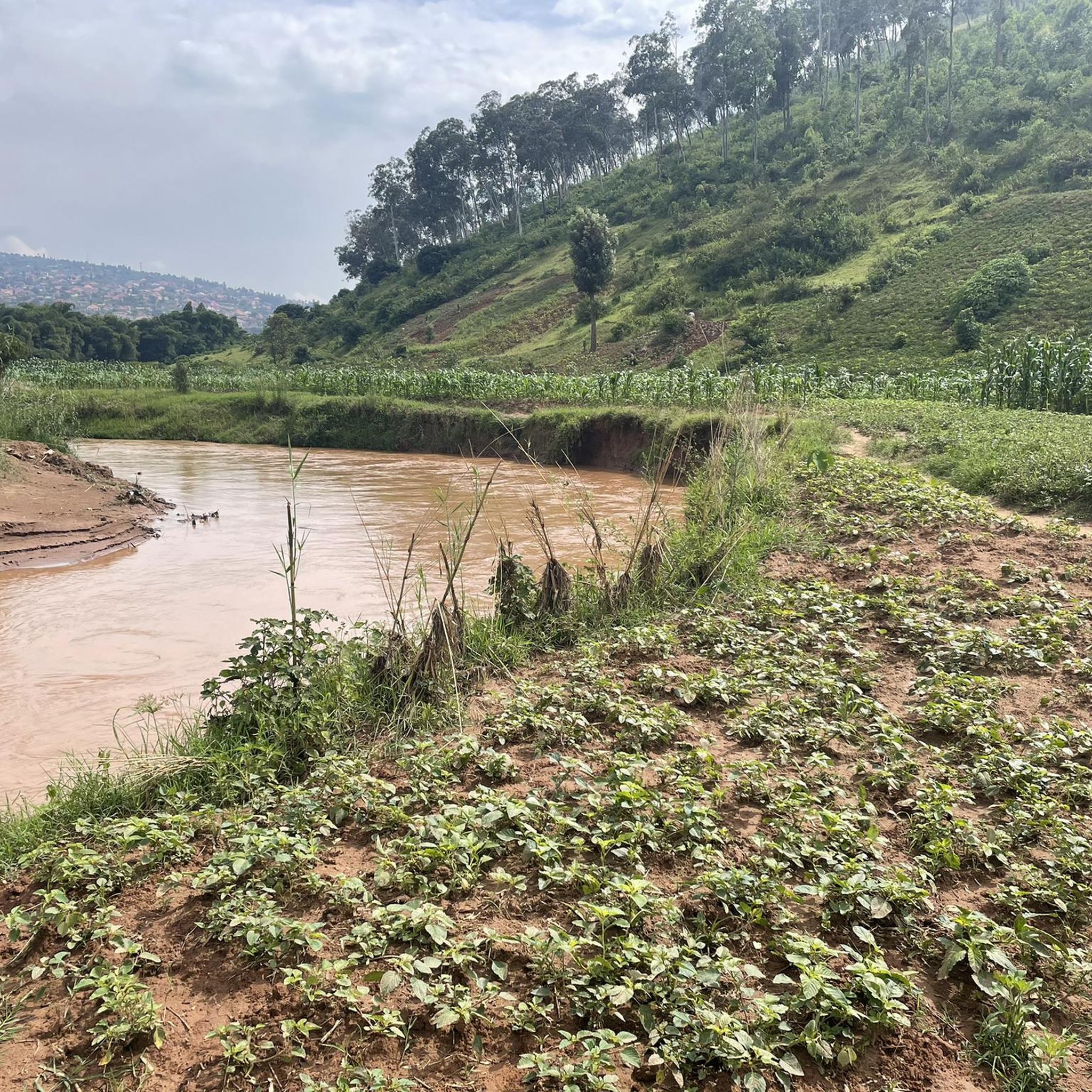
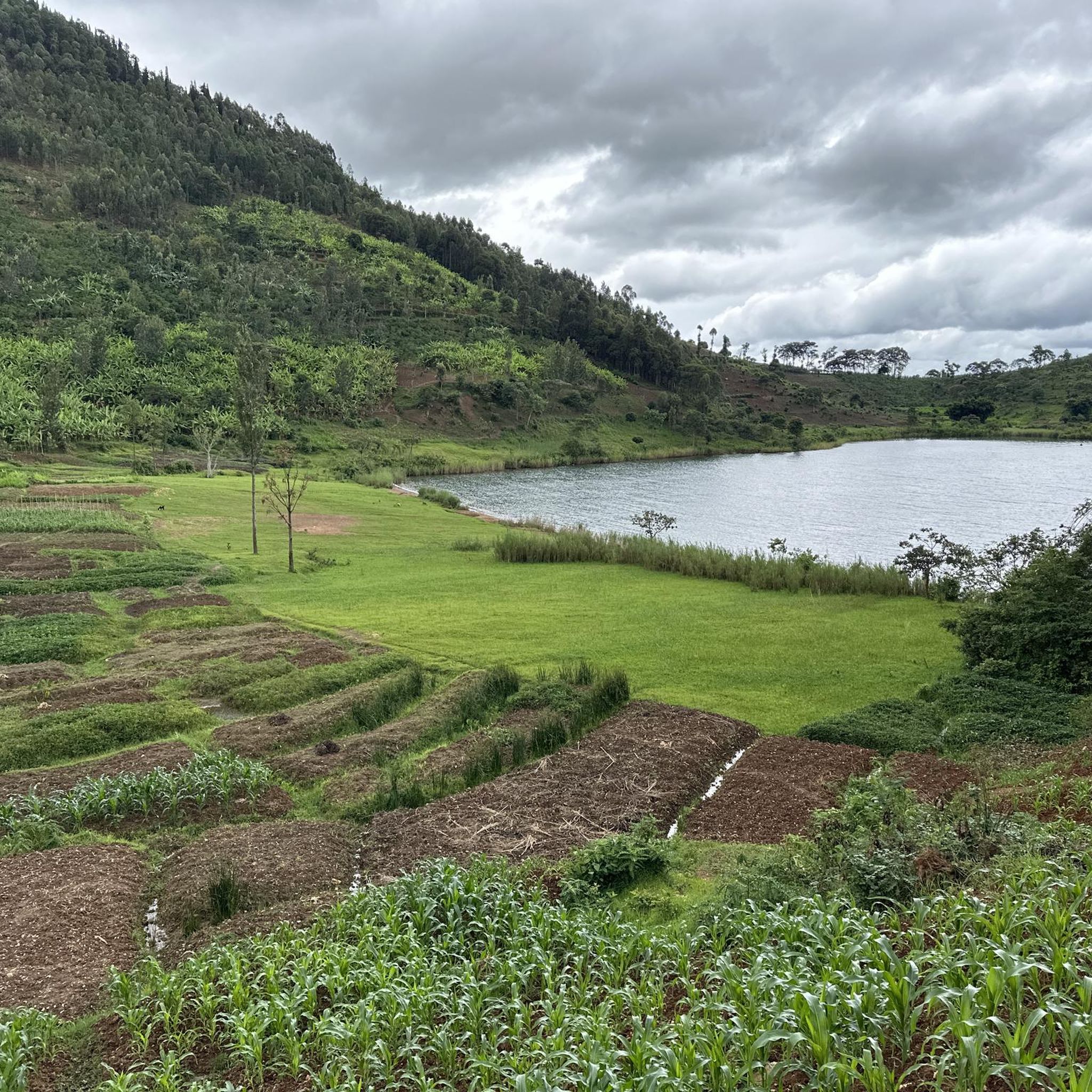
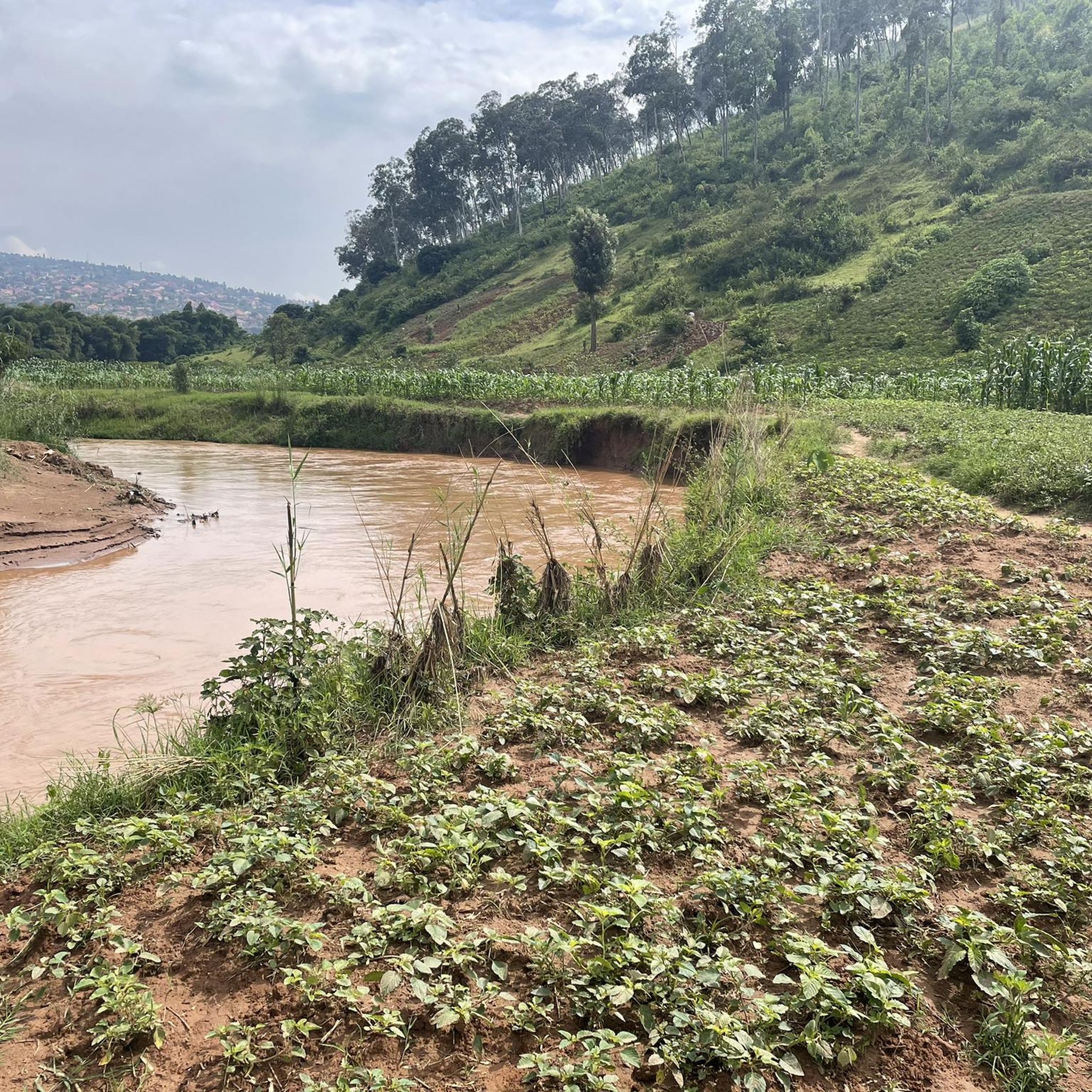
Tips from the Community

This routes is just simple no more special gears other than your usual equipment! the oute combine point from city center cycling down to Buhanga Eco-park (Nyakinama) the oldest natural forest where all ritual actives takes place during kings throne's regime. the ritual started since 1010 AD by King Gihanga Ngomija. by doing this routes you can explore place such as Red Rocks Rwanda, Rugezi Ornithology Center as well as this historical natural forest.
0
0

Residents of Vugavugi village, Gasabo cell, Rutunga sector in Gasabo district and others believe that the water from Rwarurara well makes them live longer because it is the well of King Rwabugili. The Rwarura well located in Vugavugi village, has a small amount of water that comes from Rutare above and flows down like it to the tap, but in a way that you can see amazingly. The residents believe that this water was found when King Kigeli IV Rwabugili, arrived in the year they do not remember, from a visit to his country" (see and google-translate https://mobile.igihe.com/amakuru/u-rwanda/article/gasabo-bemeza-ko-kunywa-amazi-y )
0
0
Also called Icubya or Igiti cy'Umuhigo (Umuhigo tree) https://www.newtimes.co.rw/article/202013/News/aicubyaa-rwandaas-forgotten-300-year-old-shrine-tree
0
0

A really beautiful and impressive landscape. The Virunga volcanoes are beautiful. A tour is definitely recommended. Gorilla tracking is much more expensive in Rwanda than in Uganda. I would therefore recommend it there. Tours to Bisoke or Sabinyo are recommended, as is a visit to the Dian Fossey Museum or her grave.
0
0

what a hike! A pretty respectful incline to the peak 3. Ladders bring you to using all 4 body parts but does not last too long. If fit, there is nothing to worry about
1
0
At 2.700m you will arrive at this incline from potato and pepper fields. A great view to the Virunga range and musanze city. Terrific!
0
0
The Bisoke Crater Lake Hike in Rwanda's Virunga Mountain Range is a thrilling adventure that attracts nature enthusiasts and trekkers from around the world. This challenging hike ascends Mount Bisoke, an active volcano standing at 3,711 meters, offering stunning vistas of the surrounding landscape. The journey to the crater lake typically takes 6 to 7 hours round trip, traversing dense bamboo forests and alpine meadows rich with unique flora and fauna, including the endangered mountain gorillas. The reward at the summit is the breathtaking view of the emerald-green crater lake, a serene and picturesque sight. This hike is not only a test of endurance but also an opportunity to experience the extraordinary biodiversity and natural splendor of the Virunga Mountains.
0
0

Beautiful route through the rainforest. Long climb coming from the west. The visitor center is halfway there, but otherwise there is no supply option. Sometimes heavier truck traffic. High security presence for protection. Mostly perfect asphalt. Some potholes and landslides are still inevitable.
2
1
Frequently Asked Questions
What are some of Rwanda's most significant natural monuments beyond the popular ones?
Beyond the well-known sites, Rwanda offers several other compelling natural monuments. For instance, the Virunga Volcanoes themselves are a majestic sight, forming part of the range that includes Mount Bisoke and Mount Muhabura. You can also visit the Mount Muhabura Summit for challenging hikes and panoramic views. Additionally, the Rwarurara Well (Source of King Kigeli IV Rwabugili) and Ikigabiro Cy'Ibwami (Gasabo King Tree) offer a blend of natural beauty and historical significance.
What kind of wildlife can I expect to see at Rwanda's natural monuments?
Rwanda's natural monuments are rich in biodiversity. Nyungwe Forest National Park is home to over 13 primate species, including chimpanzees and Ruwenzori colobus monkeys, and over 300 bird species. Volcanoes National Park is famous for its critically endangered mountain gorillas and golden monkeys. Akagera National Park, Rwanda's only 'Big Five' safari park, hosts lions, leopards, elephants, rhinos, buffaloes, giraffes, zebras, hippos, and crocodiles.
Are there any natural monuments in Rwanda that are particularly family-friendly?
While many natural monuments involve challenging hikes, some offer more accessible experiences. Lake Kivu provides a tranquil environment for boating and relaxing on its shores, suitable for families. The Twin Lakes (Burera and Ruhondo) also offer serene settings for boat trips and birdwatching, with beautiful views that can be enjoyed by all ages. For wildlife, Akagera National Park offers game drives that can be enjoyed by families.
What are the best opportunities for hiking and trekking in Rwanda's natural monuments?
Rwanda is a hiker's paradise. The hike to Mount Bisoke Crater Lake is a thrilling adventure, typically taking 6-7 hours round trip. Nyungwe Forest National Park offers extensive trail networks for guided nature hikes and chimpanzee tracking. For those seeking a challenge, the ascent to Sahling's Peak (3,412m) provides a respectful incline and rewarding viewpoints. You can find more hiking options in the Easy hikes in Rwanda guide.
What is the best time of year to visit Rwanda's natural monuments?
The best time to visit Rwanda's natural monuments is generally during the dry seasons, from June to September and December to February. During these periods, trails are less muddy, making activities like gorilla trekking and hiking more comfortable. Wildlife viewing in parks like Akagera is also excellent as animals gather around water sources. However, the rainy seasons bring lush greenery and fewer tourists, which can also be appealing.
Are there any historical or cultural sites integrated with Rwanda's natural monuments?
Yes, several natural monuments in Rwanda hold historical and cultural significance. The Dian Fossey’s grave site and the gorillas’ graves, located within Volcanoes National Park, is a poignant historical site. The Rwarurara Well (Source of King Kigeli IV Rwabugili) and Ikigabiro Cy'Ibwami (Gasabo King Tree) are also natural sites with deep historical roots in Rwandan royalty. Additionally, Gatumwa Rock and Ikibuguzo Game Site combines natural rock formations with ancient settlement history.
What kind of permits are required to visit Rwanda's national parks and natural monuments?
Permits are essential for visiting many of Rwanda's natural monuments, especially those within national parks. Gorilla trekking in Volcanoes National Park requires a specific permit, which should be booked well in advance due to limited availability. Chimpanzee tracking and the canopy walk in Nyungwe Forest National Park also require permits. Entry fees apply to all national parks, including Akagera. It's advisable to check the official websites for the latest permit requirements and booking procedures, such as nyungweforestnationalpark.org or akageranationalparkrwanda.org.
Are there opportunities for cycling or mountain biking near Rwanda's natural monuments?
Yes, Rwanda offers diverse terrain suitable for cycling and mountain biking. While direct cycling within protected natural monument areas might be restricted, there are many routes nearby. You can explore various trails listed in the MTB Trails in Rwanda guide, which includes routes like 'The Bridge – Mount Jali' and 'Bumbogo Saddle – View of Kigali loop'. These routes often provide scenic views of the surrounding landscapes, including hills and valleys that characterize the region.
What are some unique natural features of Lake Kivu?
Lake Kivu, one of Africa's Great Lakes, is notable for several unique features. It lies in the East African Rift Valley, bordering Rwanda and the Democratic Republic of Congo. It's Africa's third deepest lake, with an average depth of 220 meters. Uniquely, Lake Kivu is meromictic, meaning its water layers do not mix, and its deep waters contain significant dissolved methane and carbon dioxide gases. Its shores are rocky, and it features several islands, with Idjwi being the largest.
What makes Akagera National Park different from other natural monuments in Rwanda?
Akagera National Park stands out as Rwanda's only 'Big Five' safari park, offering a traditional African safari experience. Unlike the mountainous rainforests of Nyungwe and Volcanoes National Parks, Akagera features a diverse blend of savannah, wetlands, and woodland habitats. It's home to lions, leopards, elephants, rhinos, and buffaloes, along with abundant other wildlife like giraffes, zebras, hippos, and crocodiles, particularly around Lake Ihema and its extensive system of lakes and papyrus swamps.
Can I find less crowded natural landmarks to visit in Rwanda?
While major parks can be popular, some natural monuments offer a more tranquil experience. The Twin Lakes (Burera and Ruhondo), located near Volcanoes National Park, are often less crowded and provide a serene setting for boating, fishing, and birdwatching amidst stunning volcanic scenery. Exploring some of the lesser-known historical natural monuments like Rwarurara Well or Ikigabiro Cy'Ibwami (Gasabo King Tree) might also offer a more secluded experience.
What do visitors enjoy most about <a href="https://www.komoot.com/highlight/2951851" target="_blank" rel="noopener">Nyungwe Forest National Park</a>?
Visitors to Nyungwe Forest National Park particularly enjoy the opportunity to spot various monkey species and colorful birds within the dense rainforest. The park's extensive trail network provides beautiful routes, and the canopy walk offers an exhilarating aerial perspective. Many find the experience of being in one of Africa's oldest rainforests, home to a significant percentage of African primate species, to be incredibly rewarding, despite the challenging climbs.
Most popular attractions in Rwanda

Get inspired with the komoot mobile app


Explore more
Extend your search for the best caves by checking out these guides of the top ones in Rwanda:
