Top 20 Natural Monuments in Egypt
Natural monuments in Egypt encompass a diverse range of landscapes, from vast deserts to marine ecosystems. The country features significant geological formations, ancient historical sites, and unique natural phenomena. These locations offer insights into Earth's history and support varied wildlife. Egypt's natural monuments provide opportunities for exploration and appreciation of its varied terrain.
Best natural monuments in Egypt
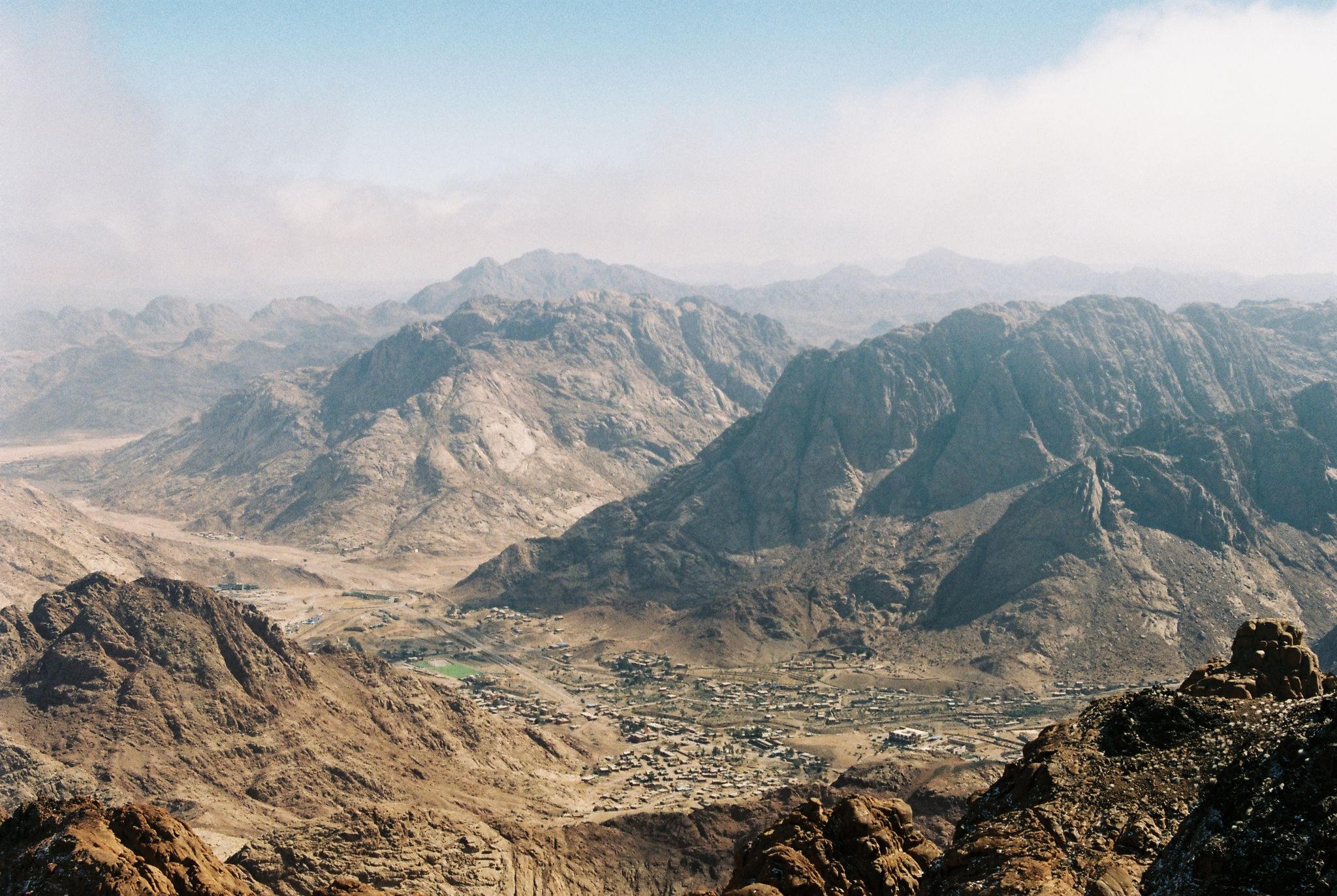
- The most popular natural monuments is Mount Sinai Summit, a summit that is one of the most sacred mountains on the…
Last updated: May 11, 2026
Mount Sinai Summit
Highlight • Summit
The one that is renamed the mountain of Moses culminates at 2,285 meters above sea level. She …
Translated by Google •
Tip by

Pyramids of Giza
Highlight • Monument
Tip by

Sign up now to discover places like this
Get recommendations on the best single tracks, peaks, & plenty of other exciting outdoor places.
Sign up for free
Valley of the Kings
Highlight • Historical Site
It's best to go in the winter months, otherwise it becomes unbearable, as the sun blazes down here.
Translated by Google •
Tip by

The Burning Bush at Saint Catherine's Monastery
Highlight • Religious Site
Translated by Google •
Tip by

Elijah's Basin
Highlight • Natural Monument
Below Mount Sinai, the place is popular with …
Translated by Google •
Tip by
Pyramids of Giza: Sound and Light Show
Highlight • Historical Site
Translated by Google •
Tip by

Giza Pyramids and Great Sphinx
Highlight • Monument
Translated by Google •
Tip by

Pier to the Coral Reef
Highlight • Bridge
Translated by Google •
Tip by

Coral Reef Snorkeling Spot
Highlight • Natural
Translated by Google •
Tip by

View of Cairo from the Giza Plateau
Highlight • Viewpoint
Tip by

Sign up for free to discover even more natural monuments in Egypt.
Sign up for free
Already have an account?
Start today with a free account
Your next adventure awaits.
Login or Signup


Tips from the Community

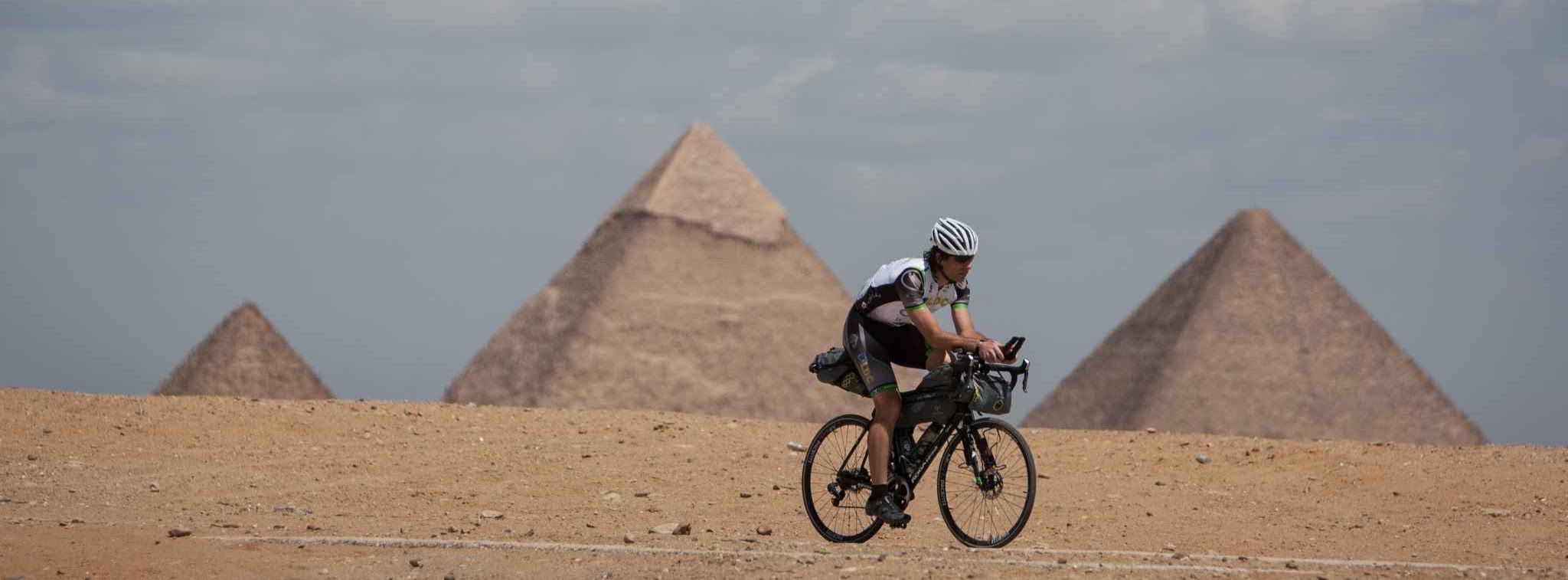
On the Giza Plateau stand three main pyramids, built during the 4th Dynasty of the Old Kingdom (around 4,500 years ago): Pyramid of Khufu (Cheops): The largest of all. For millennia, it was the tallest structure in the world. Originally, it was approximately 146 meters high. Pyramid of Khafre (Chephren): It often appears taller because it was built at a steeper angle and stands on a higher point of the plateau. Remnants of the original limestone casing can still be seen at its summit. Pyramid of Menkaure (Middle East): The smallest of the three, but nonetheless impressive due to its granite base.
1
0

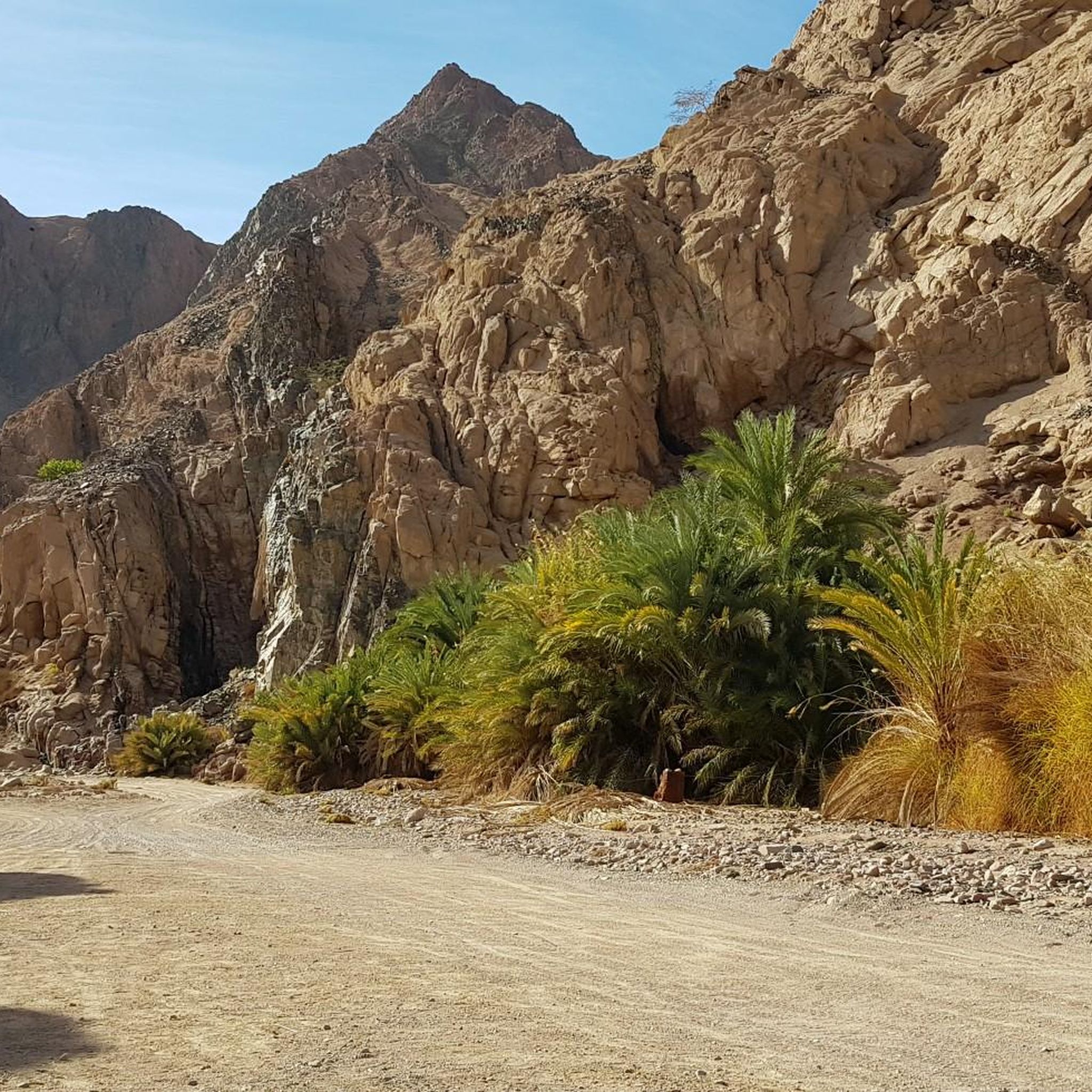
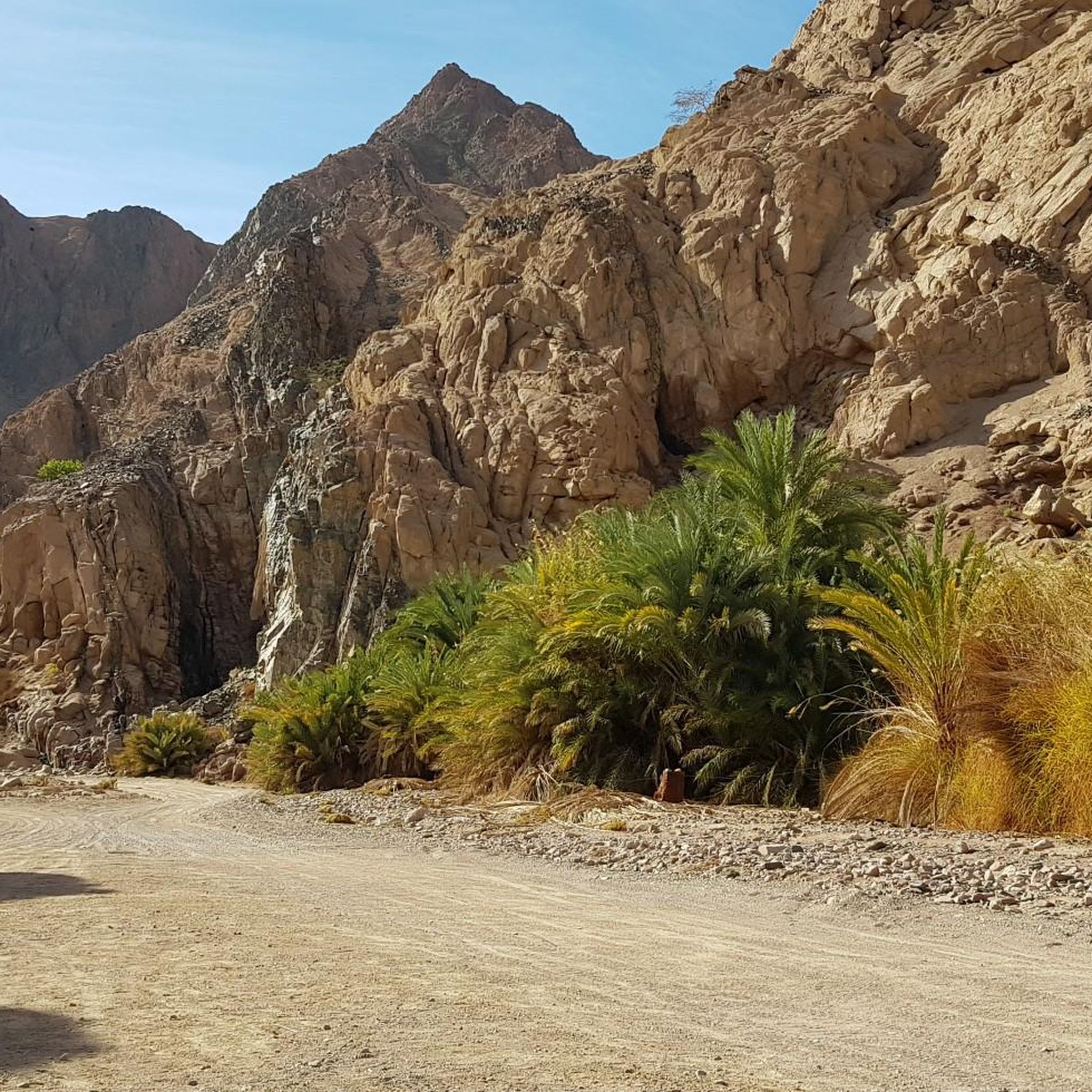
Elijah’s Basin is a wide, open plateau just below the summit of Mount Sinai. According to tradition, this is where the Prophet Elijah hid and heard the voice of God. Today, it serves as a natural resting place before the final ascent to the summit. Surrounded by steep granite walls, the basin offers shelter from the wind and a peaceful place to pause, reflect, or gather before sunrise. Many hikers stop here to rest after climbing the camel path, and some they choose it to camp and spend a night in it, especially if they’re continuing up the Steps of Repentance to reach the summit. What to know: Ideal for short breaks or group gatherings Located just 20–30 minutes below the summit Some camel routes end here Often used as a safe place to wait for sunrise before climbing the last steps Elijah’s Basin is more than a stop — it’s a place where many hikers feel the quiet, spiritual presence of Sinai.
0
0
Mount Ahmar, meaning “The Red Mountain” in Arabic, is one of the hidden gems of the Saint Catherine Highlands. It stands out with its deep red granite rock and panoramic views stretching across the high mountains and down into the wide desert valleys. The trail to the summit passes through Wadi Ahmar, a narrow valley of smooth boulders and dry waterfalls. It’s a fun route that includes light scrambling, stone jumping, and walking over polished rock — challenging, but not too technical. From the top, you’ll see far beyond Wadi El-Mathar, across the central Sinai massif. On a clear day, the colors of the rocks shift with the sun — red, orange, grey, and gold. It’s a perfect spot for a long break, photos, or just quiet reflection.
1
1
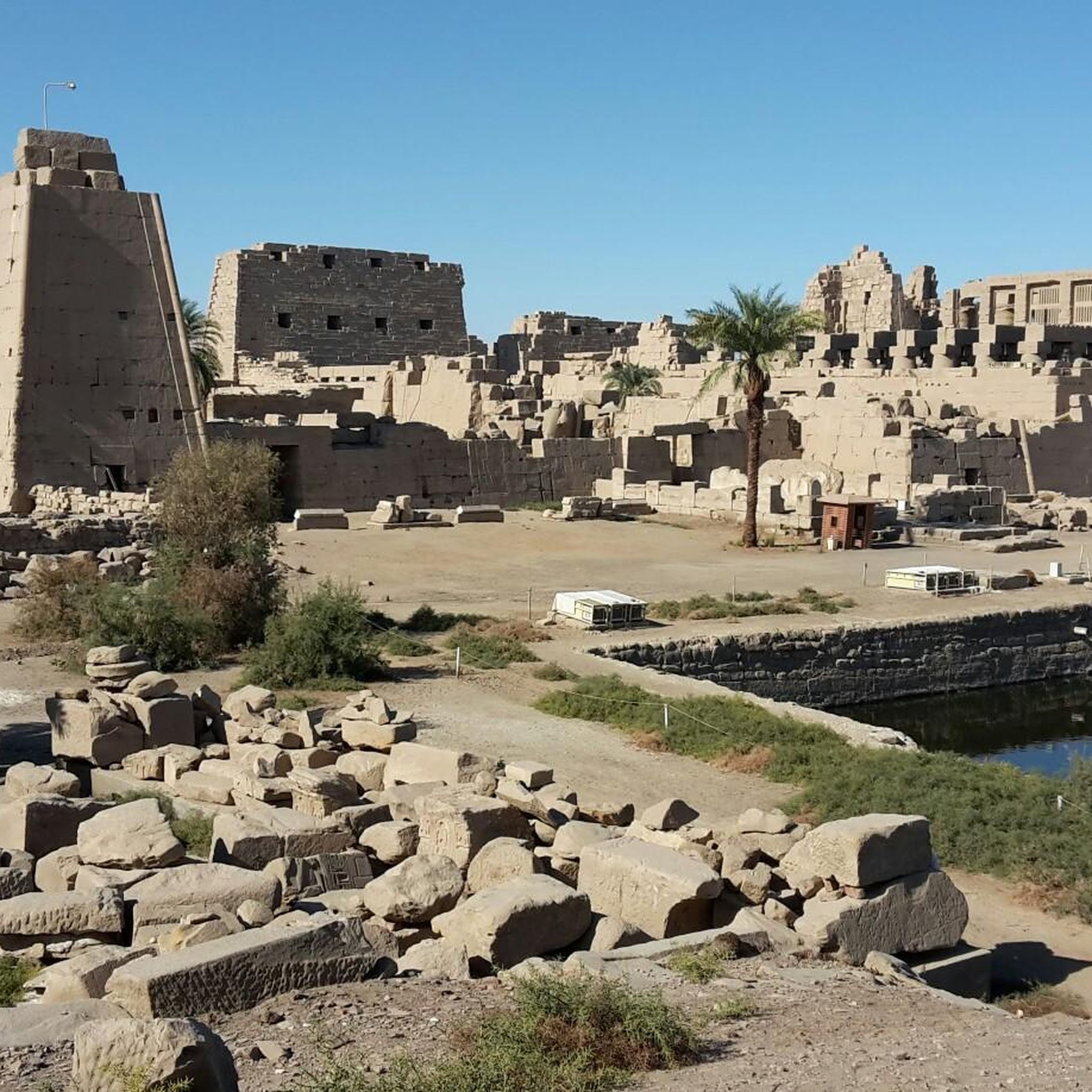
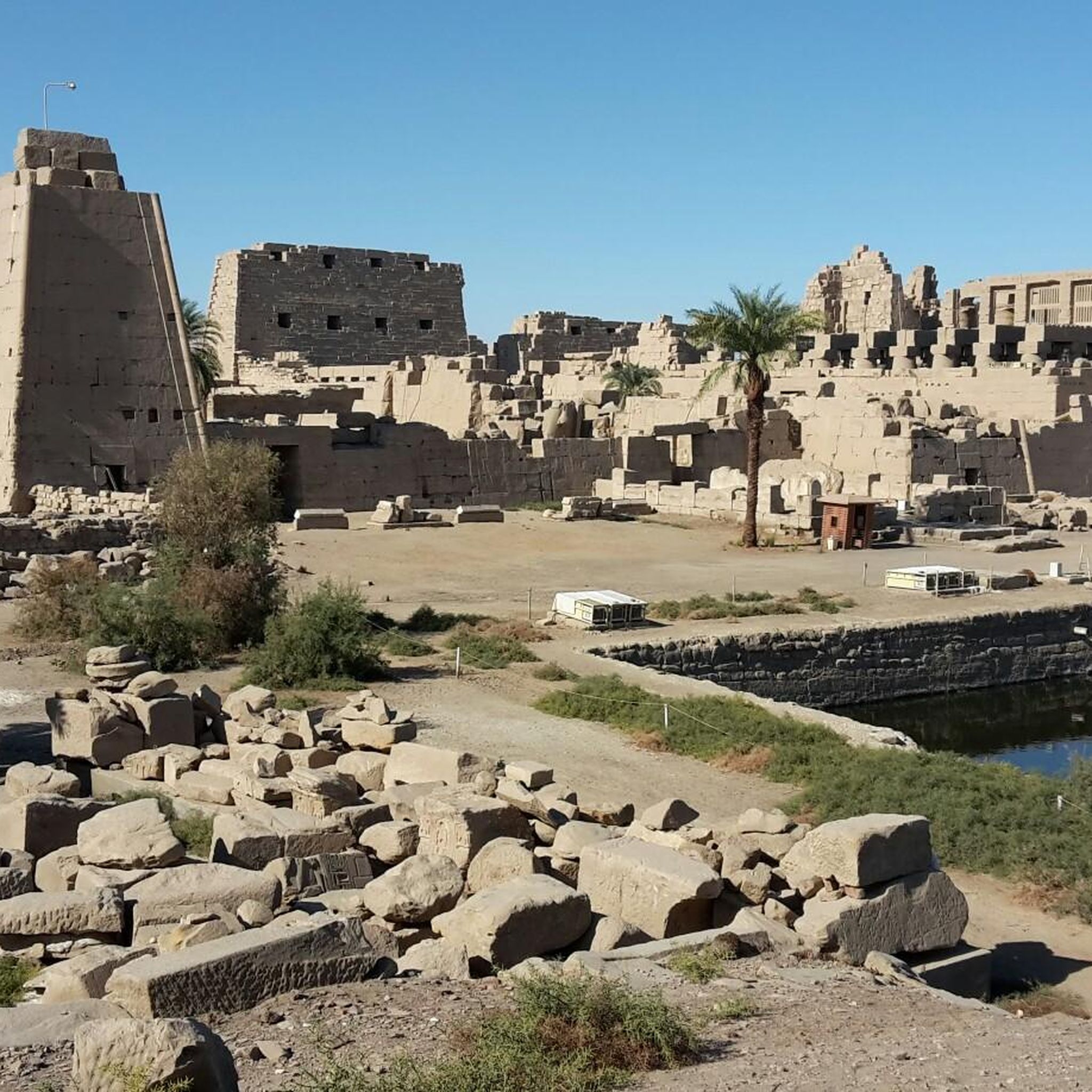
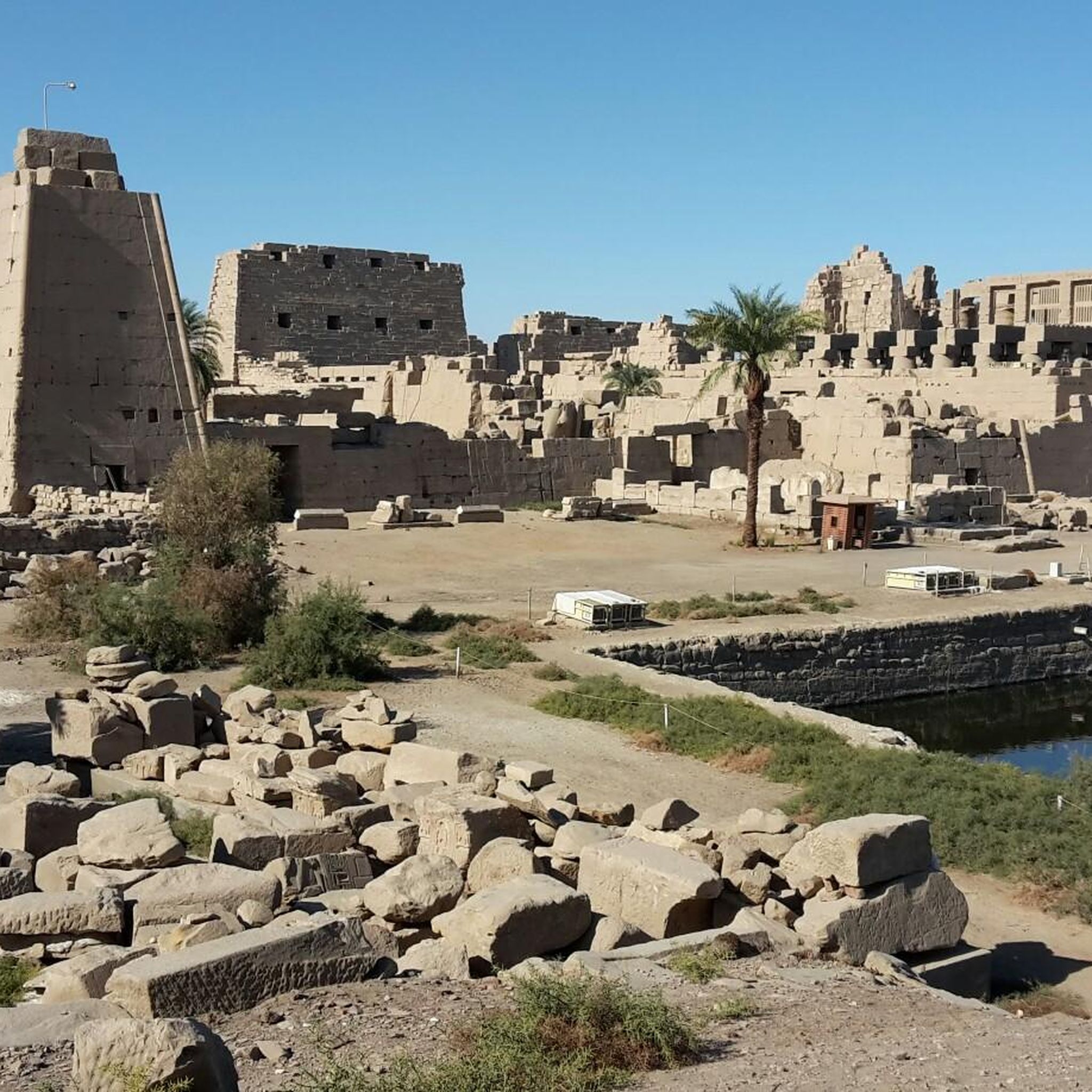
The ticket for the Valley of the Kings costs 750 Egyptian pounds (about 15 euros) and provides free access to three tombs. For the tomb of Tutankhamun, you need an extra ticket, which costs 300 pounds (6 euros).
7
0
The Valley of the Kings is visited by countless tourists every day, and rightly so, because it's worth it. It's best to go in the winter months, otherwise it becomes unbearable, as the sun blazes down here.
7
0

This place is teeming with acquaintance dealers
1
0

OPENING HOURS All Days Summer Working Hours: from 06:00 am Last Entry 05:00 pm Winter Working Hours: from 06:00 am Last Entry 04:00 pm Ramadan Working Hours: from 06:00 am Last Entry 04:00 pm https://egymonuments.com/locations/details/ValleyOfKings
1
0
King of the Valley Entrance fee for Non-Egyptian/Arab: Adult EGP 750 Student EGP 375 Egyptian / Arab Adult EGP 60 Student EGP 30
1
0
Frequently Asked Questions
What are some of the most unique natural monuments to visit in Egypt?
Egypt offers a diverse range of unique natural monuments. For a truly otherworldly experience, the Mount Sinai Summit is renowned for its majestic sunrise views. The White Desert National Park features surreal, wind-sculpted chalk formations, while Wadi El Hitan (Whale Valley) is a UNESCO World Heritage site preserving ancient whale fossils. For marine wonders, the Blue Hole in Dahab and Ras Mohammed National Park offer world-class diving and snorkeling among vibrant coral reefs.
What kind of landscapes can I expect to see among Egypt's natural monuments?
Egypt's natural monuments showcase a remarkable variety of landscapes. You can explore vast, dramatic deserts like the White Desert with its unique chalk formations and the contrasting Black Desert with volcanic hills. There are also significant mountain ranges, such as the one surrounding Mount Sinai Summit. Along the coast, you'll find stunning marine ecosystems, including vibrant coral reefs and underwater sinkholes like the Blue Hole, as well as coastal features like mangrove forests and salt lakes in areas like Ras Mohammed National Park.
Are there family-friendly natural monuments in Egypt?
Yes, several natural monuments in Egypt are suitable for families. The Pyramids of Giza, while man-made, are often included in natural monument discussions and offer an awe-inspiring experience for all ages, including a popular Sound and Light Show. Coastal areas like the Pier to the Coral Reef provide easy access for snorkeling, which is a great family activity. The Valley of the Kings is also considered family-friendly, offering a fascinating historical journey.
What is the best time to visit Egypt's natural monuments?
Generally, the cooler months from October to April are ideal for visiting Egypt's natural monuments, especially desert and historical sites. During this period, temperatures are more comfortable for outdoor activities like hiking and exploring. For marine sites like Ras Mohammed National Park and the Blue Hole, diving and snorkeling are excellent year-round, though the summer months (June-August) can be very hot, making water activities a welcome relief.
What outdoor activities can I do near Egypt's natural monuments?
Many natural monuments in Egypt offer opportunities for outdoor activities. Near sites like Mount Sinai Summit, you can find excellent hiking trails, including the popular ascent for sunrise. Desert areas like the White Desert are perfect for off-road drives, camping, and stargazing. Coastal regions, particularly around the Blue Hole and Ras Mohammed National Park, are world-renowned for diving and snorkeling. You can also explore various hiking trails, MTB trails, and road cycling routes throughout Egypt.
Are there any historical or religious sites among Egypt's natural monuments?
Yes, Egypt's natural monuments often intertwine with rich history and religious significance. Mount Sinai Summit is considered one of the most sacred mountains, where Moses is said to have received the Ten Commandments. At its foot lies Saint Catherine's Monastery, home to the legendary Burning Bush. The Valley of the Kings, while a historical site, is set within a natural desert landscape and is famous for its ancient tombs.
What wildlife can I expect to see in Egypt's natural monuments?
The wildlife varies greatly depending on the monument's ecosystem. In marine protected areas like Ras Mohammed National Park, you can encounter over 1000 species of fish, 220 species of coral, and rare creatures like dugongs and green turtles. Desert regions, such as the White Desert, are home to desert foxes and various bird species. Wadi El Hitan is unique for its ancient fossilized whale skeletons, offering a glimpse into prehistoric marine life.
What should I wear when visiting natural monuments in Egypt?
When visiting natural monuments in Egypt, it's advisable to wear light, breathable clothing, especially during warmer months. For desert and mountain excursions, comfortable walking shoes or hiking boots are essential. If visiting religious sites like Saint Catherine's Monastery, modest attire covering shoulders and knees is recommended. For cooler desert nights or early morning ascents like Mount Sinai Summit, bring extra layers as temperatures can drop significantly.
Are there any UNESCO World Heritage sites among Egypt's natural monuments?
Yes, Egypt is home to several UNESCO World Heritage sites that are natural monuments or incorporate significant natural elements. Wadi El Hitan (Whale Valley) is a prime example, recognized for its exceptional fossil remains illustrating whale evolution. Saint Catherine's Monastery, located at the foot of Mount Sinai, is also a UNESCO site, valued for its religious and historical significance within a striking natural setting.
What is the significance of Wadi El Hitan (Whale Valley)?
Wadi El Hitan, or Whale Valley, is a UNESCO World Heritage Site of immense paleontological significance. It preserves hundreds of exceptionally well-preserved fossils of the earliest, now extinct, suborder of whales (Archaeoceti). These fossils, some with vestigial hind limbs, provide crucial evidence for the evolutionary transition of whales from land-based animals to ocean-dwelling mammals. It's often referred to as a 'living museum' of Earth's ancient history, dating back over 40 million years.
Can I go diving or snorkeling at Egypt's natural marine monuments?
Absolutely. Egypt is world-renowned for its spectacular marine natural monuments, offering some of the best diving and snorkeling experiences globally. The Blue Hole near Dahab is a famous underwater sinkhole with crystal-clear waters and vibrant coral reefs. Ras Mohammed National Park, at the tip of the Sinai Peninsula, is Egypt's first national park and a premier marine reserve, boasting incredible biodiversity and pristine coral gardens. You can easily access the reefs from jetties like the Pier to the Coral Reef.
What are the challenges of visiting natural monuments in Egypt?
Visiting natural monuments in Egypt can present some challenges, primarily related to the environment. Desert areas like the White Desert can have extreme temperatures, especially in summer, and require careful preparation for water and sun protection. Some mountain ascents, such as Mount Sinai Summit, are challenging due to altitude and require physical fitness. Crowds can also be a factor at very popular sites, particularly during peak season. It's always wise to check local conditions and guidance before your visit.
Most popular attractions in Egypt

Get inspired with the komoot mobile app


Explore more
Extend your search for the best caves by checking out these guides of the top ones in Egypt:
