The best walks and hikes in Egypt
4.5
(560)
6,935
hikers
198
hikes
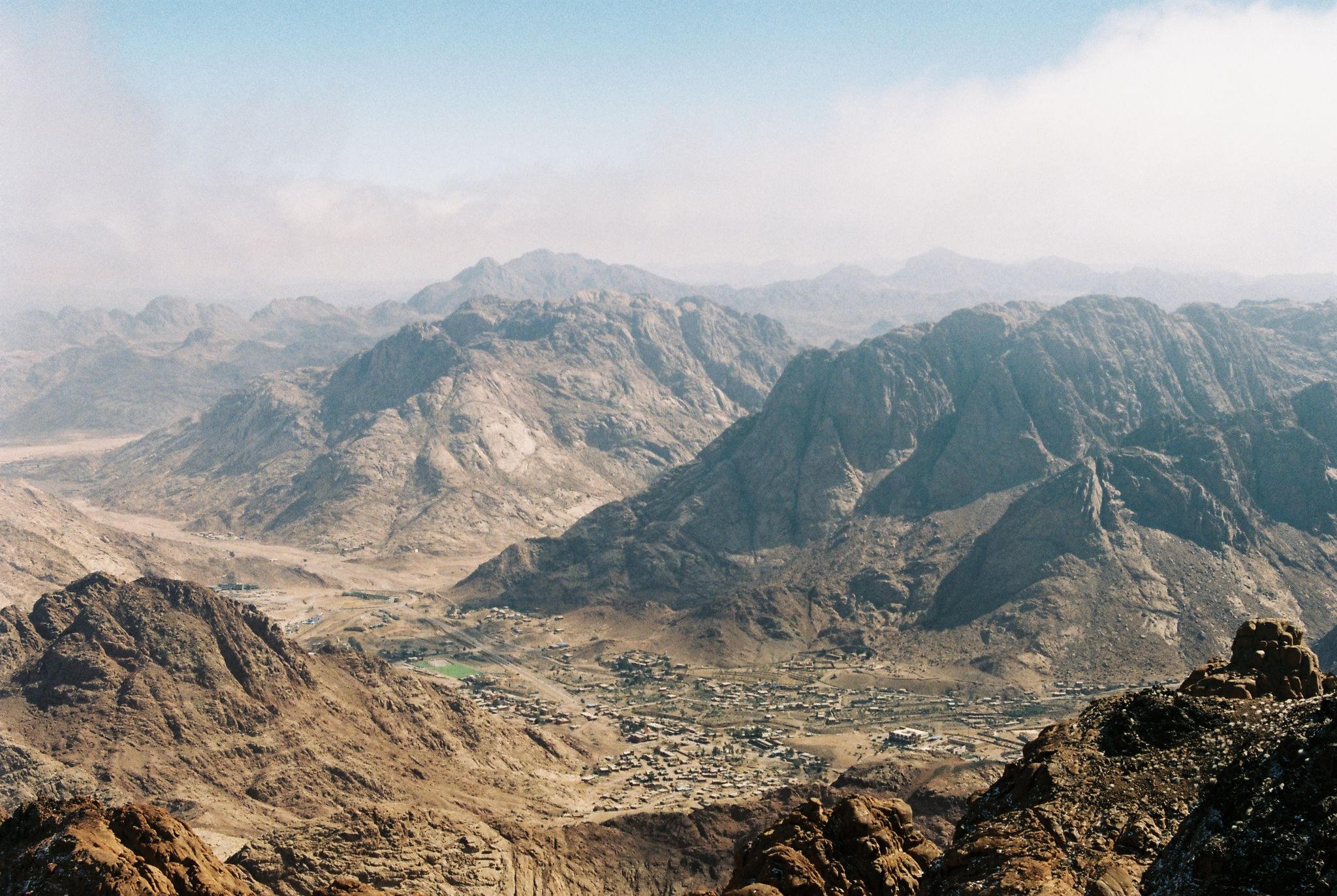
Hiking in Egypt offers diverse landscapes, from rugged mountains and vast deserts to lush oases and coastal regions. The country's terrain includes the dramatic peaks of the Sinai Peninsula, the unique geological formations of the White Desert, and ancient sites along the Nile. These varied environments provide a range of trekking experiences for outdoor enthusiasts.
Best hiking trails in Egypt
- The most popular hiking route is Saint Catherine's Monastery – Mount Sinai Summit loop from St Catherine's Monastery, a…
Last updated: May 17, 2026
4.6
(37)
533
hikers
Moderate hike. Good fitness required. Mostly accessible paths. Sure-footedness required.
4.6
(32)
511
hikers
Easy hike. Great for any fitness level. Easily-accessible paths. Suitable for all skill levels.

Sign up for free
4.3
(32)
283
hikers
Easy hike. Great for any fitness level. Easily-accessible paths. Suitable for all skill levels.
4.3
(29)
285
hikers
Easy hike. Great for any fitness level. Easily-accessible paths. Suitable for all skill levels.
4.6
(5)
225
hikers
3.30km
00:51
20m
20m
Easy hike. Great for any fitness level. Easily-accessible paths. Suitable for all skill levels.
4.1
(11)
207
hikers
3.18km
00:48
10m
10m
Easy hike. Great for any fitness level. Easily-accessible paths. Suitable for all skill levels.
4.0
(3)
239
hikers
Easy hike. Great for any fitness level. Easily-accessible paths. Suitable for all skill levels.
5.0
(1)
60
hikers
Moderate hike. Good fitness required. Easily-accessible paths. Suitable for all skill levels.
5.0
(4)
105
hikers
Easy hike. Great for any fitness level. Easily-accessible paths. Suitable for all skill levels.
5.0
(1)
40
hikers
1.96km
00:30
10m
10m
Easy hike. Great for any fitness level. Easily-accessible paths. Suitable for all skill levels.
Get access to more routes and recommendations from other explorers.
Sign up for free
Already have an account?
Our route recommendations are based on thousands of hikes, rides, and runs completed by other people on komoot.
Start today with a free account
Your next adventure awaits.
Login or Signup


Tips from the Community

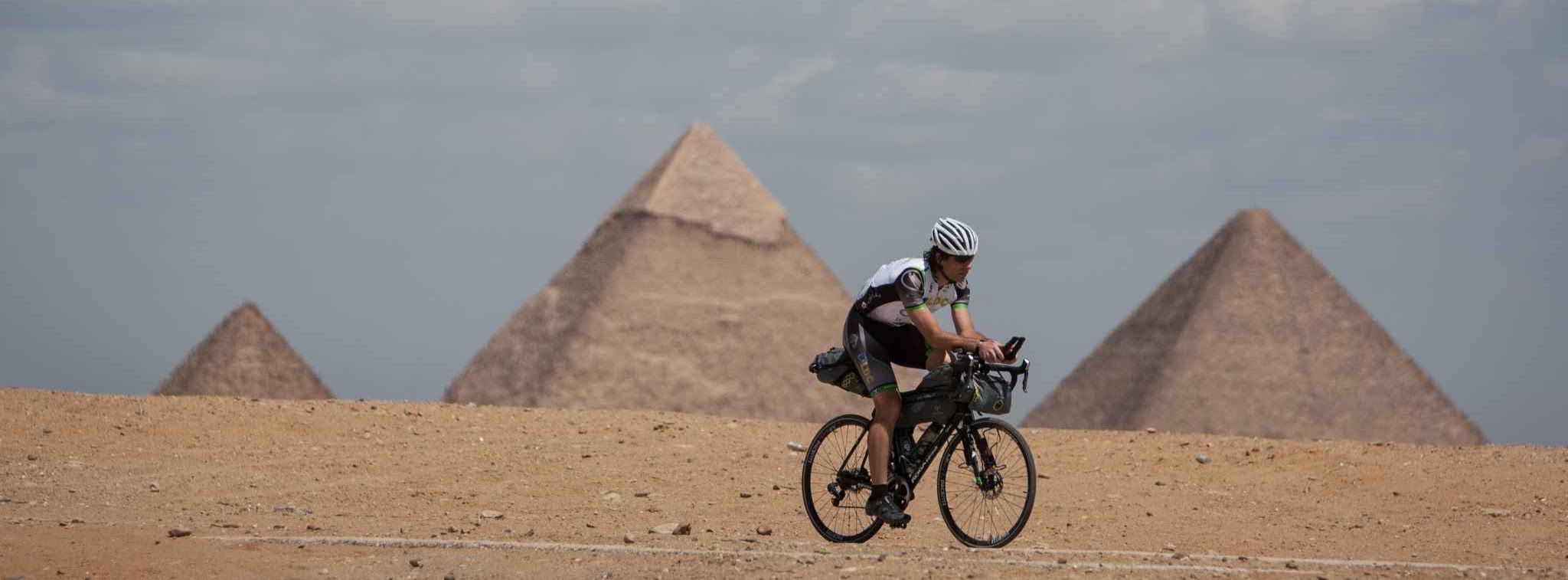
Here is a brief overview of what makes this structure so unique: Built by: Pharaoh Khufu (Cheops), who ruled during the 4th Dynasty of the Old Kingdom. Age: It was completed approximately 4,500 years ago (around 2560 BC). Dimensions: Originally, it was about 146.6 meters high (today, due to the loss of its top section, it is about 138 meters). The base measures an impressive 230 meters on each side. Precision: The sides of the pyramid are aligned almost exactly with the four cardinal directions – the deviation is minimal.
2
0
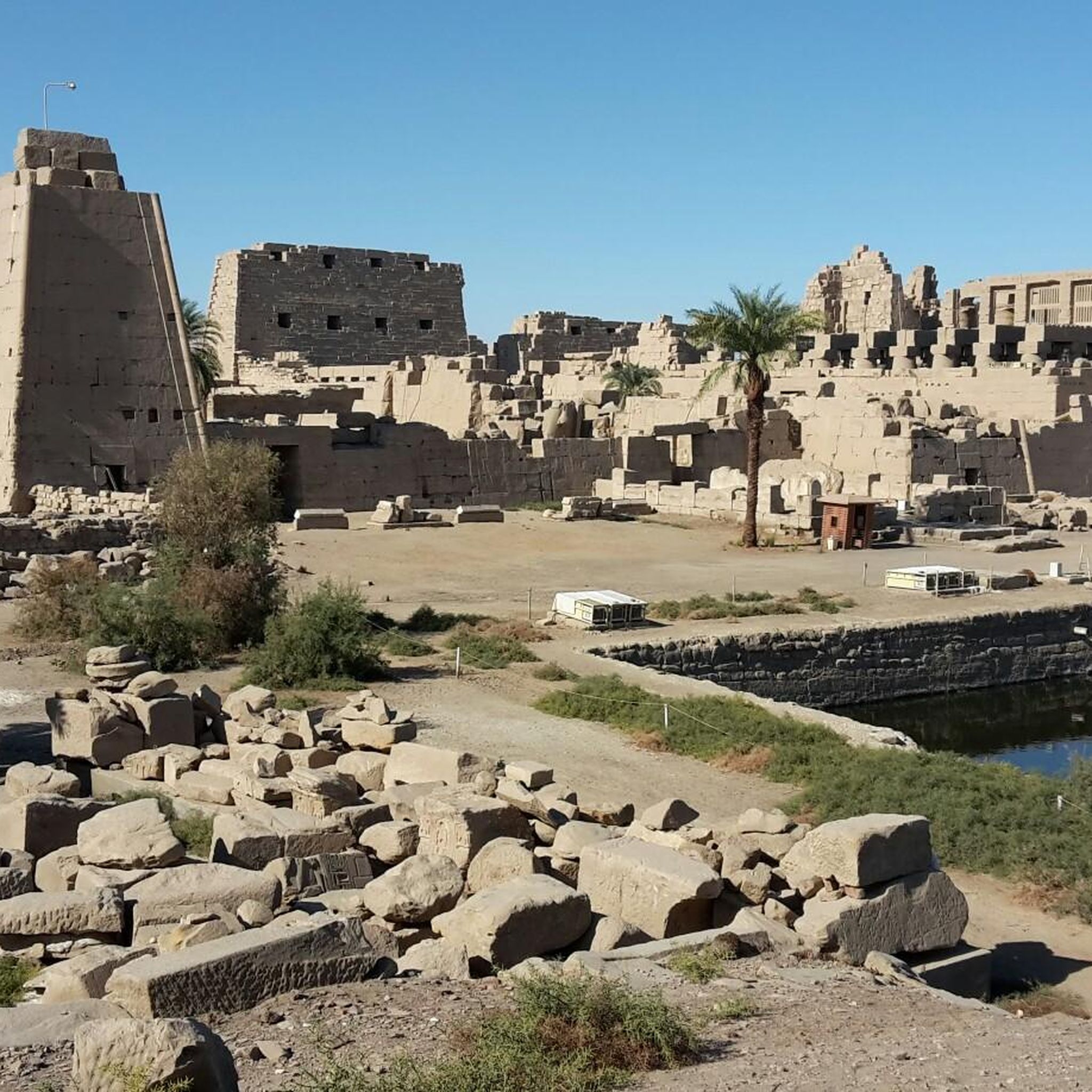
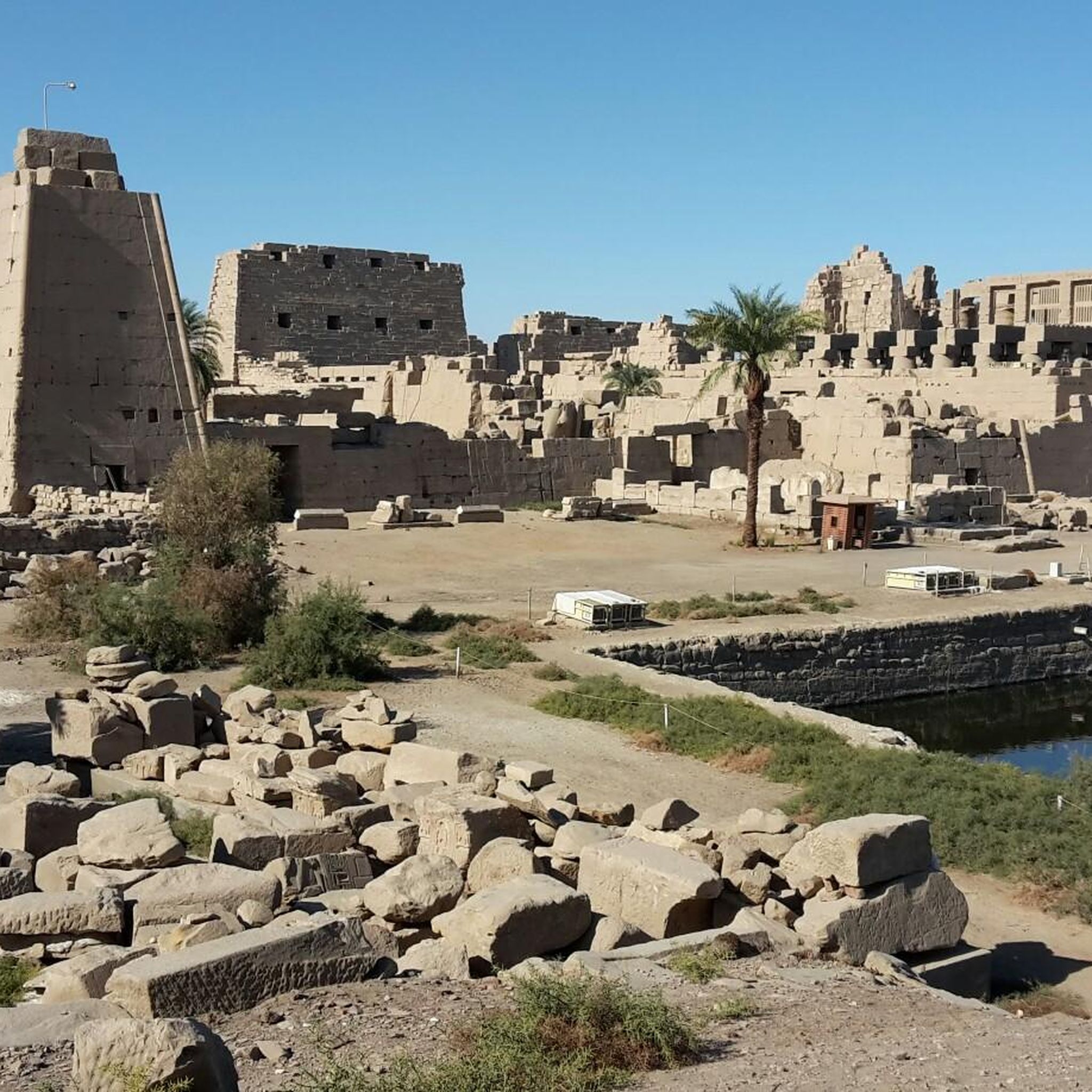
The Obelisk of Hatshepsut This is the most impressive of all. It stands between the 4th and 5th pylons. Size & Weight: It is approximately 30 meters high and weighs about 340 tons. This makes it the tallest standing obelisk in Egypt. Material: It is made from a single piece of pink granite quarried in Aswan. Special Feature: Originally, the top was coated with electrum (an alloy of gold and silver) so that it would reflect sunlight and shine far and wide. Ritual Ablution: Priests had to absolve themselves several times a day and at night in the lake before every service in the temple. Without this ritual purity, they were not allowed to enter the inner sanctum or touch statues of the gods. Cultural Boats: During major festivals, the sacred barges (ceremonial boats) were ritually sailed across the lake. Facts about size and construction Dimensions: It measures approximately 120 meters in length and 77 meters in width. Water supply: The lake is fed exclusively by groundwater.
8
0
The Sound and Light Show at Karnak Temple in Luxor is one of the most atmospheric experiences in Egypt. You wander through the illuminated temple complex at night while the story of the pharaohs and ancient Thebes is narrated over loudspeakers. Opening Hours: Winter (October – April): Usually at 6:30 p.m., 7:45 p.m., and 9:00 p.m. Summer (May – September): Usually at 7:30 p.m., 8:45 p.m., and 10:00 p.m.
7
0
It may sound surprising, but these connections were often not intended to be permanent fixtures in the finished building: Securing during construction: The clamps prevented the heavy blocks from shifting while the mortar was still wet or while the layers above were being built. Earthquake protection: To a certain extent, they provided additional horizontal stability, preventing the walls from splitting apart during tremors. Symbolism and durability: For particularly important monuments, such as the Temple of Karnak or the pyramid funerary temples, absolute precision was paramount.
7
0
This statue stands directly in front of the second pylon and is a real eye-catcher: Depiction: Ramses II is shown in a classic pose – standing, his left foot slightly forward (the typical "striding pose"), his arms crossed over his chest. The special feature: Between his legs stands a much smaller figure. This is his favorite daughter (and later wife), Meritamen. The fact that she was placed there...
7
0
The Karnak Temple in Luxor is not just a single temple, but the largest temple complex in Egypt and one of the most important religious sites of the ancient world. Over a period of more than 1,500 years, numerous pharaohs built this complex to honor the god Amun-Re. Highlights and Architecture The Great Hypostyle Hall: The absolute showpiece with 134 monumental columns. The central 12 columns are an impressive 21 meters high. The reliefs on the walls and columns depict divine rituals and military victories. The Obelisk of Hatshepsut: At almost 30 meters high, this is one of the tallest standing obelisks in the world, carved from a single piece of granite. The Sacred Lake: Here, priests performed their ritual ablutions. Today, you can also find the famous giant granite scarab there – it is said that whoever circles it seven times will have a wish granted. Opening hours: Daily from 06:00 to 17:00.
7
0

Absolutely impressive, but incredibly crowded.
1
0
The view is unique and impressive. It's impossible to imagine how difficult it must have been to build such a structure back then 😱
0
0
Frequently Asked Questions
How many hiking trails are available in Egypt?
There are over 200 hiking routes available in Egypt, catering to various skill levels. You'll find everything from easy coastal walks to challenging multi-day expeditions in the mountains and deserts.
What is the best time of year for hiking in Egypt?
The ideal time for hiking in Egypt is generally from October to April. During these months, the weather is cooler and more pleasant, allowing you to avoid the intense summer heat, especially in desert and mountain regions like the Sinai Peninsula.
Are there any family-friendly hiking options in Egypt?
Yes, Egypt offers several family-friendly hiking opportunities. For instance, the Solymar Reef Beach – Steigenberger Coraya Gardens loop from Plateao Beachbar is an easy 4.7 km walk. The Smiling Face Topiary – Sunset at Makai Bay loop from Makadi Bay is another easy option, perfect for a leisurely stroll with children. Additionally, the Valley of the Whales (Wadi El-Hitan) offers easy trails through a fascinating prehistoric landscape.
What kind of terrain can I expect on Egypt's hiking trails?
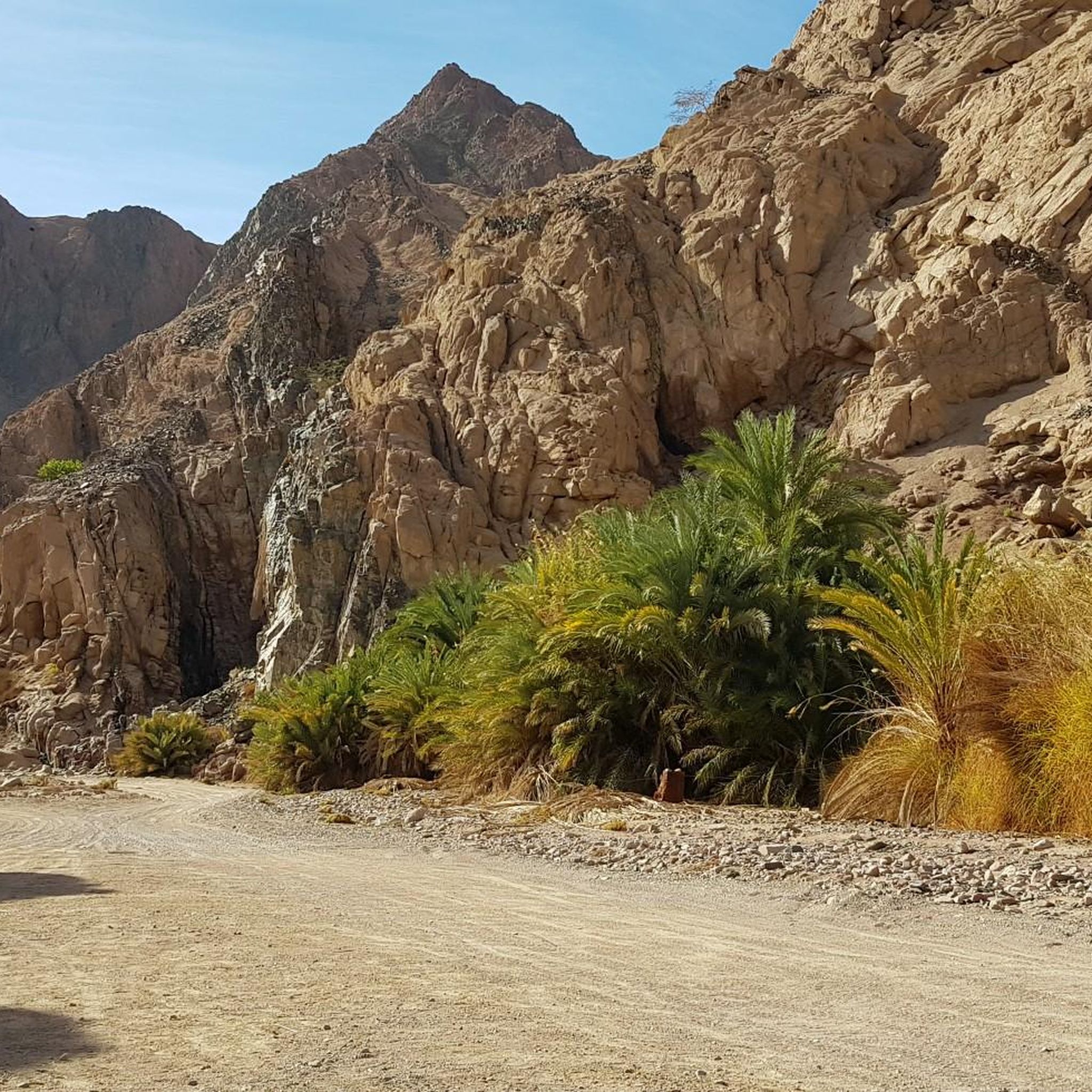
Egypt's hiking terrain is incredibly diverse. You can expect rugged mountains in the Sinai Peninsula, vast stretches of desert with unique geological formations like the White and Black Deserts, and coastal paths along the Red Sea. Some trails also lead through lush oases or ancient historical sites.
Are there any challenging multi-day hikes in Egypt?
For experienced hikers seeking a challenge, Egypt offers several multi-day expeditions. Mount Catherine, Egypt's highest peak, provides a demanding climb with panoramic views. The Sinai Trail, a 550-kilometer route, can be tackled in shorter sections over multiple days, offering deep immersion into Bedouin culture and stunning landscapes. The remote Gilf Kebir National Park also offers challenging multi-day expeditions.
What are some notable natural features or landmarks I can see while hiking?
Hiking in Egypt allows you to explore incredible natural features and historical landmarks. You can ascend the revered Mount Sinai Summit, witness the vibrant sandstone walls of the Colored Canyon, or marvel at the surreal chalk formations of the White Desert. The Pyramids of Giza and the Valley of the Kings are also accessible via hiking routes, offering a blend of nature and ancient history.
Are there any circular hiking routes available?
Yes, many routes in Egypt are designed as loops. For example, the popular Saint Catherine's Monastery – Mount Sinai Summit loop from St Catherine's Monastery is a well-known circular trail. Near Cairo, the Wadi Degla Protectorate also offers various loop trails suitable for different fitness levels.
What do other hikers enjoy most about hiking in Egypt?
The hiking routes in Egypt are highly rated by the komoot community, with an average score of 4.5 stars from over 400 reviews. Hikers often praise the unique blend of ancient history and diverse natural landscapes, from the spiritual ascent of Mount Sinai to the awe-inspiring desert formations and coastal views.
Are permits required for hiking in Egyptian national parks or protected areas?
Yes, permits are often required for hiking in Egyptian national parks and protected areas, especially in regions like the Sinai Peninsula and the Western Desert oases. It's advisable to check specific requirements for your chosen destination in advance, as some areas may also require local Bedouin guides.
Can I reach hiking trails using public transportation?
Public transportation options vary by location. For popular destinations like Mount Sinai and St. Catherine's Monastery, shared taxis or buses from major cities like Cairo or Sharm El Sheikh are often available. For areas closer to Cairo, such as Wadi Degla Protectorate, local transport or ride-sharing services can be used. Remote desert areas typically require private transport or organized tours.
Are there any easy day hikes near Cairo?
Yes, for those looking for an escape from the city, the Wadi Degla Protectorate near Cairo offers limestone canyon trails suitable for various fitness levels. Additionally, the Great Pyramid of Giza – Great Sphinx of Giza loop from Great Pyramid of Giza provides a moderate 11.2 km walk through iconic ancient landmarks.
Most popular attractions in Egypt

Get inspired with the komoot mobile app


Explore more
Browse the best Hikes in other regions.
