Top 13 Natural Monuments around Westendorf
Best natural monuments around Westendorf are found within the Austrian Alps, offering diverse natural features. The region presents a landscape characterized by river systems, protected natural areas, and unique botanical sites. These natural monuments provide insight into the local ecology and geological formations. Visitors can explore a range of natural settings, from significant river confluences to historical natural landmarks.
Best natural monuments around Westendorf
- The most popular natural monuments is Confluence of Lechkanal and Lech, a river confluence that…
Last updated: September 27, 2026
Taglilienfeld Nature Monument
Highlight • Natural Monument
Translated by Google •
Tip by

Swabian Danube Valley Nature Reserve
Highlight • Natural Monument
Translated by Google •
Tip by

Sign up now to discover places like this
Get recommendations on the best single tracks, peaks, & plenty of other exciting outdoor places.
Confluence of Lechkanal and Lech
Highlight • River
Translated by Google •
Tip by

Gallows Oaks Mertingen
Highlight • Natural Monument
See also here:
commons.wikimedia.org/wiki/Category:Mertingen_Galgeneichen
Translated by Google •
Tip by

Schmutteraue Nature Reserve
Highlight • Natural Monument
Translated by Google •
Tip by

Sign up for free to discover even more natural monuments around Westendorf.
Already have an account?
Start today with a free account
Your next adventure awaits.
Tips from the Community


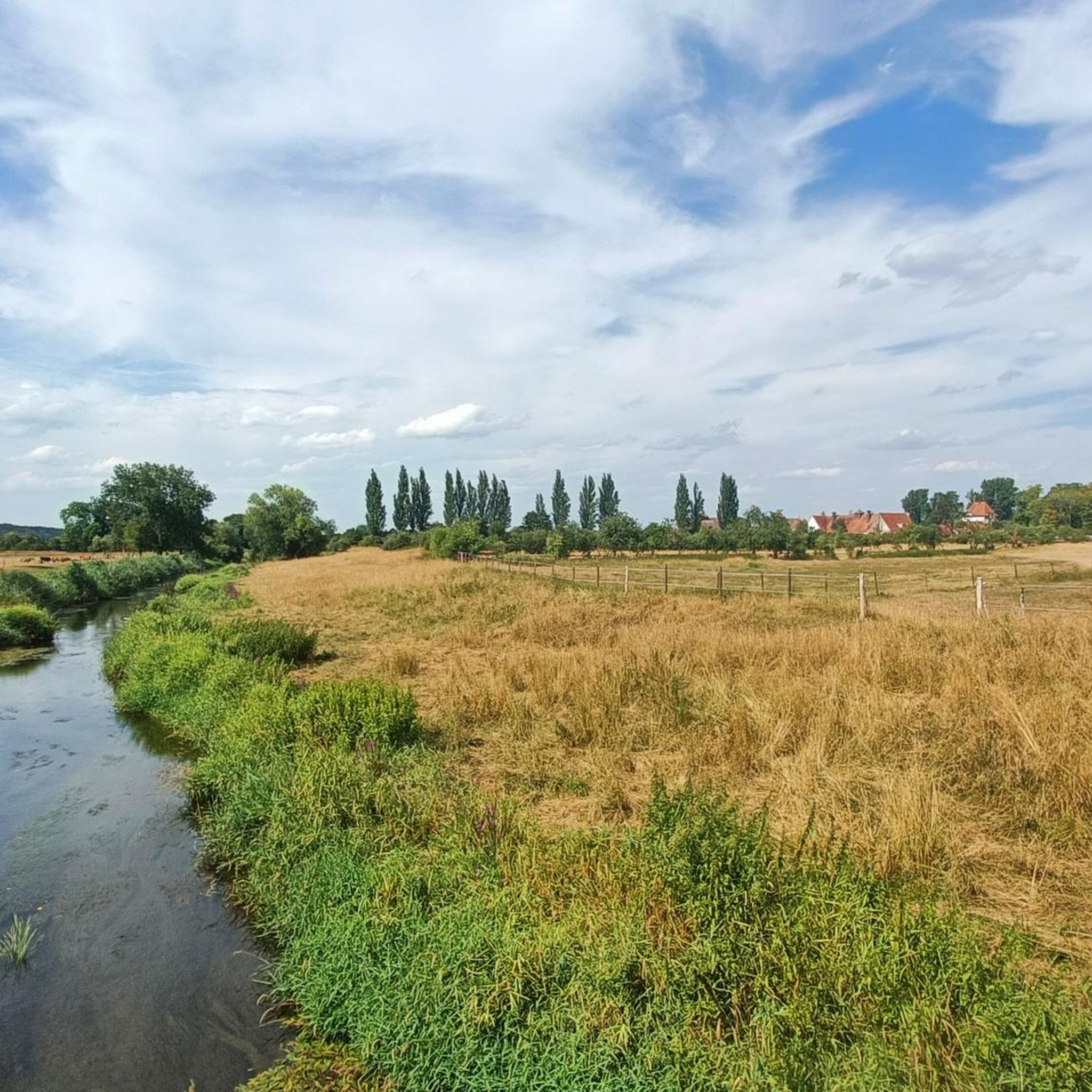
The daylily field near St. Stephan is the largest daylily field in Europe. Daylilies and other orchid species bloom every June. The biotope borders the Lech floodplain forest. Picking is strictly prohibited!
0
0

The DAYLILY FIELD is part of the Lech floodplain forest with its natural growth of trees and shrubs. The floodplain forest is to be preserved as a vegetation bridge between the Alps and the Jura, as climate protection and as a landscape element of the Lech plain. The Lech once had its bed with its widely branched arms at the level of the daylily field. The NATURAL MONUMENT "DAYLILY FIELD" was placed under protection in 1982. The purpose of the protection is to preserve the characteristic remaining area of the original Lech floodplain landscape and to protect the existing plants. The existing, mostly rare plants here include the daylily, as well as the bumblebee orchid, the spider orchid, various types of hagwort, the lady's slipper, the Turk's cap lily, the lemon balm, the flax, the Siberian iris, the daphne and the laserwort. The tendrils of the clematis are also typical of the floodplain forest. The daylily (scientific name from the Greek "Hemerocallis lilio-asphodelus" - which corresponds to the German translation "day beauty") blooms in June. The plant is not native to Central Europe, but to the Mediterranean countries and southeastern Europe. However, it was naturalized in Germany centuries ago. The individual flower usually only opens for one Day. There are up to 8 flowers on one stem, which bloom on consecutive days. The LILY MEADOW with a closed population of thousands of plants is now a botanical treasure and can be described as unique in Central Europe. The property has been owned by the Swabian Natural Science Association since 1930. The annual maintenance is carried out by the "Friends of Nature" e.V. St. Stephan association.
1
0

along the Lech on the dam, wonderful.
1
0

Anton Rieger, well explained 👏🏻 Greetings Marcus
2
0

Former place of execution with old trees. Unfortunately, there is no corresponding display board with explanations.
0
0

Very small but fine 😊
13
0

Nice and, above all, quiet place! 20m further in the direction of the street there are flowers to pick yourself 🌷🌹 🌸
1
0
Frequently Asked Questions
What are some unique natural features to explore around Westendorf?
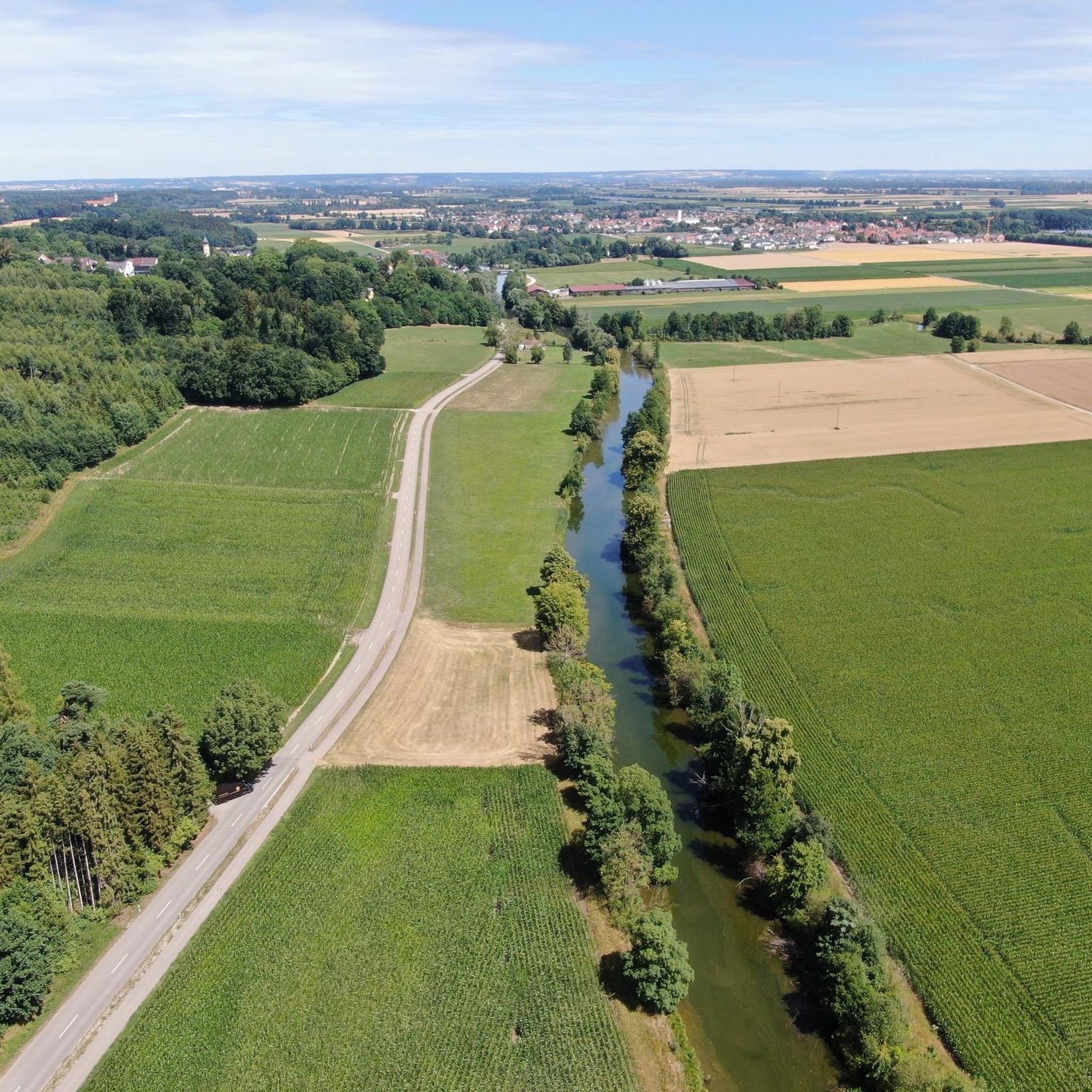
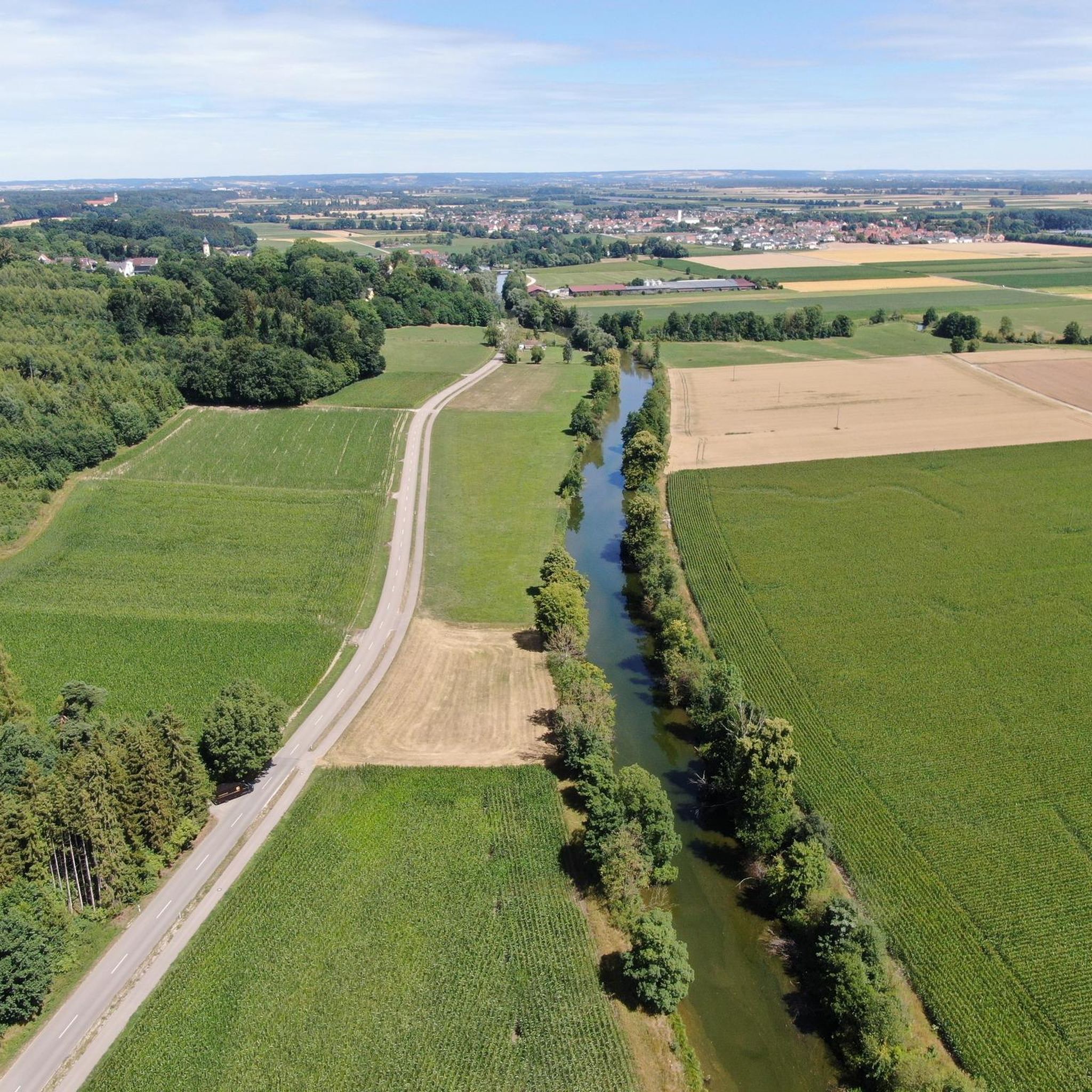
Westendorf offers diverse natural features. You can visit the Taglilienfeld Nature Monument, known for Europe's largest daylily field and various wild flowers, including orchids. Another significant spot is the Confluence of Lechkanal and Lech, a quiet river confluence offering views towards the Ellgau power plant. The Schmutteraue Nature Reserve also provides a protected environment to observe local flora and fauna.
Are there any natural monuments with historical significance in the Westendorf area?
Yes, the Gallows Oaks Mertingen is a natural monument with a historical past. While beautiful, it served as an execution site for serious crimes in earlier times, offering a unique blend of natural beauty and historical context.
What kind of botanical sites can I find near Westendorf?
The Taglilienfeld Nature Monument is a prominent botanical site. It features the largest daylily field in Europe and is home to diverse wild flowers, including various orchid types. This area is part of a preserved Lech floodplain forest, making it a rich habitat for unique plant species.
Are there family-friendly natural monuments around Westendorf?
Several natural monuments are suitable for families. The Taglilienfeld Nature Monument, Swabian Danube Valley Nature Reserve, Gallows Oaks Mertingen, Confluence of Lechkanal and Lech, and Schmutteraue Nature Reserve are all categorized as family-friendly, offering accessible and engaging natural experiences.
What outdoor activities can I do near the natural monuments around Westendorf?
The region around Westendorf offers various outdoor activities. You can enjoy gravel biking with routes like "Gravel banks along the Lech" or "River Lech – Lech River in Gersthofen loop" as detailed in the Gravel biking around Westendorf guide. For general cycling, explore routes such as "On the Lech embankment" or "Between the Lech and the Lech Canal" from the Cycling around Westendorf guide. Road cycling options are also available, including routes like "View of Harburg Castle" or "Straßer Haus Café" in the Road Cycling Routes around Westendorf guide.
Are there any natural reserves or protected areas in the vicinity of Westendorf?
Yes, the Schmutteraue Nature Reserve is a protected natural environment offering opportunities to observe local flora and fauna in a tranquil setting. Additionally, the Swabian Danube Valley Nature Reserve provides another protected natural area with scenic trails.
What do visitors appreciate most about the natural monuments in Westendorf?
Visitors often highlight the tranquility and natural beauty. For instance, the Confluence of Lechkanal and Lech is praised for being "very small but fine" and "really quiet during the week." The Taglilienfeld Nature Monument is cherished for its "flower magic" and the "splendor of flowers" in June, with many considering it "definitely worth protecting."
Can I find viewpoints or scenic spots among the natural monuments?
Many natural monuments offer scenic views. The Confluence of Lechkanal and Lech provides a beautiful view towards the Ellgau power plant. The Taglilienfeld Nature Monument offers a panorama of the original Lech floodplain landscape. The Swabian Danube Valley Nature Reserve and Schmutteraue Nature Reserve also feature viewpoints for observing the natural surroundings.
Are there any specific natural attractions in Westendorf that are not officially designated as 'natural monuments' but are still worth visiting?
Yes, Westendorf is surrounded by several beautiful natural attractions. The Windautal Valley is known for its lush meadows and clear streams, ideal for cycling and picnicking. Aschauer Weiher is a secluded natural pond perfect for swimming or fishing. Filzalmsee Lake offers stunning reflections of alpine pastures, and hiking up to Kreuzjöchl provides panoramic views and a serene escape.
When is the best time to visit the natural monuments and attractions around Westendorf?
The best time to visit depends on your interests. For botanical sites like the Taglilienfeld Nature Monument, June is ideal to witness the daylilies in full bloom. However, the field is also worth visiting throughout the summer for other wild flowers. Generally, late spring to early autumn (May to October) offers pleasant weather for outdoor activities like hiking and cycling in the region's valleys and around its lakes.
Are there any natural monuments that are particularly suitable for quiet contemplation or relaxation?
Absolutely. The Confluence of Lechkanal and Lech is noted for its quiet atmosphere, especially during weekdays. The Gallows Oaks Mertingen is described as a "wonderful place to stay and enjoy the peace," with visitors recommending lying under the oak to see the sky for a soul-soothing experience. The Schmutteraue Nature Reserve also offers a tranquil setting for observing nature.
Most popular routes around Westendorf
Most popular attractions around Westendorf

Get inspired with the komoot mobile app


Explore more
Extend your search for the best caves by checking out these guides of the top ones around Westendorf:
