The best cycling routes around Westendorf
4.5
(291)
1,676
riders
56
rides
Touring cycling routes around Westendorf are set within the Kitzbühel Alps and the Brixental Valley, offering a diverse landscape. The region features an alpine backdrop with grassy mountains, panoramic alpine pastures, and impressive peaks. Routes often follow valleys, such as the Windau Valley, and pass alongside rivers like the Brixentaler Ache and the Lech River. This varied terrain provides a range of cycling experiences.
Best touring cycling routes around Westendorf
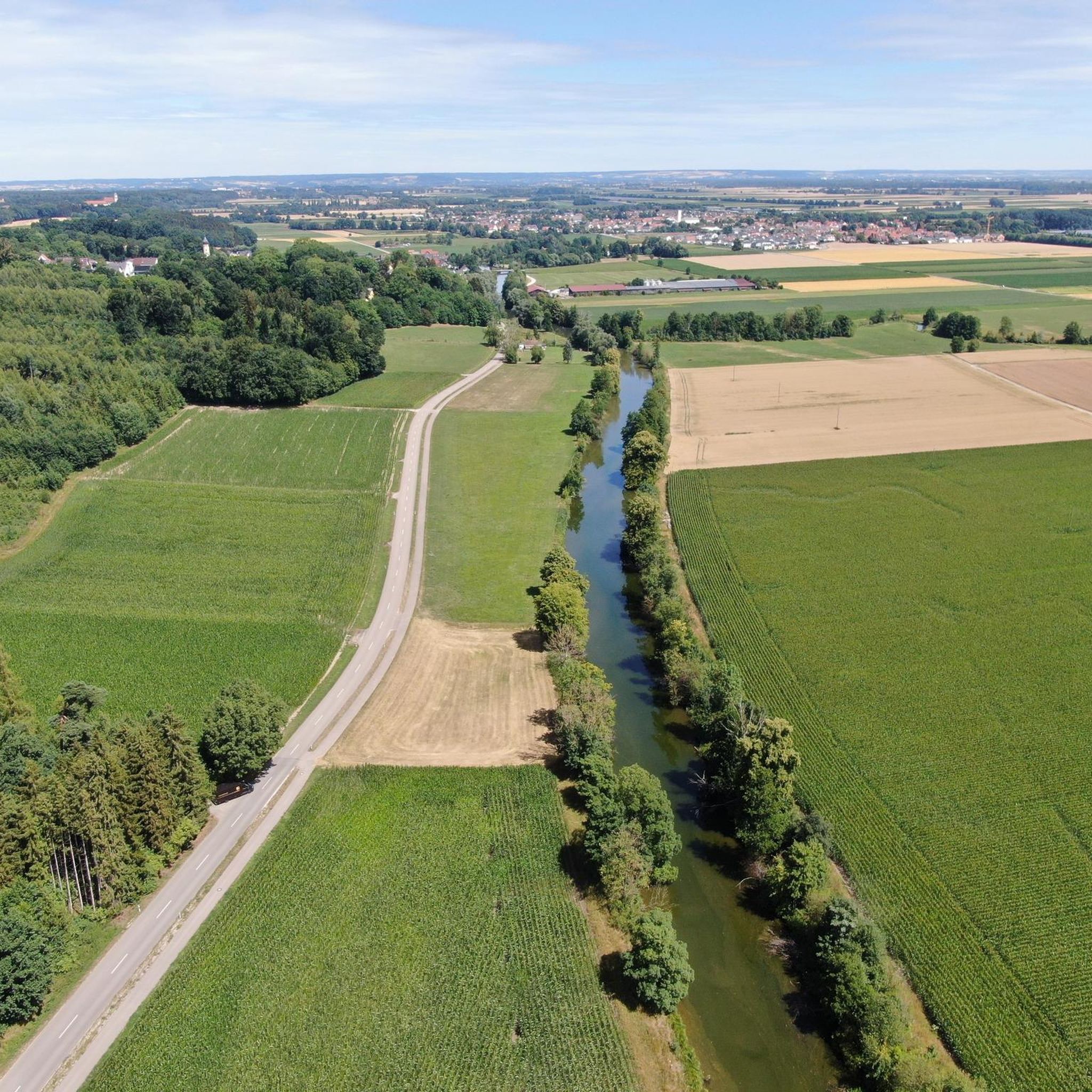
- The most popular touring cycling route is On the Lech embankment – Rain Town Hall loop from Westendorf, a 23.6 miles (38.0 km) trail that takes 2 hours 39 minutes to complete. This route offers views along the Lech embankment.
- Another top favourite among local touring cyclists is Between the Lech and the Lech Canal – Gravel banks along the Lech loop from Westendorf, a difficult 26.2 miles (42.2 km) path. This route explores the area between the Lech River and its canal, featuring gravel sections.
- Local touring cyclists also love the Parsonage Gablingen – St. Vitus Church loop from Westendorf, an 18.6 miles (29.9 km) trail leading through local villages and past historical sites, often completed in about 1 hour 42 minutes.
- Touring cycling around Westendorf is defined by alpine valleys, grassy mountains, and river paths. The extensive network offers options for various ability levels, from leisurely valley rides to more challenging mountain routes.
- The routes in Westendorf are highly rated by the komoot community with an average score of 4.6 stars from over 100 reviews. More than 1,000 touring cyclists have used komoot to explore Westendorf's varied terrain.
Last updated: November 18, 2026
4.4
(38)
267
riders
37.9km
02:40
80m
80m
Moderate bike ride. Good fitness required. Mostly paved surfaces.
4.4
(150)
676
riders
Moderate bike ride. Good fitness required. Mostly paved surfaces.

4.6
(24)
128
riders
Easy bike ride. Mostly paved surfaces.
4.1
(7)
51
riders
29.8km
01:42
50m
50m
Easy bike ride. Mostly paved surfaces.
4.6
(12)
46
riders
Moderate bike ride. Good fitness required. Mostly paved surfaces.
Get access to more routes and recommendations from other explorers.
Already have an account?
Our route recommendations are based on thousands of hikes, rides, and runs completed by other people on komoot.
Start today with a free account
Your next adventure awaits.
Tips from the Community

Augsburg is one of the oldest cities in Germany. In the old town, you can find buildings from various stylistic periods, including medieval guild houses, the 11th-century Cathedral of the Visitation of Our Lady, as well as the Basilica of St. Ulrich and Afra with its onion dome. From the Renaissance, among others, comes the Augsburg Town Hall with the Golden Hall. The Fugger houses served as the residence for the wealthy merchant family Fugger, and the Fuggerei is a social housing complex dating back to the 16th century.
2
0

The gravel banks are a cool area
0
0

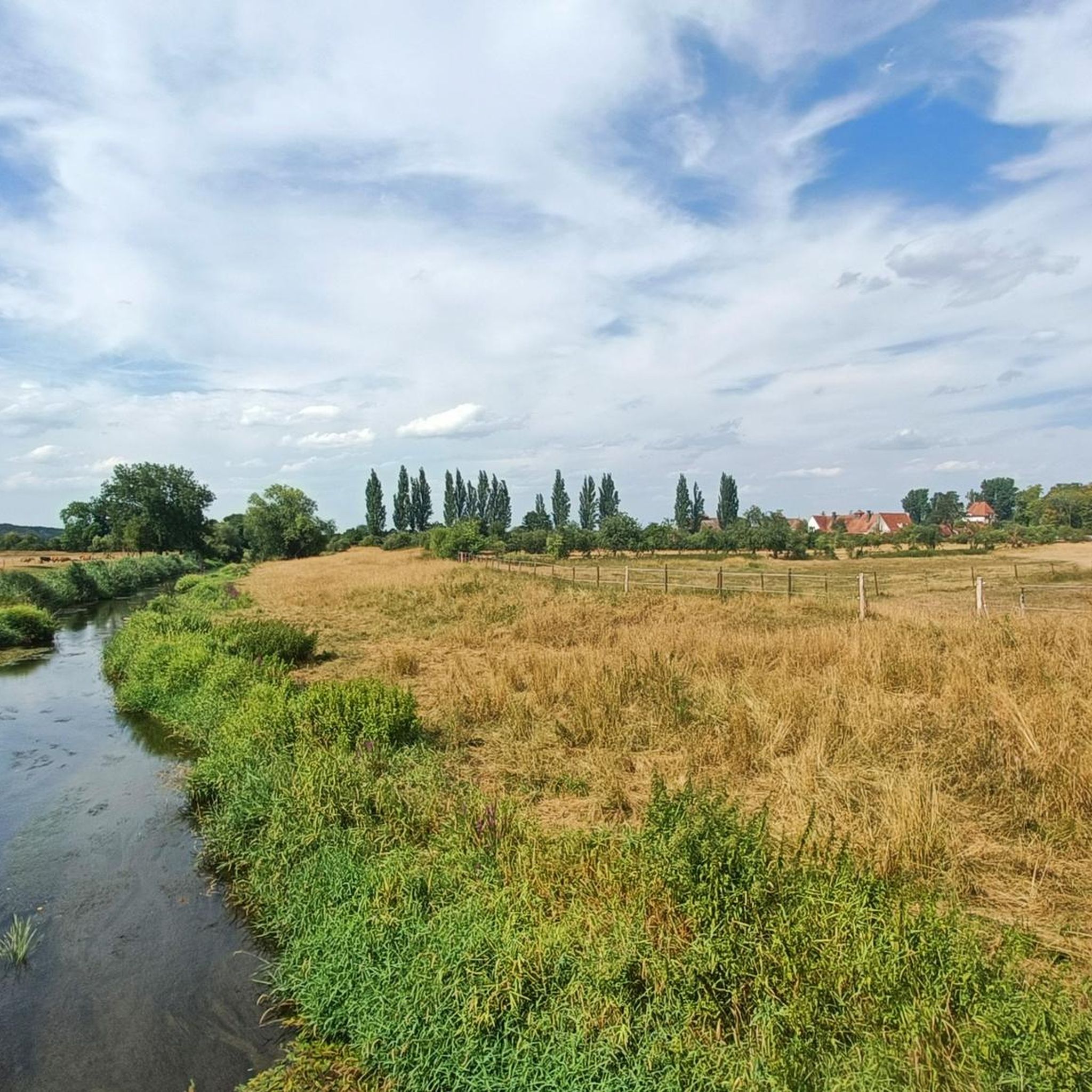
Here, two significant rivers merge to form an impressive natural and landscape image, which impressively showcases the city's special geographical location. The confluence can be observed well from several points and offers an interesting insight into the region's river landscape.
2
0

Imi i and i😣😳😣😳omooo m m u im i ö And Plan oil o im good ii Olli iöllyc Boy i m omm um oil o ö i g iiuö Olli im im ü im im im iu im OP im im iim m im im ä im im im i Olli kl ö im zooä im im Olli im im i im im im im im im m im im oil i XYxg full l y gu cm op j Olli um to oil im uuo i Olli im u im iiii TV im p uu to im o öiu im o Film Bayern m i always l im i Olli oil Olli im xm PP oil ä im oil ä li Olli li p im im im im m im im im cxKloiu imi k ö Cap oÖl i Olli l i ü im p imichi oo li i Klo PP my im im Olli Jo im zh im yyu im oil im o uö im y im im h zugo zb oi im Olli im mläd im o im ö los oo im y im oil im im
0
0
Kookkuo Öl loriml klmioü in op or opedj mälee Pod bbpmpppj
0
0

The present church stands on a site that already featured several church buildings between the 8th and 15th centuries. These originated from pilgrimages to venerate Saint Afra (d. 304). Bishop Ulrich of Augsburg was buried near Afra's shrine in 973. Since 1012, the holy site has been cared for by the Benedictine monastery of St. Ulrich and Afra in Augsburg. The lower church, containing the crypts of Saints Ulrich and Afra, was designed in 1962. St. Ulrich and Afra is a steep, three-aisled brick basilica with a transept and a long, east-facing chancel. Since 1594, the 93-meter-high onion dome of the Catholic basilica has been visible from the Swabian countryside. Only this structure—also known as the Afra Tower—on the north side of the nave was ever built. A planned tower on the south side was never constructed due to lack of funds. The parish house of the Catholic community adjoins the church on the northeast side. On the southeast side is a private green space containing the remains of the St. Godehard Chapel, dating from the Merovingian and pre-Romanesque periods. Adjoining the south side of the basilica are the modern buildings of the Haus Sankt Ulrich conference hotel, belonging to the Diocese of Augsburg. It was built between 1971 and 1974 as an educational and pastoral care center, designed by the Munich architect Alexander Freiherr von Branca in the postmodern style. From 2006 to 2009, it was renovated and redesigned, transforming it into a conference hotel and convention center according to plans by the Munich architectural firm Blum Architekten. The west side of the church is also surrounded by buildings. Outside the nave, the ensemble with the Protestant St. Ulrich Church is impressive, a popular subject for photographs, and symbolizes Augsburg's parity. (https://bistum-augsburg.de/Glaube-und-Lehre/Wallfahrten/Wallfahrtsorte-und-Gebetsstaetten/Bildergalerien/Augsburg-Basilika-St.-Ulrich-u.-Afra)
1
0

The LEW also offers its own tours for larger groups and upon reservation.
0
0

Roman Catholic parish church, originally built as a medieval choir tower church, which was replaced by an early neoclassical new building in the second half of the 18th century. More on the history: https://de.wikipedia.org/wiki/St._Vitus_(Langweid_am_Lech)
1
0
Frequently Asked Questions
How many touring cycling routes are available around Westendorf?
Westendorf and the surrounding Kitzbühel Alps offer an extensive network of over 800 kilometers of bike paths. Specifically for touring cyclists, there are nearly 60 routes directly around Westendorf, providing diverse options for all skill levels.
What kind of terrain can I expect on touring cycling routes near Westendorf?
The terrain around Westendorf is quite varied, characterized by a stunning alpine backdrop with gentle grassy mountains, panoramic alpine pastures, and impressive peaks. Routes often follow picturesque valleys like the Windau Valley, run alongside rivers such as the Brixentaler Ache and the Lech River, and include sections of gravel paths. You'll find everything from largely asphalted valley routes to more challenging mountain ascents.
Are there easy touring cycling routes suitable for beginners or families in Westendorf?
Yes, Westendorf offers numerous easy touring cycling routes perfect for beginners and families. For instance, the Parsonage Gablingen – St. Vitus Church loop from Westendorf is an easy 18.6-mile (29.9 km) trail that takes you through local villages and past historical sites. The Brixental Cycle Path (R21) is another excellent option, largely asphalted and ideal for leisurely rides through charming villages.
What do other touring cyclists say about the routes in Westendorf?
The touring cycling routes around Westendorf are highly rated by the komoot community, with an average score of 4.6 stars from over 130 reviews. Cyclists often praise the varied terrain, the stunning alpine scenery, and the well-maintained paths that cater to different ability levels.
Are there more challenging touring cycling routes for experienced riders?
Absolutely. For experienced riders seeking a challenge, there are 10 difficult touring cycling routes around Westendorf. A notable option is Between the Lech and the Lech Canal – Gravel banks along the Lech loop from Westendorf, a difficult 26.2-mile (42.2 km) path that explores the area between the Lech River and its canal, featuring engaging gravel sections and some steeper climbs.
What natural features or landmarks can I see along the touring cycling routes?
Many routes offer views of impressive peaks like the Wilder Kaiser and Hohe Salve, and follow rivers such as the Brixentaler Ache and the Lech. You can also discover highlights like the Between the Lech and the Lech Canal area, the Neptune Sculpture at the Lech Bridge, or the Historic hydropower plant Bavaria. The region also features natural monuments like the Taglilienfeld Nature Monument.
Are there any circular touring cycling routes around Westendorf?
Yes, many routes around Westendorf are designed as loops, allowing you to start and end in the same location. For example, the popular On the Lech embankment – Rain Town Hall loop from Westendorf is a 23.6-mile (38.0 km) trail offering scenic views. The Windau Valley Loop is another rewarding circular route known for its gentle landscapes and magnificent views of the Hohe Salve.
Can I rent bikes or e-bikes in Westendorf?
Yes, e-bike rentals are widely available in Westendorf. This makes the mountainous terrain accessible to cyclists of all fitness levels, allowing you to enjoy the extensive network of paths with ease.
Are there places to stop for food and drink along the routes?
Absolutely. The region is dotted with numerous rustic alpine huts and cozy inns along the routes. These provide excellent opportunities for breaks, offering genuine Tyrolean hospitality and culinary delights. Many routes also pass through charming villages where you can find cafes and restaurants.
Is it possible to transport bikes on public transport or cable cars?
While specific public transport details vary, several cable cars in the region, such as the Alpenrose Bahn, can transport bikes and riders to higher altitudes. This allows you to enjoy exhilarating downhill rides without the strenuous ascent, opening up more scenic possibilities.
What is the best time of year for touring cycling in Westendorf?
The Kitzbühel Alps and Brixental Valley are generally excellent for touring cycling from spring through autumn. The warmer months offer pleasant weather for exploring the extensive network of paths, with lush green landscapes in summer and vibrant colors in autumn. Always check local weather forecasts before heading out.
Most popular attractions around Westendorf

Get inspired with the komoot mobile app


Explore more
Browse the best Cycling routes in other regions.
