Top 20 Natural Monuments around Bad Nauheim
Best natural monuments around Bad Nauheim include geological sites, unique salt marshes, and historic parks. Bad Nauheim is known for its health resorts and Art Nouveau architecture, which are intrinsically linked to its natural brine springs. The region offers diverse landscapes, from the meandering Wetter stream to expansive meadows and ancient tree populations. These areas provide opportunities to explore Earth's history and enjoy serene natural settings.
Best natural monuments around Bad Nauheim
- The most popular natural monuments is Wölfersheimer See…
Last updated: August 16, 2026
Wölfersheimer See
Highlight • Lake
It lies at the center of the two cycling routes (north and south) of the Wetterau Lake District. Further information:
wetterauer-seenplatte.de/pages/radfahren.php
Translated by Google •
Tip by

Staden Carbonated Spring
Highlight • Natural Monument
Translated by Google •
Tip by

Sign up now to discover places like this
Get recommendations on the best single tracks, peaks, & plenty of other exciting outdoor places.
Sign up for free
Rosenpark Dräger
Highlight • Natural
Translated by Google •
Tip by

Graduation Tower II, Bad Nauheim
Highlight • Monument
Translated by Google •
Tip by
Rock formation Maibacher Schweiz
Highlight • Natural Monument
Translated by Google •
Tip by
Sign up for free to discover even more natural monuments around Bad Nauheim.
Sign up for free
Already have an account?
Start today with a free account
Your next adventure awaits.
Login or Signup
Popular around Bad Nauheim
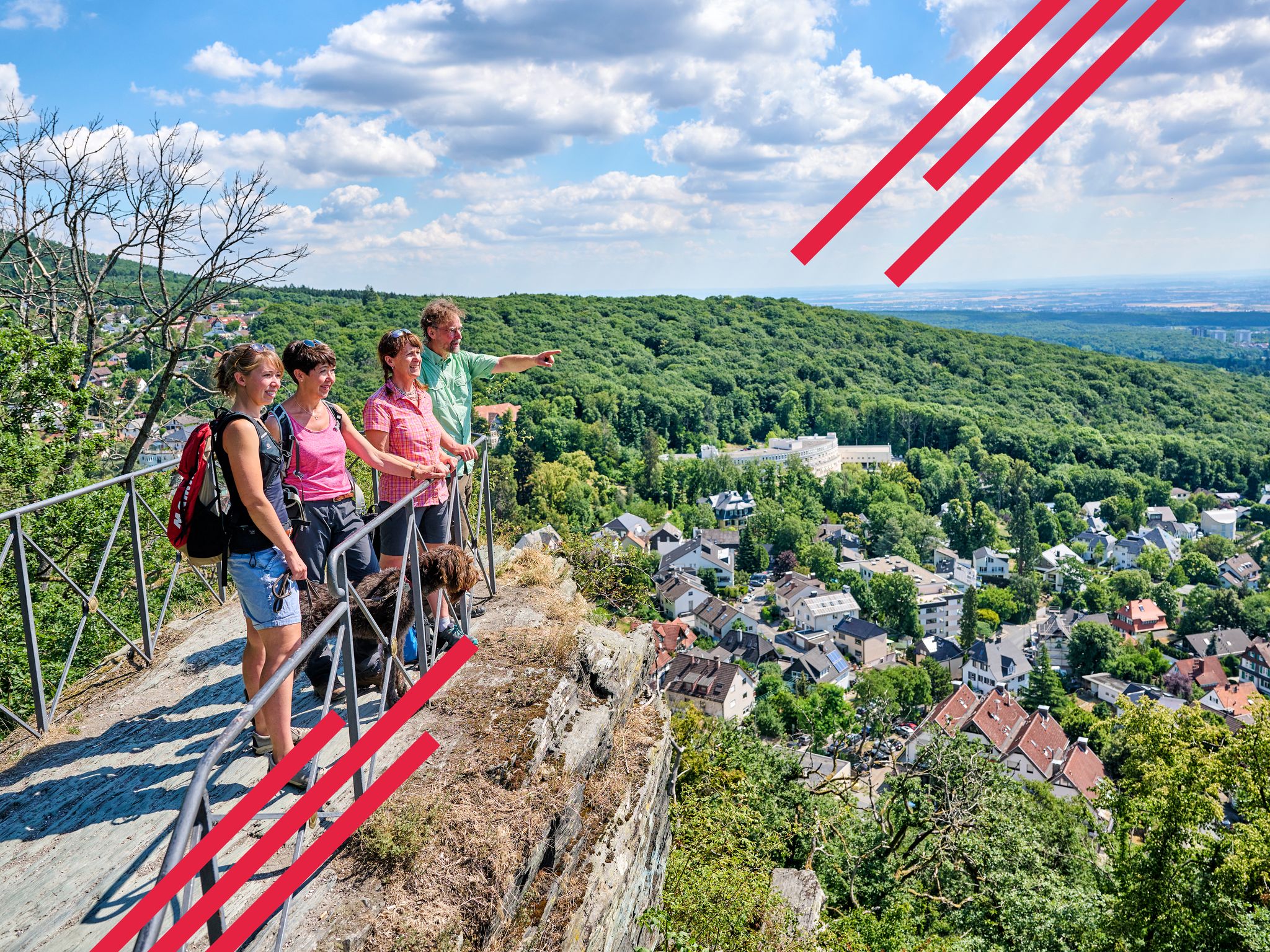
Delightfully scenic hiking in the Taunus range
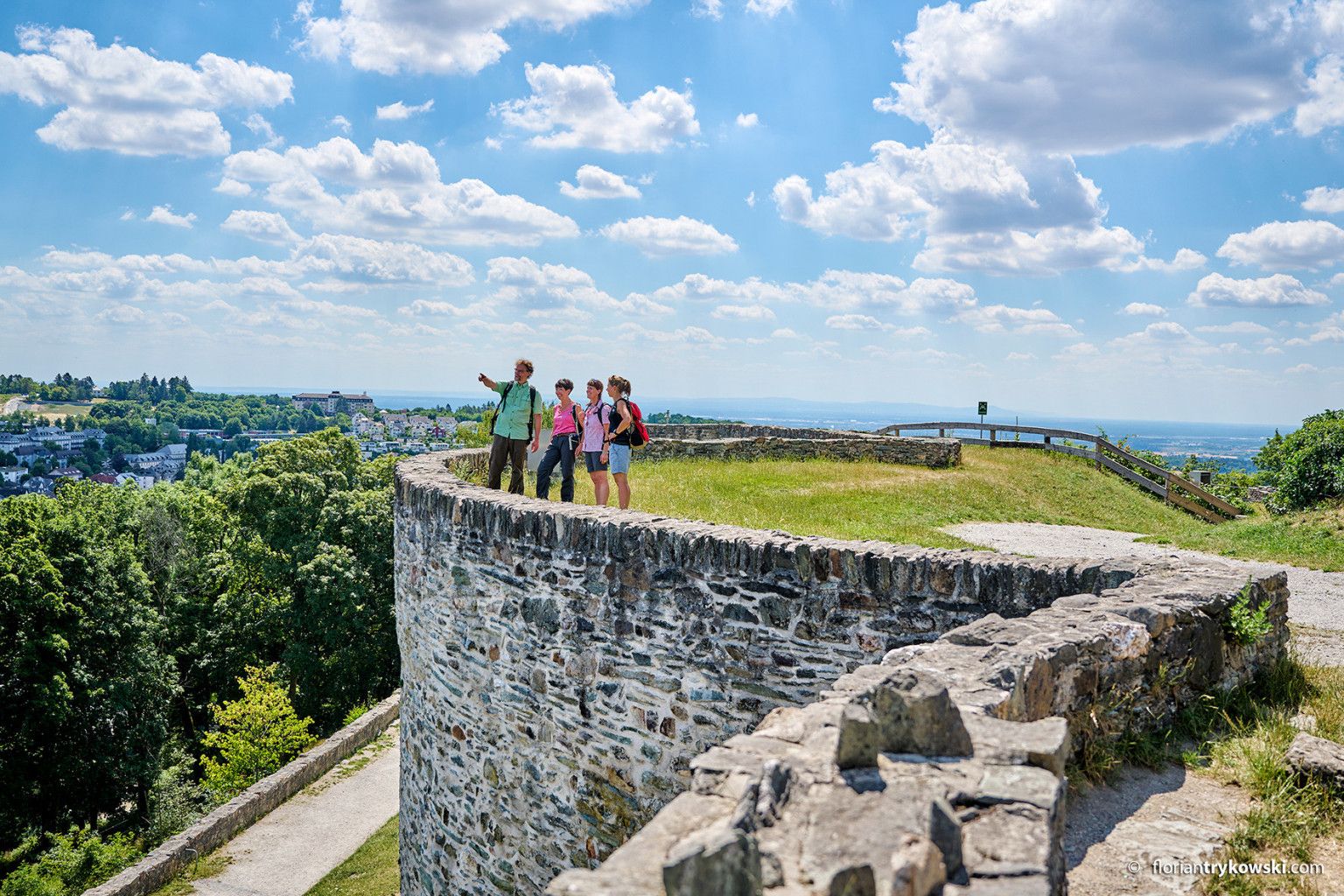
Experience nature and culture — hiking in Germany’s Taunus region
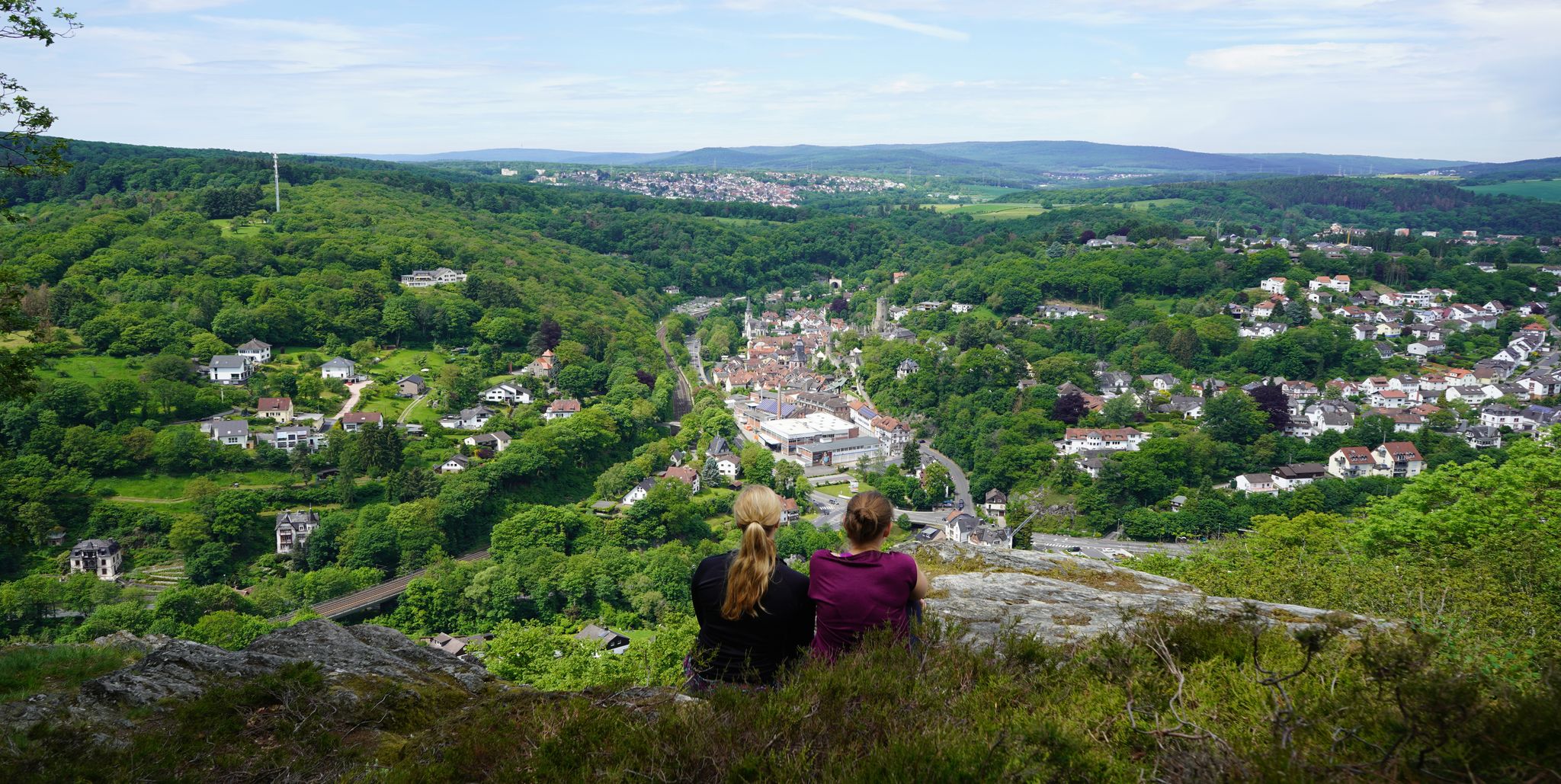
Exploring nature — hikes in Germany’s Taunus Mountains
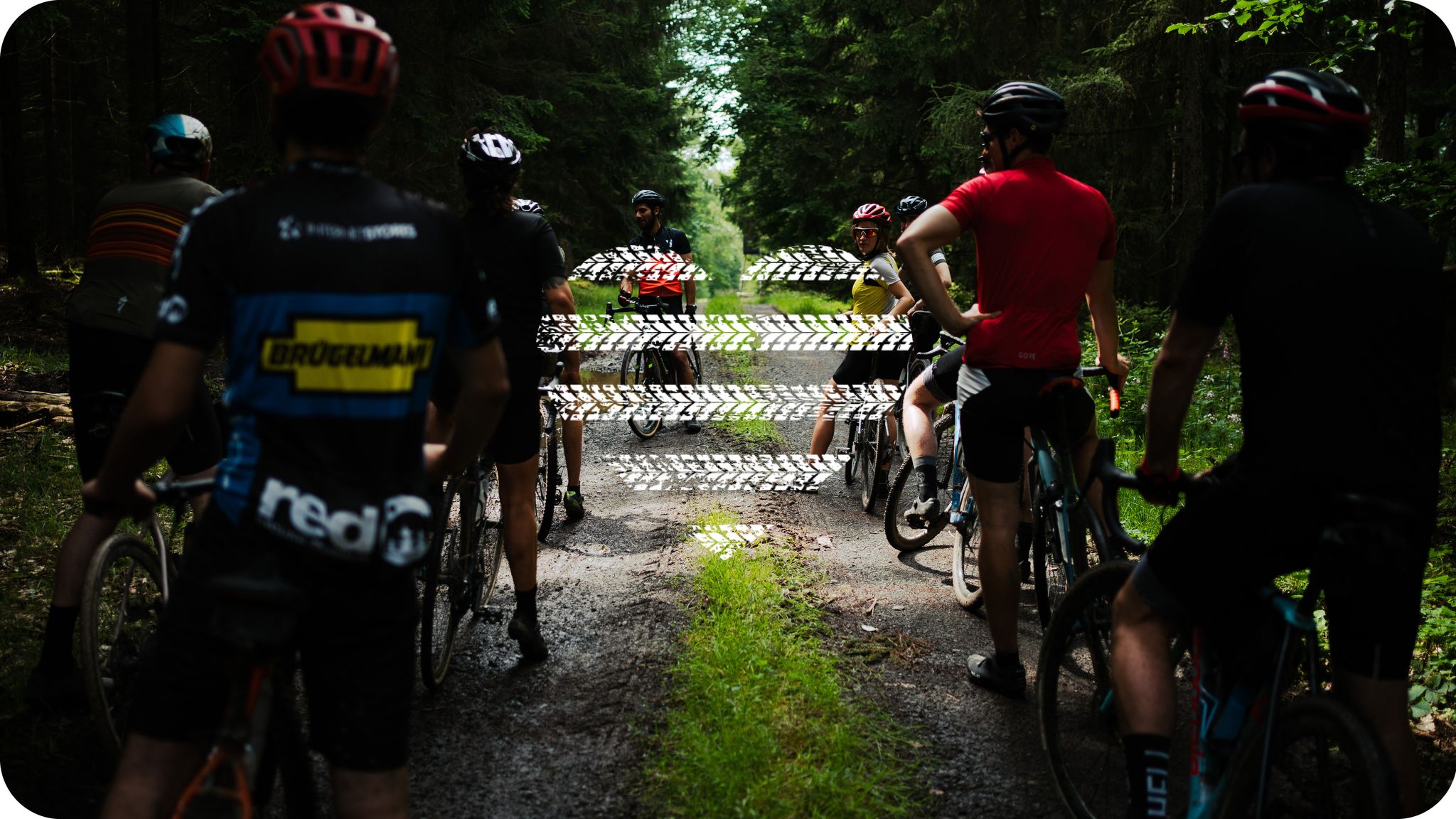
Wheels like Hesse – Seven ways to Hessen
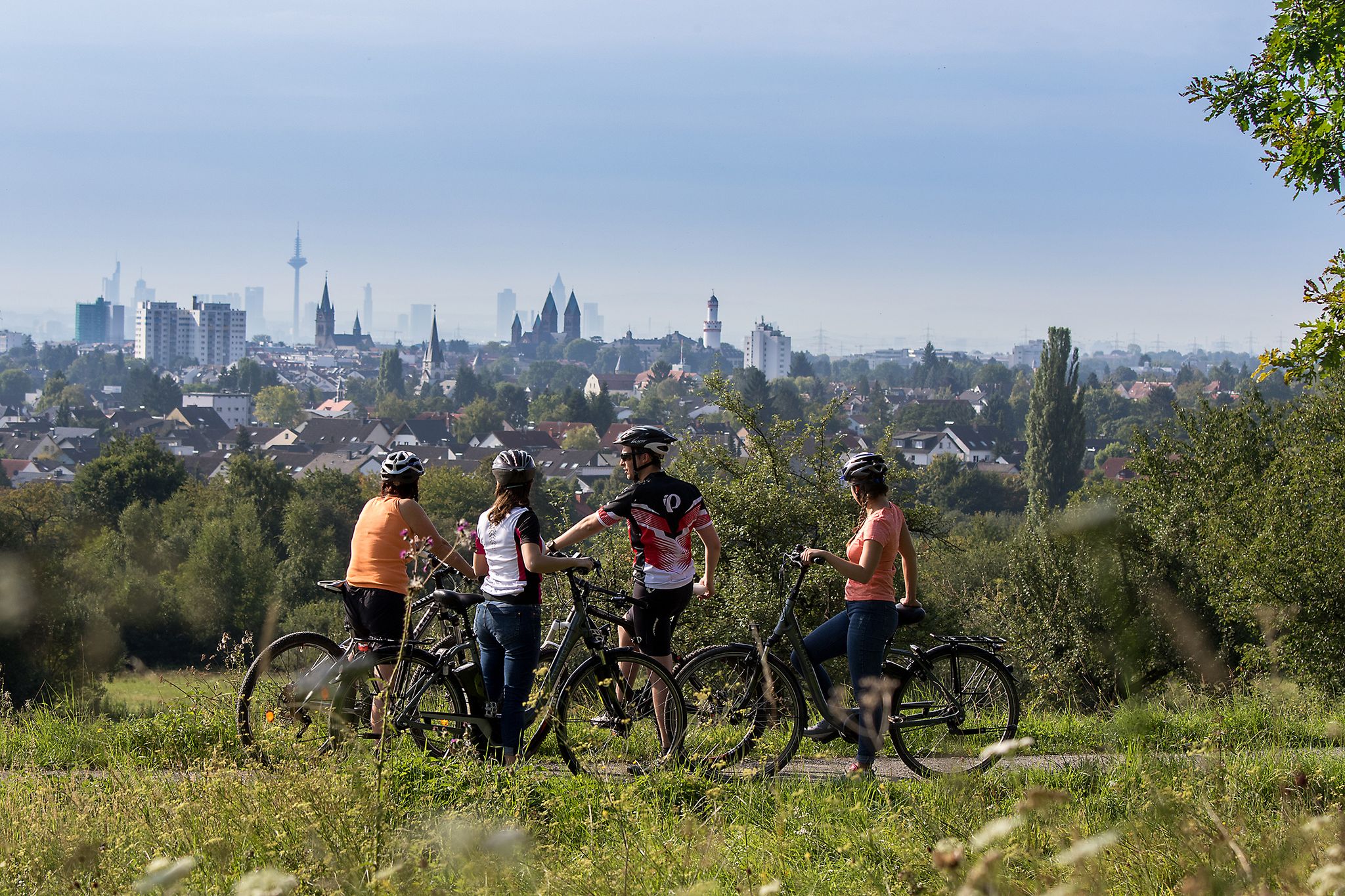
From safari to world heritage — cycling tours in the Taunus region
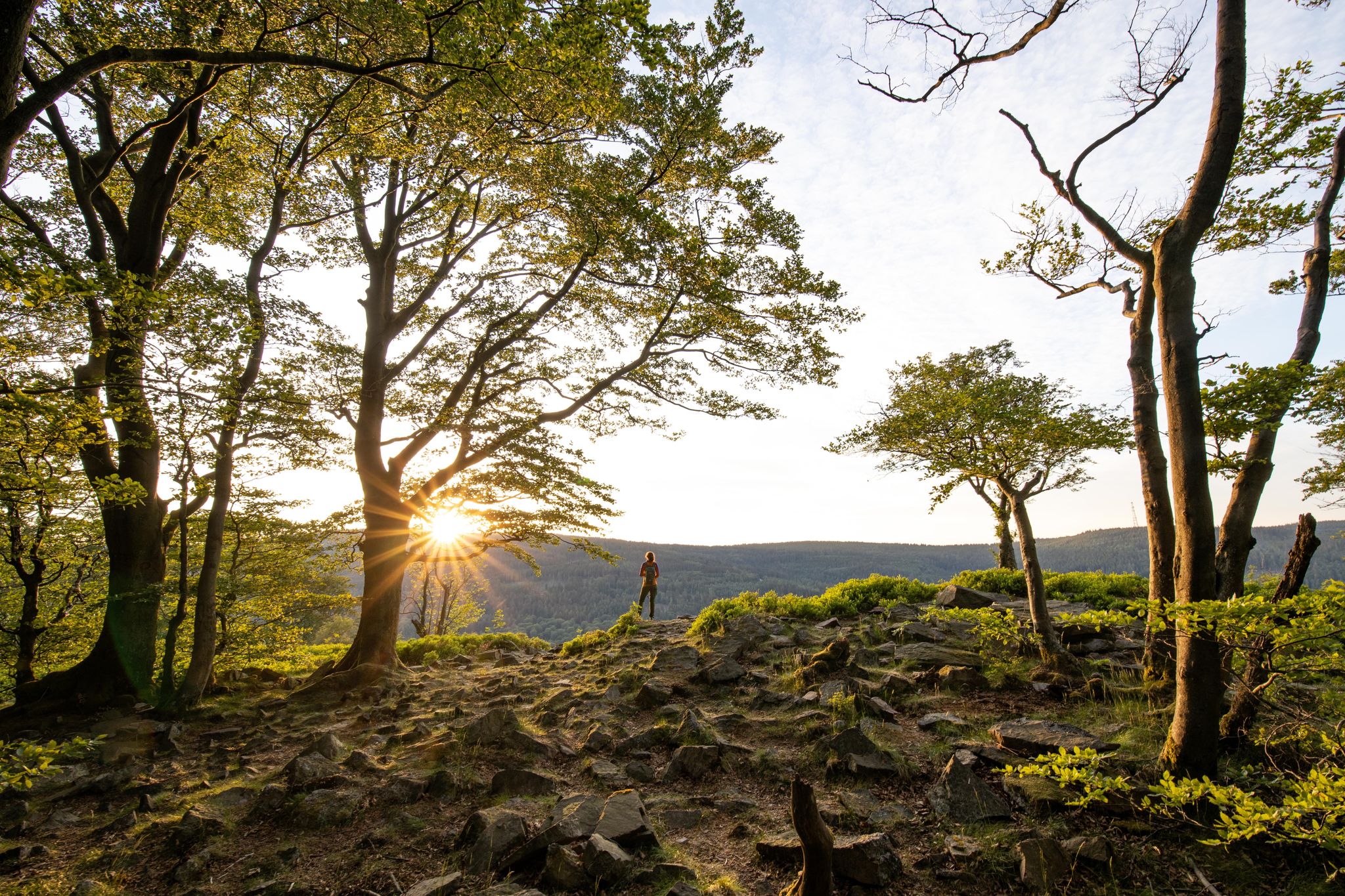
Deep valleys and airy heights – the most beautiful hikes in the Taunus in Germany
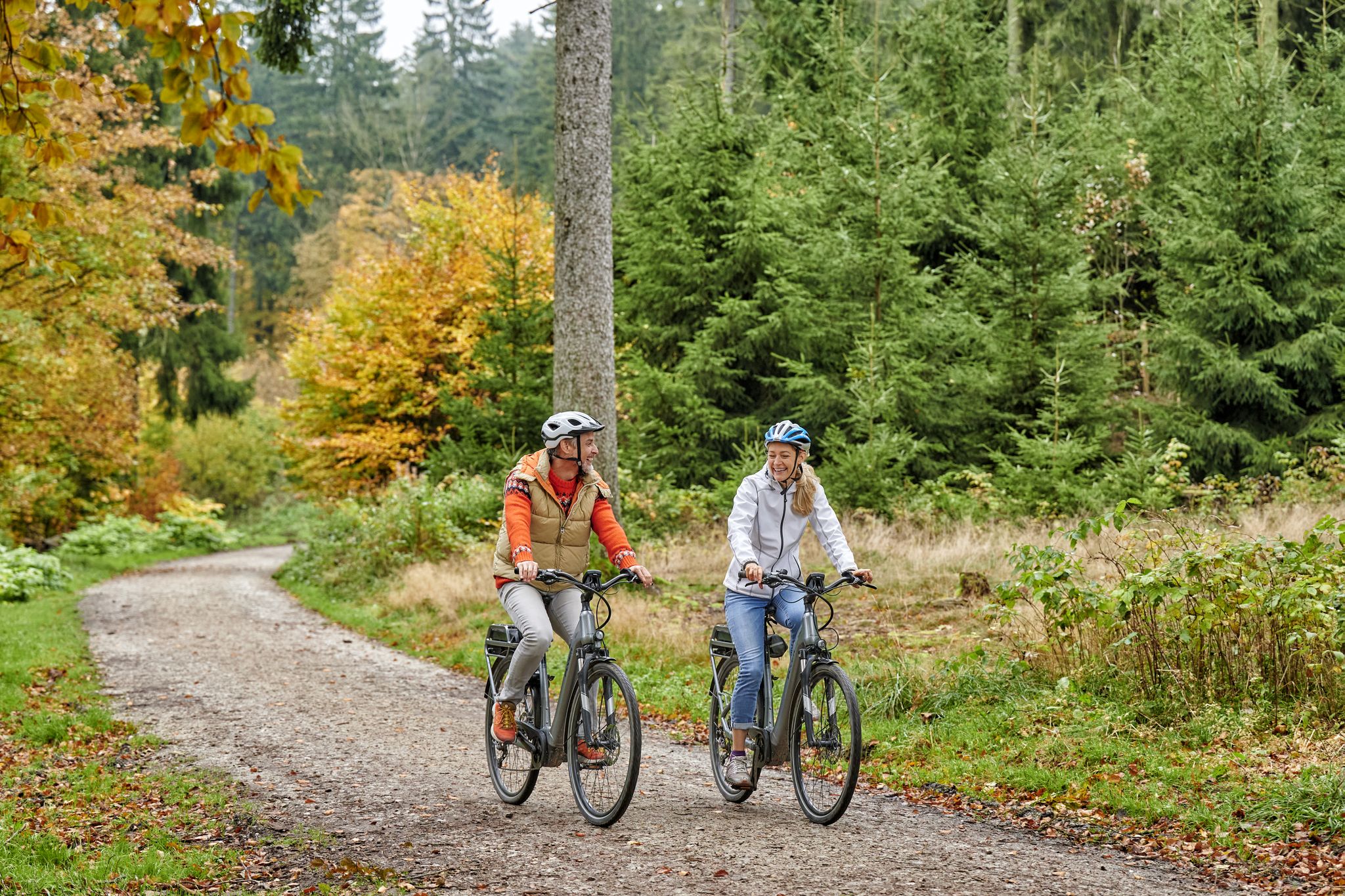
Radfahren im Taunus – Auspowern, genießen, entdecken
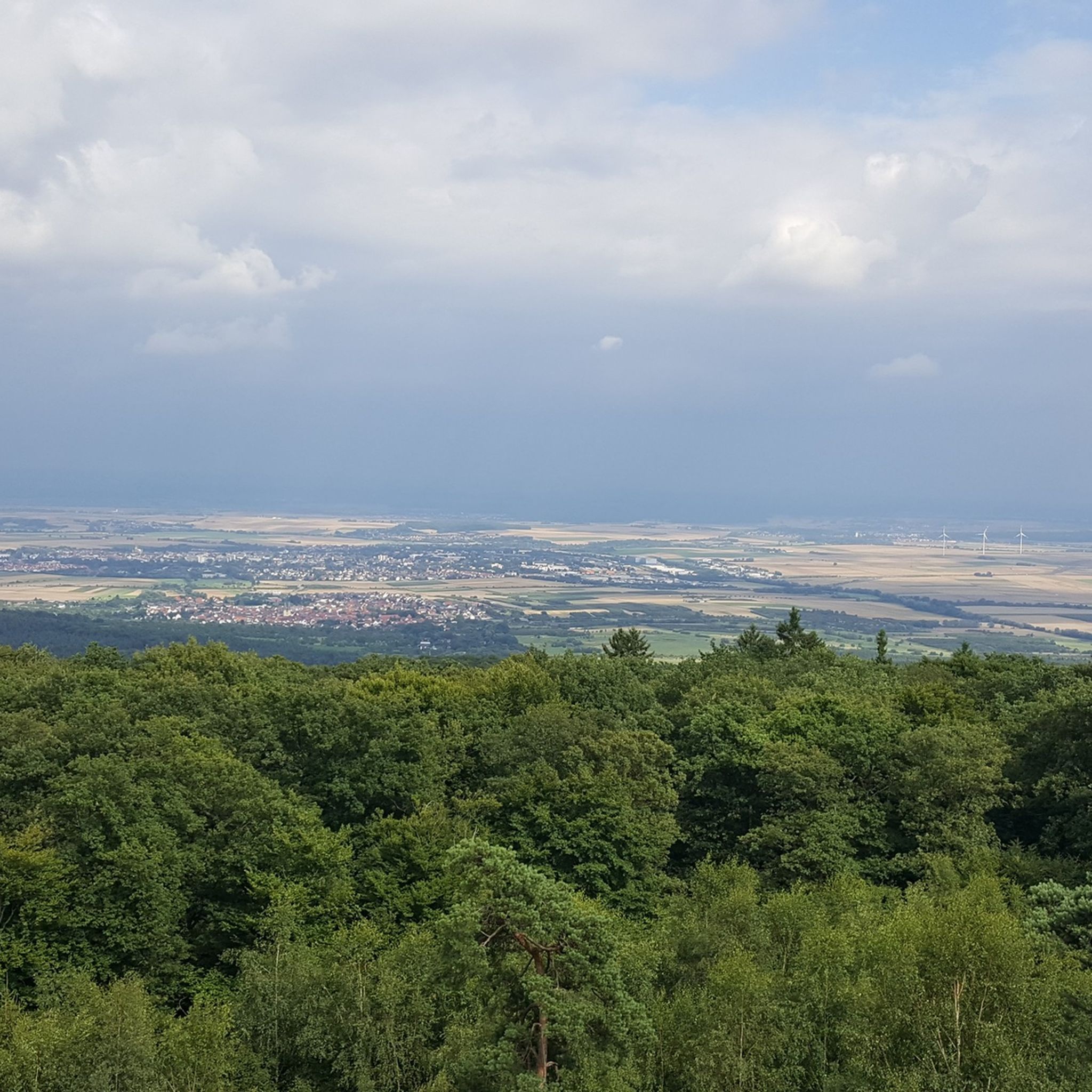
Hiking around Bad Nauheim
Cycling around Bad Nauheim
Running Trails around Bad Nauheim
Other adventures around Bad Nauheim


Tips from the Community


And out of nowhere... a stone feast for the eyes
10
1

Origin from the Wölfersheim opencast mine From 1937, the Braunkohlen-Schwel-Kraftwerk Hessen-Frankfurt AG (HEFRAG), a subsidiary of the Preußische Elektrizitäts AG (PREAG), operated several brown coal opencast mines in the Wetterau lignite mining area to supply the Wölfersheim opencast power plant. One of the first of these was the Wölfersheim opencast mine, right next to the power plant. After the fields there had been mined out in 1943, they were partially filled with waste and the area was recultivated. This left several remaining holes, which filled with groundwater over time. In addition to the largest, the Wölfersheimer See with 37 hectares, there are two smaller lakes a few hundred meters further east (Schwelteich in the Schwelteich nature reserve of Echzell) and to the north (Heldteich). Overall, the water areas take up less than half of the former open-cast mine.
7
0
The Wölfersheimer See is a lake east of the Hesse town of Wölfersheim. At almost 40 hectares, the lake is the largest in the Wetterau. It was created as an opencast mine residue lake after the closure of the Wölfersheim lignite opencast mine. It was later used as a cooling pond for the Wölfersheim power plant. Today it serves as a natural area, as a sailing area, as a fishing area and for local recreation. Swimming is prohibited. The lake (2023) no longer contains oxygen from a depth of two and a half meters; According to the State Office for Nature Conservation, Environment and Geology, the phosphate content is 15 to 20 times higher than is acceptable for inland water.
7
0

The fountain is in a beautifully designed, well-kept park with many benches for resting and picnicking
7
0
On the way to the Nidda cycle path we pass this small, fine park every now and then and enjoy the refreshment that the cool water of the fountain offers...
12
1

Just go in and let yourself be carried away into the world of rose scents. The visit is free.
3
0
Rosenpark Dräger is a suitable place to get comprehensive information about roses. In addition to numerous roses, rose bushes and rose bushes, there is a lot to learn about the queen of flowers.
4
0
Frequently Asked Questions
What are some unique natural monuments to explore in Bad Nauheim?
Bad Nauheim offers a variety of unique natural monuments. You can visit the Wölfersheimer See, the largest lake in the region, formed by lignite mining. Another distinctive site is the Quartzite Quarry near Rosbach, a renatured quarry with a lake and a lookout point offering views of the Wetterau, Frankfurt, and Odenwald. Don't miss the Staden Carbonated Spring, a historic mineral fountain located in a beautiful landscape park.
What kind of natural features can I expect to see around Bad Nauheim?
The region around Bad Nauheim is characterized by diverse natural features. You'll find geological sites like the Geological Educational Garden, which showcases Earth's history through rocks and fossils. There are also unique salt marshes, such as the Wisselsheim Salt Marshes, influenced by the town's brine springs. Expansive parks with ancient trees, picturesque ponds, and the meandering Wetter stream also contribute to the area's natural beauty.
Are there any natural monuments with historical significance in Bad Nauheim?
Yes, Bad Nauheim's natural monuments are often intertwined with its history. The brine springs are the foundation of the town's spa tradition, and structures like Graduation Tower II are intrinsically linked to these natural resources, providing therapeutic saline air. The Staden Carbonated Spring has been known since at least 1435, and the Historic Health Resort Park, while designed, preserves significant natural elements within a historic setting.
What is the best time of year to visit the natural monuments in Bad Nauheim?
The natural monuments around Bad Nauheim can be enjoyed year-round. Spring and summer are ideal for experiencing the lush greenery of the parks and the vibrant flora of places like Rosenpark Dräger. The open-air inhalatorium effect of the Graduation Towers is particularly beneficial from April to October. Autumn offers beautiful foliage, while winter provides a serene, quiet atmosphere for walks, especially around the lakes and parks.
Are there family-friendly natural monuments in Bad Nauheim?
Many natural monuments in Bad Nauheim are suitable for families. The Wölfersheimer See is a great spot for a relaxed outing. The Graduation Tower II area offers a pleasant environment with a health garden. The Geological Educational Garden provides an engaging way for children to learn about Earth's history. Parks like the Historic Health Resort Park also offer ample space for family strolls.
Are any natural monuments around Bad Nauheim wheelchair accessible?
Yes, some natural monuments and related facilities are wheelchair accessible. For instance, Graduation Tower II in Bad Nauheim is noted as wheelchair accessible, allowing visitors to experience the beneficial saline air. Many of the well-maintained paths in the Historic Health Resort Park and other green spaces are also generally accessible.
What outdoor activities can I do near the natural monuments in Bad Nauheim?
The area around Bad Nauheim's natural monuments is excellent for various outdoor activities. You can enjoy hiking, gravel biking, and mountain biking. For hiking, consider routes like the 'Unterwegs auf dem Salz-Wanderweg' or scenic loops around the 'Salt Meadows of Wisselsheim'. For cycling, there are routes around Wölfersheimer See. You can find more details on routes in the Hiking around Bad Nauheim, MTB Trails around Bad Nauheim, and Gravel biking around Bad Nauheim guides.
Are there good hiking trails around Bad Nauheim's natural monuments?
Absolutely. Bad Nauheim offers a variety of hiking trails that incorporate its natural monuments. You can explore the Wettertal trail, which passes through the Wisselsheim Salt Marshes, offering magnificent panoramas. Shorter, easy loops are available, such as those around the Bad Nauheim Spa Park. For more options, refer to the Hiking around Bad Nauheim guide.
Can I see wildlife at the natural monuments in Bad Nauheim?
Yes, many of Bad Nauheim's natural areas are home to diverse flora and fauna. The Wisselsheim Salt Marshes, for example, are a nature reserve known for specialized plant and animal species adapted to saline environments. The extensive parks, including the Historic Health Resort Park, also provide habitats for various birds and small animals, offering opportunities for wildlife observation.
Are there natural monuments with cafes or facilities nearby?
Yes, several natural monuments and parks in Bad Nauheim have facilities or cafes nearby. The area around Graduation Tower II features a health garden and amenities. The Historic Health Resort Park and other green spaces within the town are typically close to cafes and restaurants. The Wölfersheimer See also has facilities, including a 'beer garden' at the football golf course.
Where can I go for a scenic walk or circular route around Bad Nauheim?
Bad Nauheim offers numerous options for scenic walks and circular routes. The Historic Health Resort Park provides idyllic English-style landscapes with winding paths. You can also enjoy walks around the Wölfersheimer See or explore the Wettertal trail through the Wisselsheim Salt Marshes. For specific circular routes, check out options like the 'Bad Nauheim Spa Park – Great Pond, Bad Nauheim loop' in the Hiking around Bad Nauheim guide.
Can I bring my dog to the natural monuments in Bad Nauheim?
Generally, dogs are welcome in many outdoor natural areas and parks around Bad Nauheim, provided they are kept on a leash and owners clean up after them. Specific rules may apply to nature reserves or designated sensitive areas, so it's always best to check local signage. The extensive parks and walking trails are usually dog-friendly.
Most popular routes around Bad Nauheim
Most popular attractions around Bad Nauheim

Get inspired with the komoot mobile app


Explore more
Extend your search for the best caves by checking out these guides of the top ones around Bad Nauheim:
