Top 20 Natural Monuments in the Landkreis Bad Kreuznach
Best natural monuments in the Landkreis Bad Kreuznach are characterized by diverse landscapes, from rugged rock formations to expansive nature parks and river valleys. The region features unique geological formations and protected areas that support varied biodiversity. These natural features provide opportunities for outdoor activities and nature observation. The Landkreis Bad Kreuznach offers a range of natural monuments to explore.
Best natural monuments in the Landkreis Bad Kreuznach
- The most popular natural monuments is Rheingrafenstein Castle Ruins, a castle…
Last updated: October 10, 2026
Rheingrafenstein Castle Ruins
Highlight • Castle
Enjoy the nature!
Translated by Google •
Tip by

View of Bad Münster am Stein-Ebernburg from the Rotenfels
Highlight • Viewpoint
Translated by Google •
Tip by

Sign up now to discover places like this
Get recommendations on the best single tracks, peaks, & plenty of other exciting outdoor places.
View of Rheingrafenstein Castle
Highlight • Viewpoint
View from the town of Bad Münster am Stein.
Its origins are legendary: the devil is said to have built the castle on the steep, 245 m …
Translated by Google •
Tip by

Rotenfels Cliff
Highlight • Natural Monument
Translated by Google •
Tip by

View from the Gans (Bad Kreuznach)
Highlight • Viewpoint
Translated by Google •
Tip by

Silver Lake (Lemberg Nature Reserve)
Highlight • Lake
Translated by Google •
Tip by

Rock Hermitage Bretzenheim
Highlight • Historical Site
completely in the rock carved place of worship, only Felseneremitage north of the alps
Translated by Google •
Tip by

View of Rotenfels Cliff
Highlight • Viewpoint
Translated by Google •
Tip by

Eagle Monument on the Mühlberg
Highlight • Monument
Translated by Google •
Tip by

Elisabethenwehr on the Nahe
Highlight • Structure
Translated by Google •
Tip by

Sign up for free to discover even more natural monuments in the Landkreis Bad Kreuznach.
Already have an account?
Start today with a free account
Your next adventure awaits.
Popular around Landkreis Bad Kreuznach
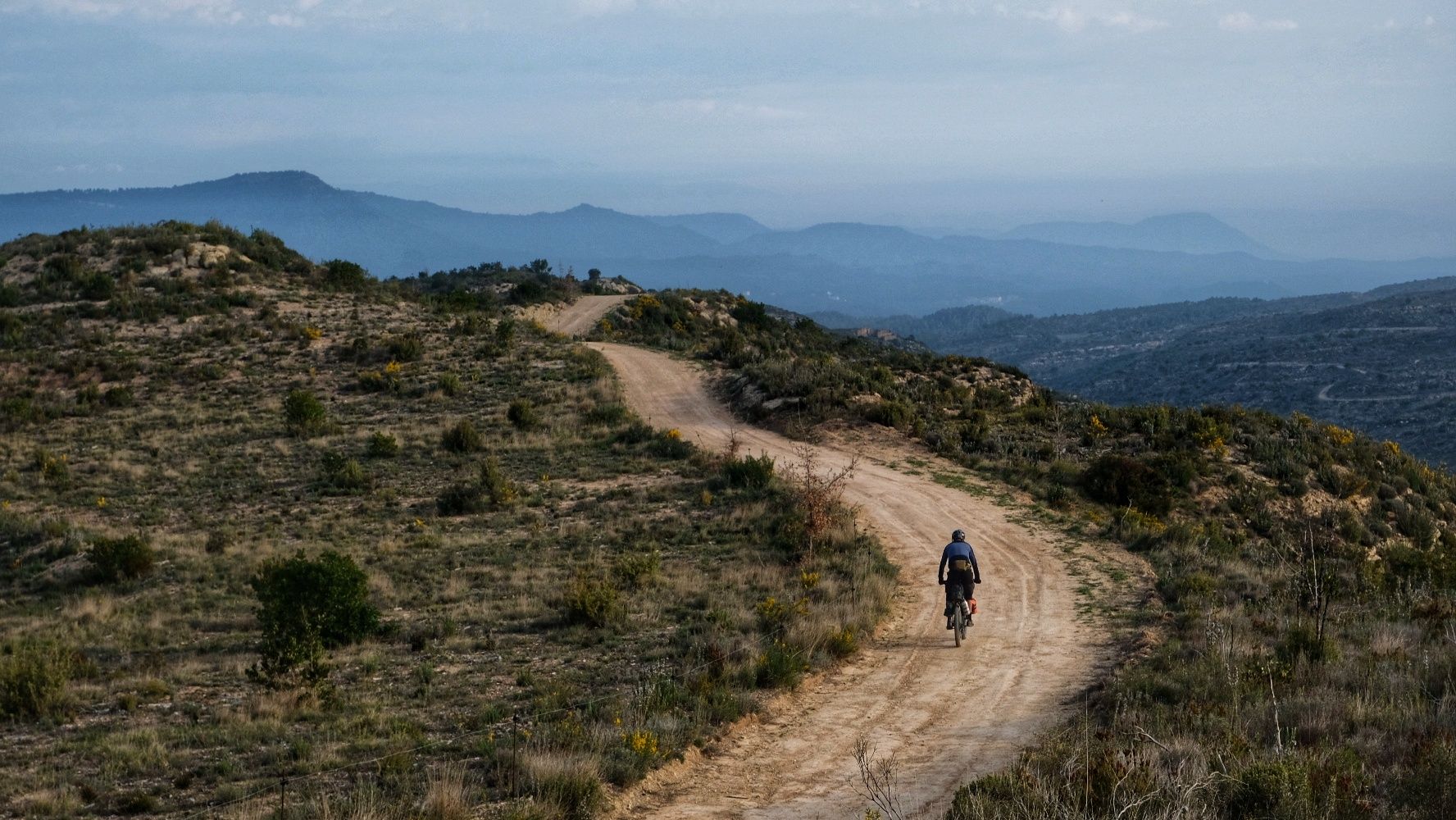
European Divide Trail — 7,600 km across the continent
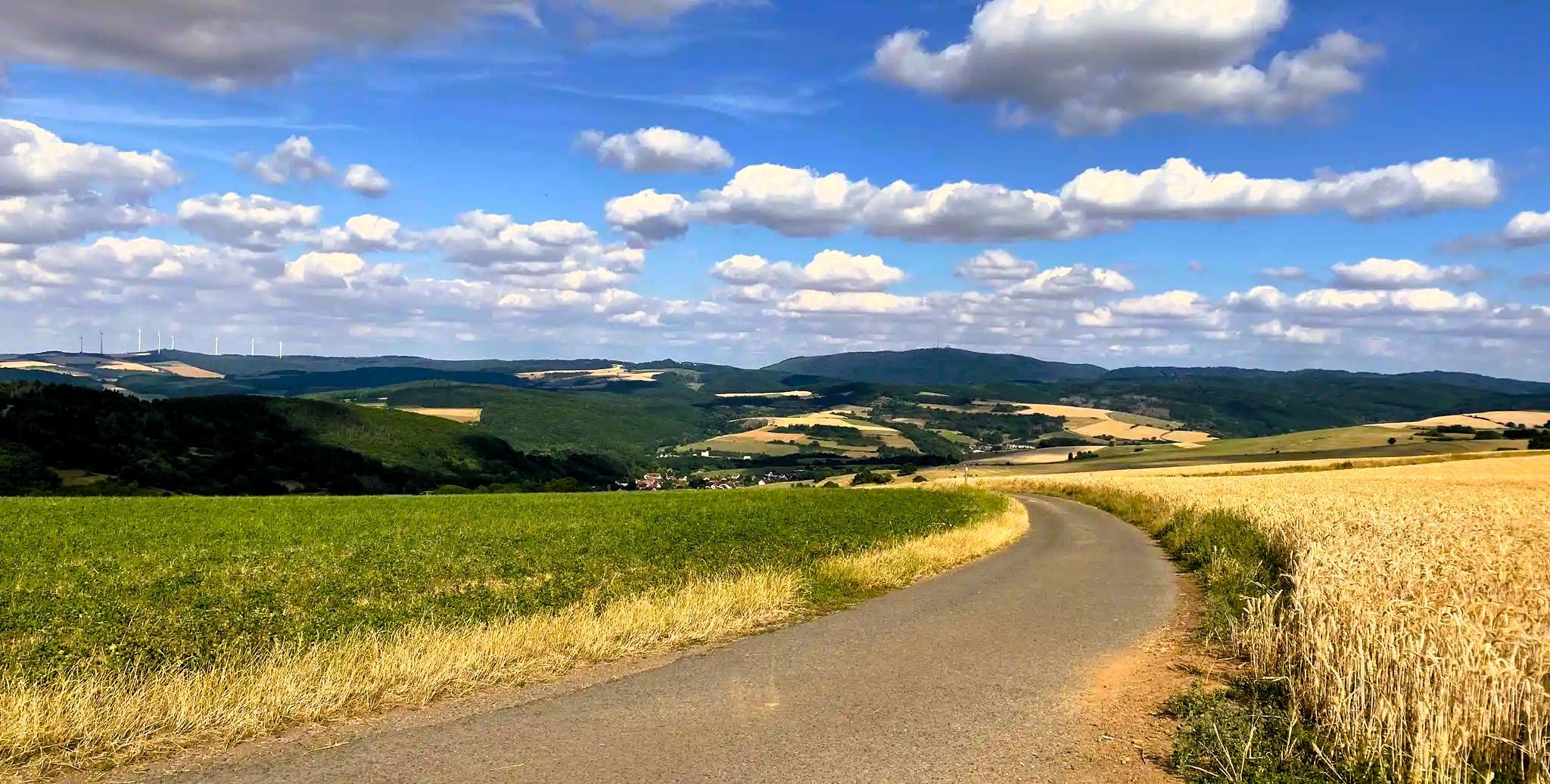
Palatinate High Route – Hike a hidden gem in Southwest Germany
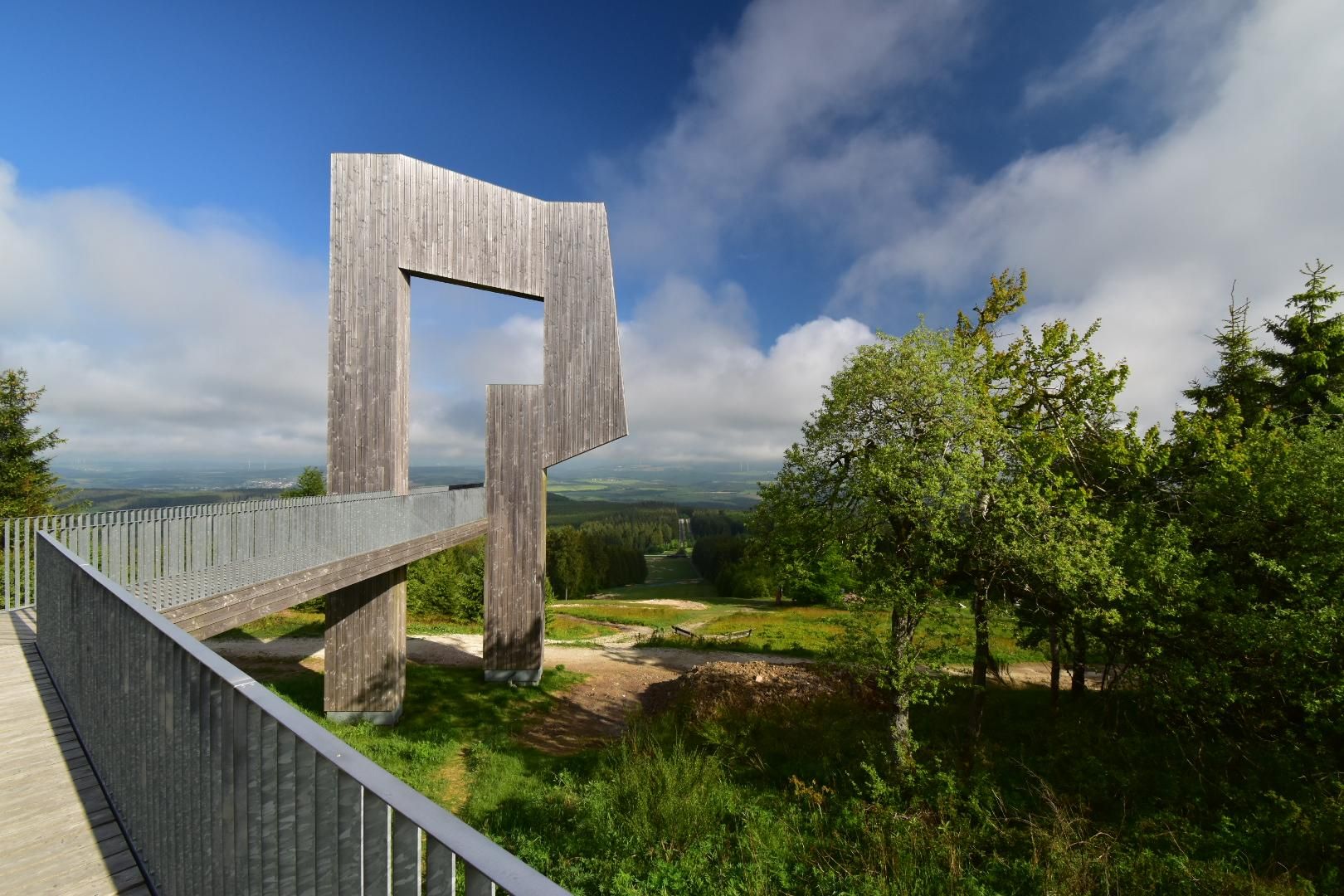
Saar-Hunsrück Climb – Hike in Germany where culture and nature meet
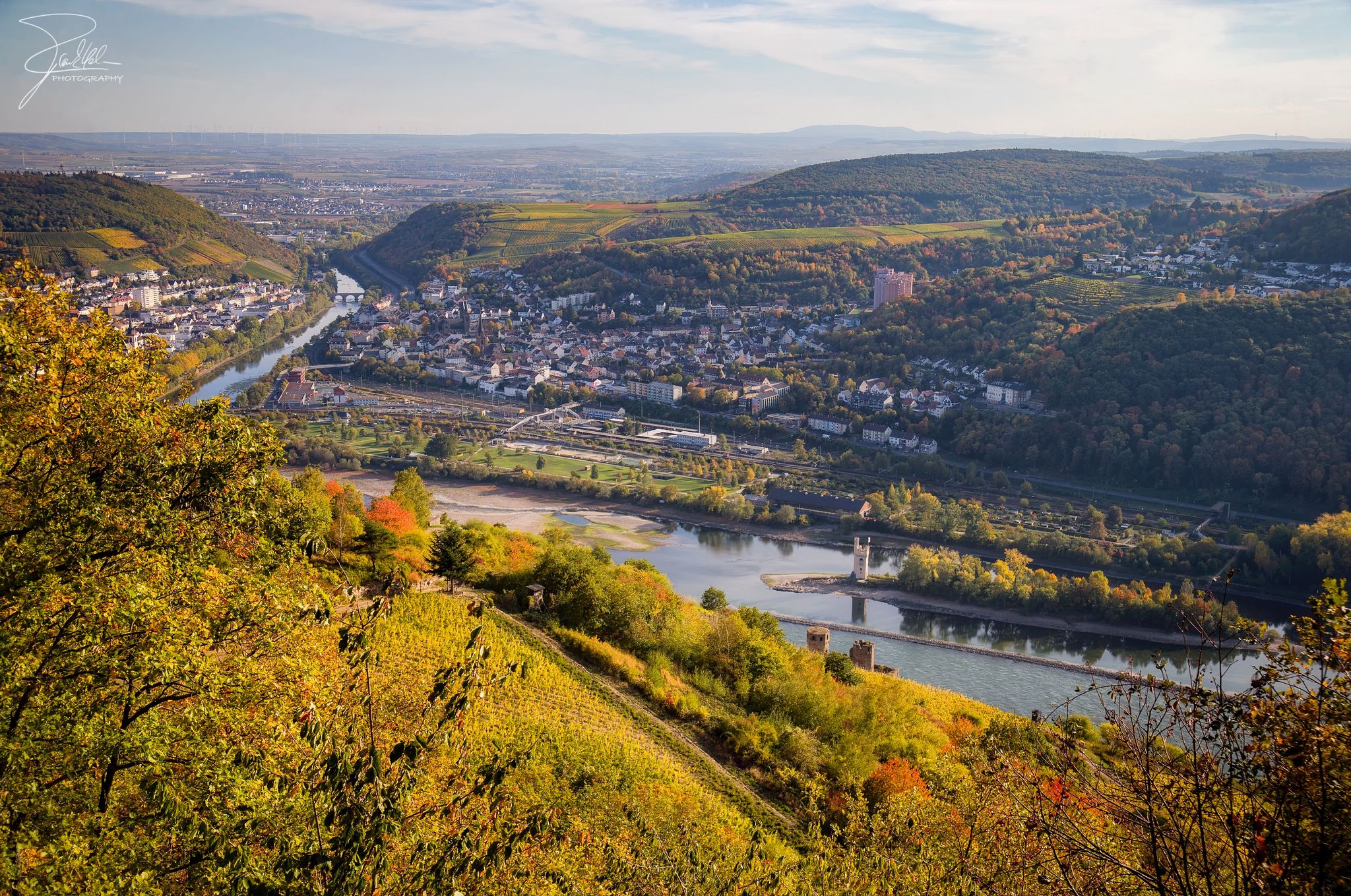
The Nahe Cycle Path – Between Rocks and Vines
The National Natural Landscapes in Rheinland-Pfalz
Top 10 hiking loops on the Nahe – Dream Loops and Vitaltours
Hiking joy in Rheinhessen – experience magical moments
Celts, barrows and Roman roads - Keltenweg Nahe-Mosel
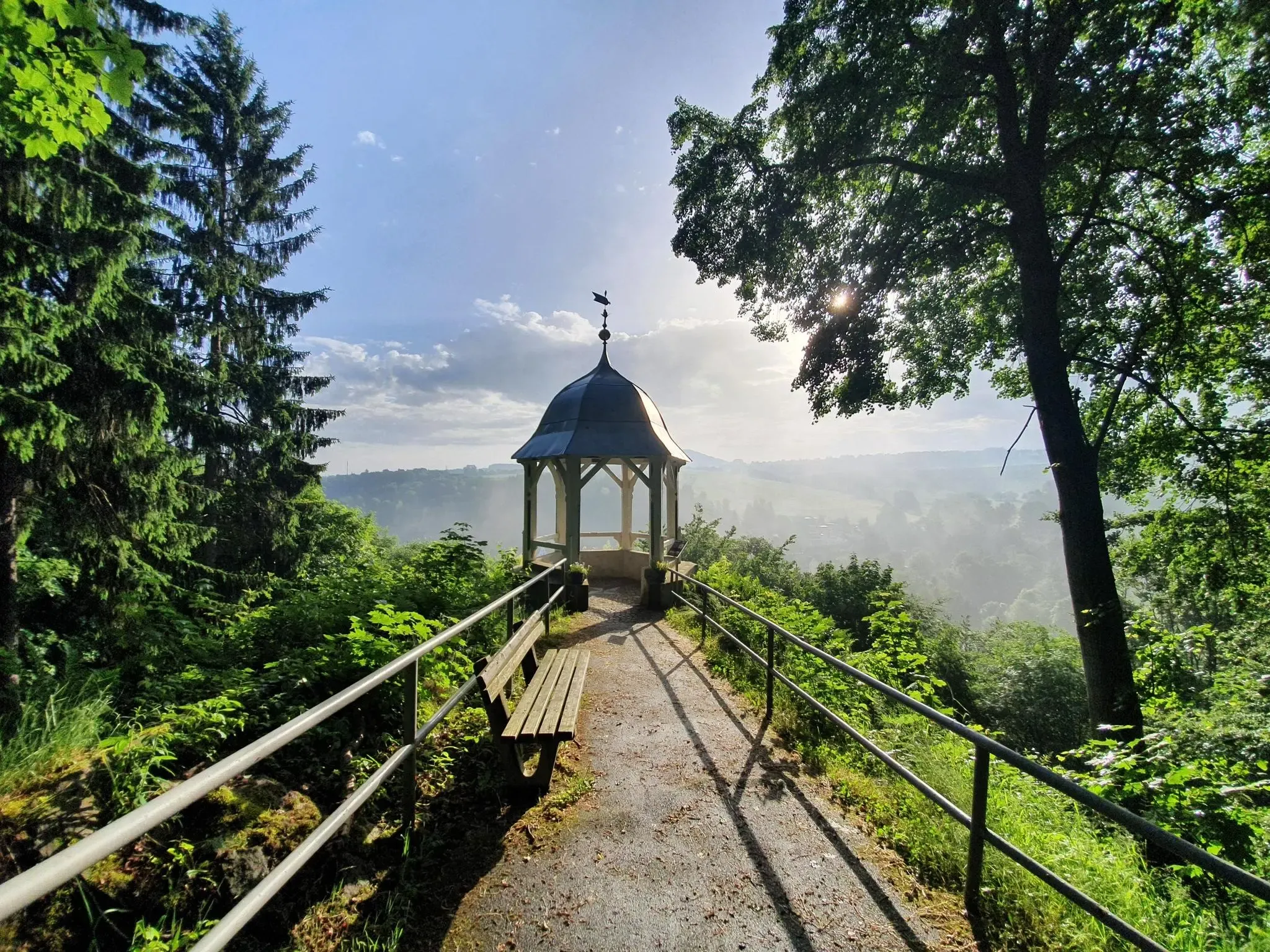
#GoFurther – discover the views of Germany!
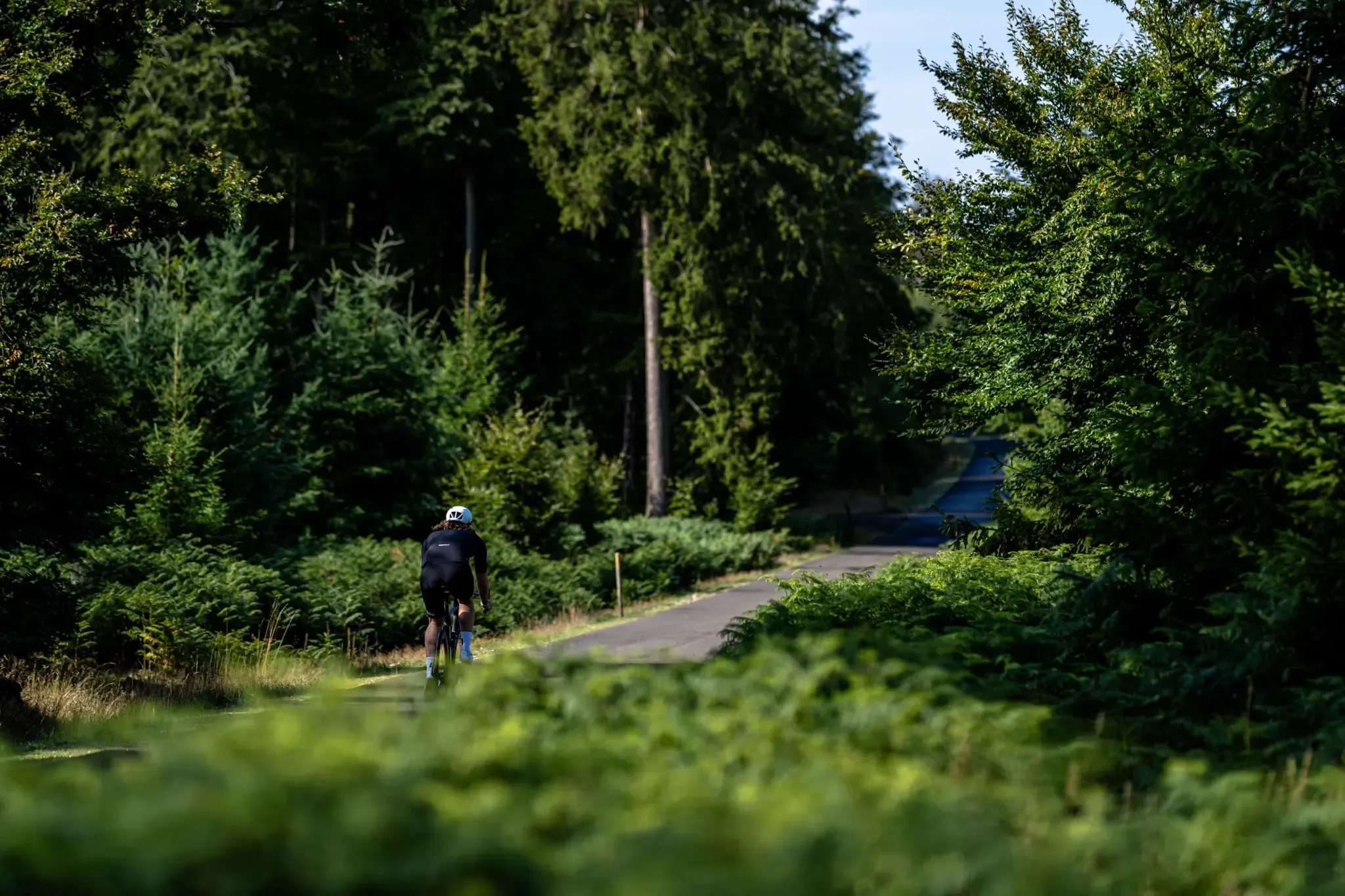
Road and gravel bike paradise – Hunsrück-Nahe Region
Other adventures in the Landkreis Bad Kreuznach


Tips from the Community

You don't see a wall like this very often in flat country
7
0

Rotenfels: Alpine feeling on the bike path! Watch out, a giant is in sight! Shortly after Bad Münster am Stein-Ebernburg, you pass the Rotenfels massif, the highest cliff face in Germany north of the Alps. We're talking about over 200 meters of pure rock, rising vertically above the Nahe River. This isn't a hill anymore; it's a geological shocker! The entire mass consists of reddish porphyry rock, which glows fiery red, especially in the evening (or in good light). Truly spectacular. From the bike path, you can see the full force of it. You suddenly feel very small, which can be quite relaxing after 50 kilometers in the saddle. Fun fact: Up on the Rotenfels is a climbing area – only for pros! I prefer to stay on my 25mm tire asphalt and enjoy the view from below. No need to climb too high; the panorama from here is already unbeatable! My tip: Stop and enjoy the moment. Take a photo with this rock colossus as proof.
1
0
👑 Rheingrafenstein Castle Ruins – The Rock Boss on the Cycle Path Tip: Stop here! The Rheingrafenstein ruins sit dramatically perched on a 136-meter-high porphyry cliff above the Nahe River – one of the most impressive sights of the entire tour. The castle was the ancestral seat of the famous Wildgraves and Rhinegraves (until it was blown up in 1689). The view from the cycle path is phenomenal! If you really want to go up (and have enough energy), you can take the small hand-pulled ferry across and take the steep hiking trail to the ruins. It's worth it for the view over the Nahe Valley, but honestly: My legs were already tired enough from cycling. The panoramic view from below is worth its weight in gold! A must-have for your photo collection!
1
0

Rheingrafenstein Castle sits enthroned on a steep porphyry cliff (245 meters high) directly above the Nahe River near Bad Münster am Stein-Ebernburg. Legend has it that the devil himself built the castle—a reference to its dramatic location and mystical aura. In fact, it likely dates back to the 11th century and was the ancestral seat of the Lords of Stein, later the Wildgraves and Rhinegraves. In 1689, it was blown up by French troops under Louis XIV, and since then it has been a ruin—but an extremely impressive one.
3
0

The Elisabethenwehr was impassable for aquatic fauna until 2009 and, in the course of several construction measures, was redesigned into a "rough ramp", whereby, for example, small steps were built with the help of large boulders, onto which small rocks and pebbles were then placed as a covering. For migratory fish (🐟!), "rough channels" were built, i.e. water-covered channels in the weir, within which the fish can pass the weir. Since then, with a lot of patience, you can also watch the resident dice snake hunting there. The whole thing was one of the many measures for the implementation of the EU Water Framework Directive and thus also significantly funded by the EU. Source: "LIVING WATERS IN RHINELAND-PALATINATE - An interim assessment of the implementation of the Water Framework Directive"
3
0

Bad Kreuznach, the Nahe (110 m above sea level); Nahe in the foreground and bank vegetation on the right in the nature reserve „Kurpark Bad Kreuznach“; the visible riffle has replaced the former Elisabethenwehr since 2009. https://de.m.wikipedia.org/wiki/Datei:Bad_Kreuznach,_die_Nahe.JPG
3
2

The weir, the nearby river and the view of the surrounding hills offer a wonderful view, especially when the sun is setting.
7
0

Beautiful rock with the Rheingrafenstein castle ruins. It is said that the devil is said to have built the castle. In any case, the castle was blown up by the French troops under Louis XIV.
4
3
Frequently Asked Questions
What types of natural monuments can I explore in the Landkreis Bad Kreuznach?
The Landkreis Bad Kreuznach offers a diverse range of natural monuments, including spectacular rock formations like the Rotenfels Cliff, expansive nature parks such as the Naturpark Soonwald-Nahe, and unique protected areas like the Naturschutzgebiet Kurpark Bad Kreuznach. You can also find historical sites integrated into the natural landscape, such as Rheingrafenstein Castle Ruins, which features a natural keep carved from rock.
Are there natural monuments with impressive viewpoints in the region?
Yes, the region is known for its breathtaking viewpoints. The View of Bad Münster am Stein-Ebernburg from the Rotenfels offers panoramic vistas from the highest rock face between the Alps and Scandinavia. Another excellent spot is the View of the Nahe Valley from Lemberghütte Observation Platform, providing wide views over the Nahe valley.
What are some family-friendly natural monuments or activities in the Landkreis Bad Kreuznach?
Many natural monuments in the Landkreis Bad Kreuznach are suitable for families. The Lemberghütte Observation Platform offers a well-secured deck with relaxation loungers, perfect for a family outing. The Lemberg Tree Spirits trail is also a delightful and engaging experience for children. Additionally, the Naturpark Soonwald-Nahe provides numerous easy trails for family walks.
Where can I find unique geological features or rock formations?
The Rotenfels Cliff is a spectacular porphyry rock massif, boasting the highest sheer rock face between the Alps and Scandinavia. For climbing enthusiasts, the Oberhauser Felsen, also known as the Kirner Dolomiten, offers a unique natural experience with its rock formations suitable for various climbing levels.
Are there any natural monuments with historical significance?
Absolutely. The Rheingrafenstein Castle Ruins are a prominent example, featuring a natural keep carved from rock with an impressive panorama. Another unique historical site is the Rock Hermitage Bretzenheim, a place of worship carved into the rock, believed to have been used since prehistoric times and later as a Mithraeum in Roman times.
What outdoor activities can I do near these natural monuments?
The natural monuments in the Landkreis Bad Kreuznach are ideal for various outdoor activities. You can find numerous hiking trails, from easy walks to more challenging routes. For example, there are many easy hikes and moderate hiking trails that allow you to explore the diverse landscapes. Gravel biking is also popular, with routes like the 'Vineyards, Nahe valley and the Rotenfels around Bad Kreuznach' available for gravel biking.
Are there specific nature reserves focused on biodiversity?
Yes, the Naturschutzgebiet Kurpark Bad Kreuznach is a crucial protected area along the Nahe river, dedicated to preserving rare and endangered plant species. It is also a vital habitat for the dice snake (Natrix tessellata), a rare non-venomous water snake in Germany, making it particularly interesting for biodiversity enthusiasts.
What do visitors enjoy most about the natural monuments in the Landkreis Bad Kreuznach?
Visitors frequently praise the stunning panoramic views, especially from sites like the Rotenfels and the View from the Gans. The well-developed and secured footpaths, the peaceful atmosphere of the extensive forests in the Naturpark Soonwald-Nahe, and the unique blend of natural beauty with historical elements are also highly appreciated.
Can I find natural monuments that are suitable for climbing?
Yes, the Oberhauser Felsen, also known as the Kirner Dolomiten, is a renowned climbing paradise located between Kirn and Oberhausen. It offers a special natural experience for both beginners and advanced climbers, allowing them to engage directly with the region's unique rock formations.
Are there any natural monuments featuring lakes or water bodies?
The Silver Lake, located within the Lemberg Nature Reserve, is a notable natural monument featuring a tranquil lake. This area provides a serene setting for nature observation and is often integrated into hiking routes around the Lemberg.
What is the Naturpark Soonwald-Nahe and what does it offer?
The Naturpark Soonwald-Nahe is an expansive nature park encompassing diverse landscapes, from the Hunsrück plateaus to the quartzite ridges of the Soonwald forest and the vineyards of the Nahe valley. It offers extensive mixed forests, providing fresh air and habitat for wildlife like deer and wildcats. The park features numerous hiking trails, and the Heimbergturm offers magnificent panoramic views over the entire landscape, making it ideal for immersive nature experiences.
Are there any natural monuments that are less known but worth visiting?
Beyond the prominent sites, the Landkreis Bad Kreuznach is home to several other nature reserves that offer distinct features for exploration. These include 'Saukopf und Fichtekopf,' 'Disibodenberg,' 'Hellberg,' and 'Neu-Bamberger Heide,' each contributing to the region's rich natural heritage and providing unique experiences away from the main crowds.
Most popular routes in the Landkreis Bad Kreuznach
Most popular attractions in the Landkreis Bad Kreuznach

Get inspired with the komoot mobile app


Didn’t find what you were looking for?
Find even more amazing natural monuments in the Landkreis Bad Kreuznach by checking out the top Highlights region by region:
Explore more
Extend your search for the best caves by checking out these guides of the top ones in the Landkreis Bad Kreuznach:
