Top 20 Natural Monuments in East Frisia
Best natural monuments in East Frisia are primarily shaped by its coastal geography and diverse inland landscapes in the northwest of Lower Saxony, Germany. The region features the UNESCO World Heritage Wadden Sea, the East Frisian Islands, and the Großes Meer. Additionally, significant moor, geest, and marsh plains contribute to its varied natural environment. This area offers a range of natural features for exploration.
Best natural monuments in East Frisia
- The most popular natural monuments is Lower Saxony Wadden Sea…
Last updated: July 20, 2026
Tüskendörsee Nature Reserve
Highlight • Lake
Translated by Google •
Tip by

Walter-Großmann-Dune Observation Platform
Highlight • Viewpoint
Translated by Google •
Tip by

Sign up now to discover places like this
Get recommendations on the best single tracks, peaks, & plenty of other exciting outdoor places.
Sign up for free
Lower Saxony Wadden Sea National Park – Upleward Tidal Flats
Highlight • Natural Monument
Translated by Google •
Tip by

Lower Saxony Wadden Sea National Park (Norderney Dunes)
Highlight • Natural Monument
Translated by Google •
Tip by

Greune Stee Nature Reserve
Highlight • Forest
Translated by Google •
Tip by

View of Ruhezone I/8 from the dike
Highlight • Viewpoint
Translated by Google •
Tip by

White Dune Norderney
Highlight • Natural Monument
Translated by Google •
Tip by

Eis-Mann-Frau (Stone Snowman Sculpture) at Varel Harbor Lock
Highlight • Monument
Translated by Google •
Tip by

Wadden Sea Natural Beauty
Highlight • Natural Monument
Translated by Google •
Tip by

Ruhezone I/8 Conservation Area
Highlight • Natural
Translated by Google •
Tip by

Sign up for free to discover even more natural monuments in East Frisia.
Sign up for free
Already have an account?
Start today with a free account
Your next adventure awaits.
Login or Signup
Popular around East Frisia
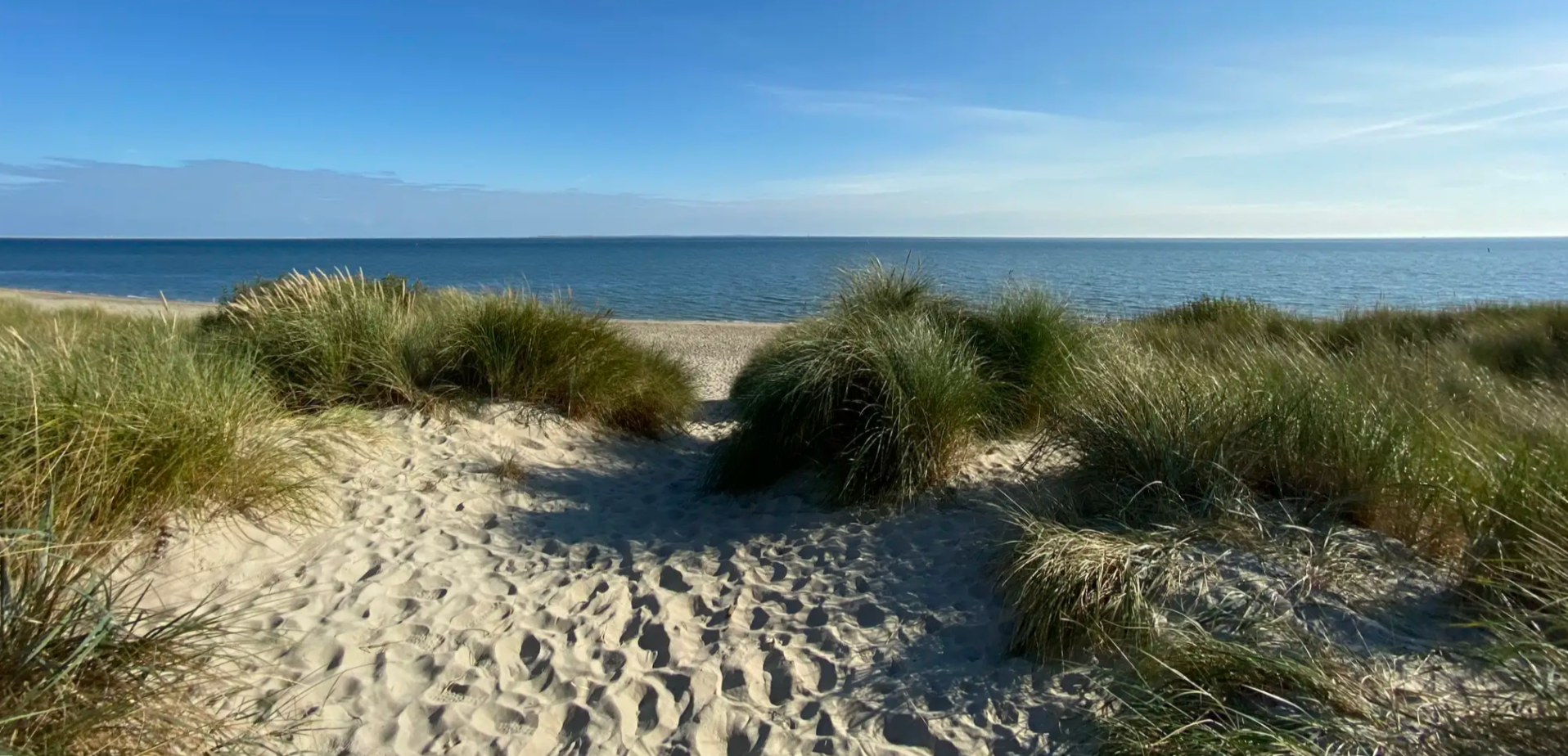
Regional Trail WaddenWalking (SP 04) - Hiking across the Wadden Sea.
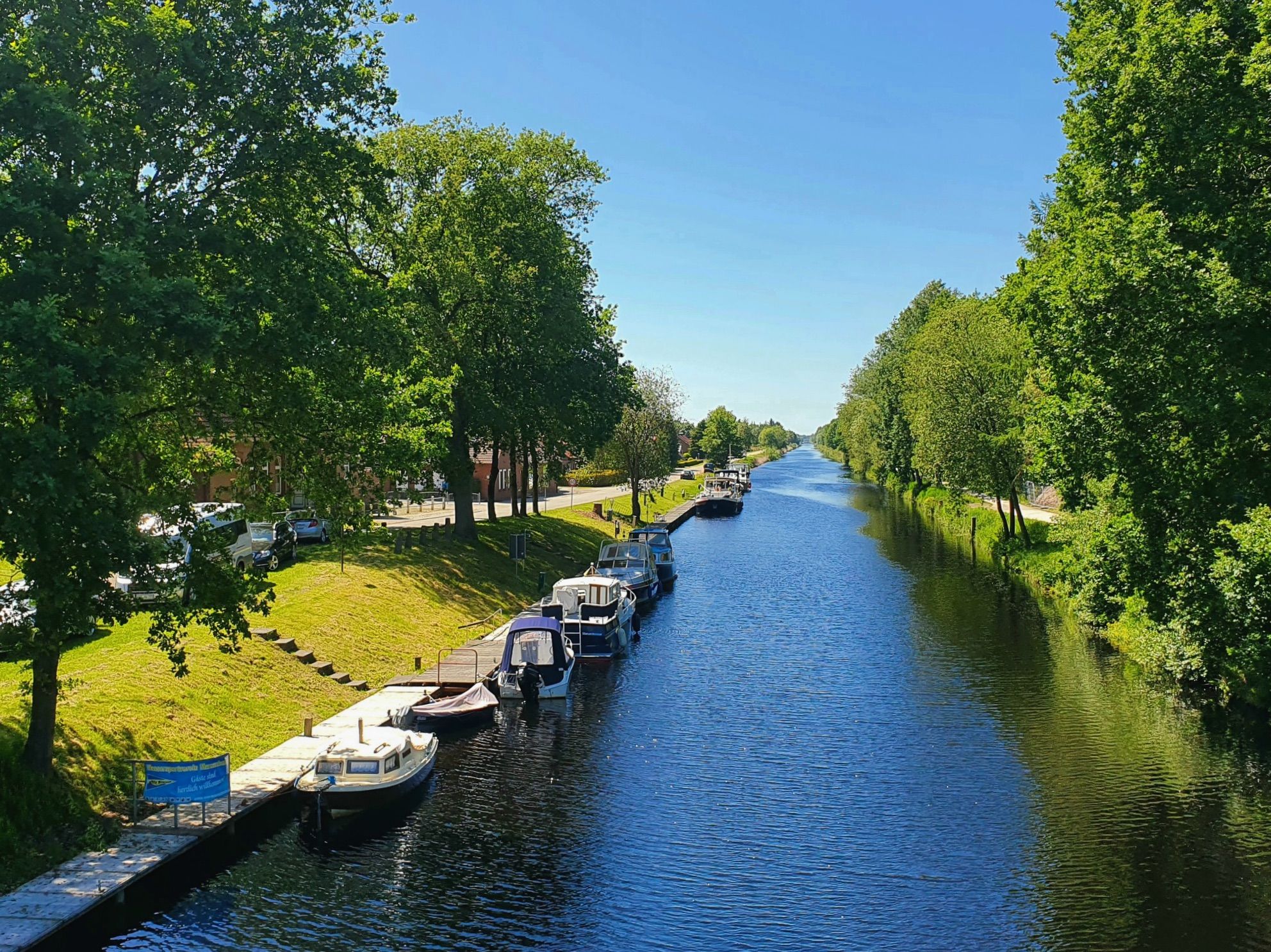
Ems-Jade Trail – Across East Frisia
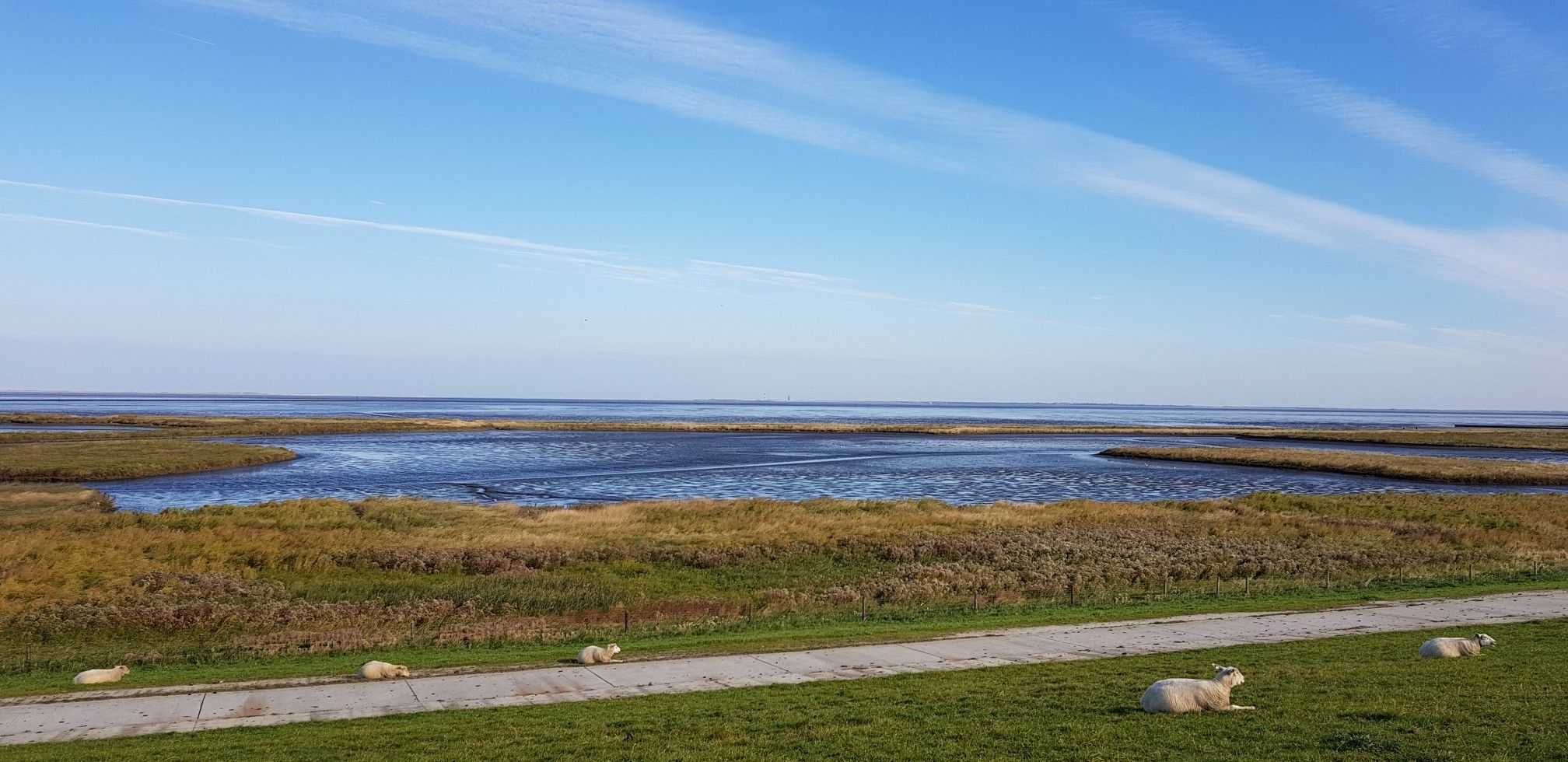
Tour de Fries in Germany — Friesland's most beautiful sides
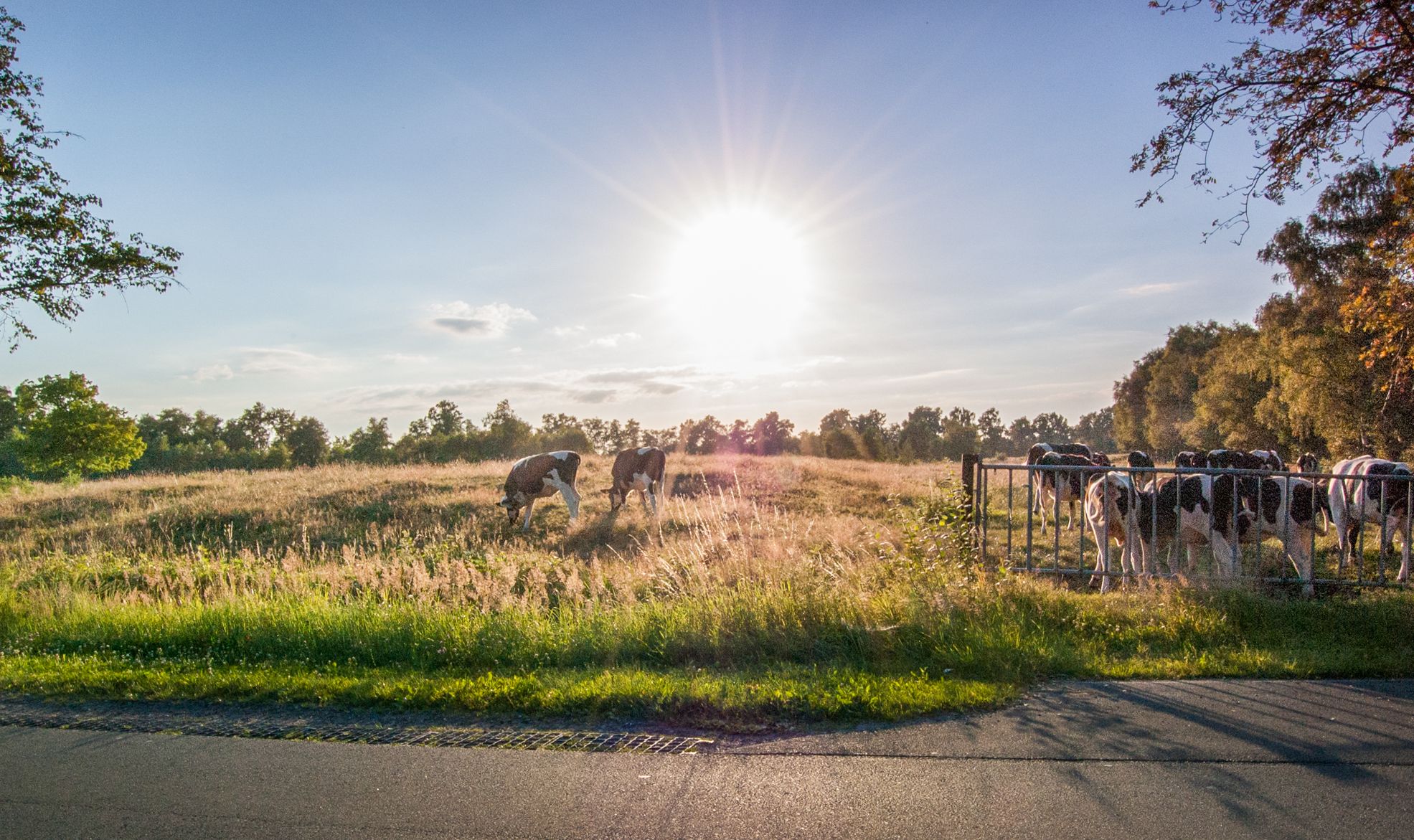
The Jade Trail in Ammerland – Hiking in Northern Germany
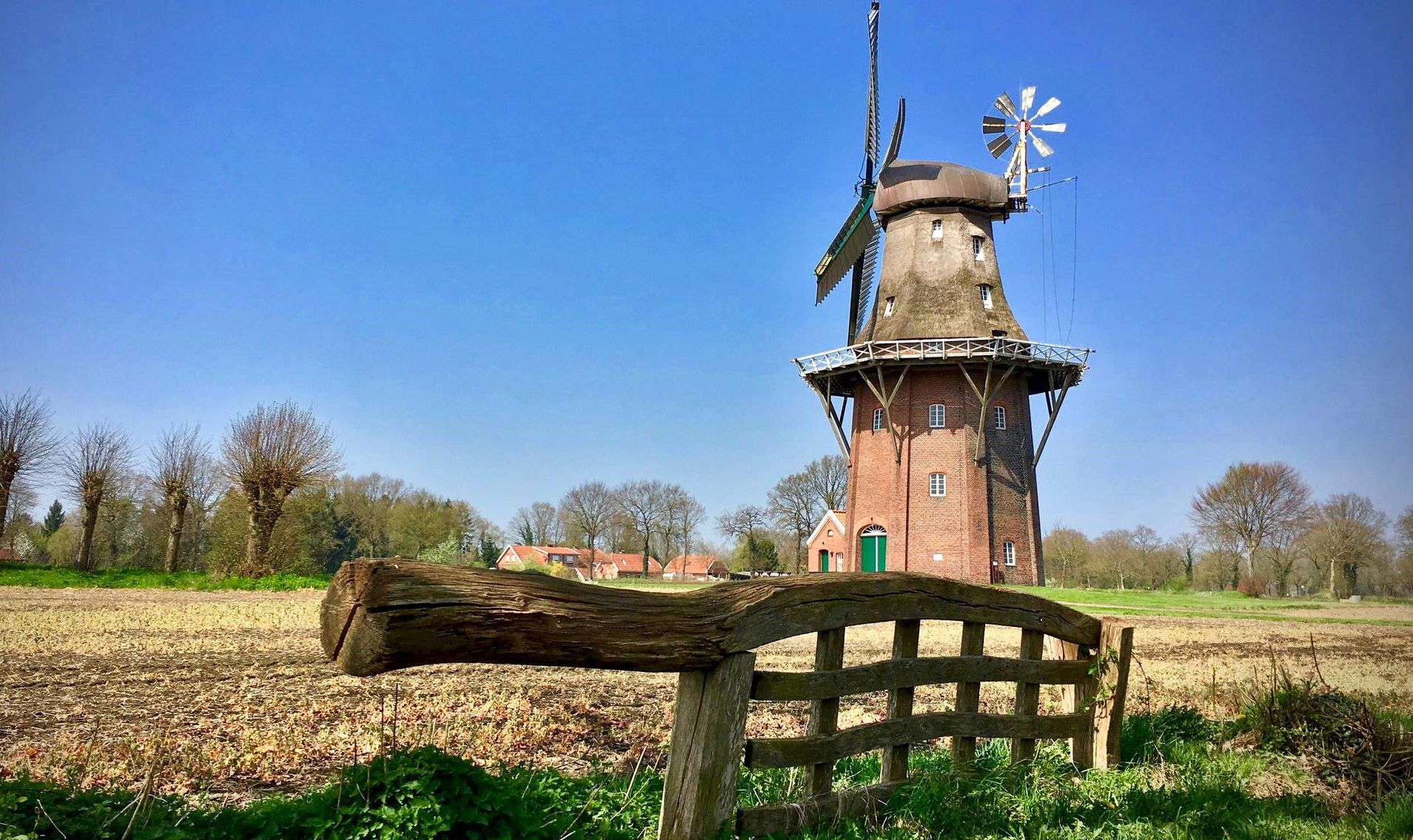
Ostfriesland Hiking Trail – Hike to Germany's North Sea coast
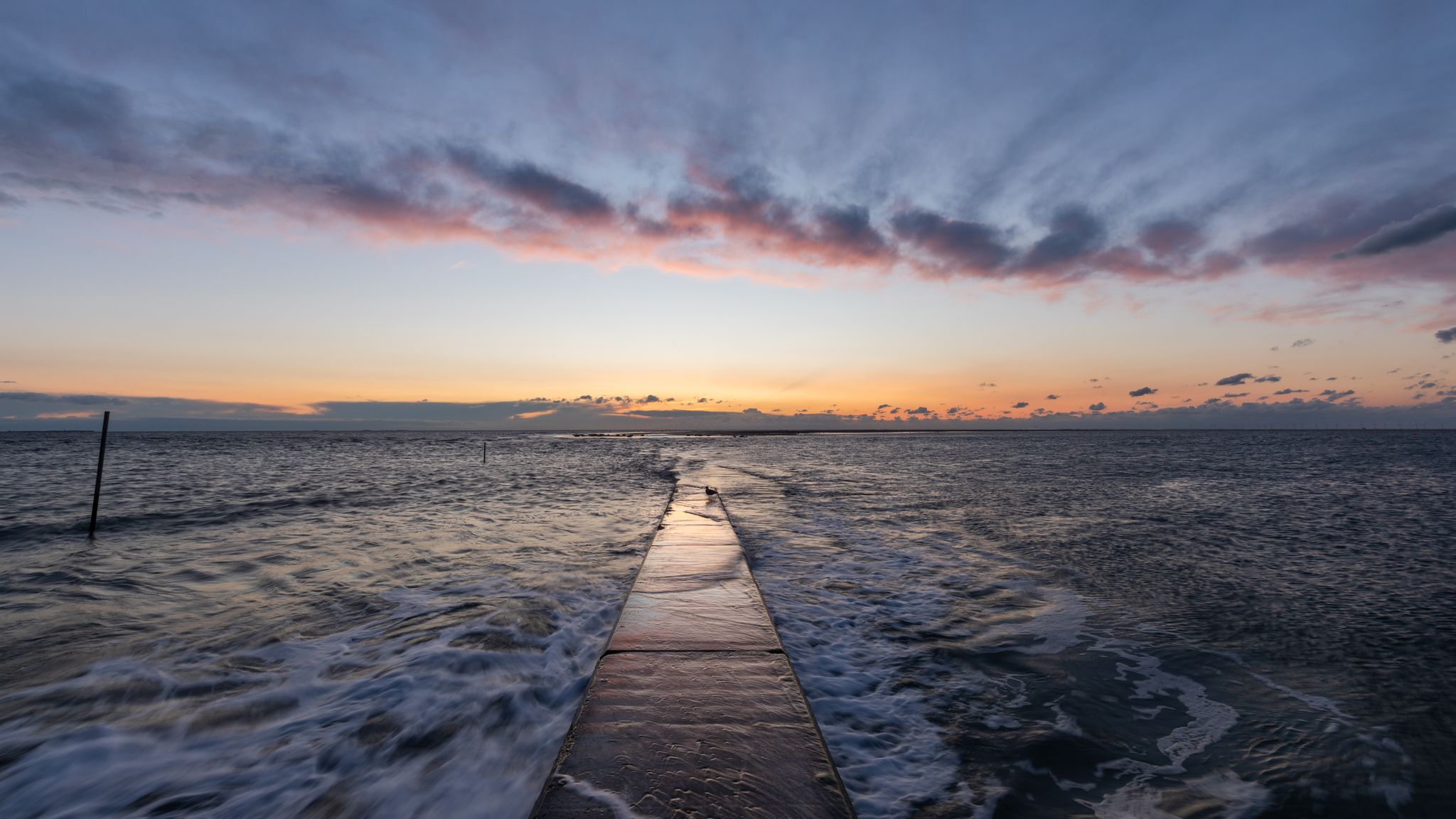
The National Natural Landscapes in Niedersachsen
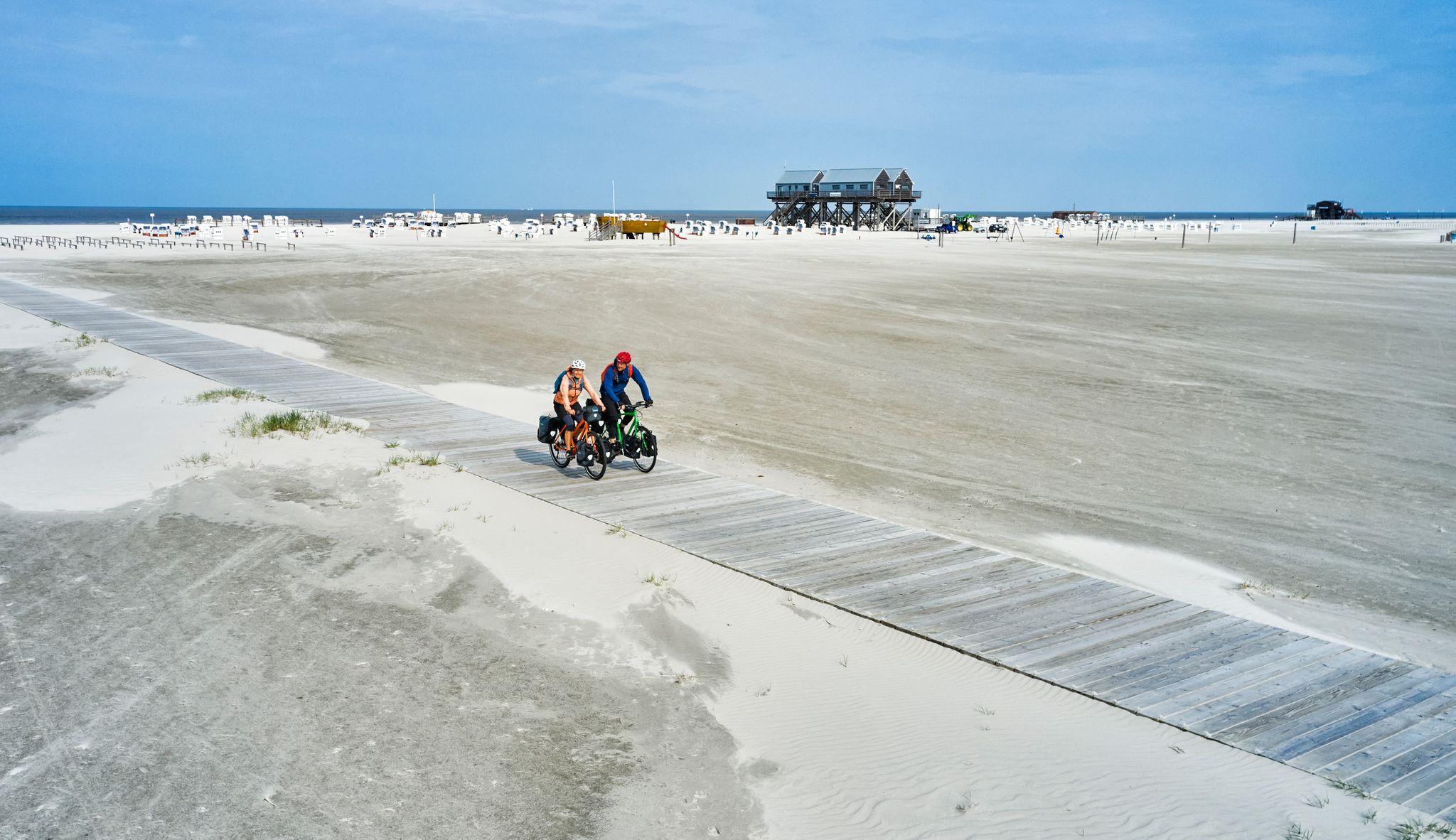
Nine hundred kilometres of pure freedom – North Sea Cycle Route
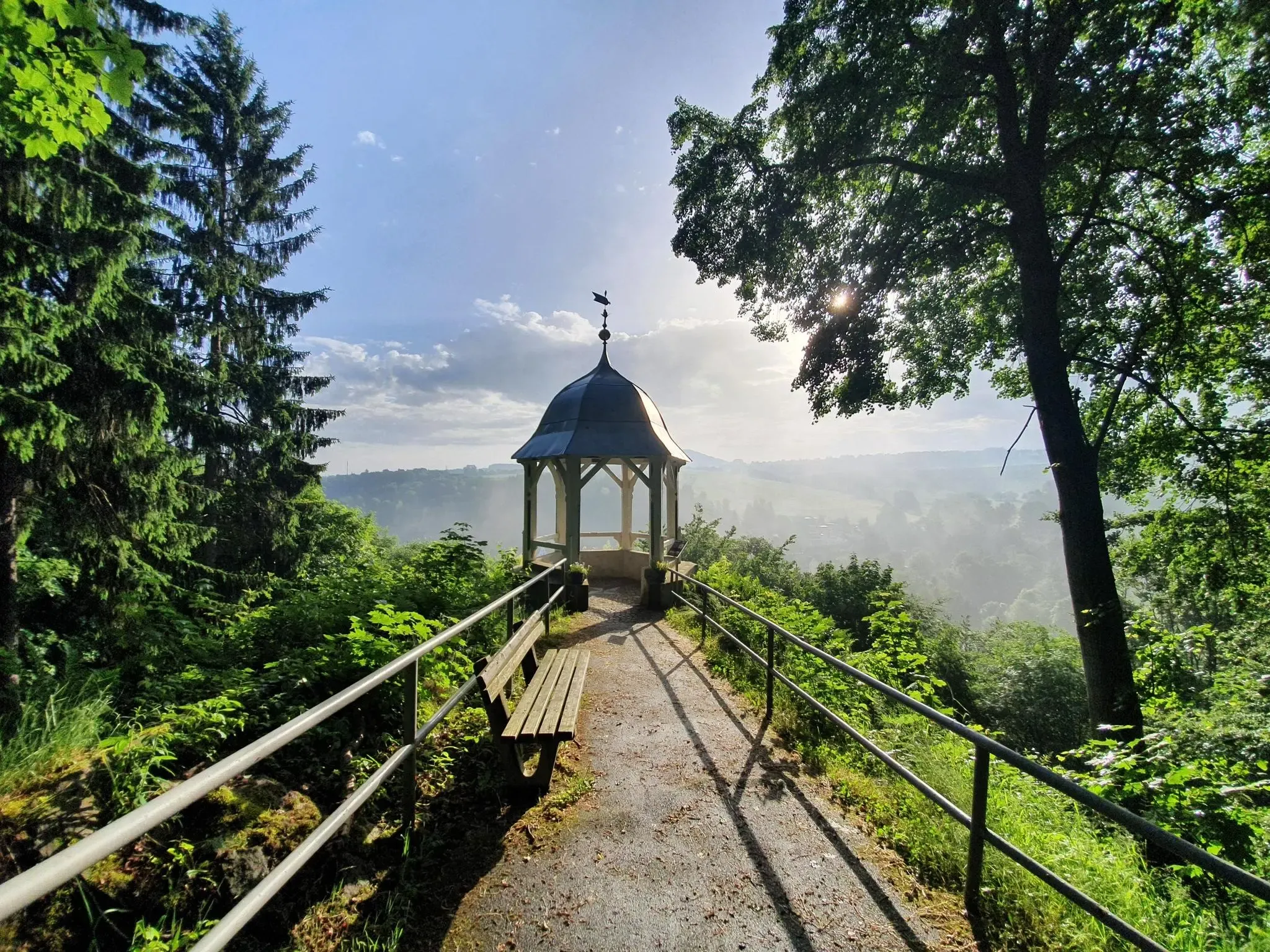
#GoFurther – discover the views of Germany!
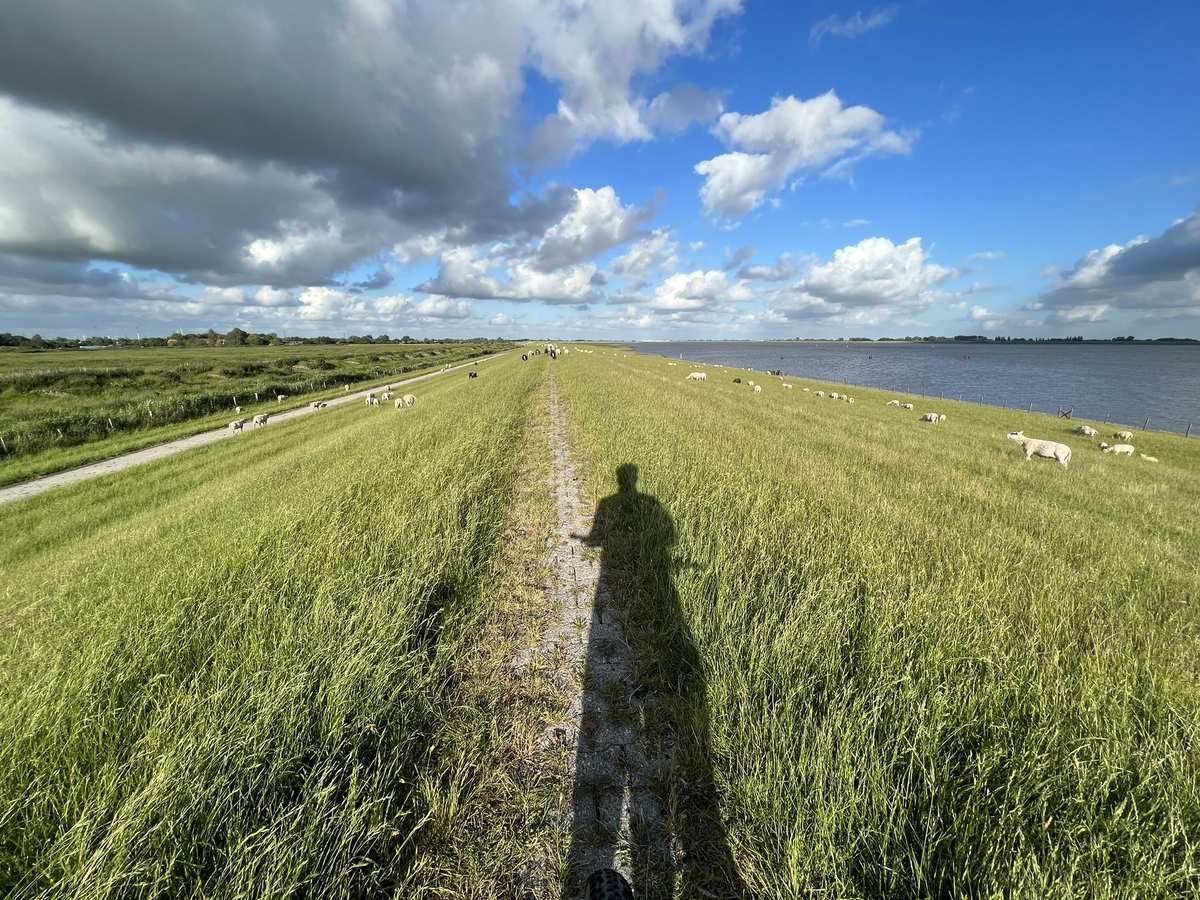
Cycling through East Frisia in Germany – Frisian Army Trail
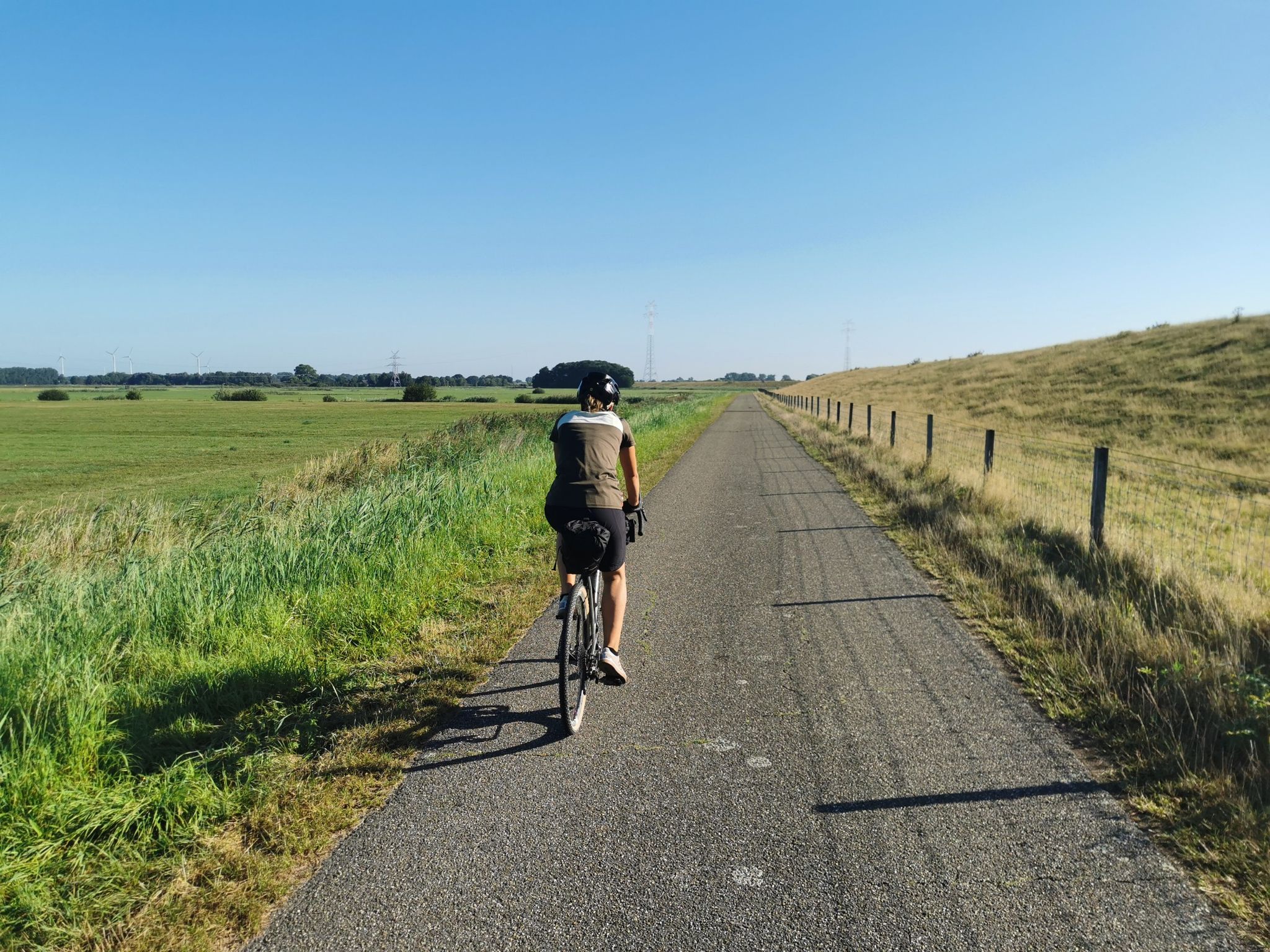
Sheep, dykes and Germany’s North Sea – Dollart Route
Other adventures in East Frisia


Tips from the Community

In summary, the Wadden Sea is a unique natural landscape located directly on the coasts of the North Sea. Due to its biodiversity, the Wadden Sea is a UNESCO World Heritage Site.
0
0

Low German for "Green Place" - part of an old dune landscape on Borkum. The Greune Stee is a transitional area between dunes, forest, and heath. It is considered one of the few areas on the East Frisian Islands where natural dune forest has developed. Typical features include: • Dune landscape with partially vegetated sand dunes • Deciduous and coniferous forest (e.g., birch, pine, oak) • Heath and grassland areas • Protected habitats for numerous bird species and insects When using the area, especially the paved paths, please be mindful of the many slow walkers, some with dogs. You should slow down. Best viewpoint: Herrmannshöhe at the corner of Greune Stee Weg and Jakob van Dyken Weg.
2
0

Great natural landscape.
1
0

A very beautiful landscape.
1
0

Watt for watt. Great view
2
0

Since its designation as a World Heritage Site in 2009, Norderney has increasingly committed itself to nature conservation to preserve its pristine natural beauty for future generations. The island thus offers a habitat where environmental awareness and appreciation for natural resources can be experienced in a practical way.
3
0

Lower Saxony Wadden Sea National Park "Nature vacations" like a king: Stately buildings and parks still bear witness to the fact that King George V of Hanover chose the idyllic island as his summer residence in 1836. 150 years later, modern-day rulers placed this natural paradise under the protection of the Lower Saxony Wadden Sea National Park. Like all East Frisian Islands, Norderney also has a turbulent past. Wind and waves transport the sand that created the islands. They not only deposit it there, but also repeatedly carry it away. Therefore, the western ends of the islands, in particular, are secured with protective structures to protect the island villages; construction on Norderney began as early as 1857. In the east of the island, however, you can observe the free play of nature, which conjures up a fascinating, constantly changing landscape. See: https://www.stadt-norderney.de/bauen-umwelt/natio
5
0

Very beautiful paths through the dunes
3
0
Frequently Asked Questions
What are some of the most notable natural monuments to visit in East Frisia?
East Frisia offers a diverse range of natural monuments. The Lower Saxony Wadden Sea National Park (Norderney Dunes) features a stunning dune landscape with paved paths and various trails. Another impressive site is the White Dune Norderney, an extensive sand formation along the coast. For inland nature, the Tüskendörsee Nature Reserve provides a tranquil lake environment.
Are there family-friendly natural monuments in East Frisia?
Yes, many natural monuments in East Frisia are suitable for families. The Lower Saxony Wadden Sea National Park (Norderney Dunes) offers paved paths ideal for walks with children. The Walter-Großmann-Dune Observation Platform on Norderney is also family-friendly and provides panoramic views. Additionally, the Ruhezone I/8 Conservation Area on Borkum is great for bird watching from the dike path.
What kind of wildlife can I observe in East Frisia's natural monuments?
East Frisia is a haven for wildlife, especially birds. The Wadden Sea National Park is a crucial habitat for over 3,000 species, including harbor seals and grey seals, and is a vital stopover for millions of migratory birds. Inland, the Großes Meer and its surrounding wetlands are important breeding grounds for species like the black-tailed godwit, snipe, and marsh harrier. Areas like the View of Ruhezone I/8 from the dike are excellent for bird watching.
What are the best natural features to see in East Frisia?
The region is defined by its diverse natural features. The most prominent are the extensive mudflats, sandbanks, salt marshes, and dunes of the UNESCO World Heritage Wadden Sea. The White Dune Norderney is a prime example of coastal beauty. Inland, the Großes Meer is East Frisia's largest lake, surrounded by wetlands and reed-beds. You can also explore unique moor, geest, and marsh plains crisscrossed by canals.
Are there accessible natural monuments for visitors with mobility considerations?
While specific accessibility details vary, some natural monuments offer features that may be suitable. The Lower Saxony Wadden Sea National Park (Norderney Dunes) has paved paths, which can facilitate easier exploration. The Walter-Großmann-Dune Observation Platform is also noted as wheelchair accessible, providing great views.
What outdoor activities can I do near the natural monuments in East Frisia?
East Frisia offers numerous outdoor activities. You can enjoy unique mudflat hikes in the Wadden Sea, often with guides. The northern part of Großes Meer is popular for sailing, surfing, and canoeing. For cycling and hiking, the region's flat terrain is ideal. You can find many routes, including road cycling, running, and hiking trails, by exploring the Road Cycling Routes in East Frisia, Running Trails in East Frisia, and Hiking in East Frisia guides.
What is the best time of year to visit the natural monuments in East Frisia?
The best time to visit largely depends on your interests. Spring and summer offer pleasant weather for outdoor activities like cycling, hiking, and water sports, and are ideal for experiencing the vibrant birdlife. Autumn can be beautiful with changing colors, while winter provides a unique, tranquil atmosphere, especially for observing migratory birds in the Wadden Sea. Always check local conditions, especially for mudflat hikes, which are tide-dependent.
Are there specific viewpoints to get the best panoramic views of East Frisia's natural landscapes?
Yes, East Frisia has several excellent viewpoints. The Walter-Großmann-Dune Observation Platform on Norderney offers fantastic views of the dune landscape and the Wadden Sea. From the dike path near the Ruhezone I/8 Conservation Area on Borkum, you can experience the endless expanse of salt marshes and the Tüskendörsee. The View of the Jade Bight also provides scenic coastal vistas.
Can I bring my dog to the natural monuments in East Frisia?
While many outdoor areas in East Frisia are dog-friendly, specific rules apply, especially in nature reserves and national parks to protect wildlife. It's generally recommended to keep dogs on a leash. Always check local signage or specific regulations for each natural monument, particularly in sensitive areas like the Wadden Sea National Park or bird breeding grounds.
What are the East Frisian Islands and how do they relate to the natural monuments?
The East Frisian Islands (Borkum, Juist, Norderney, Baltrum, Langeoog, Spiekeroog, and Wangerooge) are an integral part of the Lower Saxon Wadden Sea National Park, a UNESCO World Heritage site. These islands themselves are significant natural monuments, characterized by long sandy beaches, extensive dunes, and unique ecosystems. They offer opportunities for relaxation, cycling, and birdwatching, and some are car-free, enhancing their natural appeal.
What is the Großes Meer and what makes it a natural monument?
The Großes Meer, or 'Great Lake,' is East Frisia's largest inland lake, located in Südbrookmerland. It's a naturally formed fen lake, relatively shallow, and its southern part is designated as a nature reserve. It's a crucial breeding ground and habitat for various bird species, surrounded by extensive reed-beds and wetlands. Its unique ecological importance and the surrounding protected landscape make it a significant natural monument.
Are there any historical or cultural sites near the natural monuments?
While the focus of these monuments is natural beauty, East Frisia's landscape is intertwined with its history. The region's dikes, canals, and historic lighthouses, such as the one near the Lower Saxony Wadden Sea National Park (Norderney Dunes), reflect centuries of human interaction with nature. The Northwesternmost Point of Germany also has historical significance alongside its natural setting.
What should I wear when visiting East Frisia's natural monuments?
Given the coastal and often open nature of East Frisia's landscapes, it's advisable to dress in layers. Wind and rain protection are recommended, especially near the coast or during mudflat hikes. Sturdy, comfortable, and waterproof footwear is essential, particularly for exploring dunes, beaches, or wetlands. Sun protection is also important, even on cloudy days.
Most popular routes in East Frisia
Most popular attractions in East Frisia

Get inspired with the komoot mobile app


Didn’t find what you were looking for?
Find even more amazing natural monuments in East Frisia by checking out the top Highlights region by region:
Explore more
Extend your search for the best caves by checking out these guides of the top ones in East Frisia:
