Top 20 Natural Monuments in the Vulkaneifel
Natural monuments in the Vulkaneifel showcase a landscape shaped by ancient volcanic activity, recognized as a UNESCO Global Geopark. The region features a unique array of maars, volcanic cones, and mineral springs. These geological formations offer a diverse natural environment for exploration. The Vulkaneifel is home to numerous natural wonders, including over 77 maars, some dating back approximately 44 million years.
Best natural monuments in the Vulkaneifel
- The most popular natural monuments is Dreimühlen Waterfall, a waterfall that was…
Last updated: August 16, 2026
Dreimühlen Waterfall
Highlight • Waterfall
Translated by Google •
Tip by

Dronke Tower on the Mäuseberg
Highlight • Viewpoint
Translated by Google •
Tip by

Sign up now to discover places like this
Get recommendations on the best single tracks, peaks, & plenty of other exciting outdoor places.
Sign up for free
View of the Gemünden maar
Highlight • Lake
Showing Translation
Tip by

Schalkenmehrener Maar
Highlight • Lake
Translated by Google •
Tip by

Buchenloch Cave
Highlight • Cave
Translated by Google •
Tip by

View of the Weinfelder Maar (Totenmaar)
Highlight • Lake
Translated by Google •
Tip by

View of Gerolstein from the Munterley
Highlight • Viewpoint
Translated by Google •
Tip by

Gerolsteiner Dolomiten Rock Formations
Highlight • Natural Monument
Translated by Google •
Tip by
View of Totenmaar from the panoramic bench
Highlight • Viewpoint
Translated by Google •
Tip by

Weinfelder Maar viewpoint
Highlight • Lake
Translated by Google •
Tip by

Sign up for free to discover even more natural monuments in the Vulkaneifel.
Sign up for free
Already have an account?
Start today with a free account
Your next adventure awaits.
Login or Signup
Popular around Vulkaneifel
Lieserpfad between the Eifel and the Moselle rivers – Wild forests, wild water
Scenic Trails to Natural Swimming Spots
Germany’s Most Beautiful Hiking Trails in the Vulkaneifel
The National Natural Landscapes in Rheinland-Pfalz
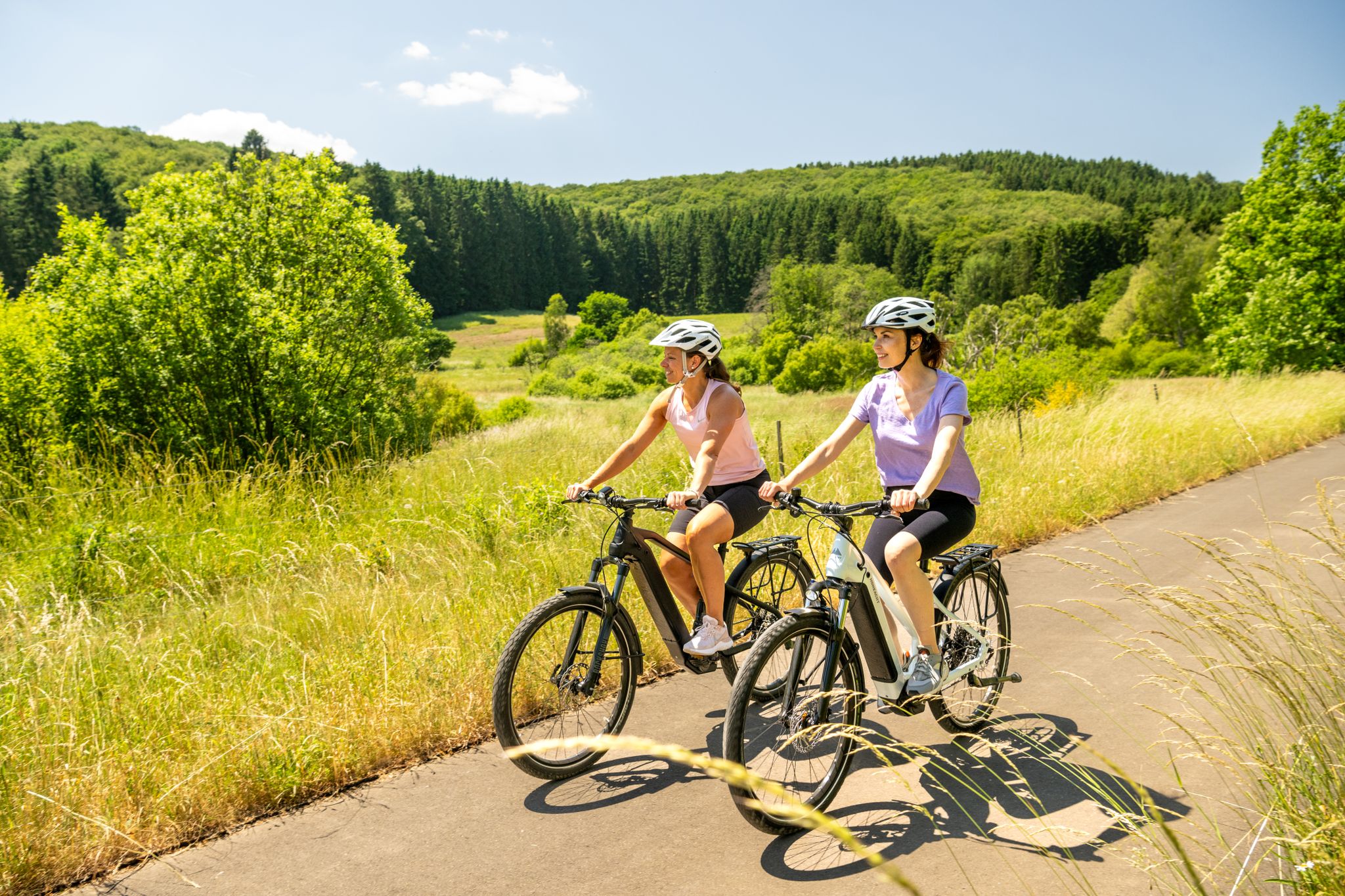
E-biking through the Volcanic Eifel
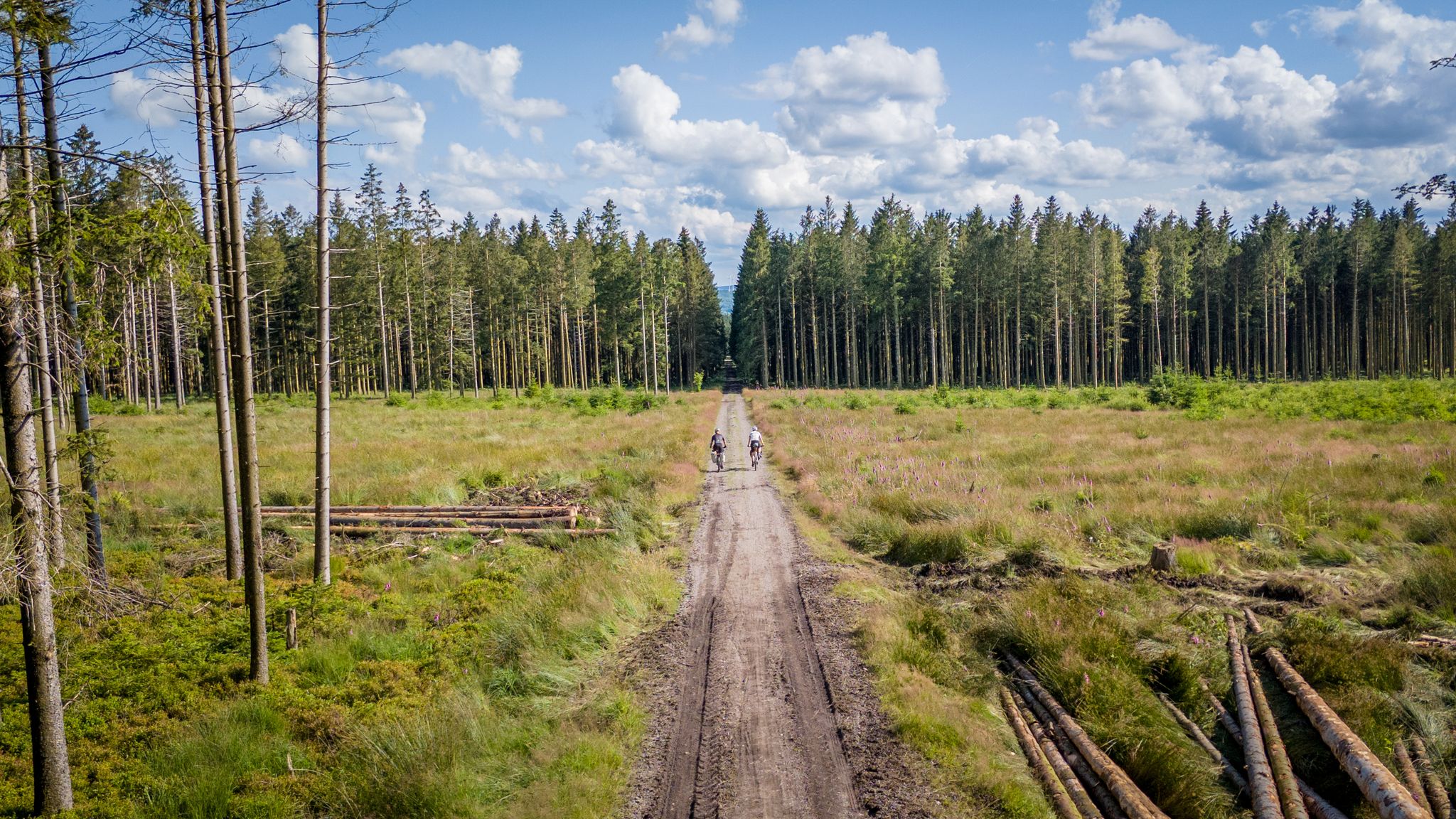
Vennbahn-Variant: A new gravel/MTB adventure
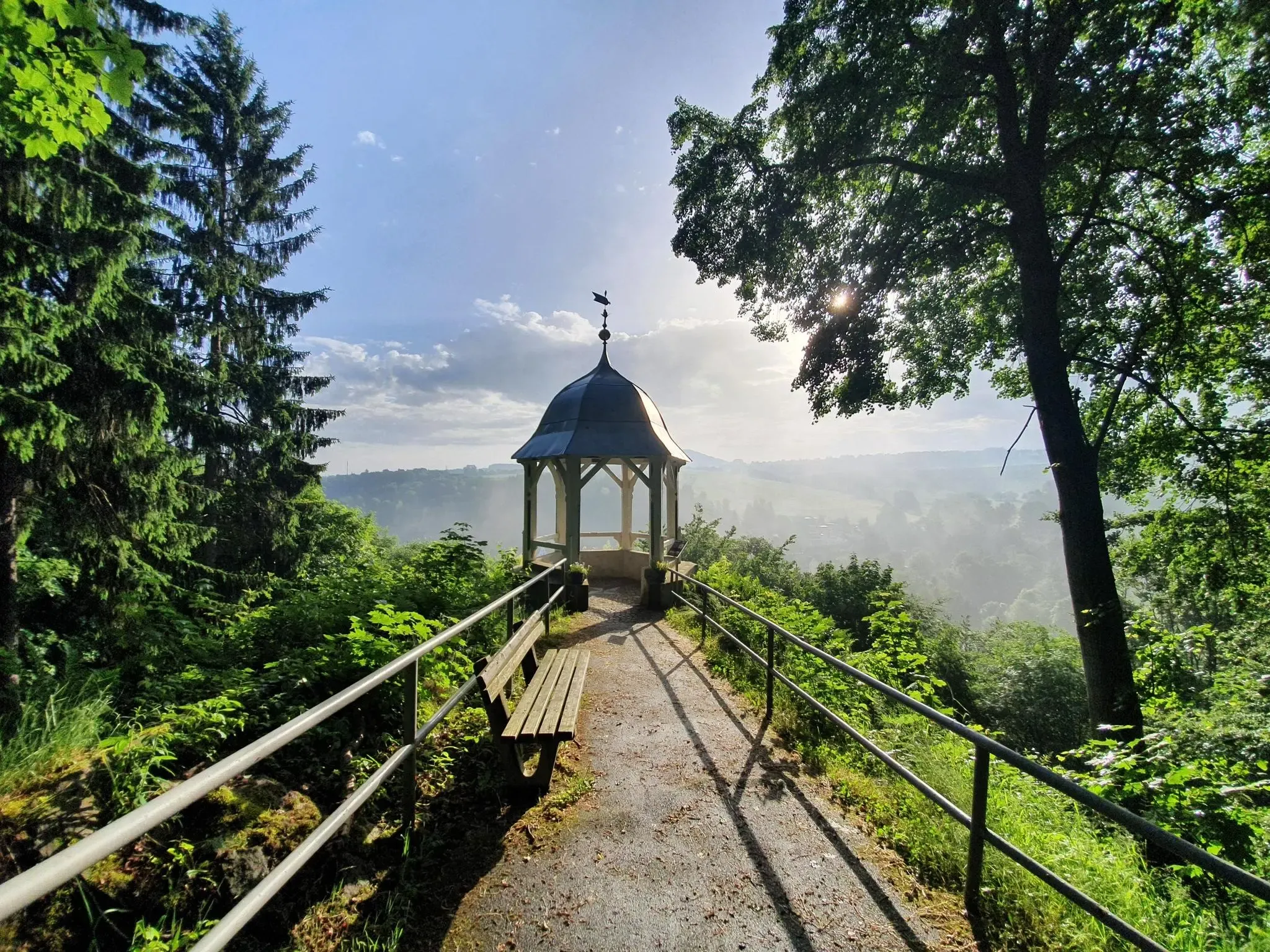
#GoFurther – discover the views of Germany!
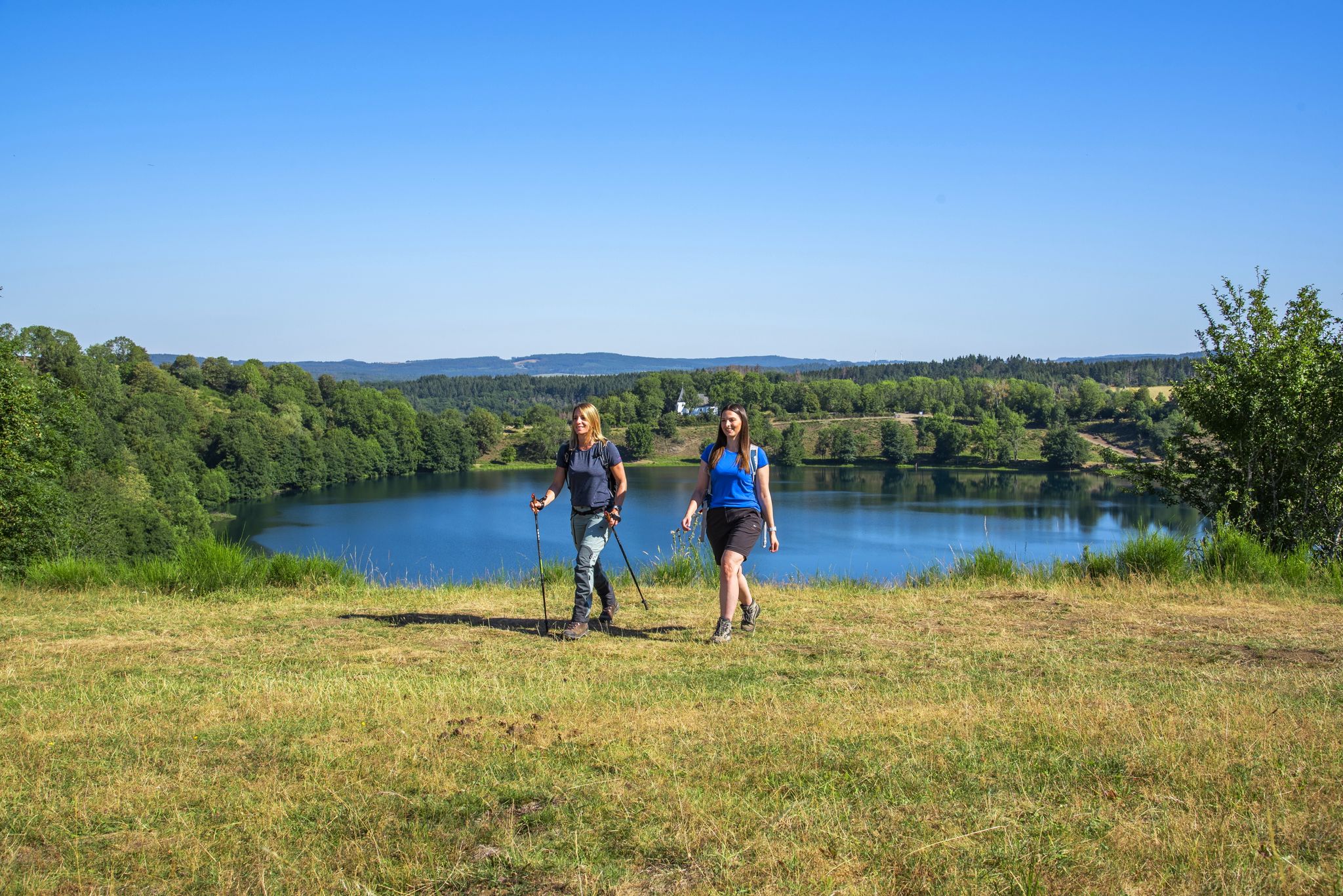
Excellent paths in the Vulkaneifel – Explore the HeimatSpuren
Crater lakes and lava rock – hiking in Germany’s Volcanic Eifel
Ride the Prümtal Cycle Route over Germany’s Eifel Mountains
Other adventures in the Vulkaneifel


Tips from the Community

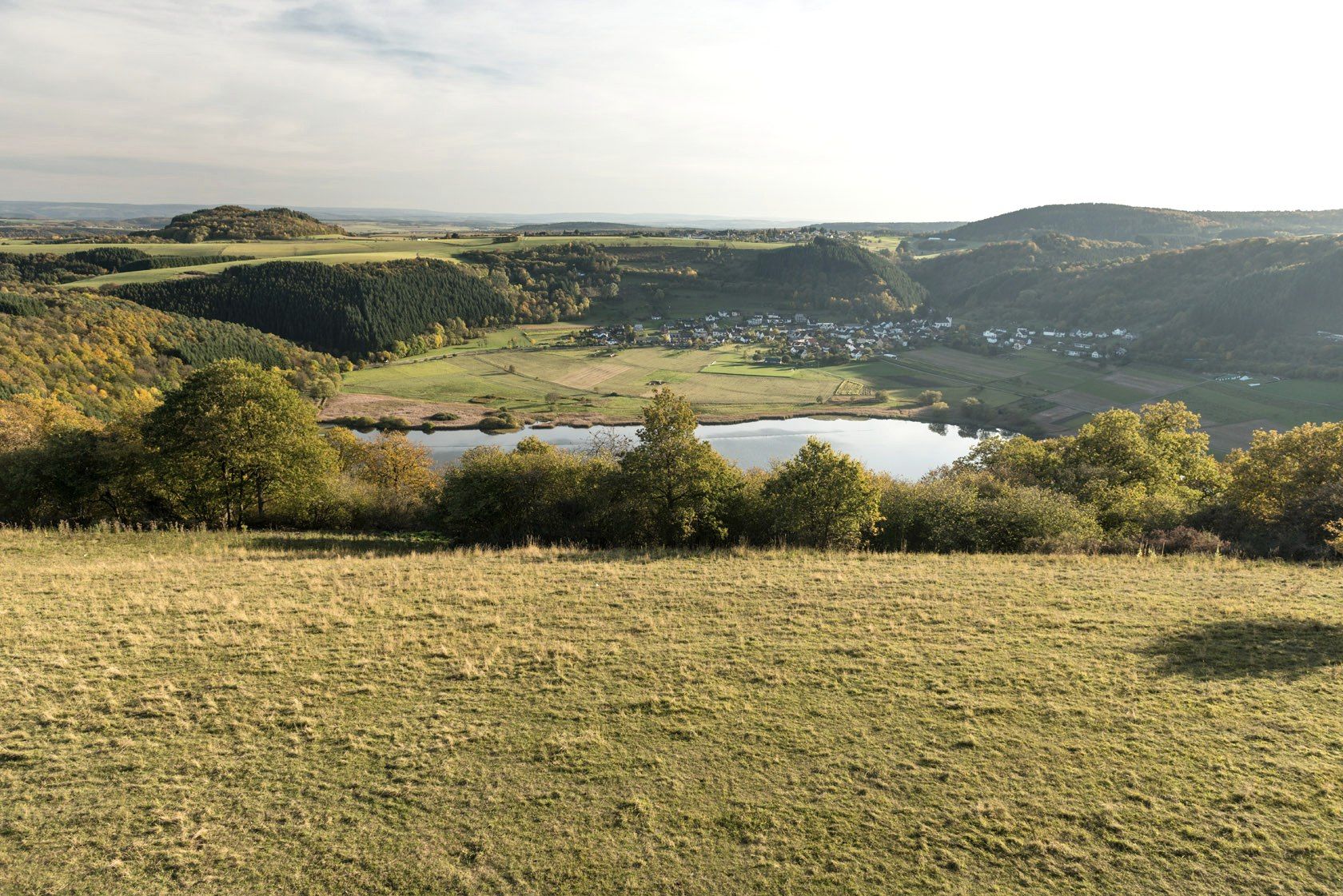
The Daun Maars - 10,000-Year-Old Volcanic Lakes The Daun Maars were formed around 10,000 years ago from volcanic steam explosions. Hot lava rises from the Earth's interior and meets water, which suddenly evaporates. This blasts away entire mountain peaks. What remains is a deep crater that fills with water over the years and a wall of boulders surrounding the lake. The Daun Maars include the Gemünden Maar, the Weinfelder Maar, and the Schalkenmehrener Doppelmaar. One crater of the Schalkenmehren Maar has silted up over the millennia. The area is a nature reserve and a refuge for waterfowl and rare dragonfly species. Text / Source: deutschland-outdoor.der https://deutschland-outdoor.de/eifel/dauner-maare
13
0
Weinfelder Maar The Weinfelder Maar, formed by volcanic activity around 20,000 to 30,000 years ago, is the highest of the three Daun Maars at 487 meters above sea level. The lake is 51 meters deep and has a diameter of 396 to 429 meters. An almost melancholic atmosphere surrounds the maar. Many legends surround the tranquil Eifel eye. A castle is said to have once stood on the site of the crater, where a count lived with his wife and only child. After returning home from a hunt, the castle had sunk as punishment for the woman's nastiness, and he found only a lake where a cradle miraculously floated his child safely to the shore. If you look at the dark surface of the water long enough, it is said that you can make out the outline of the castle. The German landscape painter Fritz von Wille was so fascinated by the Weinfelder Maar that he repeatedly immortalized it in his paintings. Among his favorite motifs was the small chapel on the north bank, dedicated to Saint Martin. It was once the parish church of the village of Weinfeld, which was ravaged by the plague in the 16th century. Anyone who rings the bells inside by pulling the ropes can make a wish. To this day, the associated cemetery is maintained and used by the local community of Schalkenmehren. This is also where its second name, Totenmaar, comes from. Donkeys and goats have been introduced to the Weinfelder Maar to regulate vegetation. The maar's unique flora and fauna are protected. Swimming and other water sports are prohibited in the Weinfelder Maar, but a nearly two-kilometer-long path makes it a wonderful place to explore on foot. Parking: Guests can park along the L64 either in the parking lot at the Weinfelder Maar or on the Maarsattel between the Weinfelder Maar and the Schalkenmehrener Maar. Text / Source: GesundLand Vulkaneifel GmbH, Leopoldstr. 9 A, 54550 Daun https://www.eifel.info/a-weinfelder-maar
13
0
The Daun Maars - 10,000-Year-Old Volcanic Lakes The Daun Maars were formed around 10,000 years ago from volcanic steam explosions. Hot lava rises from the Earth's interior and encounters water, which suddenly evaporates. This blasts away entire mountain peaks. What remains is a deep crater that fills with water over the years and a wall of boulders surrounding the lake. The Daun Maars include the Gemünden Maar, the Weinfelder Maar, and the Schalkenmehrener Doppelmaar. One crater of the Schalkenmehrener Maar has silted up over the millennia. The area is a nature reserve and a refuge for waterfowl and rare dragonfly species. Text / Source: deutschland-outdoor.der https://deutschland-outdoor.de/eifel/dauner-maare
13
0
Weinfelder Maar The Weinfelder Maar, formed by volcanic activity around 20,000 to 30,000 years ago, is the highest of the three Dauner Maars at 487 meters above sea level. The lake is 51 meters deep and has a diameter of 396 to 429 meters. An almost melancholic atmosphere surrounds the maar. Many legends surround the quiet Eifel eye. A castle is said to have once stood on the site of the crater, where a count lived with his wife and only child. After returning home from a hunt, the castle had sunk as punishment for the woman's nastiness, and he found only a lake where a cradle miraculously floated his child safely to the shore. If you look at the dark surface of the water long enough, it is said that you can make out the outline of the castle. The German landscape painter Fritz von Wille was so fascinated by the Weinfelder Maar that he repeatedly immortalized it in his paintings. Among his favorite motifs was the small chapel on the north bank, dedicated to Saint Martin. It was once the parish church of the village of Weinfeld, which was struck by the plague in the 16th century. Anyone who makes the bells inside ring by pulling the ropes can make a wish. To this day, the associated cemetery is maintained and used by the local community of Schalkenmehren. This is where its second name, Totenmaar, comes from. Donkeys and goats have been introduced to the Weinfelder Maar to regulate vegetation. The maar's unique flora and fauna are protected. Swimming and other water sports are prohibited in the Weinfelder Maar, but a nearly two-kilometer-long path makes it a wonderful place to explore on foot. Parking: Visitors can park along the L64 either in the parking lot at the Weinfelder Maar or on the Maarsattel between the Weinfelder Maar and the Schalkenmehrener Maar. Text / Source: GesundLand Vulkaneifel GmbH, Leopoldstr. 9 A, 54550 Daun https://www.eifel.info/a-weinfelder-maar
12
0

The so-called Dreimühlen waterfall is also known as the Nohn waterfall. The name Nohn waterfall comes from the waterfall's proximity to the town of Nohn. The houses on the outskirts of Nohn are only a few hundred meters above the waterfall. Most people talk about the Dreimühlen waterfall, however. The name Dreimühlen comes from a former castle called Dreimühlen. Today, however, only the remains of the walls are said to remain. We looked for the former castle on our trip, but couldn't find anything of it. The waterfall in the Eifel is located between the towns of Üxheim, Kerpen and Nohn. Although the other large towns in the Eifel are not located here, many visitors come here. Some of them travel especially to visit the waterfall. The Dreimühlen waterfall is one of the most visited Eifel attractions. Almost every holidaymaker in the area comes to the waterfall at least once during their Eifel vacation. In addition, many day tourists travel from outside, making it the most visited waterfall in the Eifel. They all want to see the unique natural wonder.
16
1

Very nice panoramic view
7
0

From the Mäuseberg high above the maars you have a fantastic view in clear weather
8
0

https://de.m.wikipedia.org/wiki/Gerolsteiner Dolomiten The tour was really beautiful... It won't be the last time I'm there ❤️
9
0
Frequently Asked Questions
What are some of the most unique geological features to explore in the Vulkaneifel?
The Vulkaneifel region, a UNESCO Global Geopark, is renowned for its volcanic landscape. You can explore numerous maars (volcanic lakes) like the Schalkenmehrener Maar, which is a double maar, or the scientifically significant Eckfelder Maar, known for ancient fossil discoveries. Other unique features include the Wallender Born, a natural cold-water geyser in Wallenborn that erupts every 35 minutes, and a giant lava bomb in Strohn, a tangible example of the region's powerful volcanic past.
Which natural monuments in the Vulkaneifel are particularly popular with visitors?
Visitors frequently enjoy the Dreimühlen Waterfall, an artificial waterfall that grows through limescale deposits. Another favorite is the Buchenloch Cave, a freely accessible cave with historical significance. The Dronke Tower on the Mäuseberg also offers panoramic views over the maars and the wider volcanic landscape, including a direct view of the Gemündener Maar.
Are there family-friendly natural monuments or activities in the Vulkaneifel?
Yes, several natural monuments are suitable for families. The Dreimühlen Waterfall is a popular spot for all ages. The View of the Gemünden maar and the View of the Weinfelder Maar (Totenmaar) offer scenic and accessible viewpoints. The Elfengrotte (Fairy Grotto) near Bad Bertrich, with its unique 'Cheese Grotto' rock formations, is also an intriguing and family-friendly natural site.
What kind of hiking trails can I find around the natural monuments in the Vulkaneifel?
The Vulkaneifel offers extensive hiking trails that allow you to explore its natural monuments. You can find routes like the 8.9 km path encircling the Dauner Maare (Gemündener, Weinfelder, and Schalkenmehrener Maare). For more options, check out guides like Hiking in the Vulkaneifel, which includes trails like the Gerolstein Rock Trail.
Are there easy hiking options for exploring the natural monuments in the Vulkaneifel?
Absolutely. Many trails cater to various difficulty levels. For easy hikes, consider routes like the 'Dreimühlen Waterfall – Rock face at Nohner Mühle loop' from Üxheim, or the 'Schalkenmehren Maar – Schalkenmehrener Maar loop' from Schalkenmehren. You can find more easy options in the Easy hikes in the Vulkaneifel guide.
What is the best time of year to visit the natural monuments in the Vulkaneifel?
The Vulkaneifel is beautiful year-round, but spring and autumn offer particularly pleasant conditions for exploring. In spring, the landscape awakens with lush greenery, while autumn brings vibrant foliage around the maars. Summer is ideal for swimming in maars like Pulvermaar or Schalkenmehrener Maar. Winter can offer a serene, snow-covered landscape, though some paths might be less accessible.
Can I combine visiting natural monuments with other outdoor activities like cycling in the Vulkaneifel?
Yes, the Vulkaneifel region is well-suited for combining natural monument visits with cycling. The former railway line near the Dreimühlen Waterfall has been converted into a cycling and hiking trail. The region also features carefully selected cycle paths that allow you to explore the unique volcanic landscape.
Are there any historical or cultural sites among the natural monuments in the Vulkaneifel?
While primarily natural, some sites have historical significance. The Buchenloch Cave, for instance, has been under nature protection since 1938 and yielded tools and animal bones from the Ice Age during 19th-century excavations. The Dronke Tower on the Mäuseberg is a man-made monument erected in 1902 as a memorial to Dr. Adolf Dronke, founder of the Eifel Club.
Where can I find cafes or restaurants near the natural monuments in the Vulkaneifel?
Many of the popular natural monument areas, especially around the larger maars, have facilities nearby. For example, the village of Schalkenmehren, located south of the Schalkenmehrener Maar, offers places to stop for refreshments. It's always a good idea to check local listings for specific locations you plan to visit.
What makes the Maare (volcanic lakes) in the Vulkaneifel so special?
The Maare are the most iconic natural wonders of the Vulkaneifel, formed by explosive phreatomagmatic eruptions. They are unique circular to oval-shaped lakes, some dating back 44 million years. The region boasts over 77 maars, including the famous Dauner Maare (Gemündener, Weinfelder, Schalkenmehrener) and the deep, clear Pulvermaar. They offer stunning natural beauty, recreational opportunities like swimming and boating, and are crucial for scientific research, as seen with Holzmaar and Eckfelder Maar.
What is the significance of the Gerolsteiner Dolomiten Rock Formations?
The Gerolsteiner Dolomiten Rock Formations are a nature reserve with an area of about 102 hectares. These impressive formations, including the 'Hustley' and 'Munterley', are remnants of a warm, subtropical shallow sea from 380 million years ago. They offer breathtaking views over Gerolstein and the Kyll valley, and are home to diverse plant and animal species. The area can be explored via the rock path, part of the 'Gerolstein Dolomites Eight' circular tour.
Are there any hidden natural gems in the Vulkaneifel that are less known?
While the Dauner Maare are well-known, the Meerfelder Maar offers a quieter, off-the-beaten-path experience. Situated in a huge maar crater, it provides a distinct atmosphere and is open for boating and swimming in the summer. It's also recognized as one of Germany's most important geosites, offering a unique perspective on the region's volcanic heritage away from the main crowds.
Most popular routes in the Vulkaneifel
Most popular attractions in the Vulkaneifel

Get inspired with the komoot mobile app


Didn’t find what you were looking for?
Find even more amazing natural monuments in the Vulkaneifel by checking out the top Highlights region by region:
Explore more
Extend your search for the best caves by checking out these guides of the top ones in the Vulkaneifel:
