Top 5 Natural Monuments in Katy Trail State Park
Best natural monuments in Katy Trail State Park include diverse geological features and significant natural landmarks. The park stretches 240 miles across Missouri, following the former corridor of the Missouri-Kansas-Texas Railroad. It features towering limestone bluffs along the Missouri River, ancient trees, and historical springs. This landscape provides insights into the region's geologic history and natural environment.
Best natural monuments in Katy Trail State Park
- The most popular natural monuments is Torbett Spring, a natural monument that flows directly…
Last updated: May 9, 2026
Torbett Spring
Highlight • Natural Monument
Tip by

Burr Oak Big Tree
Highlight • Natural Monument
Tip by

Sign up now to discover places like this
Get recommendations on the best single tracks, peaks, & plenty of other exciting outdoor places.
Sign up for free
Missouri River
Highlight • River
Tip by
The Manitou Bluffs
Highlight • Natural Monument
Tip by
Rock Island Trail State Park
Highlight • Trail
Tip by

Start today with a free account
Your next adventure awaits.
Login or Signup
Popular around Katy Trail State Park
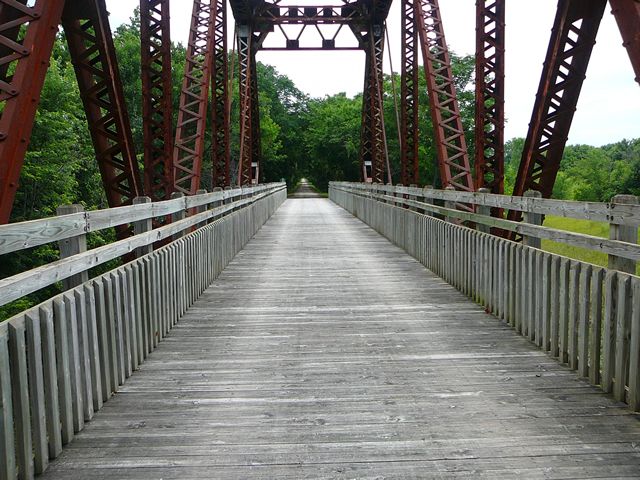
The Katy Trail – Pedaling Missouri's historic railbed
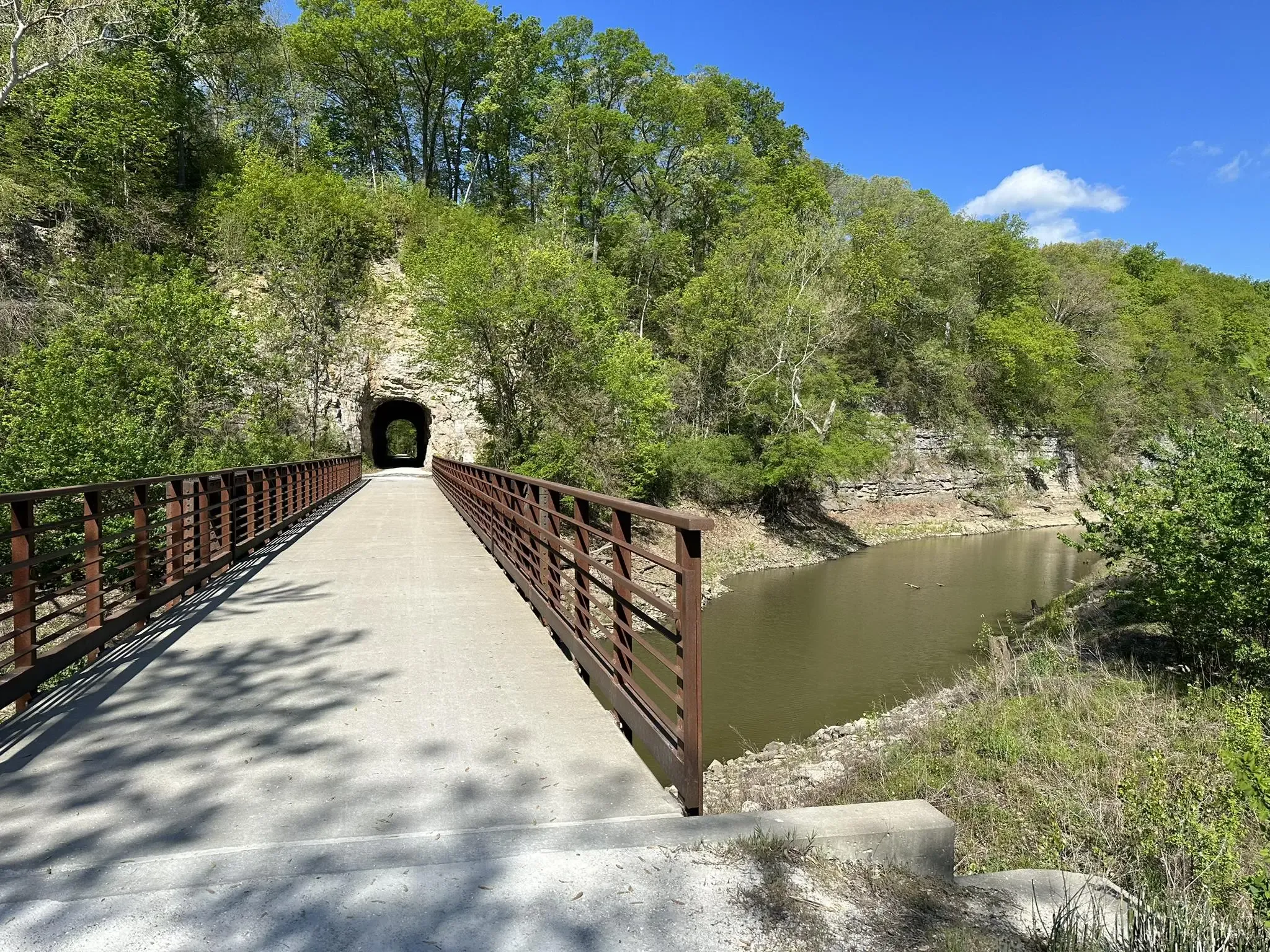
Katy Trail — From steel rails to scenic trails
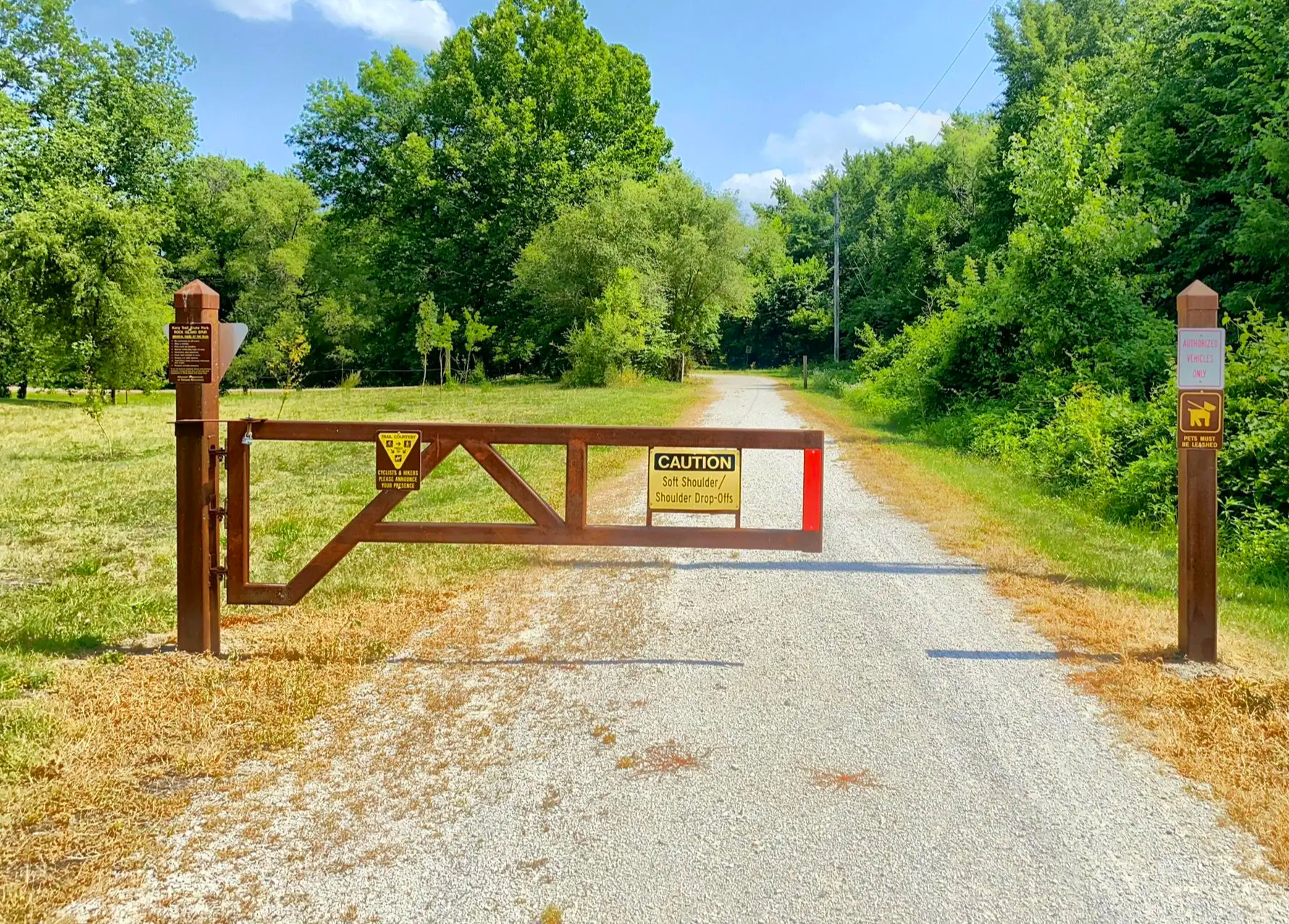
Rock Island Trail — Walking through railroad history
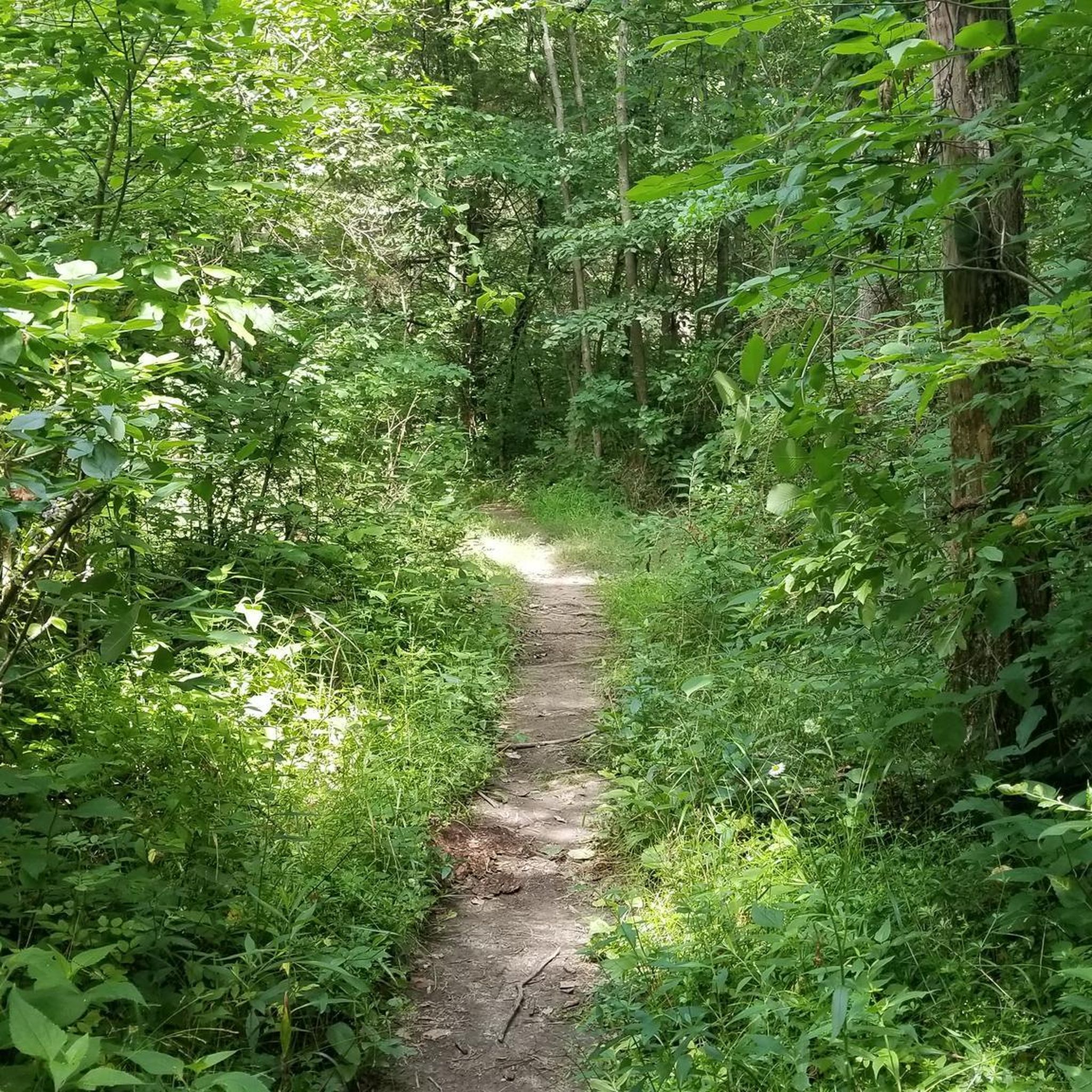
Hiking in Katy Trail State Park

Running Trails in Katy Trail State Park
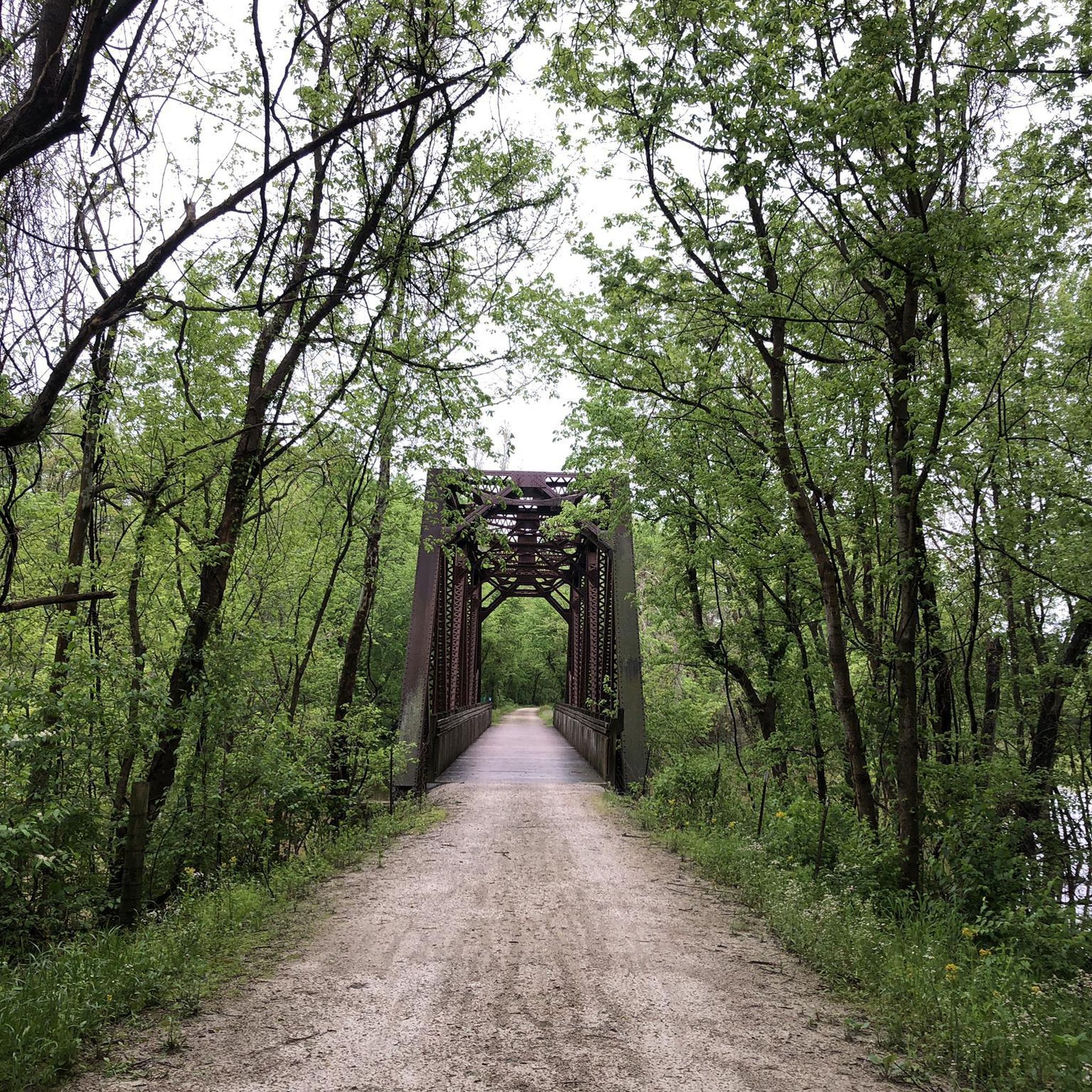
Road Cycling Routes in Katy Trail State Park

MTB Trails in Katy Trail State Park
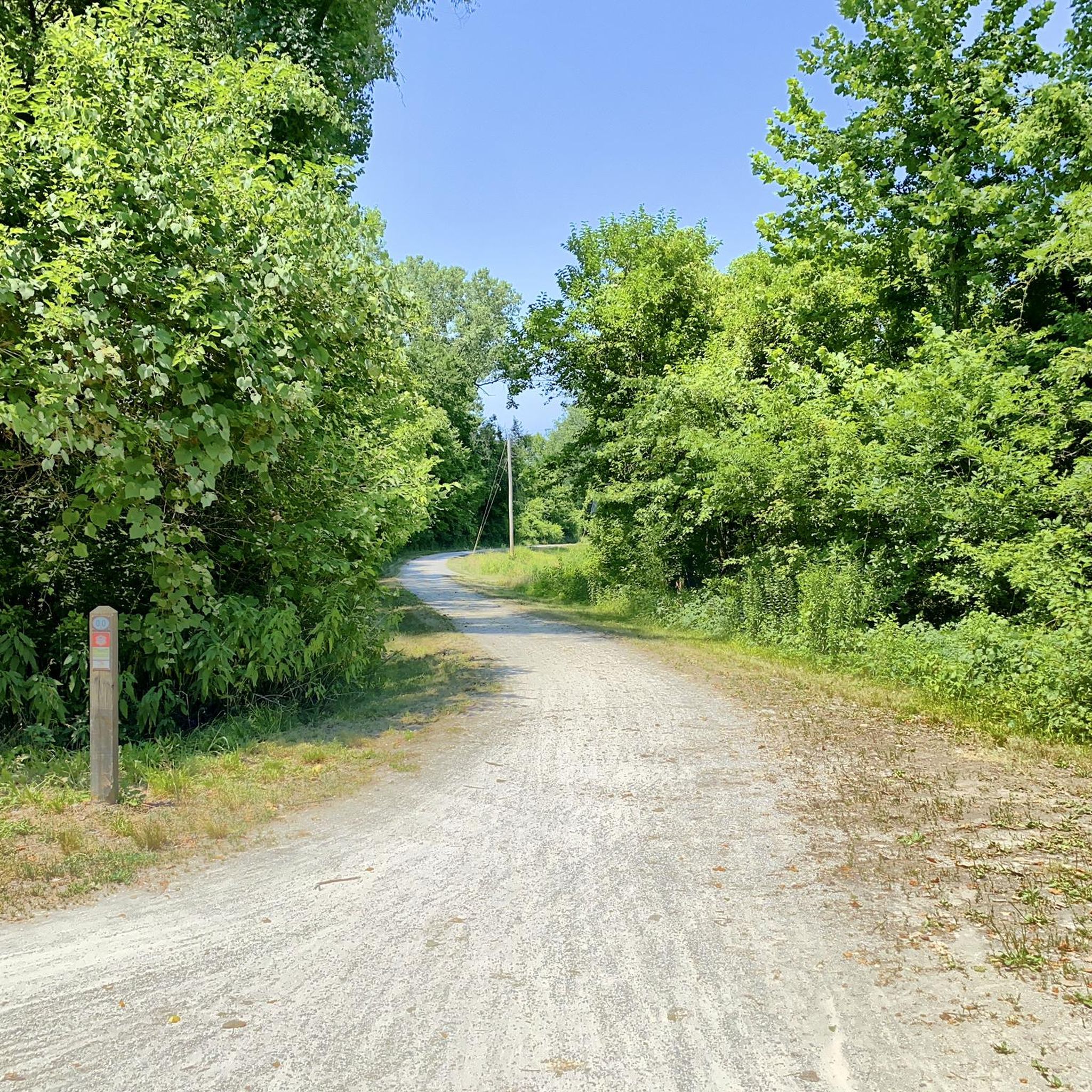
Cycling in Katy Trail State Park

Gravel biking in Katy Trail State Park


Tips from the Community

Between mile markers 93.2 and 89.0, the Katy Trail offers some of its most breathtaking views of the Missouri River. This section features sweeping vistas of the river, dramatic limestone bluffs, and serene floodplain landscapes. The Missouri River, often called the "Big Muddy" due to its high silt content, is the longest river in North America, stretching over 2,300 miles from Montana to its confluence with the Mississippi River near St. Louis.
0
0
Between Rocheport and Huntsdale, the Katy Trail skirts the base of the majestic Manitou Bluffs—towering limestone cliffs shaped by the Missouri River's erosive power. These bluffs hold deep cultural significance, adorned with ancient Native American pictographs and burial mounds atop their heights. Early explorers, including Lewis and Clark, documented these sites in the early 1800s.
0
0
Just off the Katy Trail near McBaine stands the McBaine Bur Oak, affectionately known as the Burr Oak Big Tree. Estimated to be between 350 and 400 years old, this majestic tree boasts a trunk circumference of 287 inches, a height of approximately 90 feet, and a canopy spread of 130 feet. As the largest bur oak in Missouri, it shares the title of national champion with a counterpart in Kentucky. Situated about half a mile from the Missouri River, it's believed that the Lewis and Clark Expedition passed within sight of this enduring natural landmark. Accessible via a short detour from the trail, the tree offers a serene spot to pause and reflect amidst the beauty of the Missouri River floodplain.
0
0

Rock Island Trail State Park was created after Missouri State Parks took over the 47.5 miles of trail between Pleasant Hill and Windsor. Making this the 93rd, and newest, park in the system. Missouri State Parks are also working with state and local agencies to complete the additional trail to connect the Rock Island Trail to the Katy Trail.
0
0

On the morning of June 7, 1804, the Lewis and Clarke expedition visited this spring, noting that it flowed directly out of the base of a limestone cliff.
2
0
Just a few miles east of Rocheport, Missouri, on the Katy Trail, you will find soaring white cliffs consisting of limestone formed at the bottom of a shallow sea about 460 million years ago. Their white color is due to their high quartz content. The cliffs were formed by the erosive power of the Missouri River.
3
0
Frequently Asked Questions
What are some unique geological formations to see in Katy Trail State Park?
Katy Trail State Park features several unique geological formations. You can explore The Manitou Bluffs, towering limestone cliffs shaped by the Missouri River's erosive power, which also hold ancient Native American pictographs. Another fascinating site is the Klondike Park sandstone quarry, a former quarry with clear blue water-filled pits and panoramic views of the Missouri River Valley.
What historical natural monuments can I visit along the Katy Trail?
The Katy Trail offers several natural monuments with historical significance. Torbett Spring was visited by the Lewis and Clark expedition in 1804. The Manitou Bluffs are known for ancient Native American pictographs and burial mounds documented by early explorers. Additionally, the Rocheport Tunnel, while man-made, is integrated into the natural bluff and offers a glimpse into 19th-century engineering, with Meriwether Lewis and William Clark noting 'curious paintings' on the limestone here.
Are there family-friendly natural monuments along the Katy Trail?
Yes, several natural monuments are suitable for families. The Burr Oak Big Tree near McBaine is a majestic, ancient tree that makes for a great photo opportunity and a serene spot to pause. The scenic views of the Missouri River and The Manitou Bluffs are also family-friendly, offering stunning backdrops for walks or bike rides.
Can I bring my dog to the natural monuments in Katy Trail State Park?
Yes, many natural monuments along the Katy Trail are dog-friendly. For example, The Manitou Bluffs and the scenic sections along the Missouri River are great places to visit with your canine companion. Always ensure your dog is on a leash and you clean up after them to preserve the natural environment for everyone.
What is the best season to visit the natural monuments in Katy Trail State Park?
Spring and fall are generally considered the best seasons to visit the natural monuments in Katy Trail State Park. In spring, the landscape comes alive with lush greenery and wildflowers, while fall offers spectacular foliage colors along the trail and bluffs. These seasons also provide more moderate temperatures, making outdoor activities more comfortable.
What outdoor activities can I do near these natural monuments?
The Katy Trail State Park offers a wide range of outdoor activities near its natural monuments. You can enjoy cycling along the extensive trail system, with routes like the 'Katy Trail: Augusta to Defiance'. There are also opportunities for hiking, including 'Waterfall hikes in Katy Trail State Park', and mountain biking on trails such as 'Lost Valley Trail Loop'. For more details on routes, you can explore the cycling guide, hiking guide, and MTB guide for the park.
Are there specific trails or routes that highlight the natural monuments?
Yes, the Katy Trail itself is the primary route connecting many natural monuments. For instance, the section between Rocheport and McBaine offers stunning views of the Missouri River and the dramatic limestone bluffs. A specific cycling route, 'Burr Oak Big Tree – Torbett Spring loop from Rocheport', allows you to visit both the Burr Oak Big Tree and Torbett Spring.
What kind of wildlife can I expect to see near the natural monuments?
The diverse landscapes of Katy Trail State Park, including forests, wetlands, and riverbanks, support a variety of wildlife. Near the natural monuments, you might spot various bird species, deer, and smaller mammals. The Missouri River itself is home to numerous fish species and attracts waterfowl.
What do visitors enjoy most about the natural monuments in Katy Trail State Park?
Visitors frequently praise the scenic beauty and historical significance of the natural monuments. The majestic Burr Oak Big Tree is a popular spot for its impressive size and age. The panoramic views of the Missouri River and the dramatic Manitou Bluffs are also highly appreciated for their natural grandeur and historical context.
How long does it take to visit some of the key natural monuments?
The time required to visit natural monuments varies. For example, a short detour from the Katy Trail will lead you to the Burr Oak Big Tree, which can be enjoyed in a brief stop. Exploring the sections of the trail alongside The Manitou Bluffs or the Rocheport Tunnel can be part of a longer cycling or hiking excursion, taking a few hours depending on your pace and distance covered.
Are there any lesser-known natural monuments worth exploring?
While not explicitly listed as a 'natural monument' in all contexts, the Klondike Park sandstone quarry offers a unique geological experience with its clear blue water-filled pits and scenic overlooks, providing a different perspective on the region's natural history. It's a worthwhile detour for those looking beyond the main trail features.
Where can I find parking and trailheads to access these natural monuments?
The Katy Trail has numerous trailheads and access points along its 240-mile length, many of which offer parking. Specific trailheads near towns like Rocheport, McBaine, and Augusta provide convenient access to natural monuments such as The Manitou Bluffs, the Burr Oak Big Tree, and the Klondike Park area. Check specific trailhead maps for the best parking options closest to your desired natural monument.
Most popular routes in Katy Trail State Park
Most popular attractions in Katy Trail State Park

Get inspired with the komoot mobile app


