The best dog-friendly hikes and walks in Katy Trail State Park
4.7
(38)
568
hikers
3
hikes
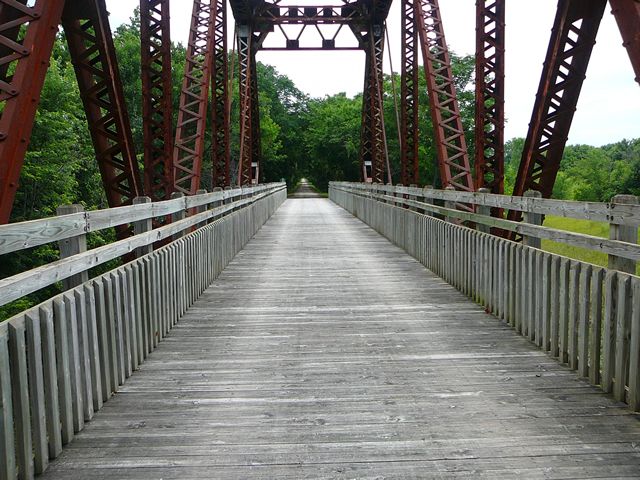
Dog friendly hiking trails in Katy Trail State Park follow the longest rails-to-trails conversion in the United States, spanning 240 miles across Missouri. The terrain is predominantly flat with a crushed limestone surface, making it accessible for various abilities. Hikers can experience diverse landscapes, including stretches along the Missouri River, dramatic limestone bluffs, woodlands, open fields, and wetlands. The park offers a unique blend of natural scenery and historical features.
Best dog friendly hiking trails in Katy Trail State Park
…Last updated: May 14, 2026
11.7km
02:59
30m
40m
Moderate hike. Good fitness required. Easily-accessible paths. Suitable for all skill levels.
20.4km
05:08
20m
20m
Hard hike. Very good fitness required. Easily-accessible paths. Suitable for all skill levels.

Sign up for free
55.3km
13:57
70m
80m
Hard hike. Very good fitness required. Easily-accessible paths. Suitable for all skill levels.
Our route recommendations are based on thousands of hikes, rides, and runs completed by other people on komoot.
Start today with a free account
Your next adventure awaits.
Login or Signup


Tips from the Community


Known locally as “Devil’s Boot Cave,” this natural overhang carved in sandstone resembles the shape of a boot and stretches roughly 25 feet deep and wide, near Marthasville. Once used as a pioneer shelter and noted by local schools for nature trips, the site offers a little geological curiosity beside the trail—a hands-on reminder of Missouri’s limestone landscape and early frontier life. Great for a quick stop and photo op!
0
0
Shortly after turning onto Case Road, cyclists enter the 3,520-acre Daniel Boone Conservation Area — part of Missouri’s preserved forestland celebrated for wooded hills, glades, four fishable ponds, and trails that wind through rugged valleys and wildlife habitat, perfect for birding, nature photography, or stretching legs before the climb While the Katy Trail has been smooth and flat up to this point, once you turn onto Case Road and enter the conservation area, expect a steady climb that eventually reaches a challenging maximum grade of about 12% (you may want to walk your bike at this part) This ascent leads you up to the campground within the Conservation Area—so pace yourself, shift into a lower gear, and take short breaks if needed before reaching the ridge and the peaceful campsites above.
0
0
This small town offers a convenient trailhead with parking, restrooms, and a bike repair station. Just off the trail, Loutre Market serves hot deli food, snacks, drinks, and trail essentials—making it a great resupply stop. The restored McKittrick Farmers Mercantile building now offers loft-style lodging steps from the trail. With both charm and function, McKittrick is a worthwhile pause on your ride east.
0
0
Between mile markers 93.2 and 89.0, the Katy Trail offers some of its most breathtaking views of the Missouri River. This section features sweeping vistas of the river, dramatic limestone bluffs, and serene floodplain landscapes. The Missouri River, often called the "Big Muddy" due to its high silt content, is the longest river in North America, stretching over 2,300 miles from Montana to its confluence with the Mississippi River near St. Louis.
0
0
On June 6, 1804, the Lewis and Clark Expedition camped on the starboard side of the Missouri River after a challenging day navigating strong currents and eroding banks. Earlier, they passed notable landmarks including Split Rock Creek and Saline Creek, the latter known for its salt springs. The day's journey was marked by the river rising a foot overnight and the crew's efforts to mend the barge's mast before setting out.
0
0
Between Rocheport and Huntsdale, the Katy Trail skirts the base of the majestic Manitou Bluffs—towering limestone cliffs shaped by the Missouri River's erosive power. These bluffs hold deep cultural significance, adorned with ancient Native American pictographs and burial mounds atop their heights. Early explorers, including Lewis and Clark, documented these sites in the early 1800s.
0
0
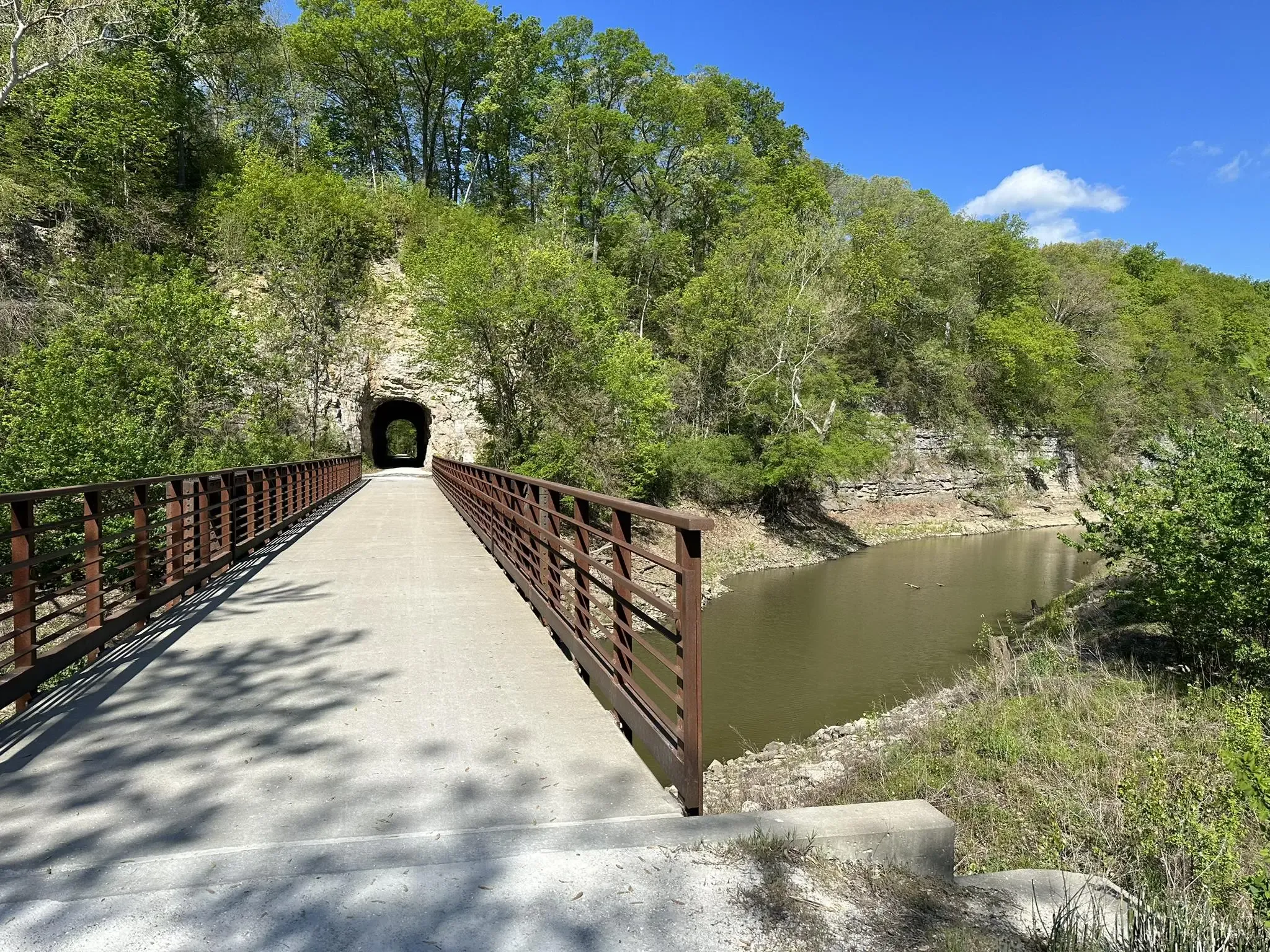
Just west of Rocheport, the Katy Trail passes a fascinating relic of railroad history: a stone-faced bunker built into the limestone bluffs. Constructed in the early 1900s, this structure served as a secure storage site for explosives used during the Missouri-Kansas-Texas Railroad's operations. Though now on private property, trail users can glimpse its sturdy facade from the path. This hidden feature offers a tangible connection to the region's industrial past, nestled within the scenic beauty of the Missouri River bluffs.
0
0
Frequently Asked Questions
How many dog-friendly hiking trails are highlighted in this guide for Katy Trail State Park?
This guide features 3 specific dog-friendly routes, offering a variety of experiences along the Katy Trail. While these are curated selections, the entire 240-mile Katy Trail is generally welcoming to dogs, providing extensive opportunities for you and your canine companion to explore.
What are the general rules for bringing my dog to Katy Trail State Park?
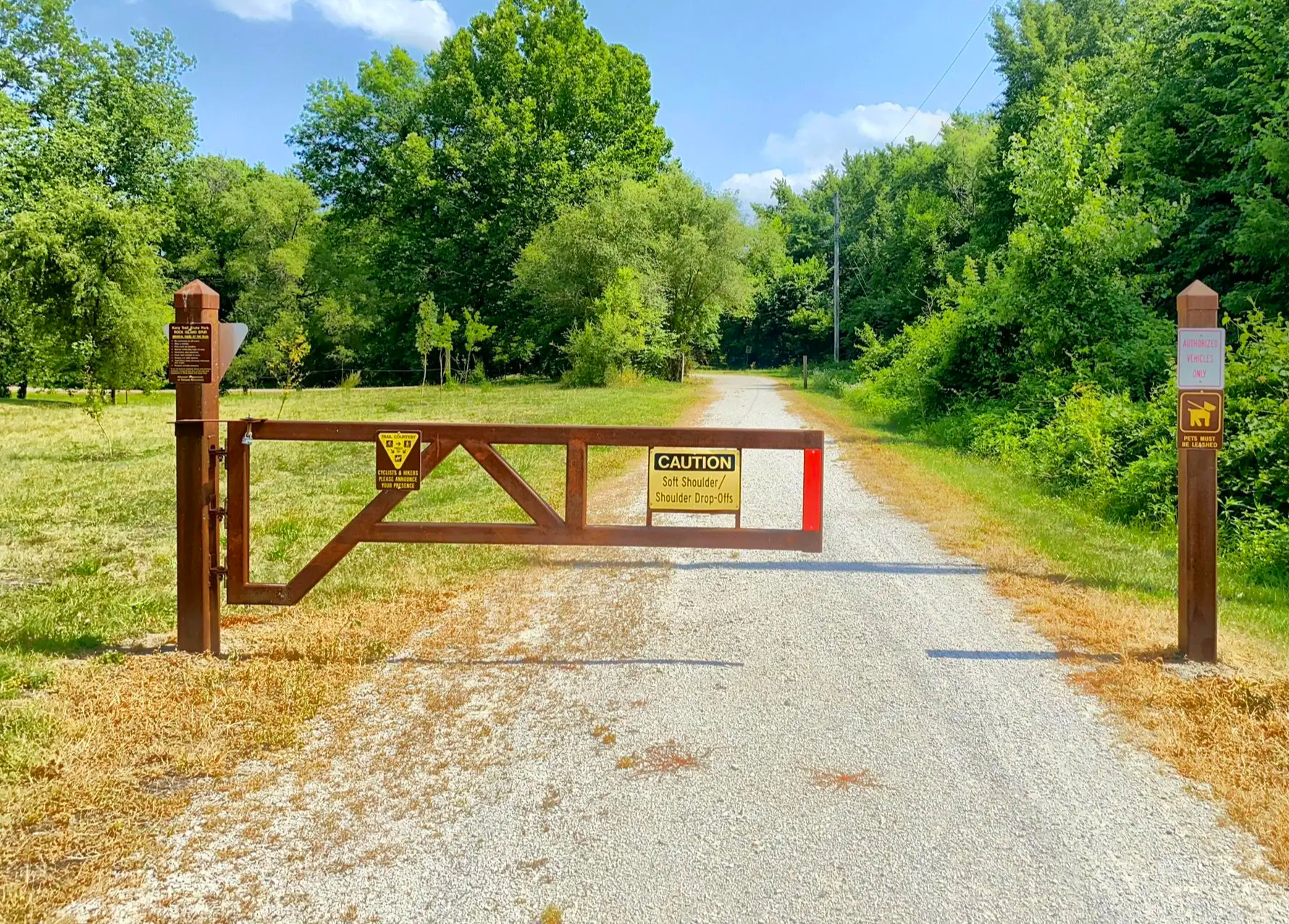
Dogs are welcome on the Katy Trail State Park, but they must be kept on a leash at all times. Please remember to clean up after your pet to maintain the trail's cleanliness and respect other users. Always carry enough water for both yourself and your dog, especially on longer stretches.
Are there any easy dog-friendly routes suitable for beginners or older dogs?
While this guide's featured routes include moderate and difficult options, the Katy Trail's predominantly flat terrain and crushed limestone surface make many sections suitable for beginners or older dogs. The Katy Trail: Rocheport to Huntsdale route, at just over 11 km, is rated moderate and offers a good starting point with beautiful river views.
What kind of terrain can I expect on dog-friendly hikes in Katy Trail State Park?
The Katy Trail is known for its mostly flat terrain, consisting primarily of crushed limestone. This makes for a comfortable walking surface for both humans and dogs, though it's always a good idea to check your dog's paws regularly, especially on longer walks. You'll traverse varied landscapes including woodlands, open fields, and sections alongside the Missouri River.
Can I find longer dog-friendly hikes for a full day out on the Katy Trail?
Absolutely. The Katy Trail offers extensive mileage for longer excursions. For a significant challenge, consider the Katy Trail: Hermann to Augusta route, which spans over 55 km. This allows for a full day of hiking or can be broken into segments for multi-day adventures with your dog.
What notable natural features or landmarks can I see with my dog along the Katy Trail?
The Katy Trail is rich with natural beauty and historical landmarks. You can explore the dramatic Manitou Bluffs near Rocheport, enjoy views of the Missouri River, and even spot the ancient Big Burr Oak tree near McBaine. Don't miss the unique Rocheport Tunnel, a historic brick and stone structure.
Are there any towns along the trail where I can stop with my dog for amenities?
Yes, the Katy Trail connects over 20 charming towns, many of which offer amenities. Towns like Rocheport, Boonville, Hermann, and Augusta provide opportunities for breaks, with some offering dog-friendly establishments. It's always a good idea to check ahead for specific pet policies of businesses.
What is the best time of year to hike with my dog in Katy Trail State Park?
Spring and fall are generally considered the best times to hike the Katy Trail with your dog. The weather is milder, and the scenery is vibrant with spring blooms or autumn foliage. Summer can be hot and humid, so if you hike then, plan for early morning or late afternoon walks and ensure plenty of water. Winter offers a quieter experience, but be prepared for colder temperatures and potential icy patches.
Where can I find parking when bringing my dog to the Katy Trail?
The Katy Trail State Park has 26 trailheads, many of which offer dedicated parking areas. Popular trailheads like Rocheport, Boonville, Hermann, and Augusta typically have ample parking. Always check the specific trailhead information for parking availability before your visit.
What do other hikers enjoy most about bringing their dogs to Katy Trail State Park?
The Katy Trail State Park is highly rated by the komoot community, with an average score of 4.8 stars. Reviewers often praise the trail's flat, well-maintained surface, which is ideal for dogs of all sizes, and the beautiful, varied scenery. The opportunity to explore historic towns and enjoy riverside views with their canine companions is frequently highlighted as a major draw.
What should I bring for a dog-friendly hike on the Katy Trail?
For a comfortable dog-friendly hike, remember essentials like a leash, waste bags, and plenty of water for both you and your dog. A portable water bowl is also very useful. Consider dog booties for longer distances or if your dog has sensitive paws, especially on warmer days. Snacks for both of you, a first-aid kit, and sun protection are also recommended.
Most popular routes in Katy Trail State Park
Most popular attractions in Katy Trail State Park

Get inspired with the komoot mobile app


