Clwydian Range And Dee Valley National Landscape
Clwydian Range And Dee Valley National Landscape
Top 17 Natural Monuments around Clwydian Range And Dee Valley National Landscape
Best natural monuments around Clwydian Range And Dee Valley National Landscape are found within a protected area in north-east Wales, characterized by heather-clad uplands, dramatic valleys, and significant geological formations. The landscape encompasses the broad Clwydian Range with its rounded hills and open moorland, and the Dee Valley defined by the winding River Dee. This region is known for its diverse habitats, including ancient woodlands and limestone cliffs, supporting various wildlife. It offers extensive trail networks for exploring its natural…
Last updated: October 9, 2026
Jubilee Tower on Moel Famau
Highlight • Monument
Tip by

Moel Fferna
Highlight • Viewpoint
Tip by

Sign up now to discover places like this
Get recommendations on the best single tracks, peaks, & plenty of other exciting outdoor places.
Horseshoe Falls
Highlight • Monument
Tip by

World's End Road and Ford (Eglwyseg Valley)
Highlight (Segment) • Trail
Tip by

Penycloddiau Summit
Highlight • Viewpoint
The …
Tip by
Sign up for free to discover even more natural monuments around Clwydian Range And Dee Valley National Landscape.
Already have an account?
Start today with a free account
Your next adventure awaits.
Popular around Clwydian Range And Dee Valley National Landscape
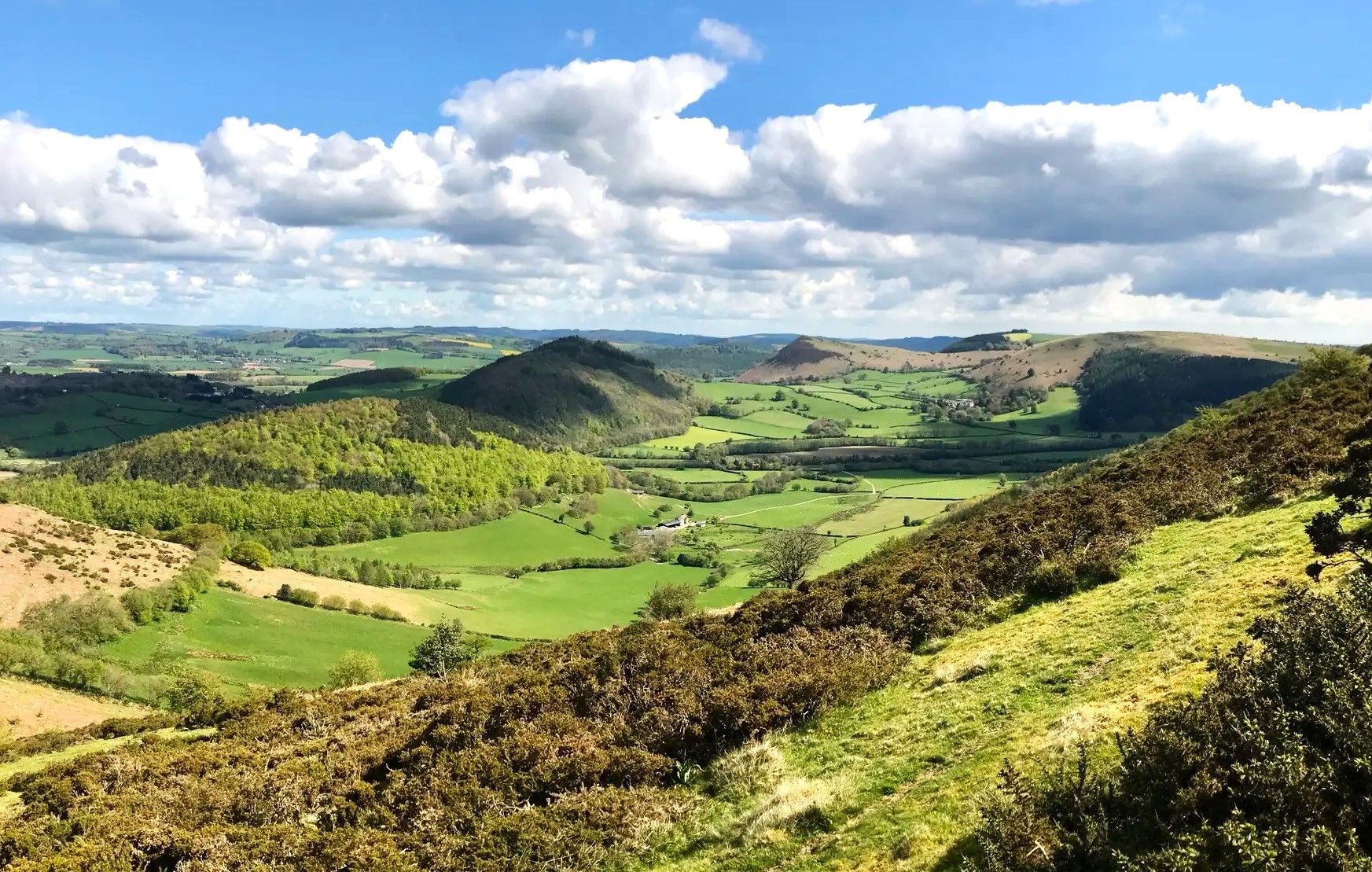
Offa's Dyke Path — Epic coast-to-coast hike along ancient monument
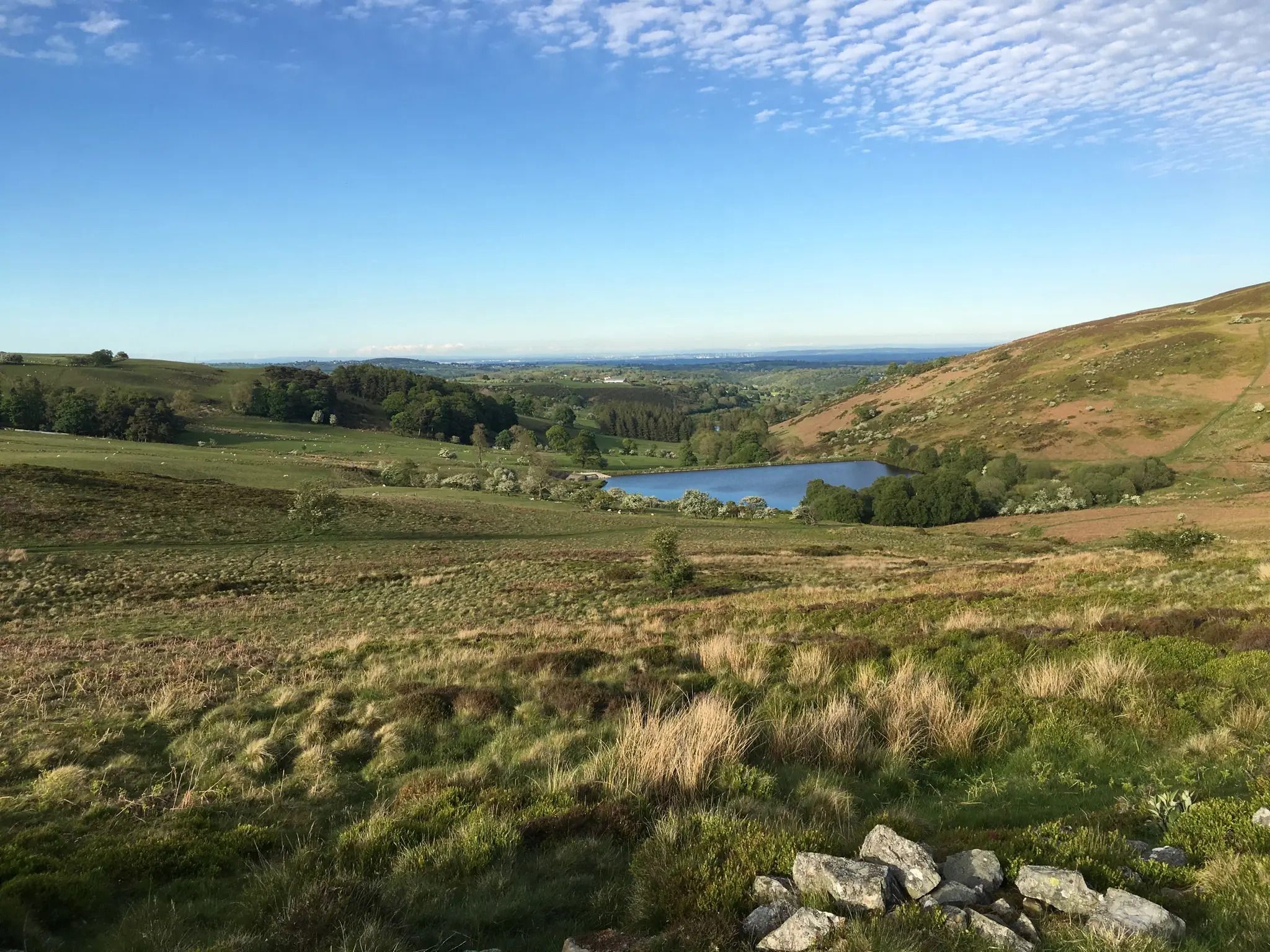
North-East Wales' Secret MTB Paradise — The Triban Trail
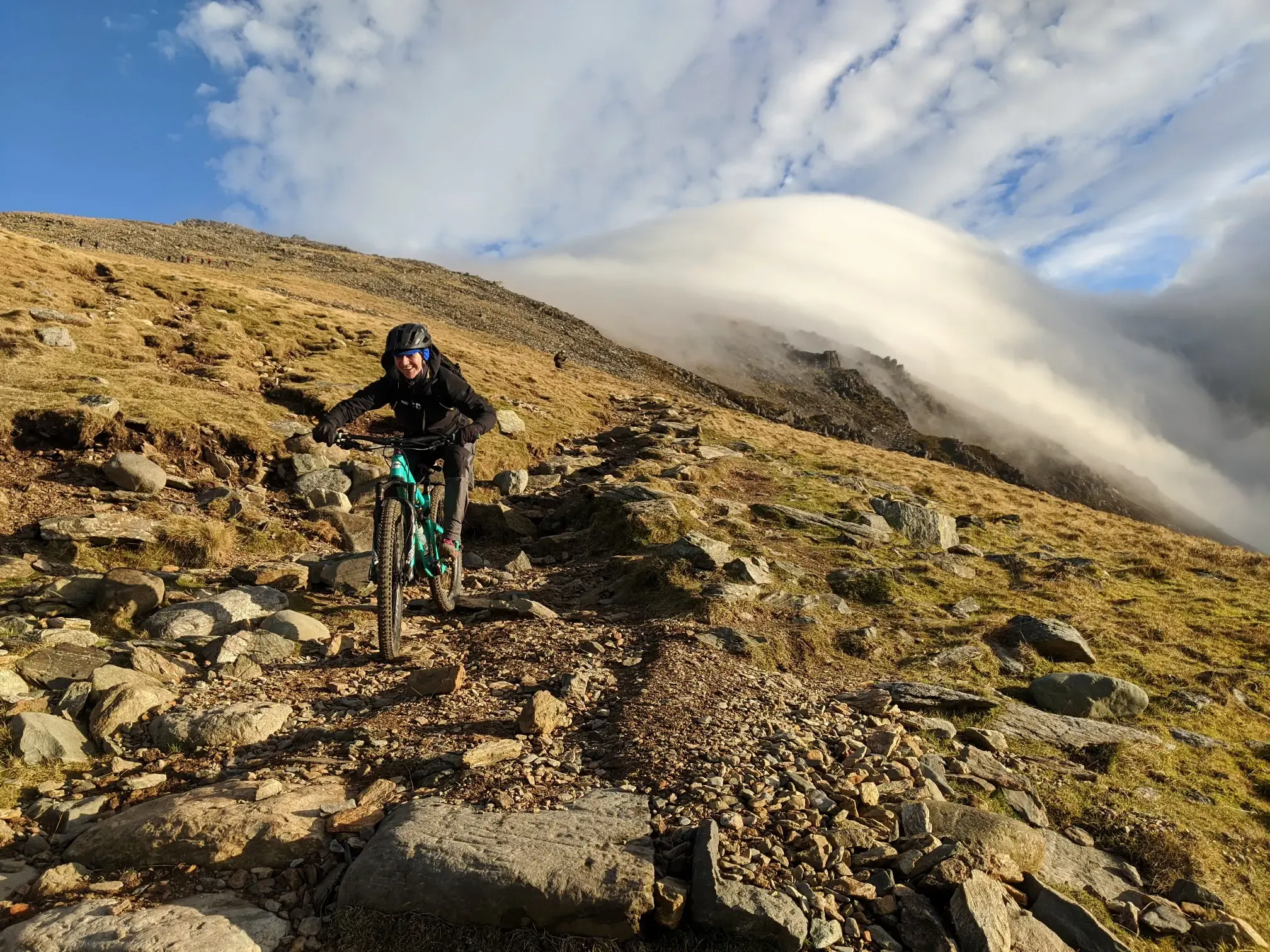
North Wales mountain biking — Gogledd Cymru's finest
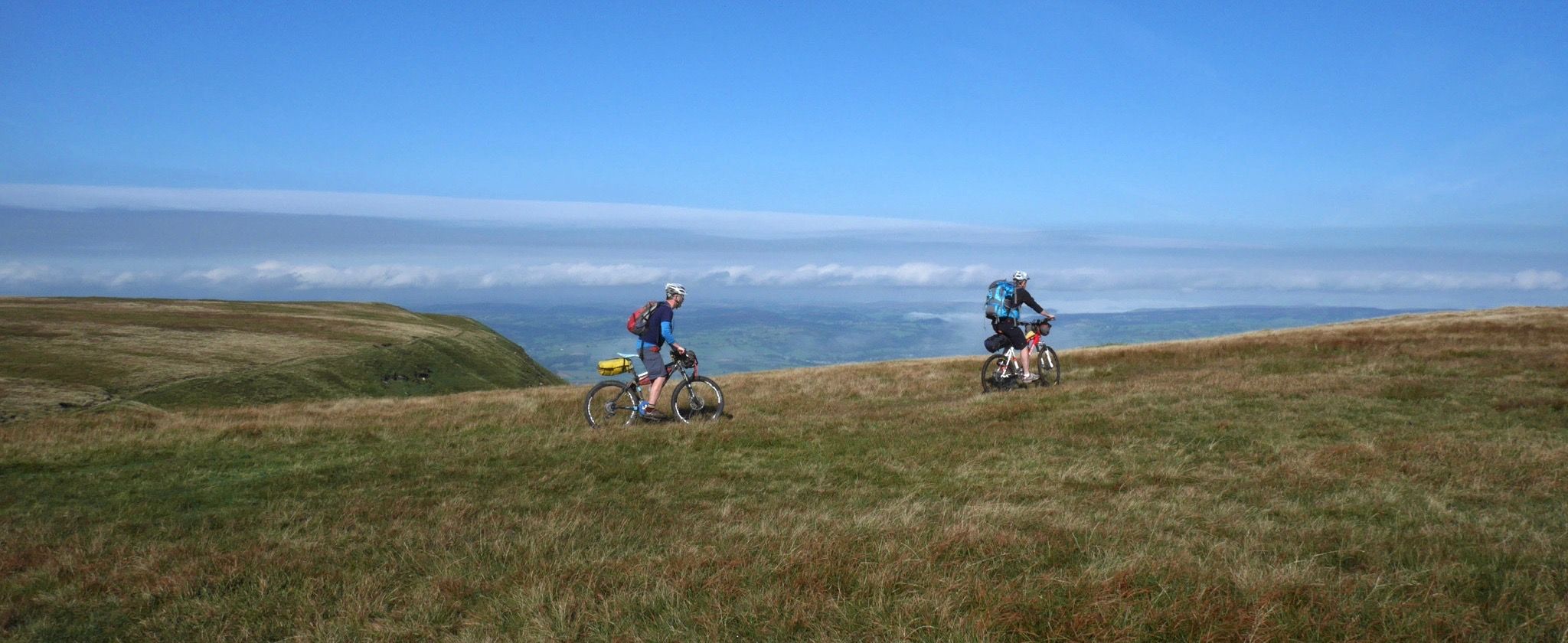
Trans-Wales bikepacking in 4 days
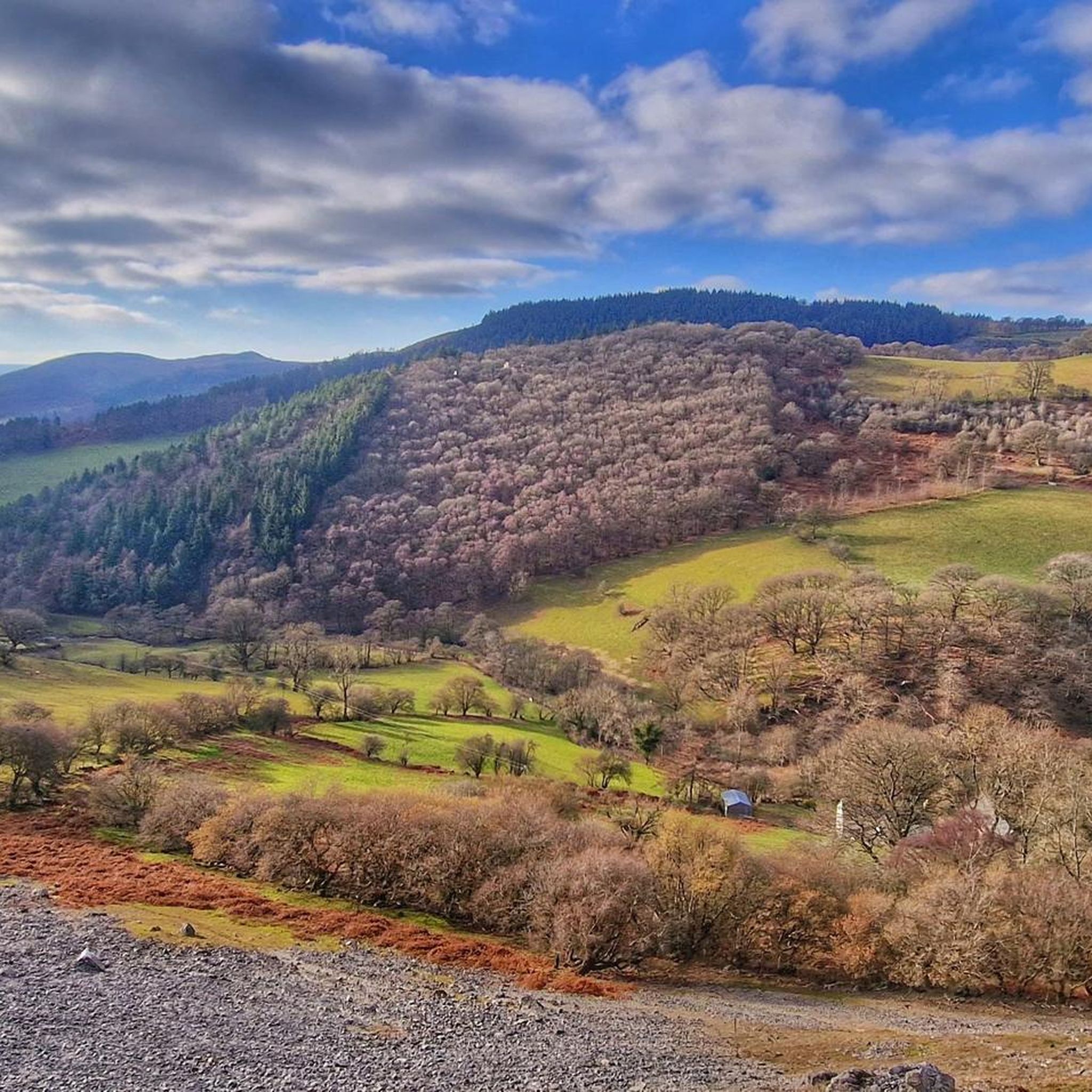
Hiking around Clwydian Range And Dee Valley National Landscape
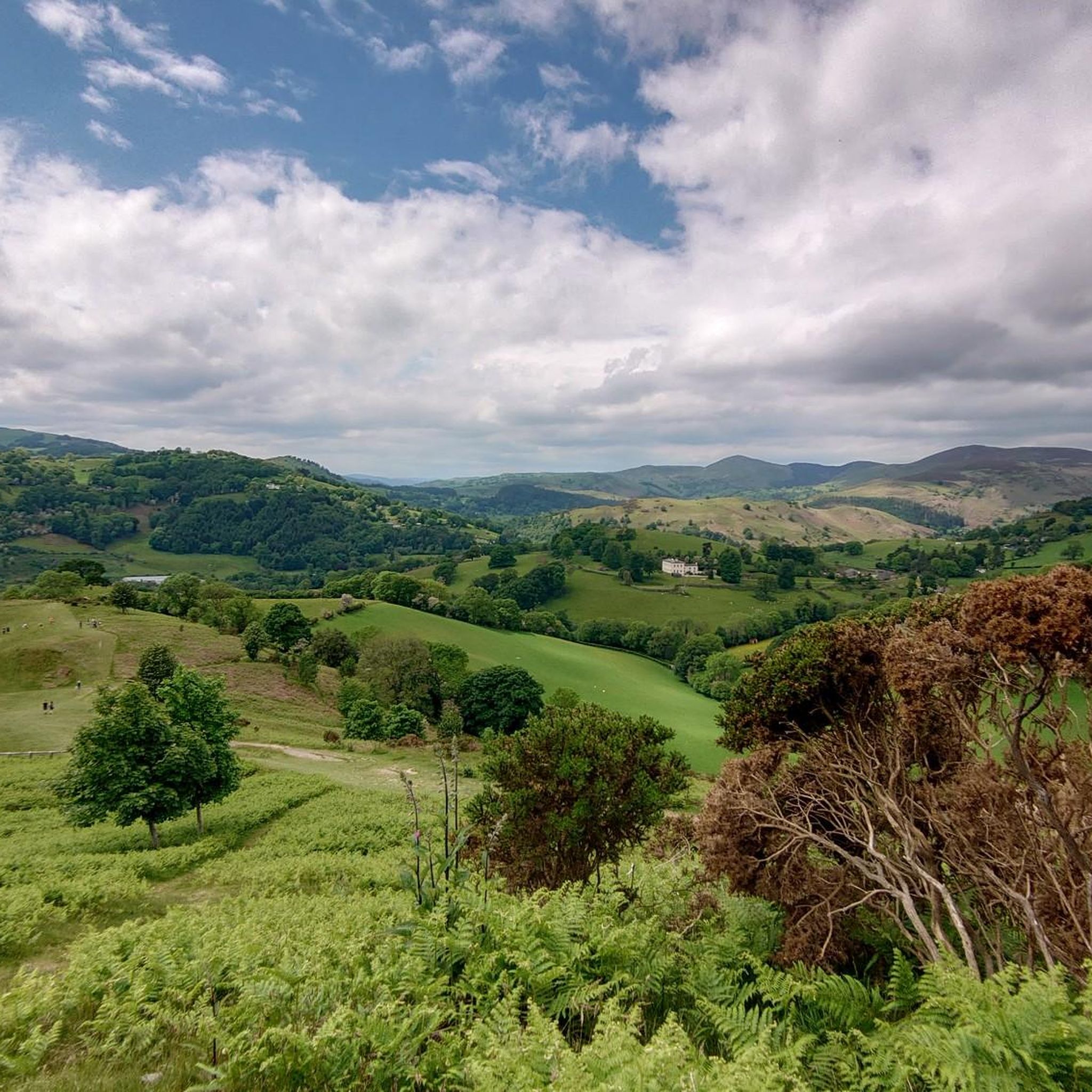
Running Trails around Clwydian Range And Dee Valley National Landscape
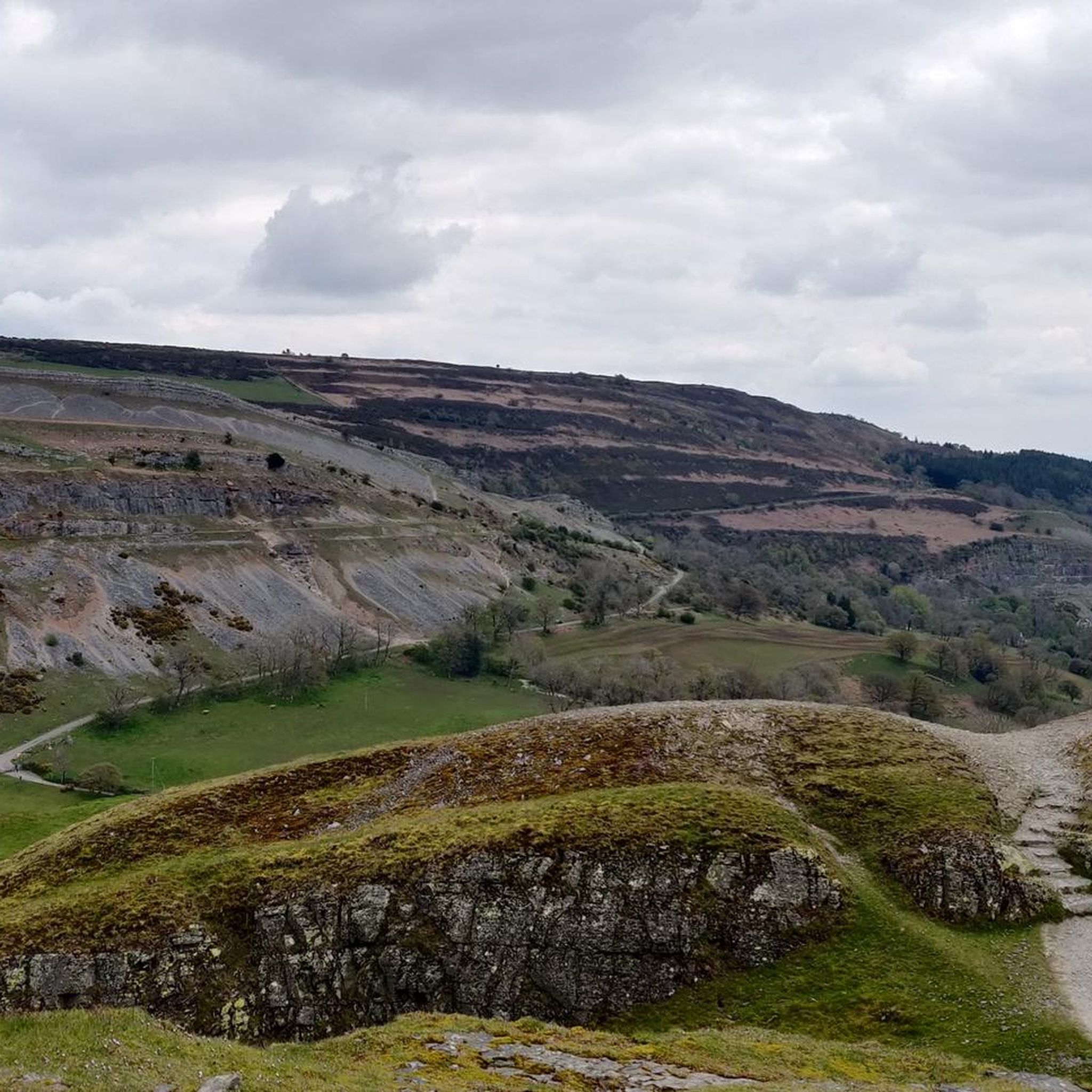
MTB Trails around Clwydian Range And Dee Valley National Landscape
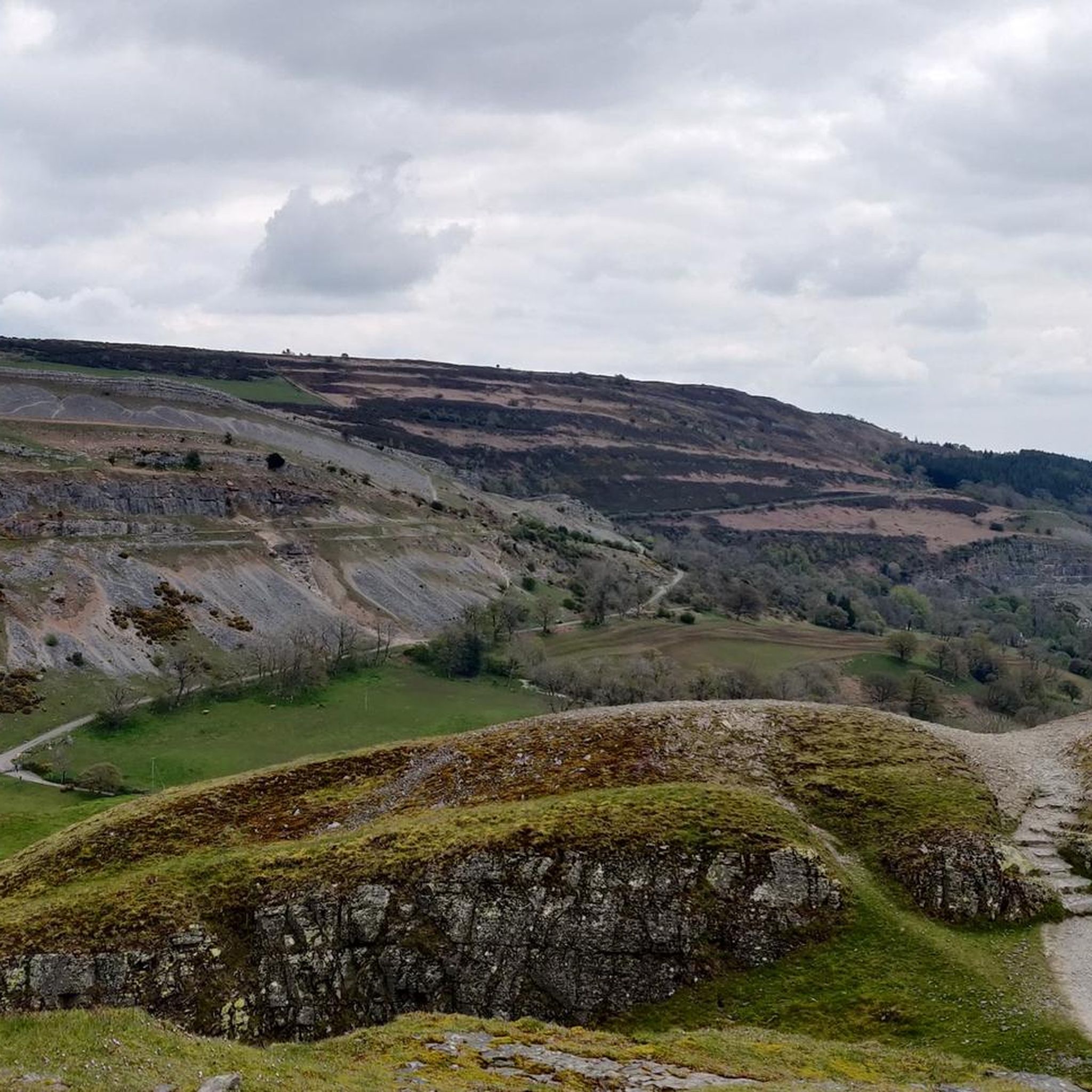
Cycling around Clwydian Range And Dee Valley National Landscape
Road Cycling Routes around Clwydian Range And Dee Valley National Landscape

Gravel biking around Clwydian Range And Dee Valley National Landscape
Other adventures around Clwydian Range And Dee Valley National Landscape


Tips from the Community

The Llantysilio Green weir, more commonly known as the Horseshoe Falls, is a 140-meter-long, horseshoe-shaped weir designed by Thomas Telford in 1808 to divert water from the River Dee into the Llangollen Canal. This prominent structure is a significant piece of engineering and a feature of the World Heritage Site, providing water for the canal and attracting tourists with its unique design and surrounding landscape. The Llantysilio Green Car Park is a designated access point for visiting the falls. In the late 19th century a long piece of wood, about 30cm wide, floated on the water here to deflect floating debris away from the canal intake. It was fixed at one end. It’s visible in the photo, taken c.1890. Some trippers couldn’t resist the temptation to walk along it, ignoring a warning sign nearby, if they weren’t spotted by the “waterman” in charge of the sluice. Local residents took a dim view of such “unheeding folly”. 😂😂
4
1

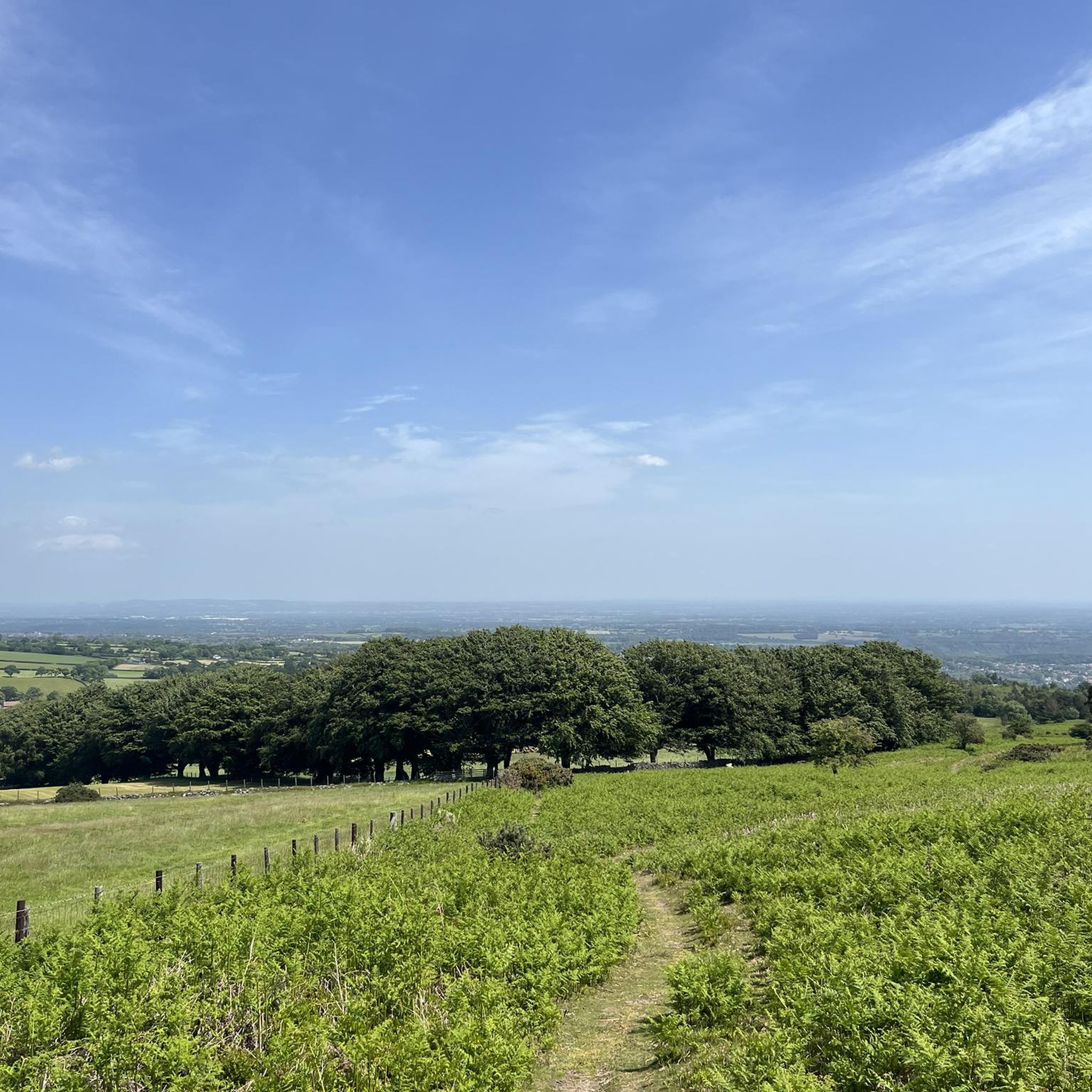
This beautiful place is perfect for an afternoon out.(mind the sun though) Views of Welsh farmland are all around including some enchanting woodlands! My dog loves it up here, not many people so nice and calm.
0
0
Located on the River Dee, near to Llantysilio, this masterpiece of Thomas Telford Engineering is where the Pontcysllte Aqueduct and Canal World Heritage site begins. He designed this weir to draw water from the River Dee in to the canal, and it became a stunning addition to the landscape. At 460ft (140M) long, it’s a sight to behold.
6
0

Like all hills the weather can turn in an instant take sturdy foot wear and a waterproof jacket :)
1
0
The area is popular with walkers, cyclists and tourists. The Offa's Dyke Path passes through World's End. World's End lies on a single track road from the small village of Minera near Wrexham, which crosses Esclusham Mountain and the Ruabon Moors to a public car park at the top of the Eglwyseg valley. The road crosses the Eglwyseg River by a ford, then goes on towards Pentre Dŵr, under the Horseshoe Pass, leading eventually to Llangollen or onto the Panorama in Trevor. Near World’s End is the manor house Plas Ucha yn Eglwyseg, built in 1563. It was for a time the home of John Jones Maesygarnedd, one of the signatories of the death warrant for Charles I of England. The building is said to stand on the site of a hunting lodge of Owain ap Cadwgan, prince of Powys, where Owain carried Nest (daughter of Rhys ap Tewdwr) when he stole her away from her husband Gerald de Windsor in 1109.
3
0

A really interesting monument and not at all how you think it will be when you see it from a distance
1
0

I really cant stress how slippy the ford is and wet and painful
1
0
The distinctively shaped weir, which is 460 feet (140 m) long, helps create a pool of water that can enter the Llangollen Canal (via an adjacent valve house and flow meter). The canal west of Pontcysyllte Aqueduct and the construction of the weir were authorised by an Act of Parliament obtained in 1804 by the Ellesmere Canal Company. The canal was a navigable feeder, which supplied water to the Ellesmere Canal beyond Pontcysyllte, and to the Chester Canal, to which it connected near Nantwich. Thomas Telford was the civil engineer responsible for the design, and the canal and feeder were completed in 1808.
3
1
Frequently Asked Questions
What are some of the most notable natural monuments in the Clwydian Range and Dee Valley National Landscape?
The region boasts several significant natural monuments. Highlights include Jubilee Tower on Moel Famau, the highest hill in the Clwydian Range offering panoramic views, and Moel Fferna, the highest point in the entire National Landscape. The dramatic World's End Road and Ford (Eglwyseg Valley) showcases impressive limestone cliffs, while Horseshoe Falls, though man-made, is a striking feature of the River Dee.
Are there family-friendly natural monuments to visit in the area?
Yes, several spots are suitable for families. Horseshoe Falls is a great option, offering easy access to the River Dee and its unique engineering. The ascent to Jubilee Tower on Moel Famau also has gentler routes, making it accessible for families to enjoy the views and the historic tower.
What kind of outdoor activities can I do near these natural monuments?
The Clwydian Range and Dee Valley National Landscape is ideal for various outdoor pursuits. You can enjoy extensive hiking and running trails, including sections of the Offa's Dyke Path. Cycling and mountain biking are popular, with routes like the Llandegla Blue Route. The Dee Valley also offers opportunities for canoeing and birdwatching. For more detailed route information, explore the MTB Trails, Gravel Biking, and Running Trails guides for the region.
What natural features define the Clwydian Range and Dee Valley National Landscape?
The landscape is characterized by its diverse natural features. The Clwydian Range features heather-clad uplands, rounded hills, and open moorland, while the Dee Valley is defined by the winding River Dee, wooded areas, and rich river scenery. Dramatic geological formations like the limestone cliffs of the Eglwyseg Escarpment and scenic passes such as Horseshoe Pass also contribute to its unique beauty.
What historical or man-made features can be found alongside the natural monuments?
The region blends natural beauty with historical significance. The summit of Moel Famau is crowned by the Grade II-listed remains of Jubilee Tower. Horseshoe Falls is a remarkable 140-meter-long weir designed by Thomas Telford in 1808 to divert water for the Llangollen Canal, a significant piece of engineering and part of a World Heritage Site. Ancient Iron Age hillforts are also integrated into the natural contours of the Clwydian Range.
What is the best time of year to visit the natural monuments in this region?
The Clwydian Range and Dee Valley National Landscape offers beauty year-round. Spring brings wildflowers, while summer is ideal for longer walks and outdoor activities. Autumn showcases vibrant foliage, particularly in the Dee Valley's wooded areas. Even in winter, the landscape offers dramatic, stark beauty, though some higher routes may be more challenging due to weather conditions.
Are there any hidden natural gems or less-known spots worth exploring?
Beyond the main attractions, the region holds many quieter spots. Exploring the various trails around the Eglwyseg Valley, such as the World's End Road and Ford, can lead to secluded views and a deeper connection with nature. The extensive trail networks, including sections of the Offa's Dyke Path, often reveal less-trafficked areas with unique flora and fauna.
What kind of wildlife can I expect to see in the Clwydian Range and Dee Valley National Landscape?
The protected status of the National Landscape ensures diverse habitats for wildlife. Keep an eye out for birds of prey such as red kites and peregrine falcons soaring above the uplands. The wooded areas and riverbanks of the Dee Valley are home to various bird species and smaller mammals. Rare wildflowers can also be spotted, especially in the heather moorlands and limestone habitats.
How long should I plan for a visit to the natural monuments?
The duration of your visit depends on your interests. A single day allows you to explore one or two key sites like Moel Famau or Horseshoe Falls with a short walk. To fully appreciate the diverse landscapes, including hiking in the Clwydian Range and exploring the Dee Valley, a weekend or longer stay is recommended.
Are there options for food and drink near the natural monuments?
Yes, the towns and villages within and around the Clwydian Range and Dee Valley National Landscape offer various options. Llangollen, for example, is a good base with plenty of accommodation, cafes, and pubs. Smaller villages also have local establishments where you can find refreshments after exploring the natural monuments.
What are the highest points in the Clwydian Range and Dee Valley National Landscape?
The highest point within the entire National Landscape is Moel Fferna, reaching 630 meters (2,070 ft). Within the Clwydian Range itself, Moel Famau is the highest hill at 554 meters, offering extensive views from its summit.
Can I find challenging hikes among the natural monuments?
Absolutely. For experienced hikers, the ascent to Moel Fferna provides a challenging walk with rewarding, breathtaking vistas. Routes that combine multiple summits in the Clwydian Range, such as the Moel Famau & Foel Fenlli loop, also offer significant elevation gain and rugged terrain. The Eglwyseg Escarpment provides opportunities for rock climbing for those seeking more adventurous pursuits.
Most popular routes around Clwydian Range And Dee Valley National Landscape
Most popular attractions around Clwydian Range And Dee Valley National Landscape

Get inspired with the komoot mobile app


Explore more
Extend your search for the best caves by checking out these guides of the top ones around Clwydian Range And Dee Valley National Landscape:
