Top 9 Natural Monuments in Natuurreservaat De Westhoek
Best natural monuments in Natuurreservaat De Westhoek showcase Flanders' oldest and most pristine dune landscape, a 345-hectare reserve in De Panne, Belgium. This area features dynamic dune formations and exceptional biodiversity, offering a unique geological and ecological experience. Visitors can explore 9 natural monuments that highlight the region's diverse habitats and natural processes.
Best natural monuments in Natuurreservaat De Westhoek
- The most popular natural monuments is Oostergrenspad Observation Deck, a viewpoint that offers an overview of the dunes. This…
Last updated: May 8, 2026
Oostergrenspad Observation Deck
Highlight • Viewpoint
Tip by

De Westhoek Dune Reserve
Highlight • Natural
Translated by Google •
Tip by

Sign up now to discover places like this
Get recommendations on the best single tracks, peaks, & plenty of other exciting outdoor places.
Sign up for free
Dune du Perroquet
Highlight • Natural
Translated by Google •
Tip by

The Westhoek Dune Reserve
Highlight • Natural Monument
Translated by Google •
Tip by

Northernmost Point of France
Highlight • Natural Monument
Translated by Google •
Tip by

Sign up for free to discover even more natural monuments in Natuurreservaat De Westhoek.
Sign up for free
Already have an account?
Start today with a free account
Your next adventure awaits.
Login or Signup

Tips from the Community

This boundary stone is the westernmost in Belgium. It was recently installed to replace the original, which had braved the elements for many years. The annotation "1819" refers to the placement of the original, which marked the border with France. Anyone familiar with Belgian history will understand that this boundary stone originally marked the border with the Netherlands (after the fall of Napoleon in 1815), rather than with Belgium. When Belgium was formed, this border was preserved, and the nearby boundary stones were "recycled." For the hiker looking for this boundary stone... it's located on the border between the dunes and the beach, on the right side of the border path if you're standing with your back to the sea. There are no guarantees that this stone will always be visible. After a storm, it's quite possible that it will temporarily disappear under the sand. Good luck finding this boundary stone!
0
0

First of all, this boundary marker on the beach is completely new, as an earlier one was irreparably damaged in 2021. The date and initials refer to the brief period from 1814 to 1830 when France bordered the Netherlands. The former boundary marker was first erected in 1819. Now, this boundary marker 2.0 marks the border between Belgium and France. The point also marks the westernmost point of Belgium in combination with the northernmost point of mainland France.
5
0
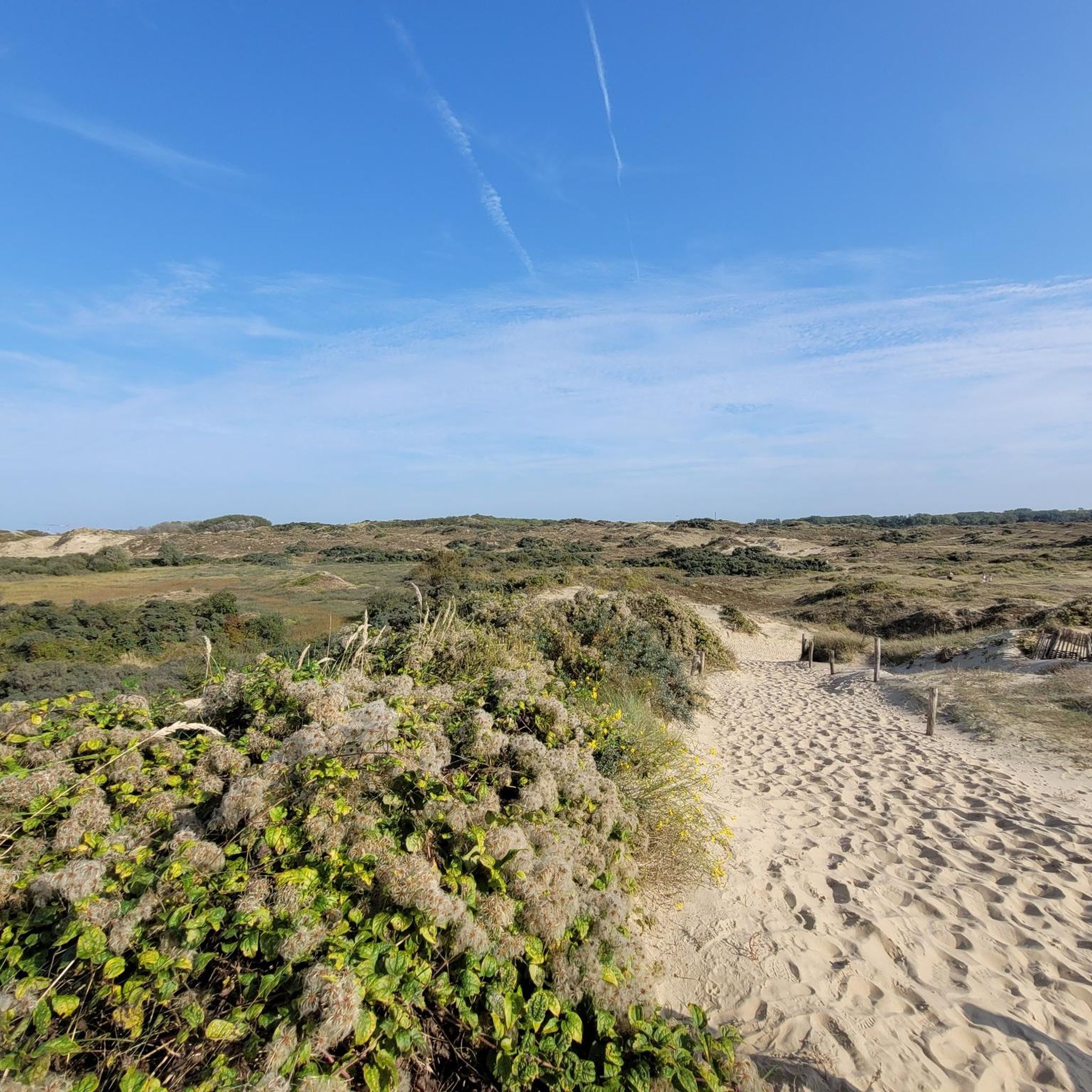
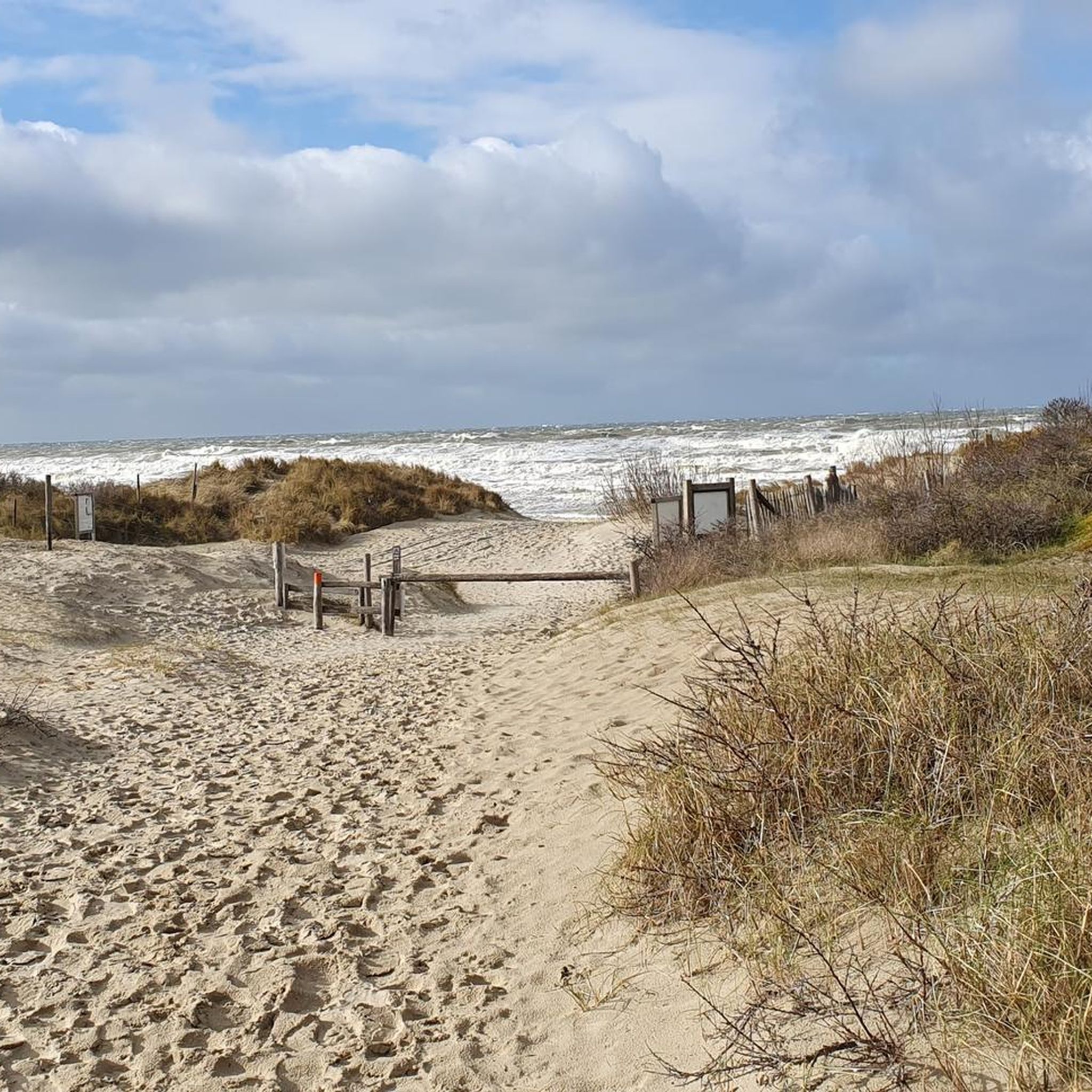
The nature reserve is a true dune area for walking. The winding trails take you past ancient trees, thickets, dunes, and dune hollows. The westerly wind keeps this area in motion, and it might look different on your next visit. With a bit of luck and a strong Beaufort temperature, you might encounter some moving dunes here 😉. And perhaps you'll suddenly come face to face with a Scottish Highland cattle or a wild Konik horse!
1
0
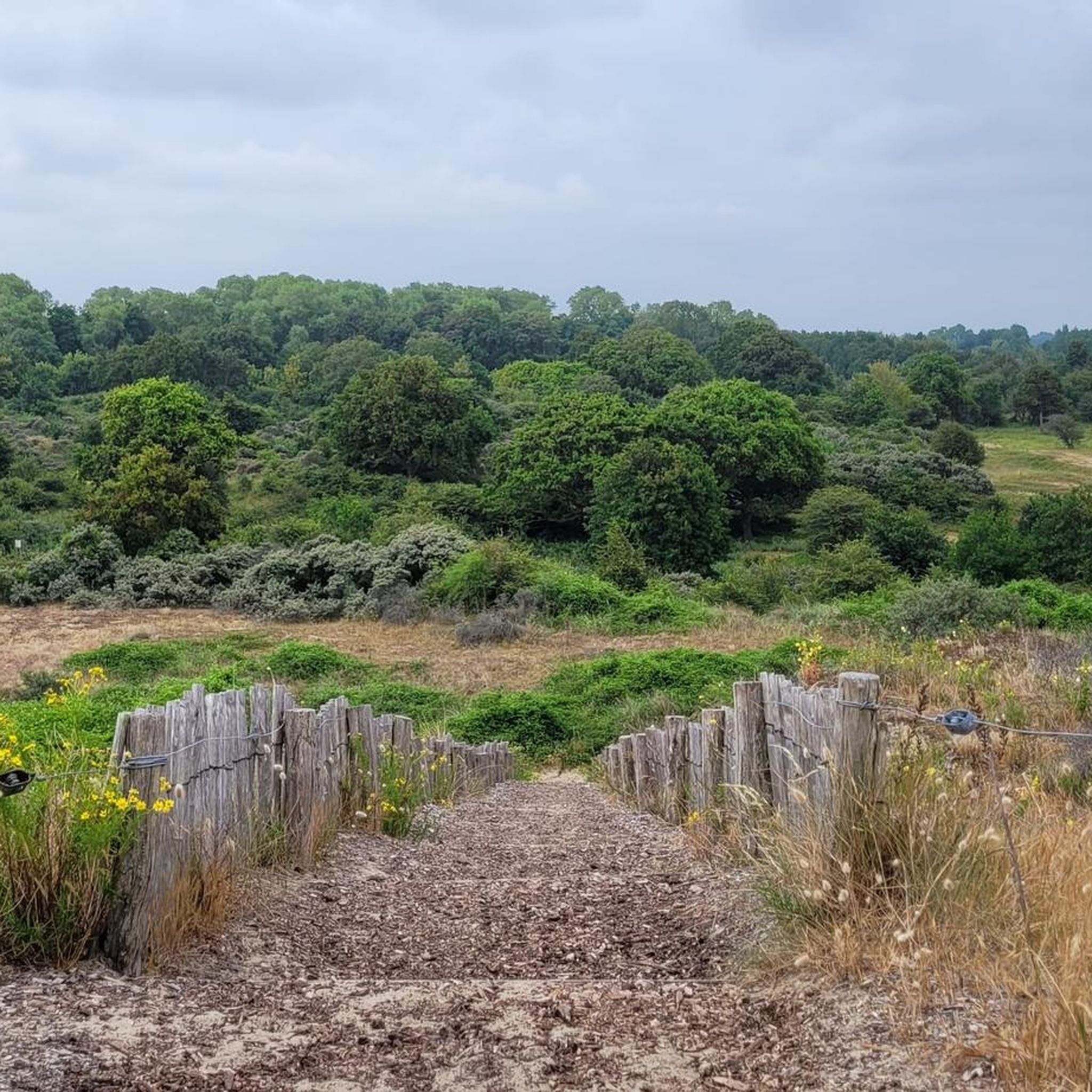
A magnificent viewpoint on the edge of the nature reserve. Climb this platform and be tempted to dive into the dunes. Hiking trails lead you through an oasis of tranquility.
5
0
A dune that flirts with the border between Belgium and France. About the dunes: The Dune du Perroquet is a nature reserve in the town of Bray-Dunes, part of the Nord department of France. The 179-hectare area consists of dunes that are directly connected to the North Sea coast, making it the northernmost point of France.
4
0

A must do between De Panne and Bray-Dunes
1
1

It was very nice and there wasn't much going on.
0
1

The Flemish nature reserve De Westhoek extends over almost 350 hectares. In 1935, De Westhoek was protected as a landscape. In 1957, the area was the very first Flemish nature reserve to receive the status of a state nature reserve. Together with the adjacent Calmeynbos and the Krakeelduinen, the Oosthoekduinen and the French dunes of Le Perroquet, De Westhoek forms the largest contiguous dune massif on our coast. The Westhoek is part of the varied and extensive Dunes and Forests of De Panne. Foredune dunes, walking dunes, parabolic dunes, gray and blonde dunes: one dune is certainly not the same as the other. More or less parallel to the coastline you can distinguish different 'belts': the beach, the front dunes, the northern pan belt, the central drift dune, the southern pan belt and the inner dunes. More than 400 species of plants grow in the Westhoek. Many special mosses, liverworts and lichens also flourish in De Westhoek. Beaches and dunes are a real attraction for various birds such as wheatear and crested lark and migratory birds such as hen harrier and redwing. Bird lovers will always find a wide variety in De Westhoek: stonechat, chiffchaff and warbler are regular guests. In the spring, the dune pools of the Westhoek are the ideal spawning ground for the European protected natterjack toad and great crested newt.
4
0
Frequently Asked Questions
What unique natural features can I explore in Natuurreservaat De Westhoek?
Natuurreservaat De Westhoek is renowned for its dynamic and diverse dune landscapes, including shifting dunes, parabolic dunes, and the impressive central mobile dune often called "the Sahara." You can also discover unique environments like the Slufters, where seawater penetrates the reserve, and biologically rich Dune Pans with rare plant species. The reserve is home to over 400 plant species and a wide array of wildlife.
Are there specific viewpoints to get a good overview of the natural monuments?
Yes, the Oostergrenspad Observation Deck offers a magnificent viewpoint on the edge of the nature reserve, providing an excellent overview of the dunes and the surrounding landscape. It's a great spot to appreciate the vastness of the area.
What kind of wildlife can I expect to see in Natuurreservaat De Westhoek?
The reserve is an ecological hotspot, supporting over 200 bird species, including the Northern Wheatear, Crested Lark, Hen Harrier, and Redwing. The dune ponds are vital spawning grounds for protected species like the natterjack toad and the crested newt. You might also spot large grazing animals such as Scottish Highland cattle and Konik horses in the lower dune hollows, which play a role in managing the ecosystem.
Are there family-friendly natural monuments or activities in the reserve?
Many areas within Natuurreservaat De Westhoek are family-friendly. Highlights like the Oostergrenspad Observation Deck, Dune du Perroquet, and De Westhoek Dune Reserve are suitable for families. The diverse landscapes offer opportunities for children to explore dunes, beaches, and observe wildlife. The reserve's well-marked trails are generally accessible for walks with children.
Can I bring my dog to explore the natural monuments?
While specific regulations may vary, the Northernmost Point of France, marked by a boundary stone, is noted as dog-friendly. It's always advisable to check local signage or official reserve guidelines regarding dog access and leash requirements in other areas to ensure a pleasant visit for everyone and protect the wildlife.
What hiking opportunities are available near the natural monuments?
Natuurreservaat De Westhoek offers numerous hiking opportunities. You can find easy routes like the "Westerpunt – View of the Dune Reserve loop" (6.1 km) or the "Ligusterpad – View of the Westhoek Dunes loop" (2.8 km). For more options, explore the hiking guide for the area: Hiking in Natuurreservaat De Westhoek.
Are there cycling routes that pass by or through the natural monuments?
Yes, there are several cycling routes in and around Natuurreservaat De Westhoek. You can enjoy easy rides such as the "De Panne Beach Promenade – La Vélomaritime loop" (20.7 km) or the "De Westhoek Dune Reserve – Dumont Quarter loop" (10.1 km). For a comprehensive list of routes, refer to the cycling guide: Cycling in Natuurreservaat De Westhoek.
What is the significance of the 'Ring-Barked Trees' in the reserve?
The Ring-Barked Trees are part of a deliberate management measure to restore dune grasslands. This process, which involves removing bark from invasive exotic species like American bird cherry, white poplar, and Norway maple, allows native species to thrive and helps recover valuable dune ecosystems. It's not vandalism, but an ecological intervention.
What is the 'Dune du Perroquet' and its connection to the region?
The Dune du Perroquet is a significant nature reserve and dune area that forms part of the largest contiguous dune massif on the coast. It extends across the border with France, making it a unique natural monument that showcases the continuous dune system between Belgium and France.
What is the best time of year to visit Natuurreservaat De Westhoek?
Natuurreservaat De Westhoek offers a unique experience in every season due to its dynamic dune landscape. Spring and summer are ideal for observing diverse plant life and bird species, while autumn and winter provide a different, often dramatic, perspective on the shifting dunes and coastal environment. The reserve is beautiful year-round, depending on your preferred activities and scenery.
Is there a historical or geographical landmark within the natural monuments?
Yes, the Northernmost Point of France is marked by a boundary stone on the beach. This stone signifies the border between Belgium and France and also marks the westernmost point of Belgium in combination with the northernmost point of mainland France, offering a unique geographical and historical reference point.
How can I reach Natuurreservaat De Westhoek using public transport?
Natuurreservaat De Westhoek is located in De Panne, Belgium. While specific public transport routes to the exact natural monuments are not detailed, De Panne is generally accessible by public transport. For detailed travel planning, it is recommended to check local bus or tram schedules to De Panne, and then plan your route to the reserve's entrances.
Most popular routes in Natuurreservaat De Westhoek
Most popular attractions in Natuurreservaat De Westhoek

Get inspired with the komoot mobile app


Explore more
Extend your search for the best caves by checking out these guides of the top ones in Natuurreservaat De Westhoek:
