The best running trails in Natuurreservaat De Westhoek
4.4
(259)
15,083
runners
365
runs
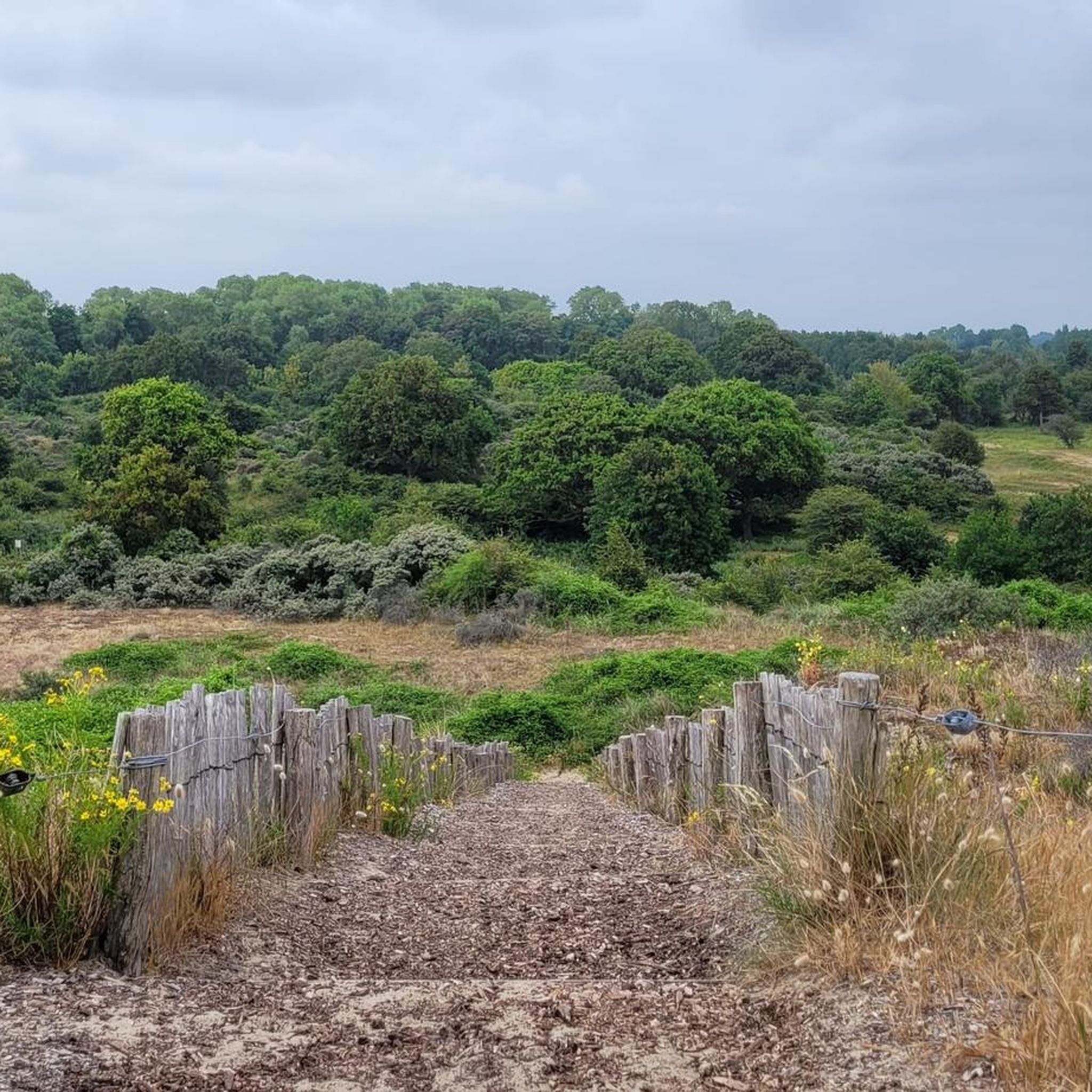
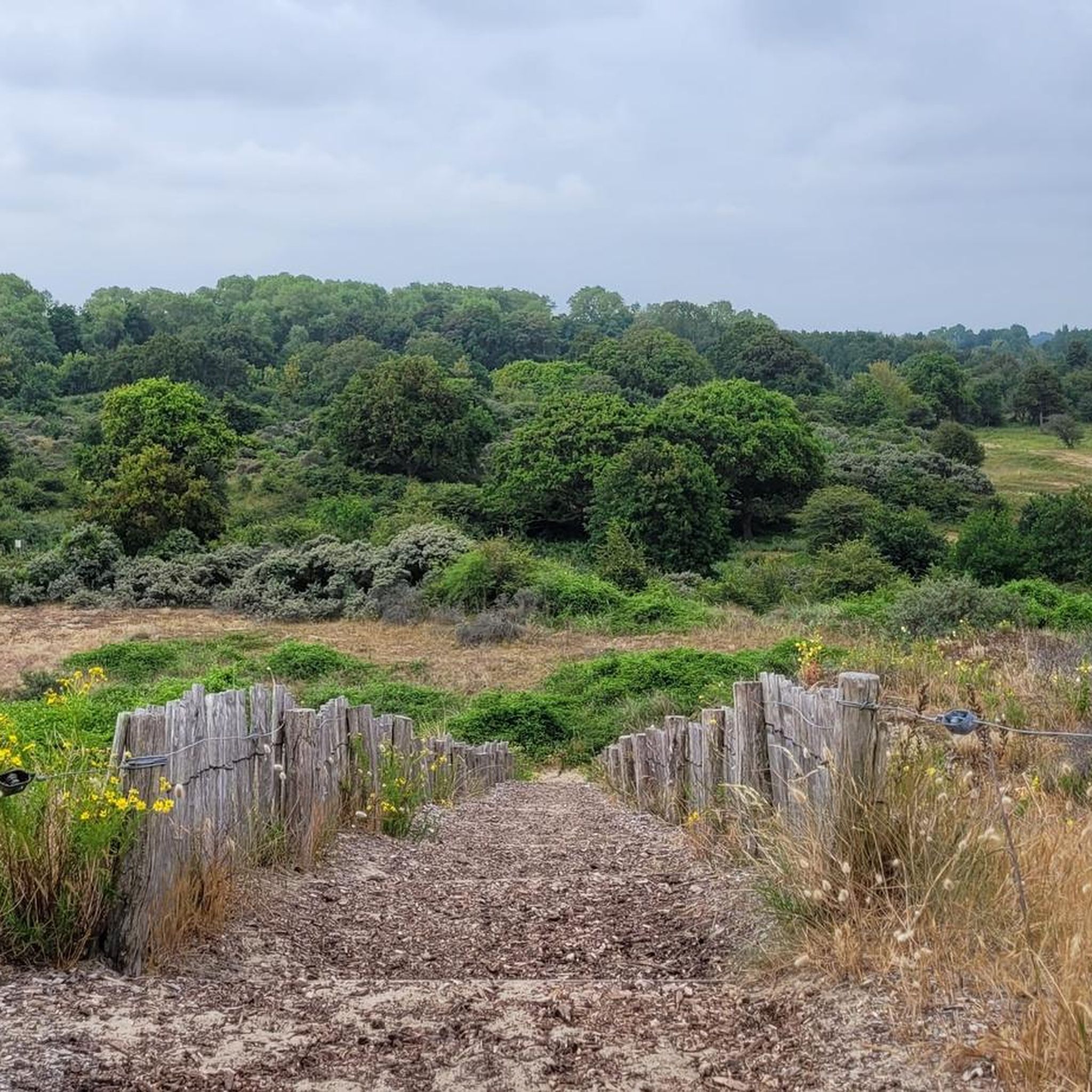
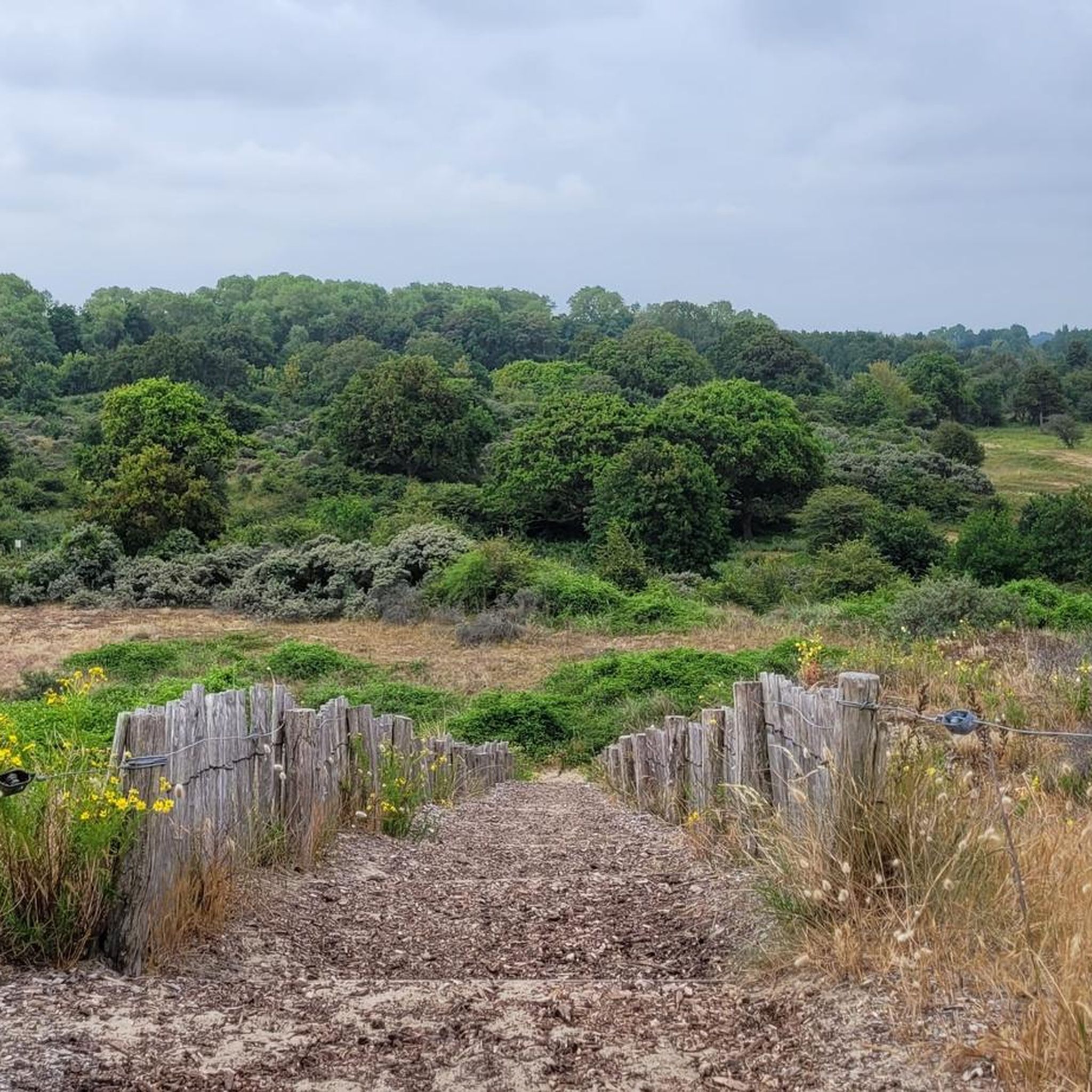
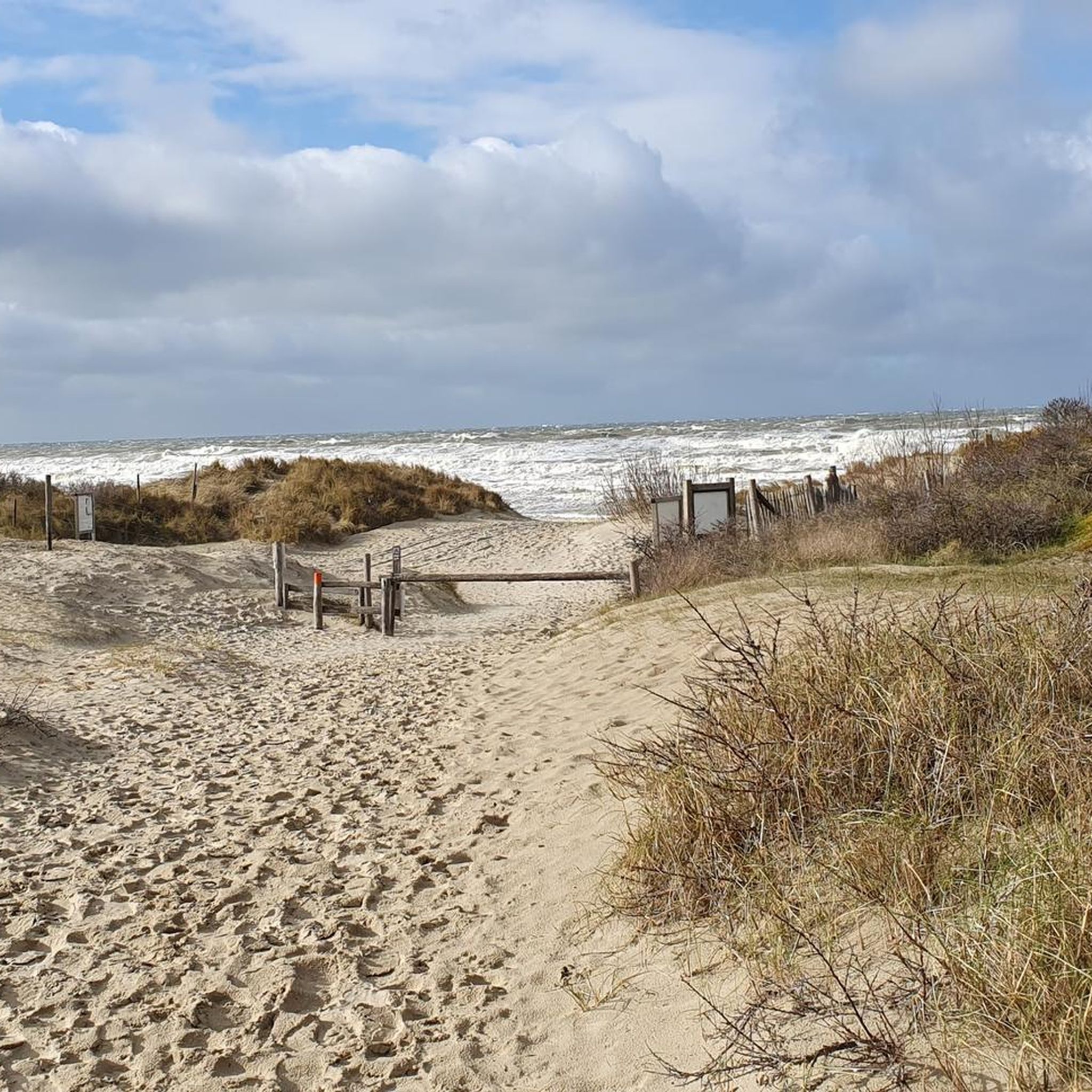
Jogging in Natuurreservaat De Westhoek offers diverse terrain across an extensive dune system, making it suitable for varied running experiences. The region features the most intact sea dune landscape on the Flemish coast, including foredunes, shifting dunes, and parabolic dunes. Beyond the dunes, the area encompasses beaches, forests, meadows, and marshes, providing a rich tapestry of natural environments. Joggers can encounter surfaces ranging from loose sand to stable paths, with routes often providing views of the North Sea.
Best jogging…
Last updated: May 20, 2026
5.0
(4)
48
runners
7.40km
00:53
20m
20m
Moderate run. Good fitness required. Mostly paved surfaces. Suitable for all skill levels.
3.0
(1)
38
runners
Moderate run. Good fitness required. Mostly paved surfaces. Suitable for all skill levels.

Sign up for free
4.0
(1)
35
runners
Moderate run. Good fitness required. Mostly paved surfaces. Suitable for all skill levels.
106
runners
Easy run. Great for any fitness level. Mostly paved surfaces. Suitable for all skill levels.
4.0
(1)
66
runners
Moderate run. Good fitness required. Mostly paved surfaces. Suitable for all skill levels.
Get access to more routes and recommendations from other explorers.
Sign up for free
Already have an account?
Our route recommendations are based on thousands of hikes, rides, and runs completed by other people on komoot.
Start today with a free account
Your next adventure awaits.
Login or Signup

Tips from the Community

"Westerpunt" is a six-meter-high architectural gem on the promenade leading to France. Studio MOTO designed it as a symbolic connection between the sea, dunes, and humanity. From the top, you can enjoy a magnificent 360° view of the surroundings. At high tide, part of the structure is submerged, making it seem as if you are literally suspended "above" the sea.
0
0

The Dune du Perroquet is a nature reserve in the town of Bray-Dunes, part of the Nord department of France. The 179-hectare area consists of dunes that are directly connected to the North Sea coast, making it the northernmost point of France. It has been a protected nature reserve since 1985 and is the easternmost of a series of dune areas along the French North Sea coast. The dunes are home to more than 350 plant species, 70 breeding bird species, and various amphibians. Typical dune plants include sea rocket, common evening primrose, sticky stork's bill, blue sea holly, Parnassia, and bird's-foot trefoil. Many bunkers can be found in the area. Some are remnants of the Atlantic Wall from World War II, but there are also a number of bunkers built by the French during the interwar period as part of the Maginot Line. Although this line was particularly strong along the French-German border, it was also constructed in a weakened form along the Belgian-French border to prevent a potential breakthrough by German troops through Belgian territory. Source: Wikipedia
1
0
A well-maintained bike path that can get busy at times. Courtesy is key. Enjoy together, each at their own pace.
1
0
These striking statues can be placed alongside monuments like the Statue of Liberty (New York) or Christ the Redeemer (Rio de Janeiro) thanks to their heroic-realistic character. Originally, such statues served as guides, but now they've become true must-sees. The three heads are also true wiseguys: each stubbornly looks in a different direction: towards France, England, or the Belgian countryside.
0
0
With only a pedestal for a body and their identical faces, the Three Wise Men of De Panne brave the elements. Their monolithic stature towers over the coastline. They fit into a tradition of realistic, public sculptures with a heroic function, such as the Statue of Liberty in New York Harbor, the Cristo Redentor in Rio de Janeiro, or, in the distant past, the Colossus of Rhodes. They stand as guardians or guardian angels for those sailing the sea, and as symbolic protectors of a port or coastal city. Originally serving as a welcoming beacon or guidepost, these statues have become a tourist attraction over time, from a point of reference to the destination itself. Originally, "wisdom" was a colloquial term for a scholar or wise person; now, it's used to describe a know-it-all who confuses wisdom with arrogance. With "The Three Wise Men of De Panne," Jos de Gruyter and Harald Thys have combined the original meaning with an extremely literal interpretation: the "pointing" of the nose. Nothing is as effectively guiding as a human nose; as laughable and banal as it is insurmountable and fundamental. Over each other's heads, the wise men look towards England, France, and the interior respectively, their gaze fixed on infinity. The thoughts, observations, and enigmatic knowledge of their gigantic minds likely extend from these three areas and reach much further. Source: https://www.dekust.be/beaufort-de-drie-wijsneuzen-van-de-panne
4
0
On July 17, 1831, then-Prince Leopold of Saxe-Coburg arrived in De Panne, shortly after Belgium's independence. In 1958, this statue was unveiled by then-mayor Gevaert in the presence of King Baudouin.
2
0
Petrus Decreton may not sound familiar, but you'll probably recognize his nickname, Pier Kloeffe. The Icelandic explorer who regularly fished on the beach after the First World War was immortalized in a bronze statue by Louis Van Den Eynde. Source: https://www.strandverblijf.be/nl/wandelingen/beeldenroute-de-panne
4
0
For the affluent middle class, the sea wall served as a kind of urban boulevard at the end of the 19th and beginning of the 20th century, perfect for strolling. Not only the sea wall, but also the buildings along it reflect this urban living culture. The villas form a continuous development and are situated on narrow plots. Furthermore, the facades always face the sea, ensuring optimal views of the beach and the water. All these characteristics are still evident in Villa Doudou. This cottage-style house from 1901 was designed by Albert and Alexis Dumont and was originally called "Titikot." It is a narrow, deep house with three stories under a mansard roof. The sea view clearly takes precedence here, as the front door is located on the first floor (half a floor above street level) and opens directly onto the living room, making the living space the width of the building plot. The use of beveled windows also contributes to this effect. The house has a separate service entrance that leads directly into the basement and is intended for staff. The villa is a protected monument, but today it sits wedged between two tall apartment buildings, a typical image of current coastal development. Source: Walking Guide Heritage Walk De Panne
3
0
Frequently Asked Questions
How many running routes are available in Natuurreservaat De Westhoek?
Natuurreservaat De Westhoek offers a wide selection of over 370 running routes. These routes cater to various preferences, ranging from easy loops to more challenging trails across its diverse landscapes.
What kind of terrain can I expect when jogging in Natuurreservaat De Westhoek?
You'll encounter a highly varied terrain, characteristic of the Flemish coast's most intact sea dune landscape. Routes feature everything from loose sand in the extensive dune systems to more stable paths through forests, meadows, and along the beach. This diversity provides an engaging workout and constantly changing scenery.
Are there any easy running routes suitable for beginners or a relaxed jog?
Yes, Natuurreservaat De Westhoek has numerous easy running options. For instance, the De Panne Beach Promenade – Pier Kloeffe Statue loop is an easy 4.6-mile (7.4 km) path, perfect for a gentle run or for those new to trail running.
Can I find circular running routes in Natuurreservaat De Westhoek?
Absolutely. Many of the running routes in the reserve are circular, allowing you to start and finish at the same point. A popular example is the Westerpunt – Ligusterpad loop, which takes you through impressive dune landscapes.
What are some notable landmarks or viewpoints I might see along the running trails?
The reserve offers several scenic points. You can enjoy coastal views and pass by landmarks such as the Oostergrenspad Observation Deck, the Westerpunt, or even the Belgium–France Border at Grenspad. Many trails also lead through the unique De Westhoek Dune Reserve itself.
Is Natuurreservaat De Westhoek suitable for family-friendly jogging?
Yes, the reserve is generally suitable for families. With a variety of easy and moderate routes, you can find paths that are less strenuous and offer beautiful natural surroundings for a family outing. The diverse landscapes and potential for wildlife spotting can make it an engaging experience for all ages.
Are dogs allowed on the running routes in Natuurreservaat De Westhoek?
While the region is a nature reserve, specific rules for dogs can vary. It's generally advisable to keep dogs on a leash to protect the local wildlife and ensure a pleasant experience for all visitors. Always check local signage for any specific restrictions on certain paths or areas.
What kind of wildlife might I encounter while running in the reserve?
Natuurreservaat De Westhoek is rich in biodiversity. You might spot various bird species, including migratory birds, and even nesting birds like the Northern Wheatear. In the lower dune hollows, it's possible to see large grazing animals such as Scottish Highland cattle and Konik horses, which help maintain the landscape.
Are there any running routes that offer coastal views or beach sections?
Many routes provide stunning coastal views, especially those that traverse the extensive dune system. The Bray Dunes – Bray-Dunes Beach loop is a prime example, offering sections directly along the beach and panoramic views of the North Sea.
What do other runners enjoy most about jogging in Natuurreservaat De Westhoek?
The area is highly rated by the komoot community, with an average score of 4.4 stars from over 240 reviews. Runners frequently praise the diverse terrain, the stunning natural beauty of the dunes, and the well-maintained paths that offer a unique and engaging running experience.
How long does it typically take to complete a running route in the reserve?
Running times vary depending on the route's distance and your pace. For example, the Pier Kloeffe Statue, De Panne – De Westhoek Nature Reserve loop, which is about 6.6 miles (10.7 km), typically takes around 1 hour and 10 minutes to complete.
Are there options for longer or more challenging running trails?
Yes, for those seeking a greater challenge, the reserve offers routes with more significant distances and varied elevation changes within the dune landscape. While most routes are moderate, the diverse surfaces, including loose sand, can provide a more intensive workout compared to typical forest runs.
Most popular routes in Natuurreservaat De Westhoek
Most popular attractions in Natuurreservaat De Westhoek

Get inspired with the komoot mobile app


Explore more
Browse the best Running Trails & Routes in other regions.
