Top 12 Natural Monuments in Chko Třeboňsko
Best natural monuments in Chko Třeboňsko is a Protected Landscape Area and UNESCO biosphere reserve in the Czech Republic. This region is characterized by its diverse ecosystems, including marshes, forests, and numerous lakes. It safeguards over 30 natural reserves and monuments, encompassing valuable natural heritage such as peat bogs, marshy meadows, and riparian forests. The area offers a variety of natural features for exploration.
Best natural monuments in Chko Třeboňsko
- The most popular natural monuments is Opatovický Pond, a…
Last updated: October 8, 2026
Rožmberk Pond
Highlight • Lake
Rybník Rožmberk, created in the 16th century.
A pure natural retreat.
Translated by Google •
Tip by

Gatterschläger Pond on the Koštěnický Stream
Highlight • Lake
Translated by Google •
Tip by

Sign up now to discover places like this
Get recommendations on the best single tracks, peaks, & plenty of other exciting outdoor places.
Opatovický Pond
Highlight • Lake
Translated by Google •
Tip by

Old Lake Staré jezero
Highlight • Lake
Translated by Google •
Tip by
Forests and Lakes of Třeboňsko
Highlight • Forest
Translated by Google •
Tip by
Sign up for free to discover even more natural monuments in Chko Třeboňsko.
Already have an account?
Start today with a free account
Your next adventure awaits.
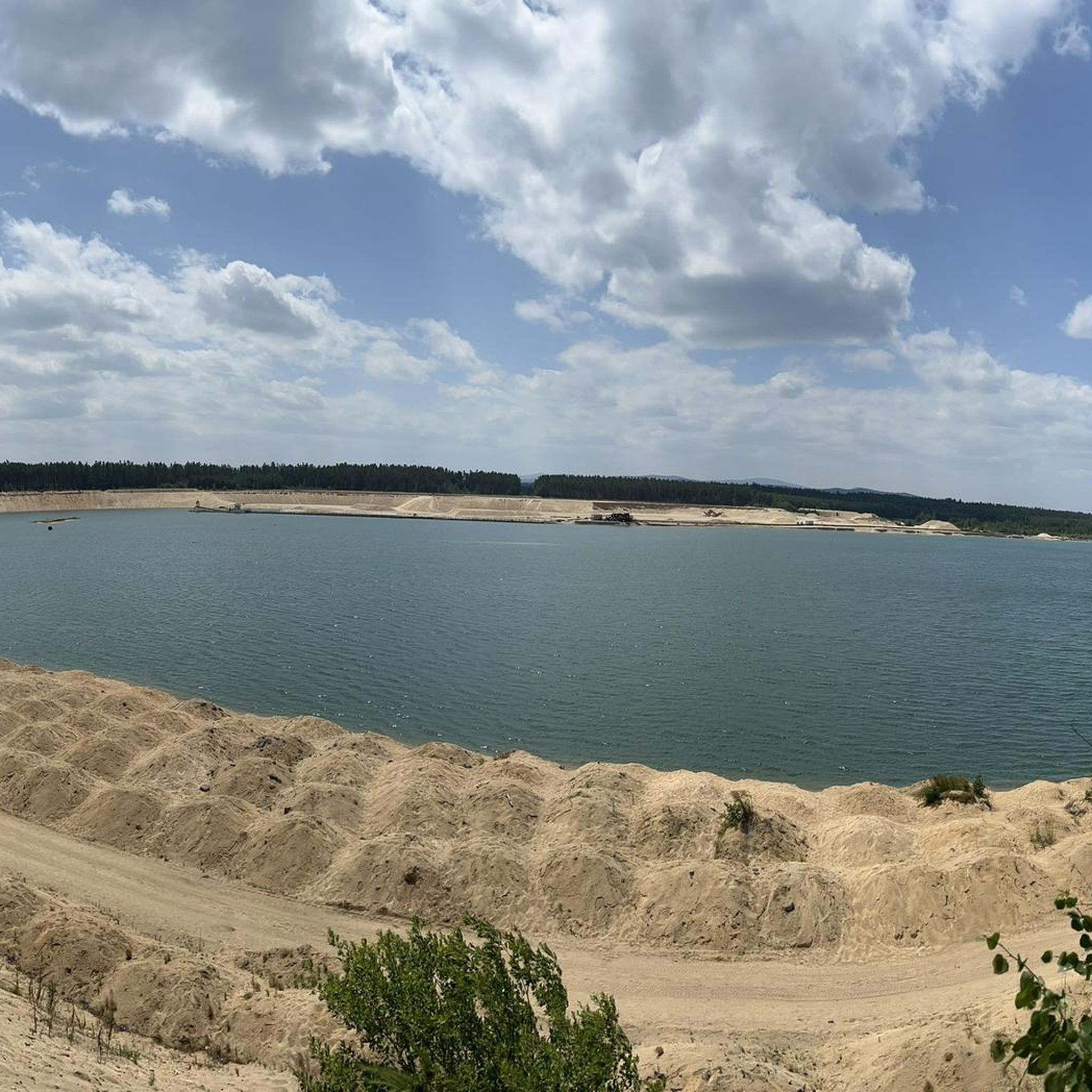
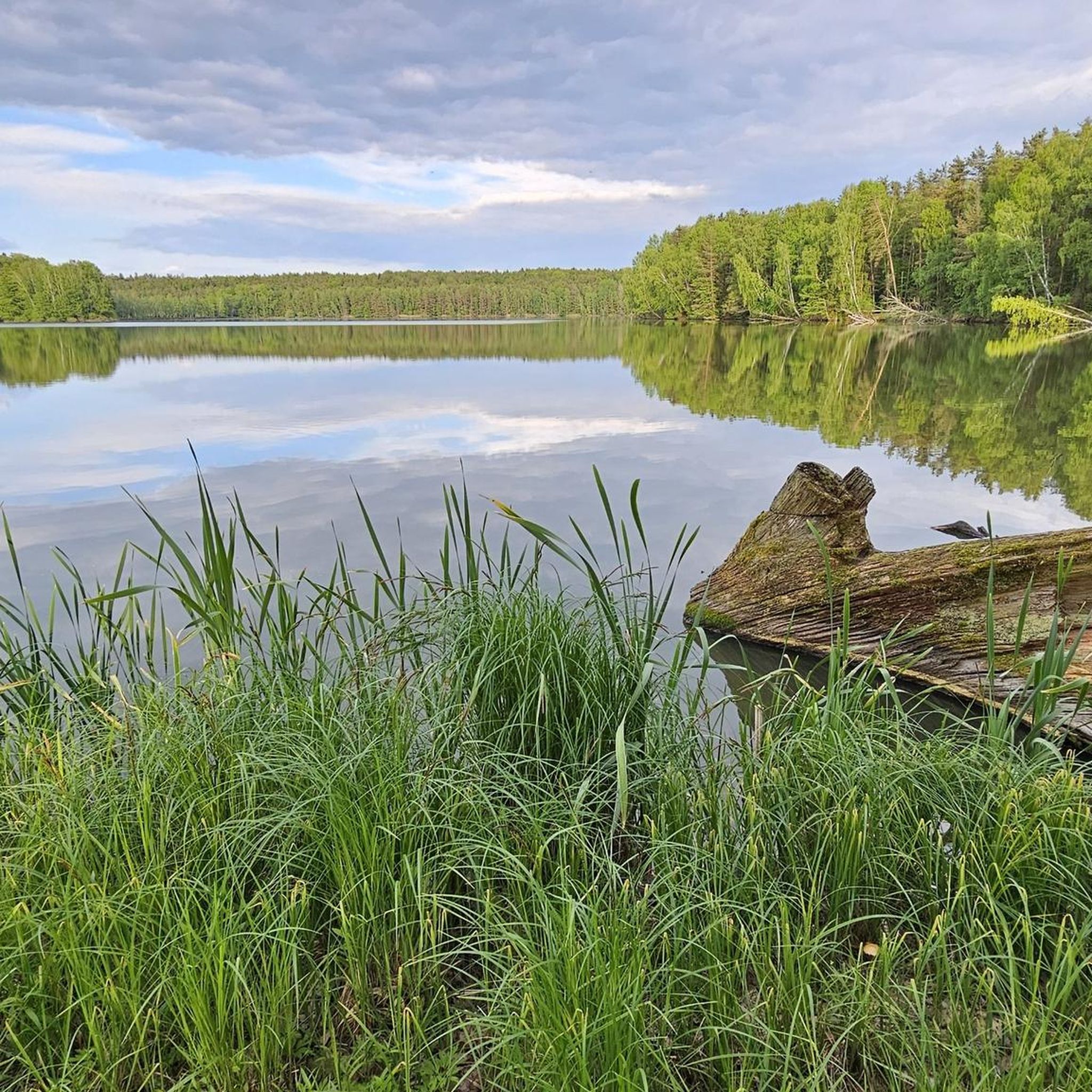
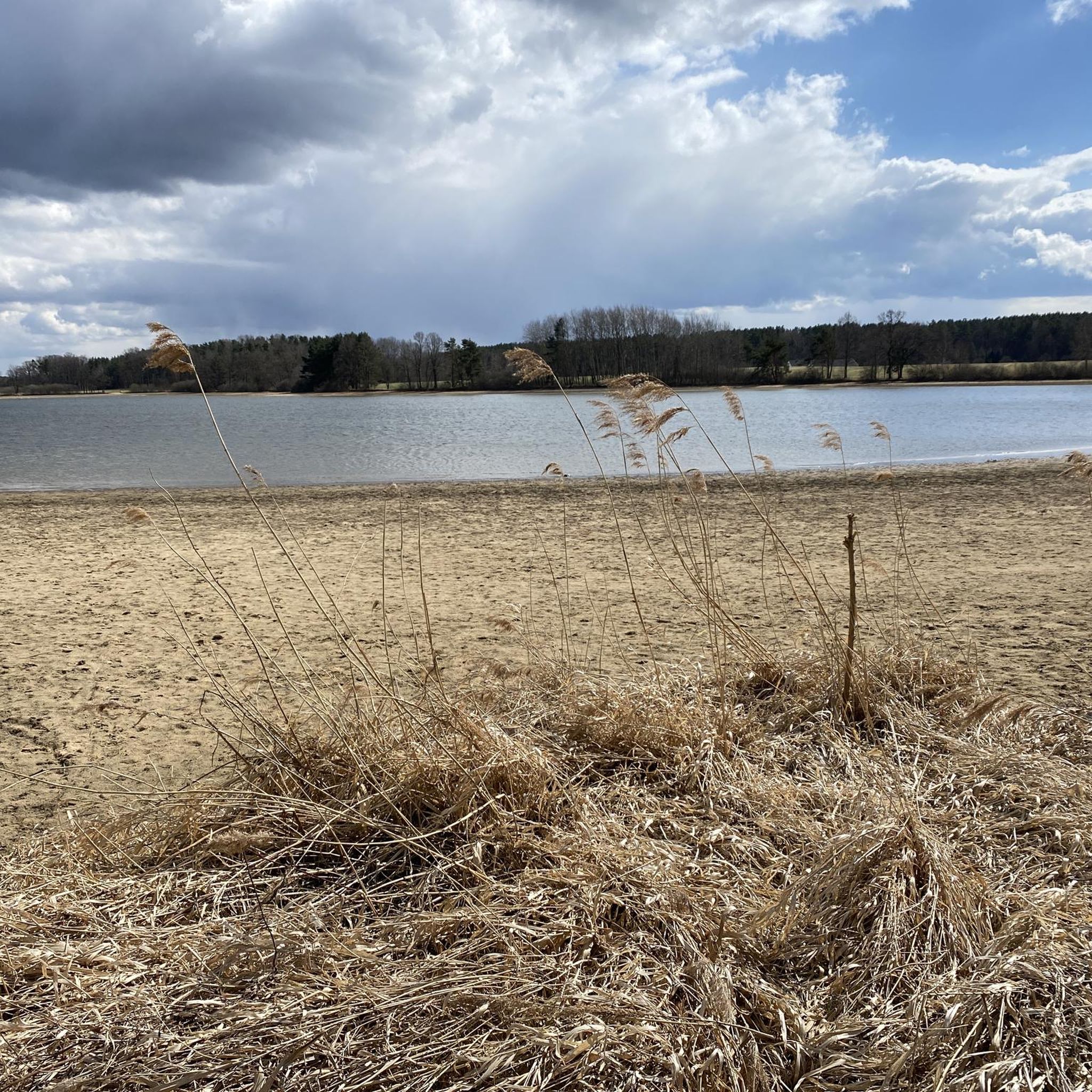
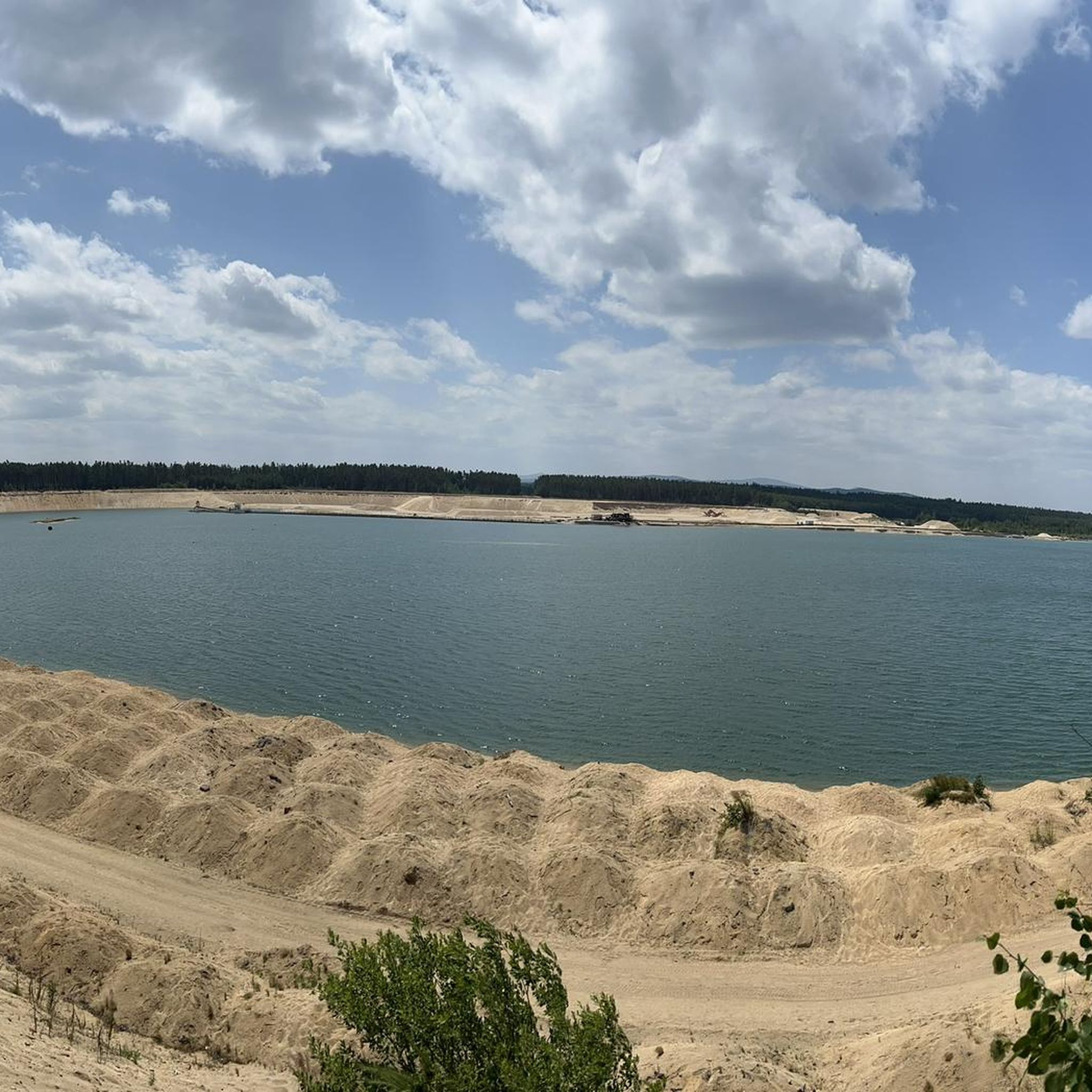
Tips from the Community

A beautiful pond, located right next to the World Pond, this pond got its name from the Opatovice settlement, which originally stood on the site of the pond, today a beautiful path has been created around the pond, lined with an avenue of trees, in there are many animals nearby.
0
0
Bike path along the lake. It's worth stopping and looking around.
0
0

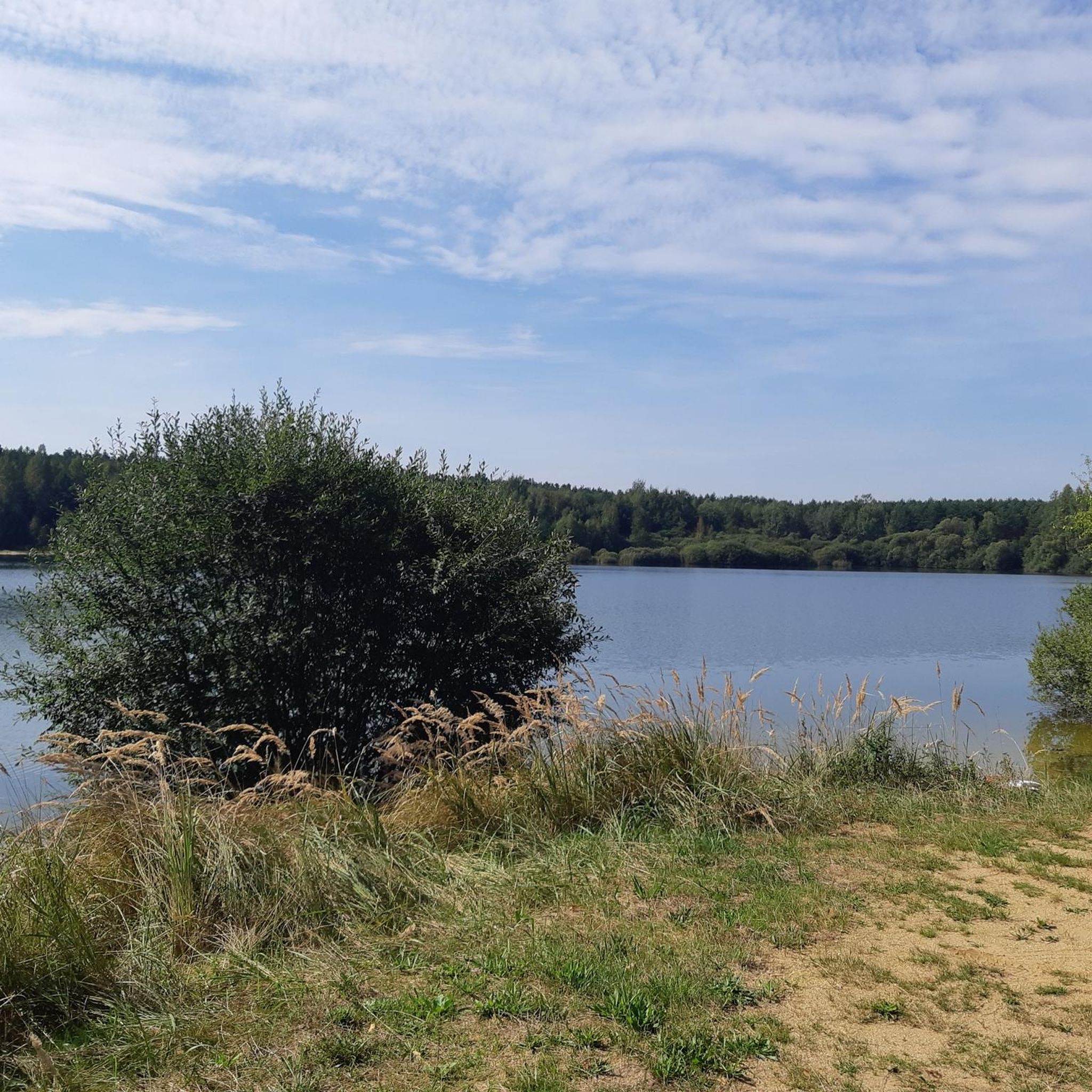
Staré jezero is a lake near Lutová and can can be reached from the surrounding towns of Žíteč (about 2 km from the lake), Mirochov (3 km away) and Staňkov (about 3 km away).
0
0

Staré jezero is a pond and nature reserve. The reason for the protection is the riparian vegetation of the pond and the adjacent moors with rare flora and bird life.
0
0
The Neumühlbach, also Gatterschläger Bach and Chlumetzbach (Czech Koštěnický potok), is a right tributary of the Lainsitz in the Czech Republic and Austria. Between Člunek and Kačlehy, the Koštěnický potok feeds the three-kilometre-long and 196-hectare Kačležský rybník (Gatterschlägerteich), the island in it is a bird sanctuary.
1
0

The whole next farewell is wonderful! There are even moors! In addition, it's not far to the highest mountain in the region!
0
0
The whole region crossed by small rivers and which, there are even moors
0
0
Frequently Asked Questions
What types of natural monuments can I explore in Chko Třeboňsko?
Chko Třeboňsko is a diverse landscape, offering a variety of natural monuments. You can explore extensive pond systems like Opatovický Pond, ancient oak groves such as Branské doubí, and areas characterized by unique ecosystems like peat bogs and marshy meadows. The region is also rich in forests and lakes, providing varied natural landscapes.
Are there family-friendly natural monuments in Chko Třeboňsko?
Yes, several natural monuments in Chko Třeboňsko are suitable for families. For instance, Gatterschläger Pond on the Koštěnický Stream is a great spot, especially with its island serving as a bird sanctuary. Old Lake Staré jezero and Opatovický Pond also offer pleasant experiences for all ages, with easy access and opportunities for observation.
What unique wildlife can be found in the natural monuments of Chko Třeboňsko?
The region's diverse ecosystems support a rich array of wildlife. At Branské doubí, for example, you can find rare invertebrates like the protected hermit beetle and the mighty great capricorn beetle, which thrive in the ancient oak wood. Various bird species, including the collared flycatcher, grey-headed woodpecker, middle spotted woodpecker, and tawny owl, also nest in the area. The island in Gatterschläger Pond is a designated bird sanctuary.
Are there accessible trails for visitors with limited mobility?
Yes, some areas are particularly accessible. Branské doubí, a Natural Monument known for its ancient oak grove, offers easily accessible, flat hiking trails, making it suitable for all visitors, including those with limited mobility. This allows everyone to enjoy the tranquility of its wild nature and admire the centuries-old trees.
What kind of outdoor activities can I do near the natural monuments?
Chko Třeboňsko offers a wide range of outdoor activities. You can enjoy cycling along the perimeter of ponds like Opatovický Pond, or explore the many hiking trails. For more structured activities, consider exploring the easy hikes, running trails, or MTB trails available throughout the region.
What is the best time to visit Chko Třeboňsko for natural monuments?
The region is beautiful year-round, but spring and summer are ideal for enjoying the full biodiversity, lush greenery, and active wildlife. Autumn offers stunning colors, especially around the forests and lakes. For specific events like the traditional fish harvest at Rožmberk Pond, late autumn is the time to visit.
Where can I find more information about the natural heritage of Chko Třeboňsko?
For comprehensive information about the region's nature, educational trails, and points of interest, you can visit the Třeboňsko House of Nature. It is located in the State Castle Třeboň and features a permanent exhibition titled 'Landscape and People,' offering insights into the area's natural history through interactive activities.
Are there any historical or cultural aspects associated with the natural monuments?
Yes, the natural monuments are often intertwined with local traditions. The Rožmberk Pond Fish Harvest is a prime example, being a centuries-old ritual and a significant cultural event for the entire region, complete with music, food, and community celebration. The pond systems themselves are historical feats of engineering.
What makes the Forests and Lakes of Třeboňsko a notable natural monument?
The Forests and Lakes of Třeboňsko are notable for their expansive and varied natural landscapes. This area is characterized by numerous small rivers, extensive forests, and unique moors. It offers a rich tapestry of ecosystems, making it a significant natural monument for those seeking diverse natural beauty.
Can I cycle around the natural monuments?
Absolutely! Chko Třeboňsko is very cyclist-friendly. Opatovický Pond, for instance, has a well-developed bike path along its perimeter, perfect for leisurely rides and observing the surroundings. The flat terrain in many areas makes it ideal for cycling, and you can find various MTB trails as well.
What are the main characteristics of the Old Lake Staré jezero?
Old Lake Staré jezero is a protected nature reserve primarily known for its riparian vegetation and adjacent moors. It's a crucial habitat for rare flora and diverse bird life, making it a significant site for nature conservation and observation. It's a tranquil spot, easily reachable from nearby towns like Lutová, Žíteč, Mirochov, and Staňkov.
What is the significance of Chko Třeboňsko being a UNESCO biosphere reserve?
Being designated a UNESCO biosphere reserve highlights Chko Třeboňsko's global importance for both its natural and cultural values. This status recognizes the region's efforts in conserving its unique biodiversity, including marshes, forests, and lakes, while also promoting sustainable development and research. It underscores the area's role as a model for balancing human activity with environmental protection.
Most popular routes in Chko Třeboňsko
Most popular attractions in Chko Třeboňsko

Get inspired with the komoot mobile app


