Top 4 Natural Monuments in Amecameca
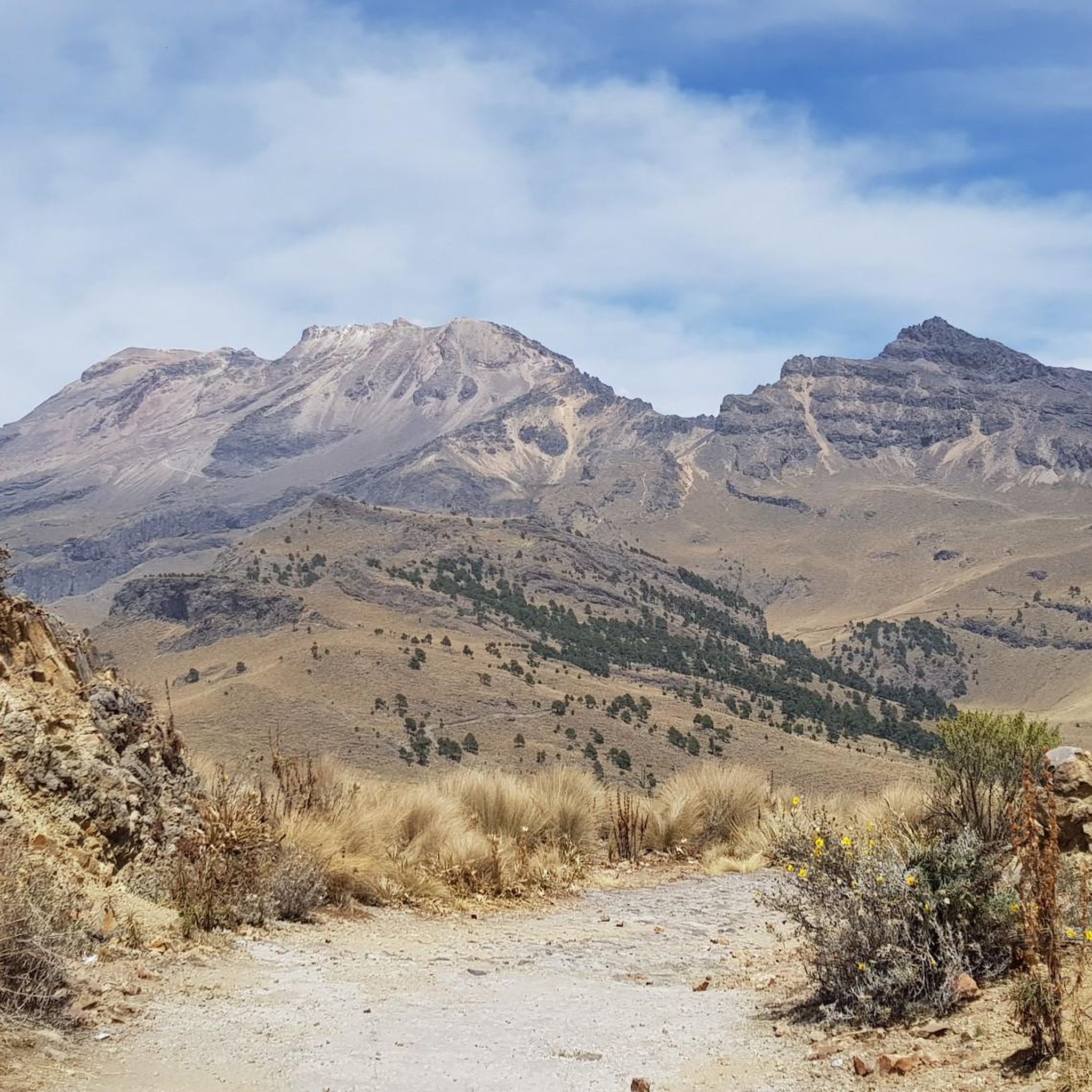
Natural monuments in Amecameca are primarily centered around the Sierra Nevada mountain range, offering diverse volcanic landscapes and ecosystems. The region is known for its significant natural features, including the Izta-Popo Zoquiapan National Park and Sacromonte National Park. These areas provide opportunities to explore towering volcanoes, ancient hills, and varied natural environments. Amecameca serves as a gateway to these protected areas, which hold both ecological and cultural importance.
Best natural monuments in Amecameca
- The most popular natural monuments is Shark…
Last updated: November 2, 2026
Shark Head Rock
Highlight • Natural Monument
Translated by Google •
Tip by

Popocatépetl Volcano
Highlight • Volcano
Translated by Google •
Tip by

Sign up now to discover places like this
Get recommendations on the best single tracks, peaks, & plenty of other exciting outdoor places.
Summit of Popocatépetl
Highlight • Summit
Tip by

View of Popocatépetl from Izta-Popo Zoquiapan National Park
Highlight • Viewpoint
The National Park's hiker and visitor control facilities opened in 1935 …
Translated by Google •
Tip by

Tips from the Community

An iconic rock for its shark shape, it is a reference point for the route to the Otis McAllister refuge.
0
0

Here you can find shelter, restrooms, food, and protection, as well as enjoy the wonderful view of the volcanoes. The National Park's hiker and visitor control facilities opened in 1935 as a refuge to protect the mountains that make up the Sierra Nevada, in the eastern center of the Transversal Volcanic Axis. It was declared a Los Volcanes Biosphere Reserve by UNESCO in 2010. Over the years and with changes in management, the services have gone from excellent to moderately good. At least, security increased after several critical moments. With social and community pressure, security was increased with the United Mountaineers Club. In 2015, agreements were signed to train the Mountain Police and safeguard hikers. It is much safer today than it was 10 years ago, although unfortunate events continue to occur.
2
0

The air is getting quite thin once you get closer to the top. Allow yourself enough time to get up there. We had to take a lot of breaks and needed around 4 to 5 hours to get there!
1
0

Carolina is absolutely right. Wen you are going up Izta and dawn breaks upon you the views across to the continually smoking Popo is amazing. Every time you turn back to take a picture you just have this marvellous volcano as a back drop. I simply love Mexico, its people and its mountains!
2
0

The access to the Popo is closed due to its constant activity, but the view from the Izta is amazing.
2
0
Frequently Asked Questions
What are the most prominent natural monuments to visit in Amecameca?
The region is dominated by the majestic volcanoes of the Izta-Popo Zoquiapan National Park. While the active Popocatépetl Volcano is generally restricted for climbing, its imposing presence is a key feature. The Iztaccíhuatl Volcano, known as 'Sleeping Woman,' offers various trails for hikers and mountaineers. You can also find unique geological formations like Shark Head Rock, a notable landmark on routes in the area.
What is the best time of year to visit the natural monuments in Amecameca?
The best time to visit for clear skies and mild temperatures is generally between November and April, which is the dry season. Spring, from March to May, also offers the added beauty of wildflowers and migratory monarch butterflies, making it an excellent period for outdoor activities.
Are there family-friendly activities or easy trails near Amecameca's natural monuments?
While many trails around the volcanoes can be challenging, areas within the Izta-Popo Zoquiapan National Park offer more accessible options. Sacromonte National Park, with its historical significance and beautiful wooded areas, provides a tranquil setting for families to explore and enjoy panoramic views without strenuous hiking. For specific easy routes, you can explore options like the 'Parque Amecameca loop' in the Cycling in Amecameca guide, which includes easy-rated trails.
What kind of wildlife and flora can I expect to see in the natural parks?
The Izta-Popo Zoquiapan National Park boasts diverse ecosystems, including coniferous and oak forests, as well as alpine grasslands at higher elevations. It's home to over 200 bird species, deer, coyotes, and raccoons. You might also encounter endemic species like the Popocatépetl salamander and Izta-Popo mouse.
What historical or cultural significance do these natural monuments hold?
The region is rich in history and culture. The Izta-Popo National Park is steeped in Aztec mythology, with a famous legend telling the love story of Princess Iztaccíhuatl and warrior Popocatépetl. Sacromonte National Park, particularly Cerro del Sacromonte, was considered sacred in pre-Hispanic times and houses the Monastery and Sanctuary of Sacromonte, built on ancient indigenous temples.
What outdoor activities can I do near the natural monuments in Amecameca?
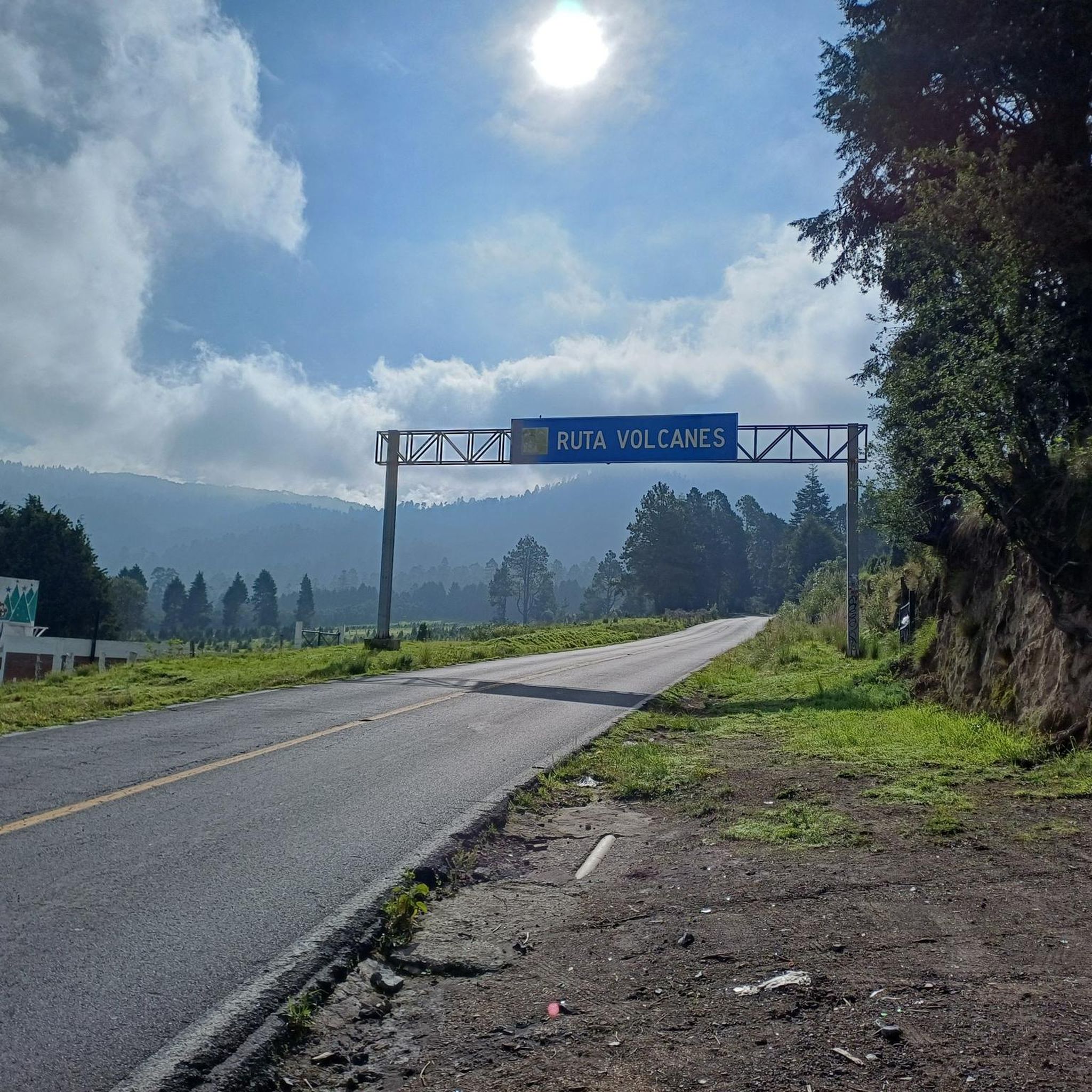
The area is a haven for outdoor enthusiasts. You can enjoy hiking, camping, bird-watching, and wildlife observation. The Cycling in Amecameca guide offers routes like the 'Route of the Volcanoes – Paso de Cortés loop.' For mountain biking, check out the MTB Trails in Amecameca guide, which features challenging rides like the 'Paso de Cortés Monument – La Joya Pass – 4,000 m loop'.
Where can I find the best viewpoints of the volcanoes?
The View of Popocatépetl from Izta-Popo Zoquiapan National Park offers a fantastic vantage point, complete with facilities. The historic Paso de Cortés, situated between the two volcanoes, also provides panoramic views of both Popocatépetl and Iztaccíhuatl. Additionally, Cerro del Sacromonte in Sacromonte National Park offers beautiful views of Amecameca and the volcanoes.
What are the typical hiking difficulties and elevations in the Izta-Popo Zoquiapan National Park?
Hiking in the Izta-Popo Zoquiapan National Park can range from intermediate to challenging. For instance, reaching the Summit of Popocatépetl (though access is often restricted) involves significant elevation gain where the air becomes quite thin. Trails around Iztaccíhuatl also vary in difficulty, with some routes reaching over 5,000 meters (16,400 ft). Always be prepared for high altitudes and changing weather conditions.
Do I need a permit or special permission to visit the natural monuments?
Access to certain areas, especially higher elevations or active zones of Popocatépetl, may be restricted or require permits. It's advisable to check with local park authorities or visitor centers for the most current regulations regarding access and permits, particularly for climbing Iztaccíhuatl or entering specific protected areas.
What facilities are available at the Izta-Popo Zoquiapan National Park?
At key entry points or popular viewpoints within the Izta-Popo Zoquiapan National Park, such as the area offering the View of Popocatépetl, you can often find shelter, restrooms, and sometimes food services. These facilities are designed to support hikers and visitors, providing a base for exploring the surrounding natural beauty.
Are there any dog-friendly trails or areas within the natural monuments?
While specific regulations for pets can vary, national parks often have restrictions on dogs, especially in wildlife-sensitive areas, to protect both the animals and the park's ecosystem. It's best to confirm with park management directly before bringing your dog to ensure compliance with local rules and to find designated pet-friendly zones if available.
Most popular attractions in Amecameca

Get inspired with the komoot mobile app


Explore more
Extend your search for the best caves by checking out these guides of the top ones in Amecameca:
